
Tunnel Surveying Equipment Guide: Key Accuracy Specs, Use Cases, and Selection Tips





Why Tunnel Surveying Equipment Matters More Than Ever
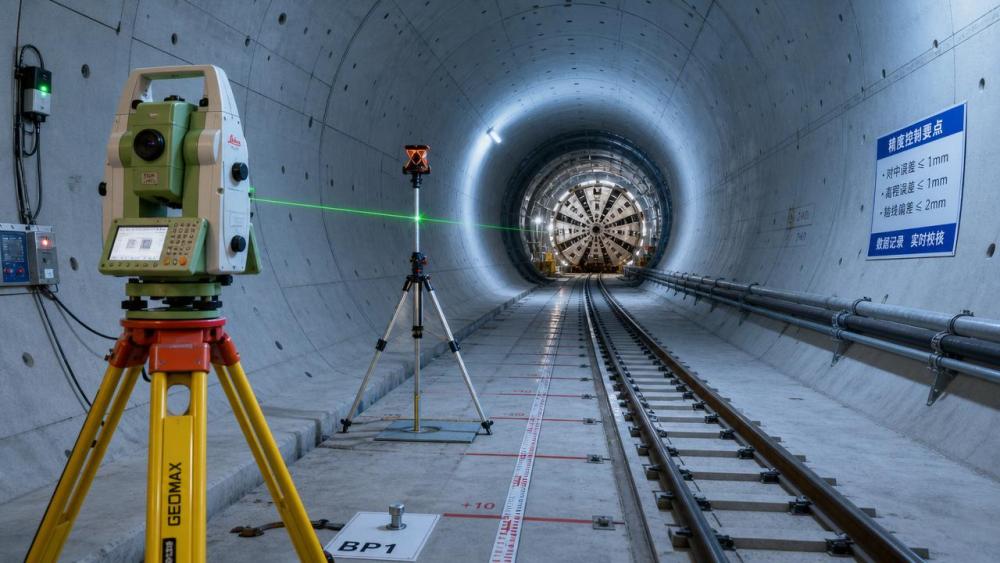
Tunnel Surveying Equipment sits at the center of underground accuracy, where a few millimeters can affect alignment, safety, schedule, and rework cost across an entire project.
That matters even more in today’s tunnelling environment, where TBMs, pipe jacking systems, and drill-and-blast operations depend on continuous positional control rather than occasional manual checks.
For UTMD’s coverage areas, this is not a narrow surveying topic. It connects directly with rock-cutting performance, digital guidance, automation readiness, and asset reliability in deep physical spaces.
In practical terms, the right Tunnel Surveying Equipment helps reduce breakthrough deviation, improve machine guidance, protect contractual tolerances, and support smoother handover between excavation and lining teams.
The buying decision therefore goes beyond instrument price. Accuracy stability, environmental resistance, interoperability, service access, and lifecycle cost usually have greater long-term impact than headline specifications alone.
What Falls Under Tunnel Surveying Equipment
Tunnel Surveying Equipment includes the instruments and positioning systems used to establish control, transfer alignment, monitor progress, and verify geometry inside underground works.
The category often combines total stations, laser guidance systems, gyroscopic tools, digital levels, prisms, targets, scanners, data collectors, and software platforms for adjustment and reporting.
Some projects rely on compact setups for periodic checks. Others need integrated guidance loops that feed real-time data into TBM control, pipe jacking steering, or underground mapping workflows.
This is why selection should start with operational intent. Equipment designed for open-site stakeout does not automatically perform well in wet, dusty, vibrating, low-visibility tunnel conditions.
Core functions typically expected
- Establish and maintain tunnel control networks
- Transfer alignment from portal to underground headings
- Guide excavation direction and grade in real time
- Check segment, lining, or pipe installation geometry
- Document deviation, convergence, and as-built conditions
The Accuracy Specifications That Deserve Real Attention
Accuracy is the first filter, but it should be read in context. A strong specification sheet means little if the stated performance drops sharply under humidity, vibration, dust, or repeated setup changes.
The most useful way to compare Tunnel Surveying Equipment is to separate laboratory precision from field-repeatable accuracy. Procurement quality improves when those two ideas are not confused.
Key metrics to compare
More worth watching is the tolerance chain. Instrument accuracy, target quality, mount stability, software adjustment, and operator workflow all combine into the final positional result.
That is why mature buyers ask for evidence from similar underground jobs, not only factory certificates. A slightly lower nominal spec can outperform a premium unit if field robustness is stronger.
Use Cases Across Tunnelling and Underground Mining
The best Tunnel Surveying Equipment choice depends heavily on excavation method, tunnel geometry, and the pace of decision-making required on site.
TBM guidance and segment control
In TBM operations, surveying feeds the machine’s directional intelligence. Errors can influence cutterhead path, ring build quality, annular gap management, and eventual breakthrough alignment.
UTMD’s focus on full-face tunnel boring makes this especially relevant. As TBMs become more automated, Tunnel Surveying Equipment must integrate cleanly with guidance software and reporting systems.
Pipe jacking and microtunnelling alignment
For trenchless projects, line and grade control are commercially sensitive because deviations can compromise utility interfaces, shaft connections, and urban clearance envelopes.
Here, compact laser guidance and precise control transfer often matter more than broad multi-function capability. Reliability in confined shafts is usually a stronger differentiator than feature count.
Drill-and-blast headings
In drill-and-blast tunnels, surveying supports face pickup, blast hole layout, overbreak control, and support installation checks. Delays often come from re-establishing control after blasting and mucking cycles.
Fast setup, durable housings, and dependable data transfer can be more valuable here than extremely advanced automation functions that see limited daily use.
Underground mining development
Mining drifts, declines, and ore access tunnels add another layer of complexity. Ventilation constraints, mobile equipment traffic, and long operating cycles create strong demand for rugged, serviceable systems.
As mines adopt remote operation, battery-electric fleets, and digital mapping, Tunnel Surveying Equipment increasingly becomes part of a larger underground data ecosystem.
Selection Criteria Beyond the Brochure
Procurement decisions improve when selection criteria are tied to failure modes. The most common issue is not lack of features. It is mismatch between tool capability and site reality.
Questions that usually reveal fit
- How often will control need to be transferred or re-established?
- What is the longest practical line-of-sight in the tunnel?
- Will the system connect with TBM, GIS, BIM, or mine planning platforms?
- How severe are dust, water ingress, shock, and vibration conditions?
- What calibration, repair, and spare-part support exists locally?
- Which compliance records are needed for project approval or audit trails?
Battery endurance, screen usability with gloves, mount compatibility, and data export format may seem minor during tender review. Underground, they quickly become productivity drivers.
Lifecycle thinking also matters. A lower initial price can lose its advantage if recalibration intervals are short, consumables are proprietary, or service turnaround takes too long.
Common Buying Mistakes and How to Avoid Them
One frequent mistake is overbuying specification and underbuying support. High-end Tunnel Surveying Equipment cannot deliver value if training, commissioning, and troubleshooting are weak.
Another is treating all underground jobs as similar. A metro TBM drive, a utility microtunnel, and a hard-rock mine decline may all need precise survey control, but not the same system architecture.
There is also a tendency to compare instruments without comparing workflows. Software compatibility, reporting logic, and data handoff often decide whether the equipment actually shortens decision cycles.
For readers following UTMD’s intelligence on smart mines and mega underground projects, this point is becoming sharper. Survey tools are no longer isolated hardware purchases. They are digital infrastructure.
A Practical Way to Build a Shortlist
A useful shortlist usually starts with three layers: accuracy need, environment fit, and data integration requirement. Only after that does brand comparison become truly meaningful.
It helps to request case evidence from projects with similar geology, tunnel diameter, and operating method. Field references often reveal more than polished product literature.
If possible, compare suppliers using a weighted matrix that includes calibration support, software openness, training depth, spare availability, and upgrade path for future automation.
Tunnel Surveying Equipment should ultimately be judged by how well it preserves alignment confidence over time, not by how impressive it looks in a specification table.
The next sensible step is to map project tolerances, operating constraints, and reporting needs before reviewing models. That approach creates a more defensible decision and a more reliable underground outcome.
Related News
How to Evaluate European Drill-and-Blast Tunnelling Contractors for Complex Projects
Drill and blast tunnelling contractors Europe: learn how to assess geology expertise, blast control, equipment reliability, safety, and programme resilience for complex projects.
Which Trenchless Construction Technique Fits Your Utility Crossing Conditions?
Trenchless construction techniques compared for utility crossings: choose HDD, microtunnelling, pipe jacking, or auger boring based on ground, accuracy, access, and risk.
What Is Driving Metro Tunnelling Demand Across Southeast Asia’s Major Cities?
Metro tunnelling Southeast Asia is accelerating as major cities tackle congestion, flooding, and connectivity. Explore the market forces, technical risks, and opportunities shaping demand.
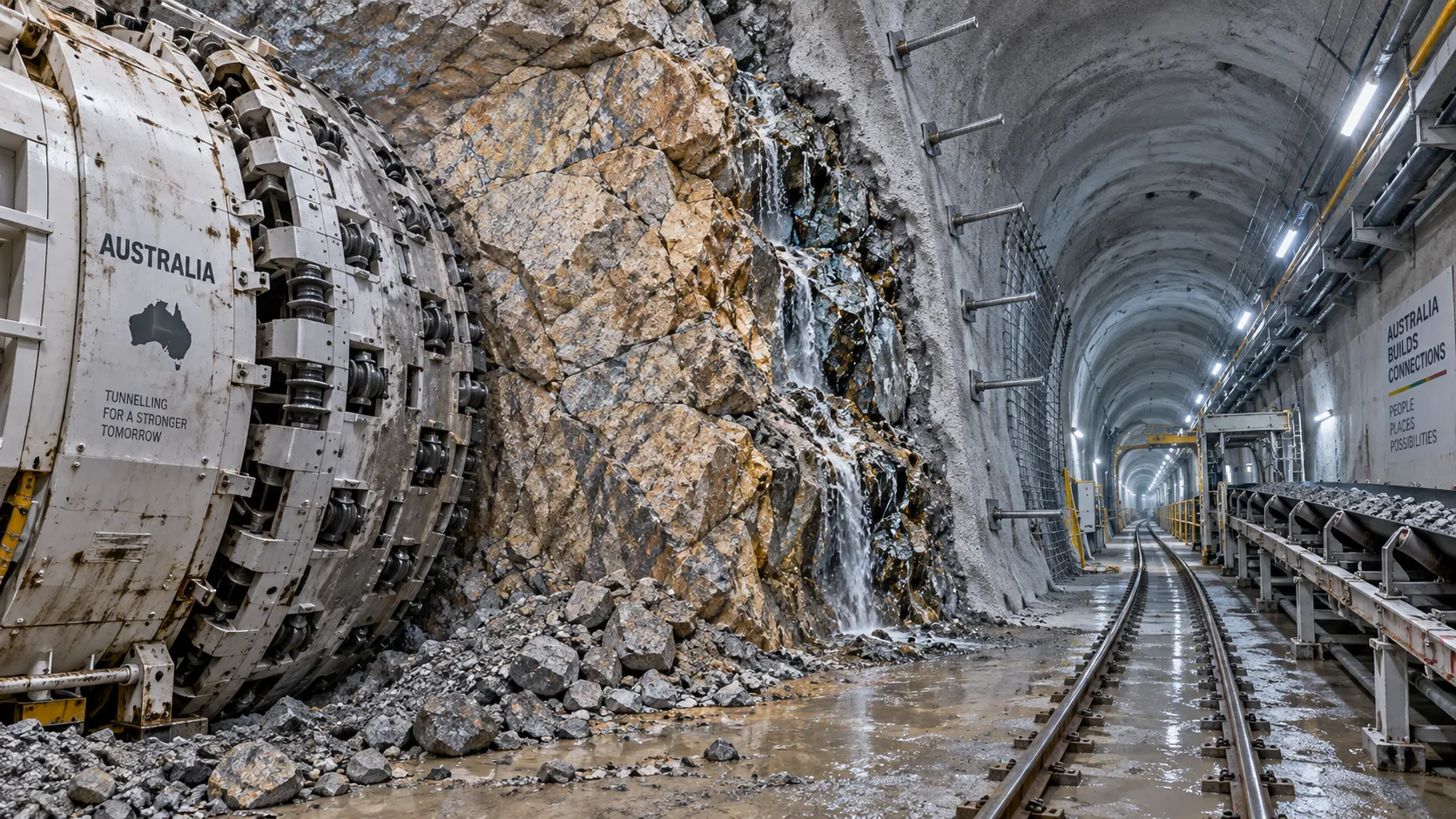
Hard Rock Tunnelling in Australia: Selecting Methods for Variable Ground Conditions
Hard rock tunnelling in Australia: compare TBM, drill-and-blast and hybrid methods to manage variable ground, reduce risk and protect project costs.
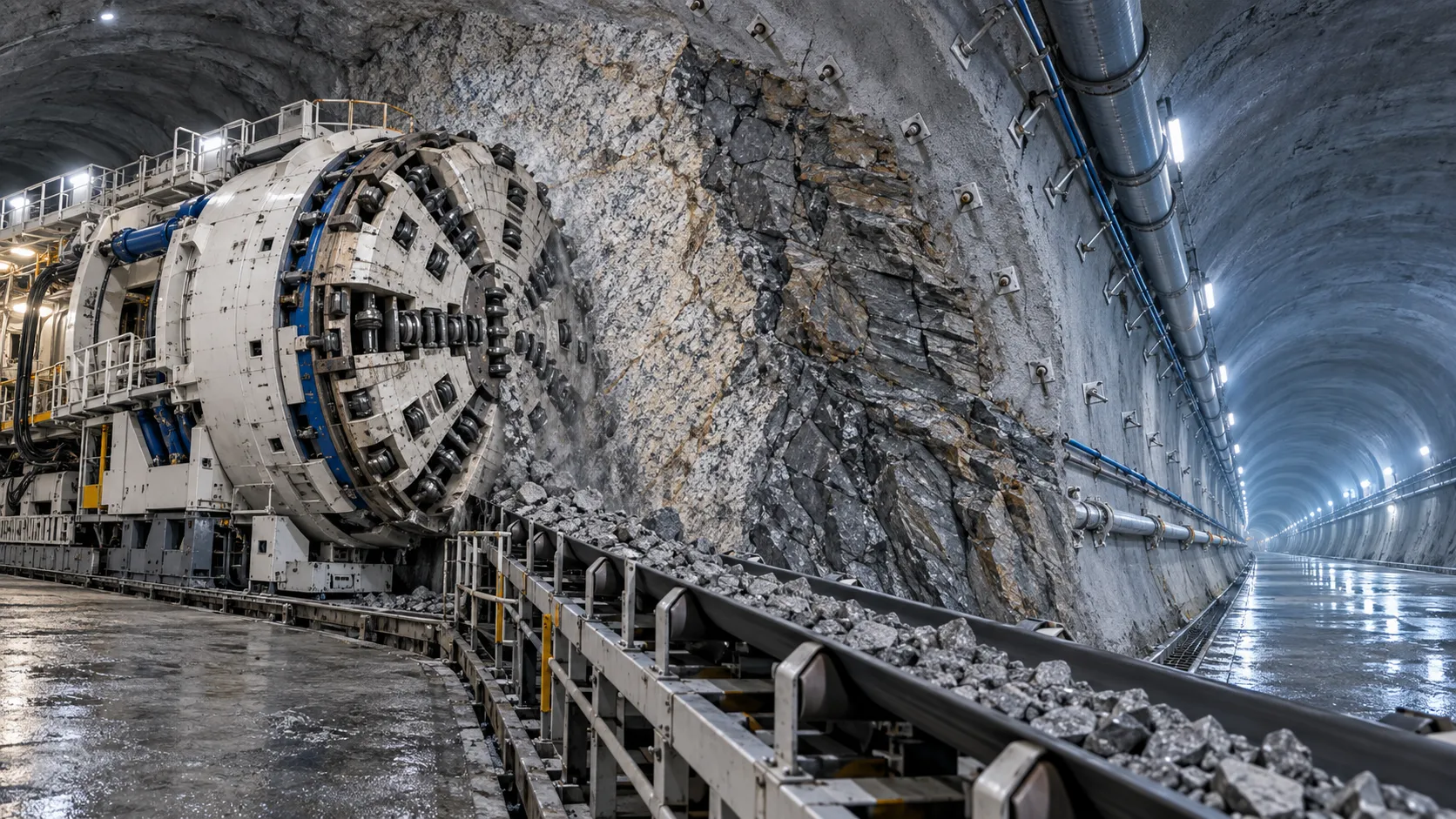
Hydropower Tunnel Excavation: Selecting Methods for Variable Rock Conditions
Hydropower tunnel excavation methods for variable rock conditions: compare TBM, drill-and-blast, and hybrid strategies to improve safety, progress, and project control.
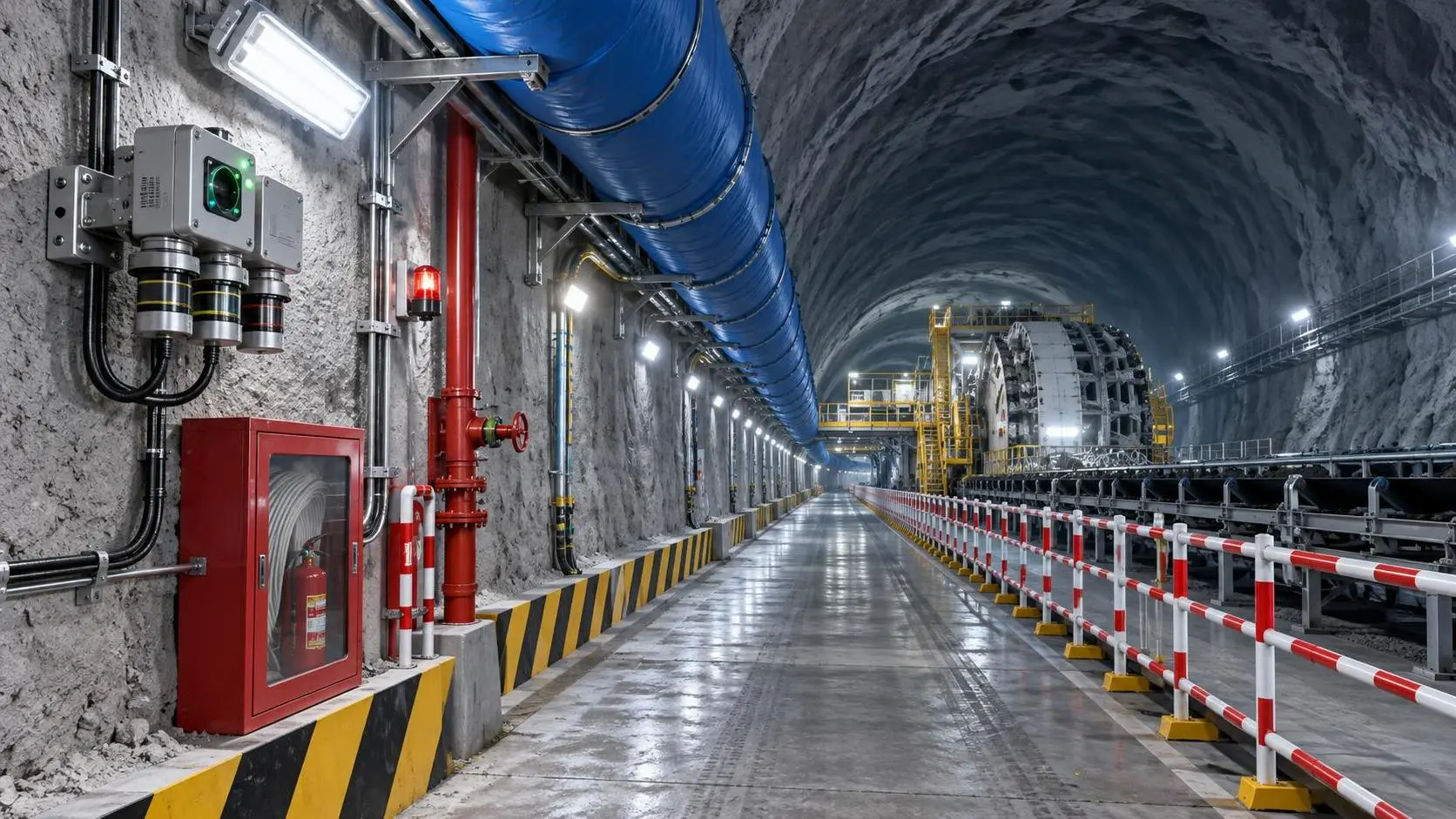
How to Select Underground Safety Equipment for Tunnelling by Hazard and Work Zone
Underground Safety Equipment for tunnelling: match protection to hazards, work zones, compliance, and emergency needs with this practical selection guide.
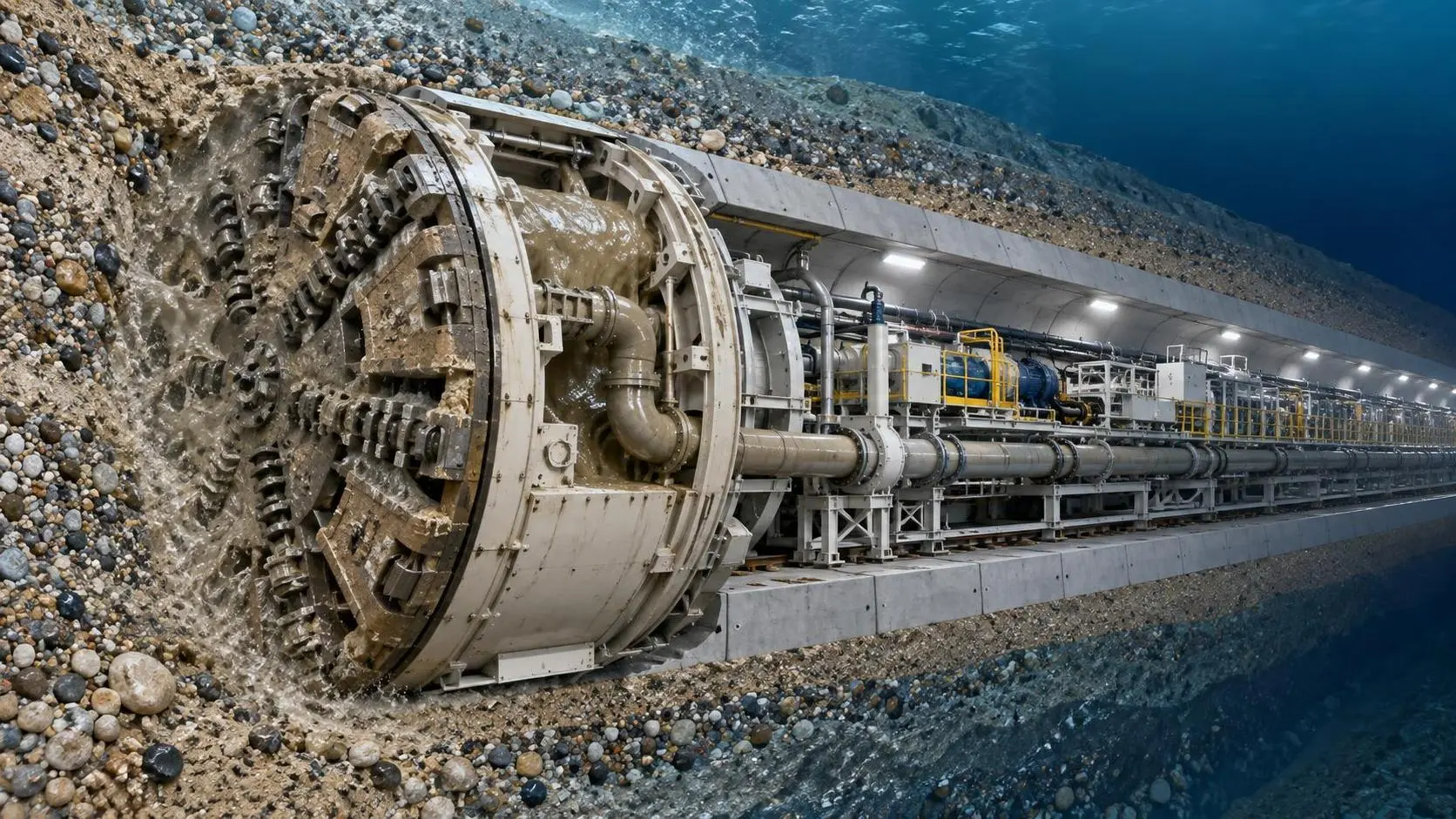
EPB or Slurry Shield? Selecting Soft-Ground Tunnelling Equipment by Soil Conditions
Tunnel Excavation Equipment for soft ground: compare EPB and slurry shields by soil, groundwater, settlement risk, and project logistics to choose confidently.
How to Specify TBM Backup System Parts for Reliable Long-Distance Tunnelling
TBM backup system parts: learn how to specify reliable spares for long-distance tunnelling, reduce downtime, ensure compatibility, and speed underground recovery.
How to Size Open Pit Mining Trucks for Haul Distance, Grade, and Payload?
Open Pit Mining Trucks: learn how to match payload, haul distance, grade, road resistance, and loading capacity for safer, lower-cost mine operations.
Related News
- 00
0000-00
How to Evaluate European Drill-and-Blast Tunnelling Contractors for Complex Projects - 00
0000-00
Which Trenchless Construction Technique Fits Your Utility Crossing Conditions? - 00
0000-00
What Is Driving Metro Tunnelling Demand Across Southeast Asia’s Major Cities? - 00
0000-00
Hard Rock Tunnelling in Australia: Selecting Methods for Variable Ground Conditions - 00
0000-00
Hydropower Tunnel Excavation: Selecting Methods for Variable Rock Conditions
Weekly Insights
Stay ahead with our curated technology reports delivered every Monday.