
Trenchless Construction Methods Explained: How to Choose for Urban Utility Projects





Trenchless Construction Methods Explained: How to Choose for Urban Utility Projects
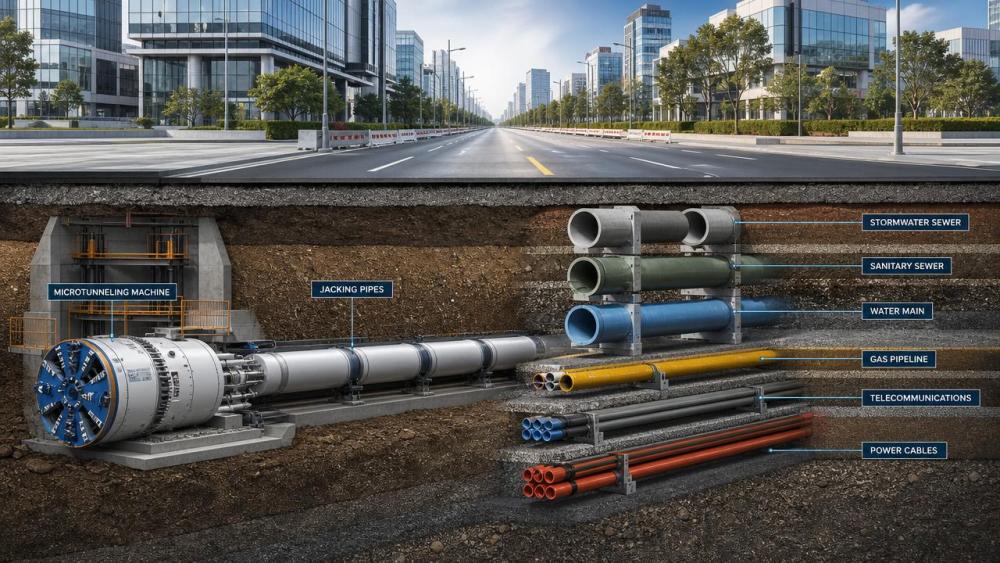
Trenchless Construction is changing urban utility delivery.
It reduces surface excavation, traffic disruption, noise, and community complaints.
That matters more in dense cities with aging networks and limited work windows.
Still, choosing a Trenchless Construction method is rarely straightforward.
Ground conditions, alignment accuracy, utility congestion, and shaft space all shape the decision.
Cost also matters, but so do settlement risk, schedule certainty, and permit complexity.
In practice, the best option is the one that manages urban risk while meeting technical targets.
This guide breaks down core methods and shows how to compare them with confidence.
Why Trenchless Construction Is Growing in Cities
Urban projects now face tighter constraints than even five years ago.
Road occupancy is expensive, public tolerance is low, and underground corridors are crowded.
That is why Trenchless Construction has moved from niche technique to mainstream delivery strategy.
It is especially useful for water, sewer, telecom, district energy, and stormwater upgrades.
From a management view, the appeal is simple.
- Less disruption to traffic, businesses, and residents.
- Smaller work zones in constrained streets.
- Better access under railways, rivers, and highways.
- Lower reinstatement volume and reduced spoil handling.
- Greater flexibility where open-cut permits are difficult.
However, Trenchless Construction does not automatically mean lower total cost.
A poor method match can create jamming, settlement, rework, or delay claims.
So the selection process should begin with project conditions, not equipment preference.
Main Trenchless Construction Methods and Where They Fit
Horizontal Directional Drilling
HDD is widely used for long crossings and pressure pipelines.
It works well under roads, rivers, and environmentally sensitive zones.
Its strengths are longer reach and limited surface access points.
Its limits appear in unstable ground, tight curves, and gravity sewer accuracy demands.
Microtunneling
Microtunneling is a high-control Trenchless Construction method for precise pipe installation.
It is ideal for gravity sewers and projects with strict settlement tolerances.
Closed-face systems handle groundwater and mixed soil better than many alternatives.
The trade-off is higher setup cost and more demanding shaft construction.
Pipe Jacking
Pipe jacking is often grouped with microtunneling, but project needs can differ.
It suits municipal tunnels, utility conduits, and medium to large diameter installations.
For busy urban corridors, it offers a strong balance of control and minimal surface impact.
This is one reason pipe jacking remains central to modern Trenchless Construction planning.
Auger Boring and Pilot Tube Systems
These methods fit short drives and relatively simple crossings.
They can be cost-effective where line and grade requirements are moderate to high.
They are often considered when full microtunneling would be excessive.
Cured-In-Place Pipe and Rehabilitation Methods
Not every utility project needs a new alignment.
For aging assets, trenchless rehabilitation may deliver faster value than replacement.
CIPP and sliplining can reduce outage periods and avoid deep excavation.
That said, structural condition and hydraulic performance must be checked carefully.
How to Choose the Right Method
A strong Trenchless Construction decision usually follows five filters.
1. Start with the ground model
Geotechnical uncertainty is still the biggest source of trenchless risk.
Mixed face conditions, cobbles, high groundwater, and obstructions can quickly change method suitability.
If subsurface data is weak, selection accuracy will also be weak.
2. Define accuracy and performance needs
Gravity sewers need tighter line and grade control than many pressure lines.
That alone may shift the choice toward microtunneling or pilot-guided systems.
Utility function should always guide the Trenchless Construction method.
3. Check launch and reception constraints
Some methods look perfect on paper but fail in cramped city footprints.
Shaft depth, crane access, spoil handling, and groundwater control can dominate logistics.
This is where early constructability reviews save real money.
4. Compare social and regulatory impact
Noise, vibration, settlement, slurry disposal, and traffic staging all affect approvals.
In some districts, these issues matter as much as direct construction cost.
Urban Trenchless Construction succeeds when technical and stakeholder plans stay aligned.
5. Evaluate schedule confidence, not just duration
The fastest method in theory may be the riskiest in delivery.
A slightly slower option with stronger control can protect milestone certainty.
For many city programs, that is the better commercial decision.
A Practical Comparison Framework
A simple scoring matrix keeps Trenchless Construction selection grounded.
Use weighted scoring rather than simple yes-or-no screening.
For example, settlement sensitivity may deserve more weight than raw production speed.
That is especially true near hospitals, rail assets, or historic structures.
Common Selection Mistakes to Avoid
Several mistakes appear again and again in urban Trenchless Construction planning.
- Choosing by lowest bid without validating geotechnical fit.
- Underestimating shaft cost and temporary works complexity.
- Ignoring slurry management, spoil transport, or utility clashes.
- Assuming every trenchless option is equally low impact.
- Overlooking operator capability and local subcontractor experience.
The more complex the city environment, the more experience matters.
Method selection should therefore include market capability, not only technical preference.
This point is often missed during early option studies.
What a Strong Decision Process Looks Like
A reliable Trenchless Construction decision process is disciplined but practical.
- Build a clear subsurface and utility conflict picture.
- Shortlist methods by technical fit, not habit.
- Test each option against access, permits, and stakeholder limits.
- Model construction risk, contingency, and schedule confidence.
- Compare lifecycle value, not only installation cost.
This kind of structure helps teams defend decisions internally and externally.
It also creates better alignment between design, procurement, and delivery teams.
In current market conditions, that alignment is a competitive advantage.
Final Takeaway
Trenchless Construction is not one method.
It is a family of solutions with different strengths, limits, and risk patterns.
For urban utility projects, the best choice comes from matching method to conditions with discipline.
When ground data, alignment needs, access limits, and stakeholder impacts are assessed together, decisions become clearer.
That is how Trenchless Construction delivers its real value: less disruption, stronger control, and better project outcomes.
If the goal is dependable urban delivery, start with the method that best fits the whole project, not just the trench you avoid.
Related News
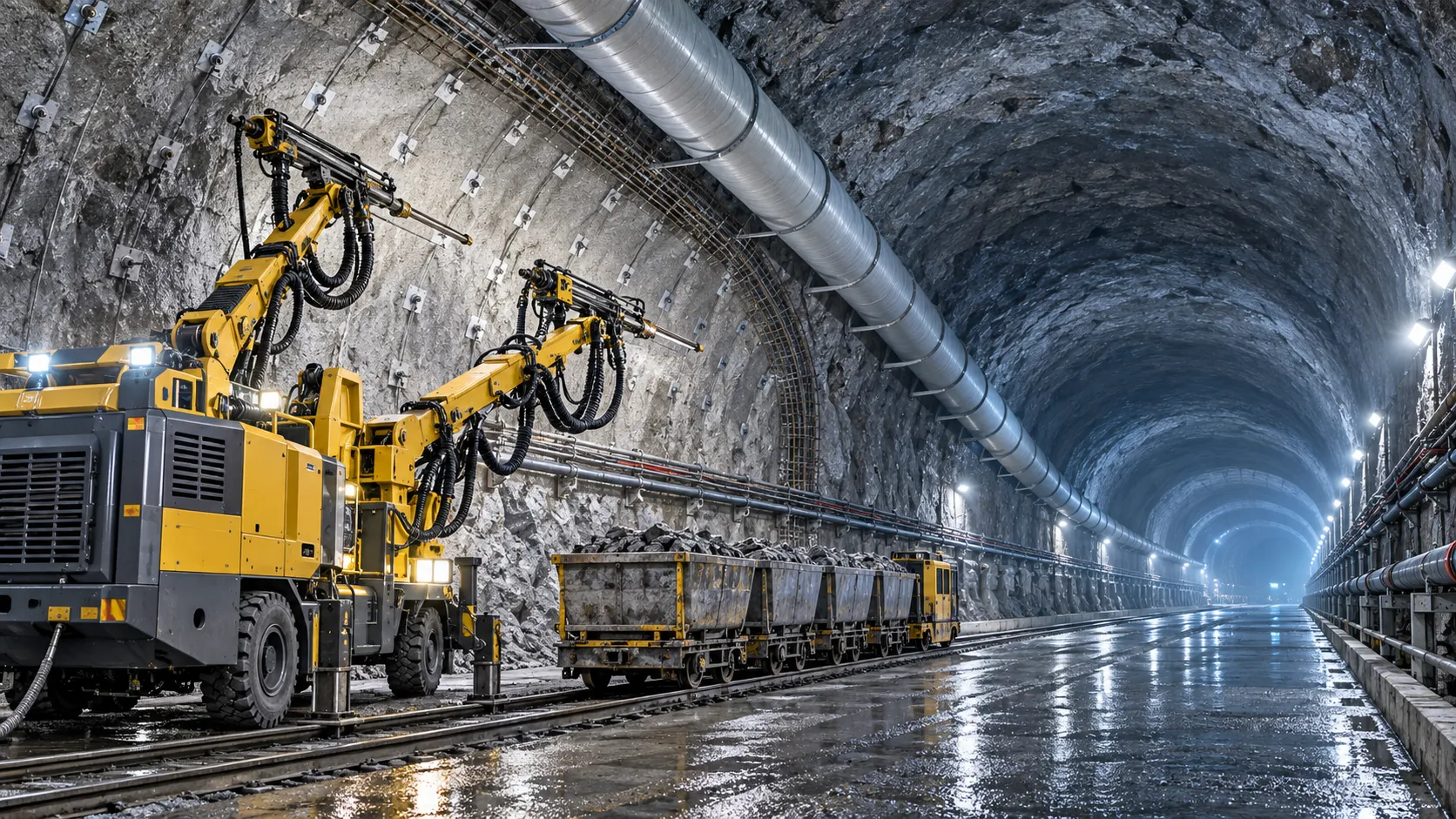
How to Evaluate European Drill-and-Blast Tunnelling Contractors for Complex Projects
Drill and blast tunnelling contractors Europe: learn how to assess geology expertise, blast control, equipment reliability, safety, and programme resilience for complex projects.
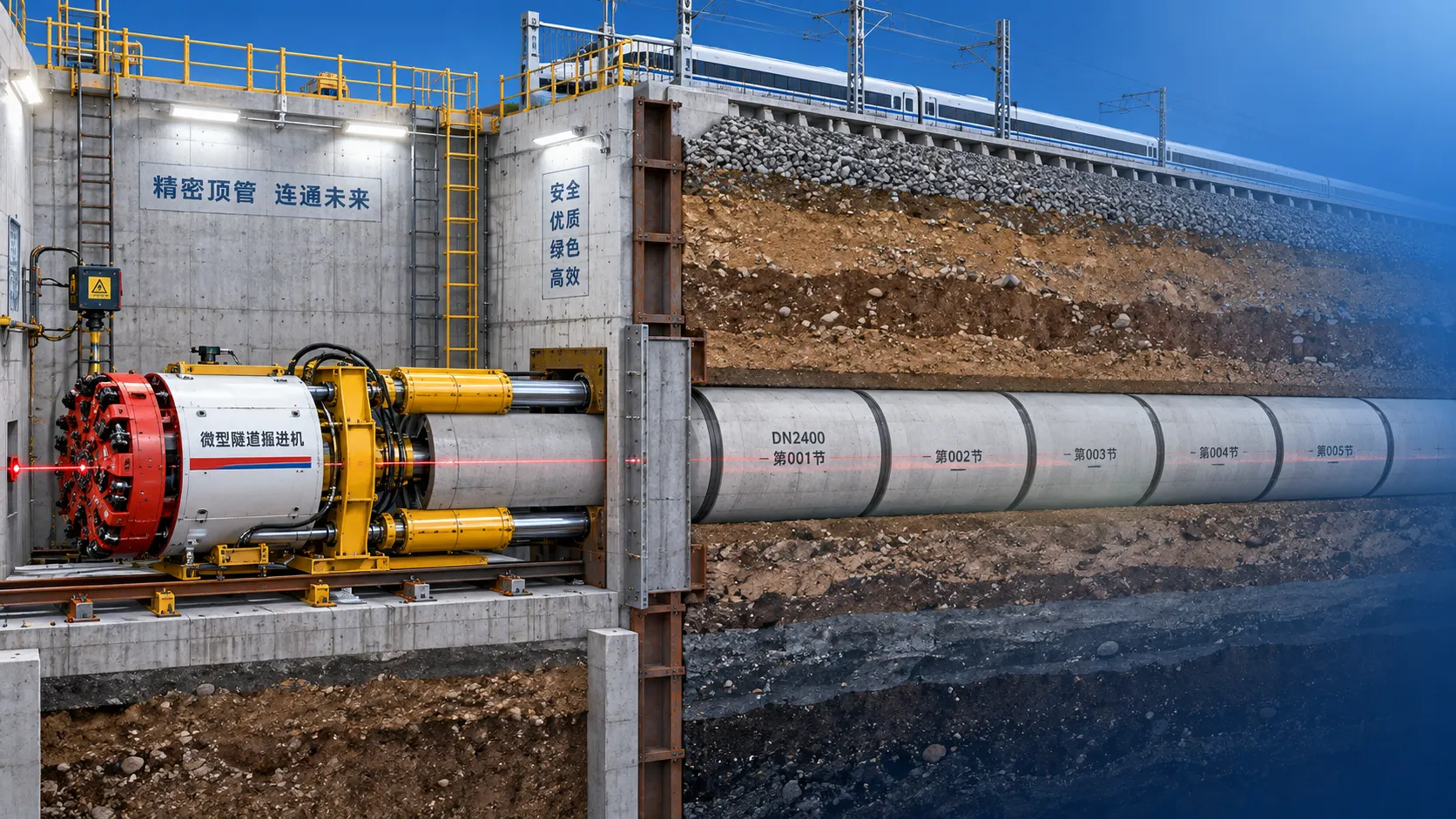
Which Trenchless Construction Technique Fits Your Utility Crossing Conditions?
Trenchless construction techniques compared for utility crossings: choose HDD, microtunnelling, pipe jacking, or auger boring based on ground, accuracy, access, and risk.
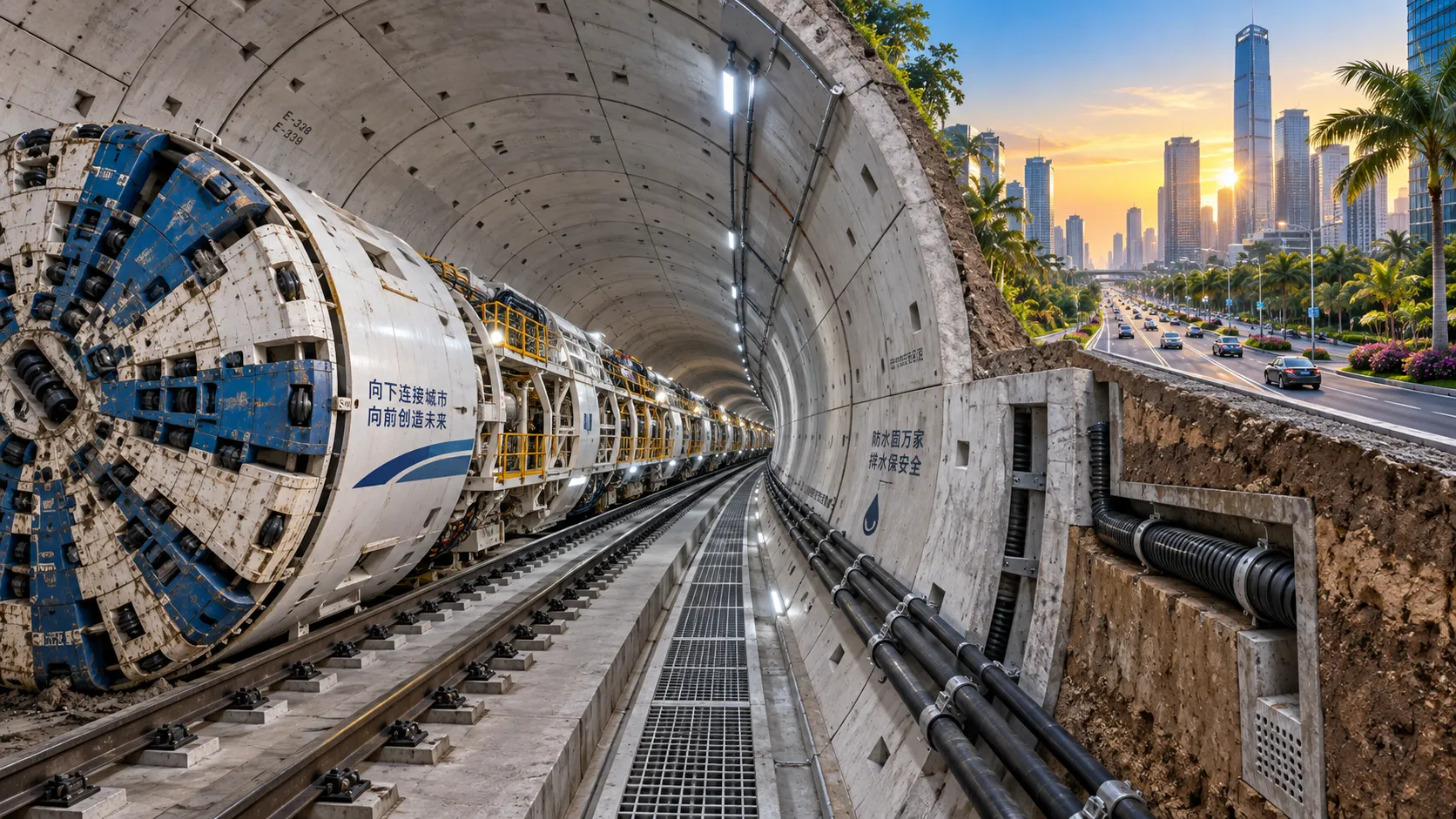
What Is Driving Metro Tunnelling Demand Across Southeast Asia’s Major Cities?
Metro tunnelling Southeast Asia is accelerating as major cities tackle congestion, flooding, and connectivity. Explore the market forces, technical risks, and opportunities shaping demand.
Hard Rock Tunnelling in Australia: Selecting Methods for Variable Ground Conditions
Hard rock tunnelling in Australia: compare TBM, drill-and-blast and hybrid methods to manage variable ground, reduce risk and protect project costs.
Hydropower Tunnel Excavation: Selecting Methods for Variable Rock Conditions
Hydropower tunnel excavation methods for variable rock conditions: compare TBM, drill-and-blast, and hybrid strategies to improve safety, progress, and project control.
How to Select Underground Safety Equipment for Tunnelling by Hazard and Work Zone
Underground Safety Equipment for tunnelling: match protection to hazards, work zones, compliance, and emergency needs with this practical selection guide.
EPB or Slurry Shield? Selecting Soft-Ground Tunnelling Equipment by Soil Conditions
Tunnel Excavation Equipment for soft ground: compare EPB and slurry shields by soil, groundwater, settlement risk, and project logistics to choose confidently.
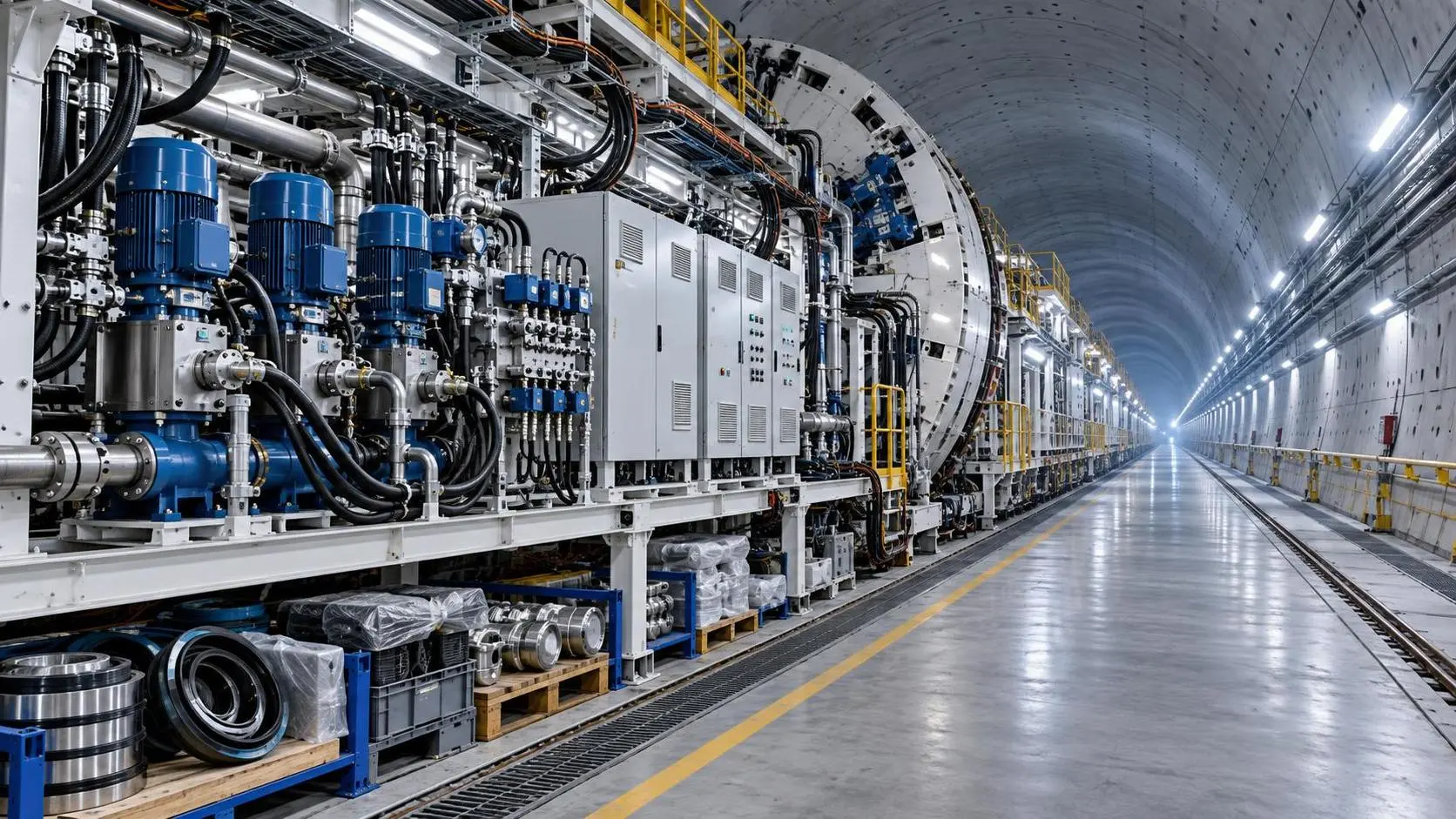
How to Specify TBM Backup System Parts for Reliable Long-Distance Tunnelling
TBM backup system parts: learn how to specify reliable spares for long-distance tunnelling, reduce downtime, ensure compatibility, and speed underground recovery.

How to Size Open Pit Mining Trucks for Haul Distance, Grade, and Payload?
Open Pit Mining Trucks: learn how to match payload, haul distance, grade, road resistance, and loading capacity for safer, lower-cost mine operations.
Related News
- 00
0000-00
How to Evaluate European Drill-and-Blast Tunnelling Contractors for Complex Projects - 00
0000-00
Which Trenchless Construction Technique Fits Your Utility Crossing Conditions? - 00
0000-00
What Is Driving Metro Tunnelling Demand Across Southeast Asia’s Major Cities? - 00
0000-00
Hard Rock Tunnelling in Australia: Selecting Methods for Variable Ground Conditions - 00
0000-00
Hydropower Tunnel Excavation: Selecting Methods for Variable Rock Conditions
Weekly Insights
Stay ahead with our curated technology reports delivered every Monday.