
Trenchless Technology Cost Factors: What Drives Budget in Urban Pipeline Projects?





In urban pipeline planning, Trenchless Technology is often praised for cutting disruption, shortening schedules, and protecting busy streets. Still, the budget can move a lot from one project to another.
That gap usually comes from details hidden below the surface. Soil behavior, pipe length, shaft layout, equipment fit, and utility congestion all change the final number.
For cost-focused project evaluation, it helps to break the budget into practical drivers instead of comparing bids by headline price alone. That is where a more structured view of Trenchless Technology becomes useful.
UTMD closely tracks pipe jacking machines, TBM systems, underground logistics, and field performance trends. That broader underground equipment perspective helps explain why some urban pipeline jobs stay predictable while others quickly become expensive.
The biggest cost drivers usually appear before boring starts
Most Trenchless Technology overruns do not begin with a machine failure. They usually start with incomplete site knowledge, optimistic assumptions, or bid packages that leave too much open.
A simple review of the following factors can make cost comparison much sharper.
[Image 01: Urban trenchless pipeline construction site with pipe jacking shafts, traffic control barriers, and geotechnical review overlays]
- Ground conditions drive cost more than many bid summaries show. Mixed face soils, boulders, groundwater, or abrasive strata can slow advance rates and increase cutter wear, lubrication demand, and intervention risk.
- Pipe diameter and drive length directly affect machine class, jacking force, shaft size, and spoil handling. A small diameter change can push the project into a very different equipment and support cost range.
- Launch and reception shafts often cost more than expected in dense cities. Excavation support, dewatering, property access, and utility protection can turn shaft works into a major budget line.
- Utility congestion raises both survey costs and construction risk. Unknown cables, old drainage, or abandoned lines can force alignment adjustments, additional monitoring, and slower progress windows.
- Traffic management and work-hour restrictions can materially increase urban Trenchless Technology cost. Night shifts, limited lane closures, and noise rules often reduce daily productivity and increase standby time.
- Machine availability matters more than list price alone. A cheaper setup may become expensive if spare parts, cutter tools, or skilled support crews are not locally available when problems occur.
How to read cost differences between bids
Two bids can look similar on total value and still carry very different risk. The real question is what each contractor has included, excluded, or priced too lightly.
This is especially true in Trenchless Technology, where production assumptions and ground response strongly influence real cost.
Check the assumptions behind the unit price
- Look at assumed advance rates, not just the final figure. If progress assumptions ignore hard ground transitions or utility crossing delays, the lowest bid may only be the most aggressive estimate.
- Review what is included for contingency and consumables. Bentonite, cutter replacements, dewatering, settlement monitoring, and spoil transport are common areas where underpricing later becomes variation claims.
- Confirm whether temporary works are fully covered. Shaft support systems, thrust walls, crane access, and surface reinstatement can sit outside core boring rates but still shape total project cost.
Compare methods, not only numbers
One contractor may use a standard pipe jacking setup. Another may propose a more advanced guidance, monitoring, or spoil management system. The second option may cost more upfront but reduce settlement and rework risk.
UTMD’s coverage of pipe jacking equipment trends shows a clear pattern here. Smarter systems often improve budget reliability, especially in crowded urban corridors where disruption costs are high.
Where urban projects often get caught off guard
In city work, the underground challenge is only part of the story. Surface constraints often shape the cost of Trenchless Technology just as much as the boring operation itself.
Busy downtown corridors
Downtown alignments usually carry tighter working windows, stricter settlement control, and more stakeholders. Small delays can ripple into police coordination, bus rerouting, and business access claims.
In this setting, check shaft footprint, spoil hauling timing, vibration limits, and contingency for utility exposure. These details often decide whether a bid is realistic.
Older utility districts
Legacy neighborhoods can contain incomplete records, abandoned assets, and unexpected crossings. Even a strong Trenchless Technology plan can struggle if subsurface mapping is weak.
A practical safeguard is to align geotechnical data, utility surveys, and shaft design review early. That reduces redesign risk after contracts are awarded.
Cost items that are easy to underestimate
Some costs look secondary during tender review, yet they are frequent sources of budget drift. These are worth testing line by line.
- Settlement and monitoring programs need close attention. Instrumentation, survey frequency, trigger response plans, and reporting obligations can add meaningful cost in sensitive urban areas.
- Spoil handling is often priced too simply. Haul distance, disposal classification, temporary storage, and truck access restrictions can significantly change real Trenchless Technology project economics.
- Dewatering plans deserve a hard review. Pumping rates, treatment needs, permit conditions, and discharge limits can create both direct cost and schedule pressure.
- Crew skill depth matters as much as machine specification. Advanced pipe jacking systems perform best when operators, guidance technicians, and maintenance support are experienced with similar urban ground conditions.
- ESG and emissions requirements are becoming more visible in city tenders. Low-emission equipment, reduced noise packages, and cleaner logistics setups may increase upfront cost but protect compliance.
A practical way to evaluate Trenchless Technology spending
A workable review process does not need to be complicated. It needs to be consistent, technical enough, and tied to execution reality.
- Start with subsurface confidence, not equipment brochures. If borehole data is sparse or inconsistent, treat every production rate and wear estimate with caution and price risk accordingly.
- Map every major budget line to a site constraint. Connect shafts, hauling, permits, groundwater, and traffic control to visible cost ownership before comparing contractor totals.
- Ask for method-based clarifications in writing. Clear responses on intervention strategy, utility protection, and spoil disposal usually reveal whether the Trenchless Technology plan is mature.
- Use lifecycle thinking for equipment-related choices. Reliable support, parts access, and lower downtime can outperform a cheaper setup that carries repeated delay exposure.
- Track comparable project intelligence whenever possible. UTMD’s observation across TBM, pipe jacking, and underground systems shows that field-proven configurations often reduce hidden cost surprises.
Why equipment intelligence helps budget control
Urban pipeline work does not happen in isolation. It sits inside a larger underground engineering ecosystem that includes machine reliability, wear behavior, digital guidance, emissions pressure, and logistics efficiency.
That is why cross-sector intelligence matters. Insights from TBM operations, underground transport systems, and high-demand heavy equipment markets can help explain pricing shifts in Trenchless Technology tenders.
What a stronger next-step review looks like
The best budget decisions usually come from asking sharper questions early. What ground risk is truly understood? What temporary works are fully priced? What city restrictions could slow production?
When those answers are clear, Trenchless Technology becomes easier to evaluate on value, not just on initial cost. That leads to more stable delivery, fewer claims, and better long-term infrastructure outcomes.
For the next review cycle, focus on geotechnical certainty, shaft complexity, equipment readiness, and urban control costs first. Those four areas usually explain most budget movement before construction even begins.
And if a proposal looks unusually cheap, check the assumptions behind the machine, the ground, and the working window. In Trenchless Technology, that is often where the real price story starts.
Related News
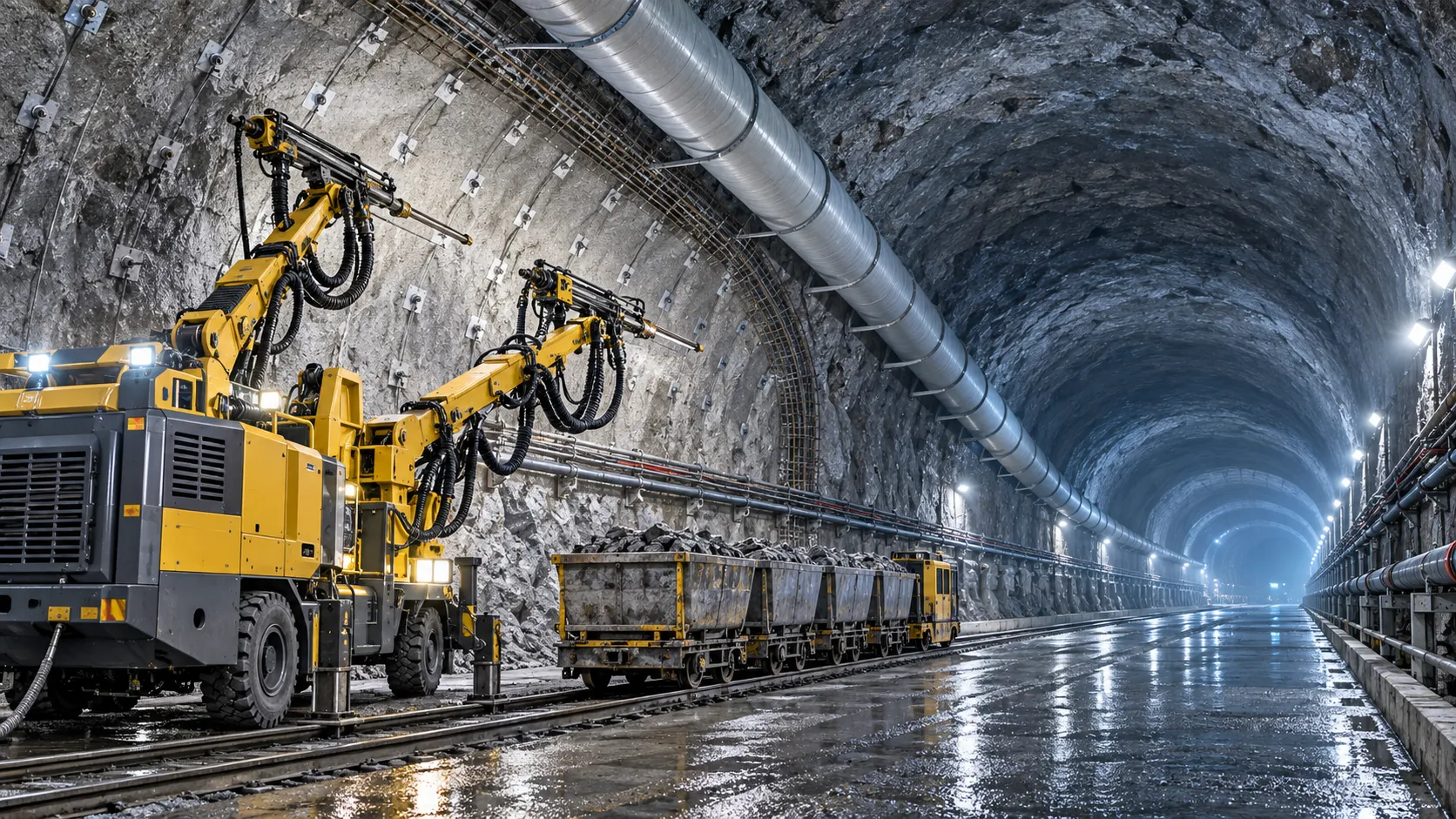
How to Evaluate European Drill-and-Blast Tunnelling Contractors for Complex Projects
Drill and blast tunnelling contractors Europe: learn how to assess geology expertise, blast control, equipment reliability, safety, and programme resilience for complex projects.
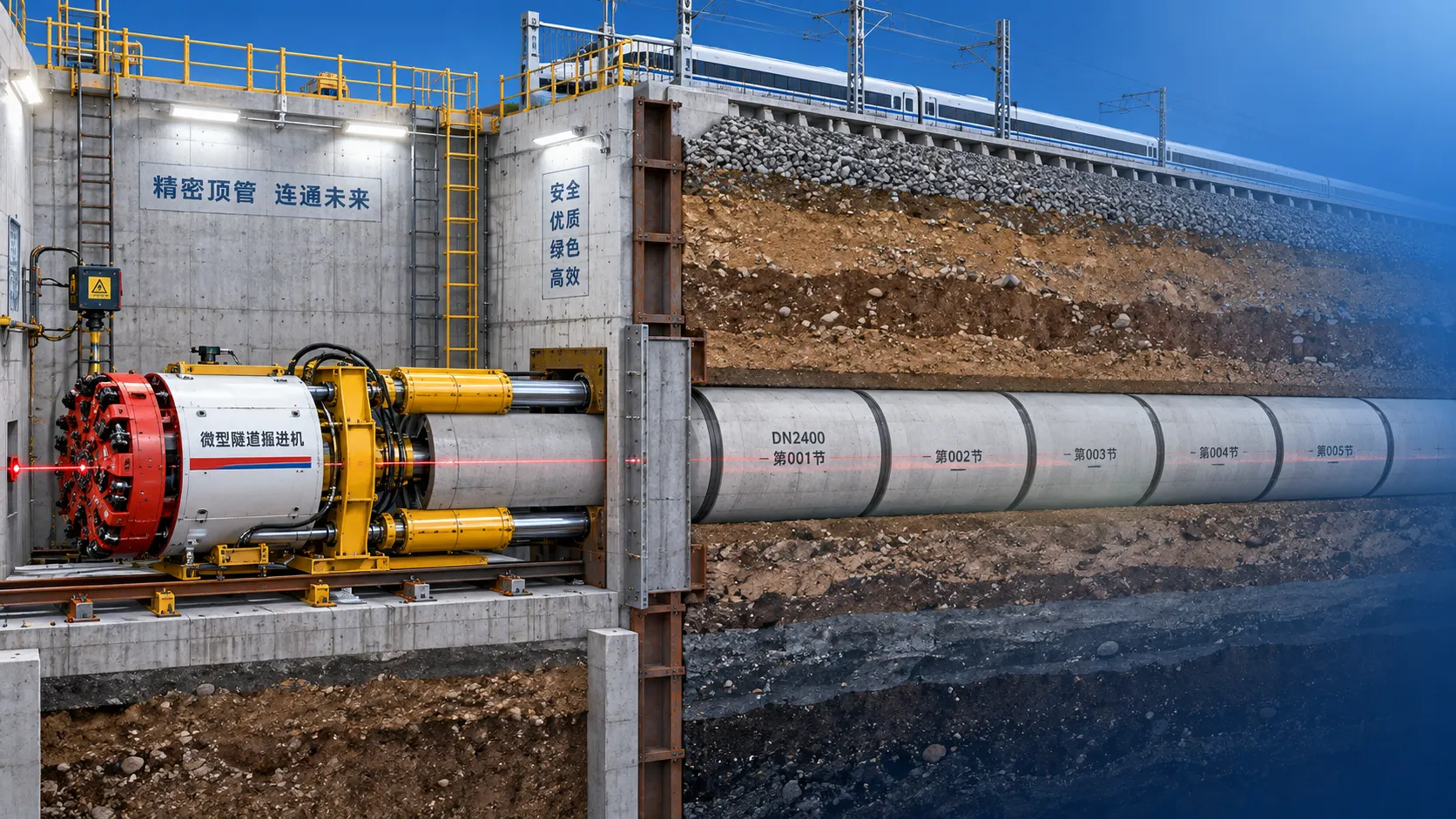
Which Trenchless Construction Technique Fits Your Utility Crossing Conditions?
Trenchless construction techniques compared for utility crossings: choose HDD, microtunnelling, pipe jacking, or auger boring based on ground, accuracy, access, and risk.
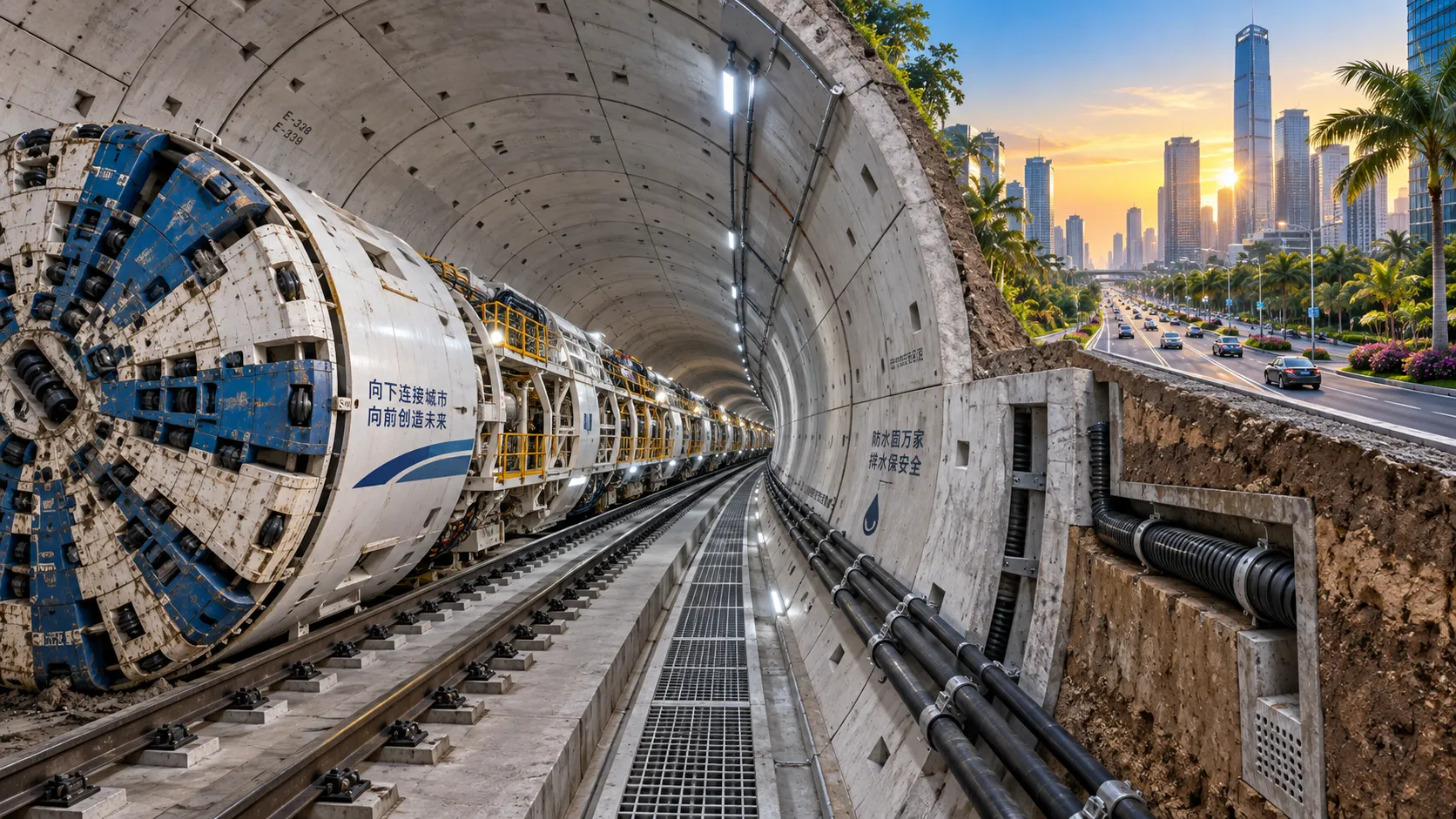
What Is Driving Metro Tunnelling Demand Across Southeast Asia’s Major Cities?
Metro tunnelling Southeast Asia is accelerating as major cities tackle congestion, flooding, and connectivity. Explore the market forces, technical risks, and opportunities shaping demand.
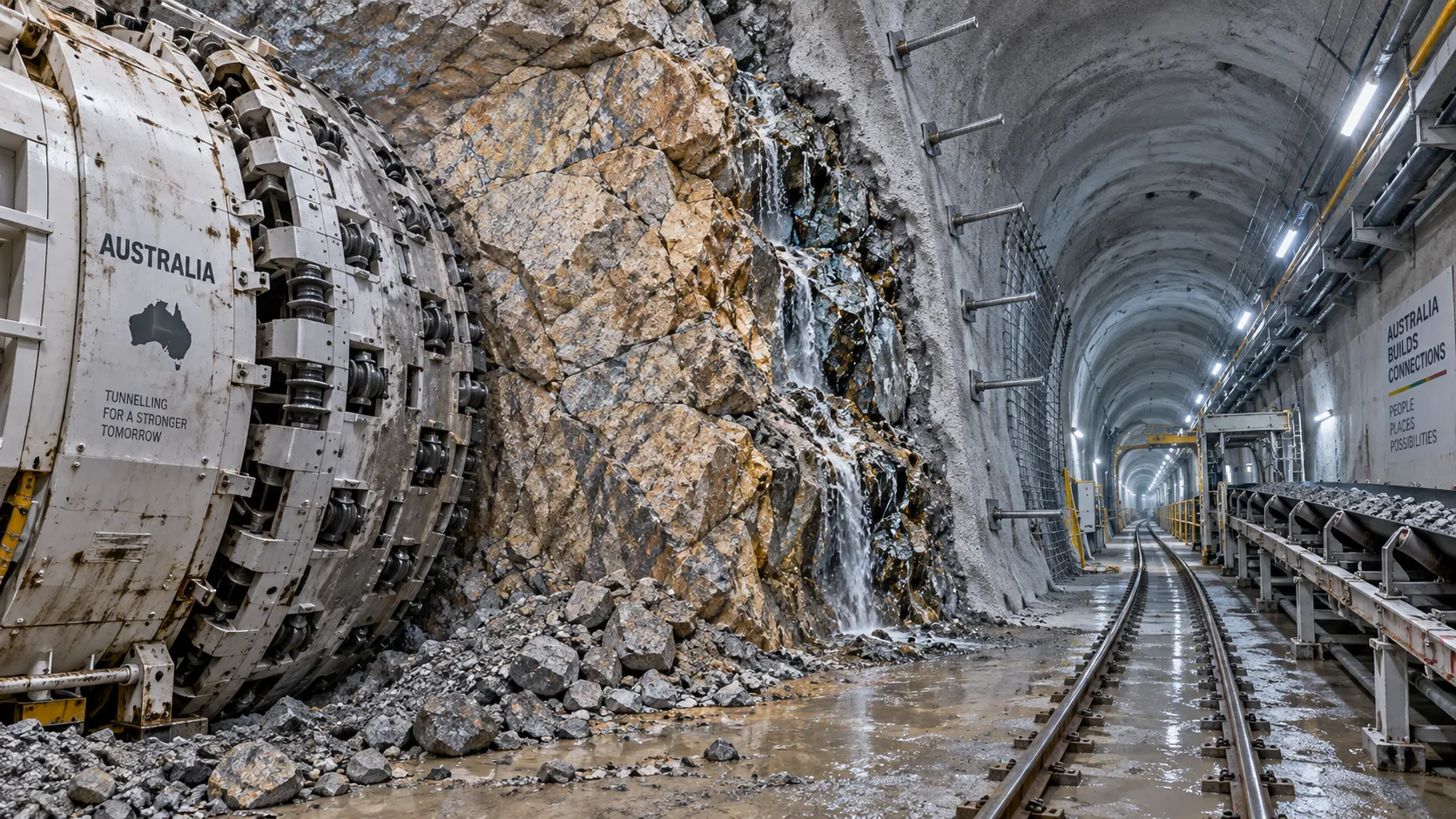
Hard Rock Tunnelling in Australia: Selecting Methods for Variable Ground Conditions
Hard rock tunnelling in Australia: compare TBM, drill-and-blast and hybrid methods to manage variable ground, reduce risk and protect project costs.
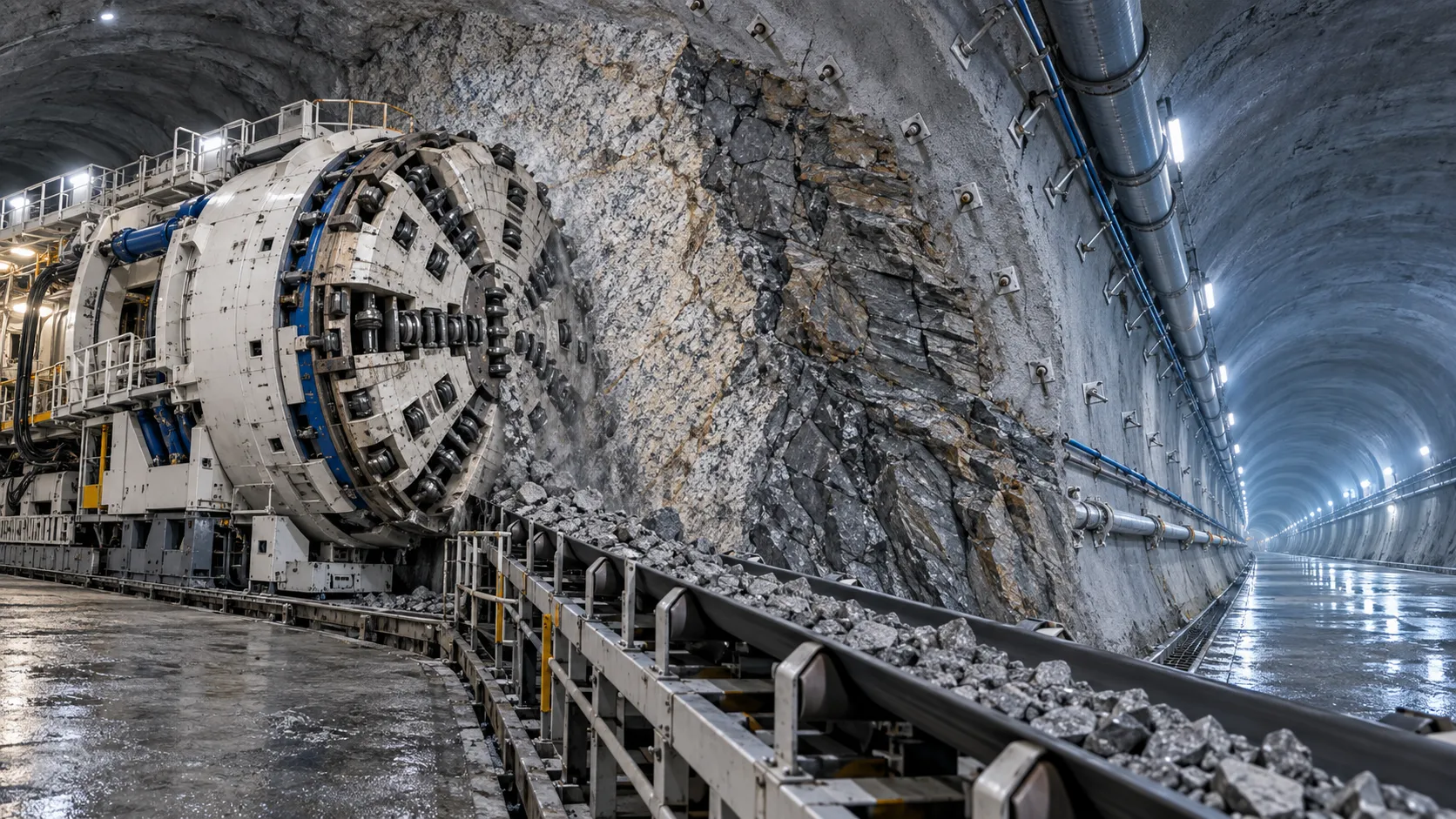
Hydropower Tunnel Excavation: Selecting Methods for Variable Rock Conditions
Hydropower tunnel excavation methods for variable rock conditions: compare TBM, drill-and-blast, and hybrid strategies to improve safety, progress, and project control.
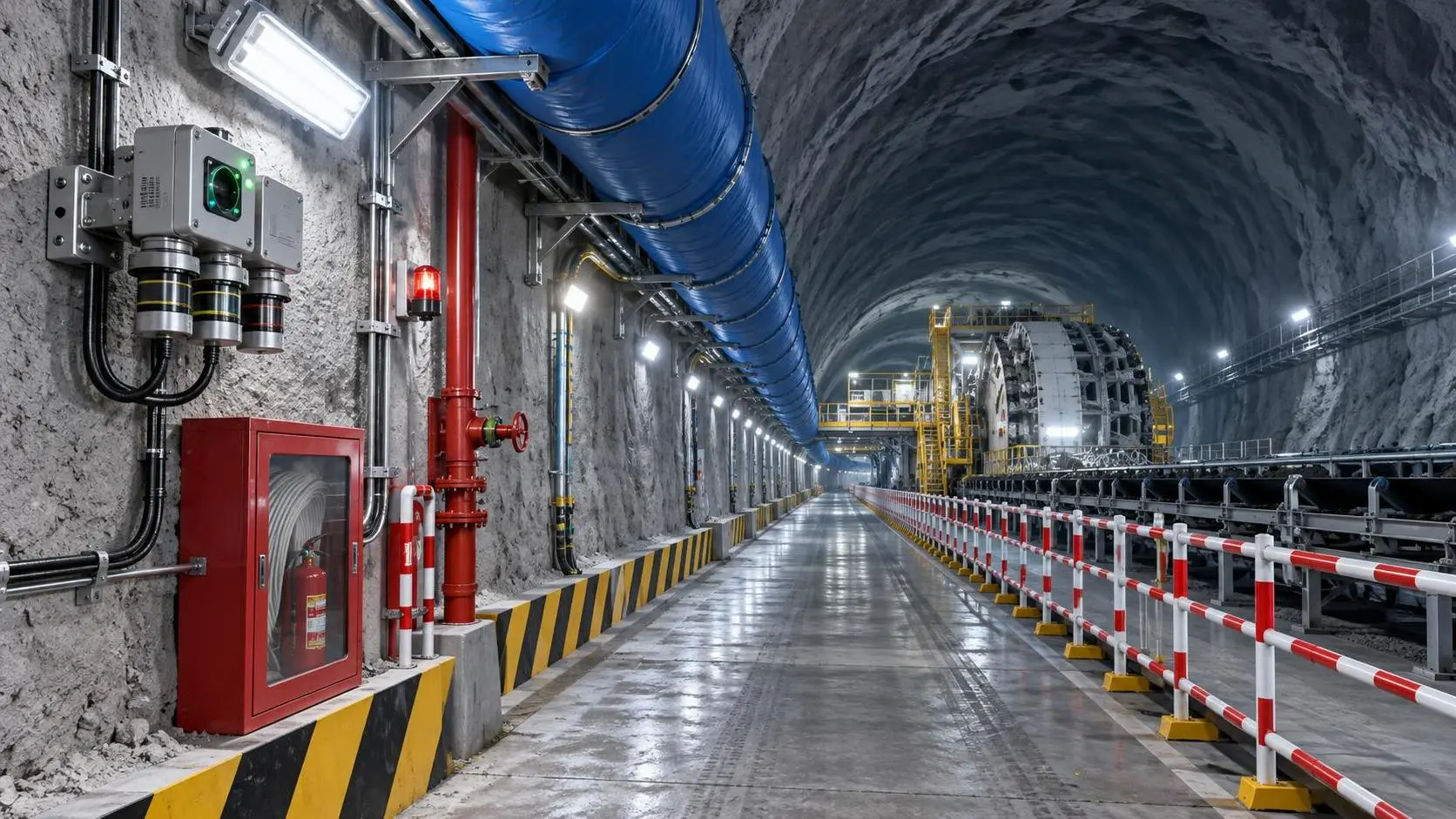
How to Select Underground Safety Equipment for Tunnelling by Hazard and Work Zone
Underground Safety Equipment for tunnelling: match protection to hazards, work zones, compliance, and emergency needs with this practical selection guide.
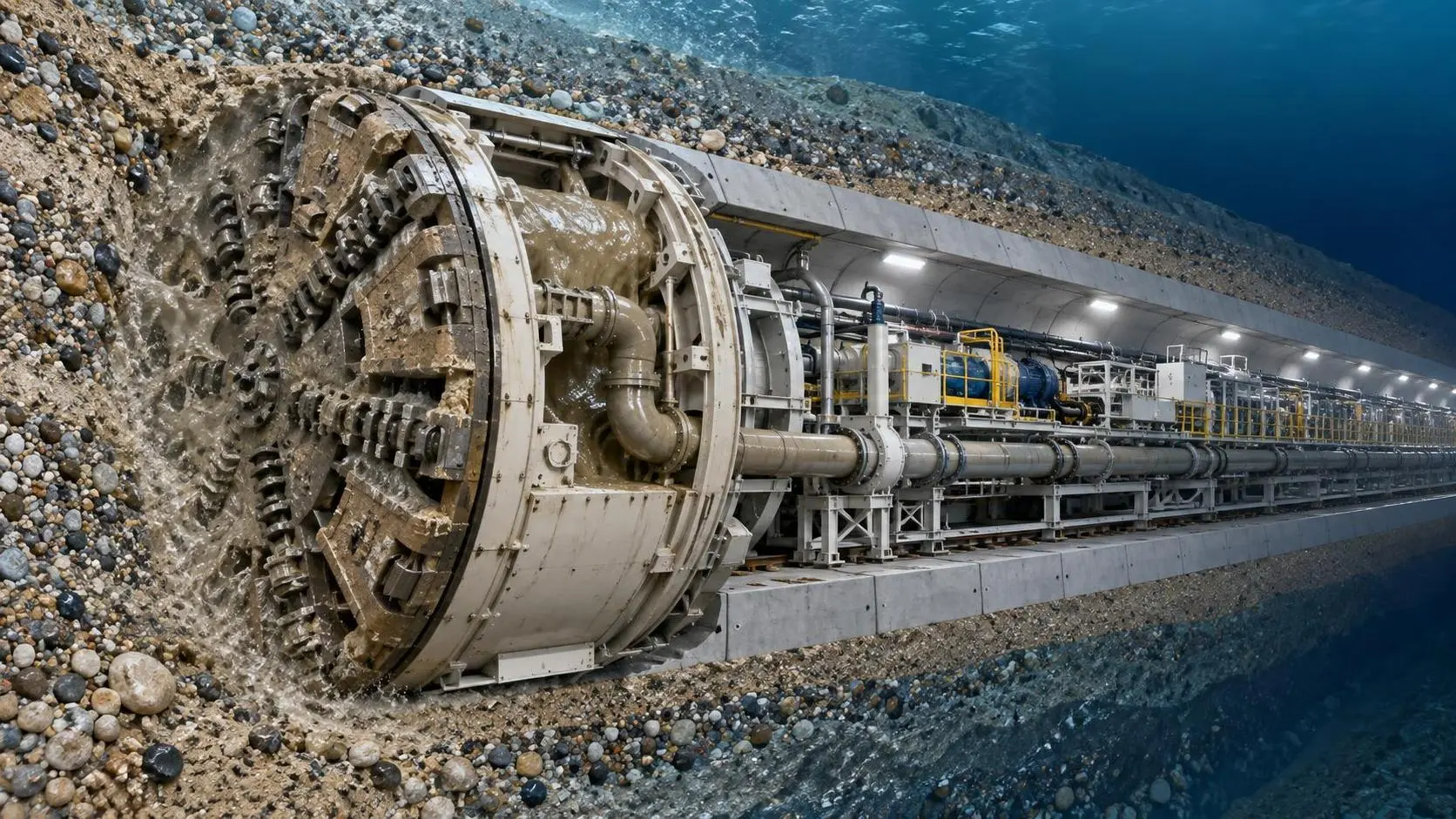
EPB or Slurry Shield? Selecting Soft-Ground Tunnelling Equipment by Soil Conditions
Tunnel Excavation Equipment for soft ground: compare EPB and slurry shields by soil, groundwater, settlement risk, and project logistics to choose confidently.
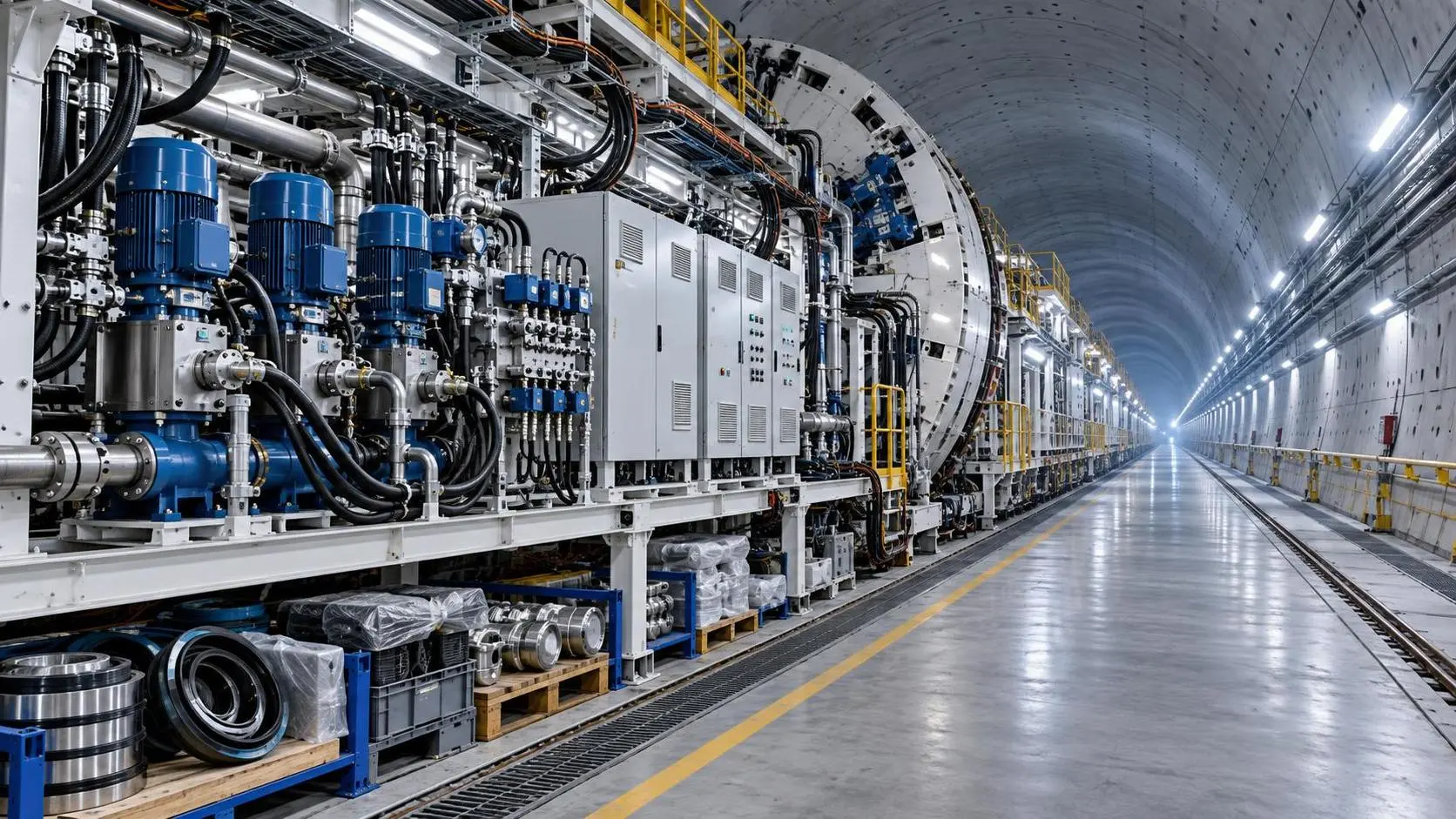
How to Specify TBM Backup System Parts for Reliable Long-Distance Tunnelling
TBM backup system parts: learn how to specify reliable spares for long-distance tunnelling, reduce downtime, ensure compatibility, and speed underground recovery.
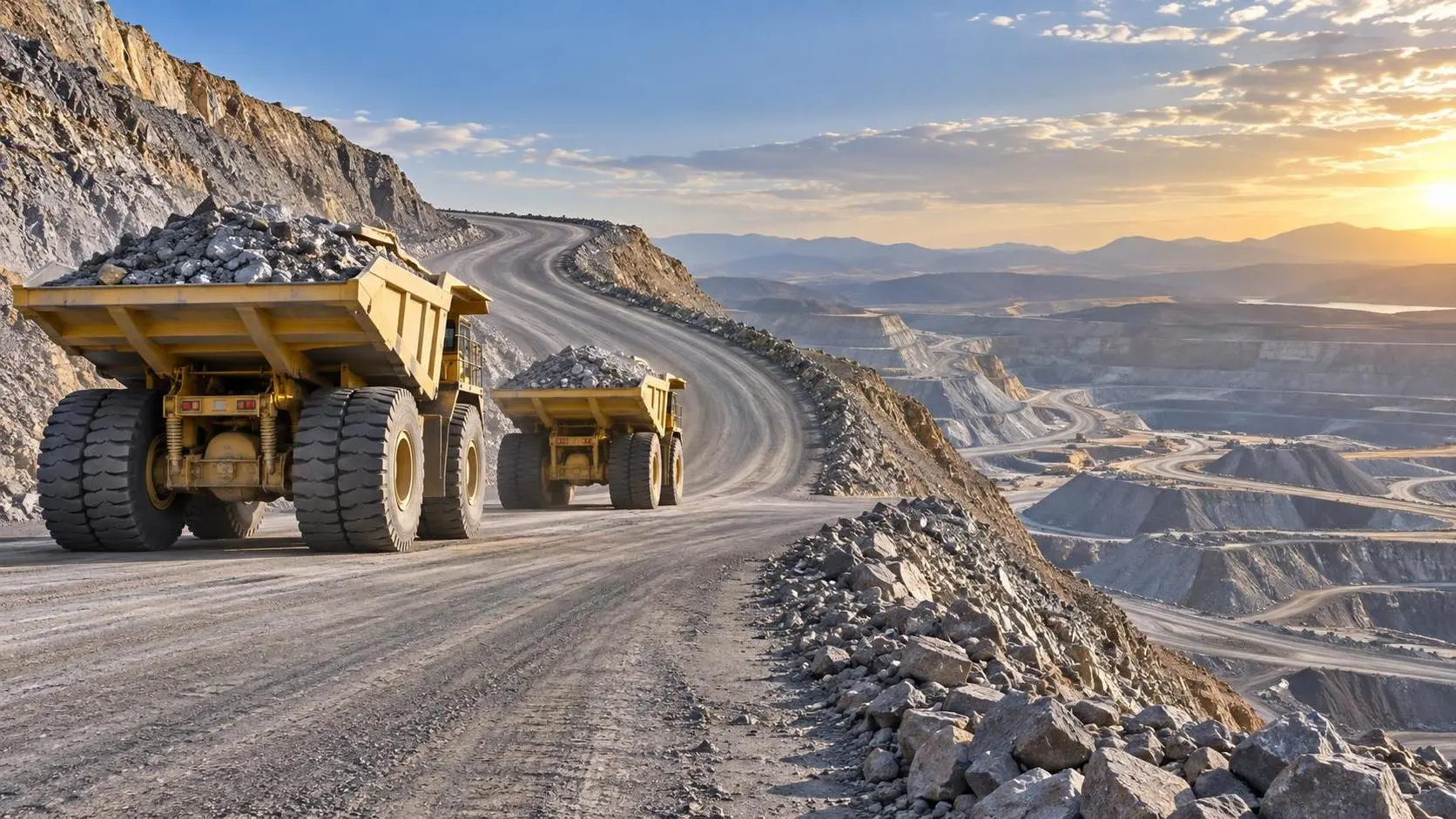
How to Size Open Pit Mining Trucks for Haul Distance, Grade, and Payload?
Open Pit Mining Trucks: learn how to match payload, haul distance, grade, road resistance, and loading capacity for safer, lower-cost mine operations.
Related News
- 00
0000-00
How to Evaluate European Drill-and-Blast Tunnelling Contractors for Complex Projects - 00
0000-00
Which Trenchless Construction Technique Fits Your Utility Crossing Conditions? - 00
0000-00
What Is Driving Metro Tunnelling Demand Across Southeast Asia’s Major Cities? - 00
0000-00
Hard Rock Tunnelling in Australia: Selecting Methods for Variable Ground Conditions - 00
0000-00
Hydropower Tunnel Excavation: Selecting Methods for Variable Rock Conditions
Weekly Insights
Stay ahead with our curated technology reports delivered every Monday.