
Which Trenchless Pipe Installation methods fit cities?





Selecting the right Trenchless Pipe Installation methods is no longer a purely technical choice for cities.
It now shapes project risk, cost, traffic disruption, carbon impact, and public confidence.
Dense streets demand methods that match geology, pipe size, alignment accuracy, and surface constraints.
Pipe jacking, microtunnelling, HDD, auger boring, and pipe ramming all serve different urban problems.
This guide explains which Trenchless Pipe Installation methods fit complex city environments and why.
Which Trenchless Pipe Installation methods fit dense city corridors?
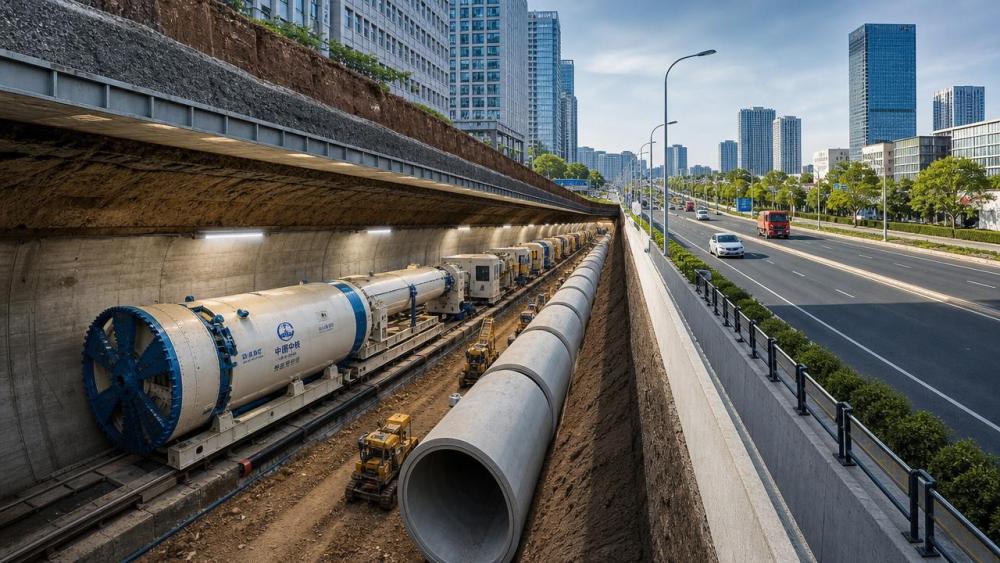
Dense corridors usually need predictable steering, limited vibration, and minimal settlement risk.
In these settings, pipe jacking and microtunnelling often provide the strongest control.
They suit sewers, stormwater tunnels, utility culverts, and crossings under roads or railways.
Microtunnelling uses remote-controlled boring with slurry or earth pressure balance systems.
It performs well where ground loss must be tightly managed beneath sensitive assets.
Pipe jacking is practical for medium and large diameters with straight or slightly curved drives.
For cities, these Trenchless Pipe Installation methods reduce open-cut excavation and surface reinstatement.
They also help protect traffic flow, business access, and emergency routes.
However, launch shafts, reception shafts, jacking loads, and spoil handling still require planning.
Where shaft space is unavailable, horizontal directional drilling may become more attractive.
Urban suitability snapshot
- Pipe jacking: strong for gravity pipelines and larger diameters.
- Microtunnelling: best for accuracy, groundwater, and settlement control.
- HDD: useful for curved crossings and limited excavation zones.
- Auger boring: suitable for short, straight drives in stable ground.
- Pipe ramming: practical for casing installation under roads or rail.
How should ground conditions guide the method choice?
Ground conditions are the first filter for Trenchless Pipe Installation methods.
A method that works in clay may fail in boulders, gravels, or mixed face conditions.
Soft cohesive soils often support pipe jacking, microtunnelling, and HDD when managed correctly.
Loose sands and gravels need face support, slurry control, or casing protection.
Rock conditions require cutterhead selection, torque analysis, and wear forecasting.
Mixed ground creates the greatest risk because cutting resistance and face stability change rapidly.
UTMD often frames this as a rock dynamics and risk stitching problem.
The machine, geology, sensors, and construction sequence must work as one system.
Groundwater is another decisive factor for Trenchless Pipe Installation methods.
High water pressure favors closed-face systems and careful slurry separation planning.
Where contaminated soil is present, spoil handling and disposal may dominate the project plan.
Good site investigation reduces surprises before expensive equipment is mobilized.
Key geotechnical questions
- Is the drive in clay, sand, gravel, rock, or mixed ground?
- Will groundwater affect face stability or spoil flow?
- Are boulders, cobbles, or old foundations expected?
- Can settlement tolerances be met above the alignment?
- Is ground improvement needed before installation?
When is HDD better than pipe jacking or microtunnelling?
Horizontal directional drilling is often chosen for flexible pressure pipelines.
It is common for water, gas, telecom, power ducts, and rising mains.
HDD can follow curved alignments and cross rivers, highways, and protected areas.
Compared with pipe jacking, it may need less shaft construction.
This makes HDD attractive where launch pits and reception shafts are difficult.
Yet HDD is not ideal for every urban pipeline.
It is less suited to gravity sewers requiring very precise grade control.
Drilling fluid escape, known as inadvertent return, can also create environmental concerns.
Among Trenchless Pipe Installation methods, HDD depends heavily on bore planning and fluid management.
Pullback loads, pipe material, bend radius, and workspace must be checked early.
For long crossings, pilot bore accuracy and steering data become critical.
The best choice is rarely about popularity; it is about alignment risk.
How do diameter, alignment, and utility purpose affect selection?
Pipe diameter quickly narrows the range of feasible Trenchless Pipe Installation methods.
Small utility ducts may be installed by HDD, impact moling, or guided boring.
Medium pipelines may fit HDD, auger boring, or pipe jacking.
Large municipal pipelines usually point toward pipe jacking or microtunnelling.
Alignment requirements are equally important.
Gravity sewers need accurate line and grade, especially on shallow slopes.
Pressure pipelines tolerate more vertical curvature but must withstand pullback or jacking loads.
Casing installations under roads may use auger boring or pipe ramming.
Utility purpose also affects material selection, joint design, and inspection needs.
Water pipelines prioritize pressure integrity and corrosion resistance.
Sewers prioritize hydraulic gradient, watertight joints, and long-term structural performance.
Power and telecom ducts prioritize bend radius, cable pulling, and route protection.
Practical decision table
What cost, schedule, and disruption factors matter most?
The cheapest method on paper may not be cheapest in a city.
Open-cut traffic control, utility diversion, noise, reinstatement, and claims can change the economics.
Trenchless Pipe Installation methods often reduce indirect costs by limiting surface disruption.
However, they require specialized equipment, skilled crews, and stronger preconstruction planning.
Mobilization costs may be high for short drives.
Longer drives can spread those costs and improve overall value.
Schedule certainty depends on ground risk, permit timing, shaft construction, and equipment availability.
A well-selected method reduces stoppages, redesigns, and emergency mitigation work.
Sustainability is also becoming a major comparison point.
Less excavation can mean fewer truck movements, lower emissions, and reduced material waste.
Electric and automated equipment trends are improving performance in confined underground spaces.
This aligns with UTMD’s focus on zero-emission and intelligent underground operations.
Cost items often missed
- Geotechnical investigation and additional boreholes.
- Shaft excavation, support, and dewatering.
- Spoil treatment, testing, transport, and disposal.
- Settlement monitoring and protection of adjacent assets.
- Special pipe joints, lubrication systems, and inspection.
What risks and misunderstandings should be avoided?
A common mistake is choosing Trenchless Pipe Installation methods too late.
Alignment, shafts, access, and pipe material should be considered during early design.
Another error is assuming “trenchless” means no surface impact.
Shafts, work compounds, slurry plants, cranes, and spoil trucks still need space.
Poor utility mapping can also create serious problems.
Urban corridors often contain abandoned pipes, undocumented ducts, and old structures.
Risk allocation must be realistic, especially for unknown ground conditions.
Overly aggressive schedules leave little room for monitoring, testing, or contingency actions.
The best outcomes use design reviews, constructability workshops, and independent method checks.
Digital monitoring, steering records, and settlement data should support daily decisions.
For complex drives, equipment selection should reflect geology, not only pipe diameter.
This is where intelligence-led planning creates measurable value.
FAQ summary for faster screening
Conclusion: how should cities move from options to decisions?
The right choice starts with a disciplined screening process.
Define the utility purpose, diameter, depth, alignment tolerance, and environmental constraints.
Then compare Trenchless Pipe Installation methods against verified geotechnical and urban access data.
Pipe jacking and microtunnelling suit high-control urban pipelines.
HDD suits flexible crossings with appropriate ground and fluid controls.
Auger boring and pipe ramming remain useful for specific short casing works.
Before final selection, test assumptions through risk workshops and constructability reviews.
For deeper insight, follow UTMD’s intelligence on trenchless engineering equipment and underground construction trends.
A better method choice today can prevent costly urban disruption tomorrow.
Related News
How to Evaluate European Drill-and-Blast Tunnelling Contractors for Complex Projects
Drill and blast tunnelling contractors Europe: learn how to assess geology expertise, blast control, equipment reliability, safety, and programme resilience for complex projects.
Which Trenchless Construction Technique Fits Your Utility Crossing Conditions?
Trenchless construction techniques compared for utility crossings: choose HDD, microtunnelling, pipe jacking, or auger boring based on ground, accuracy, access, and risk.
What Is Driving Metro Tunnelling Demand Across Southeast Asia’s Major Cities?
Metro tunnelling Southeast Asia is accelerating as major cities tackle congestion, flooding, and connectivity. Explore the market forces, technical risks, and opportunities shaping demand.
Hard Rock Tunnelling in Australia: Selecting Methods for Variable Ground Conditions
Hard rock tunnelling in Australia: compare TBM, drill-and-blast and hybrid methods to manage variable ground, reduce risk and protect project costs.
Hydropower Tunnel Excavation: Selecting Methods for Variable Rock Conditions
Hydropower tunnel excavation methods for variable rock conditions: compare TBM, drill-and-blast, and hybrid strategies to improve safety, progress, and project control.
How to Select Underground Safety Equipment for Tunnelling by Hazard and Work Zone
Underground Safety Equipment for tunnelling: match protection to hazards, work zones, compliance, and emergency needs with this practical selection guide.
EPB or Slurry Shield? Selecting Soft-Ground Tunnelling Equipment by Soil Conditions
Tunnel Excavation Equipment for soft ground: compare EPB and slurry shields by soil, groundwater, settlement risk, and project logistics to choose confidently.
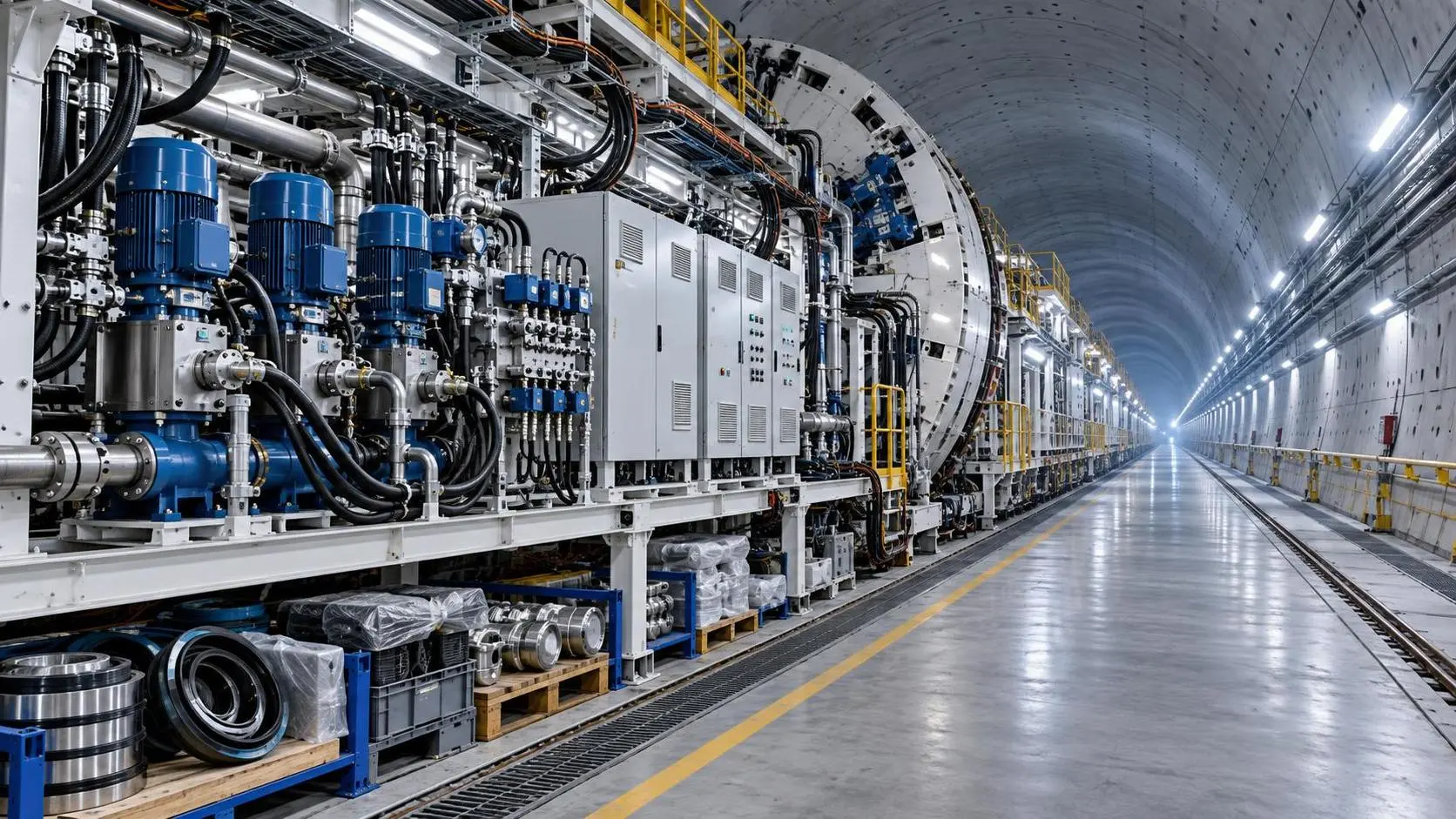
How to Specify TBM Backup System Parts for Reliable Long-Distance Tunnelling
TBM backup system parts: learn how to specify reliable spares for long-distance tunnelling, reduce downtime, ensure compatibility, and speed underground recovery.
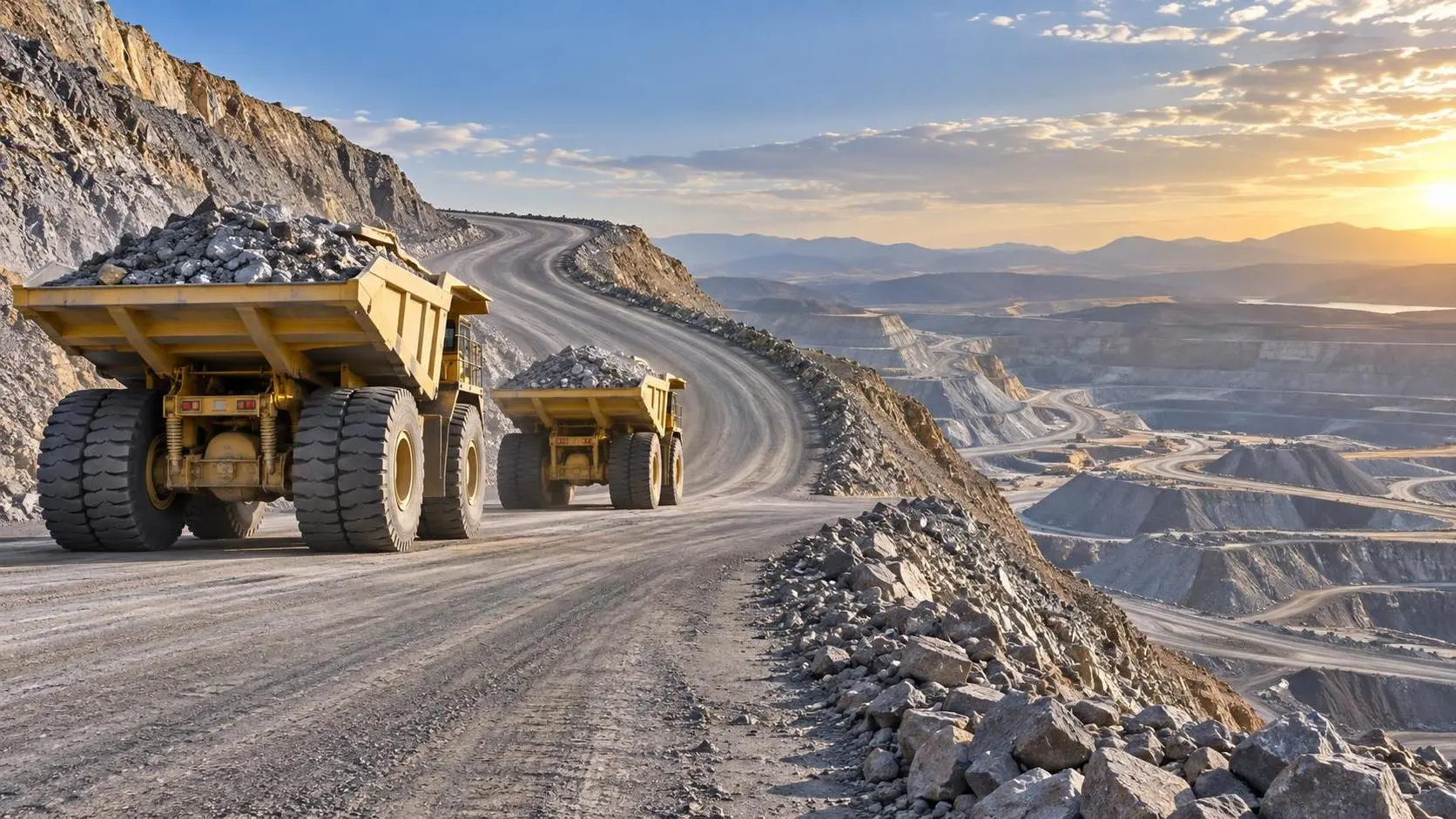
How to Size Open Pit Mining Trucks for Haul Distance, Grade, and Payload?
Open Pit Mining Trucks: learn how to match payload, haul distance, grade, road resistance, and loading capacity for safer, lower-cost mine operations.
Related News
- 00
0000-00
How to Evaluate European Drill-and-Blast Tunnelling Contractors for Complex Projects - 00
0000-00
Which Trenchless Construction Technique Fits Your Utility Crossing Conditions? - 00
0000-00
What Is Driving Metro Tunnelling Demand Across Southeast Asia’s Major Cities? - 00
0000-00
Hard Rock Tunnelling in Australia: Selecting Methods for Variable Ground Conditions - 00
0000-00
Hydropower Tunnel Excavation: Selecting Methods for Variable Rock Conditions
Weekly Insights
Stay ahead with our curated technology reports delivered every Monday.