
When trenchless pipe installation equipment saves money





For project managers under pressure to control budgets, schedules, and disruption, Trenchless Pipe Installation equipment can be a decisive advantage. By reducing excavation, traffic interruption, surface restoration, and labor-intensive site work, it often lowers total project cost while improving delivery efficiency. Understanding when this equipment creates real savings helps decision-makers choose smarter underground construction strategies with greater confidence.
Why a checklist matters before choosing Trenchless Pipe Installation equipment
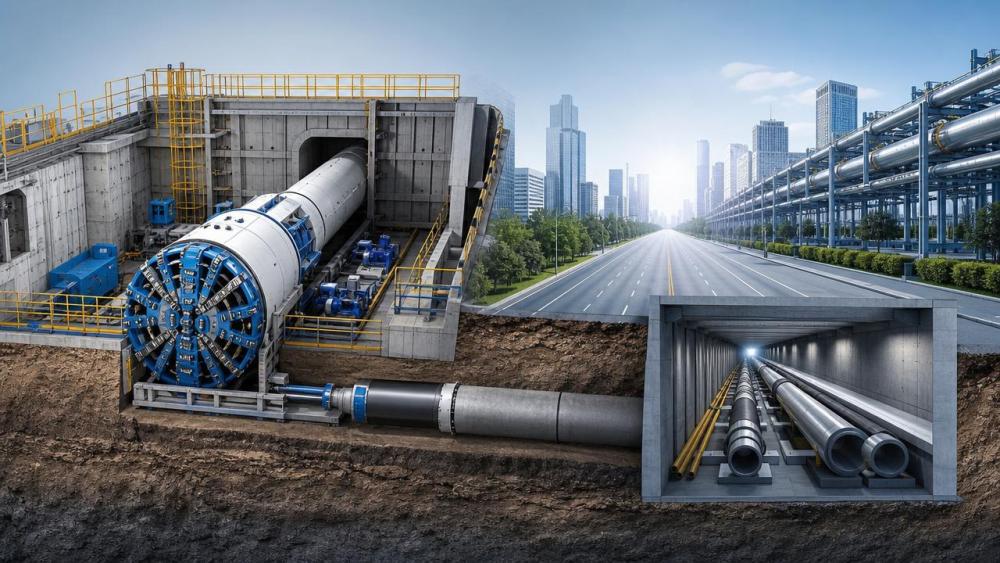
Savings rarely come from equipment price alone. They come from better ground access, fewer utility conflicts, shorter traffic closures, and lower reinstatement work.
That is why a checklist approach is useful. It compares direct costs with avoided costs, operational risk, and long-term asset performance.
In urban works, industrial corridors, and utility upgrades, Trenchless Pipe Installation equipment often delivers value where open-cut methods create expensive disruption.
Core checklist: when trenchless pipe installation equipment saves money
- Calculate surface restoration first, not last. Roads, pavements, landscaping, rails, and finished concrete can make open trenching far more expensive than expected.
- Measure traffic and access penalties. If lane closures, detours, or business interruption costs are high, Trenchless Pipe Installation equipment usually improves total project economics.
- Review subsurface congestion carefully. Dense utilities, old foundations, and buried services increase excavation risk and strengthen the case for guided trenchless methods.
- Compare labor intensity by activity. Open-cut work needs more excavation, shoring, hauling, dewatering, and reinstatement than many trenchless installation sequences.
- Check pit feasibility early. When launch and reception pits fit the site safely, trenchless installation can reduce the overall construction footprint significantly.
- Assess groundwater and soil behavior. Unstable trenches, water inflow, and difficult spoil handling often raise open-cut costs faster than equipment-based trenchless options.
- Estimate schedule compression value. Finishing earlier can reduce permitting exposure, traffic control duration, and indirect overhead across the entire underground project.
- Quantify environmental compliance costs. Lower excavation volumes, less truck movement, and reduced emissions can make Trenchless Pipe Installation equipment financially attractive.
- Match method to diameter and alignment. Pipe jacking, microtunneling, HDD, and auger boring have different cost advantages depending on distance and precision needs.
- Include risk-adjusted contingency. A lower bid using open trenching may become more expensive after utility strikes, claims, settlement issues, or weather delays.
Quick cost comparison factors
Where Trenchless Pipe Installation equipment delivers the strongest savings
Urban road crossings and municipal corridors
Busy city streets punish open trenches with traffic control, night work premiums, and public disruption. In these conditions, trenchless equipment often protects both schedule and budget.
Pipe jacking and microtunneling are especially valuable where alignment precision matters and utilities are concentrated beneath developed surfaces.
Rail, highway, and airport crossings
Crossing critical transport infrastructure by excavation can trigger permits, closures, possession windows, and large contingency allowances. Trenchless Pipe Installation equipment avoids many of those costs.
The financial benefit becomes stronger when shutdown windows are short and the cost of service interruption is high.
Industrial plants and energy sites
In refineries, ports, mines, and processing plants, excavation can interfere with operations, internal logistics, and safety zones. Trenchless methods reduce those operational conflicts.
For sectors tracked by UTMD, including tunnelling, trenchless engineering, and underground transport systems, this reduced interference often creates measurable productivity savings beyond construction cost.
Environmentally sensitive or restored surfaces
Projects under parks, waterways, landscaped developments, or newly completed roads often carry high restoration and compliance costs. Here, trenchless installation can outperform traditional excavation economically.
Commonly overlooked items that change the cost outcome
Underestimating spoil and haulage logistics
Open-cut estimates sometimes treat spoil removal as routine. In dense areas, hauling restrictions, contamination controls, and tipping fees can sharply inflate final cost.
Ignoring settlement monitoring and utility protection
Trenchless methods are not automatically cheaper. If ground movement risk is poorly managed, monitoring and mitigation costs can rise. Proper geotechnical planning remains essential.
Choosing the wrong trenchless method
Savings depend on method fit. HDD may suit long crossings, while pipe jacking may suit gravity lines requiring tighter grade control.
Comparing capital cost instead of total installed cost
A narrow equipment comparison misses permitting, reinstatement, claims exposure, utility delays, and community impact. Total installed cost is the more reliable decision metric.
Practical execution steps for a better decision
- Build a side-by-side estimate covering excavation, shoring, dewatering, restoration, traffic control, permitting, monitoring, and contingency.
- Request preliminary geotechnical and utility mapping before locking the construction method and before pricing risk allowances.
- Screen two or three trenchless options, not one, because different alignments and diameters shift equipment productivity and pit requirements.
- Model schedule savings explicitly, including reduced closure days, lower indirect overhead, and fewer interfaces with surface stakeholders.
- Validate supplier capability, guidance accuracy, spoil handling strategy, and maintenance support for the selected Trenchless Pipe Installation equipment.
A disciplined review often shows that the strongest savings appear where surface disruption is expensive, underground risk is high, and schedule certainty matters.
Conclusion and next action
When used in the right ground and site conditions, Trenchless Pipe Installation equipment saves money by cutting hidden project costs rather than simply reducing excavation time.
The most reliable path is to evaluate restoration, traffic, utilities, groundwater, risk, and method fit together. That approach turns trenchless selection into a commercial decision, not just a technical preference.
Start with a checklist-based comparison for the next crossing, utility corridor, or plant connection. If avoided disruption outweighs pit and equipment cost, trenchless is likely the smarter investment.
Related News
How to Evaluate European Drill-and-Blast Tunnelling Contractors for Complex Projects
Drill and blast tunnelling contractors Europe: learn how to assess geology expertise, blast control, equipment reliability, safety, and programme resilience for complex projects.
Which Trenchless Construction Technique Fits Your Utility Crossing Conditions?
Trenchless construction techniques compared for utility crossings: choose HDD, microtunnelling, pipe jacking, or auger boring based on ground, accuracy, access, and risk.
What Is Driving Metro Tunnelling Demand Across Southeast Asia’s Major Cities?
Metro tunnelling Southeast Asia is accelerating as major cities tackle congestion, flooding, and connectivity. Explore the market forces, technical risks, and opportunities shaping demand.
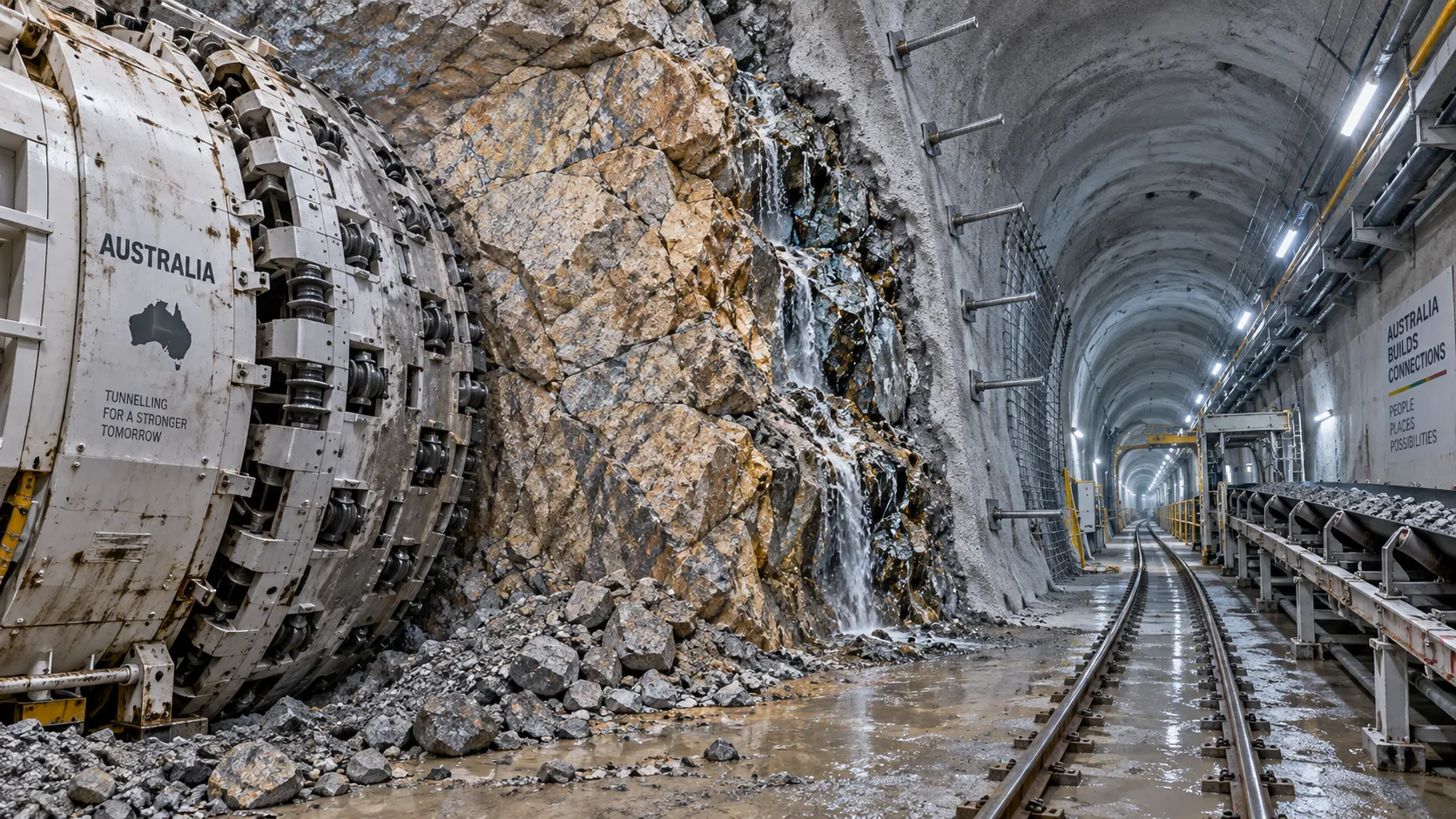
Hard Rock Tunnelling in Australia: Selecting Methods for Variable Ground Conditions
Hard rock tunnelling in Australia: compare TBM, drill-and-blast and hybrid methods to manage variable ground, reduce risk and protect project costs.
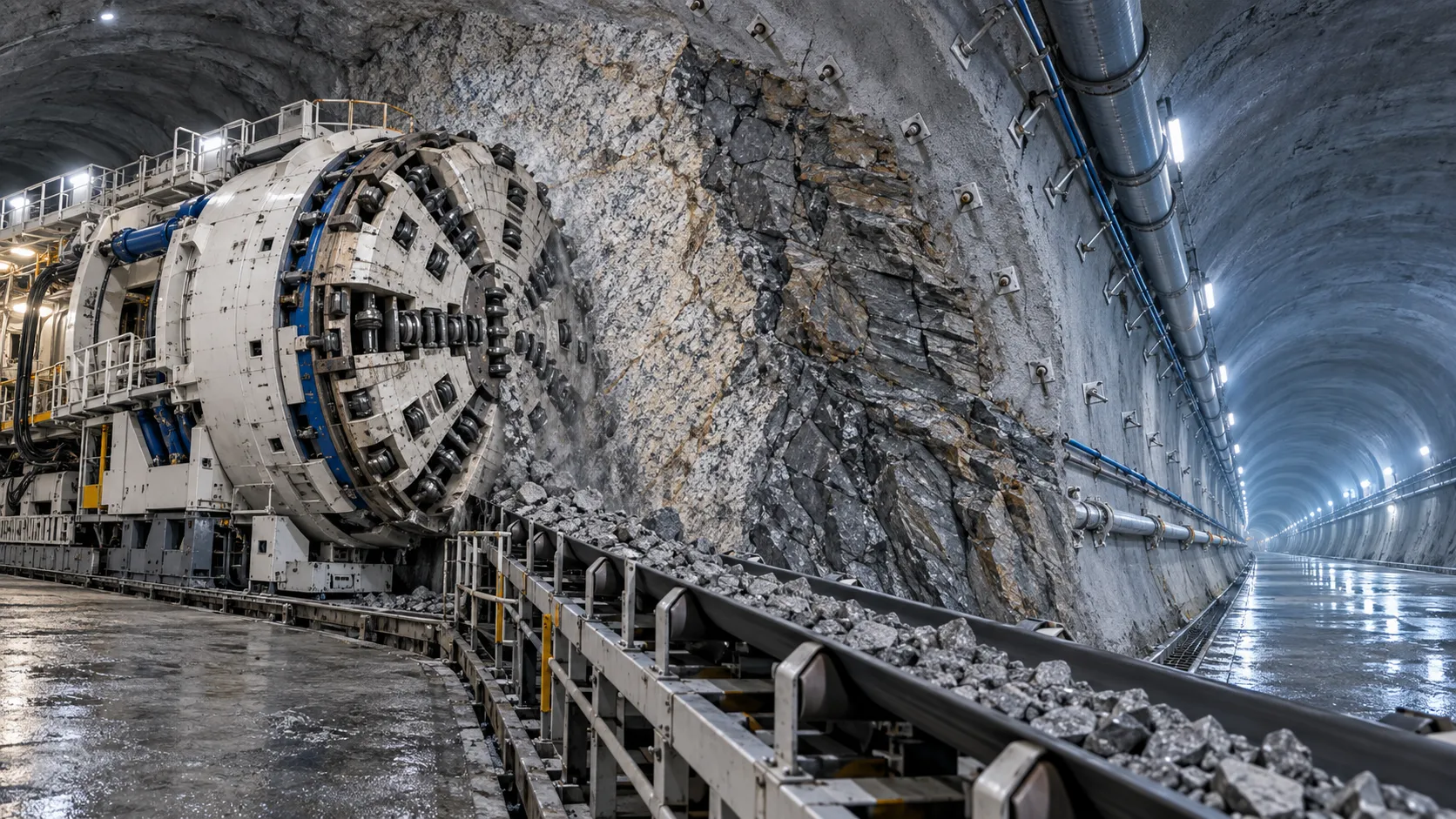
Hydropower Tunnel Excavation: Selecting Methods for Variable Rock Conditions
Hydropower tunnel excavation methods for variable rock conditions: compare TBM, drill-and-blast, and hybrid strategies to improve safety, progress, and project control.
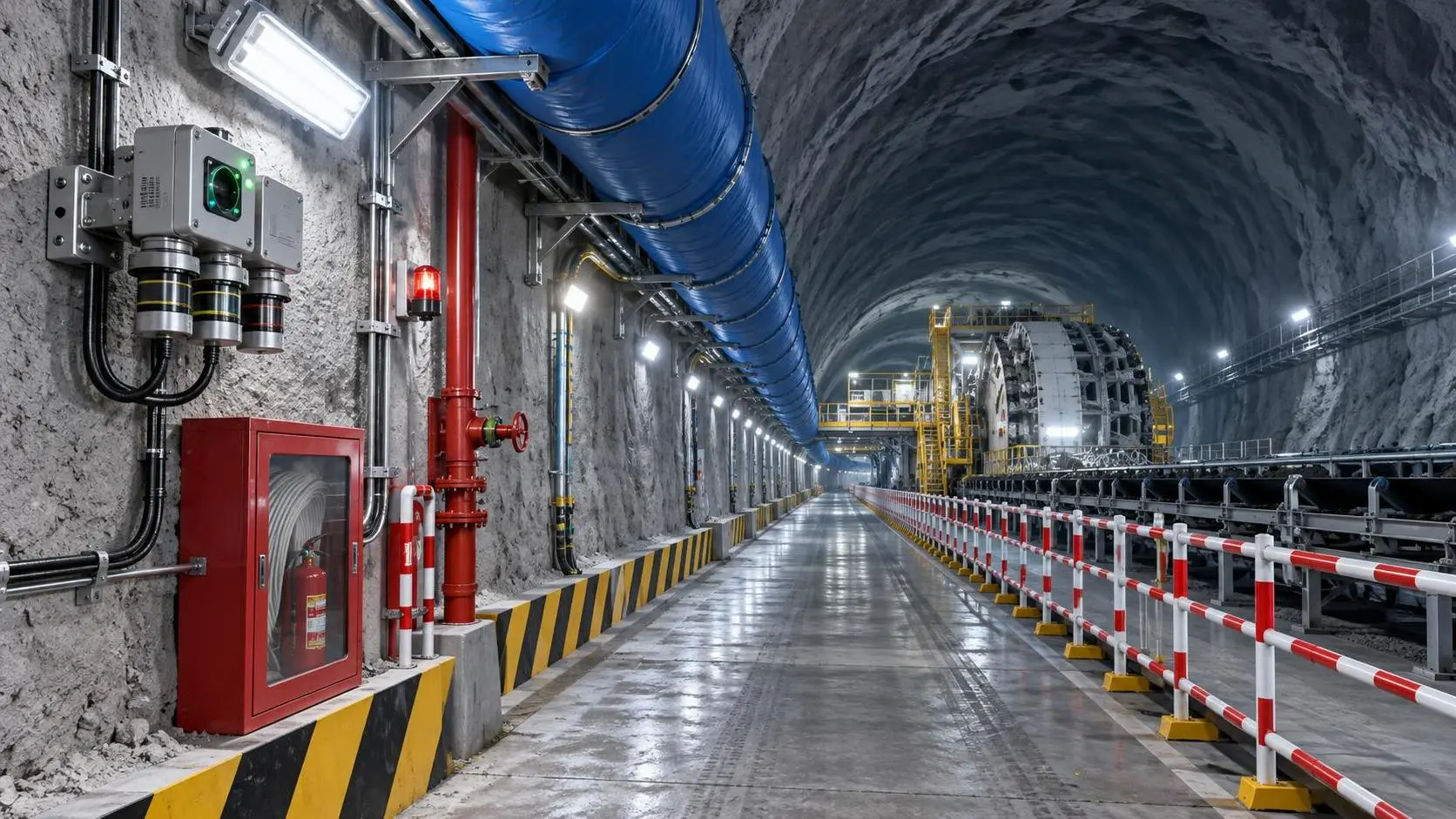
How to Select Underground Safety Equipment for Tunnelling by Hazard and Work Zone
Underground Safety Equipment for tunnelling: match protection to hazards, work zones, compliance, and emergency needs with this practical selection guide.
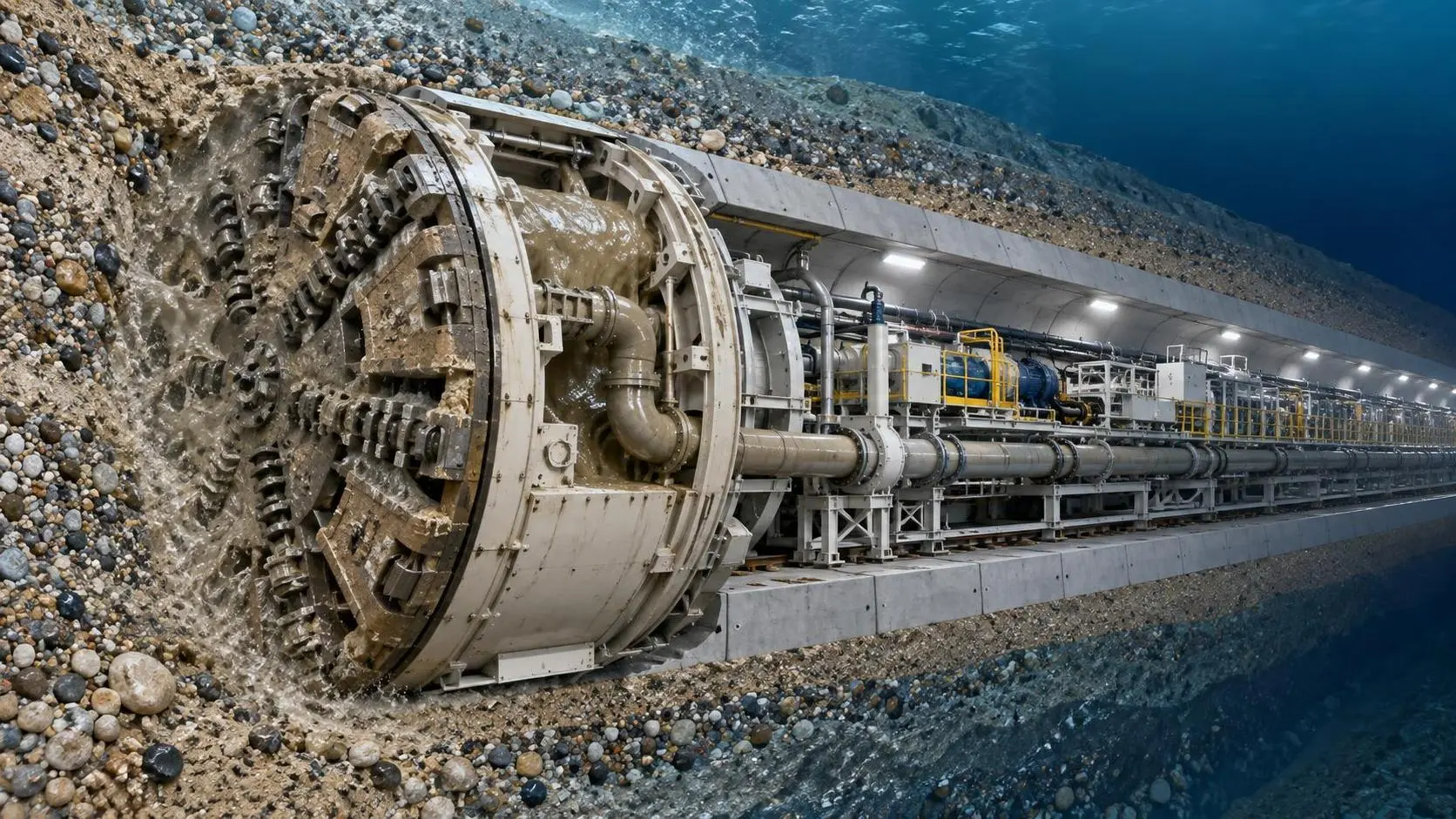
EPB or Slurry Shield? Selecting Soft-Ground Tunnelling Equipment by Soil Conditions
Tunnel Excavation Equipment for soft ground: compare EPB and slurry shields by soil, groundwater, settlement risk, and project logistics to choose confidently.
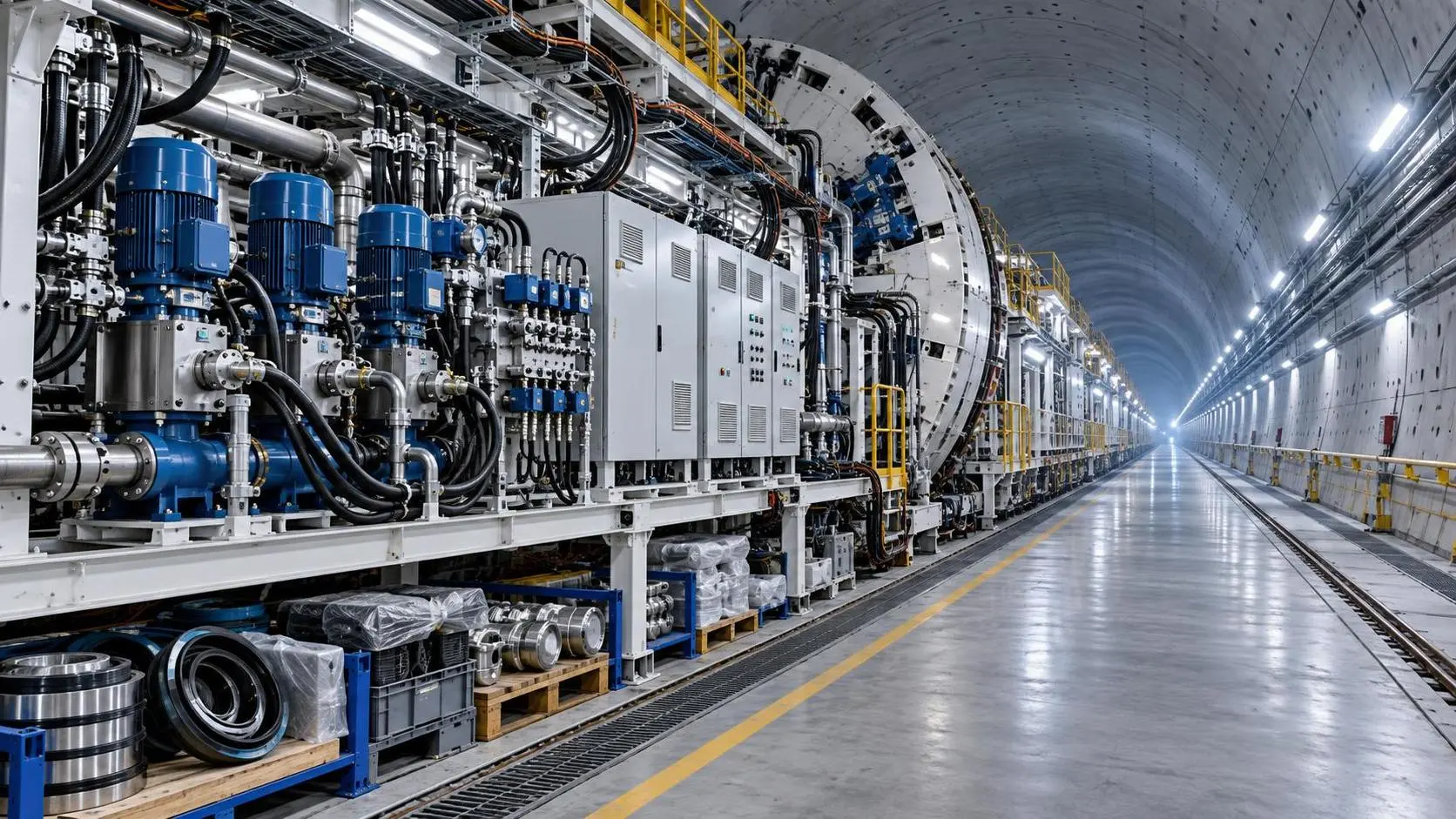
How to Specify TBM Backup System Parts for Reliable Long-Distance Tunnelling
TBM backup system parts: learn how to specify reliable spares for long-distance tunnelling, reduce downtime, ensure compatibility, and speed underground recovery.
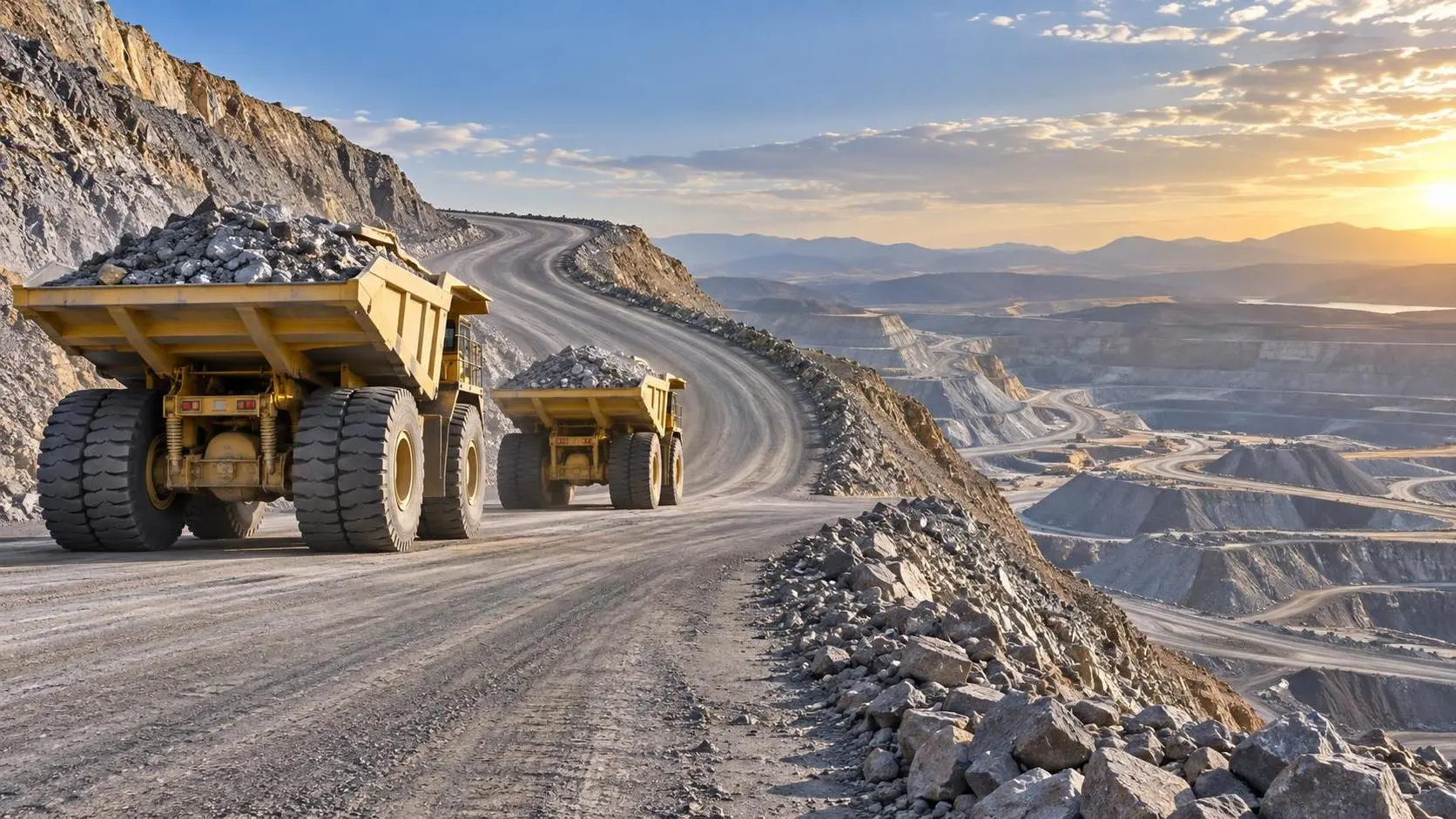
How to Size Open Pit Mining Trucks for Haul Distance, Grade, and Payload?
Open Pit Mining Trucks: learn how to match payload, haul distance, grade, road resistance, and loading capacity for safer, lower-cost mine operations.
Related News
- 00
0000-00
How to Evaluate European Drill-and-Blast Tunnelling Contractors for Complex Projects - 00
0000-00
Which Trenchless Construction Technique Fits Your Utility Crossing Conditions? - 00
0000-00
What Is Driving Metro Tunnelling Demand Across Southeast Asia’s Major Cities? - 00
0000-00
Hard Rock Tunnelling in Australia: Selecting Methods for Variable Ground Conditions - 00
0000-00
Hydropower Tunnel Excavation: Selecting Methods for Variable Rock Conditions
Weekly Insights
Stay ahead with our curated technology reports delivered every Monday.