
East Africa Port Entry Opens for Rectangular Pipe Jacking





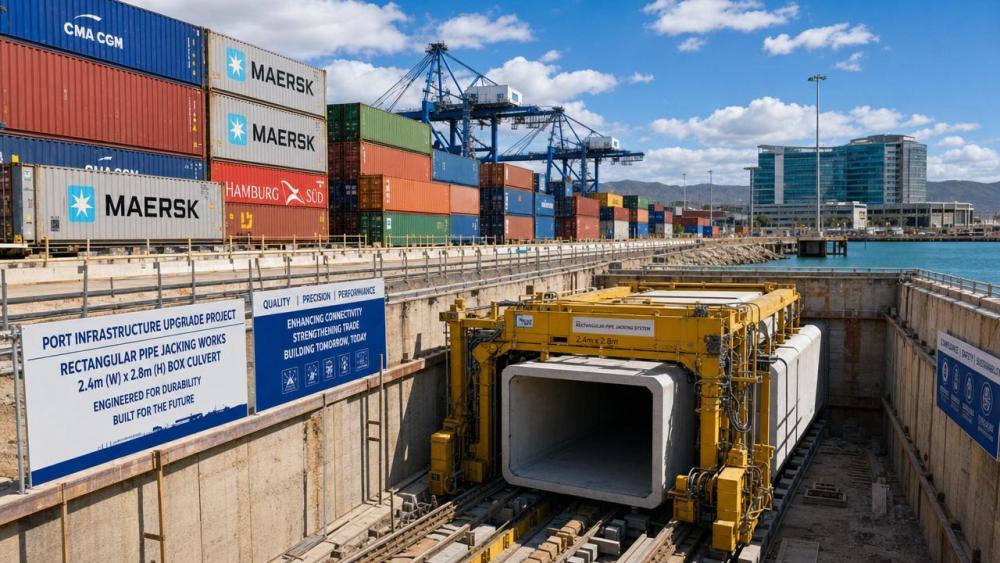
On June 10, 2026, the award of the AGL container yard and office building project in Dar es Salaam, Tanzania drew attention beyond project delivery itself: the internal utility corridor is set to use Rectangular Pipe Jacking for a single-pass installation of a 2.4m×2.8m precast box culvert over 1.2 kilometers. What deserves closer attention is that this is described as the first port logistics facility in East Africa approved to use rectangular pipe jacking in place of open-cut construction, and it has already triggered technical inquiries from port authorities in Kenya and Mozambique around CE+ISO 14001 dual certification, salt-spray-resistant coating under ASTM B117, and local civil interface standards. For equipment suppliers, contractors, certification-related service providers, procurement teams, and export-facing manufacturers, the development is worth watching as a potential execution signal for how market-entry and bid-readiness requirements may be framed in similar port infrastructure projects.
The confirmed development behind the market response
According to the provided event summary, Jiangxi International won the AGL container yard and office building project in Dar es Salaam, Tanzania on June 10, 2026.
The project’s internal utility corridor will adopt Rectangular Pipe Jacking technology, using a one-time jacking method to install a precast box culvert with a 2.4m×2.8m section over a total length of 1.2 kilometers.
The same summary states that this is the first approved port logistics facility in East Africa to use rectangular pipe jacking instead of open-cut construction.
It also states that the project has triggered special technical inquiries from port authorities in Kenya and Mozambique regarding CE+ISO 14001 dual certification, salt spray resistant coating under ASTM B117, and local civil interface standards for similar equipment.
Where the practical pressure may now appear
Bid preparation may shift for equipment suppliers
Analysis shows that suppliers of similar jacking equipment may face closer scrutiny at the pre-bid and technical clarification stages rather than only at final delivery. If project owners or port authorities begin referencing the same approval logic, suppliers may need to prepare certification files, coating test records, and interface documentation earlier in the sales cycle.
From an industry perspective, the likely impact is not limited to the equipment body itself. Technical bid alignment may increasingly depend on whether suppliers can show that their product documents, testing records, and interface specifications are already organized for port infrastructure use cases.
Procurement teams may need tighter document control
For procurement and project delivery teams, the signal is less about a single machine sale and more about document completeness across sourcing, evaluation, and acceptance. Observably, CE+ISO 14001 dual certification and ASTM B117-related requirements point to a review path that may combine product acceptability, environmental management credentials, and durability expectations under coastal or saline conditions.
This means buyers and EPC-linked sourcing teams may need to check whether shortlisted vendors can provide consistent certificates, test reports, and technical schedules in forms that match tender language and local acceptance practice.
Testing and compliance services may see earlier involvement
Certification-related firms and testing service providers may also be affected because the inquiry focus already touches certification status, coating performance, and local civil interface compatibility. Analysis shows that these are the kinds of items that often need third-party support in documentation review, report preparation, or specification matching.
For this group, the business effect may appear in earlier-stage advisory work rather than only in post-award inspection, especially when export-oriented suppliers seek to reduce clarification risk before submission.
Export and after-sales functions may face broader readiness checks
For exporters and after-sales teams, the issue is not only shipping equipment but supporting downstream acceptance. What deserves closer attention is whether the same inquiries later translate into more detailed expectations for installation interfaces, traceability records, spare-parts alignment, or service documentation during handover and commissioning.
The provided information does not confirm that such requirements have already been formalized, but it does suggest that cross-border delivery teams should monitor whether technical acceptance conditions start expanding beyond price and core performance parameters.
What companies should watch next
Certification files should be review-ready, not only valid
Analysis shows that companies involved in similar projects should not look at CE and ISO 14001 merely as certificates to hold on file. A more practical issue is whether the documents are current, internally consistent, and easy to present during technical inquiries, bid clarification, or purchaser review.
Coating evidence may become a tender-facing requirement
Because ASTM B117 is specifically mentioned in the event summary, suppliers and manufacturers should pay close attention to how corrosion-resistance evidence is described in future procurement documents. It is more appropriate to understand this as a possible compliance checkpoint that may affect product configuration, supporting reports, and supplier qualification, rather than as a confirmed uniform rule across the region.
Local interface standards deserve early engineering attention
The mention of local civil interface standards suggests that compatibility with local design and construction interfaces may become a practical review point. For contractors, manufacturers, and engineering coordinators, this raises the importance of checking dimensional coordination, connection details, and document alignment before tender submission or shipment planning.
Market signals should be tracked through bid language and official wording
Observably, the most useful near-term indicator will be whether future tender documents, technical inquiries, or official project wording begin to repeat the same certification, coating, and interface requirements. Until that happens, companies should treat the development as a meaningful signal rather than a fully standardized regional rule.
Why this looks like an execution signal rather than a settled rulebook
From an industry perspective, the key significance of this development is not simply that one project selected Rectangular Pipe Jacking, but that the approval has already prompted targeted technical inquiries in neighboring port markets. Analysis shows that this creates a visible linkage between one approved application and the compliance language that may shape future equipment access discussions.
At the same time, it would be premature to read the event as proof that East African port infrastructure projects have already adopted a unified entry framework for such equipment. The provided information confirms inquiries, not a finalized regional standard or harmonized enforcement approach. That distinction matters for exporters, manufacturers, and procurement teams deciding how quickly to adjust their qualification strategy.
How this development is best understood for now
The event is best understood as an early but concrete market-access signal for Rectangular Pipe Jacking in East African port infrastructure, with compliance attention clustering around certification, salt-spray resistance, and local interface alignment. It does not yet prove a fully settled rule change across multiple markets, but it does indicate that technical access conditions may be becoming more specific.
For industry participants, the rational takeaway is to prepare for stricter documentation and specification alignment while continuing to monitor how procurement language, acceptance practice, and official wording evolve in follow-on projects.
Basis of this article and points still requiring verification
This article is generated on the basis of the user-provided news title, event date, and event summary. No specific official source link was provided in the input, so any official confirmation pathway remains subject to further verification.
For events of this kind, commonly relevant source types may include official project announcements, releases by regulatory bodies, information from customs or trade authorities, industry association notices, standard-setting documents, and reporting by authoritative media. Observably, what still needs continued verification includes any later policy detail, certification enforcement wording, changes in tender documents, market feedback, and how companies actually implement the related technical and compliance requirements.
Related News
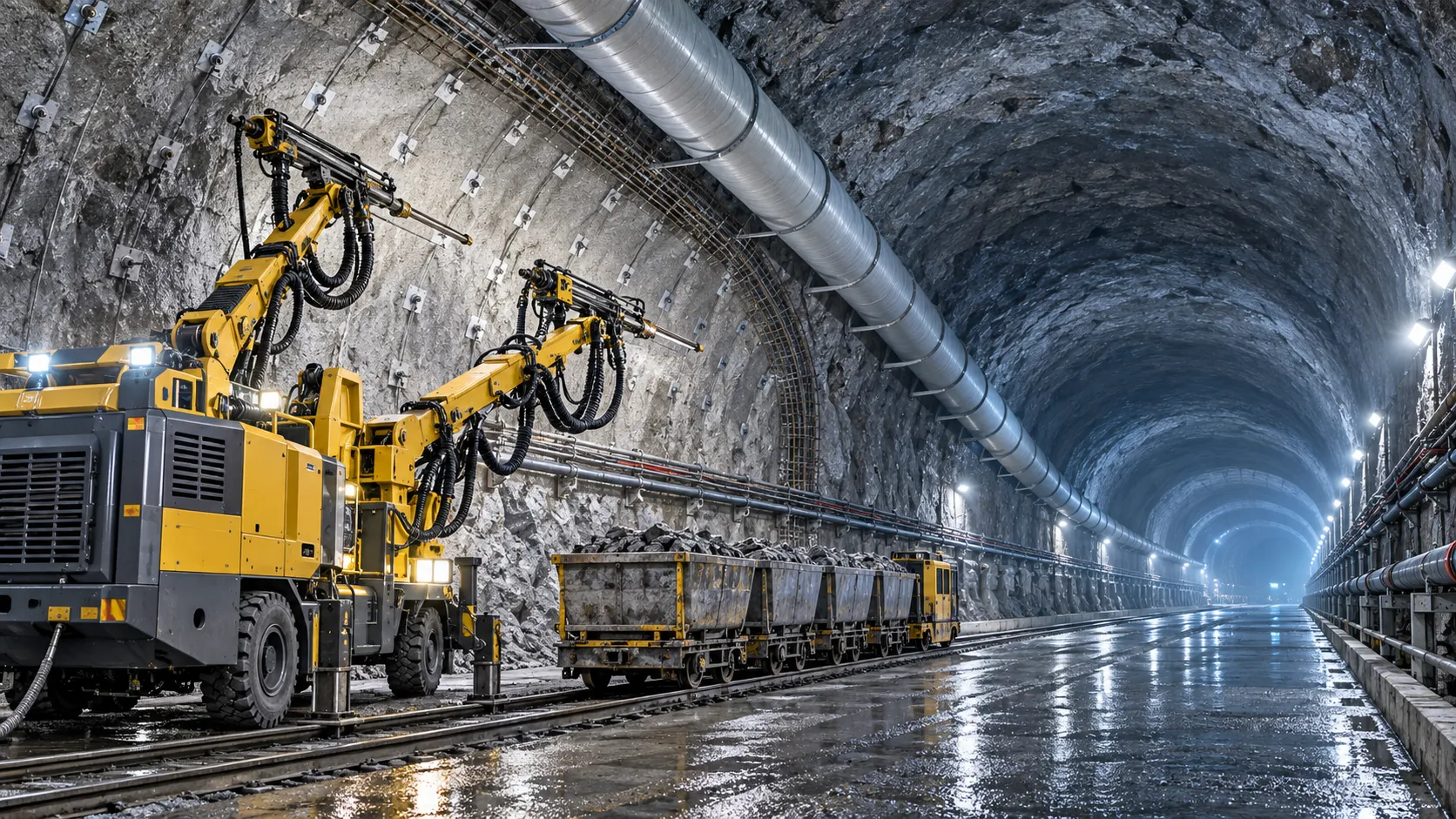
How to Evaluate European Drill-and-Blast Tunnelling Contractors for Complex Projects
Drill and blast tunnelling contractors Europe: learn how to assess geology expertise, blast control, equipment reliability, safety, and programme resilience for complex projects.
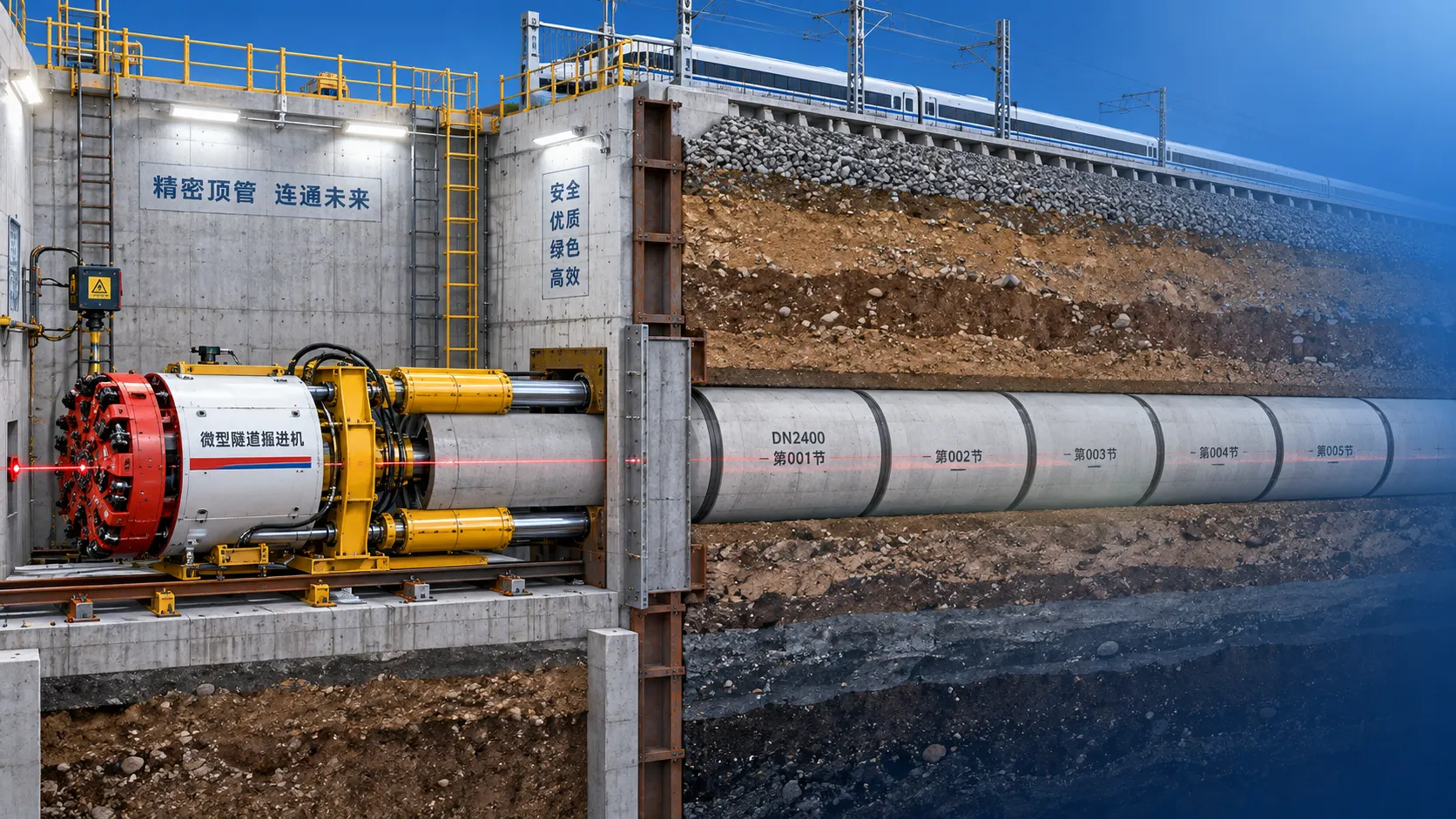
Which Trenchless Construction Technique Fits Your Utility Crossing Conditions?
Trenchless construction techniques compared for utility crossings: choose HDD, microtunnelling, pipe jacking, or auger boring based on ground, accuracy, access, and risk.

What Is Driving Metro Tunnelling Demand Across Southeast Asia’s Major Cities?
Metro tunnelling Southeast Asia is accelerating as major cities tackle congestion, flooding, and connectivity. Explore the market forces, technical risks, and opportunities shaping demand.
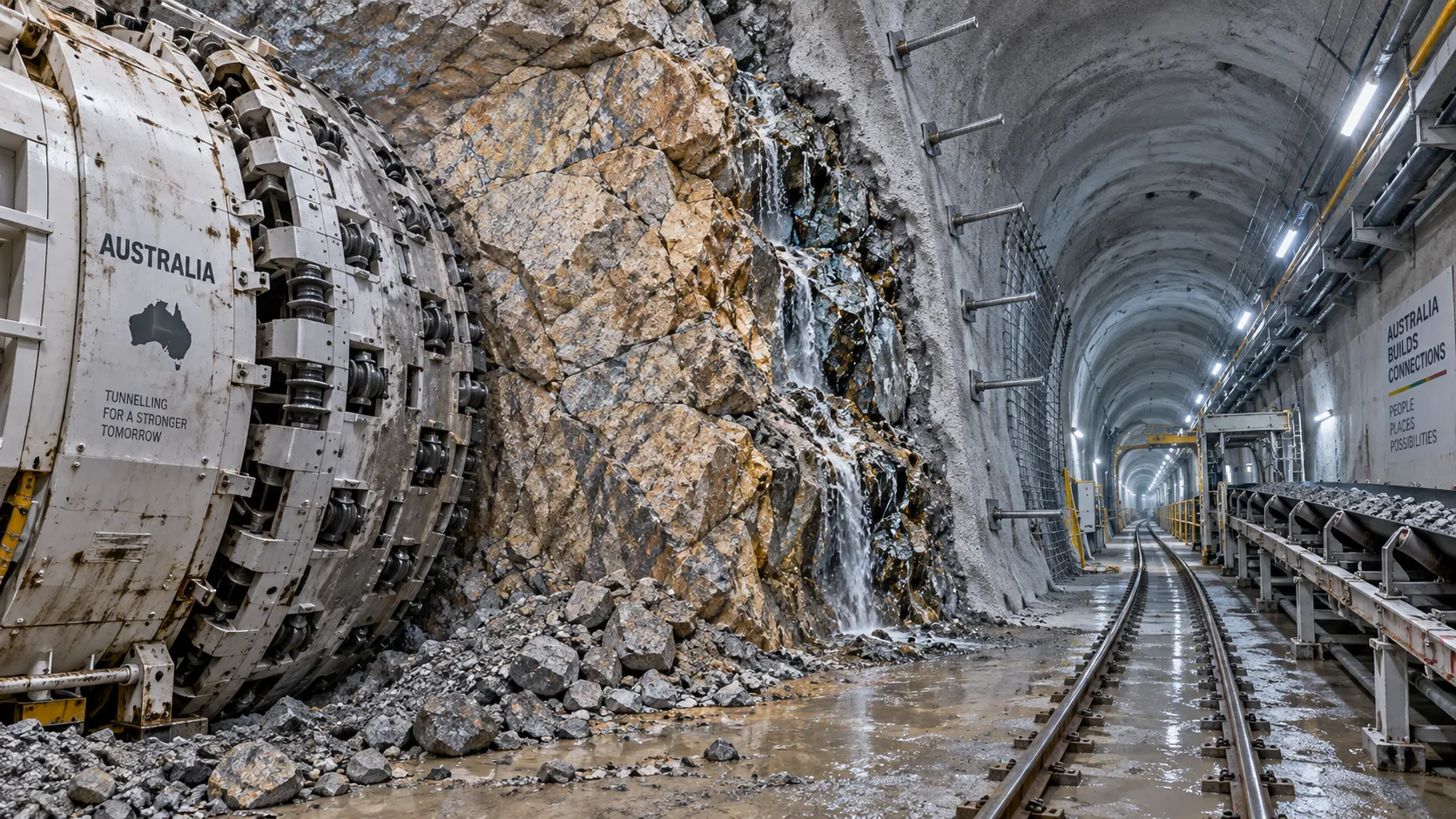
Hard Rock Tunnelling in Australia: Selecting Methods for Variable Ground Conditions
Hard rock tunnelling in Australia: compare TBM, drill-and-blast and hybrid methods to manage variable ground, reduce risk and protect project costs.
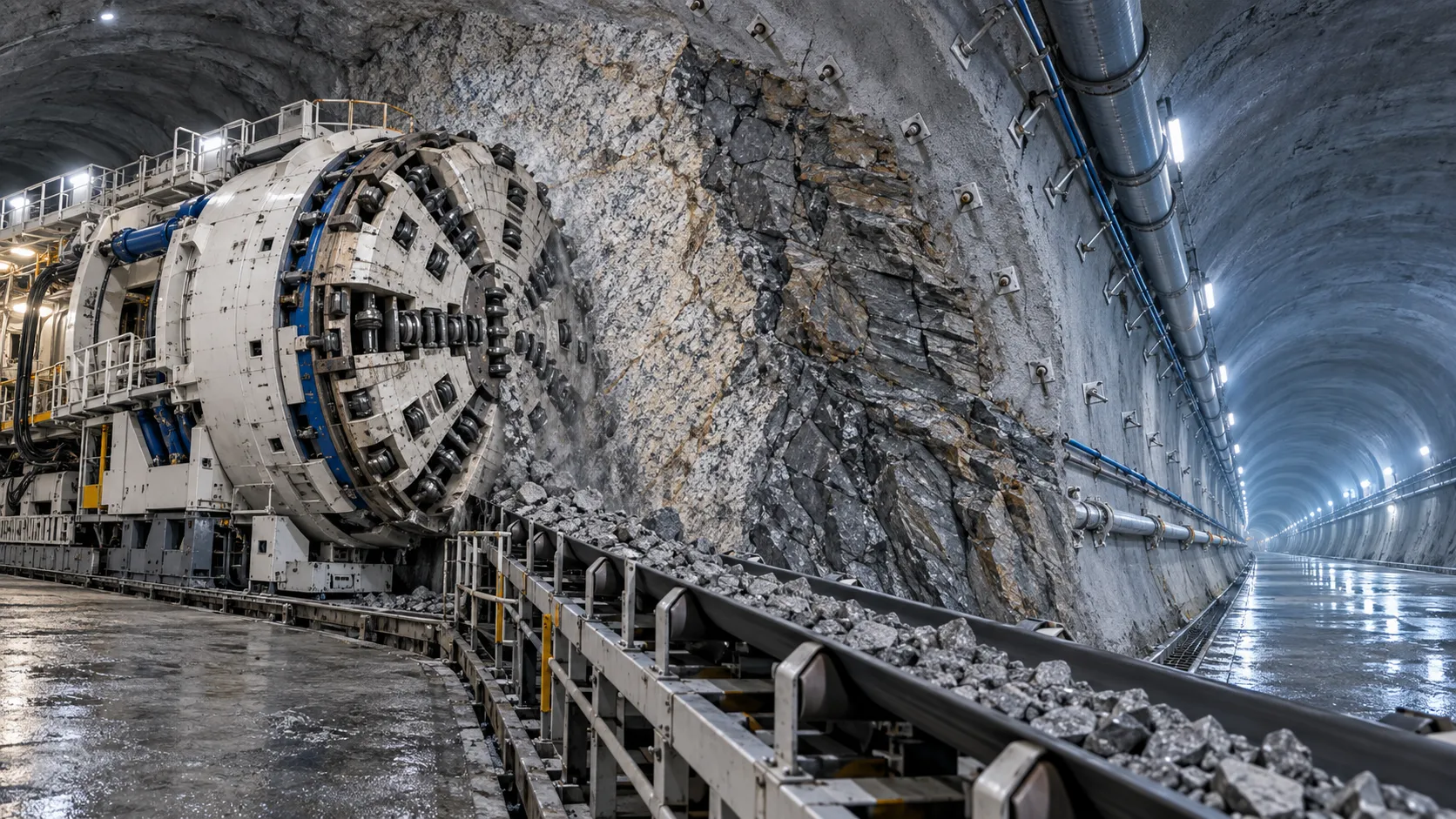
Hydropower Tunnel Excavation: Selecting Methods for Variable Rock Conditions
Hydropower tunnel excavation methods for variable rock conditions: compare TBM, drill-and-blast, and hybrid strategies to improve safety, progress, and project control.
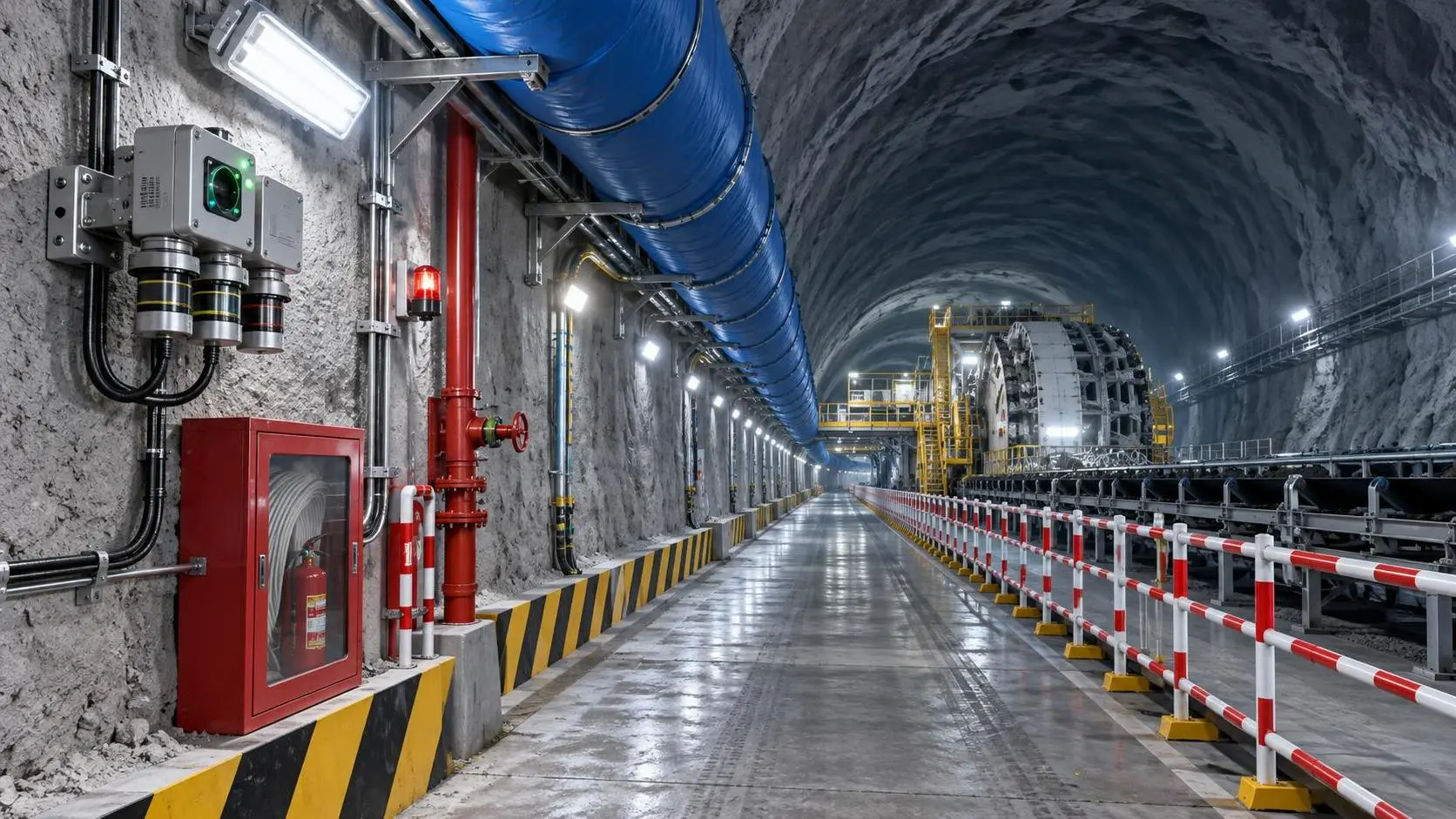
How to Select Underground Safety Equipment for Tunnelling by Hazard and Work Zone
Underground Safety Equipment for tunnelling: match protection to hazards, work zones, compliance, and emergency needs with this practical selection guide.
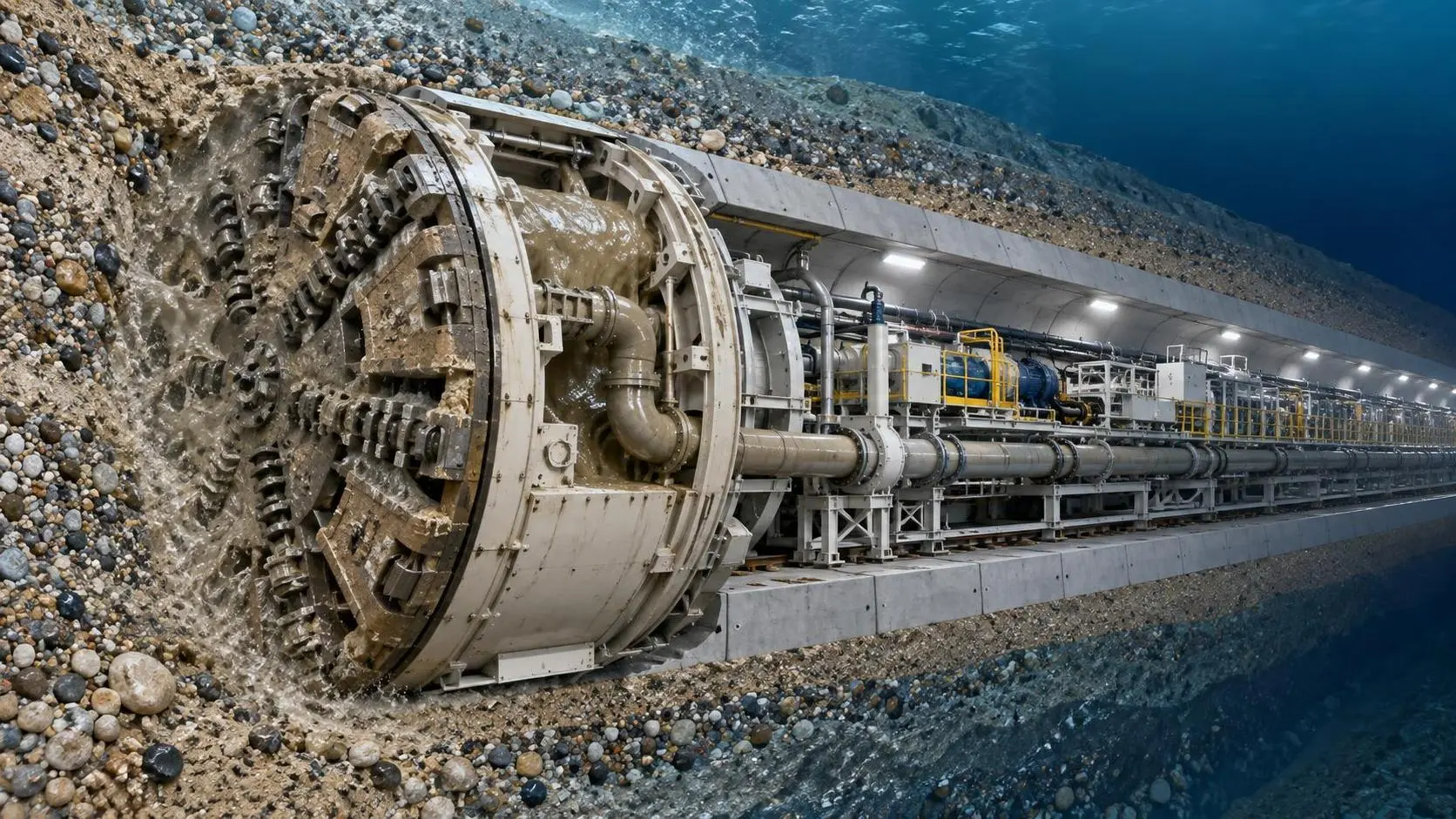
EPB or Slurry Shield? Selecting Soft-Ground Tunnelling Equipment by Soil Conditions
Tunnel Excavation Equipment for soft ground: compare EPB and slurry shields by soil, groundwater, settlement risk, and project logistics to choose confidently.
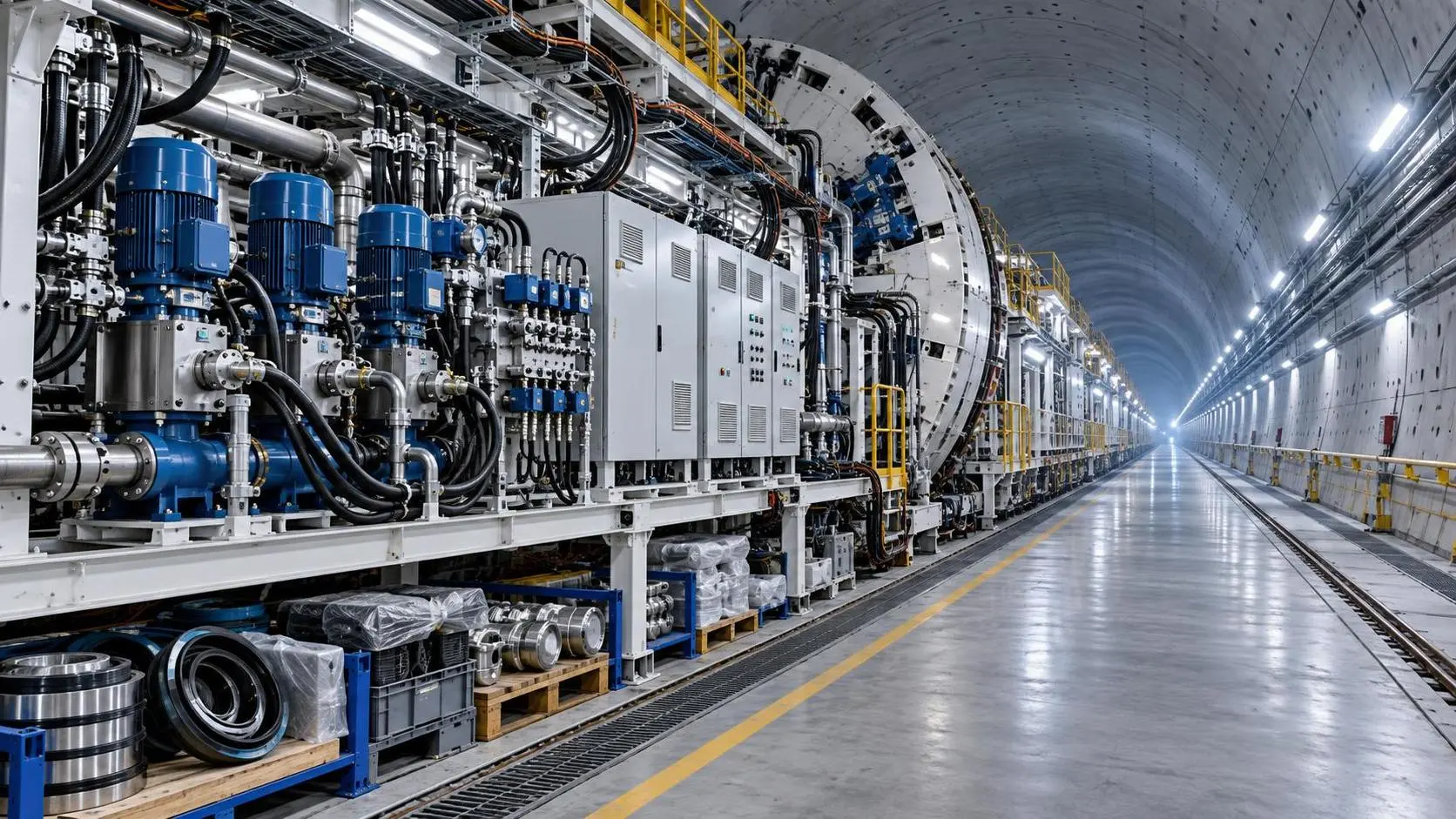
How to Specify TBM Backup System Parts for Reliable Long-Distance Tunnelling
TBM backup system parts: learn how to specify reliable spares for long-distance tunnelling, reduce downtime, ensure compatibility, and speed underground recovery.

How to Size Open Pit Mining Trucks for Haul Distance, Grade, and Payload?
Open Pit Mining Trucks: learn how to match payload, haul distance, grade, road resistance, and loading capacity for safer, lower-cost mine operations.
Related News
- 00
0000-00
How to Evaluate European Drill-and-Blast Tunnelling Contractors for Complex Projects - 00
0000-00
Which Trenchless Construction Technique Fits Your Utility Crossing Conditions? - 00
0000-00
What Is Driving Metro Tunnelling Demand Across Southeast Asia’s Major Cities? - 00
0000-00
Hard Rock Tunnelling in Australia: Selecting Methods for Variable Ground Conditions - 00
0000-00
Hydropower Tunnel Excavation: Selecting Methods for Variable Rock Conditions
Weekly Insights
Stay ahead with our curated technology reports delivered every Monday.