
KL–Karak Expansion Tightens Pipe Jacking Delivery





On June 10, 2026, construction formally started on Section 1C of the Kuala Lumpur–Karak Expressway expansion in Malaysia after China Harbour signed the contract on April 28, 2026. The project stands out because it requires 12 rectangular pipe jacking machines to pass beneath utility corridors in the urban core, while the current capacity of the global top five suppliers is already fully booked. For contractors, equipment buyers, specialized manufacturers, and supply chain service providers, the key issue is not only project demand itself, but the visible extension of mainstream equipment lead times from six months to 14 months, with delivery now pushed to Q2 2027 and some customized units scheduled as late as the end of 2027.
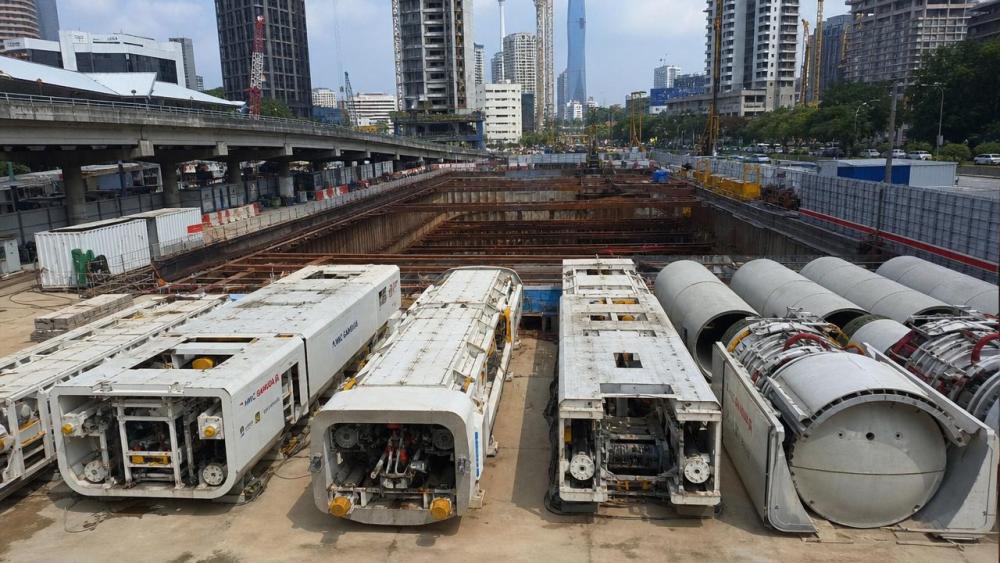
What has been confirmed so far
The confirmed facts are relatively clear. China Harbour won the Section 1C expansion contract for the Kuala Lumpur–Karak Expressway project in Malaysia and signed it on April 28, 2026. The project officially broke ground on June 10, 2026.
According to the provided project summary, the work requires 12 rectangular pipe jacking machines for utility corridor crossings beneath the city’s core area. At the same time, the global top five suppliers of this equipment category are operating at full capacity. Based on the same input, the average lead time for mainstream models has extended from six months to 14 months, reaching Q2 2027, while some customized specifications are already scheduled to the end of 2027.
Why the pressure extends beyond one project
Equipment procurement moves to the front of the schedule
From an industry perspective, buyers and project procurement teams are likely to feel the impact first because equipment availability now becomes a scheduling issue rather than a routine purchasing task. When a project needs 12 units in one package, the timing of model confirmation, technical alignment, and supplier reservation becomes more critical.
Manufacturers face tighter capacity allocation
For equipment manufacturers, the immediate implication is not simply higher inquiry volume but more pressure on production slot allocation. Analysis shows that when mainstream lead times extend from six months to 14 months, suppliers may need to prioritize between standard models and customized specifications, and customers may face tougher decisions on whether to accept standard configurations or wait longer for tailored units.
Supply chain service providers face delivery coordination risk
For supply chain and project service providers, the main pressure point is coordination. Longer lead times can affect contract sequencing, shipment planning, on-site mobilization windows, and communication with downstream project teams. What deserves closer attention is whether delivery timing and project execution rhythm remain aligned once specialized equipment becomes the pacing item.
End users and contractors must watch execution dependencies
For contractors and other end-use project participants, the impact is tied to execution dependencies. The issue is not only whether equipment can be sourced, but whether the required specification, delivery window, and deployment sequence can match site conditions for urban-core underground works.
What companies should watch now
Track equipment lead times as a live commercial variable
Companies involved in similar underground or corridor-crossing works should treat lead time as a variable that may continue to affect bidding, procurement, and delivery commitments. The extension to Q2 2027 for mainstream models, and to late 2027 for some customized units, changes the practical meaning of procurement timing.
Separate standard demand from custom-spec demand early
Analysis shows that one practical issue is the distinction between standard models and customized specifications. Where project requirements allow, early clarification of technical scope may reduce uncertainty in supplier scheduling. Where customization is unavoidable, enterprises should pay closer attention to sequencing, internal approvals, and external communication with clients.
Prepare for longer fulfillment communication cycles
For procurement, contract, and client-facing teams, a longer delivery cycle means more frequent updates on manufacturing slots, expected shipment timing, and execution dependencies. This is especially relevant when project schedules are already public and equipment mobilization becomes a visible milestone.
Keep documentation and supplier qualification ready
Observably, when capacity is tight, readiness can matter as much as demand. Companies may need to focus on whether supplier qualification materials, technical documents, and commercial confirmation steps are complete enough to avoid losing time during booking and order finalization.
Why this matters as an industry signal
This section is an editorial observation rather than a statement of fact. Analysis shows that the development is more meaningful as a supply-side signal than as a standalone project update. A single project requiring 12 rectangular pipe jacking machines would already be notable, but the sharper signal comes from the reported full-capacity status of the global top five suppliers and the visible lengthening of lead times.
It is more appropriate to understand this as a near-term capacity constraint with possible medium-term implications, rather than as proof of a permanent market shift. The current information does not confirm how long this imbalance will last, but it does suggest that specialized underground equipment availability has become a priority issue worth continued tracking.
How this update is best understood
At this stage, the most balanced reading is that the Kuala Lumpur–Karak Expressway expansion has turned attention toward a specific bottleneck in rectangular pipe jacking equipment supply. The confirmed facts point to tighter capacity and longer fulfillment windows, while the broader market meaning still requires observation.
For industry participants, this is less a generalized market conclusion and more a practical warning sign: in specialized underground projects, equipment lead time may now shape project timing as much as technical readiness or contract award progress.
Basis of this article
This article is based on the user-provided news title, event date, and event summary. The confirmed information used here includes the contract signing date, the June 10, 2026 construction start, the requirement for 12 rectangular pipe jacking machines, the full-capacity status of the global top five suppliers, and the reported extension of average lead times to Q2 2027, with some customized specifications scheduled to late 2027.
For this type of industry update, relevant source categories would typically include official project announcements, corporate statements, industry association releases, authoritative media coverage, and standard-setting or technical organization materials. No specific official source link was provided in the input, so further verification remains necessary. Continued observation should focus on any updated project disclosures, supplier scheduling changes, and later confirmation of delivery timelines for mainstream and customized equipment.
Related News
How to Evaluate European Drill-and-Blast Tunnelling Contractors for Complex Projects
Drill and blast tunnelling contractors Europe: learn how to assess geology expertise, blast control, equipment reliability, safety, and programme resilience for complex projects.
Which Trenchless Construction Technique Fits Your Utility Crossing Conditions?
Trenchless construction techniques compared for utility crossings: choose HDD, microtunnelling, pipe jacking, or auger boring based on ground, accuracy, access, and risk.
What Is Driving Metro Tunnelling Demand Across Southeast Asia’s Major Cities?
Metro tunnelling Southeast Asia is accelerating as major cities tackle congestion, flooding, and connectivity. Explore the market forces, technical risks, and opportunities shaping demand.
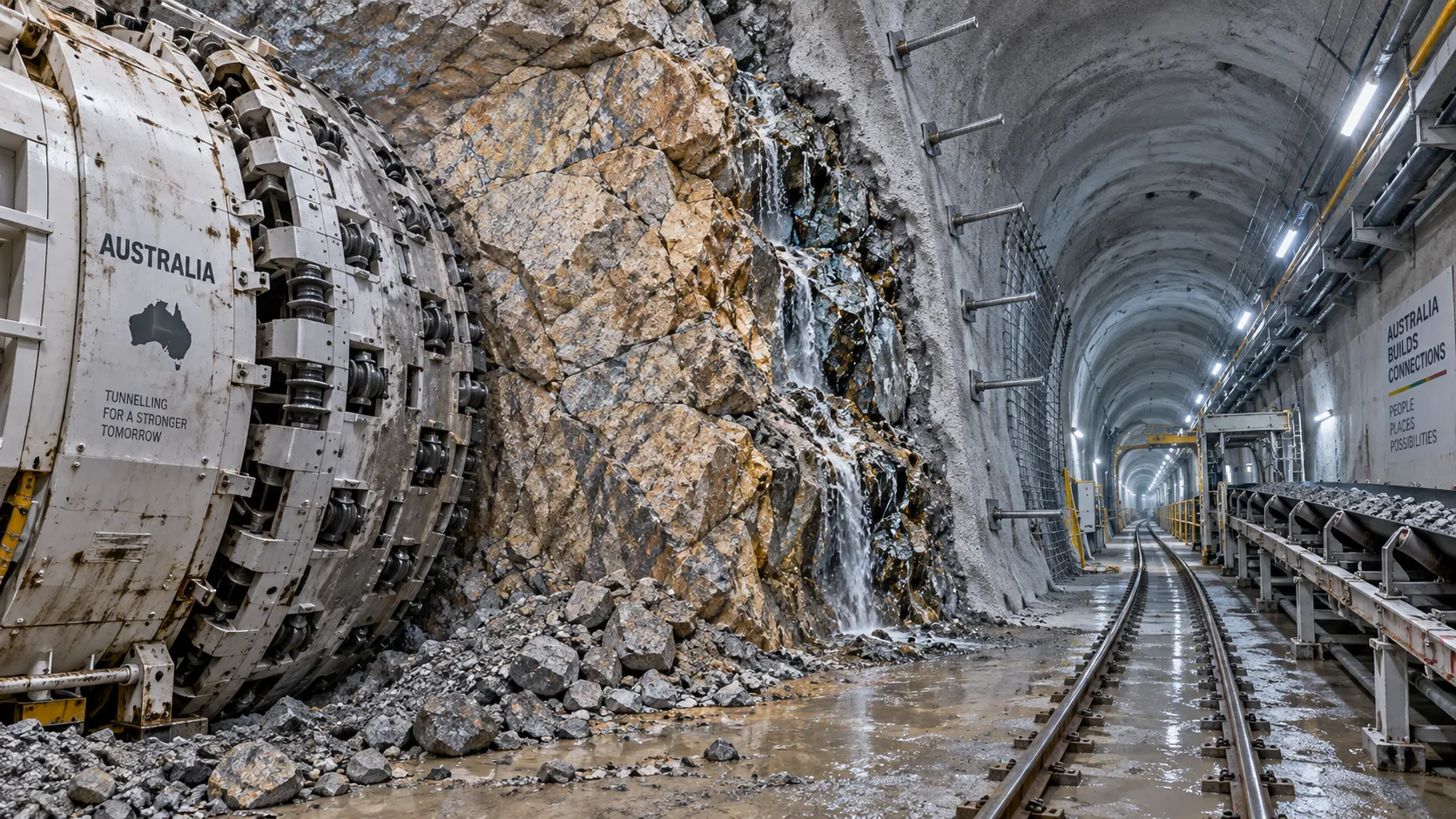
Hard Rock Tunnelling in Australia: Selecting Methods for Variable Ground Conditions
Hard rock tunnelling in Australia: compare TBM, drill-and-blast and hybrid methods to manage variable ground, reduce risk and protect project costs.
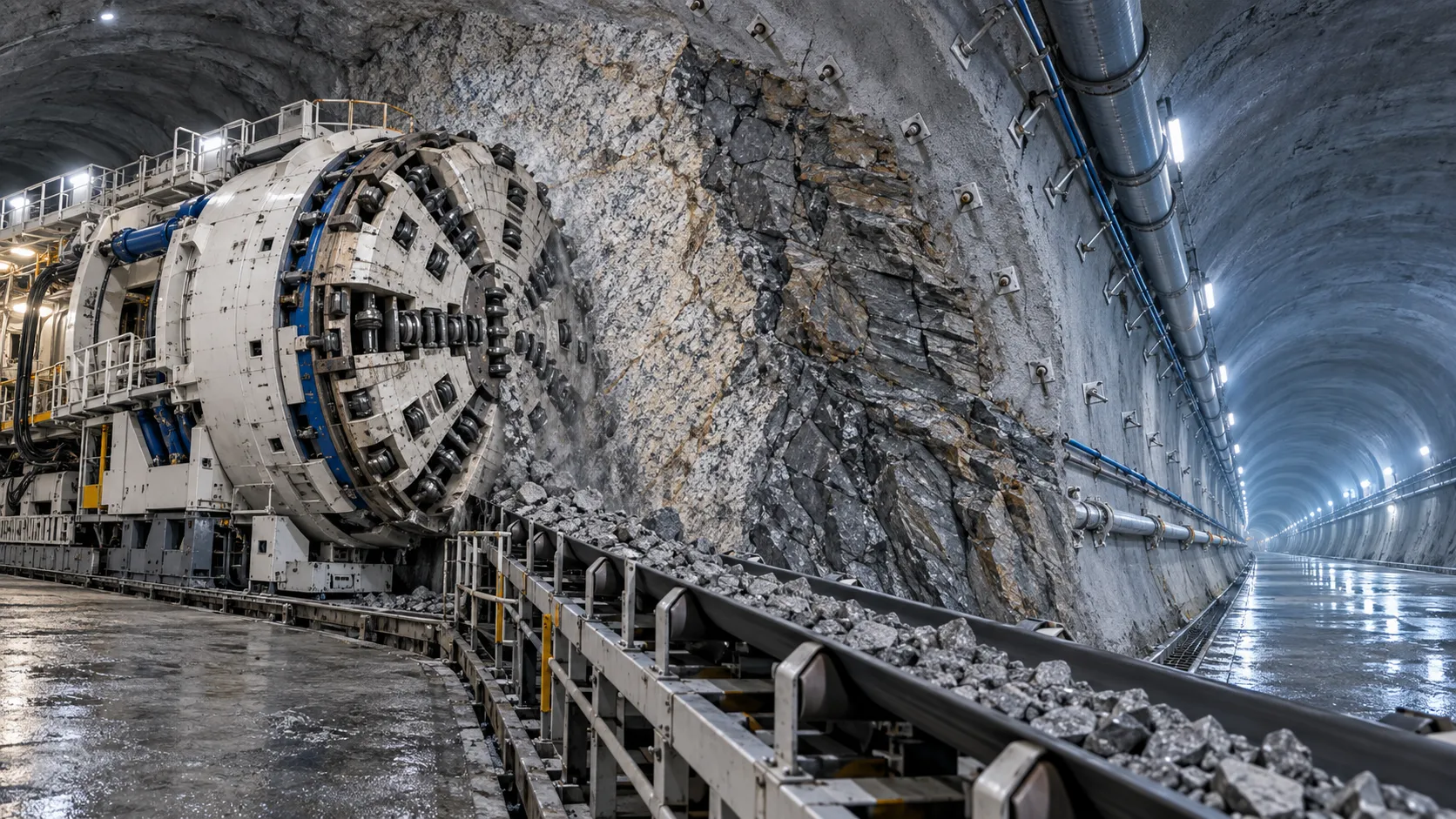
Hydropower Tunnel Excavation: Selecting Methods for Variable Rock Conditions
Hydropower tunnel excavation methods for variable rock conditions: compare TBM, drill-and-blast, and hybrid strategies to improve safety, progress, and project control.
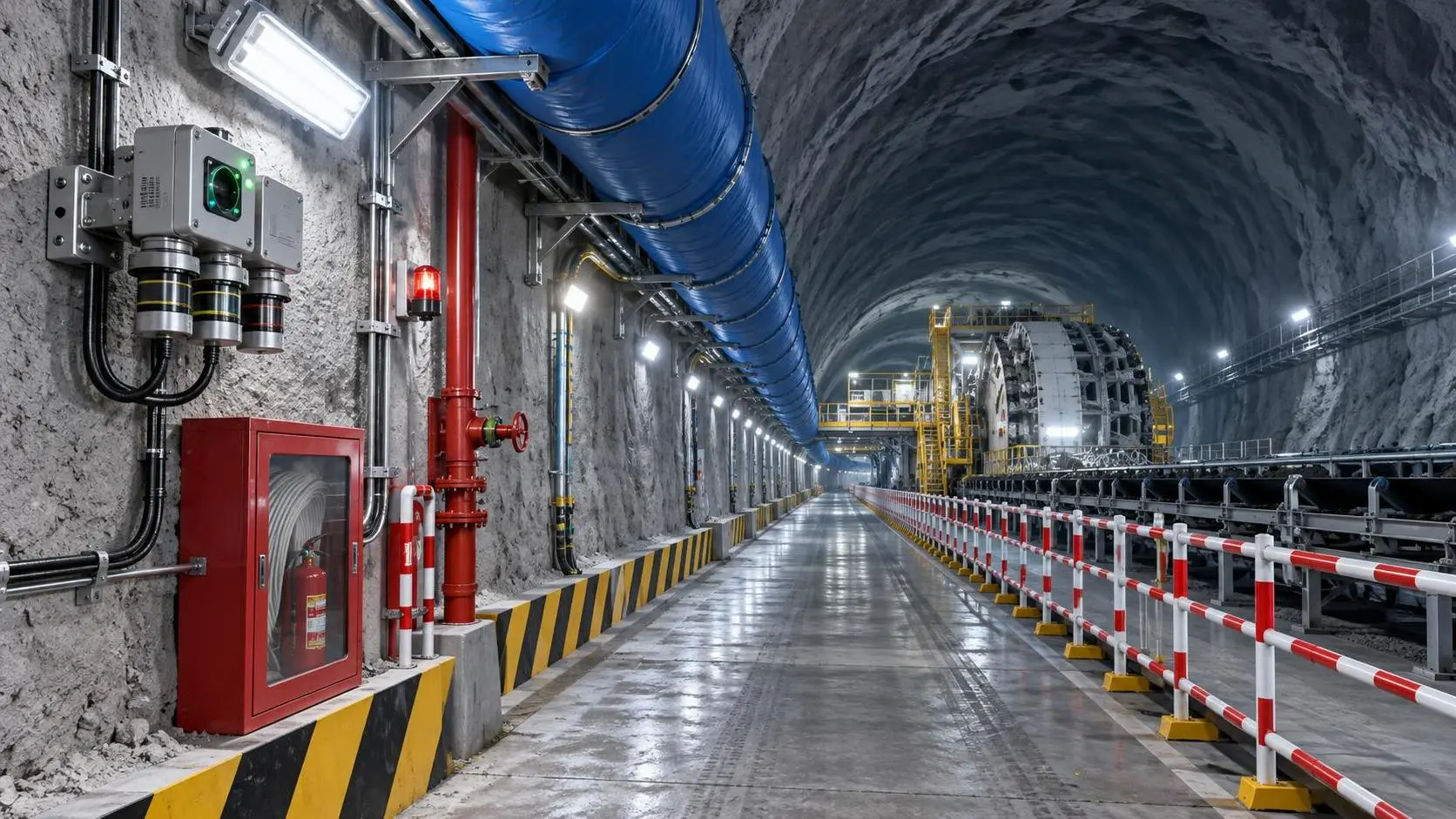
How to Select Underground Safety Equipment for Tunnelling by Hazard and Work Zone
Underground Safety Equipment for tunnelling: match protection to hazards, work zones, compliance, and emergency needs with this practical selection guide.
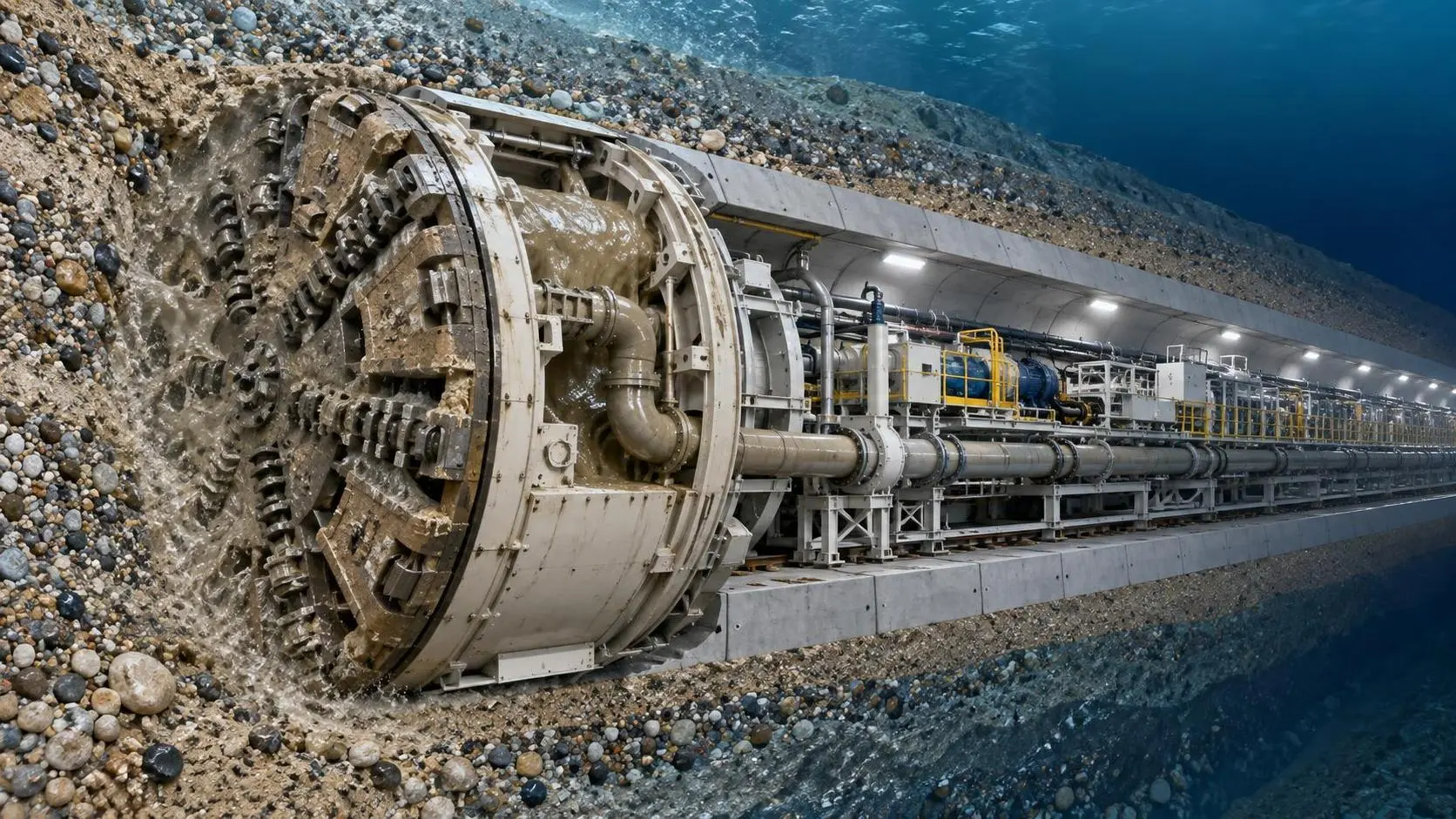
EPB or Slurry Shield? Selecting Soft-Ground Tunnelling Equipment by Soil Conditions
Tunnel Excavation Equipment for soft ground: compare EPB and slurry shields by soil, groundwater, settlement risk, and project logistics to choose confidently.
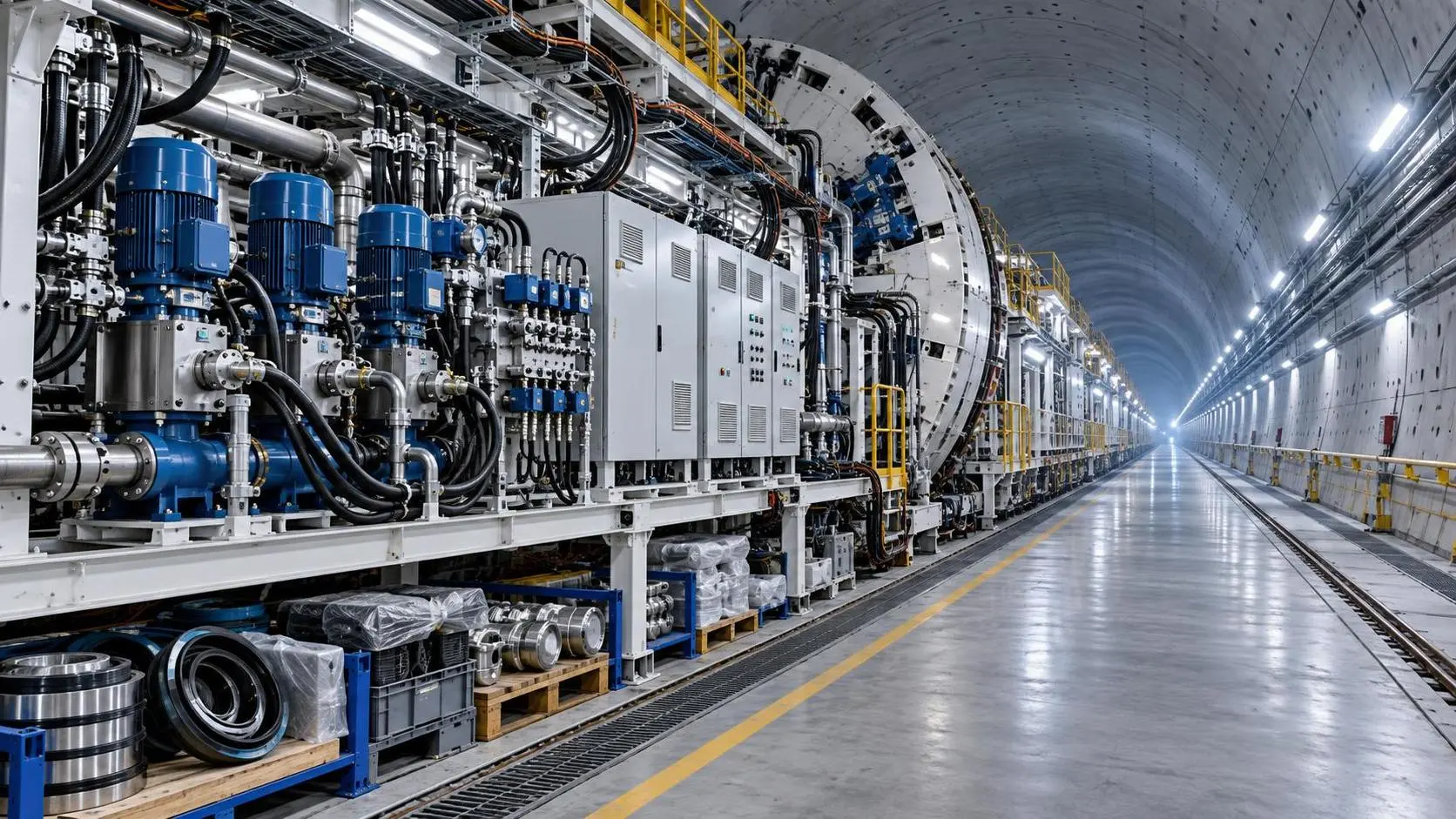
How to Specify TBM Backup System Parts for Reliable Long-Distance Tunnelling
TBM backup system parts: learn how to specify reliable spares for long-distance tunnelling, reduce downtime, ensure compatibility, and speed underground recovery.

How to Size Open Pit Mining Trucks for Haul Distance, Grade, and Payload?
Open Pit Mining Trucks: learn how to match payload, haul distance, grade, road resistance, and loading capacity for safer, lower-cost mine operations.
Related News
- 00
0000-00
How to Evaluate European Drill-and-Blast Tunnelling Contractors for Complex Projects - 00
0000-00
Which Trenchless Construction Technique Fits Your Utility Crossing Conditions? - 00
0000-00
What Is Driving Metro Tunnelling Demand Across Southeast Asia’s Major Cities? - 00
0000-00
Hard Rock Tunnelling in Australia: Selecting Methods for Variable Ground Conditions - 00
0000-00
Hydropower Tunnel Excavation: Selecting Methods for Variable Rock Conditions
Weekly Insights
Stay ahead with our curated technology reports delivered every Monday.