
Tianjin Trenchless Expo Puts Rectangular Pipe Jacking in Focus





From April 22 to 24, 2026, the China International Trenchless Technology Exhibition in Tianjin drew buyers from 32 countries, including Germany, Saudi Arabia, and Vietnam, with large-diameter Rectangular Pipe Jacking emerging as a clear point of purchasing interest. For equipment makers, precast segment suppliers, project contractors, and digital engineering service providers, the development deserves attention because buyer priorities at the event centered not only on equipment availability, but also on settlement control accuracy, sealing performance, and BIM data connectivity.
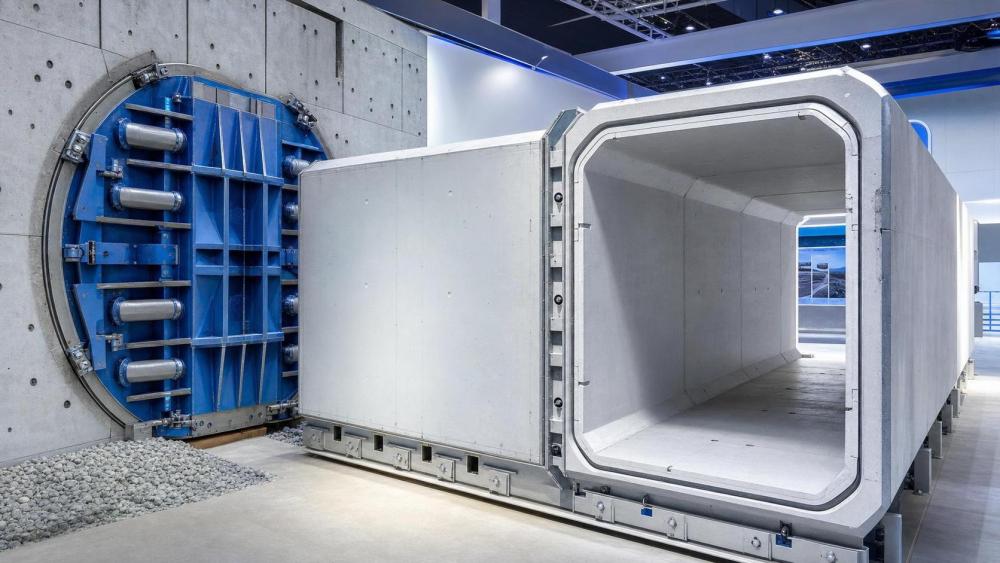
What the Tianjin event confirmed
The exhibition concluded in April 2026, and on-site intended orders for large-diameter Rectangular Pipe Jacking equipment exceeded RMB 820 million. According to exhibitor feedback, overseas buyers focused most on three technical points: anti-settlement control accuracy of no more than ±5 mm, sealing performance of precast pipe segment joints meeting the IP68 standard, and the ability to connect project data with BIM platforms. The event information indicates that international demand in underground utility corridor construction is placing greater weight on controllability and digital coordination.
Where the impact may be felt first
Equipment suppliers face more specification-driven inquiries
From an industry perspective, manufacturers of rectangular pipe jacking systems may be affected first because buyer attention is clearly tied to measurable technical performance. The most immediate impact is likely to appear in product presentation, technical documentation, and bid-stage communication, where precision and data interface capability may carry more weight than general capacity claims.
Precast segment and sealing-related suppliers move closer to the decision center
Analysis shows that suppliers involved in precast pipe segments and joint sealing may see greater scrutiny in procurement discussions. The emphasis on IP68-level sealing suggests that interface reliability is being treated as a core purchasing issue rather than a supporting detail, which may influence supplier qualification, product verification, and delivery coordination.
Contractors and project-side buyers need stronger systems alignment
For contractors, project owners, and procurement teams, the signal is not limited to equipment selection. Observably, the attention to BIM connectivity points to a need for closer coordination between construction execution and project data management, especially where underground corridor delivery requires traceable and interoperable information.
Service providers tied to engineering data may gain relevance
Service providers working around BIM integration, technical support, and implementation workflows may also be affected. The business impact may show up in earlier-stage consultations, because buyers appear to be evaluating whether machinery and project management systems can operate in a connected environment rather than as isolated tools.
What companies should watch now
Whether technical claims can be evidenced clearly
What deserves closer attention is how companies present proof around ±5 mm settlement control and IP68 sealing performance. In practical terms, overseas customers are likely to focus on whether performance statements can be communicated in a structured and verifiable way during procurement and technical discussions.
How product and project data connect in real workflows
Companies involved in equipment manufacturing, project delivery, or technical services should pay attention to BIM-related data compatibility in actual business processes. The key issue is not simply whether a system mentions BIM, but whether project data can be connected in a form that supports coordination with client-side requirements.
Which export-facing markets are signaling stricter expectations
Because buyers at the event came from 32 countries, including Germany, Saudi Arabia, and Vietnam, export-oriented teams should watch how technical expectations differ across overseas inquiries. Analysis shows that customer communication, specification alignment, and documentation readiness may become more important in cross-border deal progression.
How delivery and supplier coordination support performance commitments
For companies managing supply chains or multi-party delivery, the issue is whether precision, sealing, and data interface requirements can be carried through procurement and fulfillment. This puts more attention on supplier coordination, supporting documents, and execution planning, especially when customer evaluation extends beyond the equipment itself.
Why this looks more like a directional signal than a finished outcome
Observably, the Tianjin exhibition points to a shift in how underground utility corridor-related demand is being expressed: buyers are paying closer attention to precision control, interface sealing, and digital integration at the same time. That said, it is more appropriate to understand this as a market signal rather than a settled industry conclusion, because the available information reflects exhibition activity and exhibitor feedback, not completed long-term project outcomes.
Analysis also suggests that the most important takeaway is qualitative rather than purely monetary. The intended order value shows strong interest, but the more telling point is that purchasing discussions are moving from basic usability toward controllable and data-linked performance requirements.
How to read this development for the near term
At this stage, the event is best understood as a practical indicator of where overseas buyer attention is concentrating within trenchless and underground corridor construction. It does not by itself confirm a broad market realignment, but it does suggest that companies positioned around Rectangular Pipe Jacking, precast interfaces, and BIM-connected delivery should follow the direction of demand closely. A neutral reading is that the short-term signal is clear, while the longer-term market effect still requires continued observation.
Basis of this report and what still needs verification
This article is based on the user-provided news title, event date, and event summary related to the April 2026 Tianjin trenchless technology exhibition. For this type of industry update, commonly relevant source categories may include official event announcements, company statements, industry association releases, authoritative media coverage, and standard-related documents. A specific official source link was not provided in the input, so further verification is still needed. Follow-up attention should remain on any later official disclosures, buyer-side confirmations, and additional information that clarifies how these expressed procurement intentions translate into actual project and delivery activity.
Related News
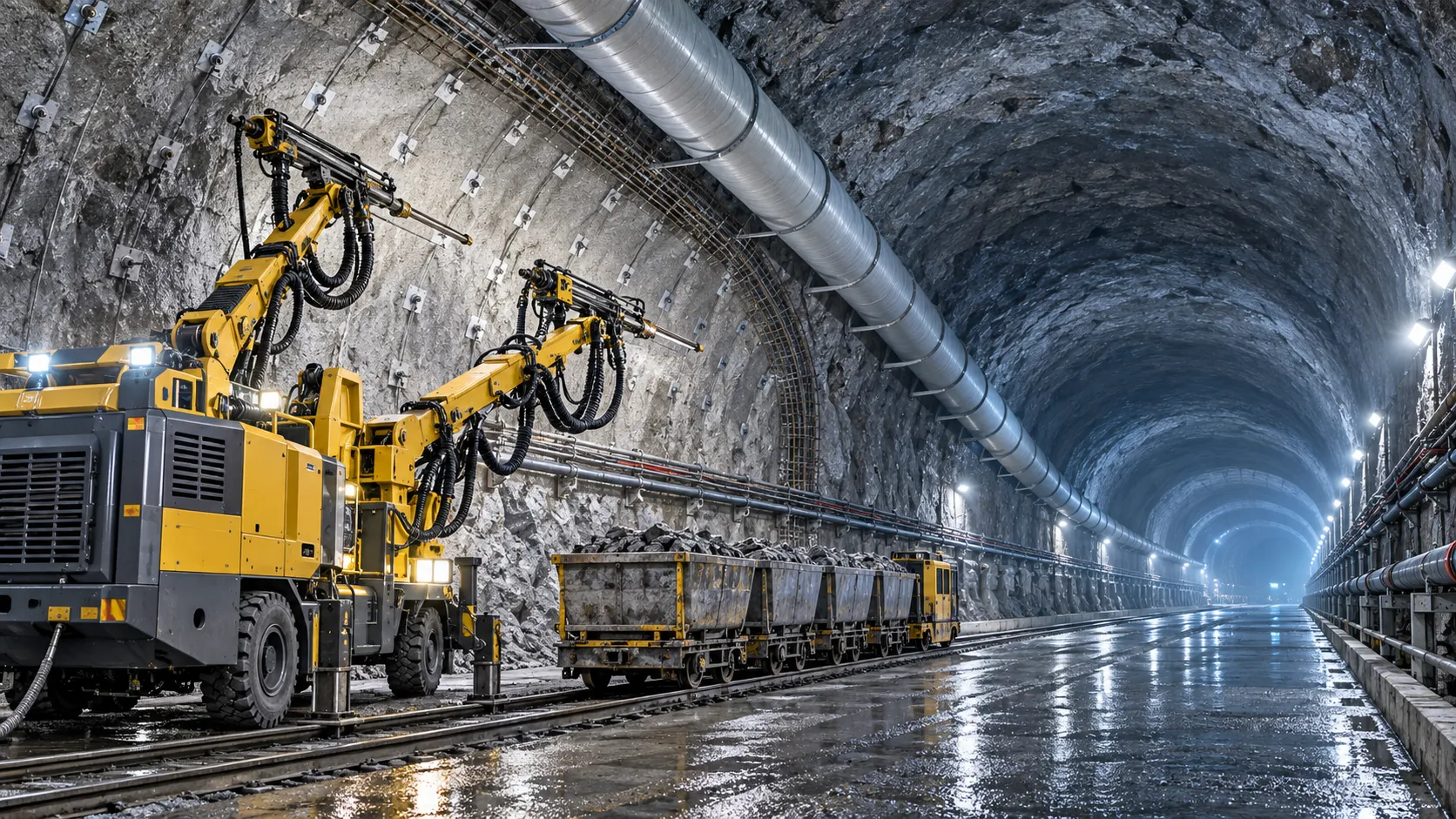
How to Evaluate European Drill-and-Blast Tunnelling Contractors for Complex Projects
Drill and blast tunnelling contractors Europe: learn how to assess geology expertise, blast control, equipment reliability, safety, and programme resilience for complex projects.
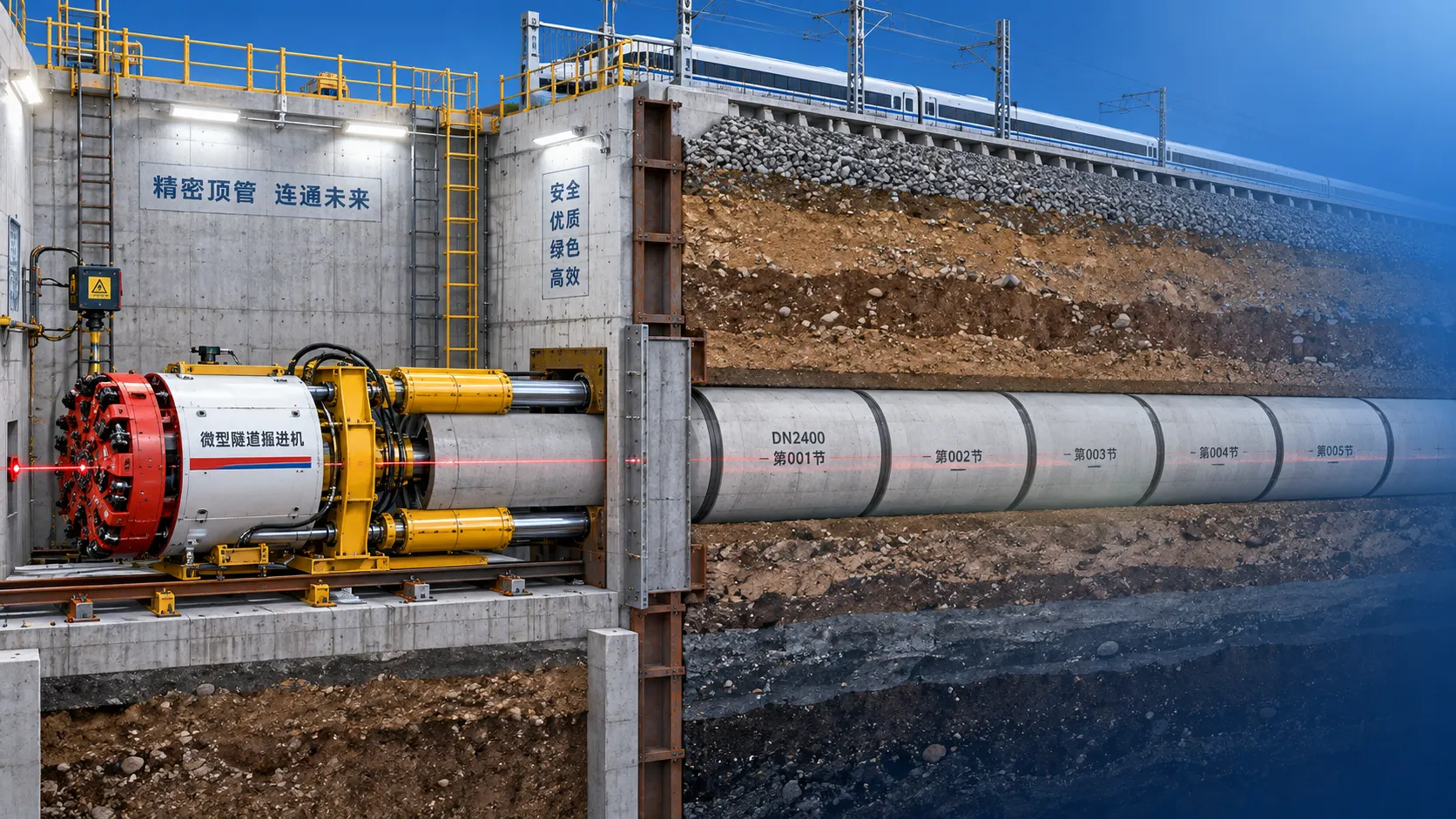
Which Trenchless Construction Technique Fits Your Utility Crossing Conditions?
Trenchless construction techniques compared for utility crossings: choose HDD, microtunnelling, pipe jacking, or auger boring based on ground, accuracy, access, and risk.
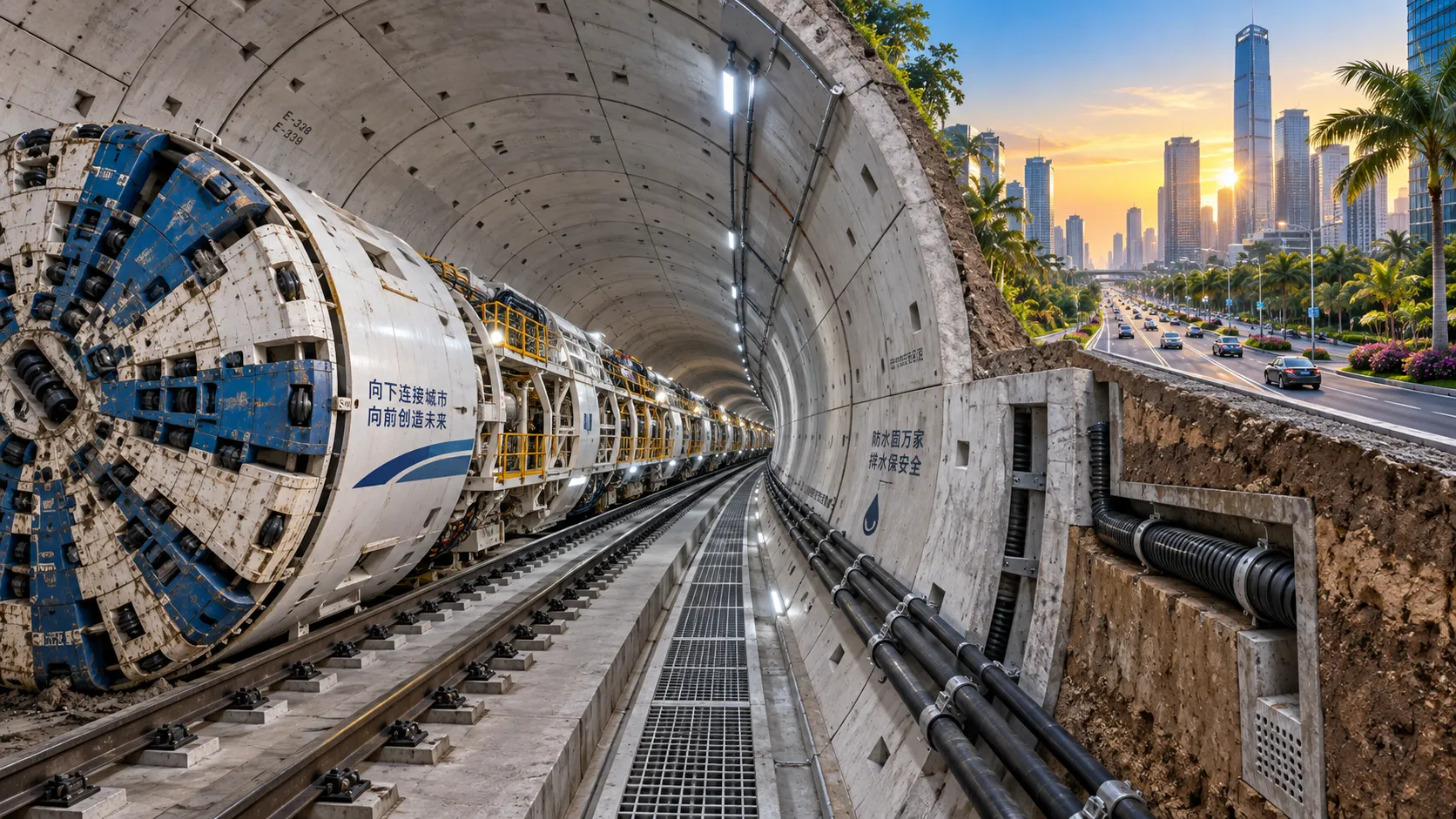
What Is Driving Metro Tunnelling Demand Across Southeast Asia’s Major Cities?
Metro tunnelling Southeast Asia is accelerating as major cities tackle congestion, flooding, and connectivity. Explore the market forces, technical risks, and opportunities shaping demand.
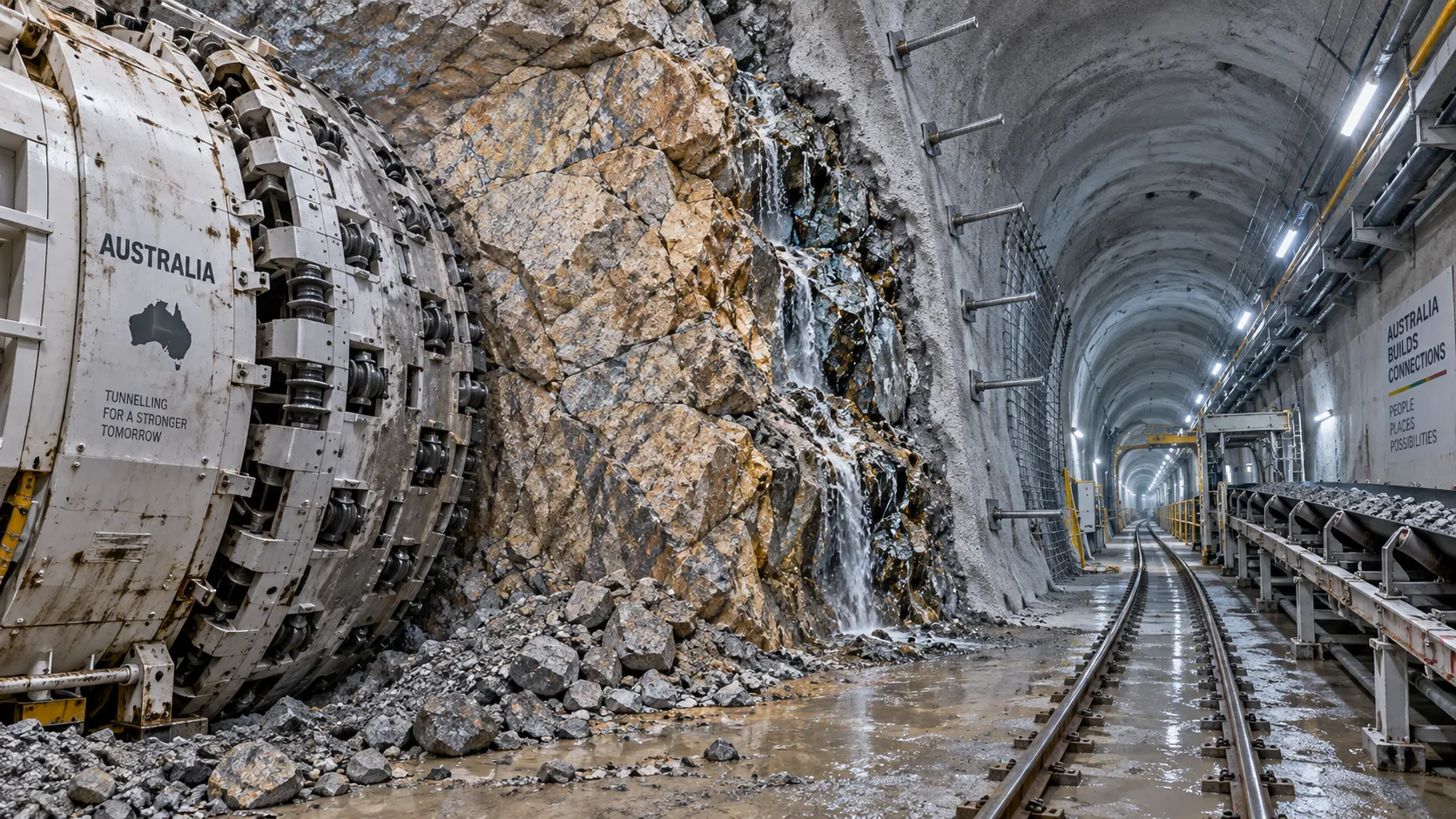
Hard Rock Tunnelling in Australia: Selecting Methods for Variable Ground Conditions
Hard rock tunnelling in Australia: compare TBM, drill-and-blast and hybrid methods to manage variable ground, reduce risk and protect project costs.
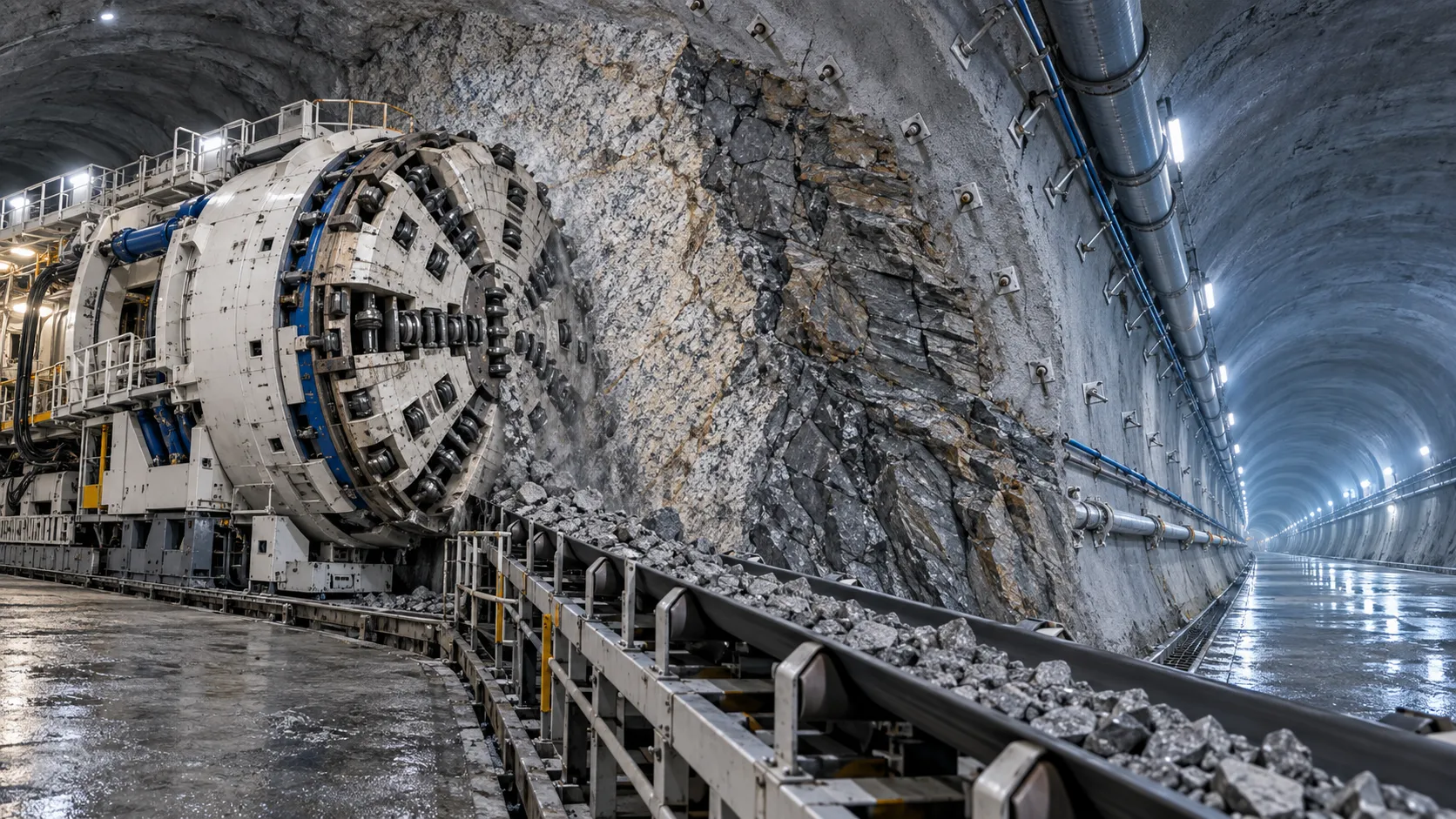
Hydropower Tunnel Excavation: Selecting Methods for Variable Rock Conditions
Hydropower tunnel excavation methods for variable rock conditions: compare TBM, drill-and-blast, and hybrid strategies to improve safety, progress, and project control.
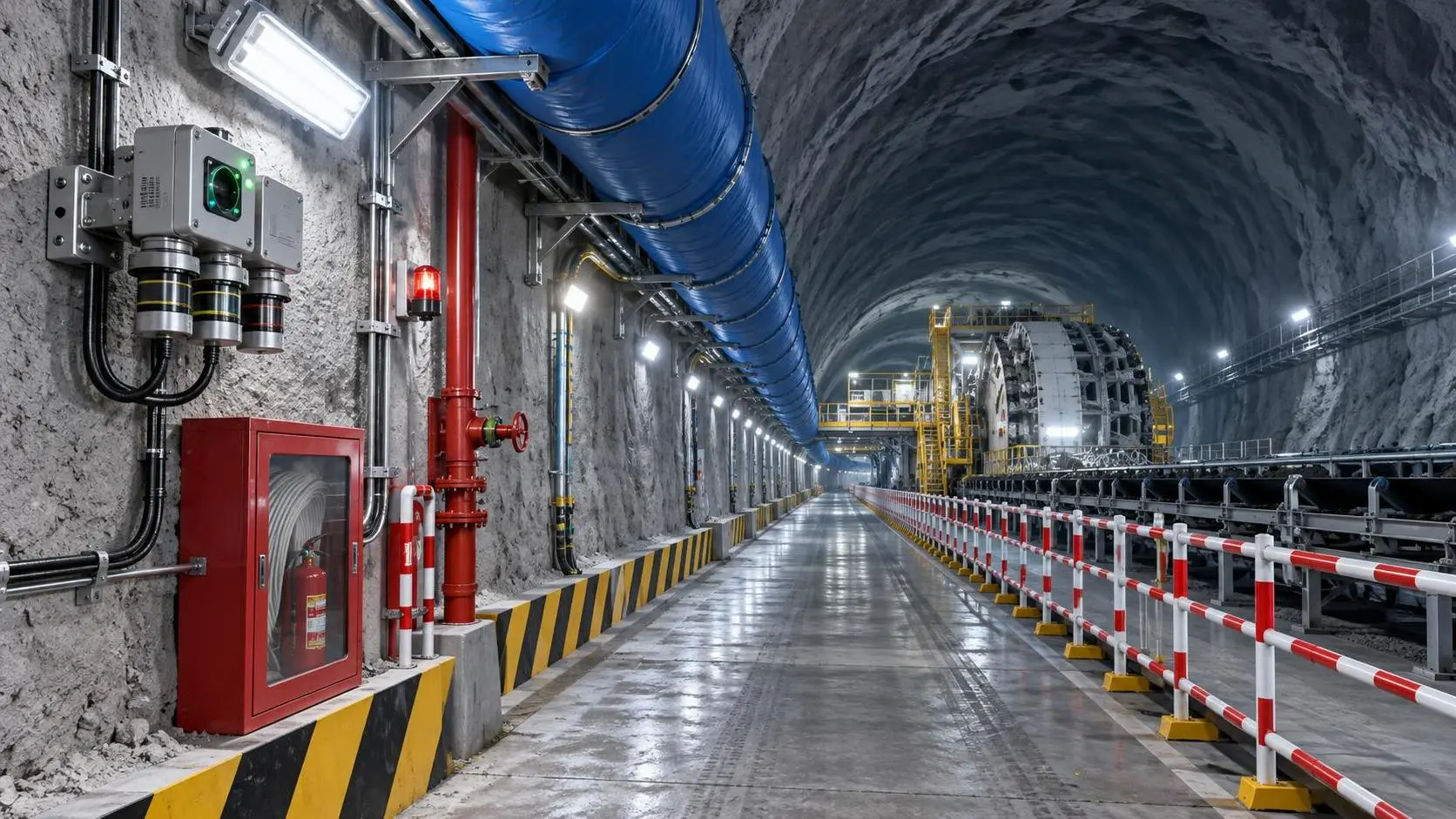
How to Select Underground Safety Equipment for Tunnelling by Hazard and Work Zone
Underground Safety Equipment for tunnelling: match protection to hazards, work zones, compliance, and emergency needs with this practical selection guide.
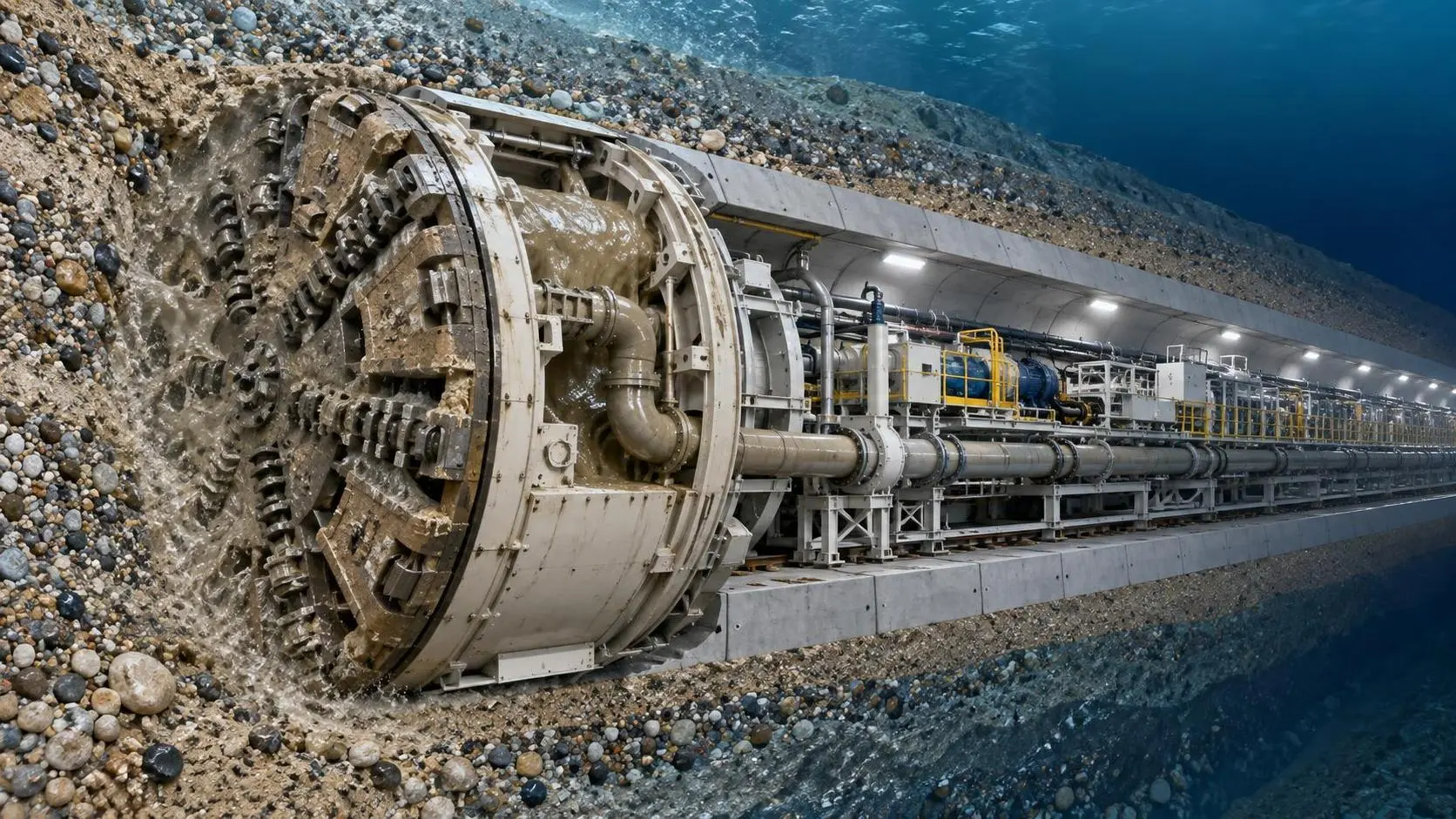
EPB or Slurry Shield? Selecting Soft-Ground Tunnelling Equipment by Soil Conditions
Tunnel Excavation Equipment for soft ground: compare EPB and slurry shields by soil, groundwater, settlement risk, and project logistics to choose confidently.
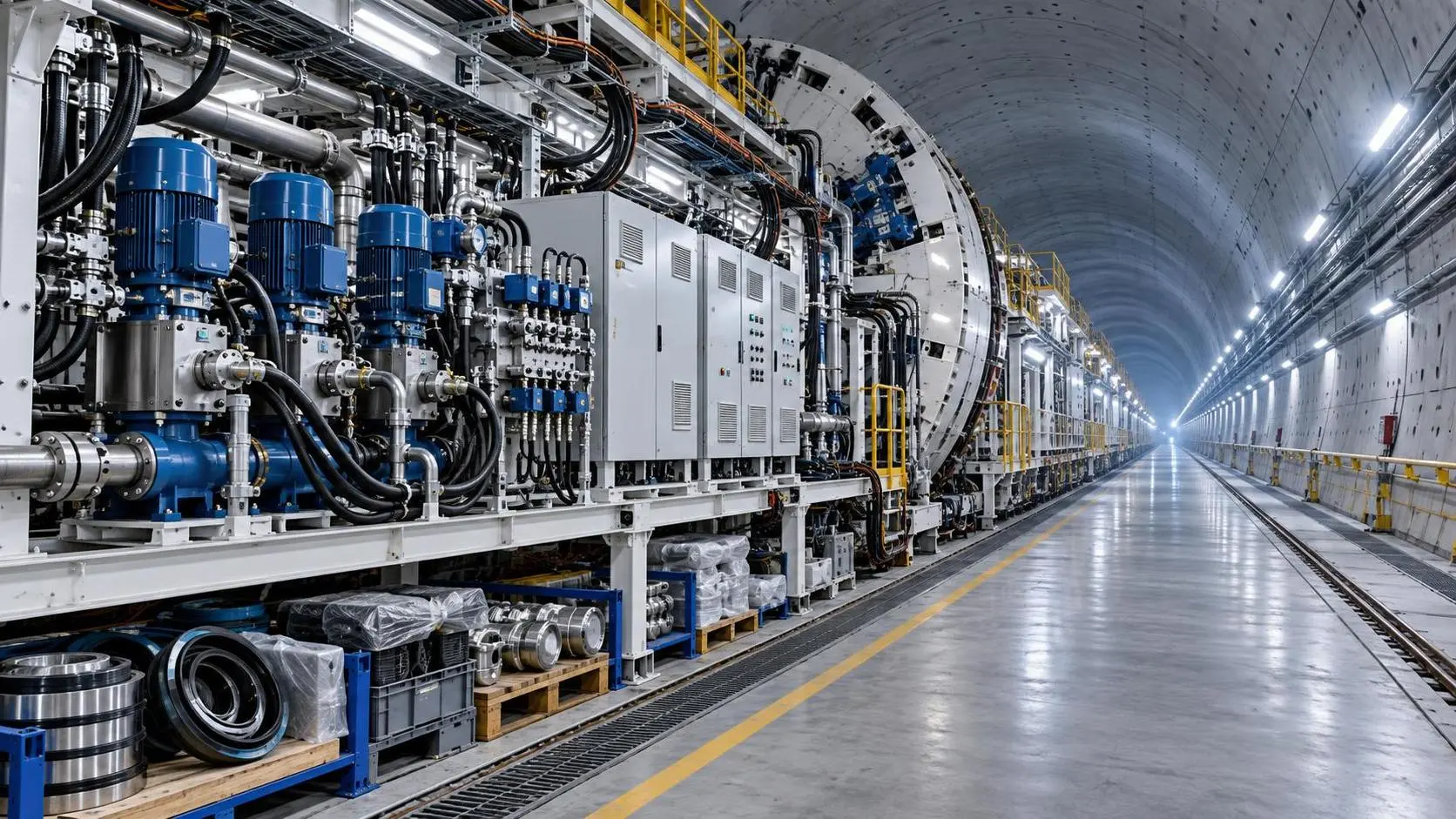
How to Specify TBM Backup System Parts for Reliable Long-Distance Tunnelling
TBM backup system parts: learn how to specify reliable spares for long-distance tunnelling, reduce downtime, ensure compatibility, and speed underground recovery.

How to Size Open Pit Mining Trucks for Haul Distance, Grade, and Payload?
Open Pit Mining Trucks: learn how to match payload, haul distance, grade, road resistance, and loading capacity for safer, lower-cost mine operations.
Related News
- 00
0000-00
How to Evaluate European Drill-and-Blast Tunnelling Contractors for Complex Projects - 00
0000-00
Which Trenchless Construction Technique Fits Your Utility Crossing Conditions? - 00
0000-00
What Is Driving Metro Tunnelling Demand Across Southeast Asia’s Major Cities? - 00
0000-00
Hard Rock Tunnelling in Australia: Selecting Methods for Variable Ground Conditions - 00
0000-00
Hydropower Tunnel Excavation: Selecting Methods for Variable Rock Conditions
Weekly Insights
Stay ahead with our curated technology reports delivered every Monday.