
Rectangular Pipe Jacking Box Culverts: Key Selection Factors for Urban Crossings





Introduction: Selecting a rectangular pipe jacking box culvert for an urban crossing requires more than matching dimensions to a design drawing.
Project managers must balance ground conditions, jacking forces, utility congestion, traffic constraints, drainage capacity, and installation risk before committing to a trenchless method.
The right selection improves constructability and schedule certainty, while a poorly defined solution can trigger stoppages, redesigns, settlement claims, and costly recovery works.
For most urban projects, the governing question is not simply whether pipe jacking is feasible, but whether the proposed box culvert can be installed predictably.
Start With the Real Constraints of the Urban Crossing
A rectangular pipe jacking box culvert is generally selected when a crossing needs greater internal width, reduced excavation, or a geometry unsuitable for circular pipes.
Typical applications include pedestrian underpasses, utility corridors, drainage channels, railway crossings, road crossings, wildlife passages, and short municipal tunnels beneath congested corridors.
The first management decision is defining what cannot be disrupted above ground, including traffic lanes, rail operations, commercial access, emergency routes, and critical utilities.
These constraints should establish the project envelope before teams choose culvert dimensions, jacking equipment, drive length, shaft arrangement, or construction sequencing.
Surface disruption costs are often underestimated during early planning, especially where lane closures, night work, rail possessions, or business-access restrictions apply.
A trenchless crossing may have a higher direct construction cost than open excavation, yet still produce a lower whole-project cost through avoided disruption.
Project managers should ask whether the crossing must remain operational continuously, whether shutdown windows are realistic, and whether temporary diversion works are acceptable.
If the answer is no, a rectangular pipe jacking box culvert may offer strong value, provided ground risk and jacking requirements remain technically manageable.
Confirm That the Required Internal Geometry Justifies a Box Section
The internal dimensions must satisfy the operational purpose of the crossing, not merely the minimum structural opening shown on preliminary drawings.
For drainage structures, assess hydraulic capacity, sediment accumulation, maintenance access, debris movement, inlet conditions, outlet controls, and expected future rainfall intensity.
For pedestrian or service crossings, account for headroom, clear width, lighting space, cable brackets, ventilation requirements, emergency access, and future maintenance activities.
Rectangular geometry is especially useful where wide and shallow clearances are needed beneath roads or railways with limited vertical cover.
However, increasing box width significantly raises face area, frictional resistance, steering sensitivity, and the likelihood of differential ground response during jacking.
A larger opening can also require heavier thrust capacity, more robust reaction walls, larger launch shafts, and greater attention to lubrication performance.
Teams should compare several practical section sizes instead of defaulting to the largest opening that can fit within the available corridor.
The preferred section is usually the smallest box that meets operational, hydraulic, structural, access, and maintainability requirements without creating excessive installation risk.
Investigate Ground Conditions Beyond Basic Borehole Data
Ground conditions are one of the most important selection factors because they influence excavation method, face stability, jacking force, lubrication needs, and settlement risk.
A desktop geotechnical review is insufficient where the alignment passes beneath busy roads, railways, dense utility zones, or sensitive adjacent foundations.
Boreholes should investigate the full drive alignment, launch and reception shaft locations, expected overcut zone, and the depth range affected by jacking operations.
Pay particular attention to abrupt changes between fill, clay, sand, gravel, weathered rock, competent rock, and mixed-face conditions.
Mixed geology can cause uneven cutter wear, steering difficulty, variable spoil removal rates, and changing pressures around the advancing box culvert.
Groundwater conditions require equal attention because inflow, piping, loss of fines, uplift pressures, and slurry management can alter both safety and programme performance.
Where loose granular soils or high groundwater are present, the selected machine must maintain stable face support throughout the drive.
Project managers should require a geotechnical baseline that defines expected conditions clearly, allowing contractors to price risk transparently rather than loading broad contingencies.
Calculate Jacking Forces With Realistic Allowances
Jacking force is not a theoretical detail reserved for specialist designers; it determines equipment selection, shaft design, production reliability, and recovery options.
Total thrust demand depends on box size, drive length, overcut, ground friction, lubrication effectiveness, alignment tolerance, interface conditions, and temporary stoppages.
Rectangular culverts often generate higher interface friction than circular pipes because of their larger perimeter, wider contact zones, and more complex stress distribution.
The design should distinguish between predicted normal operating force, credible peak force, and the maximum safe capacity of jacks, reaction structures, and box sections.
Insufficient thrust capacity may lead to unplanned stoppages, while oversized systems can increase shaft costs and create avoidable handling or safety complications.
Lubrication should be treated as an engineered system, including injection points, grout composition, pressure monitoring, replenishment intervals, and contingency supplies.
Do not assume lubricant performance from laboratory values alone, because site temperature, groundwater chemistry, stoppage duration, and soil type can change friction behavior.
A robust selection includes intermediate jacking station requirements, push-force monitoring, and predefined action thresholds before forces approach damaging levels.
Assess Utilities, Existing Assets, and Settlement Tolerance Together
In urban crossings, the greatest project risk may sit above the alignment rather than directly within the proposed culvert route.
Water mains, sewers, gas pipelines, telecom ducts, power cables, district energy networks, and undocumented abandoned services can constrain both shaft and drive locations.
Utility records should be verified through surveys, trial holes, geophysics, owner coordination, and targeted exposure work where the consequence of contact is high.
Asset owners will often focus less on nominal clearance than on expected movement, monitoring methods, response procedures, and responsibility for remedial work.
Settlement assessment should consider the excavation face, overcut, lubrication loss, ground loss, shaft construction, dewatering, and potential steering corrections.
For railways and major roads, establish movement limits early and align them with monitoring frequency, alert thresholds, intervention plans, and approval requirements.
A rectangular pipe jacking box culvert can be suitable near sensitive assets when face control, alignment management, and monitoring are integrated from design through completion.
Where acceptable movement criteria are extremely tight, an alternative method, shorter drive, improved ground treatment, or revised alignment may offer better certainty.
Match the Jacking Machine and Excavation Method to the Drive
Equipment selection must reflect ground conditions and box geometry rather than relying on a contractor's familiar machine type or previous project experience.
Soft-ground box jacking may use an earth pressure balance arrangement, slurry-supported excavation, mechanical excavation, or specialized rectangular shield configurations.
Each approach has different implications for spoil conditioning, face pressure control, groundwater management, steering response, and working-space requirements inside the culvert.
For drives entering rock, evaluate rock strength, abrasivity, fracture frequency, water inflow, cutter access, and the transition conditions at mixed faces.
Machine availability also matters because specialist rectangular jacking systems may have longer lead times than commonly available circular microtunnelling equipment.
Project schedules should include realistic allowances for fabrication, factory acceptance testing, transport, shaft setup, commissioning, and operator familiarization.
Ask suppliers for documented performance ranges, reference projects with comparable dimensions, maintenance plans, spare-parts availability, and recovery procedures for critical failures.
The preferred solution is not necessarily the most sophisticated machine, but the one that offers controlled excavation and supportable logistics for local conditions.
Design Launch and Reception Shafts as Core Project Assets
Launch and reception shafts are often treated as enabling works, yet they can determine whether the box jacking operation starts safely and finishes on schedule.
The launch shaft must provide adequate reaction capacity, working room, lifting access, spoil handling space, slurry or separation equipment, and emergency egress.
Its location should also minimize conflicts with traffic management, property access, noise restrictions, utility corridors, groundwater controls, and nearby structures.
Reaction walls require careful structural design because high jacking forces can transfer substantial loads into the shaft structure and surrounding ground.
Reception shafts need enough space for machine retrieval, breakthrough management, lifting operations, and safe disassembly without obstructing the completed crossing.
Where shaft footprints are restricted, project teams should evaluate modular systems, temporary decking, staged installation, and logistics routes before procurement.
Shaft construction may become the critical path when deep excavation support, groundwater control, land access, or third-party approvals are required.
A credible programme therefore evaluates shafts and the jacking drive as one integrated construction system rather than separate work packages.
Evaluate Schedule and Commercial Risk Before Tendering
Urban trenchless projects frequently fail commercially when early estimates focus on excavation quantities while overlooking access restrictions, approvals, risk allowances, and specialist mobilization.
Project managers should compare options using whole-life and whole-project costs, including traffic disruption, property impacts, utility diversions, reinstatement, and operational disruption.
For a rectangular pipe jacking box culvert, direct costs may include specialist equipment, shaft support, jacks, lubrication, guidance systems, monitoring, and contingency materials.
Indirect costs can be equally significant, particularly when rail possessions, night shifts, environmental controls, stakeholder coordination, or emergency-response provisions are necessary.
Tender documents should clearly allocate responsibility for baseline ground conditions, utility information, monitoring, machine selection, shaft design, and abnormal obstruction risks.
Ambiguous risk allocation encourages inflated bids, disputes, or optimistic pricing that later becomes a schedule and budget problem for the owner.
Evaluate bidders on demonstrated comparable experience, key personnel, production assumptions, equipment suitability, proposed monitoring, and practical contingency arrangements.
Lowest price alone is a weak selection criterion when a crossing passes beneath critical infrastructure and the recovery consequences exceed the initial savings.
Use Monitoring and Governance to Protect the Installation
Successful box jacking requires active governance during construction, with decisions based on measured performance rather than assumptions made during design.
Monitor jacking force, advance rate, line and level, face pressure where applicable, lubrication volumes, settlement points, groundwater behavior, and nearby asset movement.
Data should be reviewed against agreed thresholds at defined intervals, with clear authority for slowing, stopping, adjusting, or escalating the operation.
Daily reporting should identify trends, not merely list readings, because gradual force increases or settlement changes can reveal developing problems early.
Project leaders need a documented escalation plan covering utility movement, excessive thrust, alignment deviation, machine malfunction, unexpected ground, and surface distress.
Stakeholders should understand who authorizes intervention, who communicates with asset owners, and how construction decisions affect the approved traffic or rail programme.
Independent survey verification is valuable where tolerance is limited, particularly before breakthrough, during alignment corrections, and after significant changes in ground behavior.
Closeout should include as-built geometry, monitoring records, maintenance access information, drainage details, and evidence that operational requirements have been achieved.
Build a Practical Selection Decision for the Crossing
The best rectangular pipe jacking box culvert is the option that balances required internal space with manageable thrust, stable excavation, acceptable settlement, and deliverable logistics.
Start by confirming the functional opening, then test the alignment against ground conditions, utilities, surface constraints, shaft feasibility, and stakeholder movement limits.
Next, validate machine capability, jacking-force calculations, lubrication design, monitoring strategy, construction programme, and commercial risk allocation before final procurement.
For project managers, this sequence converts a potentially complex trenchless decision into a structured assessment of cost, risk, schedule, and operational value.
When selected on evidence rather than geometry alone, a rectangular pipe jacking box culvert can deliver essential urban infrastructure with minimal disruption above ground.
Related News

How to Evaluate European Drill-and-Blast Tunnelling Contractors for Complex Projects
Drill and blast tunnelling contractors Europe: learn how to assess geology expertise, blast control, equipment reliability, safety, and programme resilience for complex projects.

Which Trenchless Construction Technique Fits Your Utility Crossing Conditions?
Trenchless construction techniques compared for utility crossings: choose HDD, microtunnelling, pipe jacking, or auger boring based on ground, accuracy, access, and risk.

What Is Driving Metro Tunnelling Demand Across Southeast Asia’s Major Cities?
Metro tunnelling Southeast Asia is accelerating as major cities tackle congestion, flooding, and connectivity. Explore the market forces, technical risks, and opportunities shaping demand.

Hard Rock Tunnelling in Australia: Selecting Methods for Variable Ground Conditions
Hard rock tunnelling in Australia: compare TBM, drill-and-blast and hybrid methods to manage variable ground, reduce risk and protect project costs.

Hydropower Tunnel Excavation: Selecting Methods for Variable Rock Conditions
Hydropower tunnel excavation methods for variable rock conditions: compare TBM, drill-and-blast, and hybrid strategies to improve safety, progress, and project control.

How to Select Underground Safety Equipment for Tunnelling by Hazard and Work Zone
Underground Safety Equipment for tunnelling: match protection to hazards, work zones, compliance, and emergency needs with this practical selection guide.
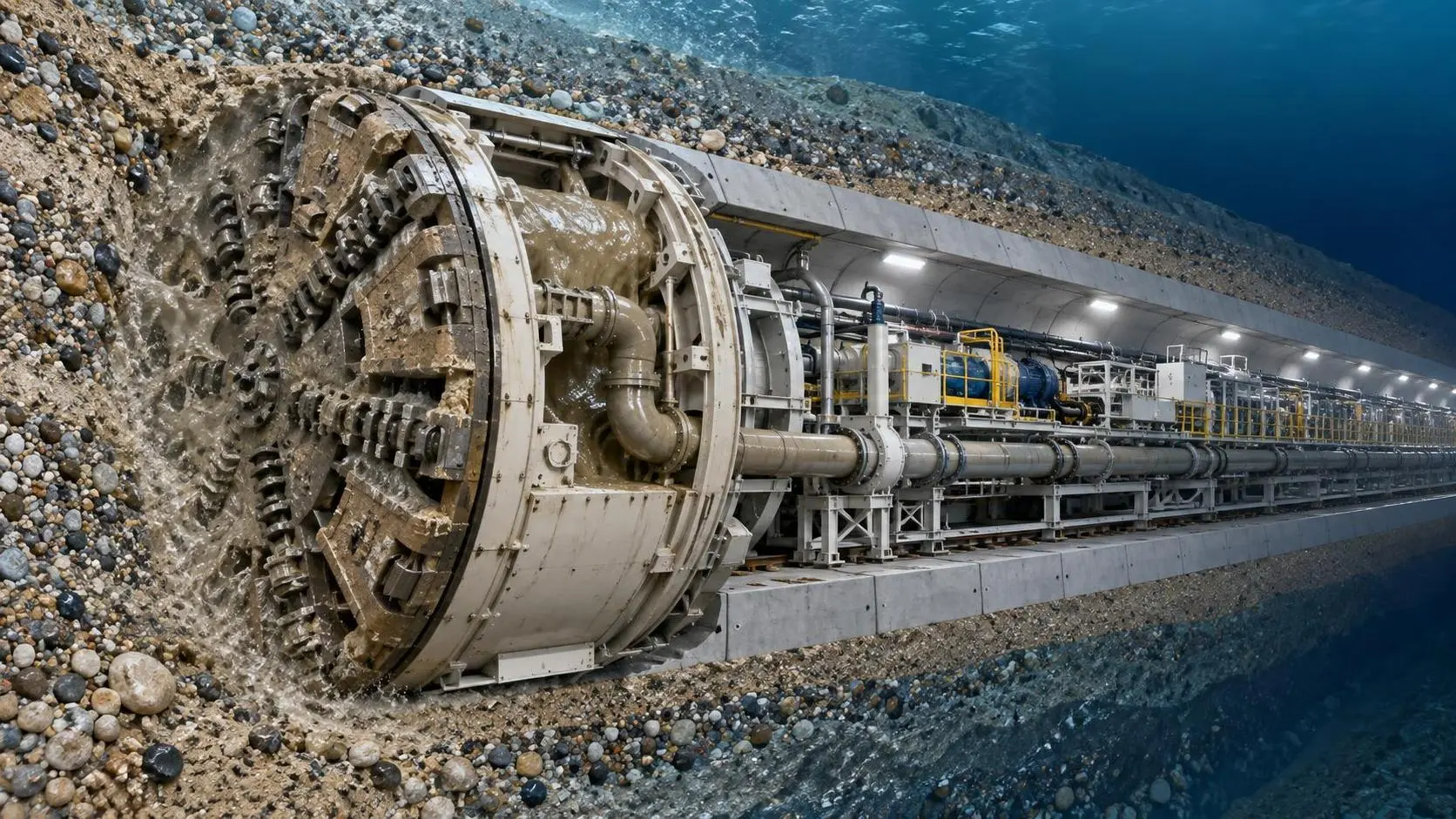
EPB or Slurry Shield? Selecting Soft-Ground Tunnelling Equipment by Soil Conditions
Tunnel Excavation Equipment for soft ground: compare EPB and slurry shields by soil, groundwater, settlement risk, and project logistics to choose confidently.
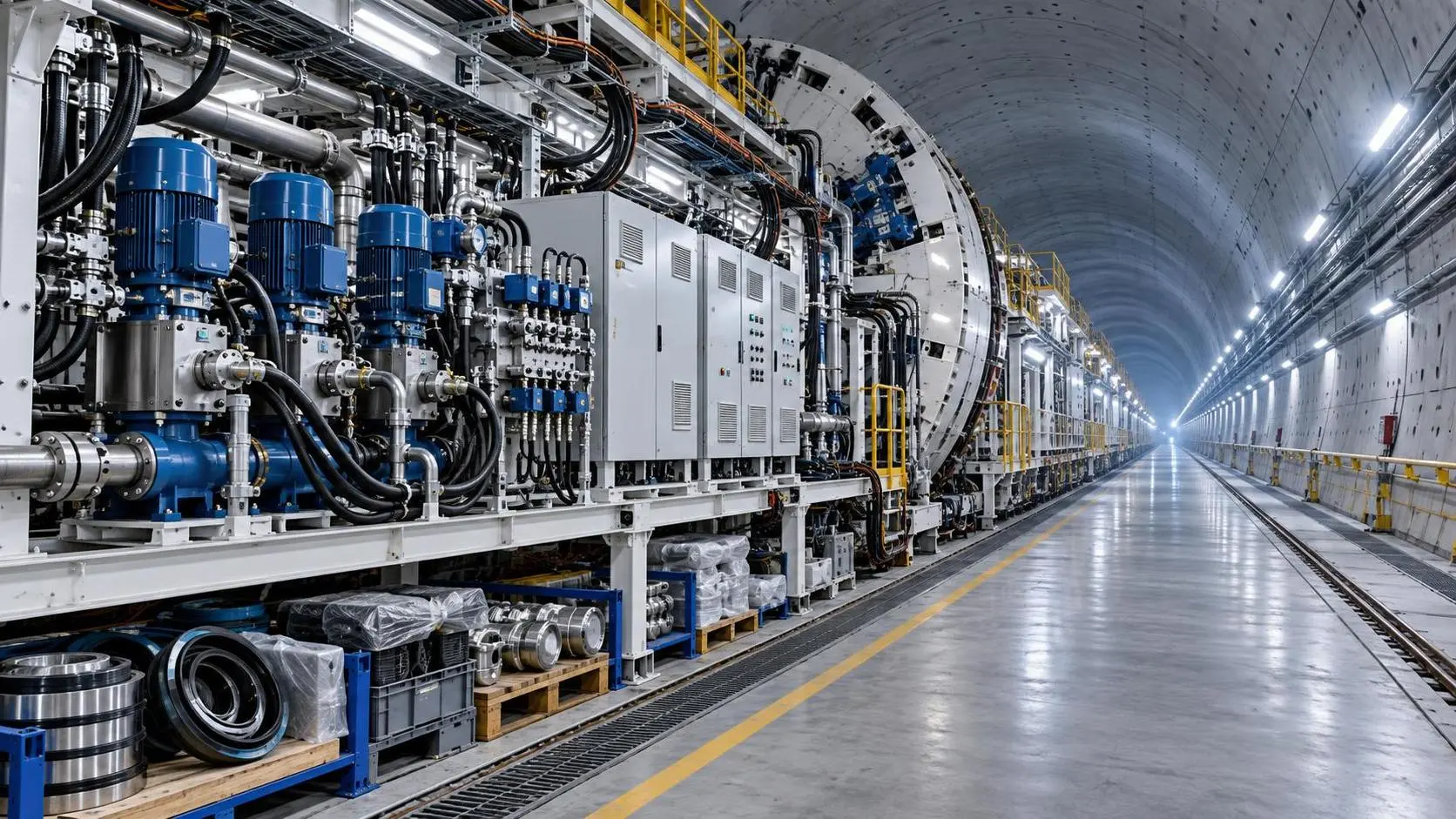
How to Specify TBM Backup System Parts for Reliable Long-Distance Tunnelling
TBM backup system parts: learn how to specify reliable spares for long-distance tunnelling, reduce downtime, ensure compatibility, and speed underground recovery.

How to Size Open Pit Mining Trucks for Haul Distance, Grade, and Payload?
Open Pit Mining Trucks: learn how to match payload, haul distance, grade, road resistance, and loading capacity for safer, lower-cost mine operations.
Related News
- 00
0000-00
How to Evaluate European Drill-and-Blast Tunnelling Contractors for Complex Projects - 00
0000-00
Which Trenchless Construction Technique Fits Your Utility Crossing Conditions? - 00
0000-00
What Is Driving Metro Tunnelling Demand Across Southeast Asia’s Major Cities? - 00
0000-00
Hard Rock Tunnelling in Australia: Selecting Methods for Variable Ground Conditions - 00
0000-00
Hydropower Tunnel Excavation: Selecting Methods for Variable Rock Conditions
Weekly Insights
Stay ahead with our curated technology reports delivered every Monday.