
China Opens Trade Barrier Probe, Green TBM Exports Eye Certification Window





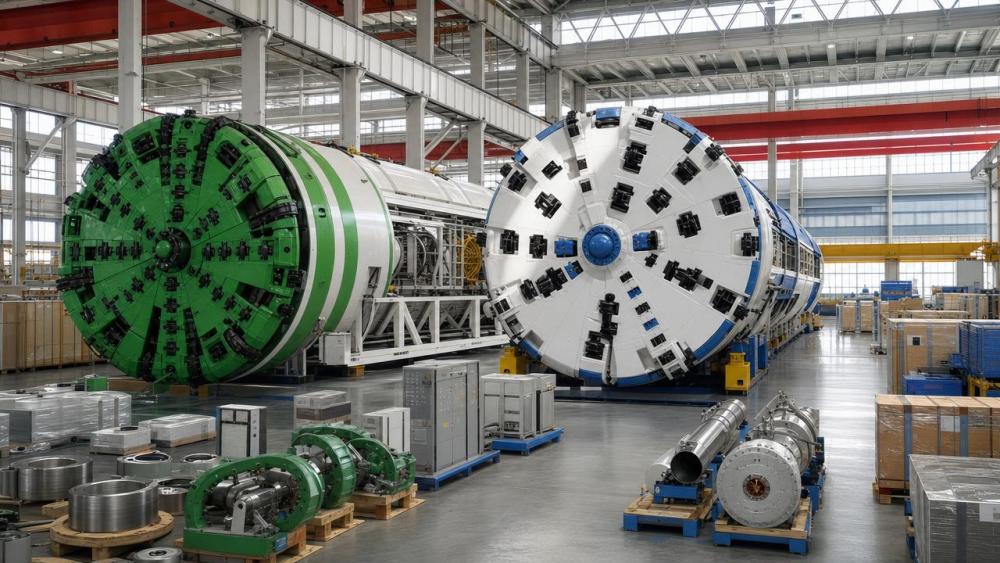
On March 27, 2026, a new trade-policy signal emerged for companies involved in green equipment exports: China launched trade barrier investigations into U.S. unilateral measures affecting green product trade, with attention on claims tied to “overcapacity” and “forced labor.” The scope reaches beyond solar and wind into green infrastructure equipment, including zero-carbon tunneling machinery such as fully electric TBMs and hydrogen-fueled Pipe Jacking units. For exporters, procurement teams, certification partners, and project-delivery functions, the development matters not only as a trade dispute, but as a possible trigger for new compliance pathways in overseas markets.
What Has Been Confirmed So Far
The confirmed facts are limited but commercially relevant. China’s Ministry of Commerce started trade barrier investigations on March 27, 2026, targeting U.S. unilateral actions seen as obstructing trade in green products. The issues referenced include allegations framed around “overcapacity” and “forced labor.” The coverage includes photovoltaic products, wind power equipment, and green infrastructure equipment. Within that green infrastructure category, the reported equipment includes fully electric TBMs and hydrogen-fueled Pipe Jacking main units as examples of zero-carbon tunneling equipment. The event summary also states that industry participants expect the EU may use this moment to accelerate legislation around carbon-footprint certification for green tunneling equipment.
Where the Rule Signal May Reach First
Export-facing equipment makers may face a split in market access logic
From an industry perspective, manufacturers of green tunneling equipment may be affected because the issue is no longer only about product performance or delivery capability. Trade investigations and related narratives can shift attention toward how products are classified, documented, and assessed in foreign markets. For export teams, the main impact may appear in customer due diligence, product declarations, technical documentation, and pre-bid compliance review, especially where zero-carbon positioning becomes part of the sales case.
Procurement and supply-chain teams may need tighter documentation discipline
Analysis shows that procurement functions and supply-chain service providers should pay closer attention to materials traceability, supplier files, and consistency between commercial documents and technical submissions. Even though no new execution rule has been confirmed in the input, trade friction tied to green products often raises scrutiny around source records, compliance statements, and supporting files used in tendering or cross-border delivery. For companies dealing in fully electric TBMs or hydrogen-fueled Pipe Jacking equipment, that means internal document readiness may become more important than before.
Certification and testing participants may see demand shift toward carbon-related proof
What deserves closer attention is the reference to a possible EU push on carbon-footprint certification for green tunneling equipment. If that direction gains traction, certification-related companies and testing service providers may become more involved earlier in project cycles, not only at shipment or market-entry stages. The likely pressure point would be whether exporters can present credible carbon-related evidence in a format acceptable to overseas buyers, project owners, or review bodies.
Buyers and project-delivery teams may revise bid and acceptance requirements
Observably, procurement entities, distributors, and delivery teams may also be affected if overseas buyers begin translating trade-policy pressure into bid language or supplier qualification filters. The immediate risk is not a confirmed rule change in itself, but the possibility that commercial documents, technical specifications, or acceptance criteria start reflecting new expectations around green attributes, certification status, or supply-chain compliance representations.
Practical Points Companies Should Track Now
Watch official wording and any follow-on implementation signals
The current development should not be read as a fully settled execution framework. Companies should instead track how official statements, regulatory language, or related trade notices evolve after the investigation starts. This is especially important for businesses that rely on long sales cycles and overseas project approvals, where even small wording changes can affect bidding strategy or customer communication.
Review whether existing files support future certification routes
Analysis shows that exporters in zero-carbon tunneling equipment should review whether current technical files, product descriptions, environmental claims, and supporting reports are structured in a way that could support future carbon-footprint certification or similar compliance review. The input does not confirm a final EU rule, so this is best treated as preparatory work rather than a response to a completed legal requirement.
Recheck tender packages and customer-facing declarations
For companies already pursuing overseas infrastructure opportunities, a practical step is to recheck bid documents, specification alignment materials, and standard declarations used in export transactions. Where products are marketed as fully electric, hydrogen-fueled, or zero-carbon equipment, teams should make sure those expressions are consistent with the technical and documentary support they can actually provide.
Prepare for longer verification loops in delivery and after-sales support
From an industry perspective, firms should also be prepared for the possibility that trade scrutiny extends beyond the order stage into delivery verification, project acceptance, or after-sales traceability. That does not mean a new mandatory procedure has already taken effect, but it does suggest that response times, document retention, and service records may become more visible in cross-border business discussions.
How This Signal Is Best Understood at This Stage
Analysis shows that this development is better understood as a regulatory and market signal than as a completed rule change for the tunneling equipment segment. The confirmed event is China’s launch of trade barrier investigations. The certification angle for green tunneling equipment, by contrast, remains an industry expectation described in the input rather than an adopted rule. That distinction matters: companies should neither ignore the signal nor overstate its immediacy. What deserves closer attention is whether trade friction starts being translated into certification language, tender requirements, or market-entry review criteria in subsequent months.
Why the Market Is Watching the Next Step
The practical significance of this event lies in its potential to reshape how green equipment exports are assessed, especially for products positioned around low-carbon or zero-carbon value. For now, it is more appropriate to understand the news as an early indicator of possible rule evolution across trade review, carbon-related certification, and customer-side compliance screening. The industry does not yet have enough confirmed detail to treat it as a final operating rule, but it is already relevant enough for exporters and supply-chain participants to review documentation, claims, and readiness for external verification.
Basis of This Article and What Still Needs Verification
This article is generated from the user-provided news title, event date, and event summary. For developments of this kind, relevant source categories usually include official announcements, releases from trade or regulatory authorities, customs or commerce department information, industry association updates, standards-related documents, and reporting by established media outlets. A specific official source link was not provided in the input, so the underlying details still require ongoing verification. What still needs to be monitored includes any policy detail issued after the investigation, the practical wording of possible certification requirements, changes in tender documents, industry feedback, and how companies actually implement related compliance measures.
Related News
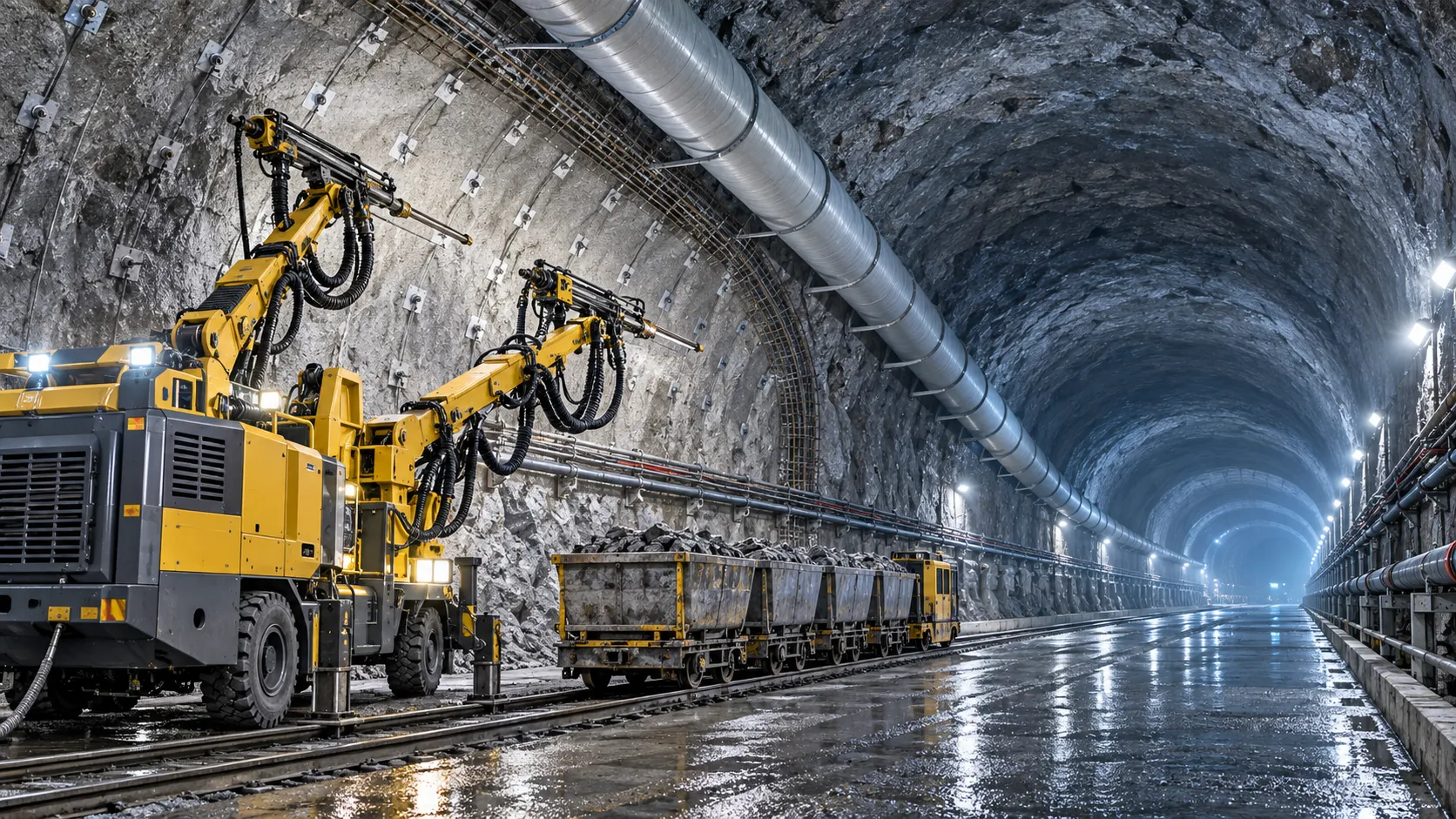
How to Evaluate European Drill-and-Blast Tunnelling Contractors for Complex Projects
Drill and blast tunnelling contractors Europe: learn how to assess geology expertise, blast control, equipment reliability, safety, and programme resilience for complex projects.
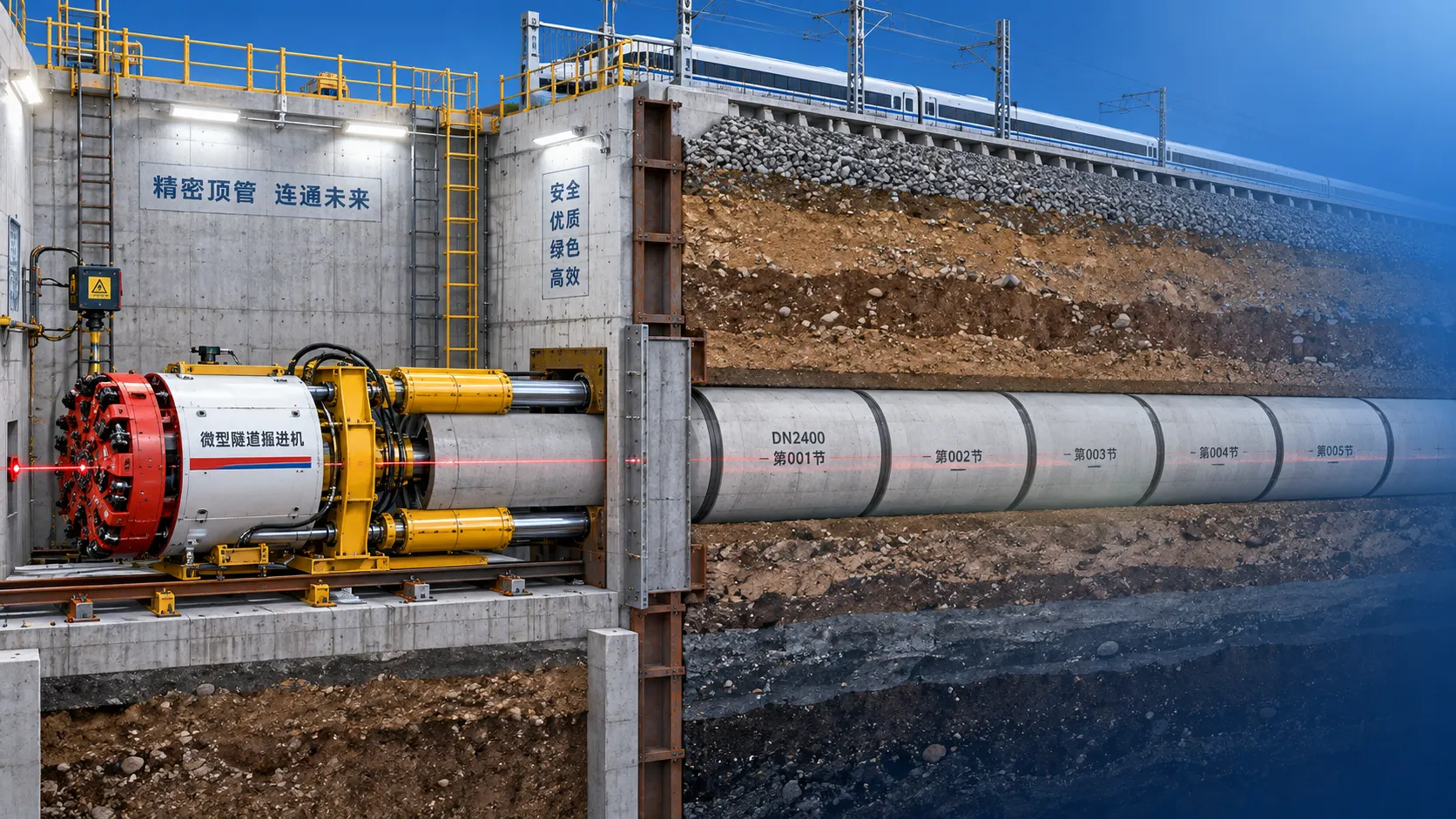
Which Trenchless Construction Technique Fits Your Utility Crossing Conditions?
Trenchless construction techniques compared for utility crossings: choose HDD, microtunnelling, pipe jacking, or auger boring based on ground, accuracy, access, and risk.
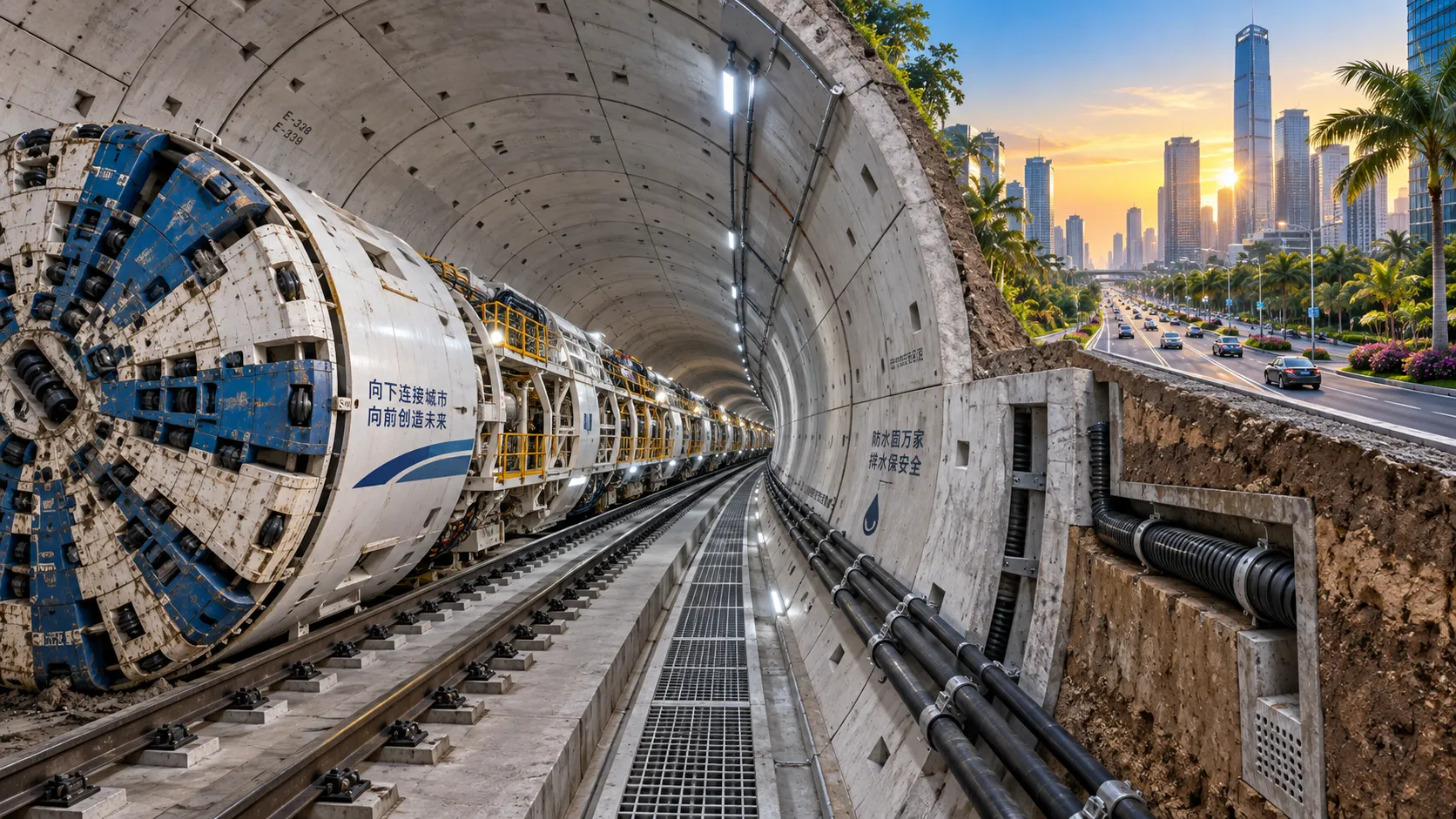
What Is Driving Metro Tunnelling Demand Across Southeast Asia’s Major Cities?
Metro tunnelling Southeast Asia is accelerating as major cities tackle congestion, flooding, and connectivity. Explore the market forces, technical risks, and opportunities shaping demand.
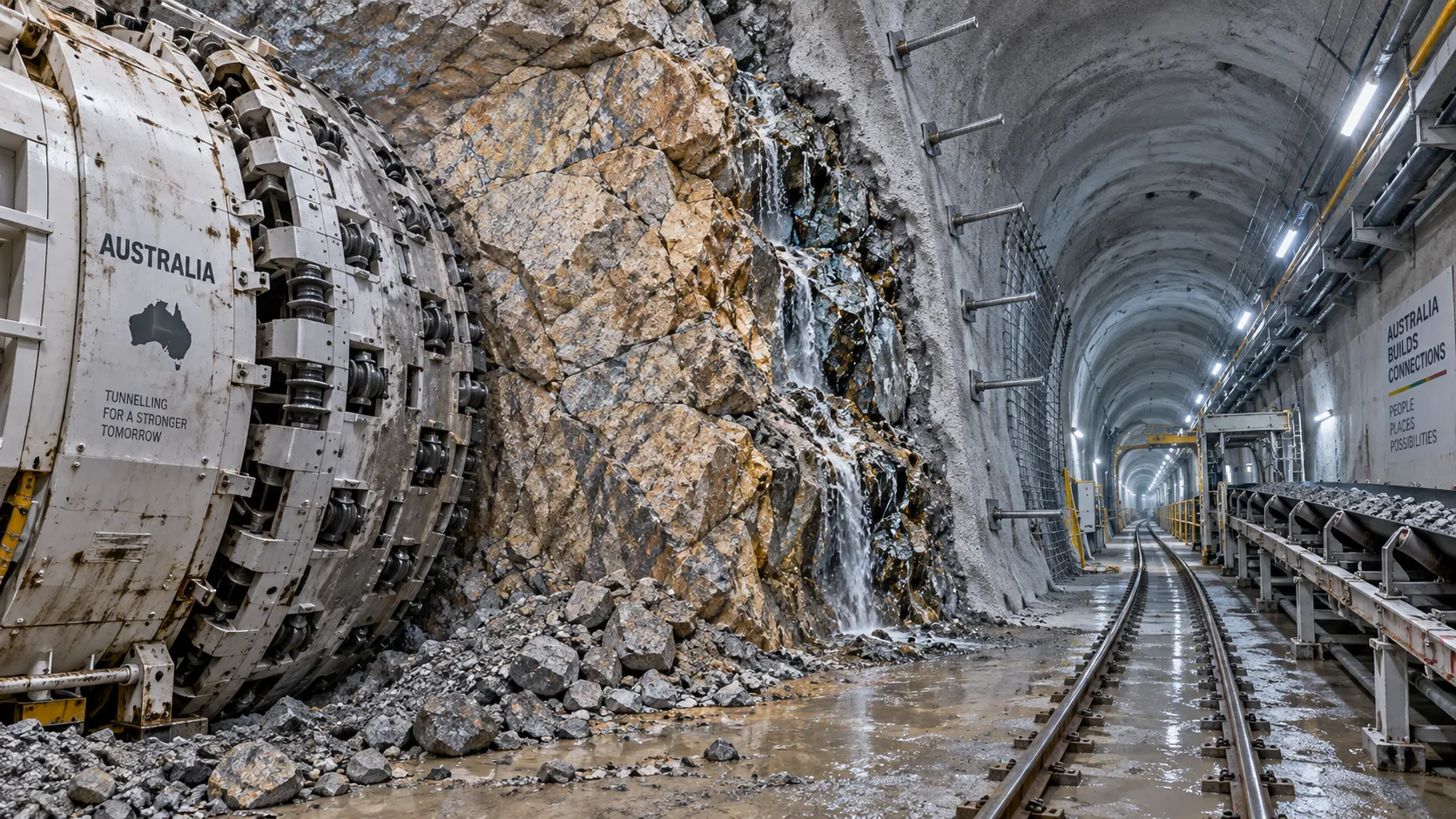
Hard Rock Tunnelling in Australia: Selecting Methods for Variable Ground Conditions
Hard rock tunnelling in Australia: compare TBM, drill-and-blast and hybrid methods to manage variable ground, reduce risk and protect project costs.
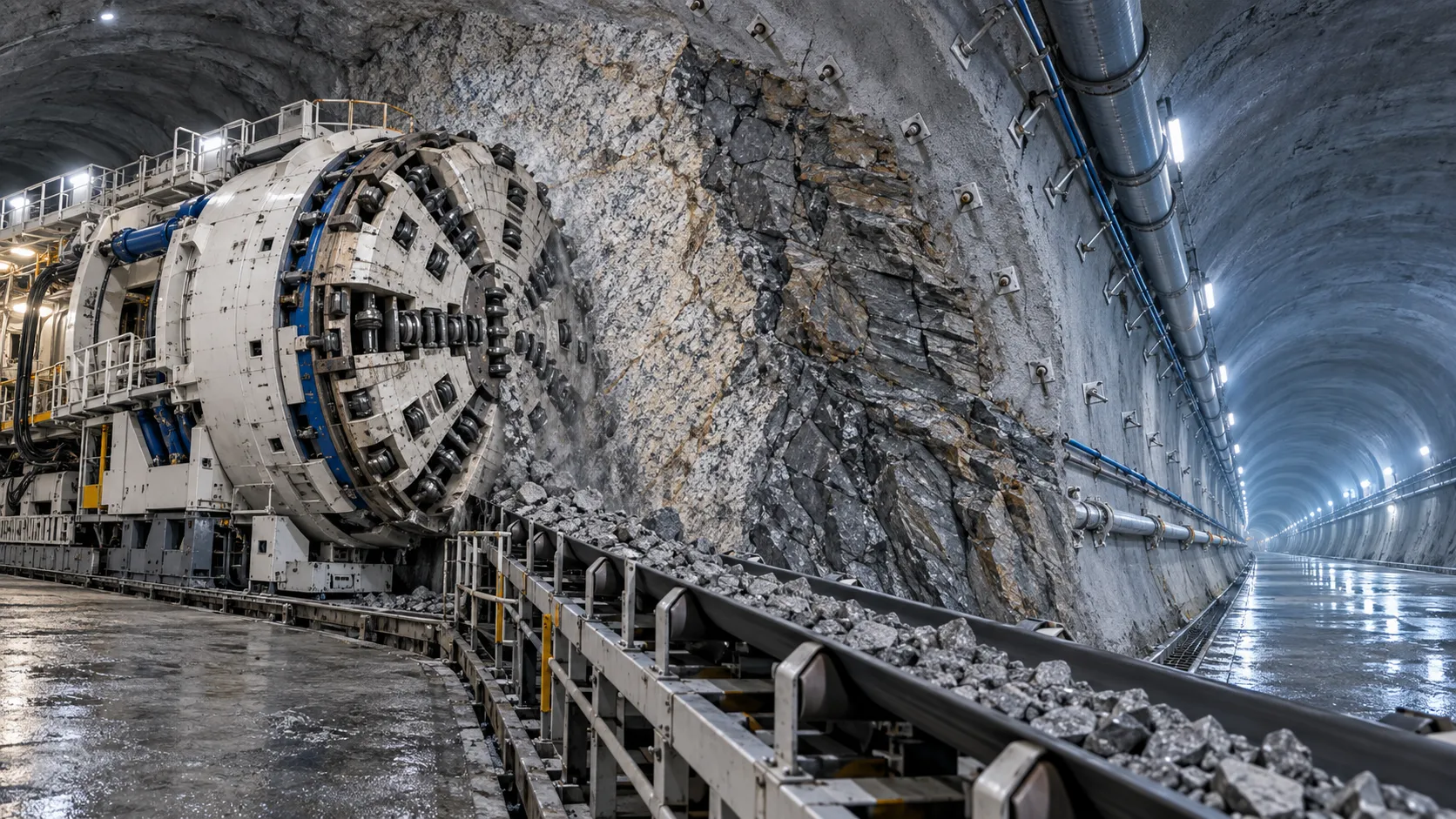
Hydropower Tunnel Excavation: Selecting Methods for Variable Rock Conditions
Hydropower tunnel excavation methods for variable rock conditions: compare TBM, drill-and-blast, and hybrid strategies to improve safety, progress, and project control.
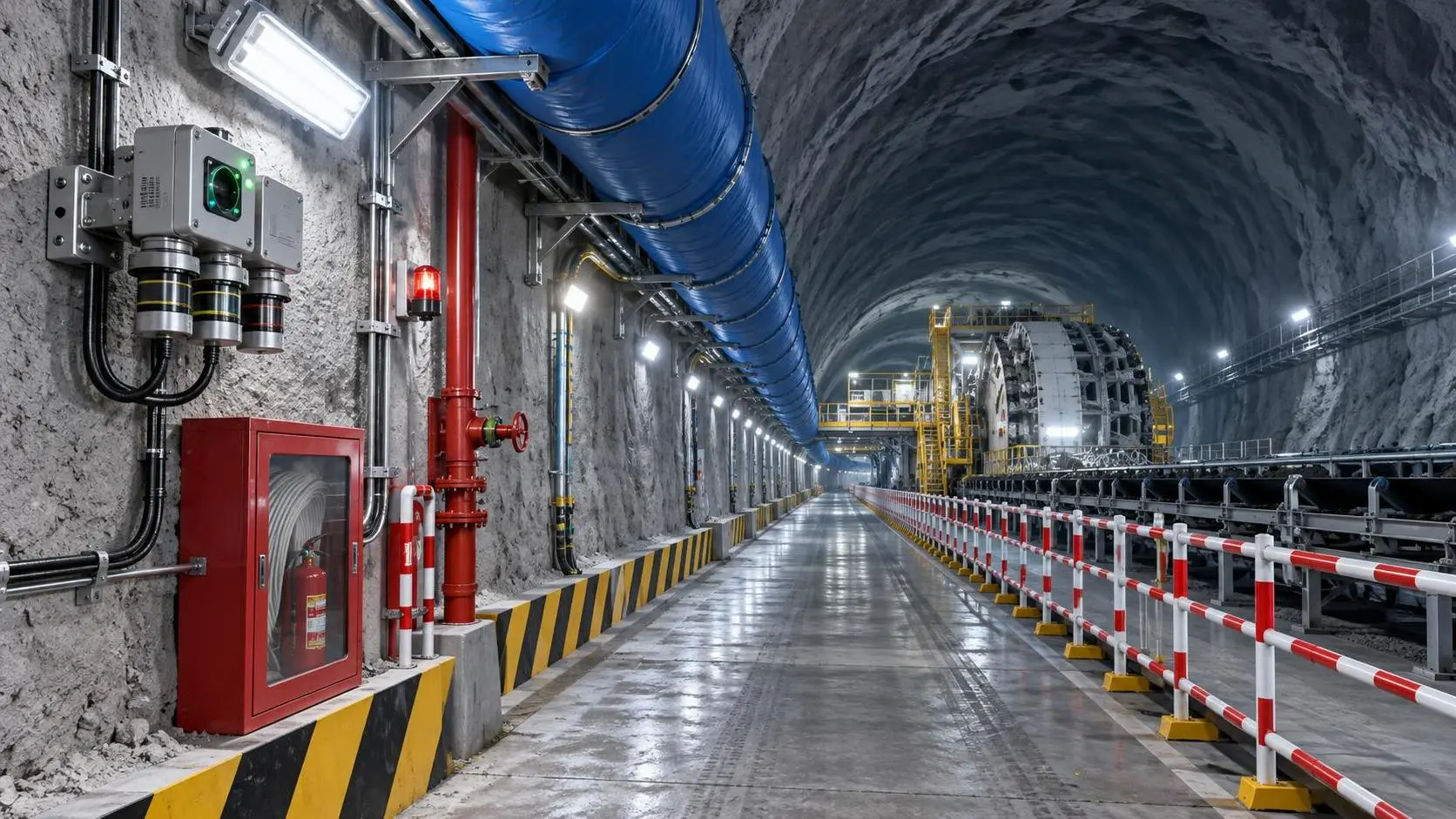
How to Select Underground Safety Equipment for Tunnelling by Hazard and Work Zone
Underground Safety Equipment for tunnelling: match protection to hazards, work zones, compliance, and emergency needs with this practical selection guide.
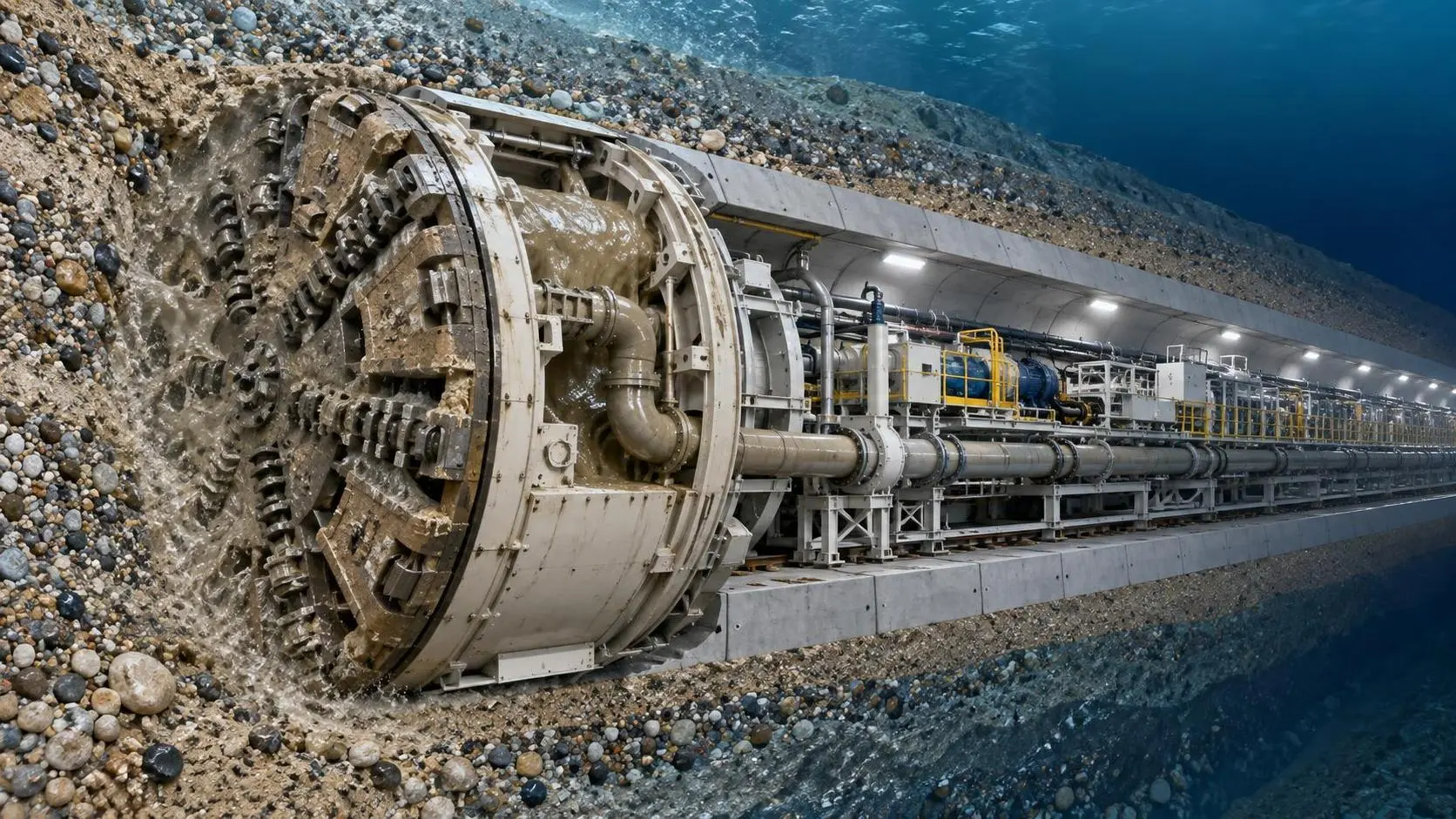
EPB or Slurry Shield? Selecting Soft-Ground Tunnelling Equipment by Soil Conditions
Tunnel Excavation Equipment for soft ground: compare EPB and slurry shields by soil, groundwater, settlement risk, and project logistics to choose confidently.
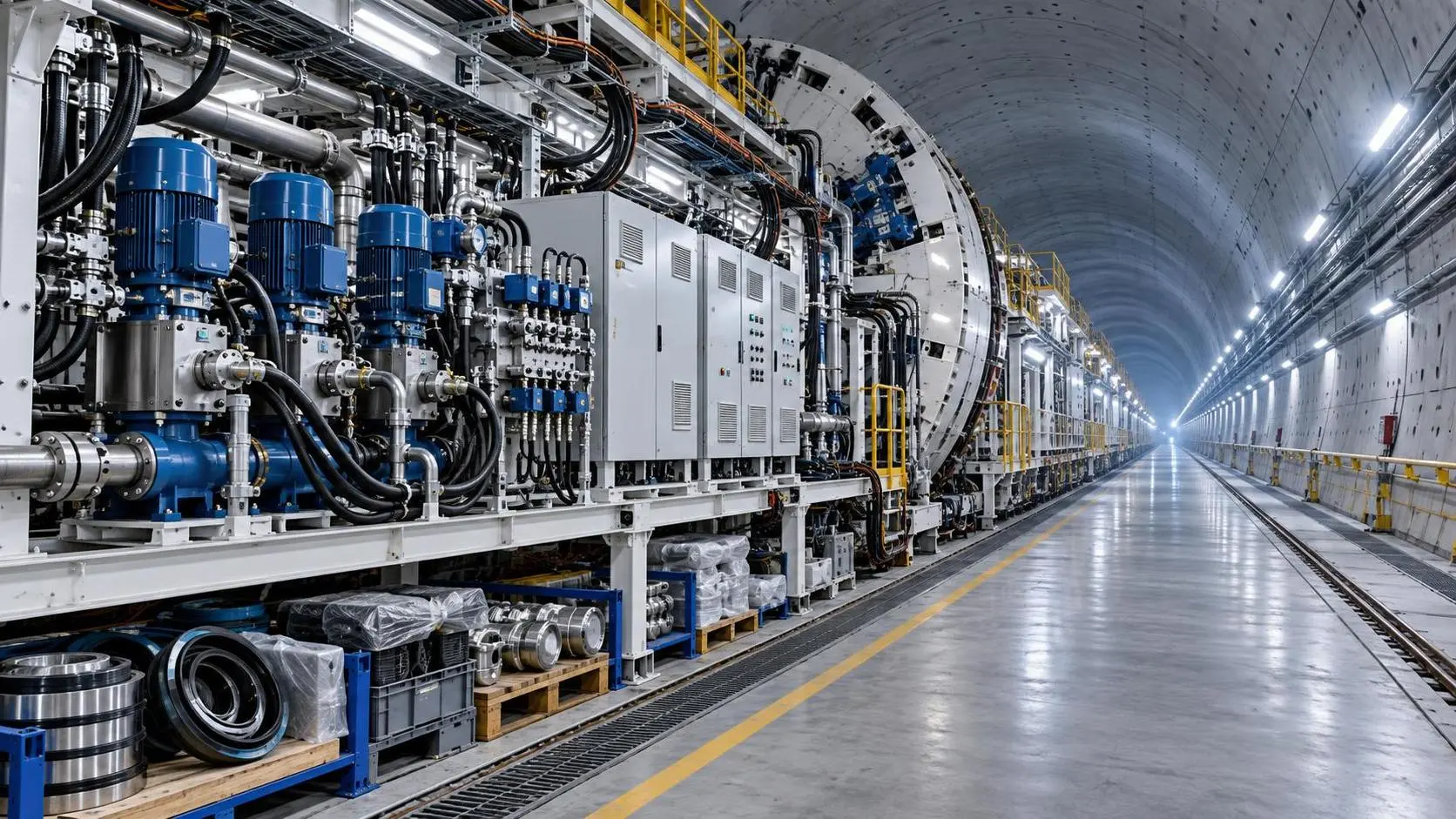
How to Specify TBM Backup System Parts for Reliable Long-Distance Tunnelling
TBM backup system parts: learn how to specify reliable spares for long-distance tunnelling, reduce downtime, ensure compatibility, and speed underground recovery.
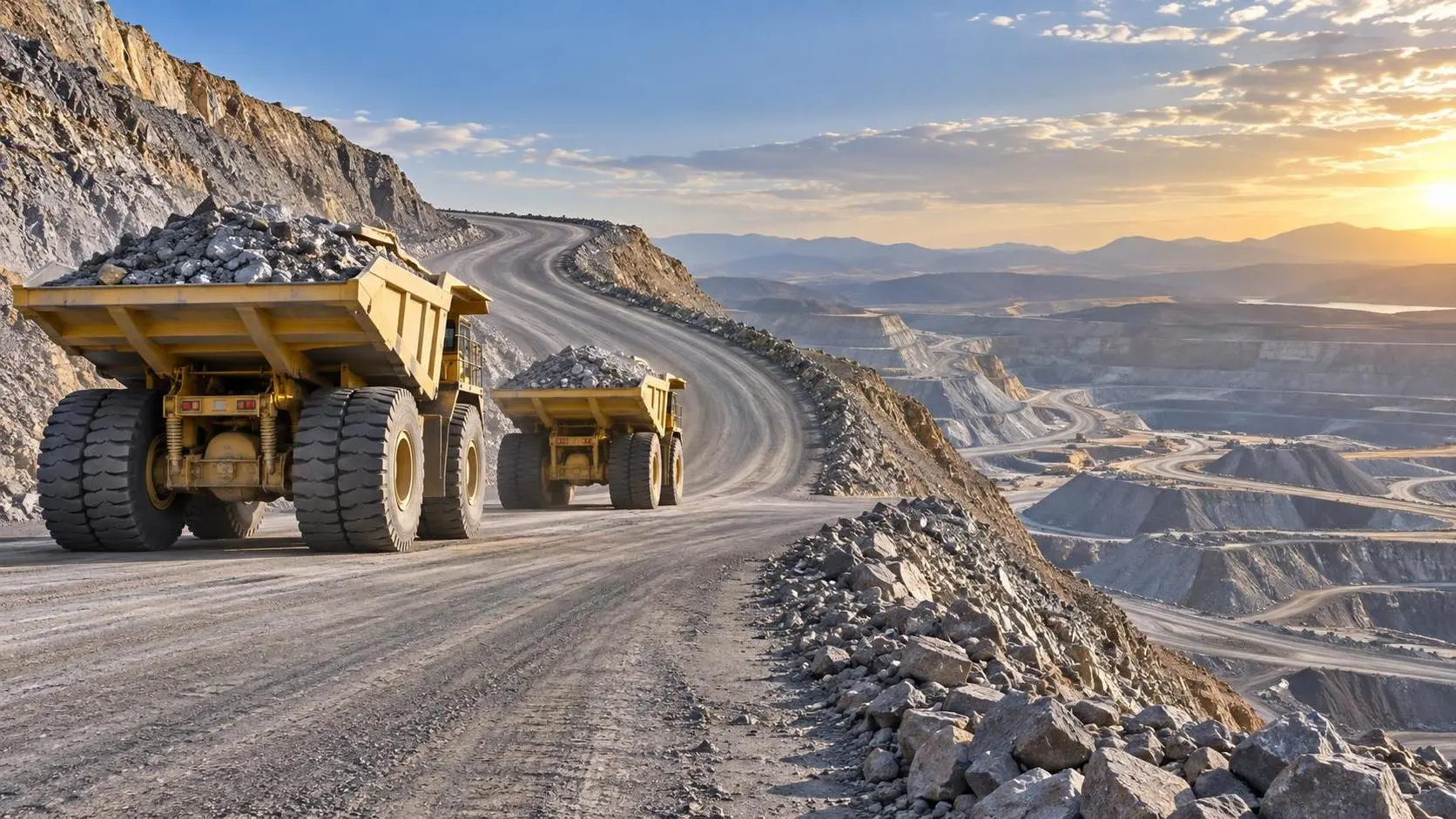
How to Size Open Pit Mining Trucks for Haul Distance, Grade, and Payload?
Open Pit Mining Trucks: learn how to match payload, haul distance, grade, road resistance, and loading capacity for safer, lower-cost mine operations.
Related News
- 00
0000-00
How to Evaluate European Drill-and-Blast Tunnelling Contractors for Complex Projects - 00
0000-00
Which Trenchless Construction Technique Fits Your Utility Crossing Conditions? - 00
0000-00
What Is Driving Metro Tunnelling Demand Across Southeast Asia’s Major Cities? - 00
0000-00
Hard Rock Tunnelling in Australia: Selecting Methods for Variable Ground Conditions - 00
0000-00
Hydropower Tunnel Excavation: Selecting Methods for Variable Rock Conditions
Weekly Insights
Stay ahead with our curated technology reports delivered every Monday.