
EU Rule Takes Effect on AI Slurry Pressure Control





On June 11, 2026, the European Commission put into force a revision to the Urban Underground Trenchless Engineering Equipment Safety Directive, identified in the input as EU 2026/921. The change directly affects Slurry Pipe Jacking equipment sold or used for construction within the EU by making an EN 16895:2026-compliant real-time slurry pressure AI closed-loop module a mandatory requirement. For manufacturers, exporters, buyers, certification-related service providers, and delivery teams, the issue is no longer only technical configuration; it now also touches customs clearance, compliance documentation, procurement specifications, and project delivery timing.
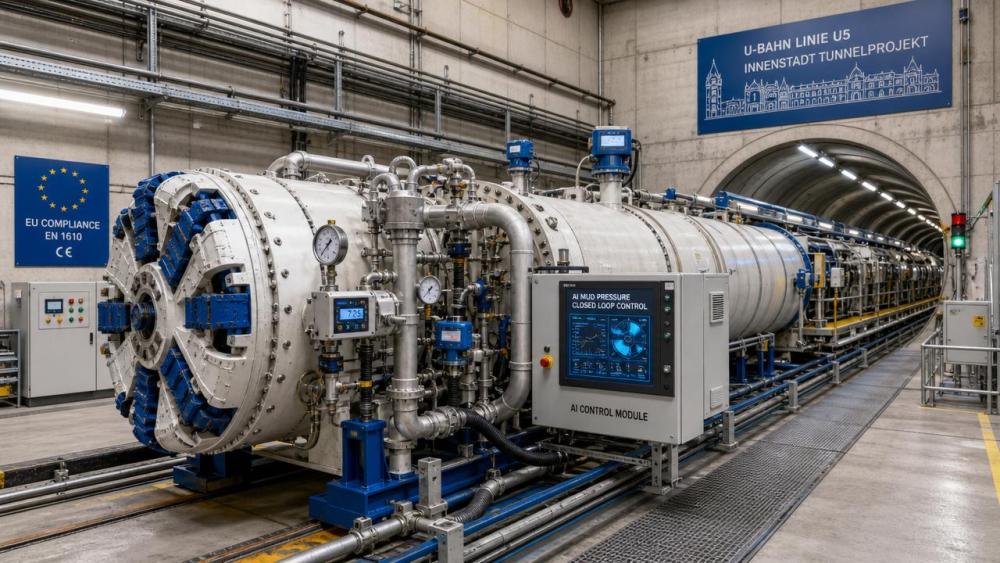
What the rule now requires
According to the provided information, the revised measure took effect at 00:00 on June 11, 2026. It requires all Slurry Pipe Jacking equipment sold or deployed for construction in the EU to integrate an AI pressure closed-loop control system that conforms to EN 16895:2026.
The stated technical requirement is automatic correction of slurry pressure fluctuations at the excavation face within a ±5 kPa range. The input also states that the grace period is only three months and that equipment failing to meet the requirement will be barred from customs clearance.
Where the pressure falls across the chain
Equipment suppliers face a direct market-access test
From an industry perspective, the most immediate impact falls on equipment manufacturers and exporters because the rule is linked to whether a machine can be sold into the EU market or used in EU construction work. What deserves closer attention is the shift from a general equipment safety issue to a product-access condition tied to a specific control function and a named standard. This means suppliers may need to review whether technical files, product specifications, configuration lists, and compliance statements clearly reflect the EN 16895:2026 AI closed-loop requirement.
Procurement teams need to reassess technical specifications
For buyers, contractors, and procurement departments, the practical change is that equipment selection can no longer be judged only on conventional performance, delivery, and price. Analysis shows that tender specifications, purchase orders, and acceptance conditions may need to be checked for alignment with the newly effective requirement, especially where projects involve EU delivery or EU jobsite deployment. If the machine configuration does not match the rule, the procurement risk may appear late, at shipment, customs, or commissioning stages.
Compliance and certification support services may become a gating point
Certification-related firms, testing support providers, and document-preparation teams may be affected because the rule refers to a specific standard and a defined control outcome. Observably, the pressure point here is not only whether a module is installed, but whether the supporting technical and compliance materials can demonstrate conformity in a form acceptable for market entry and project use. The input does not provide the detailed execution pathway, so this should be treated as a compliance attention point rather than a confirmed procedural requirement.
Delivery and after-sales planning may need earlier coordination
Supply-chain service providers and after-sales teams may also be affected because the grace period stated in the input is short. Analysis shows that any equipment still in production, in transit, or pending handover may require earlier confirmation of configuration status, supporting documents, and installation completeness. Where the equipment is intended for EU customs clearance, delivery scheduling and technical readiness become more closely linked than before.
What companies should check now
Confirm whether the current configuration matches the new threshold
Companies involved in making, sourcing, or shipping Slurry Pipe Jacking equipment should first verify whether the machine includes an EN 16895:2026-compliant AI real-time slurry pressure closed-loop module and whether the stated ±5 kPa automatic correction requirement is addressed in product documentation. This is a practical screening step tied directly to the input facts.
Review technical files and transaction documents together
What deserves closer attention is the consistency between technical content and trade paperwork. Product descriptions, specification sheets, declarations, inspection-related materials, and delivery documents may all need to reflect the same compliance position. The input does not define the exact document set required by authorities, so companies should treat this as an area for continued verification rather than assume a fixed template already exists.
Recheck procurement and project delivery schedules
Because the provided summary states that the grace period is three months, companies should closely compare outstanding orders, delivery milestones, and installation timelines against that window. Analysis shows that the compliance issue may affect not only new sales but also handover planning and acceptance readiness for equipment intended for EU use.
Watch for official wording and market execution signals
The provided information confirms the rule change and the effective date, but it does not include fuller detail on enforcement interpretation, verification methods, or project-level implementation language. For that reason, companies should keep monitoring any later official wording, certification interpretations, bid-specification updates, and market feedback before treating all execution details as settled.
How this development should be read
Observably, this is more than a policy discussion and less than a fully transparent execution framework. It is more appropriate to understand this as an already effective compliance signal with immediate trade and delivery consequences, because the input explicitly links non-compliance to a customs barrier after a short grace period. At the same time, analysis shows that the market still needs to watch how the requirement is translated into document checks, procurement language, and project acceptance practice.
Why the next three months matter most
The industry significance of this development lies in the combination of three elements already confirmed in the input: the rule is effective, it names a specific standard, and it connects non-compliance with customs clearance risk after only a brief transition period. A cautious reading is therefore the most suitable one. This is not merely a policy trend to track from a distance; it is a live compliance change, but some operational details still need ongoing observation before firms can assume a uniform implementation path.
Basis of this article
This article is generated from the user-provided news title, event date, and event summary. For events of this kind, relevant source types typically include official regulatory notices, publications from supervisory authorities, customs or trade-administration updates, industry association releases, standard-setting documents, and reporting by authoritative media. No specific official source link was provided in the input, so the exact official link remains to be verified. Follow-up attention is still needed on detailed policy interpretation, certification practice, tender-document changes, industry feedback, and company-level implementation progress.
Related News
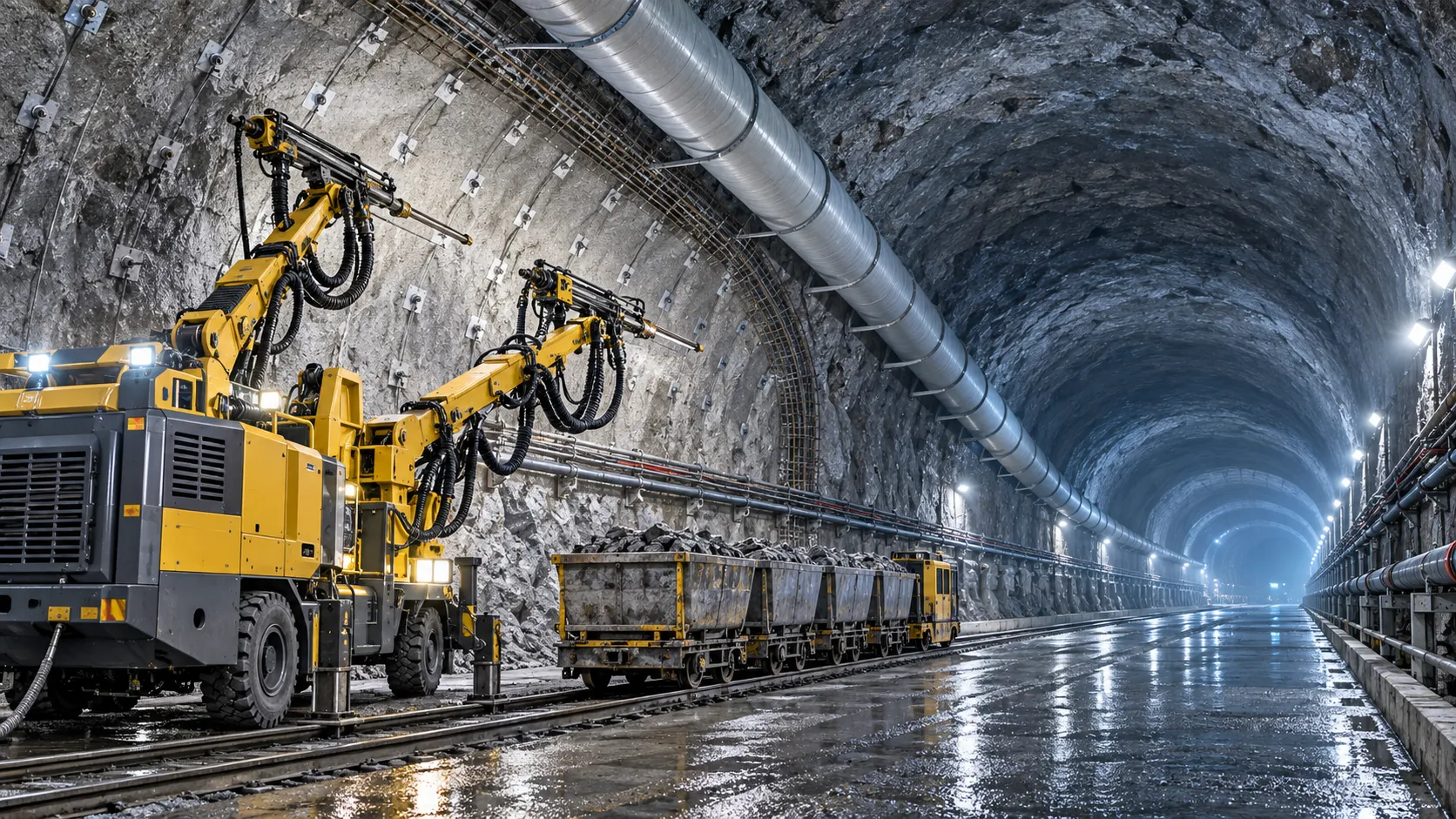
How to Evaluate European Drill-and-Blast Tunnelling Contractors for Complex Projects
Drill and blast tunnelling contractors Europe: learn how to assess geology expertise, blast control, equipment reliability, safety, and programme resilience for complex projects.
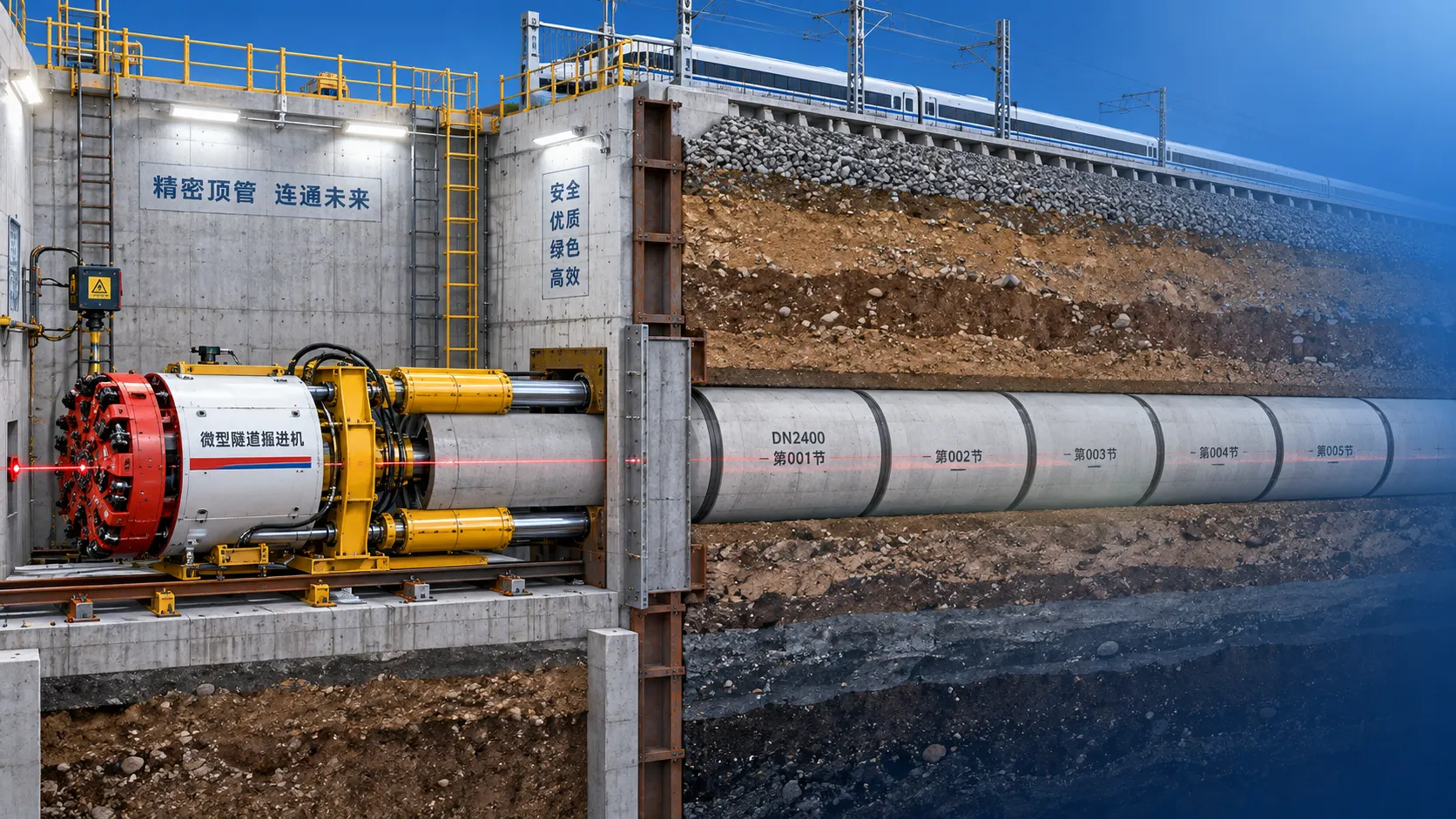
Which Trenchless Construction Technique Fits Your Utility Crossing Conditions?
Trenchless construction techniques compared for utility crossings: choose HDD, microtunnelling, pipe jacking, or auger boring based on ground, accuracy, access, and risk.
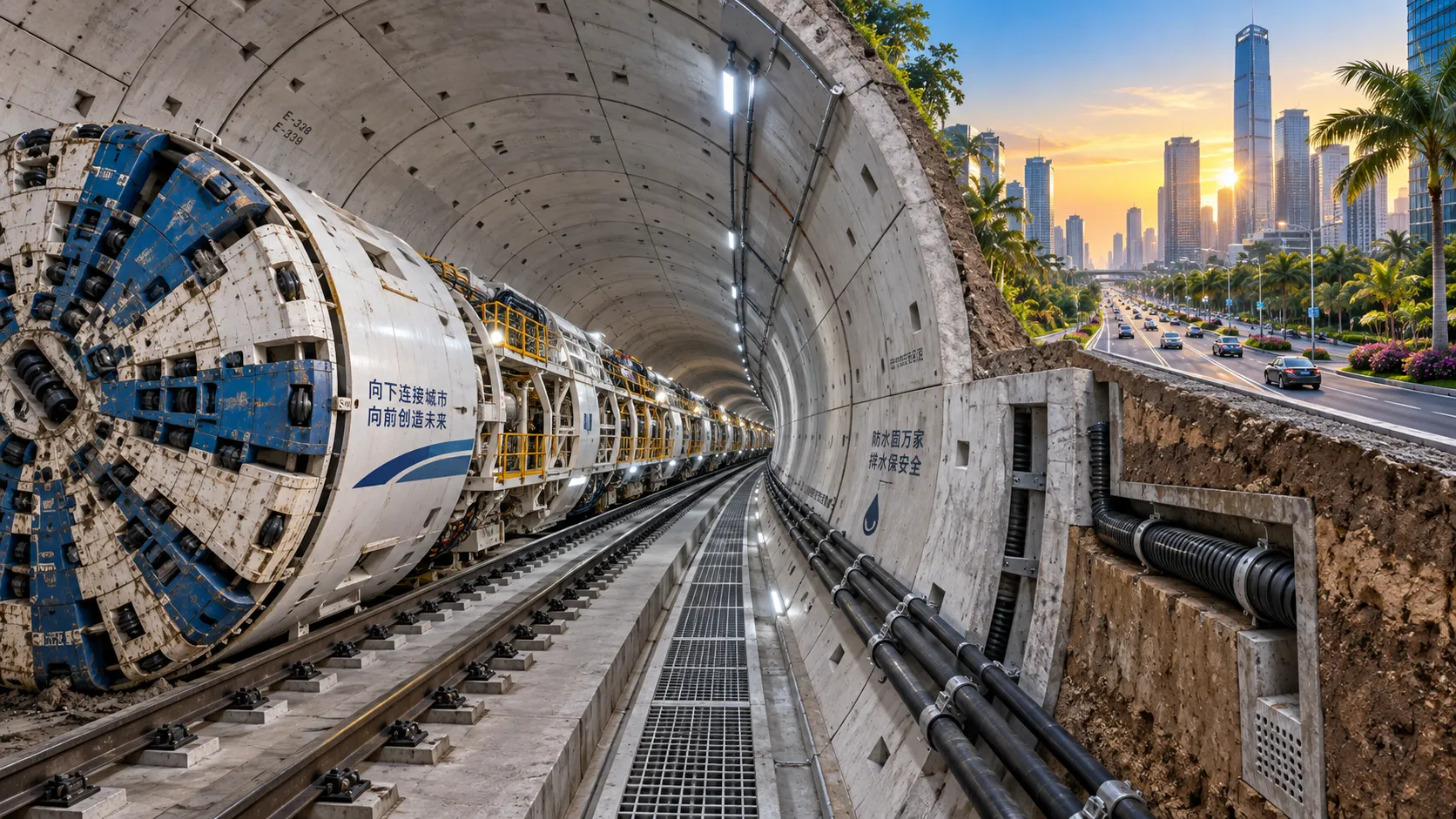
What Is Driving Metro Tunnelling Demand Across Southeast Asia’s Major Cities?
Metro tunnelling Southeast Asia is accelerating as major cities tackle congestion, flooding, and connectivity. Explore the market forces, technical risks, and opportunities shaping demand.
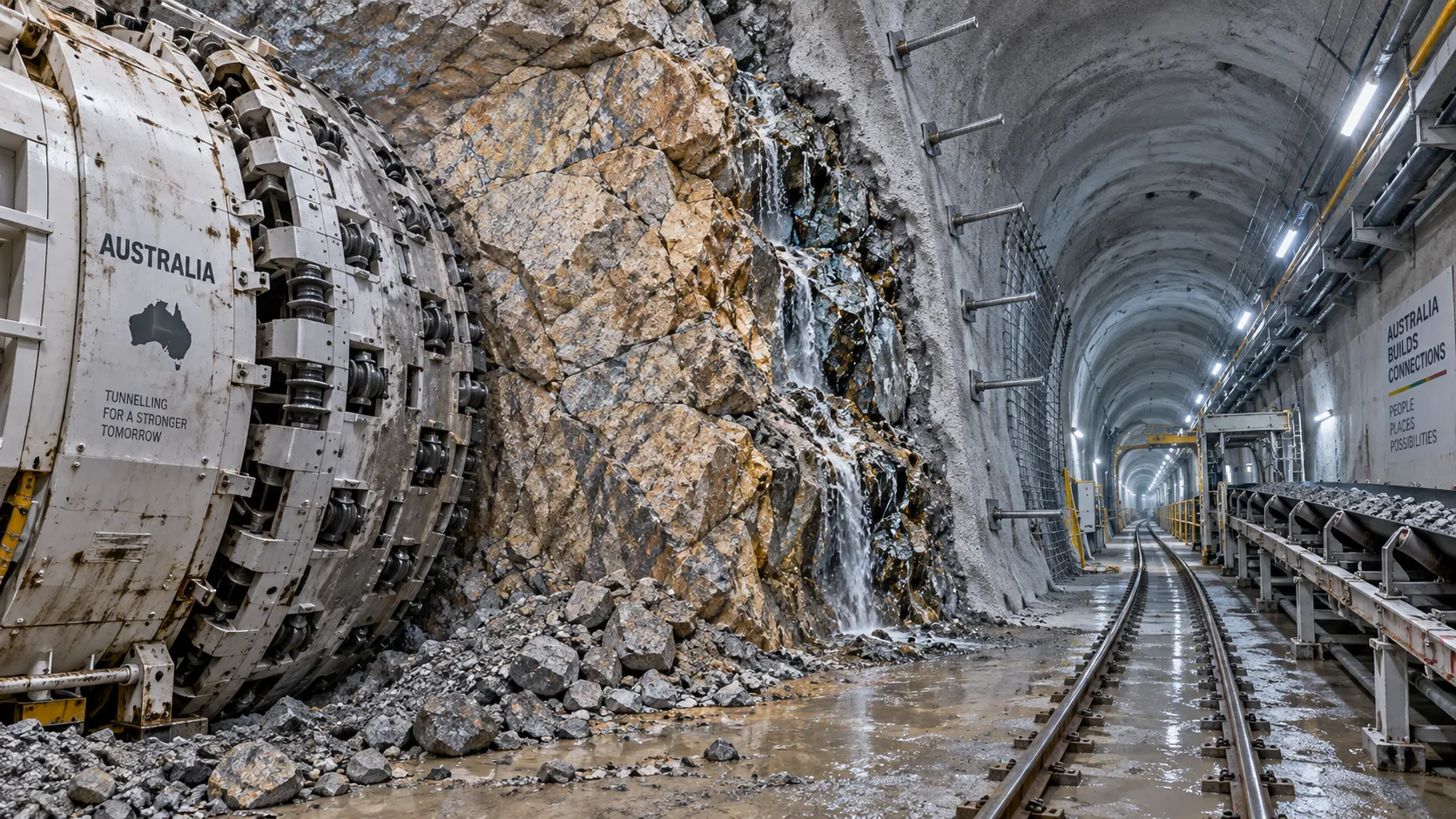
Hard Rock Tunnelling in Australia: Selecting Methods for Variable Ground Conditions
Hard rock tunnelling in Australia: compare TBM, drill-and-blast and hybrid methods to manage variable ground, reduce risk and protect project costs.
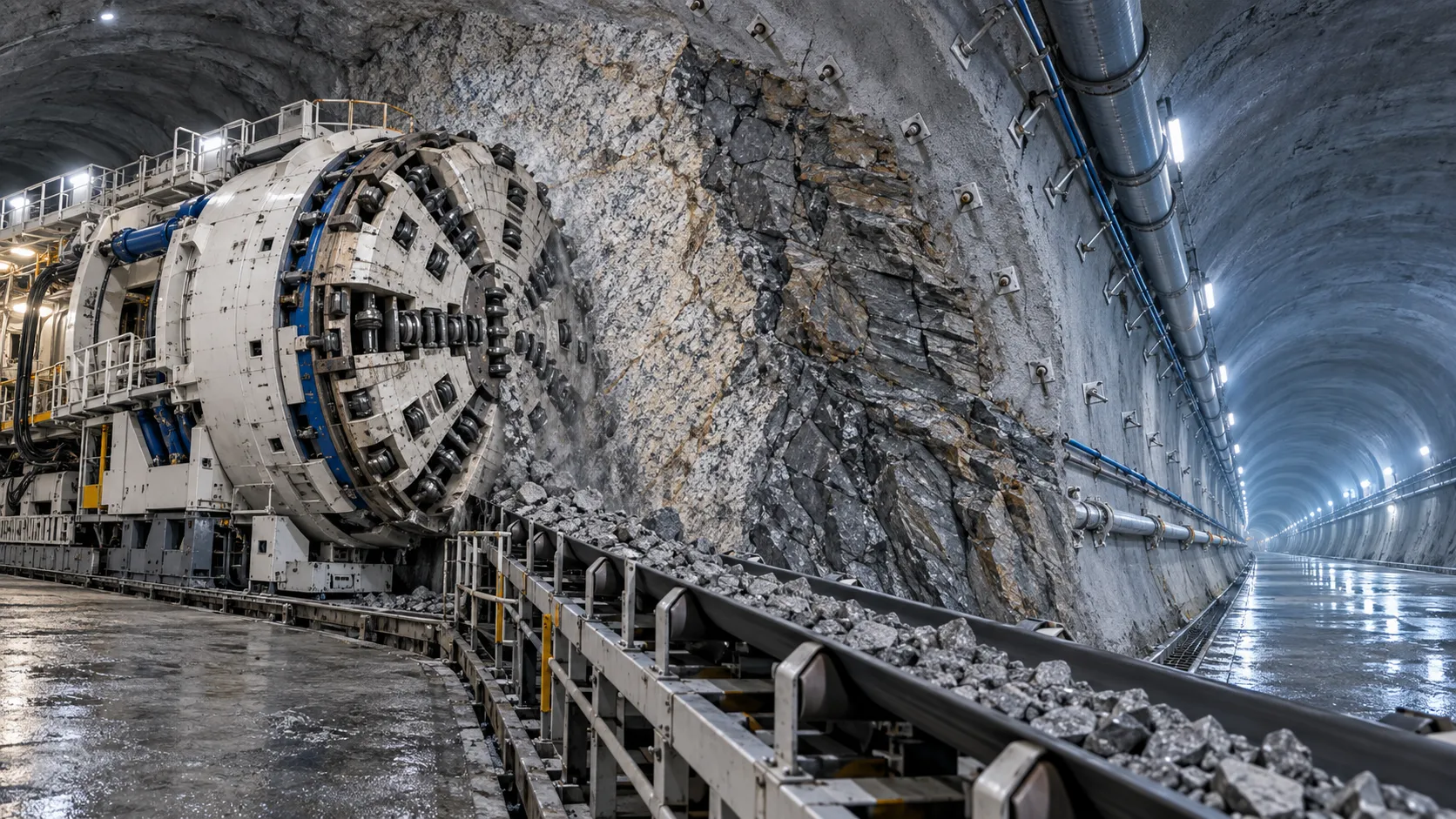
Hydropower Tunnel Excavation: Selecting Methods for Variable Rock Conditions
Hydropower tunnel excavation methods for variable rock conditions: compare TBM, drill-and-blast, and hybrid strategies to improve safety, progress, and project control.
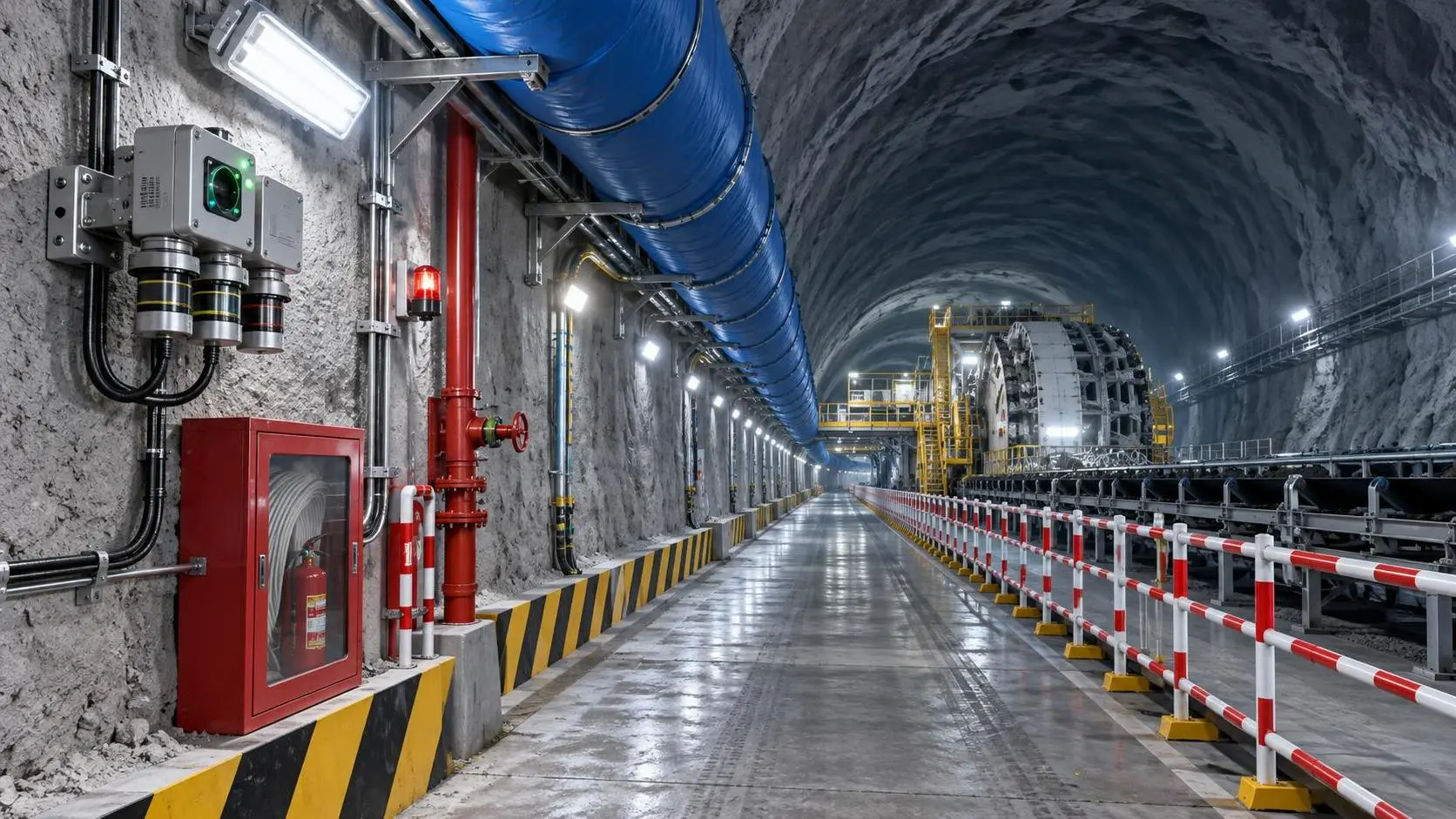
How to Select Underground Safety Equipment for Tunnelling by Hazard and Work Zone
Underground Safety Equipment for tunnelling: match protection to hazards, work zones, compliance, and emergency needs with this practical selection guide.
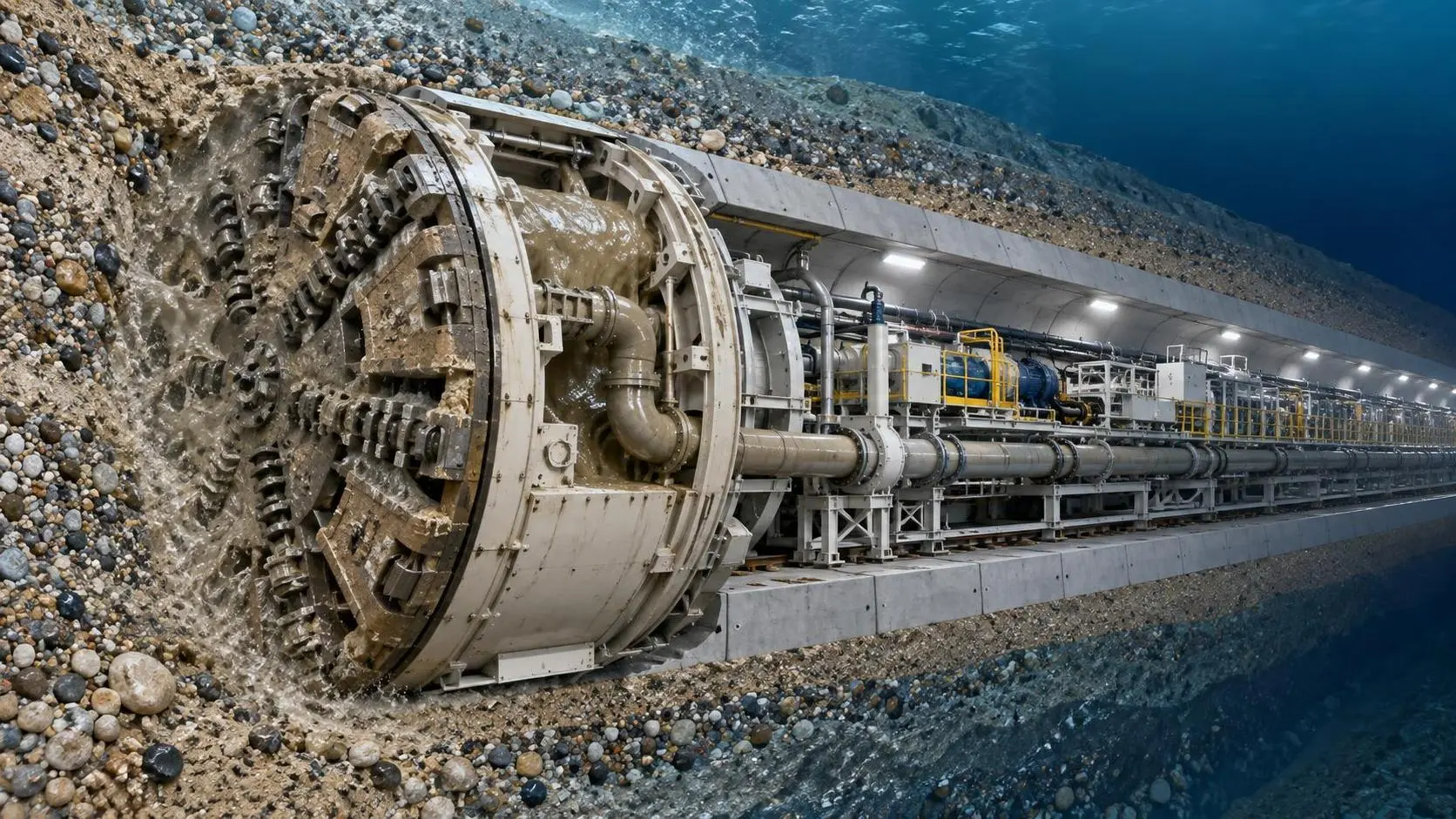
EPB or Slurry Shield? Selecting Soft-Ground Tunnelling Equipment by Soil Conditions
Tunnel Excavation Equipment for soft ground: compare EPB and slurry shields by soil, groundwater, settlement risk, and project logistics to choose confidently.
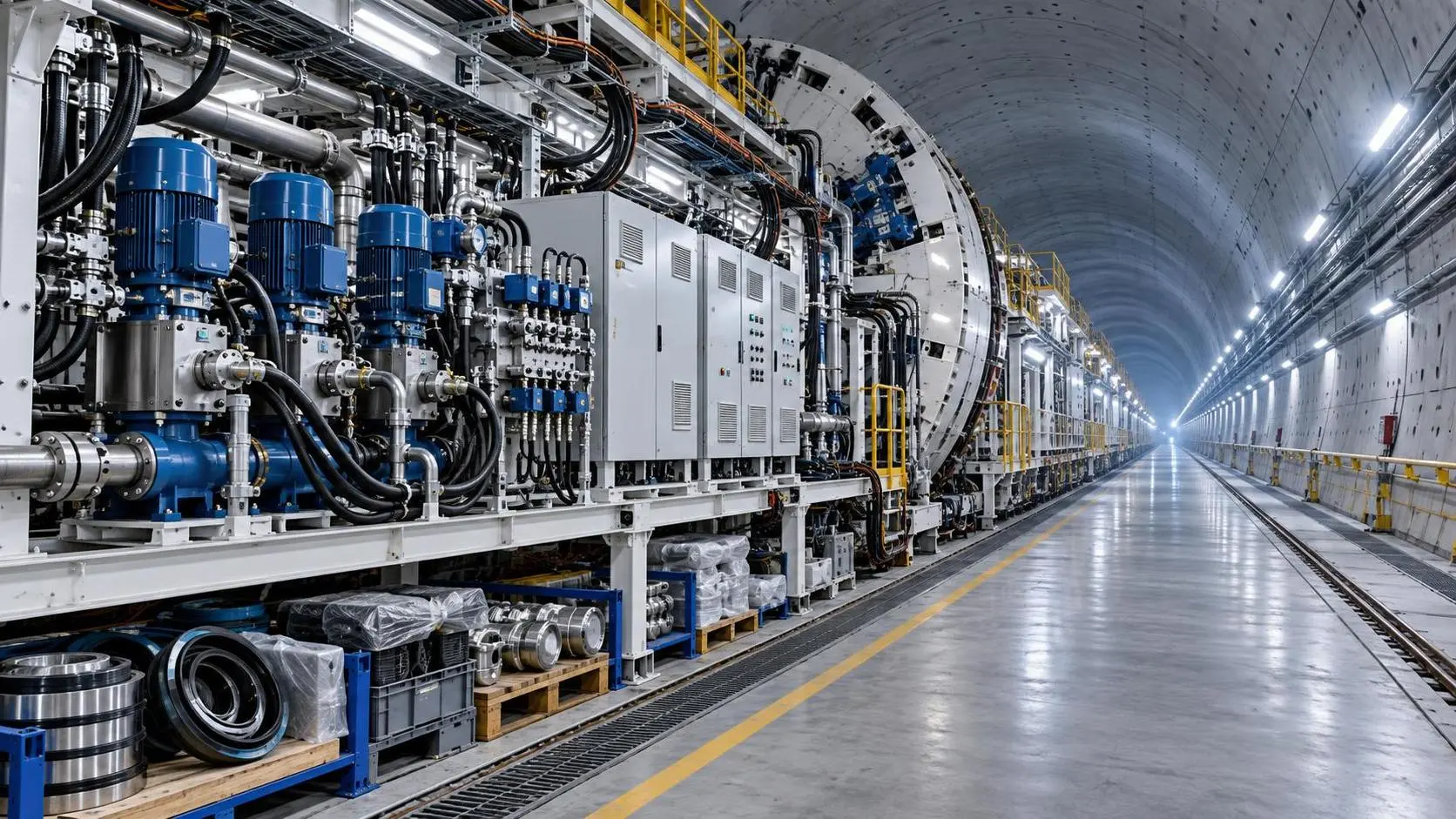
How to Specify TBM Backup System Parts for Reliable Long-Distance Tunnelling
TBM backup system parts: learn how to specify reliable spares for long-distance tunnelling, reduce downtime, ensure compatibility, and speed underground recovery.

How to Size Open Pit Mining Trucks for Haul Distance, Grade, and Payload?
Open Pit Mining Trucks: learn how to match payload, haul distance, grade, road resistance, and loading capacity for safer, lower-cost mine operations.
Related News
- 00
0000-00
How to Evaluate European Drill-and-Blast Tunnelling Contractors for Complex Projects - 00
0000-00
Which Trenchless Construction Technique Fits Your Utility Crossing Conditions? - 00
0000-00
What Is Driving Metro Tunnelling Demand Across Southeast Asia’s Major Cities? - 00
0000-00
Hard Rock Tunnelling in Australia: Selecting Methods for Variable Ground Conditions - 00
0000-00
Hydropower Tunnel Excavation: Selecting Methods for Variable Rock Conditions
Weekly Insights
Stay ahead with our curated technology reports delivered every Monday.