
Indonesia Adds ISO 50001 Rule for Pipe Jacking Imports





Image Placement Plan
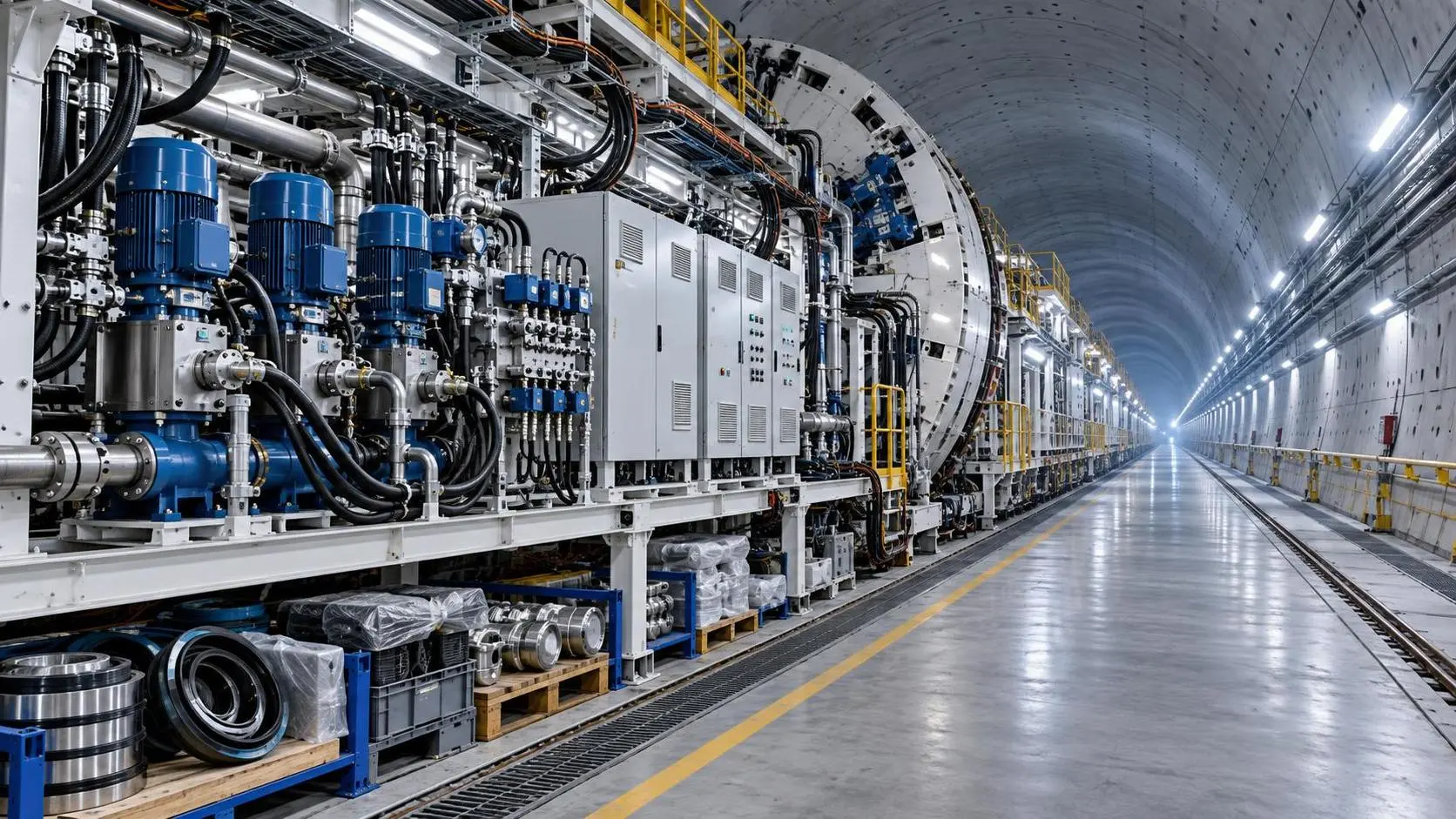
Place one image near the beginning of the article to support the regulatory update visually. The image may show tunnel construction equipment, customs compliance documentation, or energy management certification themes related to slurry pipe jacking imports.
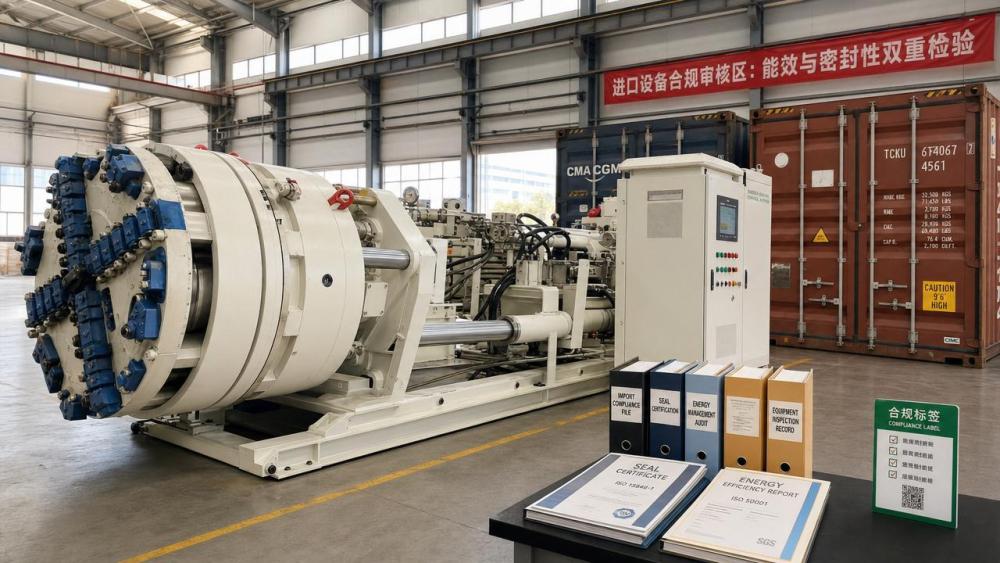
Indonesia's Ministry of Industry Regulation No. 12/2026 takes effect on June 1, 2026, introducing a new import compliance requirement for Slurry Pipe Jacking Systems. The rule affects equipment manufacturers and import-related businesses because manufacturers must provide an ISO 50001 energy management system certificate issued by a CNCA-accredited body in China before products can proceed through customs clearance and SNI mandatory certification review.
What the New Indonesian Requirement Confirms
According to the provided event summary, Indonesia's Ministry of Industry Regulation No. 12/2026 becomes effective on June 1, 2026.
The regulation requires manufacturers of all imported Slurry Pipe Jacking Systems to provide an ISO 50001 energy management system certification certificate issued by an institution accredited by the China National Certification and Accreditation Administration, known as CNCA.
Products without the required certificate will not be able to complete customs clearance. In addition, SNI mandatory certification applications for uncertified products will not be accepted.
How the Rule May Reshape Industry Operations
Import and export trading companies
Direct trading companies are likely to be affected first because customs clearance is explicitly linked to the required ISO 50001 certificate. From an industry perspective, this changes compliance from a supporting document into a key import condition for Slurry Pipe Jacking Systems.
The impact may appear in contract review, shipment scheduling, customs document preparation, and customer delivery commitments. Trading companies may need to verify whether the equipment manufacturer holds a valid certificate from a CNCA-accredited certification body before confirming orders or arranging shipment.
Raw material and component procurement teams
Companies involved in sourcing materials, components, or equipment-related inputs may also need to pay attention, especially where procurement is tied to the manufacture or export preparation of Slurry Pipe Jacking Systems. Although the regulation targets imported equipment and manufacturer certification, procurement plans can still be affected if certification status changes production or delivery timing.
Observably, procurement teams may need closer coordination with manufacturers to confirm whether materials, components, and production schedules support equipment intended for the Indonesian market. Supplier qualification files may also need to reflect whether the final equipment manufacturer can meet the ISO 50001-related requirement.
Processing and equipment manufacturing enterprises
Manufacturers face the most direct compliance responsibility because the rule requires the manufacturer to provide the ISO 50001 energy management system certificate issued by a CNCA-accredited body in China.
Business effects may occur in certification management, technical documentation, pre-shipment review, and export readiness checks. Manufacturers that cannot provide the required certificate may find that their equipment cannot complete customs clearance in Indonesia and cannot enter the SNI mandatory certification application process.
Supply chain and logistics service providers
Supply chain service providers, including logistics coordinators and customs-support service providers, may need to adjust document checklists for Slurry Pipe Jacking Systems destined for Indonesia. The reason is that customs clearance failure is identified as a direct consequence when the required certificate is missing.
Possible areas of attention include pre-clearance document verification, shipment timing, client communication, and risk alerts before cargo departure. Service providers may need to remind clients that the certificate requirement is not only a technical compliance item but also a clearance-related condition.
Practical Priorities for Companies Preparing Shipments
Confirm certificate eligibility before shipment planning
Companies should check whether the equipment manufacturer can provide an ISO 50001 energy management system certificate issued by a CNCA-accredited body in China. This verification should take place before shipment scheduling, because uncertified products are stated to be unable to complete customs clearance.
Align SNI application preparation with the new prerequisite
Since SNI mandatory certification applications will not be accepted for products without the required certificate, companies should treat the ISO 50001 certificate as an upstream compliance condition. Application files, technical packages, and customer communication should be reviewed accordingly.
Recheck tender and technical specification documents
For projects involving Slurry Pipe Jacking Systems in Indonesia, tender documents and technical specifications may need to reflect the new certification requirement. It is more appropriate to understand this as a compliance alignment issue, not merely a document-format issue.
Build delivery schedules around compliance verification
Delivery planning should consider the time needed to verify certification status and prepare supporting documents. While the input does not provide processing timelines, the stated consequences for missing certificates indicate that document readiness may become critical to avoiding clearance disruption.
Industry Reading: Compliance Moves Closer to Market Access
Analysis shows that the regulation connects energy management certification with equipment import access for Slurry Pipe Jacking Systems. This suggests that compliance requirements may increasingly influence not only factory management systems but also trade execution and certification pathways.
From an industry perspective, the key point is not only the ISO 50001 standard itself, but the specified certificate source: a CNCA-accredited body in China. This creates a defined compliance route for manufacturers serving the Indonesian market.
What deserves closer attention is the interaction between customs clearance and SNI mandatory certification. Based on the provided summary, products without the required certificate face two linked barriers: inability to complete customs clearance and non-acceptance of SNI mandatory certification applications. This may encourage earlier compliance checks across procurement, manufacturing, trading, and logistics workflows.
Measured Outlook for the Sector
The new rule marks a clear compliance signal for companies involved in Slurry Pipe Jacking Systems imported into Indonesia. Its immediate significance lies in making ISO 50001 certification from a CNCA-accredited body in China a necessary document for market entry procedures described in the event summary.
A rational conclusion is that affected companies should review certification status, customs documentation, and SNI application readiness before committing to shipments or delivery schedules. The final operational impact will depend on how the requirement is implemented and interpreted in practice.
Information Basis and Items to Monitor
This article is generated based on the provided news title, event date, and event summary concerning Indonesia's Ministry of Industry Regulation No. 12/2026 and its effect from June 1, 2026.
For events of this type, relevant information is typically associated with official regulatory notices, ministry-level announcements, customs guidance, certification rules, and standard certification application requirements. Specific official source links were not provided in the input and should be verified continuously.
Further monitoring should focus on implementation details, certification review practices, customs enforcement interpretation, SNI application document requirements, tender document updates, and feedback from affected industry participants.
Related News
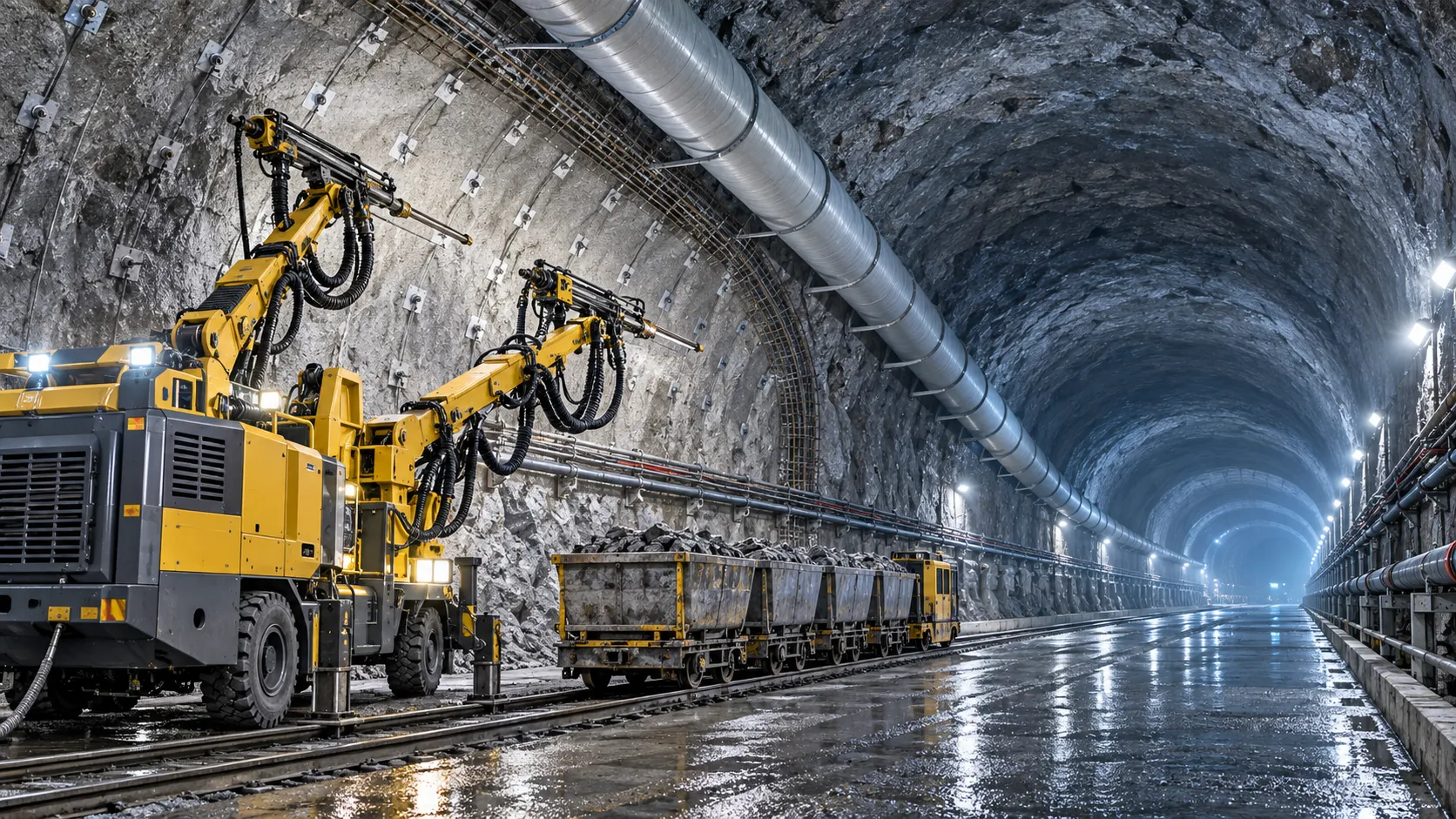
How to Evaluate European Drill-and-Blast Tunnelling Contractors for Complex Projects
Drill and blast tunnelling contractors Europe: learn how to assess geology expertise, blast control, equipment reliability, safety, and programme resilience for complex projects.
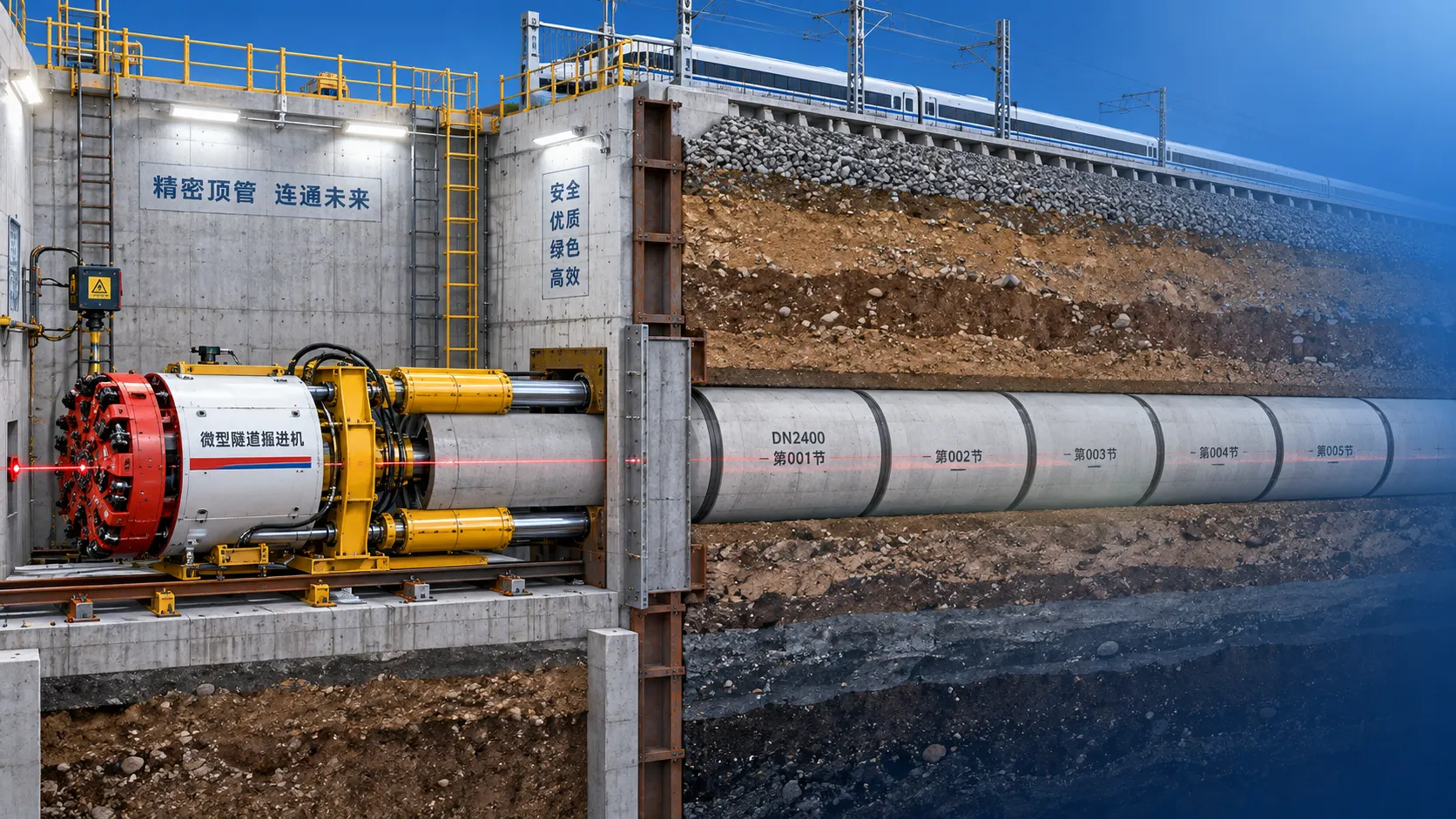
Which Trenchless Construction Technique Fits Your Utility Crossing Conditions?
Trenchless construction techniques compared for utility crossings: choose HDD, microtunnelling, pipe jacking, or auger boring based on ground, accuracy, access, and risk.
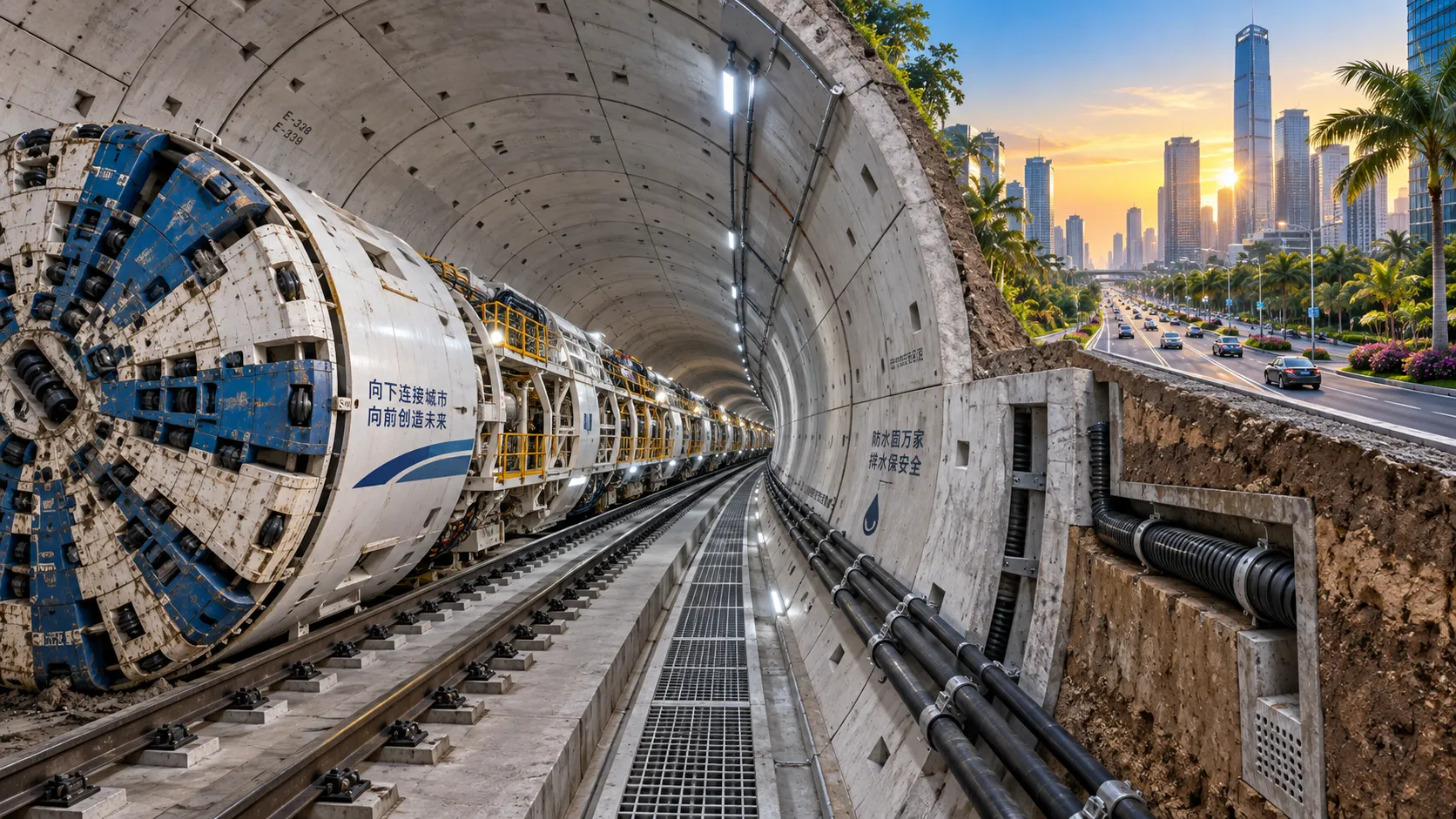
What Is Driving Metro Tunnelling Demand Across Southeast Asia’s Major Cities?
Metro tunnelling Southeast Asia is accelerating as major cities tackle congestion, flooding, and connectivity. Explore the market forces, technical risks, and opportunities shaping demand.
Hard Rock Tunnelling in Australia: Selecting Methods for Variable Ground Conditions
Hard rock tunnelling in Australia: compare TBM, drill-and-blast and hybrid methods to manage variable ground, reduce risk and protect project costs.
Hydropower Tunnel Excavation: Selecting Methods for Variable Rock Conditions
Hydropower tunnel excavation methods for variable rock conditions: compare TBM, drill-and-blast, and hybrid strategies to improve safety, progress, and project control.
How to Select Underground Safety Equipment for Tunnelling by Hazard and Work Zone
Underground Safety Equipment for tunnelling: match protection to hazards, work zones, compliance, and emergency needs with this practical selection guide.
EPB or Slurry Shield? Selecting Soft-Ground Tunnelling Equipment by Soil Conditions
Tunnel Excavation Equipment for soft ground: compare EPB and slurry shields by soil, groundwater, settlement risk, and project logistics to choose confidently.
How to Specify TBM Backup System Parts for Reliable Long-Distance Tunnelling
TBM backup system parts: learn how to specify reliable spares for long-distance tunnelling, reduce downtime, ensure compatibility, and speed underground recovery.

How to Size Open Pit Mining Trucks for Haul Distance, Grade, and Payload?
Open Pit Mining Trucks: learn how to match payload, haul distance, grade, road resistance, and loading capacity for safer, lower-cost mine operations.
Related News
- 00
0000-00
How to Evaluate European Drill-and-Blast Tunnelling Contractors for Complex Projects - 00
0000-00
Which Trenchless Construction Technique Fits Your Utility Crossing Conditions? - 00
0000-00
What Is Driving Metro Tunnelling Demand Across Southeast Asia’s Major Cities? - 00
0000-00
Hard Rock Tunnelling in Australia: Selecting Methods for Variable Ground Conditions - 00
0000-00
Hydropower Tunnel Excavation: Selecting Methods for Variable Rock Conditions
Weekly Insights
Stay ahead with our curated technology reports delivered every Monday.