
Mozambique Tightens Import Rules for Slurry Pipe Jacking





Effective June 1, 2026, a revision to Mozambique’s Mining Law brings a direct compliance change for imported Slurry Pipe Jacking equipment: customs clearance now depends on whether the equipment is supplied together with a domestically certified slurry solid-liquid separation and recirculation module. For equipment suppliers, project contractors, procurement teams, compliance managers, and after-sales service providers linked to underground urban pipeline works, this is not just a technical detail but a rule change that can affect import readiness, configuration decisions, delivery planning, and project documentation.
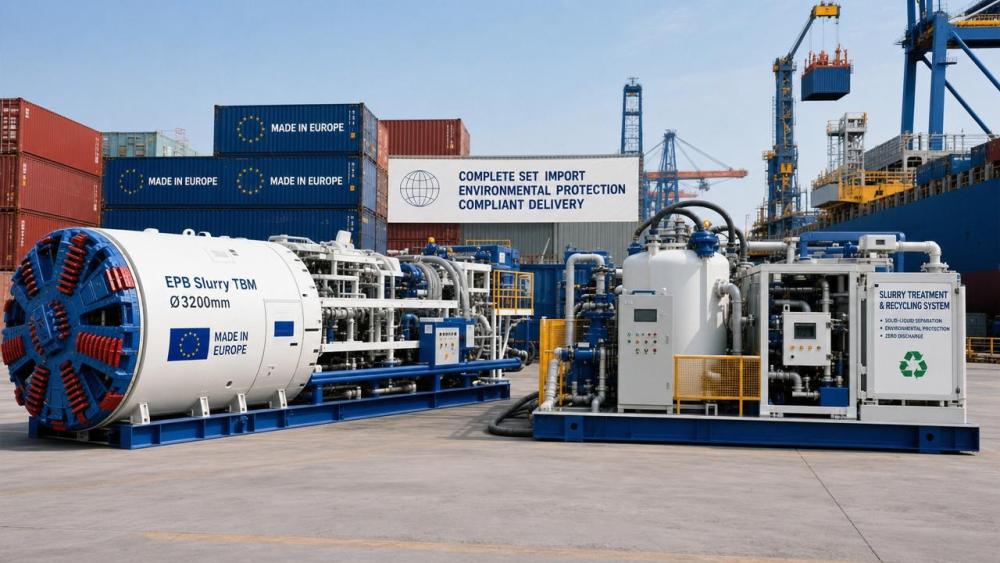
What the new requirement confirms
According to the provided event information, Mozambique’s parliament passed the amendment to the Mining Law by a high margin on May 22, 2026. The relevant provision takes effect on June 1, 2026.
The confirmed requirement is that all imported Slurry Pipe Jacking equipment must be delivered together with a slurry solid-liquid separation and recycling treatment module that has been certified in Mozambique. If that supporting module is not included, the equipment will not be cleared through customs.
The event summary also makes clear that the provision is aimed at an environmental compliance issue associated with urban underground pipeline construction, and that it raises the integration threshold for the equipment concerned.
Where the pressure is likely to appear first
Equipment exporters and direct trading parties face a packaging issue, not only a shipping issue
From an industry perspective, exporters and direct trading companies are likely to be affected first because the rule changes the minimum import configuration. The core issue is no longer limited to shipping the main machine; the import package must also include a locally certified mud treatment module. What deserves closer attention is whether existing quotations, product specifications, contract appendices, and shipment documentation fully reflect this bundled requirement.
Procurement and project delivery teams need closer specification alignment
Procurement teams and project owners involved in underground pipeline works may feel the impact through technical bid alignment and delivery schedules. Analysis shows that if tender documents, procurement requests, or purchase orders still treat the mud handling unit as an optional supporting system rather than a mandatory import condition, there may be a mismatch between commercial ordering and customs compliance. That can affect equipment acceptance timing and project mobilization plans.
Certification and technical service roles become more visible
Certification-related service providers, technical documentation teams, and after-sales support functions may also see increased pressure. Observably, once local certification of the slurry processing module becomes a clearance condition, companies will need to pay more attention to how technical files, configuration lists, and compliance materials are prepared and matched. Even where the main machine is ready, incomplete supporting compliance materials may become a practical bottleneck.
What companies should review now
Check whether the import configuration already meets the new baseline
Analysis shows that the most immediate question is whether current Slurry Pipe Jacking offers, orders, and delivery plans already include a slurry solid-liquid separation and recirculation module as part of the importable package. If not, companies may need to reassess product scope, contract wording, and packing lists.
Review certification readiness and supporting documents
What deserves closer attention is the certification status of the supporting module in Mozambique and how that status is evidenced in documentation. The input does not provide detailed execution rules, so it would be premature to assume a fixed paperwork set. Still, companies should closely monitor how certification references, technical documents, inspection-related materials, and customs-facing documents are expected to align in practice.
Watch for changes in tender language and purchaser requirements
From an industry perspective, this development may soon appear in procurement specifications, bid documents, and project compliance clauses. Companies active in this segment should pay attention to whether buyers begin to treat the mud treatment module as a mandatory precondition for offers, delivery, or acceptance, rather than as an auxiliary option.
Reassess delivery timing and support obligations
Observably, the rule could influence delivery sequencing and service commitments because the import condition now depends on integrated equipment scope and local certification status. Firms should therefore watch for any knock-on effects on shipment scheduling, installation preparation, spare-parts planning, and traceability across the main machine and its supporting treatment module.
How this change is best understood at this stage
Analysis shows that this development is better understood as an already effective compliance change rather than a distant policy signal, because the event information gives both a legislative trigger and an effective date tied to customs clearance consequences. At the same time, it is not yet possible to treat all implementation details as settled, because the provided information does not include the full certification pathway, document checklist, or enforcement wording that market participants may eventually face in day-to-day execution.
From an industry perspective, the most important takeaway is that the rule links environmental compliance expectations directly to import admissibility. That makes the issue relevant not only for legal or customs teams, but also for engineering configuration, procurement planning, and project delivery coordination.
A practical reading for the market
This event points to a concrete rule change affecting how Slurry Pipe Jacking equipment must be configured before entering the Mozambique market. The immediate significance is not a broad market conclusion, but a narrower and more practical one: equipment imports in this category now appear to require integrated compliance preparation, not just machine shipment.
It is more appropriate to understand this as a landed regulatory requirement with further execution details still worth tracking. For companies exposed to this product segment, the key task is to verify whether certification, documentation, procurement language, and delivery arrangements remain consistent with the new import condition.
Basis of this article and what still needs verification
This article is generated from the user-provided news title, event date, and event summary. The input does not provide a specific official source link, so any final compliance decision should continue to be verified against subsequent official publications and implementation materials.
For events of this kind, relevant source categories usually include official government notices, regulator releases, customs or trade authority information, industry association updates, standard or certification documents, and reporting by authoritative media. Further observation is still needed on implementation details such as certification interpretation, enforcement practice, tender document changes, market feedback, and how companies execute the requirement in actual deliveries.
Related News
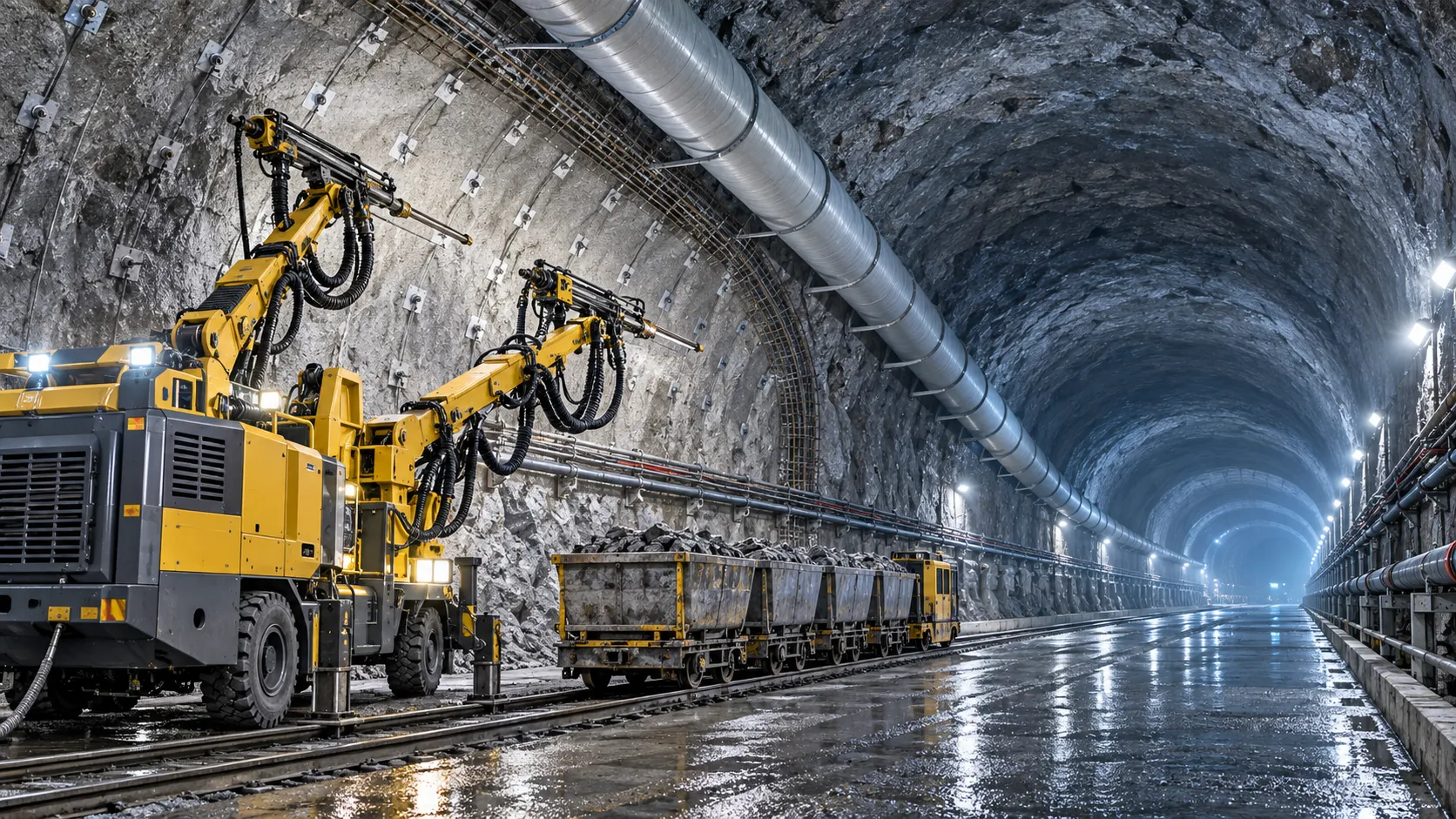
How to Evaluate European Drill-and-Blast Tunnelling Contractors for Complex Projects
Drill and blast tunnelling contractors Europe: learn how to assess geology expertise, blast control, equipment reliability, safety, and programme resilience for complex projects.
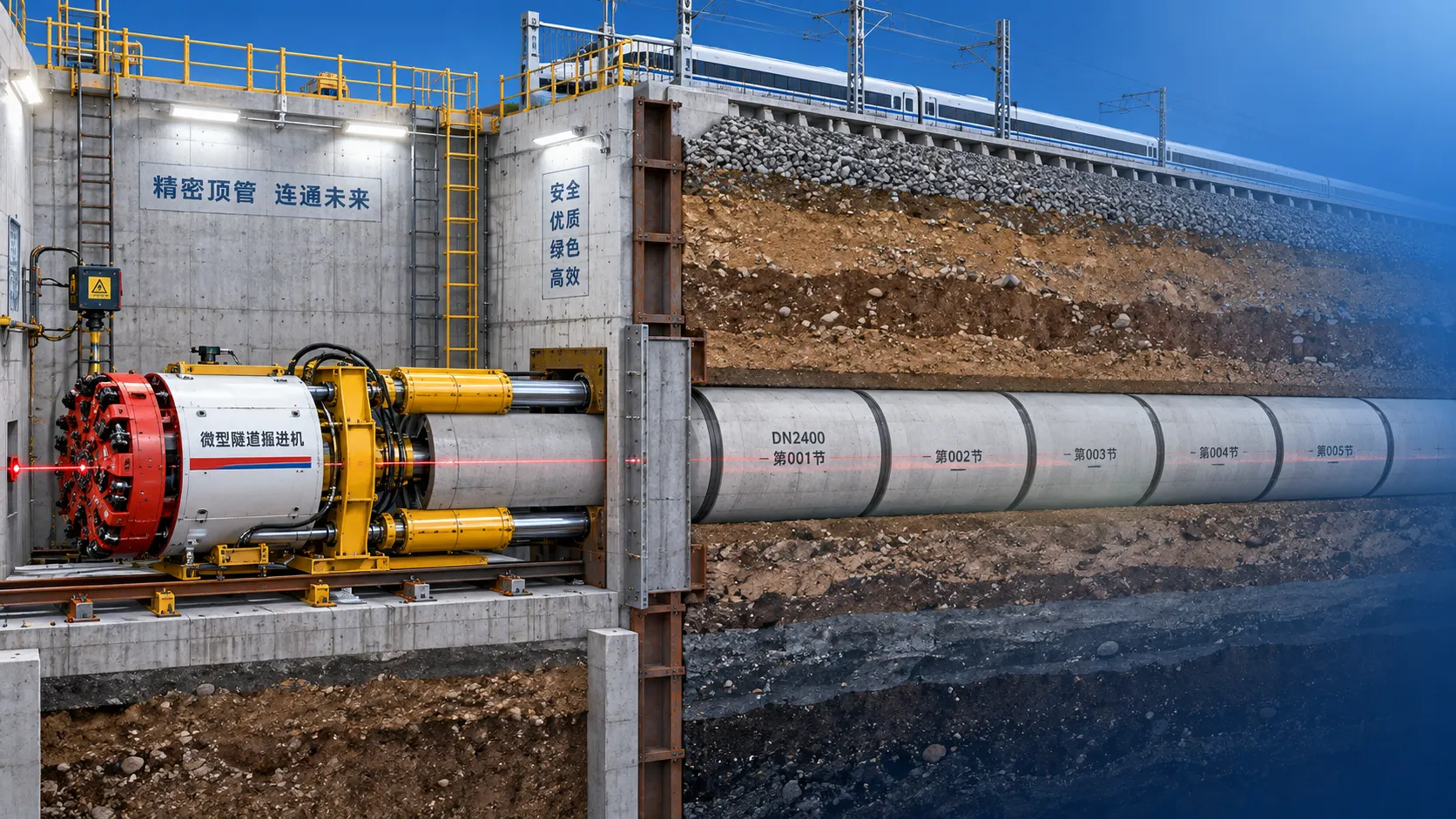
Which Trenchless Construction Technique Fits Your Utility Crossing Conditions?
Trenchless construction techniques compared for utility crossings: choose HDD, microtunnelling, pipe jacking, or auger boring based on ground, accuracy, access, and risk.
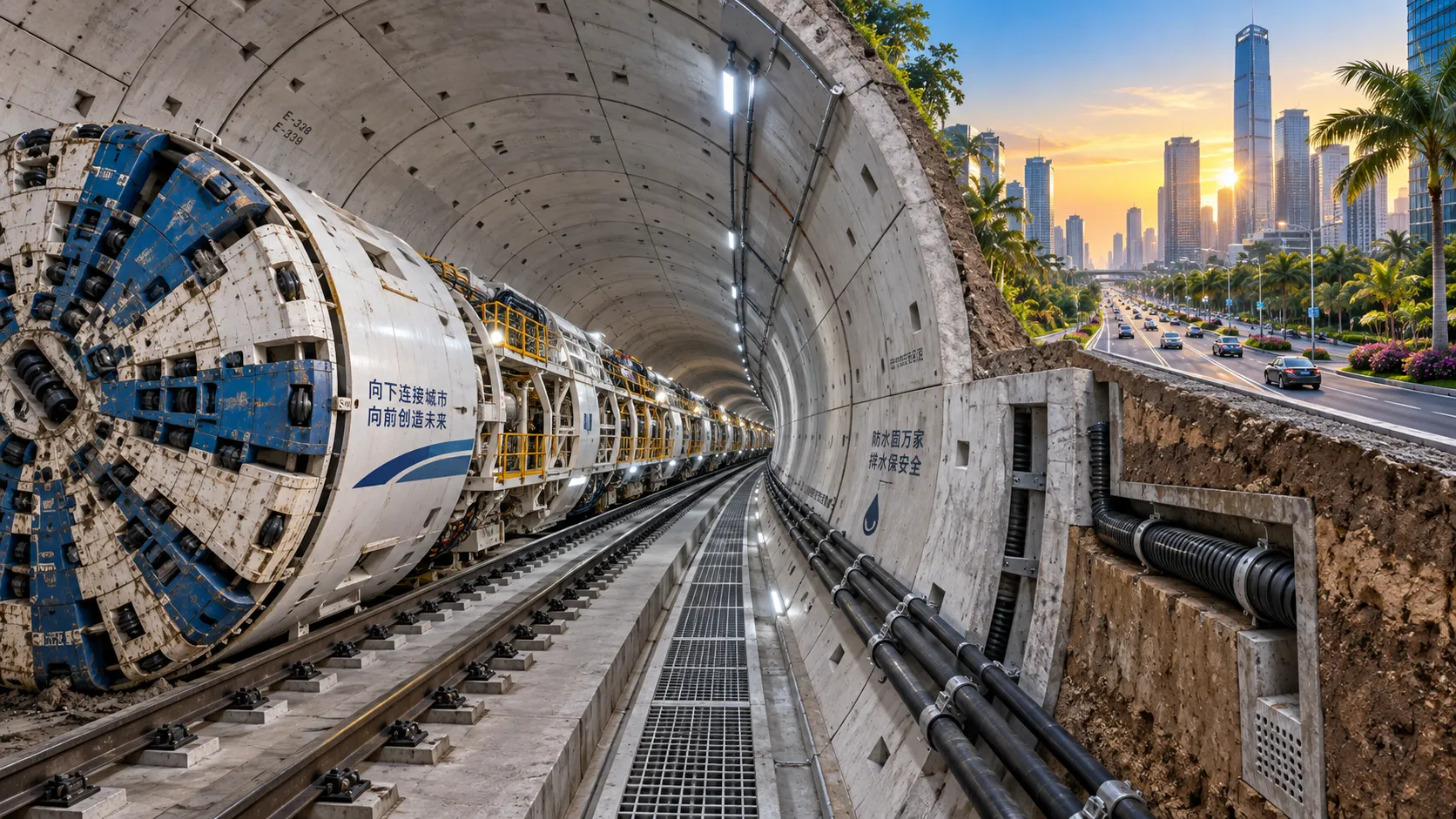
What Is Driving Metro Tunnelling Demand Across Southeast Asia’s Major Cities?
Metro tunnelling Southeast Asia is accelerating as major cities tackle congestion, flooding, and connectivity. Explore the market forces, technical risks, and opportunities shaping demand.
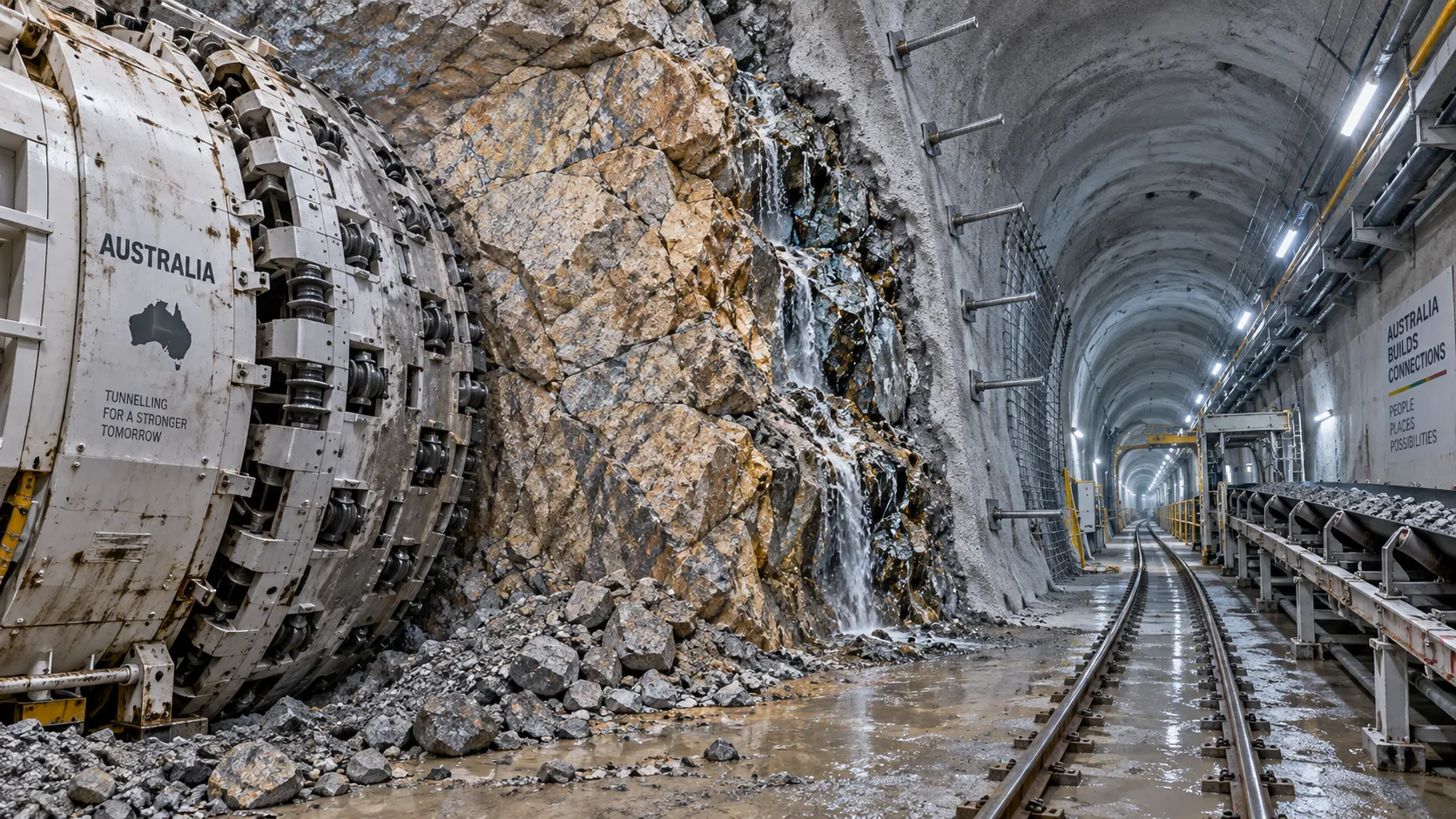
Hard Rock Tunnelling in Australia: Selecting Methods for Variable Ground Conditions
Hard rock tunnelling in Australia: compare TBM, drill-and-blast and hybrid methods to manage variable ground, reduce risk and protect project costs.
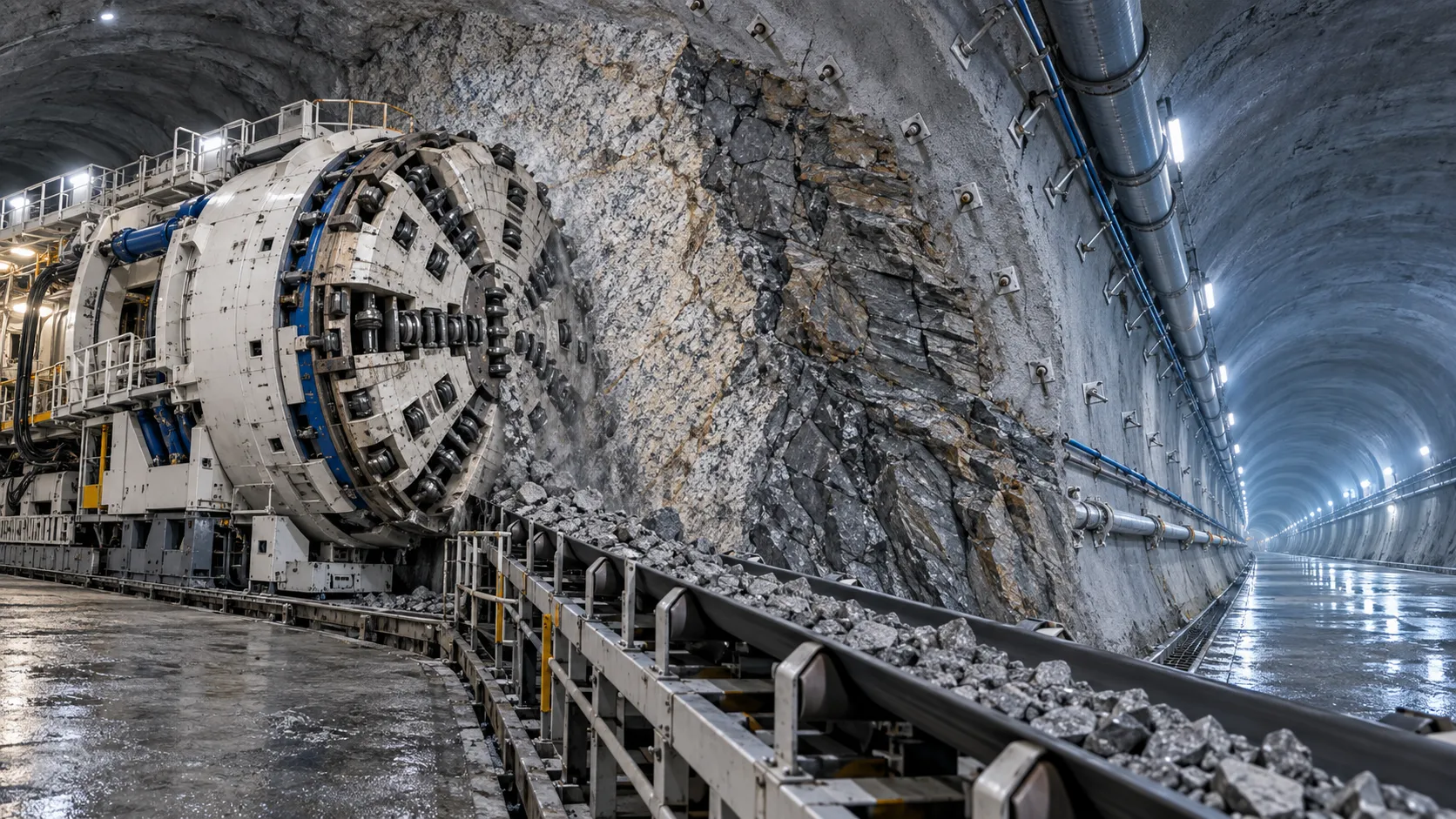
Hydropower Tunnel Excavation: Selecting Methods for Variable Rock Conditions
Hydropower tunnel excavation methods for variable rock conditions: compare TBM, drill-and-blast, and hybrid strategies to improve safety, progress, and project control.
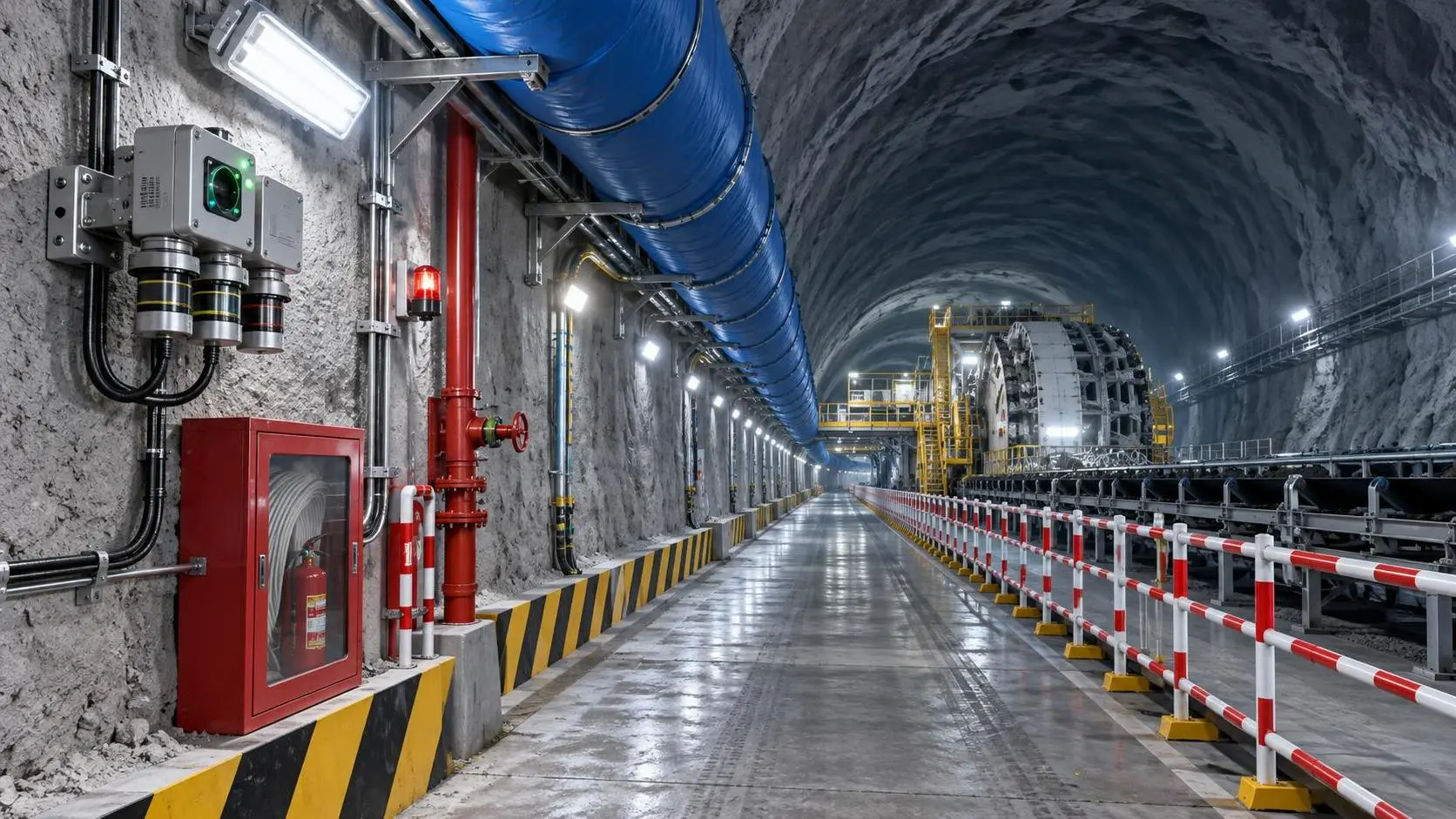
How to Select Underground Safety Equipment for Tunnelling by Hazard and Work Zone
Underground Safety Equipment for tunnelling: match protection to hazards, work zones, compliance, and emergency needs with this practical selection guide.

EPB or Slurry Shield? Selecting Soft-Ground Tunnelling Equipment by Soil Conditions
Tunnel Excavation Equipment for soft ground: compare EPB and slurry shields by soil, groundwater, settlement risk, and project logistics to choose confidently.

How to Specify TBM Backup System Parts for Reliable Long-Distance Tunnelling
TBM backup system parts: learn how to specify reliable spares for long-distance tunnelling, reduce downtime, ensure compatibility, and speed underground recovery.

How to Size Open Pit Mining Trucks for Haul Distance, Grade, and Payload?
Open Pit Mining Trucks: learn how to match payload, haul distance, grade, road resistance, and loading capacity for safer, lower-cost mine operations.
Related News
- 00
0000-00
How to Evaluate European Drill-and-Blast Tunnelling Contractors for Complex Projects - 00
0000-00
Which Trenchless Construction Technique Fits Your Utility Crossing Conditions? - 00
0000-00
What Is Driving Metro Tunnelling Demand Across Southeast Asia’s Major Cities? - 00
0000-00
Hard Rock Tunnelling in Australia: Selecting Methods for Variable Ground Conditions - 00
0000-00
Hydropower Tunnel Excavation: Selecting Methods for Variable Rock Conditions
Weekly Insights
Stay ahead with our curated technology reports delivered every Monday.