
EU Tightens Compliance Checks for Slurry Pipe Jacking Exports





On June 9, 2026, the European Commission formally submitted its 21st round of sanctions against Russia, expanding controls tied to military-related exports and adding vessels involved in refueling Russia’s so-called shadow fleet. For exporters of Slurry Pipe Jacking systems to Europe, the immediate point of attention is not a direct product ban, but a stricter compliance gate: additional end-user documentation and technical traceability are now required, with customs processing in key markets such as Germany and the Netherlands expected to take 5–7 more working days. That makes this development relevant not only for equipment manufacturers, but also for distributors, logistics teams, procurement functions, and buyers managing project schedules.
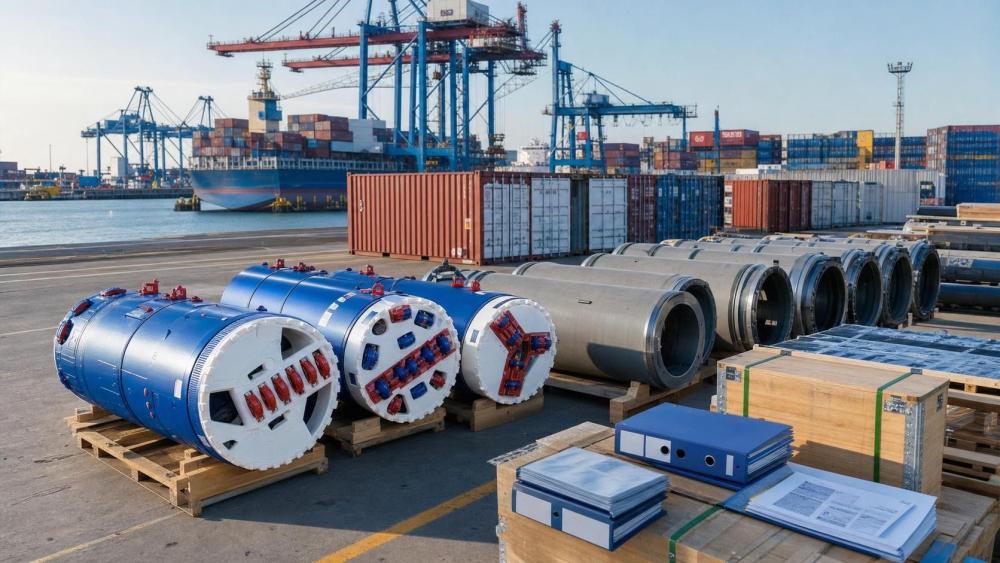
What the new submission specifically changes
According to the information provided, the European Commission submitted the 21st sanctions package on June 9. The package for the first time brings under control vessels that provide maritime refueling services to Russia’s shadow fleet, while also broadening export restrictions on goods linked to Russia’s military-industrial activities.
Although Slurry Pipe Jacking equipment was not directly named as a prohibited category, all Slurry Pipe Jacking systems exported to the EU are now required to provide an End-User Certificate (EUC) and proof of technical parameter traceability. The stated purpose is to prevent indirect diversion into sanctioned projects. In addition, customs clearance in major importing countries including Germany and the Netherlands is expected to be extended by 5–7 working days.
Where the pressure is likely to appear in the supply chain
Export transactions may slow before shipment, not only at customs
From an industry perspective, direct exporters are likely to feel the first impact in document preparation and transaction timing. The new requirement for EUC and technical traceability means shipments may face more pre-export review, more back-and-forth with customers, and closer scrutiny over how equipment specifications are documented.
Manufacturers may need tighter control over technical records
For equipment manufacturers and system integrators, the main issue is not only whether the product can be shipped, but whether its technical parameters can be consistently traced and presented. Analysis shows that product files, configuration records, and customer-facing technical documentation become more important when compliance review shifts from product naming to end use and traceability.
Logistics and customs coordination become more time-sensitive
Supply chain service providers, freight coordinators, and customs teams may be affected through longer lead times in Germany, the Netherlands, and other EU entry points. Observably, even a 5–7 working day extension can matter for delivery planning, installation windows, and payment milestones where projects are tightly sequenced.
Buyers and project operators may need to revisit scheduling assumptions
For procurement teams and end users in Europe, the issue may show up as timing uncertainty rather than immediate supply interruption. What deserves closer attention is whether purchasing schedules, contract delivery dates, and acceptance planning still reflect the added compliance review period now indicated in the market.
What companies should watch now
Track the exact wording behind compliance expectations
Companies involved in Slurry Pipe Jacking exports to the EU should pay close attention to how the relevant requirements are described in official follow-up language, especially around the format and depth of End-User Certificates and the scope of technical traceability proof.
Review document readiness for EU-bound shipments
In practical terms, the most immediate focus is whether current export files already support customer identity confirmation, declared end use, and equipment parameter traceability. The operational difference between a policy signal and a shipment delay often lies in whether these records are complete before goods move.
Adjust delivery communication with customers and partners
Because customs processing in Germany and the Netherlands is expected to lengthen by 5–7 working days, exporters, distributors, and project teams should closely monitor delivery promises, milestone planning, and customer communication for ongoing or near-term EU orders.
Pay attention to high-scrutiny routes and transactions
Analysis shows that firms should distinguish between general EU sales activity and shipments likely to draw closer review due to documentation gaps or end-user verification needs. This is less about broad market closure and more about elevated scrutiny in the compliance chain.
Why this matters beyond the headline
As an editorial observation, this development is better understood as a compliance escalation signal rather than a confirmed market shutdown for Slurry Pipe Jacking equipment. The fact that the equipment is not directly named, while still being subjected to added EUC and traceability requirements, suggests a regulatory focus on diversion risk and downstream use rather than only on product category labels.
It is also more appropriate to understand this as a live policy-and-execution issue that still requires monitoring. The practical effect on exporters will depend not just on the text of the sanctions package, but on how customs authorities and import-side reviewers apply these requirements in day-to-day clearance and document checks.
How to read the current signal
At this stage, the industry significance lies in tighter compliance friction around EU-bound Slurry Pipe Jacking exports, not in a confirmed ban on the equipment itself. The immediate impact is likely to center on documentation, traceability, customs timing, and transaction management. A neutral reading is that this is a short-term operational change with potential longer-term signaling value, especially for companies whose European business depends on predictable clearance timelines.
Basis of this article and what still needs verification
This article is based on the user-provided news title, event date, and event summary. For developments of this type, the categories of sources usually relevant include official government or EU announcements, company disclosures, industry association updates, authoritative media reporting, and compliance-related regulatory documents.
A specific official source link was not provided in the input, so the exact final text and implementation details still require continued verification. Follow-up attention should remain on any official clarifications, customs enforcement practice in major EU import markets, and whether documentation requirements for Slurry Pipe Jacking exports are further specified in subsequent notices.
Related News
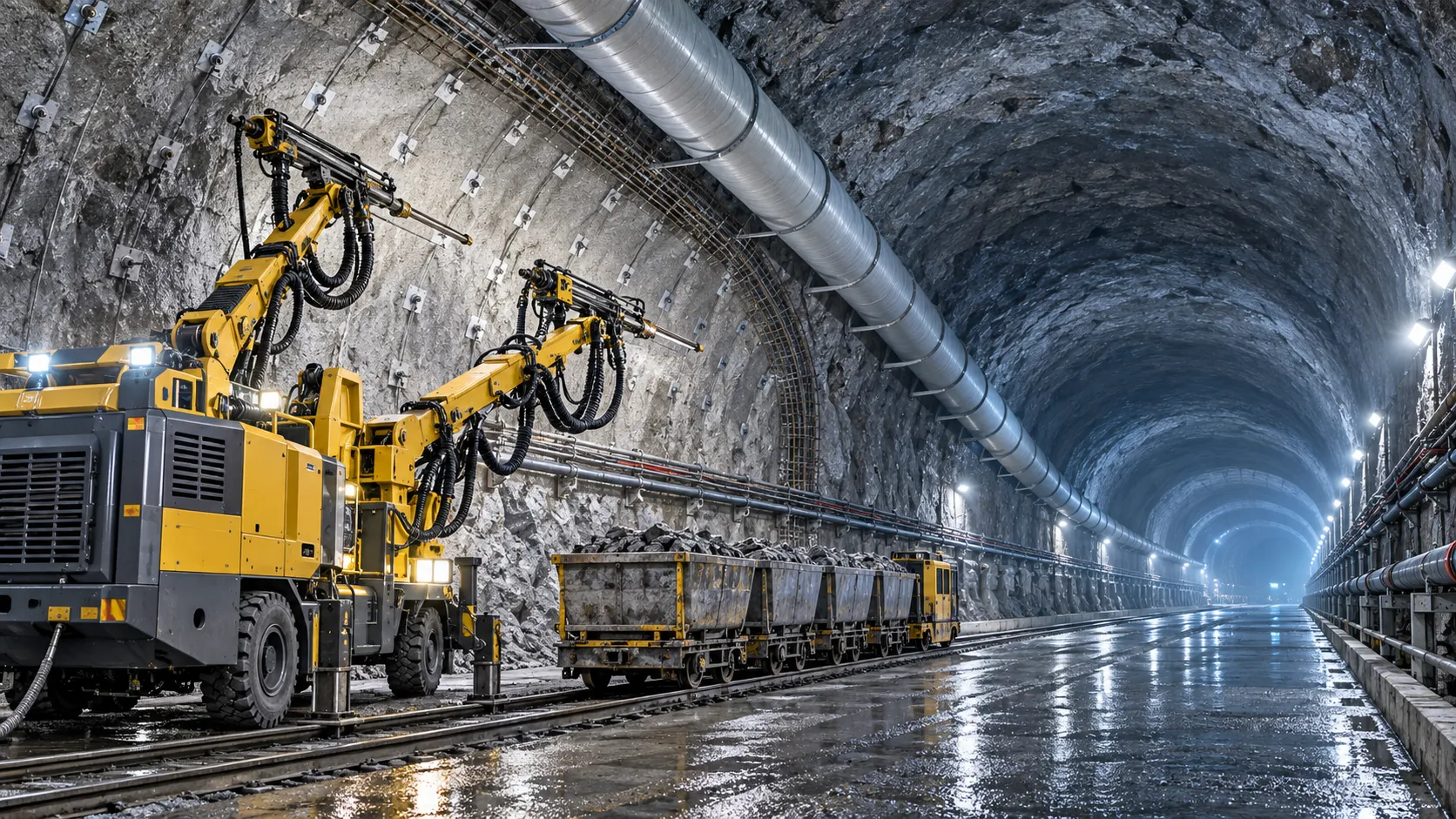
How to Evaluate European Drill-and-Blast Tunnelling Contractors for Complex Projects
Drill and blast tunnelling contractors Europe: learn how to assess geology expertise, blast control, equipment reliability, safety, and programme resilience for complex projects.
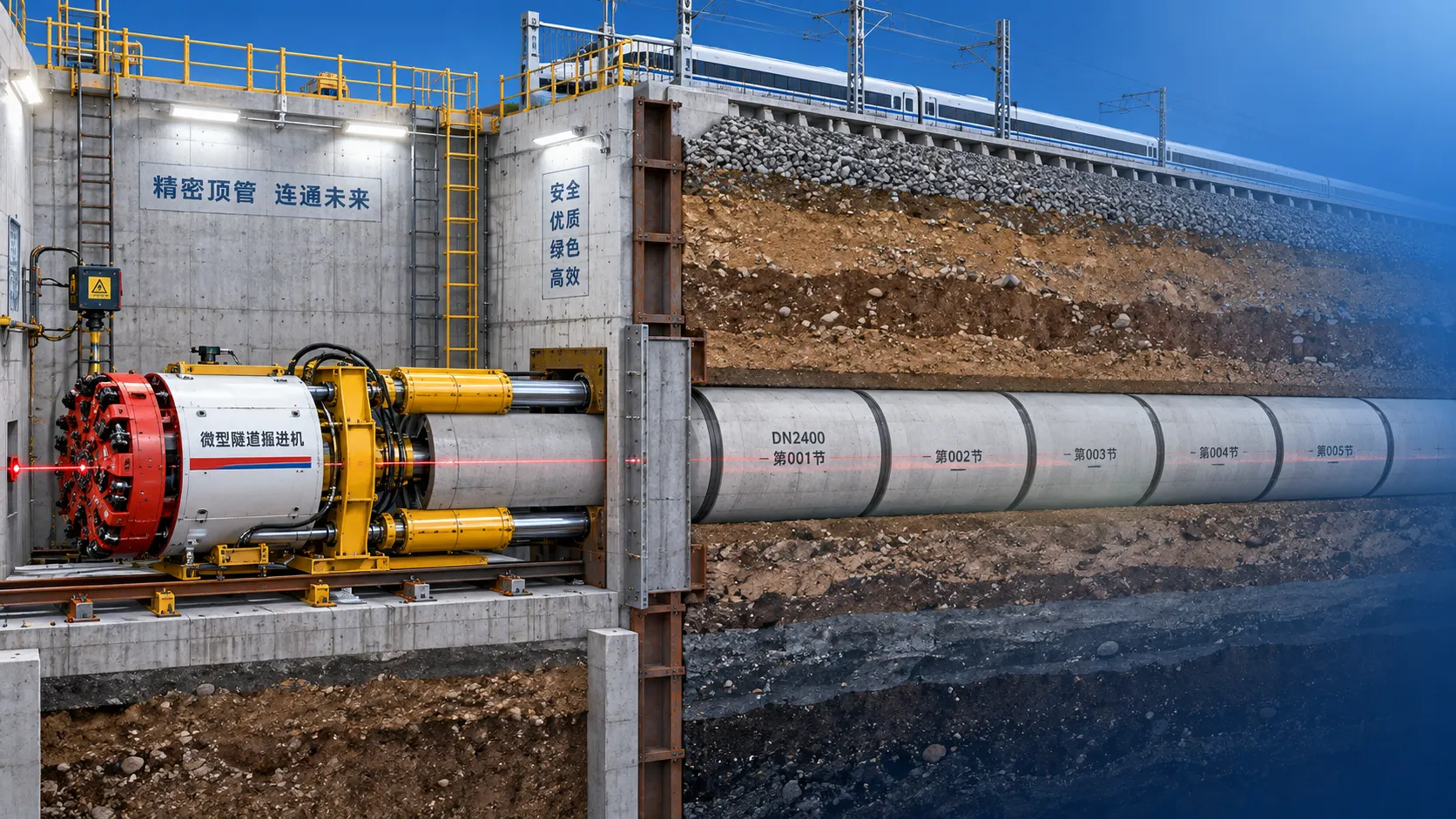
Which Trenchless Construction Technique Fits Your Utility Crossing Conditions?
Trenchless construction techniques compared for utility crossings: choose HDD, microtunnelling, pipe jacking, or auger boring based on ground, accuracy, access, and risk.
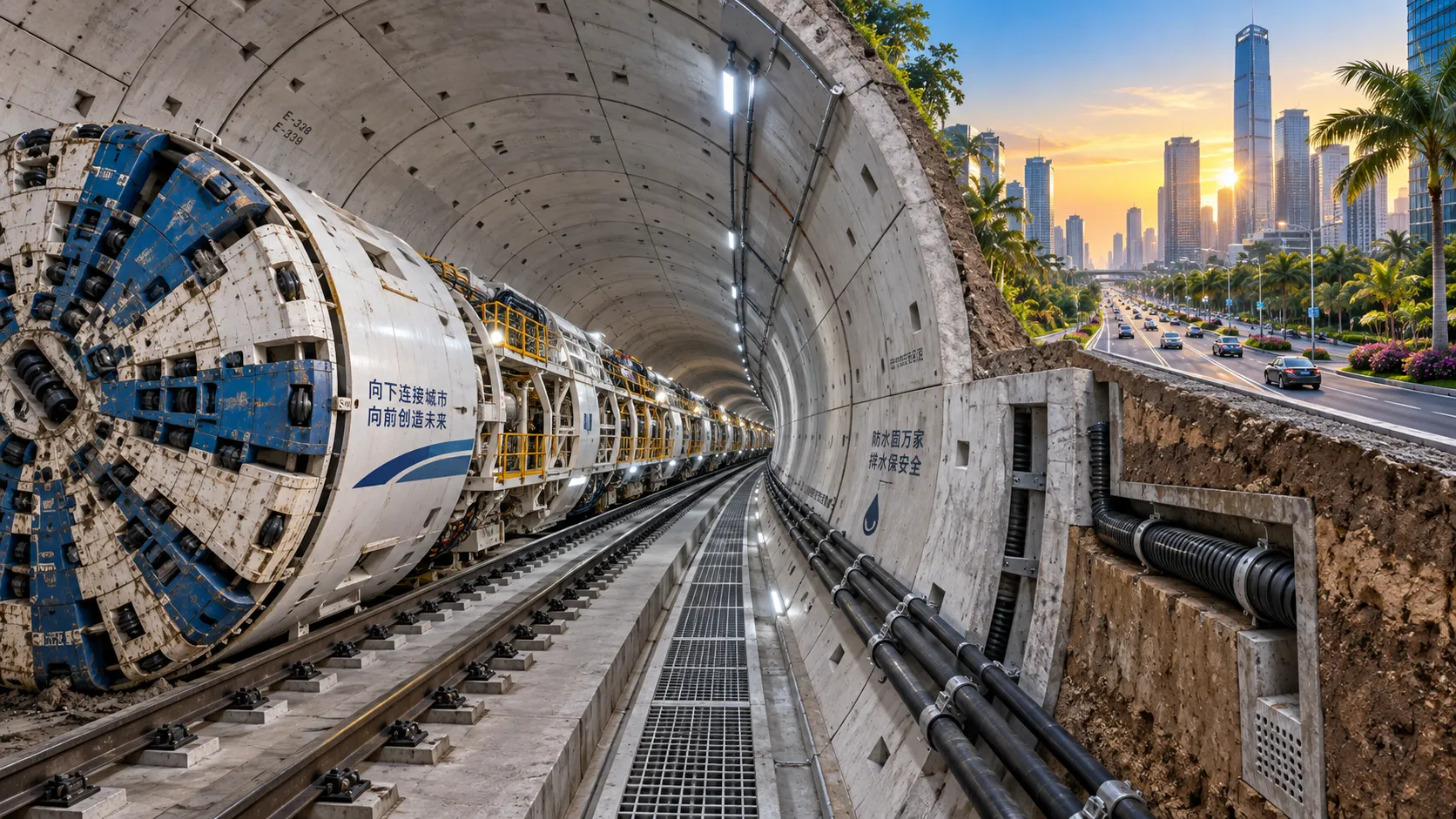
What Is Driving Metro Tunnelling Demand Across Southeast Asia’s Major Cities?
Metro tunnelling Southeast Asia is accelerating as major cities tackle congestion, flooding, and connectivity. Explore the market forces, technical risks, and opportunities shaping demand.
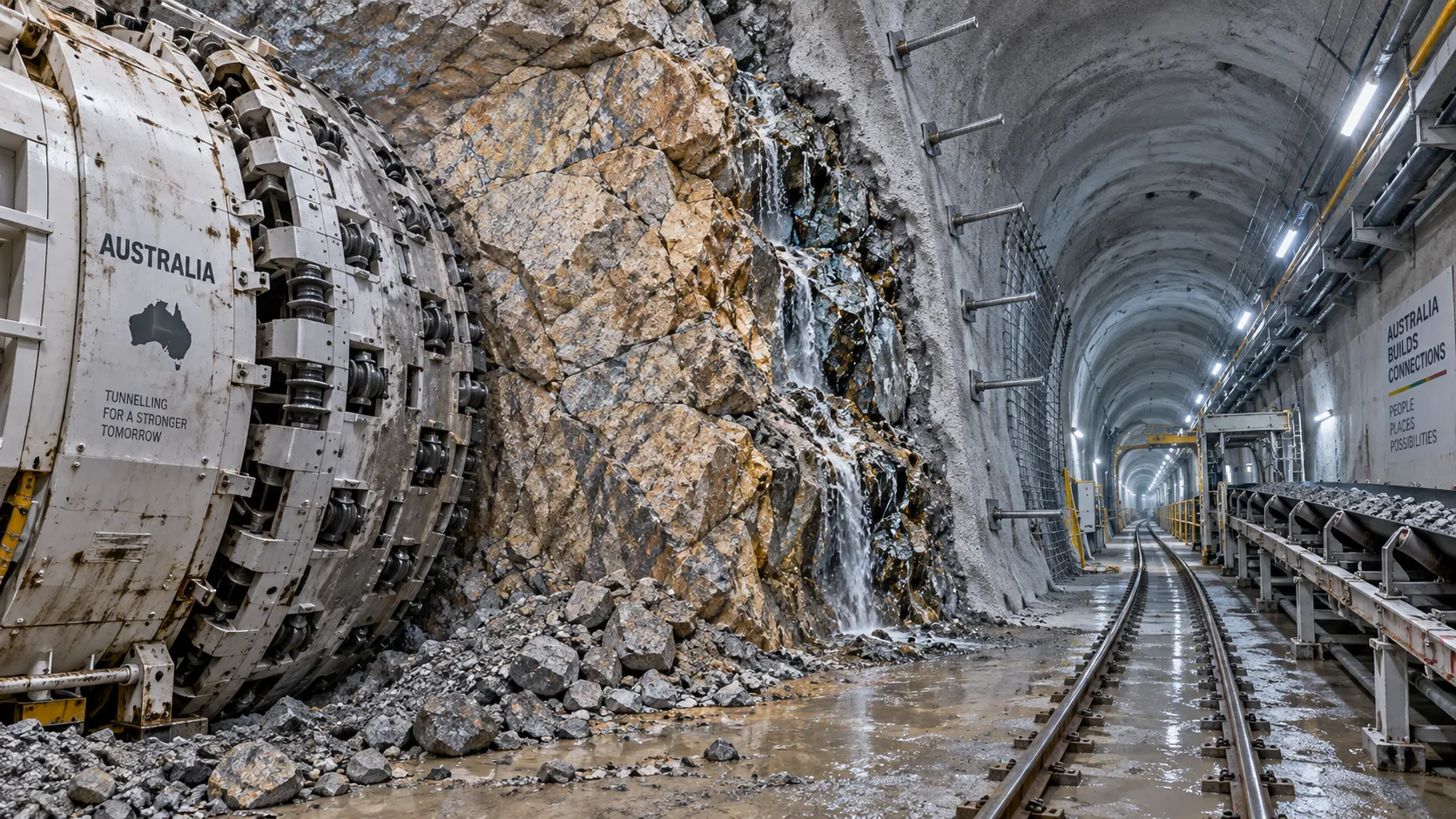
Hard Rock Tunnelling in Australia: Selecting Methods for Variable Ground Conditions
Hard rock tunnelling in Australia: compare TBM, drill-and-blast and hybrid methods to manage variable ground, reduce risk and protect project costs.
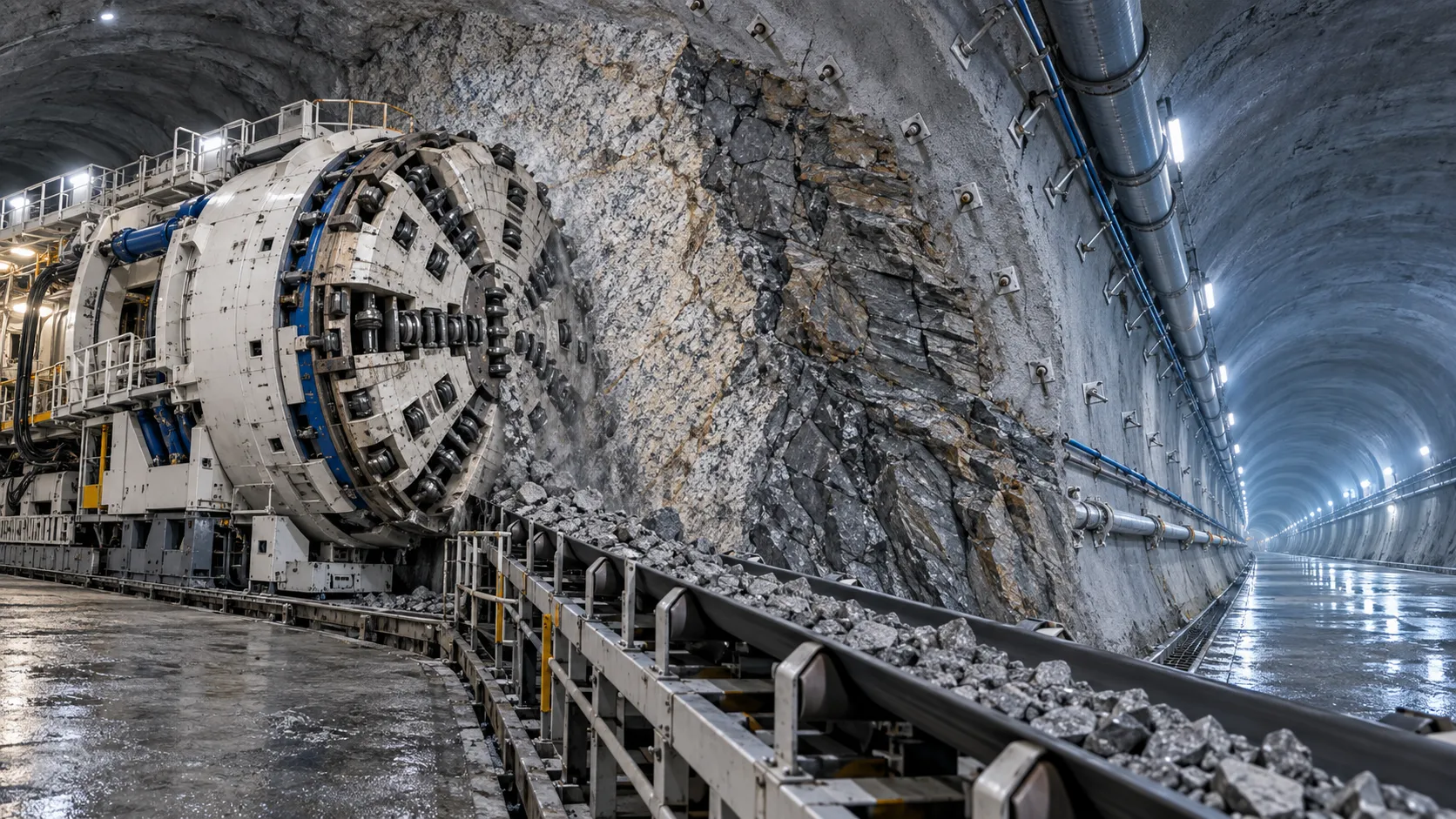
Hydropower Tunnel Excavation: Selecting Methods for Variable Rock Conditions
Hydropower tunnel excavation methods for variable rock conditions: compare TBM, drill-and-blast, and hybrid strategies to improve safety, progress, and project control.
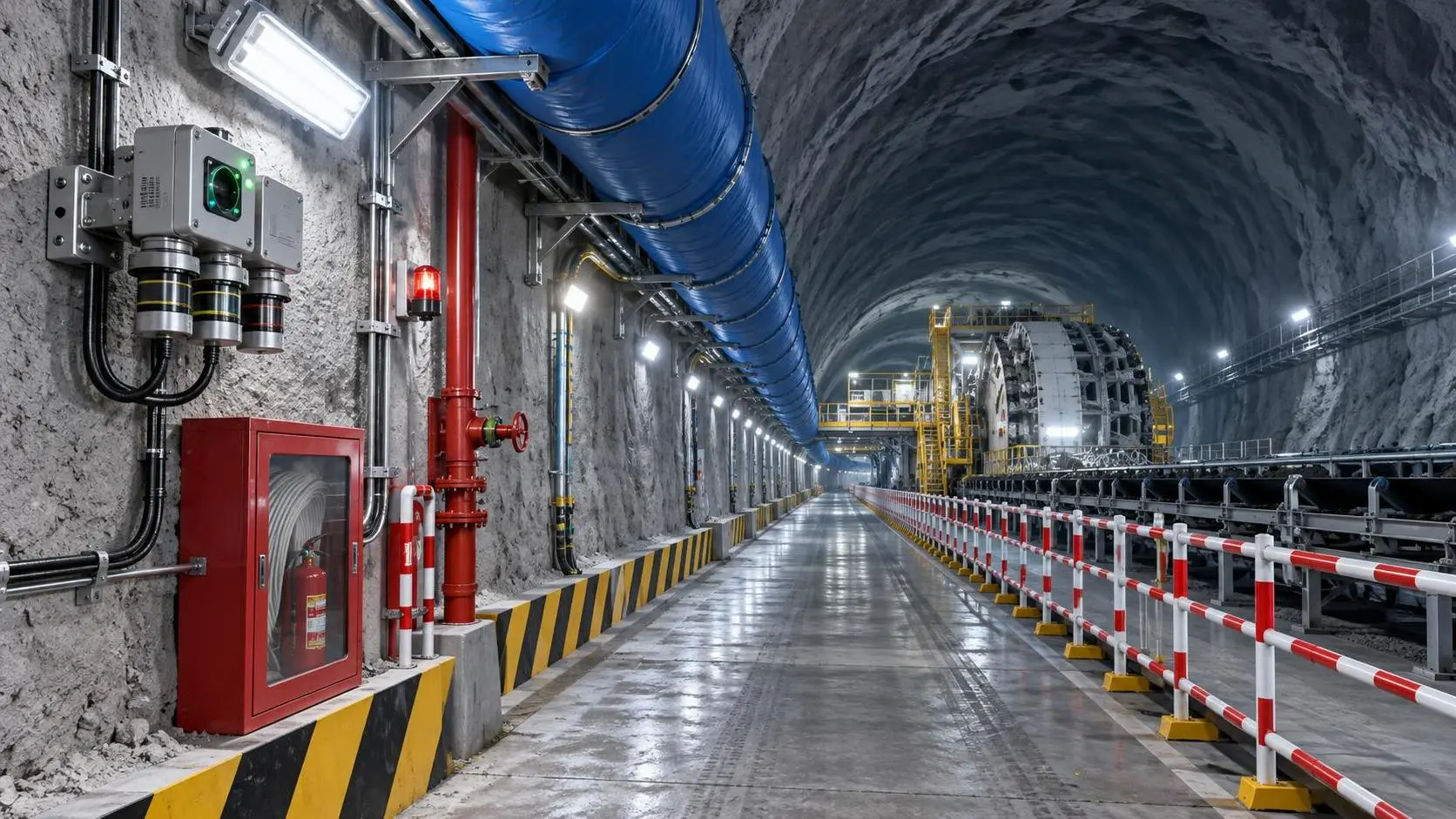
How to Select Underground Safety Equipment for Tunnelling by Hazard and Work Zone
Underground Safety Equipment for tunnelling: match protection to hazards, work zones, compliance, and emergency needs with this practical selection guide.
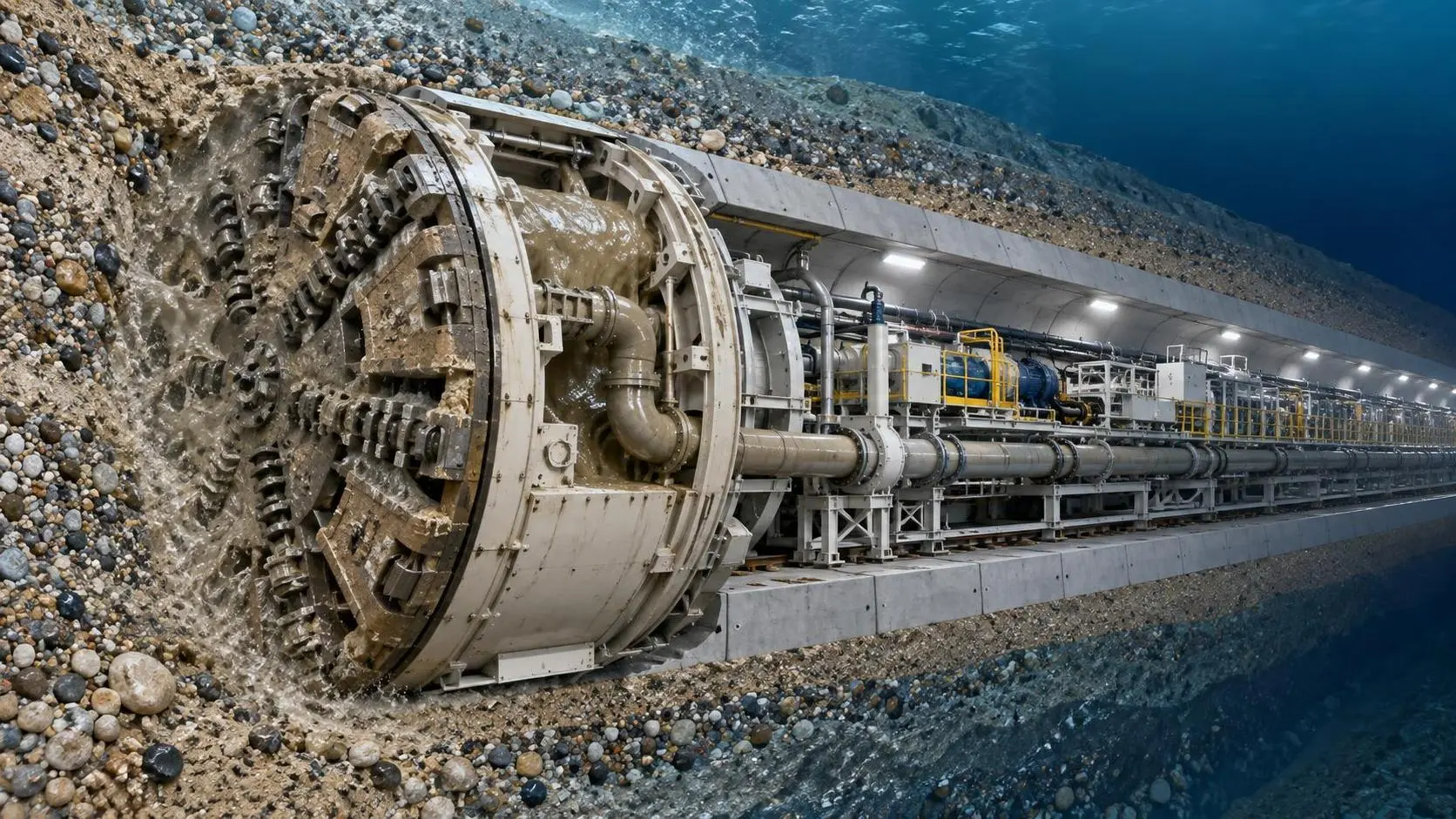
EPB or Slurry Shield? Selecting Soft-Ground Tunnelling Equipment by Soil Conditions
Tunnel Excavation Equipment for soft ground: compare EPB and slurry shields by soil, groundwater, settlement risk, and project logistics to choose confidently.
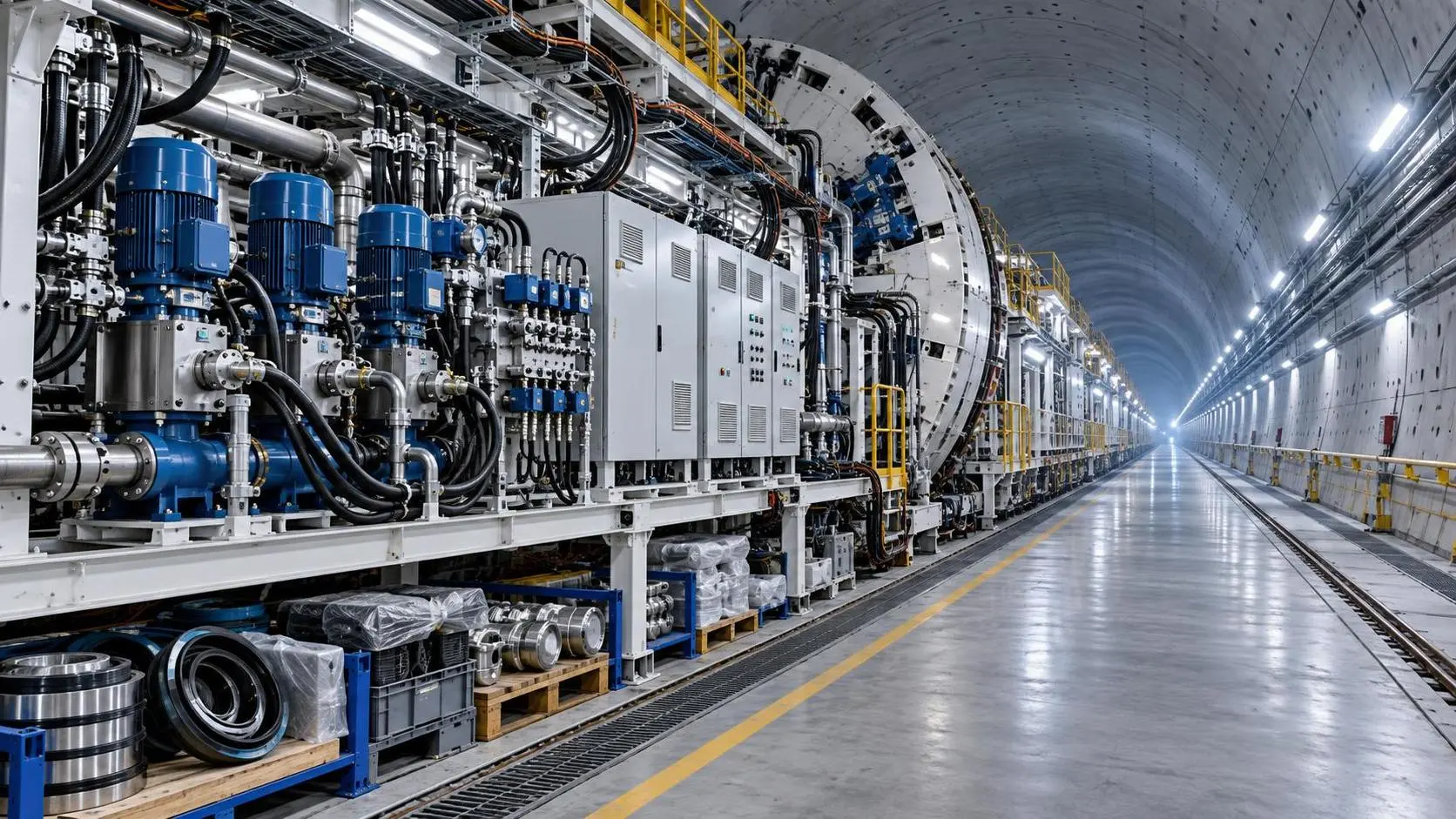
How to Specify TBM Backup System Parts for Reliable Long-Distance Tunnelling
TBM backup system parts: learn how to specify reliable spares for long-distance tunnelling, reduce downtime, ensure compatibility, and speed underground recovery.

How to Size Open Pit Mining Trucks for Haul Distance, Grade, and Payload?
Open Pit Mining Trucks: learn how to match payload, haul distance, grade, road resistance, and loading capacity for safer, lower-cost mine operations.
Related News
- 00
0000-00
How to Evaluate European Drill-and-Blast Tunnelling Contractors for Complex Projects - 00
0000-00
Which Trenchless Construction Technique Fits Your Utility Crossing Conditions? - 00
0000-00
What Is Driving Metro Tunnelling Demand Across Southeast Asia’s Major Cities? - 00
0000-00
Hard Rock Tunnelling in Australia: Selecting Methods for Variable Ground Conditions - 00
0000-00
Hydropower Tunnel Excavation: Selecting Methods for Variable Rock Conditions
Weekly Insights
Stay ahead with our curated technology reports delivered every Monday.