
How to Choose a Pipe Jacking Machine for Drainage Projects: Key Specs and Ground Conditions





Choosing a pipe jacking machine for drainage projects is rarely a simple equipment decision. It affects schedule certainty, settlement control, utility protection, crew safety, and the long-term performance of the installed line.
In urban drainage work, the right machine must match more than pipe diameter and jacking force. Ground behavior, groundwater pressure, alignment tolerance, and drive length often decide whether production stays predictable or turns into a claims issue.
That is why this topic continues to draw attention across trenchless construction. From UTMD’s perspective, pipe jacking sits beside TBMs and other underground systems as a precision method for building vital infrastructure with minimal surface disruption.
Why selection matters in modern drainage construction
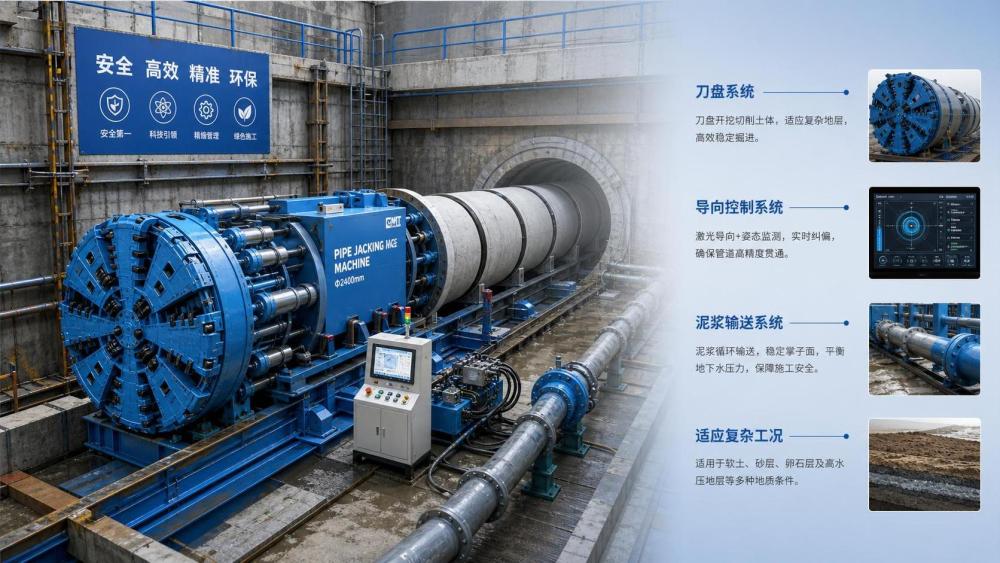
Drainage networks are being installed under denser streets, stricter environmental rules, and tighter possession windows. Open-cut alternatives are often limited by traffic, utilities, noise restrictions, and public tolerance for long excavations.
A suitable pipe jacking machine for drainage projects supports low-disturbance installation while maintaining line and grade. That matters especially for gravity sewers, where small deviations can reduce hydraulic performance or create maintenance problems later.
More importantly, selection now sits inside a wider project logic. Owners and contractors are not only comparing machine output. They are also weighing energy use, spoil handling, digital monitoring, and reliability under constrained underground conditions.
Start with the project envelope, not the machine brochure
The first filter is the drainage scheme itself. Is the line gravity-based or pressure-based? Does it require high positional accuracy? Are shafts compact, deep, or close to buildings? These answers narrow the machine class quickly.
A short urban crossing in soft clay may accept one setup. A long interceptor sewer under mixed ground may require a different balance of face support, guidance, slurry circulation, and cutterhead configuration.
In practice, the best pipe jacking machine for drainage projects is the one that fits the full construction envelope: shaft geometry, pipe material, settlement limits, dewatering constraints, and disposal logistics.
Key early questions
- What finished internal diameter is required for flow capacity and maintenance access?
- How long is each drive, and where are intermediate jacking stations possible?
- What settlement limit applies near roads, rail, basements, or utilities?
- Will groundwater remain stable, or is pressure variation expected?
- How much space is available for separation plants, cranes, and spoil handling?
The specifications that usually drive performance
Technical selection should focus on the parameters that influence risk and productivity. Some are obvious, such as diameter. Others, like steering response or lubrication strategy, often become decisive only after work starts.
Core machine factors
A frequent mistake is focusing too heavily on maximum thrust. High thrust capacity helps, but it does not compensate for poor spoil removal, unstable face pressure, or weak steering control.
For that reason, a pipe jacking machine for drainage projects should be reviewed as a system. The machine, lubrication plan, pipe design, shaft arrangement, and separation process must work together.
Ground conditions change the answer quickly
No selection is sound without a realistic reading of the ground. Borehole logs are important, but they are only the start. The real issue is how the ground will behave at the face and around the pipe during jacking.
Soft cohesive soils
Clays and silts may appear manageable, yet they can smear on the cutterhead, raise torque, and reduce spoil flow. Plasticity and adhesion matter as much as strength.
Granular soils with groundwater
Loose sands and gravels often demand reliable face support. Without it, loss of ground and settlement can escalate rapidly, especially near roads, buried services, and shallow foundations.
Mixed face and obstructions
Transitions between soil types are difficult to manage. Cobbles, fill, old foundations, and buried debris create uneven loading that can affect steering and increase cutter wear.
Weathered rock or hard inclusions
Even in drainage applications, sections of cemented ground or weathered rock may appear. Cutterhead tooling, penetration capability, and intervention planning then become more important than nominal advance rate.
UTMD often tracks this same pattern across underground sectors: machine reliability depends on the interaction between geology, tooling, fluid management, and operational discipline. Pipe jacking is no exception.
Drive length, alignment, and shaft constraints
A pipe jacking machine for drainage projects that performs well on a short drive may not be suitable for a long reach under the same soil. Friction builds, lubrication demand rises, and guidance tolerance becomes harder to protect.
Shaft size also changes the selection logic. Small launch shafts can restrict crane lifts, slurry equipment layout, and pipe handling cycles. Deep shafts introduce more demanding lifting, safety, and access planning.
Where grade control is critical, guidance systems deserve close review. Laser guidance, articulation response, and real-time monitoring should be assessed together, not as isolated features.
What tends to increase project risk
- Long drives without a clear friction reduction strategy.
- Underestimating groundwater pressure changes across seasons.
- Limited geotechnical coverage in reclaimed or filled urban ground.
- Pipe strength assumptions that ignore actual jacking loads.
- Machine choice based on past habit rather than present ground behavior.
Selection is also about operations, not only hardware
Two machines with similar headline specifications can deliver very different outcomes. The difference often comes from maintenance access, spare parts strategy, operator visibility, and data quality during the drive.
This is where broader underground intelligence becomes useful. UTMD’s lens on trenchless and heavy underground systems highlights a common trend: decision quality improves when teams compare asset utilization, monitoring capability, and intervention readiness, not just purchase metrics.
For drainage work, that means reviewing the full operating chain. Spoil treatment, lubrication consumables, steering data, cutter inspection intervals, and contingency planning should sit inside the same evaluation process.
A practical way to compare options
When comparing candidates, use a weighted matrix tied to the actual alignment. A good review structure usually balances geotechnical fit, drive capability, settlement control, logistics, and support requirements.
This approach helps identify the right pipe jacking machine for drainage projects without reducing the decision to a single catalog number. It also creates a clearer record for design review, procurement, and construction planning.
What to do before making the final decision
Before locking the machine selection, align the geotechnical model with the proposed excavation method. Recheck the longest drive, expected water regime, obstruction risk, and allowable settlement along sensitive sections.
Then test the choice against real site constraints. Confirm shaft dimensions, pipe class, lubrication points, spoil treatment capacity, and contingency procedures for difficult ground or stalled progress.
A well-chosen pipe jacking machine for drainage projects is not simply powerful enough. It is compatible with the ground, the alignment, the support systems, and the operational discipline the project can actually sustain.
The next useful step is to build a short comparison sheet for each candidate machine, using project-specific data rather than generic claims. That usually reveals the strongest option faster than any brochure summary.
Related News
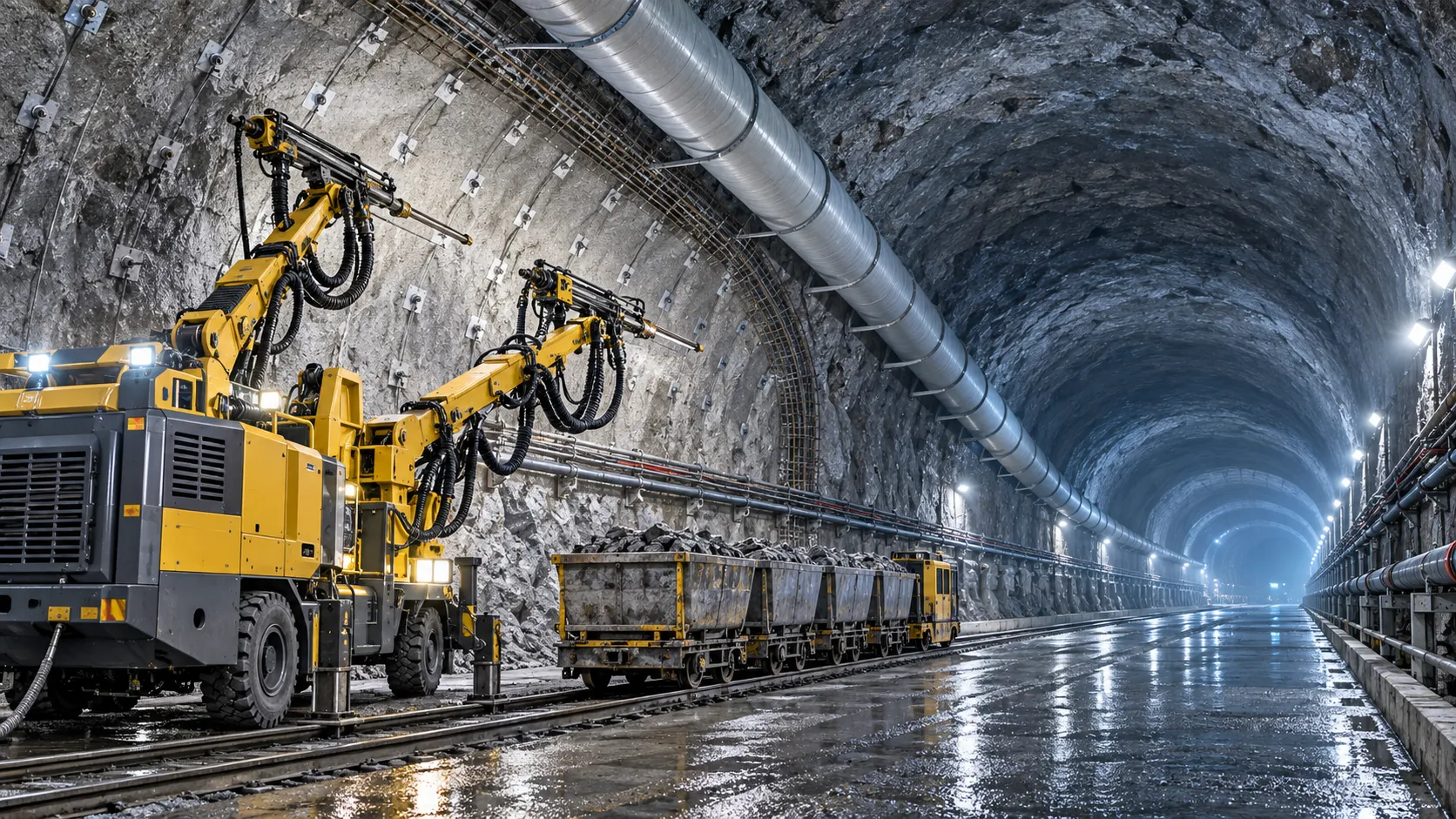
How to Evaluate European Drill-and-Blast Tunnelling Contractors for Complex Projects
Drill and blast tunnelling contractors Europe: learn how to assess geology expertise, blast control, equipment reliability, safety, and programme resilience for complex projects.
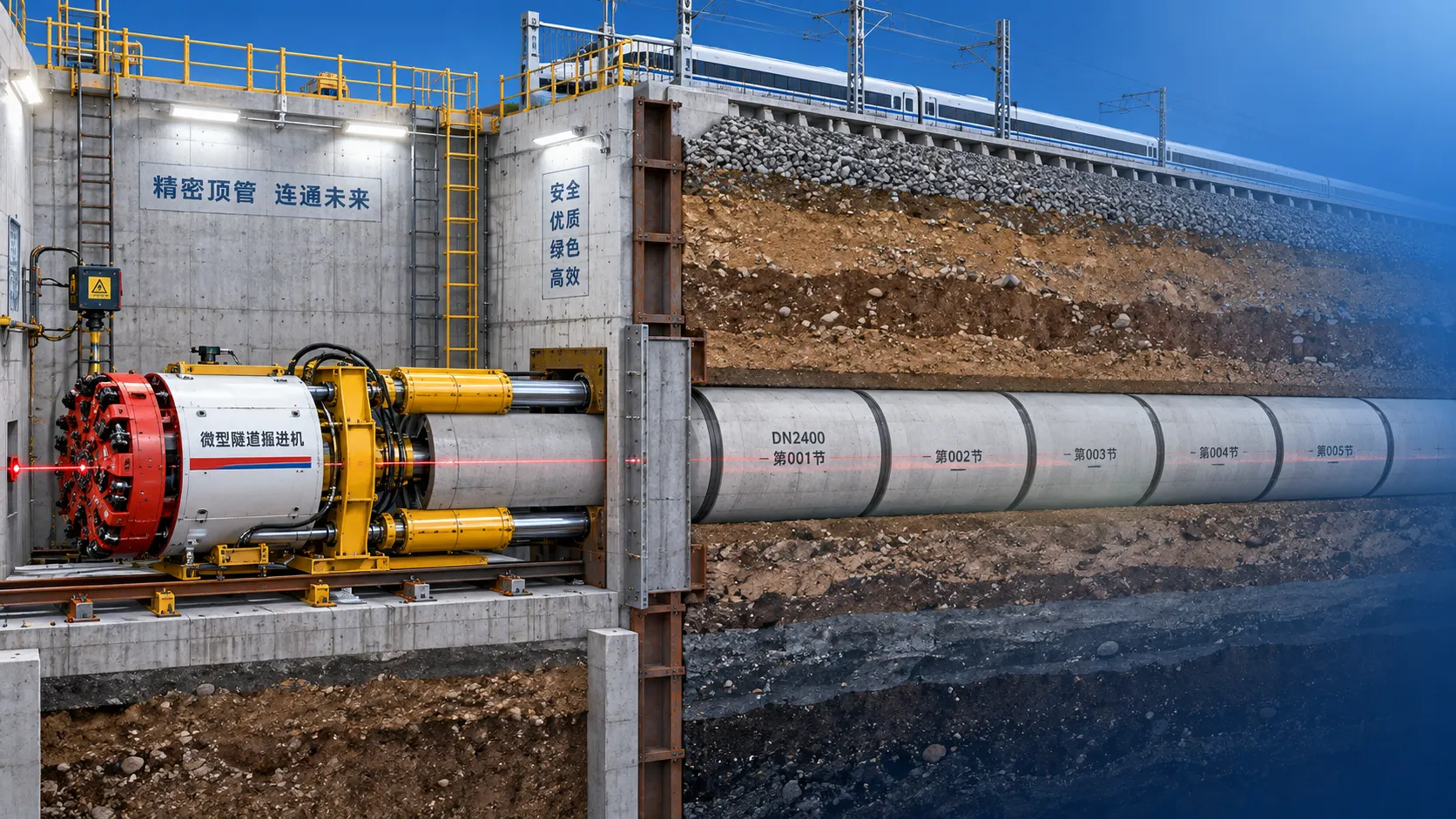
Which Trenchless Construction Technique Fits Your Utility Crossing Conditions?
Trenchless construction techniques compared for utility crossings: choose HDD, microtunnelling, pipe jacking, or auger boring based on ground, accuracy, access, and risk.
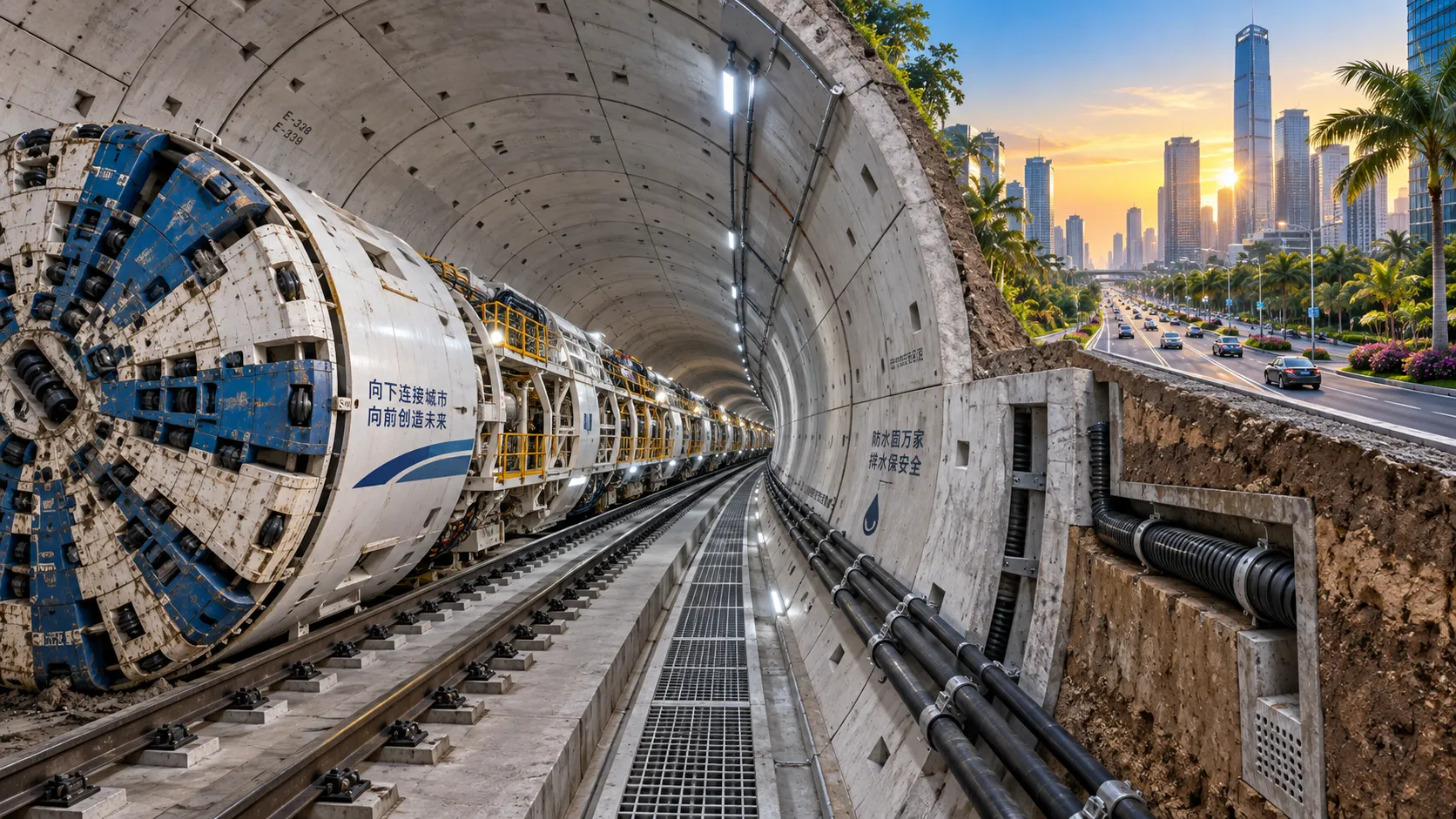
What Is Driving Metro Tunnelling Demand Across Southeast Asia’s Major Cities?
Metro tunnelling Southeast Asia is accelerating as major cities tackle congestion, flooding, and connectivity. Explore the market forces, technical risks, and opportunities shaping demand.
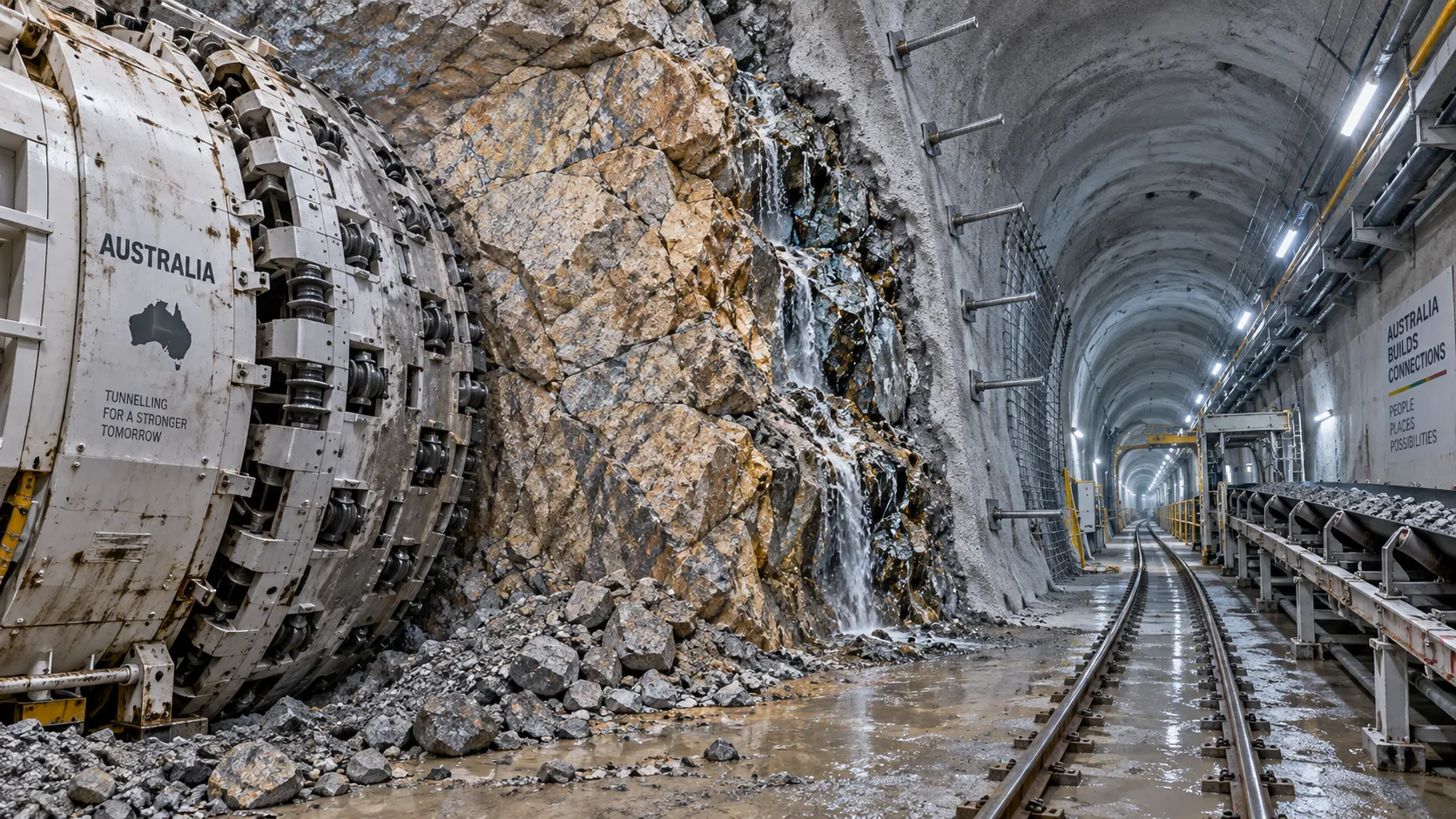
Hard Rock Tunnelling in Australia: Selecting Methods for Variable Ground Conditions
Hard rock tunnelling in Australia: compare TBM, drill-and-blast and hybrid methods to manage variable ground, reduce risk and protect project costs.
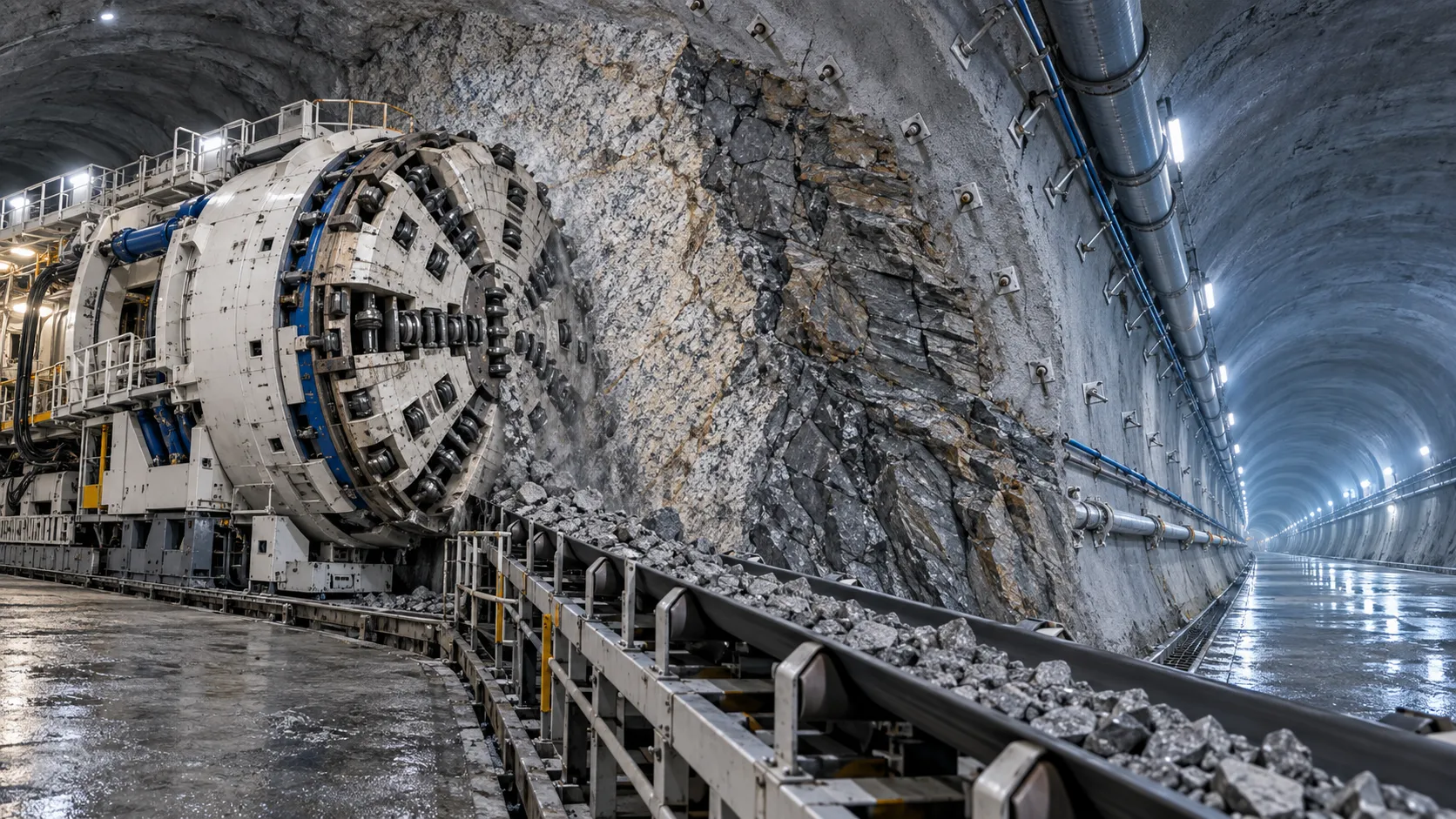
Hydropower Tunnel Excavation: Selecting Methods for Variable Rock Conditions
Hydropower tunnel excavation methods for variable rock conditions: compare TBM, drill-and-blast, and hybrid strategies to improve safety, progress, and project control.
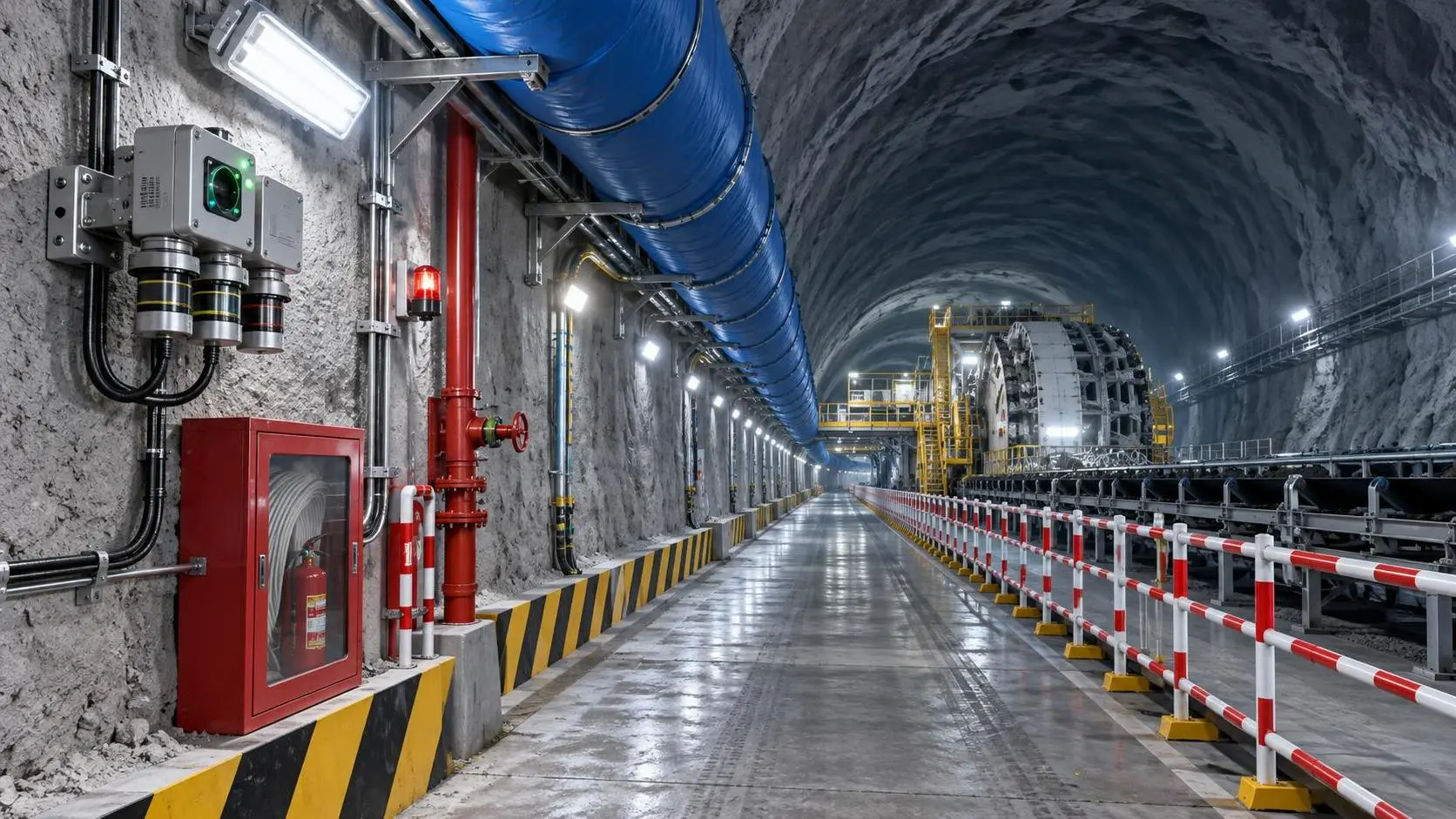
How to Select Underground Safety Equipment for Tunnelling by Hazard and Work Zone
Underground Safety Equipment for tunnelling: match protection to hazards, work zones, compliance, and emergency needs with this practical selection guide.
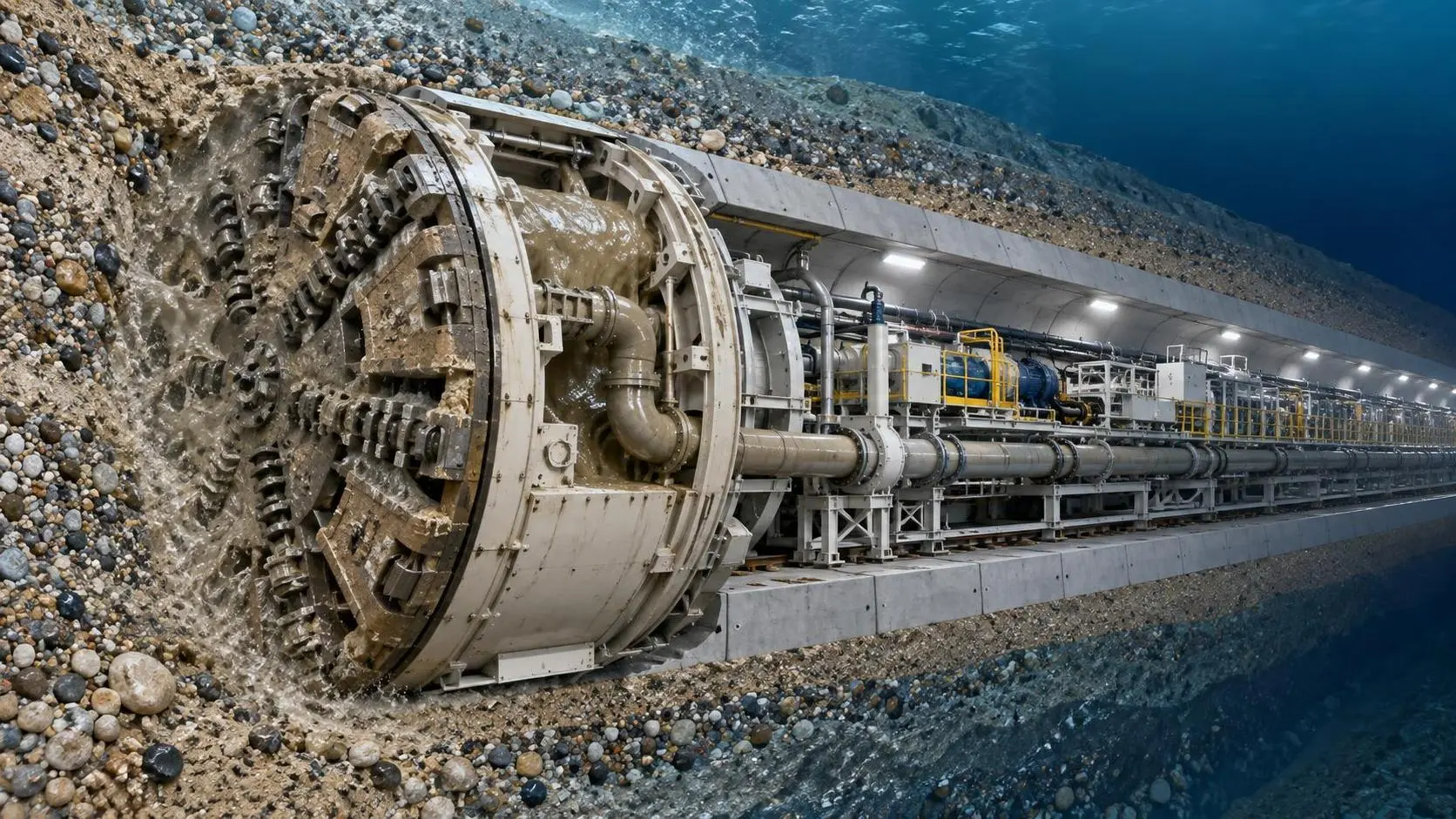
EPB or Slurry Shield? Selecting Soft-Ground Tunnelling Equipment by Soil Conditions
Tunnel Excavation Equipment for soft ground: compare EPB and slurry shields by soil, groundwater, settlement risk, and project logistics to choose confidently.
How to Specify TBM Backup System Parts for Reliable Long-Distance Tunnelling
TBM backup system parts: learn how to specify reliable spares for long-distance tunnelling, reduce downtime, ensure compatibility, and speed underground recovery.
How to Size Open Pit Mining Trucks for Haul Distance, Grade, and Payload?
Open Pit Mining Trucks: learn how to match payload, haul distance, grade, road resistance, and loading capacity for safer, lower-cost mine operations.
Related News
- 00
0000-00
How to Evaluate European Drill-and-Blast Tunnelling Contractors for Complex Projects - 00
0000-00
Which Trenchless Construction Technique Fits Your Utility Crossing Conditions? - 00
0000-00
What Is Driving Metro Tunnelling Demand Across Southeast Asia’s Major Cities? - 00
0000-00
Hard Rock Tunnelling in Australia: Selecting Methods for Variable Ground Conditions - 00
0000-00
Hydropower Tunnel Excavation: Selecting Methods for Variable Rock Conditions
Weekly Insights
Stay ahead with our curated technology reports delivered every Monday.