
ECRL Power-Up Lifts Slurry Pipe Jacking Demand





Between 2026-06-01 and 2026-06-07, the Malaysia East Coast Rail Link project recorded a concentrated power-up of seven 11kV substations in locations including Bentong and Temerloh, creating energized connection conditions for the Kota Bharu–Gombak section. For industry participants, the immediate point of attention is not only the electrical milestone itself, but also the faster construction rhythm it signals for underground power corridors, tunnel interfaces, and municipal pipeline works, with short-term implications for Slurry Pipe Jacking equipment rental, procurement, and supporting delivery capacity.
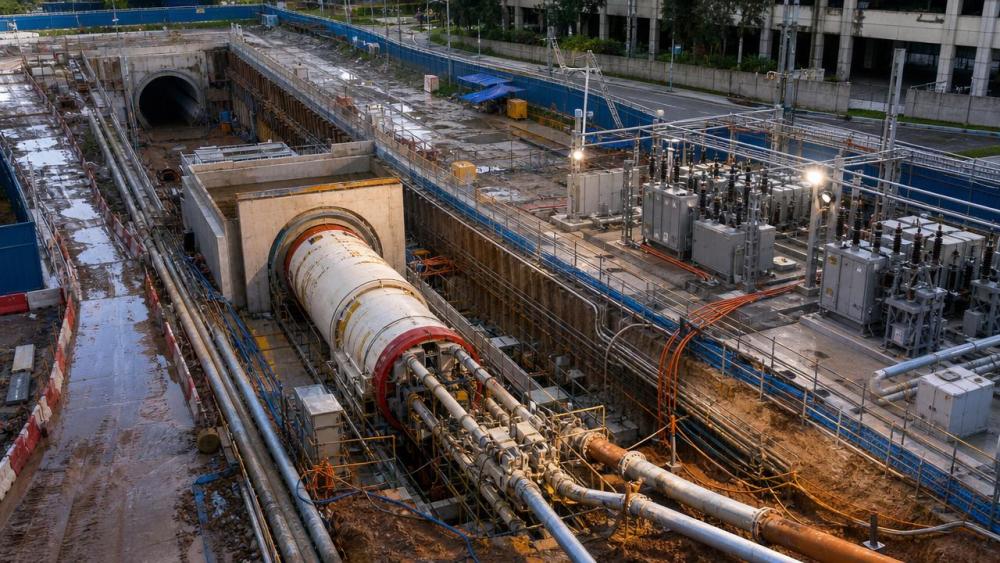
A seven-day power milestone with direct construction implications
According to the provided event information, in early June 2026, the ECRL project built by China Communications Construction completed the energization of seven 11kV substations within seven days. The substations included sites in Bentong and Temerloh. This marked that the Kota Bharu–Gombak section had reached the condition for energized connectivity.
The same project development is described as accelerating the pace of work for underground power corridors, tunnel interfaces, and municipal utility networks along the route. The provided summary also states that this progress pushed up short-term demand for Slurry Pipe Jacking equipment through both rental and purchase channels, especially for EPB shield-supporting pipe jacking systems used in water-bearing soft ground conditions.
Where the demand signal is likely to be felt first
Equipment rental and procurement move to the front line
From an industry perspective, equipment lessors and procurement teams are the most immediate market participants affected by this development. If underground corridor and interface works move faster after the substations are energized, the need for available Slurry Pipe Jacking systems can shift from planning to near-term execution. What deserves closer attention is whether demand concentrates in short delivery windows rather than in a broad, long-cycle expansion.
Manufacturing and assembly face timing pressure
For equipment manufacturers and assembly-oriented suppliers, the impact is likely to appear in production scheduling, component readiness, and system matching for EPB shield-related pipe jacking applications. Analysis shows that the key issue is not simply more inquiries, but whether suppliers can respond to project-specific technical requirements tied to soft, water-bearing ground conditions without stretching lead times.
Service and support providers may see tighter coordination needs
Contract service providers, logistics coordinators, and site support teams may also feel the effect through compressed mobilization schedules. Observably, when project interfaces advance in a concentrated period, demand often shifts toward faster equipment positioning, documentation readiness, and closer coordination between equipment owners, contractors, and on-site engineering teams. In this case, the provided information supports attention to those execution links, even though no further volume data has been disclosed.
What companies should monitor now
Watch how follow-on project language evolves
Companies linked to trenchless construction and underground utility delivery should track whether subsequent project communications continue to emphasize corridor, tunnel interface, and municipal network acceleration. This matters because the current information confirms a near-term construction push, but does not by itself establish how long that pace will last.
Prioritize equipment suitability over broad demand assumptions
The current signal is closely tied to Slurry Pipe Jacking systems suitable for EPB shield support in soft, water-bearing formations. For suppliers and buyers, the practical issue is to confirm technical fit, configuration readiness, and site-use compatibility rather than treating the development as a blanket demand increase across all trenchless equipment categories.
Prepare for shorter response windows in supply and delivery
Analysis shows that rental providers, procurement teams, and related service companies should pay attention to lead times, equipment availability, and handover preparation. Where workfronts accelerate, communication with clients on delivery sequencing, supporting documents, and execution timing can become as important as quoted price.
Separate confirmed progress from broader market conclusions
What deserves closer attention is the distinction between a confirmed project milestone and a wider market trend. The energization of seven substations and the resulting short-term equipment demand increase are clearly stated in the provided information, but companies should remain cautious about extending that signal into broader regional demand assumptions without further verification.
Why this looks like a near-term signal, not a settled trend
Observably, this development carries two layers of meaning. First, it confirms that a critical railway infrastructure segment has moved into a more execution-ready stage for related underground works. Second, it indicates that equipment demand can react quickly when electrical and interface conditions are unlocked on a major project.
Analysis shows, however, that this is more appropriate to understand as a short-term and project-linked demand signal rather than proof of a lasting market shift. The provided information points to acceleration and a near-term rise in rental and procurement needs, but it does not confirm duration, repeatability, or spillover into unrelated projects. That is why the event remains important for industry monitoring without yet justifying broad conclusions.
How the market may best read this development
The immediate industry significance of this update lies in timing. A concentrated substation energization milestone has implications beyond power infrastructure, because it can unlock or speed up connected underground construction activities. For suppliers, contractors, and service providers tied to Slurry Pipe Jacking systems, the current message is practical: demand may tighten quickly when project interfaces advance together.
At this stage, it is more appropriate to understand the event as a clear operational signal with short-cycle business relevance, while keeping longer-term judgment open. The milestone is real, the equipment demand response is explicit in the provided information, and the next step for the market is continued observation rather than overextension of the signal.
Basis of this article and what still needs verification
This article is based on the user-provided news title, event date range, and event summary. The available input confirms the seven-day energization of seven 11kV substations on the ECRL project, the energized connection condition for the Kota Bharu–Gombak section, and the related short-term increase in Slurry Pipe Jacking equipment demand.
For this type of industry update, source categories typically worth checking include official project announcements, company statements, industry association updates, authoritative media coverage, and relevant technical or standards-related documents. No specific official source link was provided in the input, so the underlying details still require ongoing verification. Follow-up attention should focus on subsequent official wording around construction progress, equipment deployment, and whether the current demand increase remains short term or extends into later project stages.
Related News
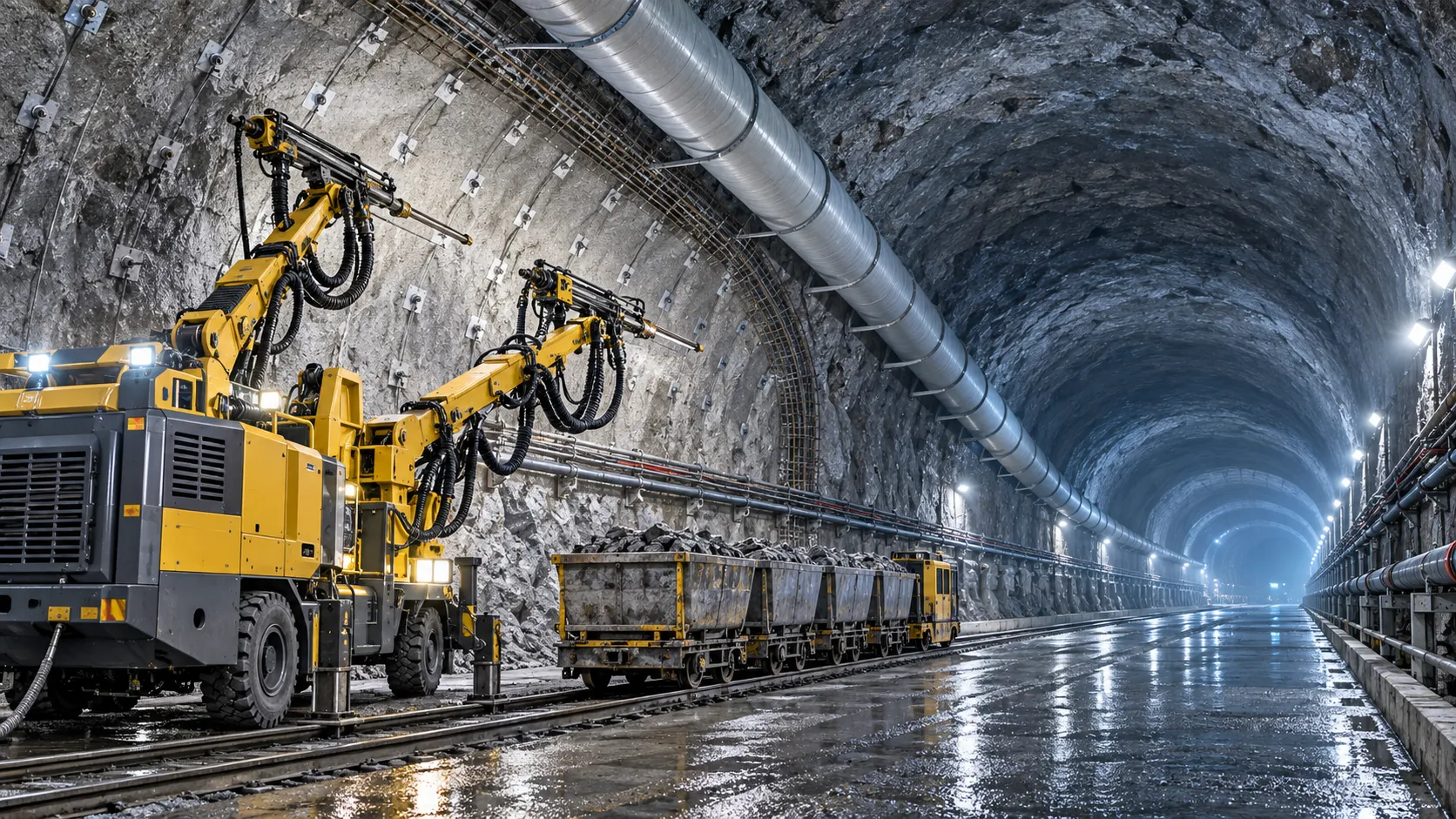
How to Evaluate European Drill-and-Blast Tunnelling Contractors for Complex Projects
Drill and blast tunnelling contractors Europe: learn how to assess geology expertise, blast control, equipment reliability, safety, and programme resilience for complex projects.
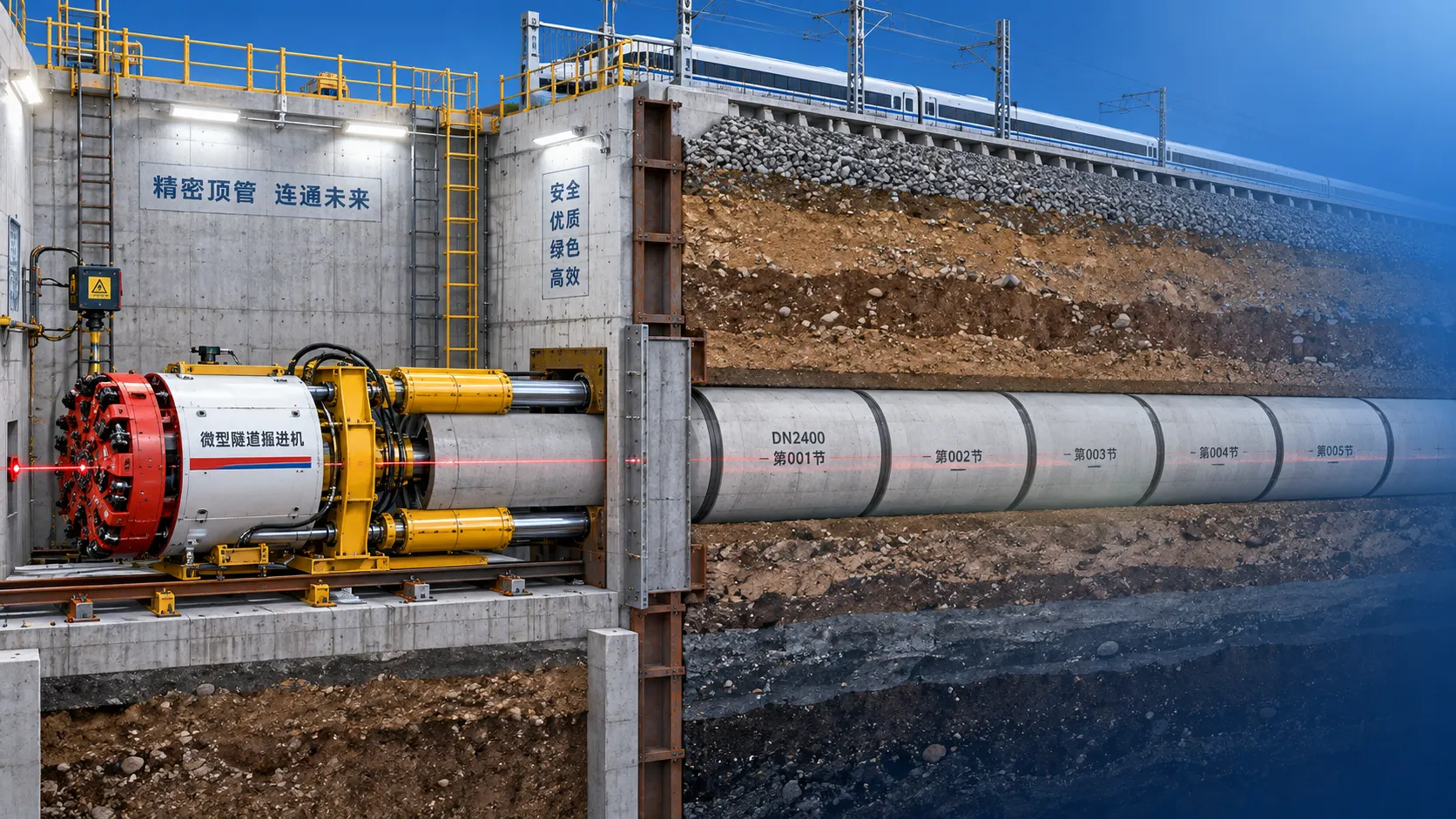
Which Trenchless Construction Technique Fits Your Utility Crossing Conditions?
Trenchless construction techniques compared for utility crossings: choose HDD, microtunnelling, pipe jacking, or auger boring based on ground, accuracy, access, and risk.
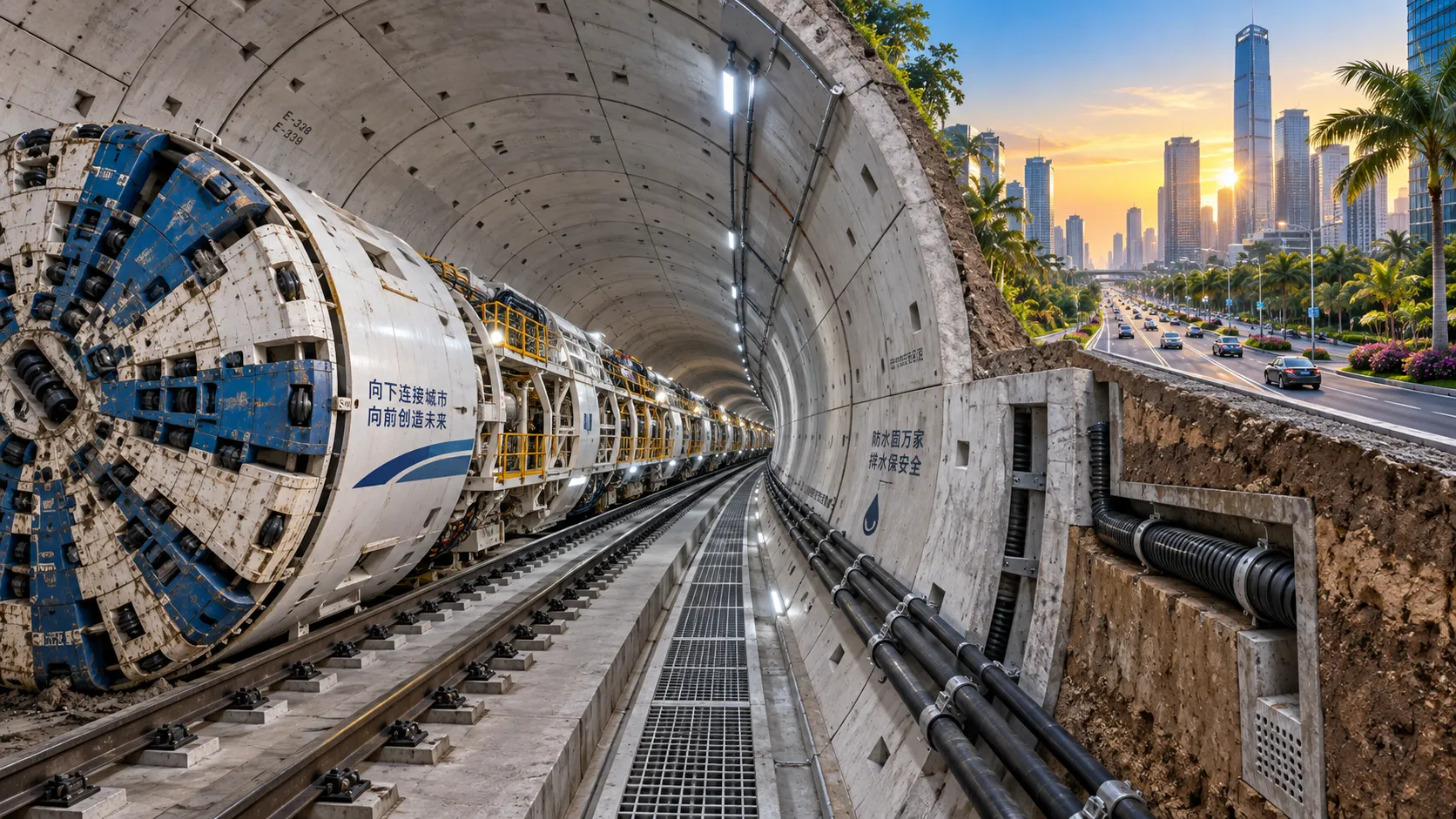
What Is Driving Metro Tunnelling Demand Across Southeast Asia’s Major Cities?
Metro tunnelling Southeast Asia is accelerating as major cities tackle congestion, flooding, and connectivity. Explore the market forces, technical risks, and opportunities shaping demand.
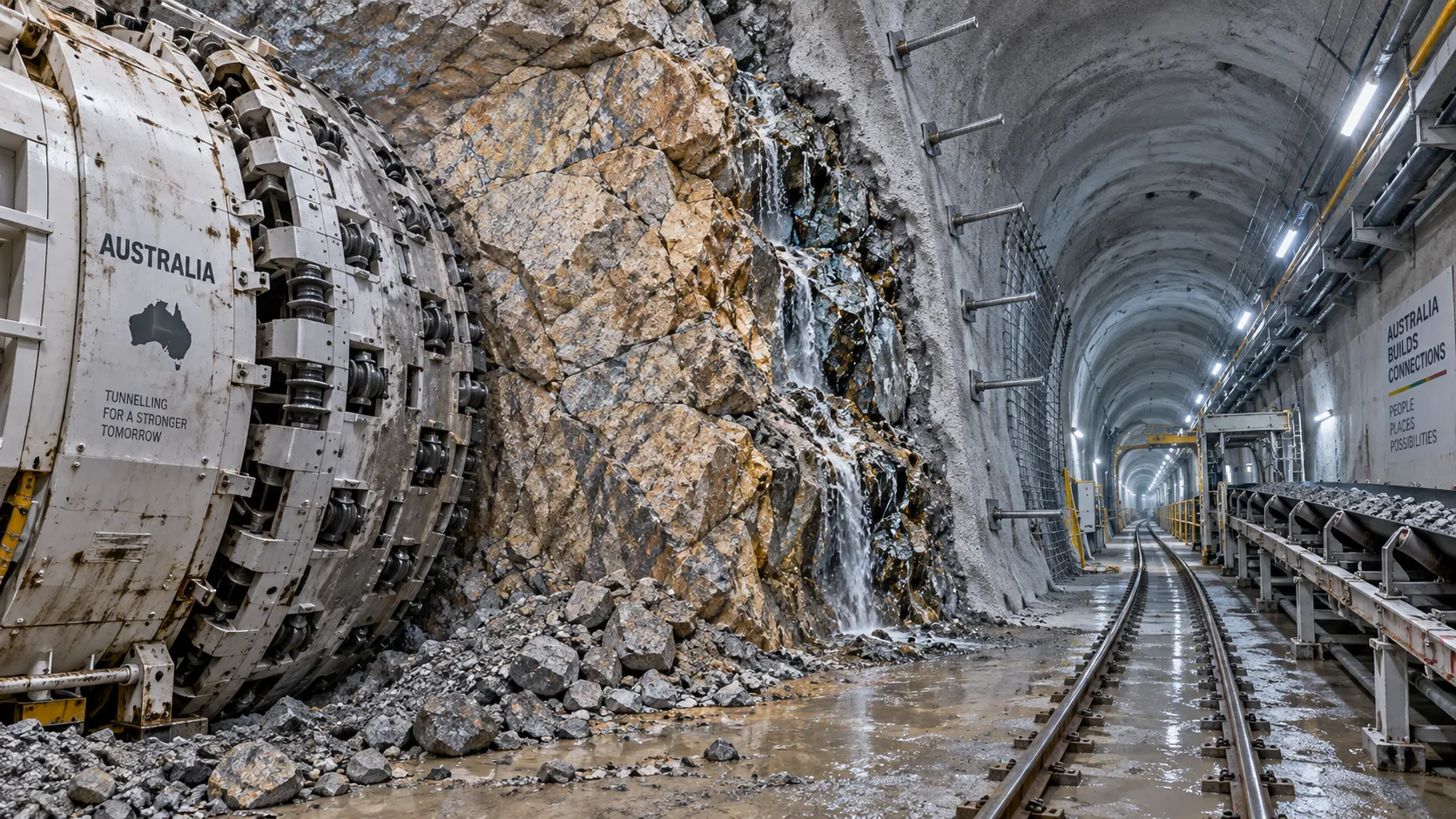
Hard Rock Tunnelling in Australia: Selecting Methods for Variable Ground Conditions
Hard rock tunnelling in Australia: compare TBM, drill-and-blast and hybrid methods to manage variable ground, reduce risk and protect project costs.
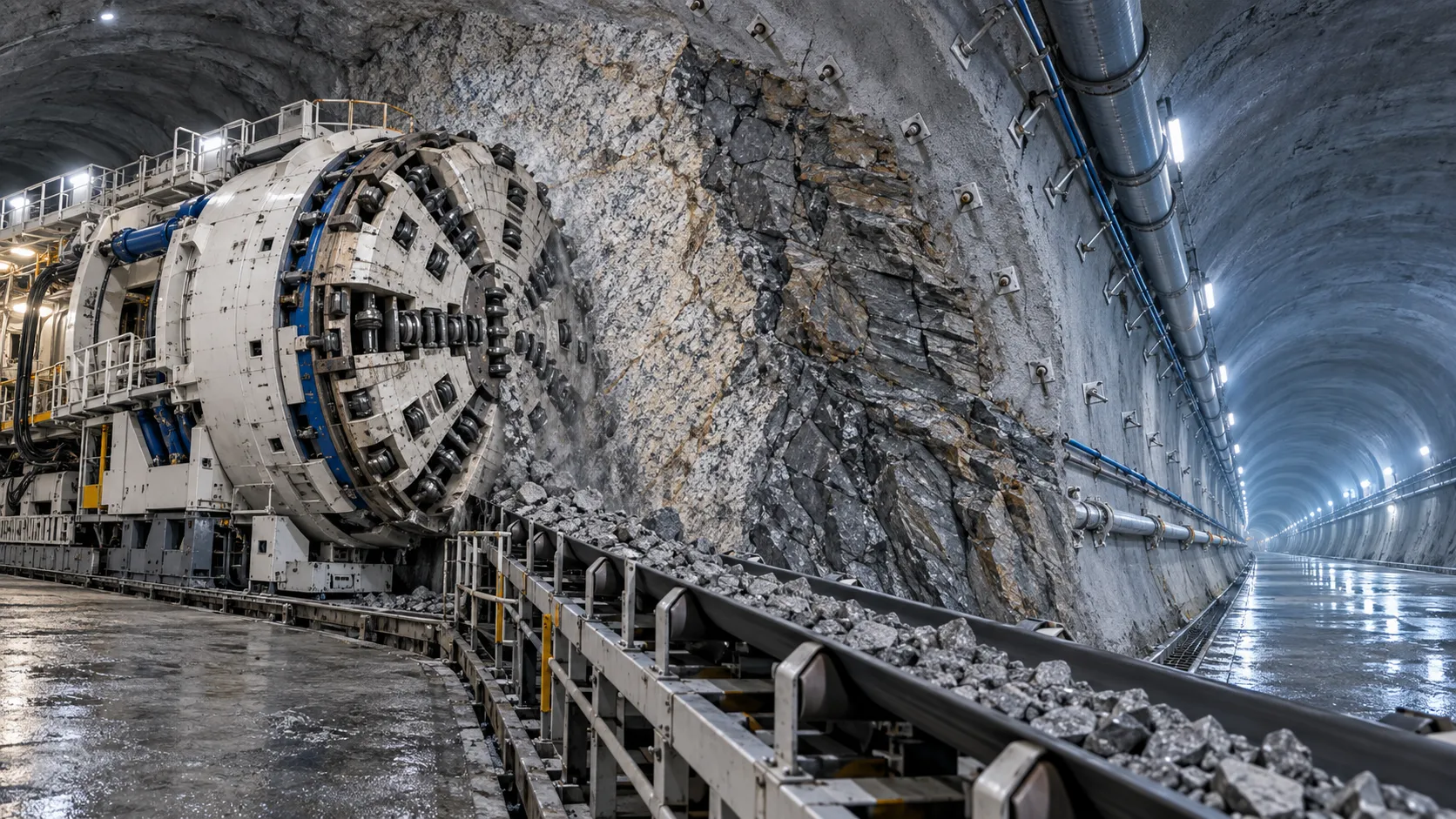
Hydropower Tunnel Excavation: Selecting Methods for Variable Rock Conditions
Hydropower tunnel excavation methods for variable rock conditions: compare TBM, drill-and-blast, and hybrid strategies to improve safety, progress, and project control.
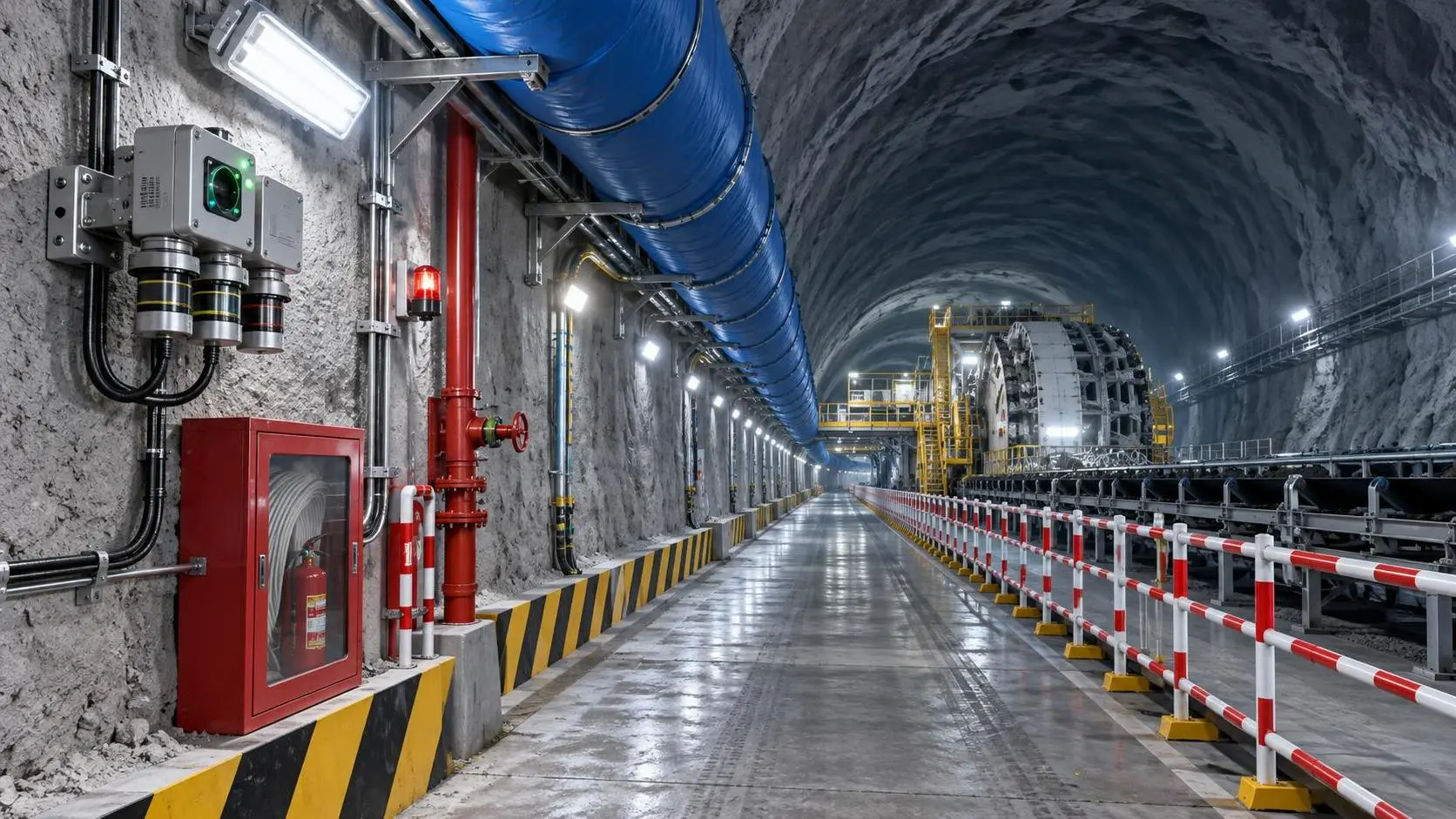
How to Select Underground Safety Equipment for Tunnelling by Hazard and Work Zone
Underground Safety Equipment for tunnelling: match protection to hazards, work zones, compliance, and emergency needs with this practical selection guide.
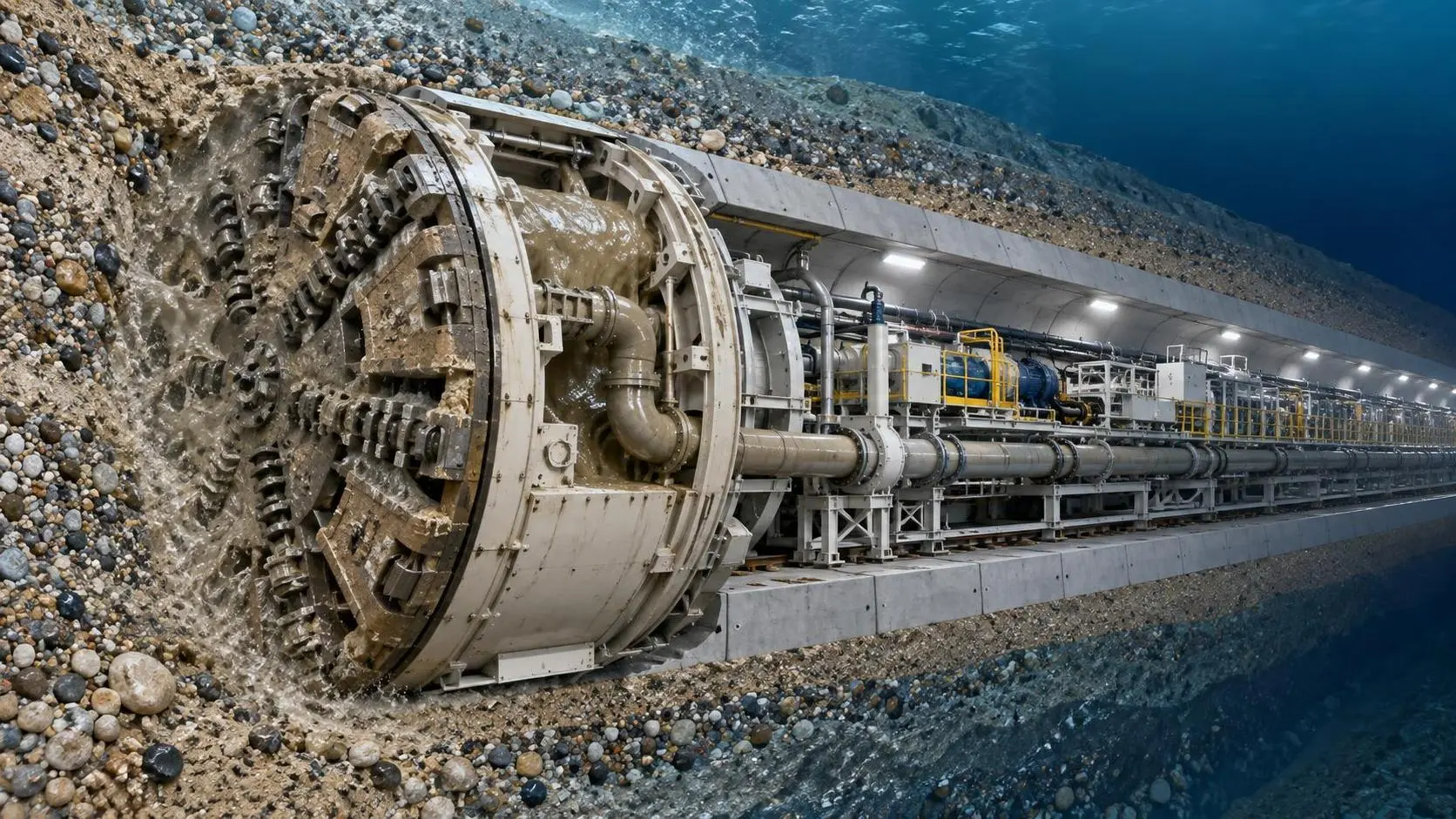
EPB or Slurry Shield? Selecting Soft-Ground Tunnelling Equipment by Soil Conditions
Tunnel Excavation Equipment for soft ground: compare EPB and slurry shields by soil, groundwater, settlement risk, and project logistics to choose confidently.
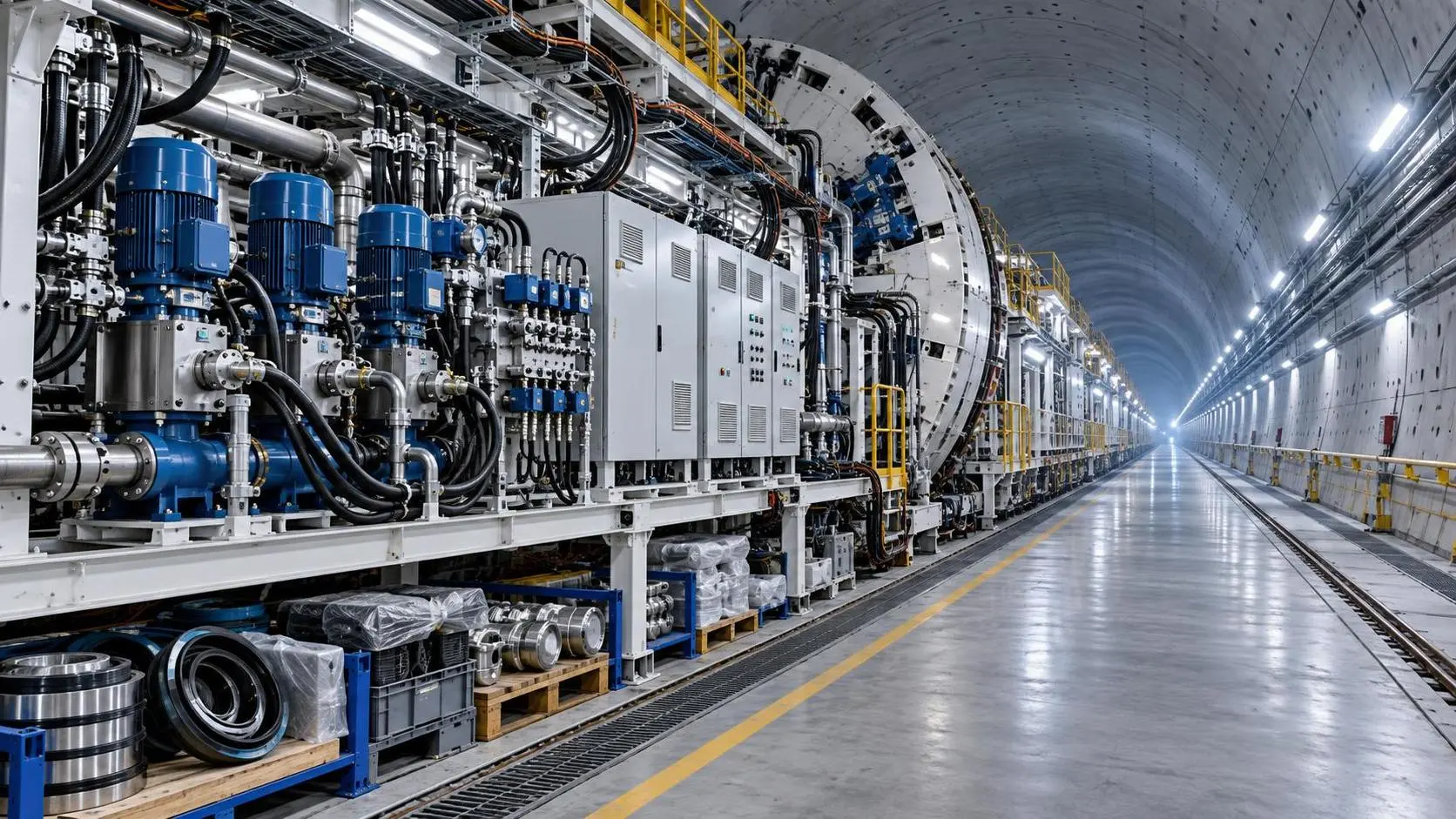
How to Specify TBM Backup System Parts for Reliable Long-Distance Tunnelling
TBM backup system parts: learn how to specify reliable spares for long-distance tunnelling, reduce downtime, ensure compatibility, and speed underground recovery.
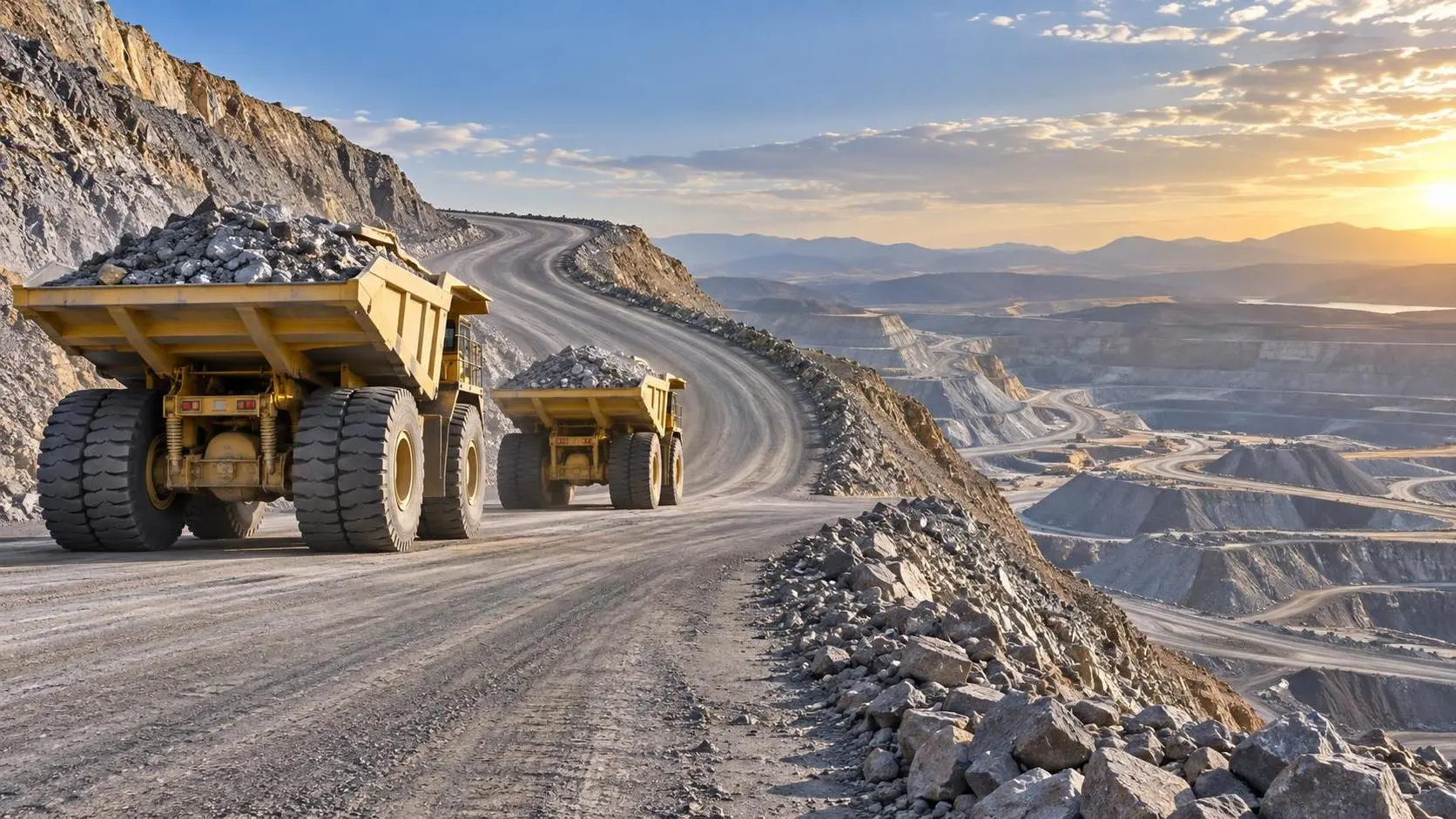
How to Size Open Pit Mining Trucks for Haul Distance, Grade, and Payload?
Open Pit Mining Trucks: learn how to match payload, haul distance, grade, road resistance, and loading capacity for safer, lower-cost mine operations.
Related News
- 00
0000-00
How to Evaluate European Drill-and-Blast Tunnelling Contractors for Complex Projects - 00
0000-00
Which Trenchless Construction Technique Fits Your Utility Crossing Conditions? - 00
0000-00
What Is Driving Metro Tunnelling Demand Across Southeast Asia’s Major Cities? - 00
0000-00
Hard Rock Tunnelling in Australia: Selecting Methods for Variable Ground Conditions - 00
0000-00
Hydropower Tunnel Excavation: Selecting Methods for Variable Rock Conditions
Weekly Insights
Stay ahead with our curated technology reports delivered every Monday.