
Trenchless Pipe Installation vs Open-Cut: Cost, Surface Impact, and Best-Fit Conditions





When budgets tighten and urban constraints intensify, the debate around Trenchless Pipe Installation versus open-cut becomes more than a construction choice.
It becomes a decision about total disruption, risk transfer, and long-term project value.
In practice, the lower bid is not always the lower-cost outcome.
Surface restoration, traffic control, environmental exposure, and schedule sensitivity can quickly change the economics.
That is why underground intelligence platforms such as UTMD track not only equipment trends, but also how trenchless methods perform under real project pressure.
What is really being compared in Trenchless Pipe Installation and open-cut work?
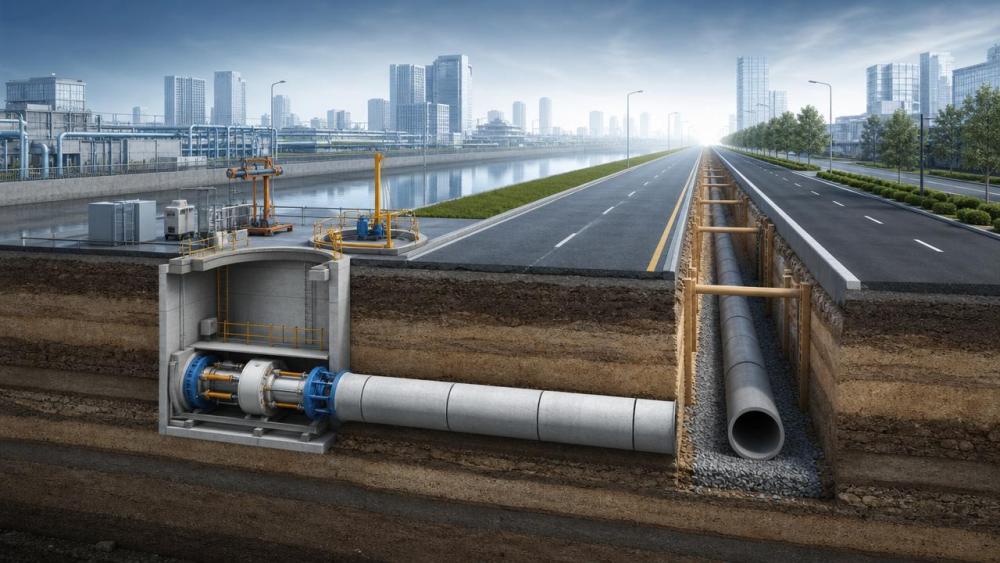
At a basic level, open-cut means excavating a continuous trench from the surface, laying pipe, then backfilling and restoring the area.
Trenchless Pipe Installation places the line with limited surface entry points, often using pipe jacking, microtunneling, HDD, or related methods.
The visible difference is obvious, but the commercial difference is deeper.
Open-cut usually looks simpler on paper.
Trenchless Pipe Installation often looks more specialized, because it depends on launch shafts, guidance systems, soil data, and machine capability.
However, in dense corridors, the comparison is not trench versus no trench.
It is direct excavation cost versus system-level impact.
UTMD often frames this through equipment and operating context.
A pipe jacking machine, for example, is valuable not only for installation precision, but for avoiding full surface occupation in traffic-heavy zones.
Does Trenchless Pipe Installation always cost more?
Not always, and this is where many early comparisons go wrong.
If the estimate only compares excavation and pipe placement, open-cut often appears cheaper.
But business evaluation should look at total installed cost, not just direct civil works.
Trenchless Pipe Installation can reduce several hidden cost categories:
- traffic management over long work zones
- road, sidewalk, and landscape restoration
- utility relocation and temporary service diversion
- business interruption claims and access complaints
- schedule overruns caused by weather or phased excavation
The reverse is also true.
Where alignment is shallow, access is easy, utilities are limited, and restoration is low-value, open-cut may remain the more economical choice.
The better question is not which method is cheaper in general.
It is which method avoids the largest avoidable costs on this corridor.
A practical cost comparison table
A quick screening table helps separate direct price from total project exposure.
How much surface impact should be expected from each method?
This question matters because surface impact is rarely cosmetic.
It affects permit conditions, stakeholder acceptance, local access, noise windows, and in some cases political risk.
Open-cut disturbs the full alignment area.
That means lane closures, spoil handling, dust, equipment circulation, and repeated reinstatement work.
Trenchless Pipe Installation concentrates disruption at shaft locations.
The footprint is still real, but it is shorter, more controlled, and often easier to phase.
In actual projects, this difference becomes decisive when the route crosses:
- arterial roads with strict traffic availability
- railways, ports, and airport access roads
- hospital, campus, or utility-intensive districts
- industrial plants with continuous operations
- environmentally sensitive zones or water crossings
This is one reason UTMD follows trenchless engineering closely.
As cities and industrial sites push for lower emissions and less disruption, equipment that minimizes surface intervention gains strategic value.
When does open-cut still make better business sense?
Open-cut is not outdated, and it should not be dismissed by default.
It remains highly effective where site conditions are favorable and surface consequences are manageable.
More common best-fit conditions include shallow alignments across open land, greenfield utility extensions, and zones with low traffic sensitivity.
It can also be preferable when pipe diameter, trench depth, or tie-in complexity make direct access valuable.
There is also a risk-control argument.
If subsurface data is poor and unknown obstructions are likely, open-cut may offer more visible correction options during construction.
That said, easy access should not hide restoration exposure.
A simple trench through a premium roadway or dense services corridor can become commercially inefficient very quickly.
Which project conditions usually favor Trenchless Pipe Installation?
The strongest cases appear where the cost of disturbing the surface exceeds the cost of specialized underground execution.
That often includes municipal crossings, industrial retrofits, brownfield redevelopments, and deep utility corridors.
Trenchless Pipe Installation is usually a better fit when several of these conditions appear together:
- surface access is restricted or politically sensitive
- restoration materials are expensive or hard to match
- existing utilities create continuous trench conflict
- the route must pass under roads, tracks, or waterways
- schedule certainty is more valuable than apparent simplicity
Need to be careful here, though.
Trenchless Pipe Installation performs best when geotechnical investigation, shaft design, spoil handling, and machine selection are handled with discipline.
This is exactly why intelligence-led evaluation matters.
UTMD’s industry lens is useful because method selection is increasingly tied to equipment reliability, digital guidance, and asset utilization, not just installation theory.
What are the common mistakes when comparing these two methods?
The most common mistake is comparing unit rates without comparing corridor consequences.
Another is assuming Trenchless Pipe Installation is automatically premium, even where restoration and access penalties are severe.
A third mistake is treating geotechnical risk as equal across both methods.
The risks differ, and the management tools differ as well.
A more reliable review usually asks:
- What will surface occupation cost beyond construction?
- How many utility conflicts are likely along the full route?
- What is the restoration standard after completion?
- How sensitive is the site to noise, emissions, and closures?
- Which method offers better schedule confidence under local conditions?
Those questions produce a much clearer business case than a basic excavation comparison.
A fast decision checklist
So how should the final decision be made?
The strongest decisions start with corridor facts, not method bias.
Map the route, identify restoration obligations, quantify traffic impacts, and score utility conflict probability before comparing bids.
Then test Trenchless Pipe Installation against open-cut using the same commercial frame.
That frame should include direct cost, disruption cost, schedule risk, permitting complexity, and long-term asset consequences.
In many urban and industrial settings, Trenchless Pipe Installation wins because it protects the project from costly secondary impacts.
In simpler corridors, open-cut can still deliver cleaner economics.
The useful next step is straightforward.
Build a side-by-side decision sheet for one real alignment, include both visible and hidden costs, and verify whether surface impact is a manageable inconvenience or the dominant commercial risk.
That is usually where the right answer becomes clear.
Related News
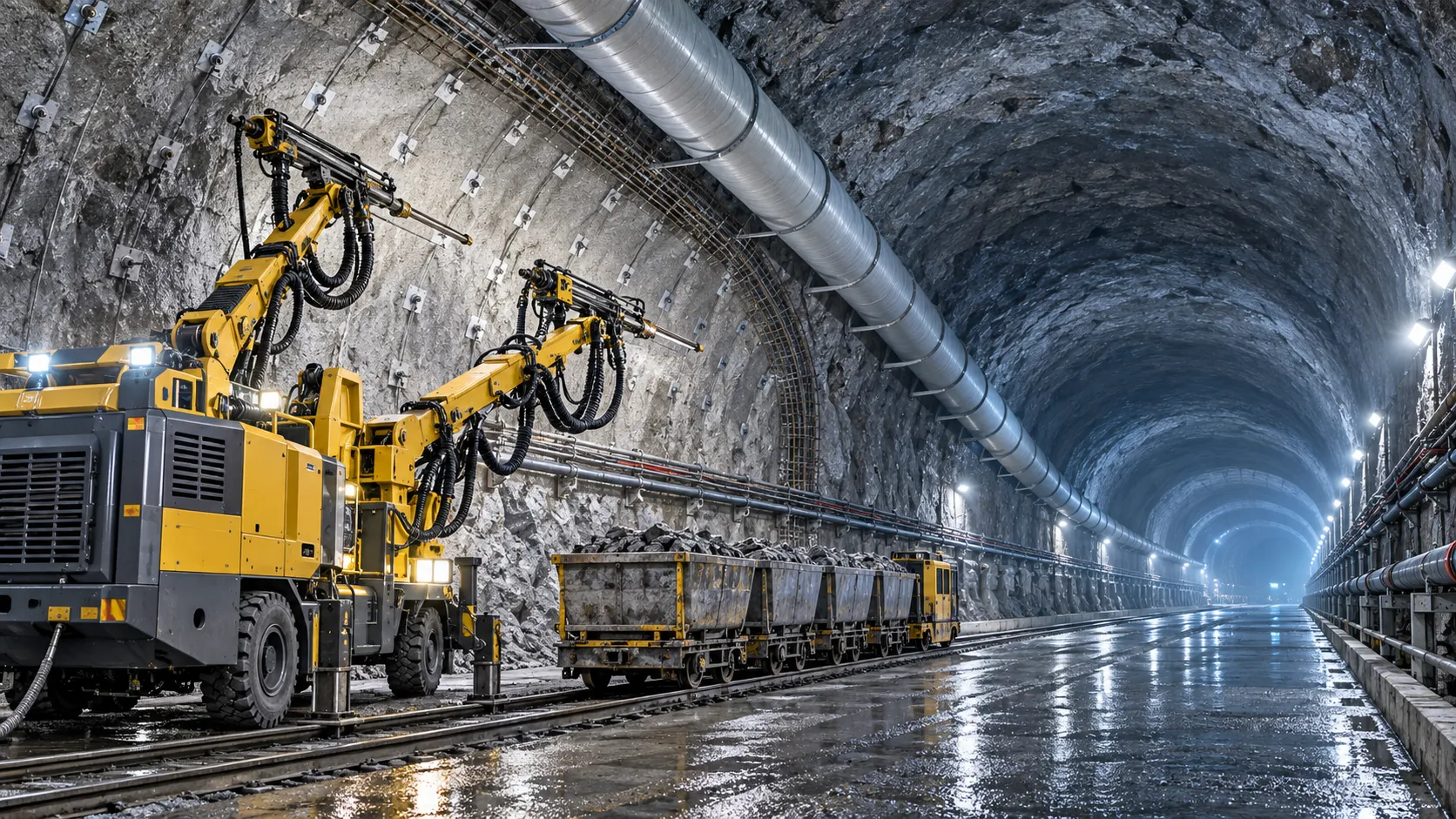
How to Evaluate European Drill-and-Blast Tunnelling Contractors for Complex Projects
Drill and blast tunnelling contractors Europe: learn how to assess geology expertise, blast control, equipment reliability, safety, and programme resilience for complex projects.
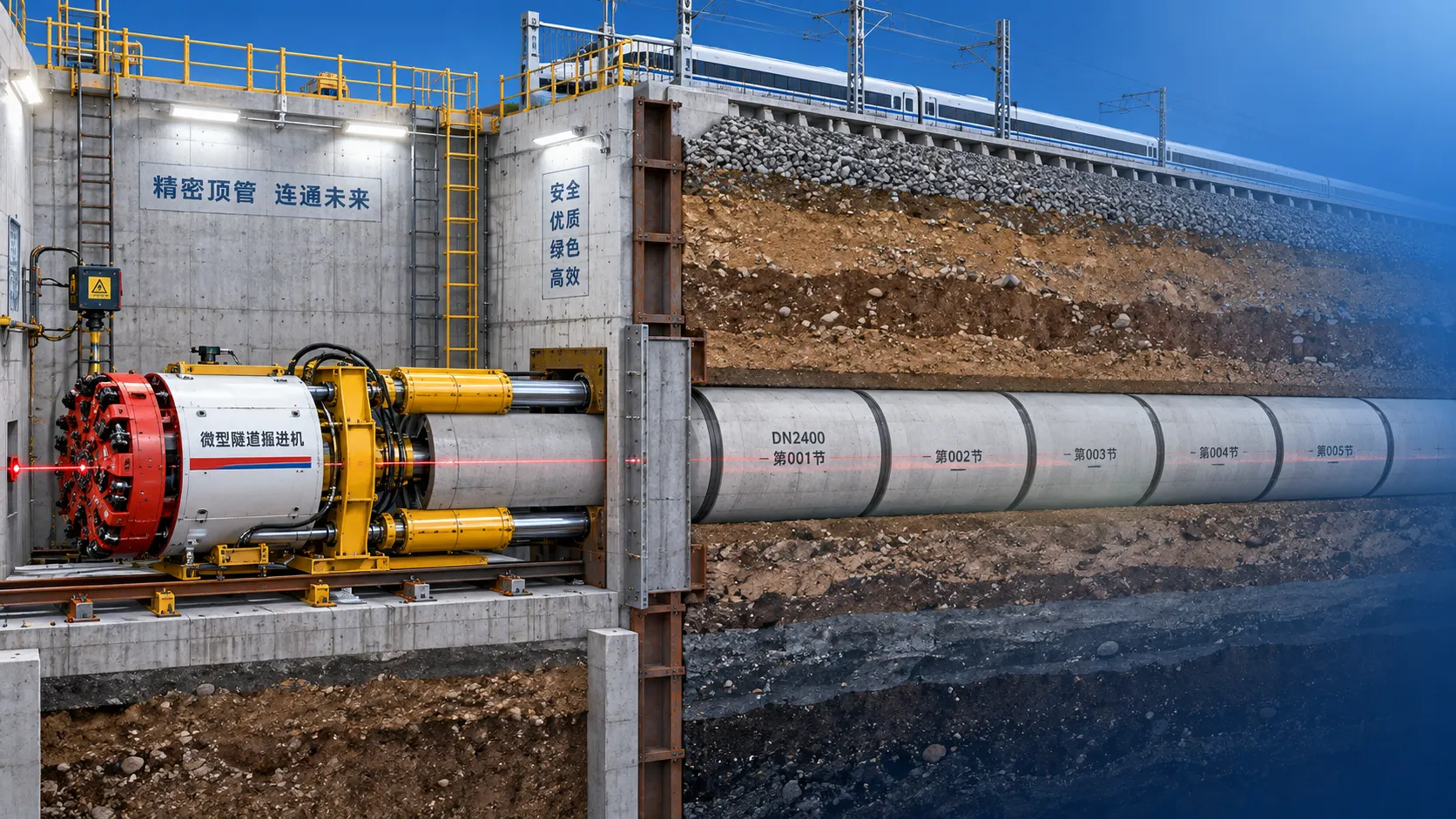
Which Trenchless Construction Technique Fits Your Utility Crossing Conditions?
Trenchless construction techniques compared for utility crossings: choose HDD, microtunnelling, pipe jacking, or auger boring based on ground, accuracy, access, and risk.
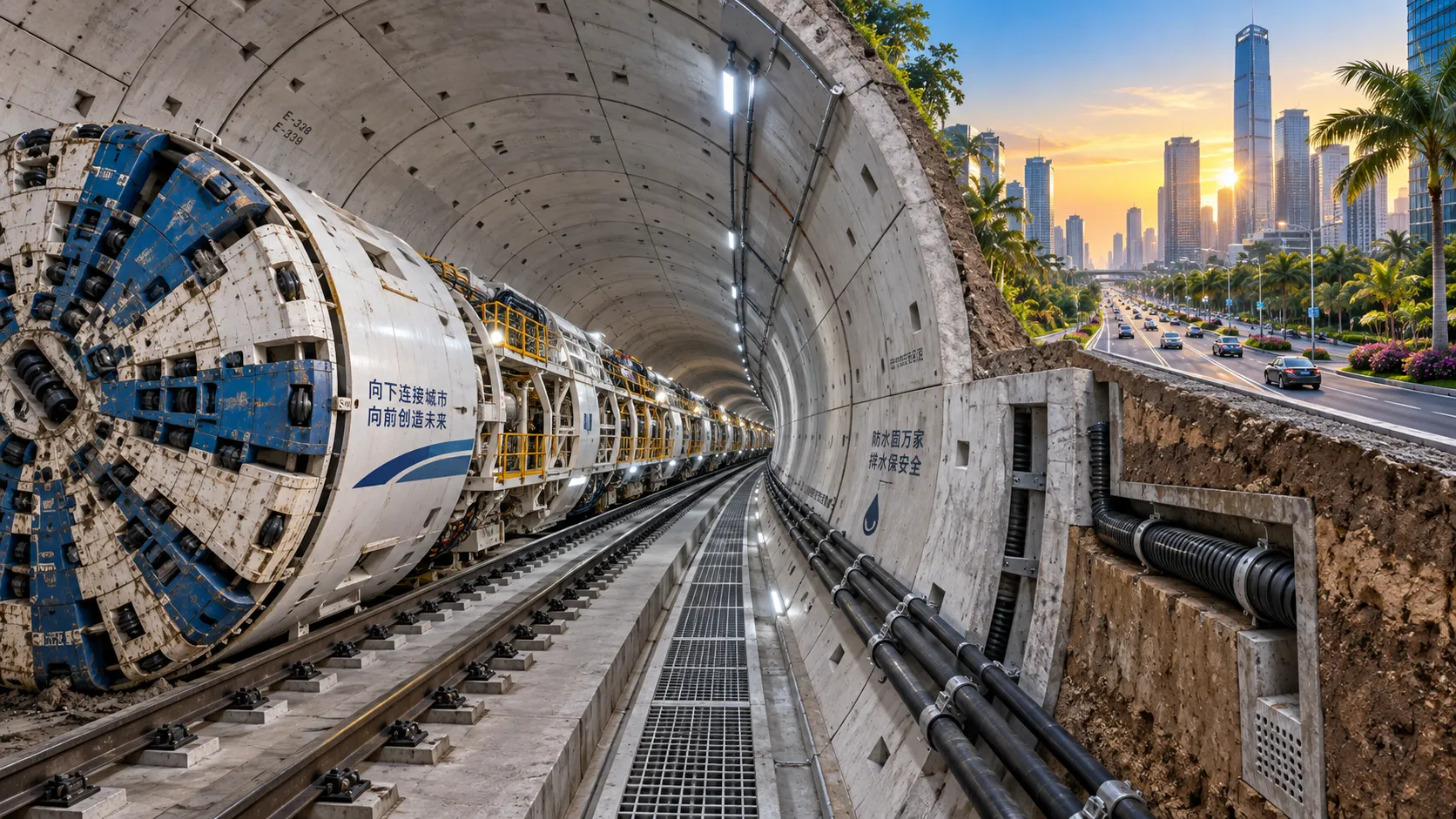
What Is Driving Metro Tunnelling Demand Across Southeast Asia’s Major Cities?
Metro tunnelling Southeast Asia is accelerating as major cities tackle congestion, flooding, and connectivity. Explore the market forces, technical risks, and opportunities shaping demand.
Hard Rock Tunnelling in Australia: Selecting Methods for Variable Ground Conditions
Hard rock tunnelling in Australia: compare TBM, drill-and-blast and hybrid methods to manage variable ground, reduce risk and protect project costs.
Hydropower Tunnel Excavation: Selecting Methods for Variable Rock Conditions
Hydropower tunnel excavation methods for variable rock conditions: compare TBM, drill-and-blast, and hybrid strategies to improve safety, progress, and project control.
How to Select Underground Safety Equipment for Tunnelling by Hazard and Work Zone
Underground Safety Equipment for tunnelling: match protection to hazards, work zones, compliance, and emergency needs with this practical selection guide.
EPB or Slurry Shield? Selecting Soft-Ground Tunnelling Equipment by Soil Conditions
Tunnel Excavation Equipment for soft ground: compare EPB and slurry shields by soil, groundwater, settlement risk, and project logistics to choose confidently.
How to Specify TBM Backup System Parts for Reliable Long-Distance Tunnelling
TBM backup system parts: learn how to specify reliable spares for long-distance tunnelling, reduce downtime, ensure compatibility, and speed underground recovery.
How to Size Open Pit Mining Trucks for Haul Distance, Grade, and Payload?
Open Pit Mining Trucks: learn how to match payload, haul distance, grade, road resistance, and loading capacity for safer, lower-cost mine operations.
Related News
- 00
0000-00
How to Evaluate European Drill-and-Blast Tunnelling Contractors for Complex Projects - 00
0000-00
Which Trenchless Construction Technique Fits Your Utility Crossing Conditions? - 00
0000-00
What Is Driving Metro Tunnelling Demand Across Southeast Asia’s Major Cities? - 00
0000-00
Hard Rock Tunnelling in Australia: Selecting Methods for Variable Ground Conditions - 00
0000-00
Hydropower Tunnel Excavation: Selecting Methods for Variable Rock Conditions
Weekly Insights
Stay ahead with our curated technology reports delivered every Monday.