
How rock cutting technology affects tunnel advance rates





Rock Cutting Technology directly shapes tunnel advance rates by controlling penetration, cutter wear, machine stability, and unplanned stoppages across changing geology.
In underground construction and mining, faster progress is never about thrust alone. It depends on how cutting mechanics match rock strength, abrasivity, fracture behavior, and support demands.
For projects tracked by UTMD, this connection is critical. Better rock cutting performance improves daily advance, energy efficiency, maintenance planning, and whole-life tunnel economics.
What does Rock Cutting Technology actually include in tunnel excavation?
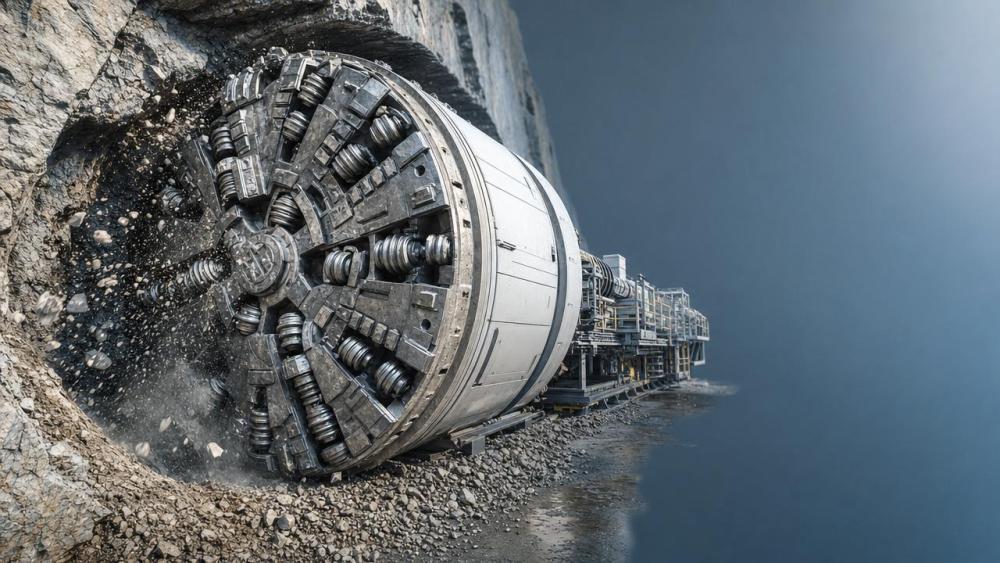
Rock Cutting Technology covers the tools, mechanics, machine settings, and control methods used to break rock at the tunnel face.
In TBM projects, it usually involves disc cutter design, cutterhead layout, thrust, torque, rotation speed, penetration per revolution, and wear monitoring.
In drill-and-blast or roadheader environments, the concept extends to bit geometry, impact energy, pick arrangement, and cutting sequence.
The main objective is simple: create efficient rock fragmentation with minimum energy loss and minimum downtime.
Advance rate is therefore not just a machine number. It is the outcome of cutting effectiveness plus logistics, support installation, and maintenance discipline.
When Rock Cutting Technology is poorly matched to geology, penetration falls, vibration rises, tools wear faster, and the tunnel cycle slows.
How does Rock Cutting Technology affect tunnel advance rates in hard and mixed ground?
The biggest impact comes from fragmentation efficiency. If cutters create stable cracks with each contact, the machine advances more meters per hour.
In massive hard rock, high contact stress is needed to initiate crushing and chipping. Cutter spacing and thrust must be balanced carefully.
If spacing is too wide, rock between cutters remains intact. If spacing is too tight, energy overlaps and efficiency drops.
In mixed ground, the challenge is even greater. Soft bands, hard lenses, faults, and water inflow create uneven loading across the cutterhead.
That uneven loading causes vibration, eccentric wear, and variable penetration. The result is slower advance and higher intervention risk.
Well-optimized Rock Cutting Technology improves advance rates through several linked effects:
- Higher penetration per cutter pass
- Lower specific energy consumption
- More stable machine steering
- Reduced cutter change frequency
- Less shock loading on bearings and structures
For long tunnels, small gains compound quickly. A modest rise in daily advance can shorten schedules by weeks or months.
Which geological factors most strongly influence Rock Cutting Technology performance?
Rock strength matters, but it is only one part of the picture. Many slow projects occur in rock that is not strongest, but most unpredictable.
The key geological variables include uniaxial compressive strength, brittleness, joint spacing, quartz content, abrasivity, groundwater, and faulting intensity.
Abrasive rock is especially important. High quartz content can sharply increase disc wear, cutter ring replacement, and maintenance downtime.
Highly fractured ground may look easier to cut. Yet broken zones can reduce face stability and complicate muck flow, steering, and support timing.
Water also changes outcomes. It affects fines transport, cutter cooling, slurry behavior, and the risk of clogging or unstable excavation conditions.
A practical geological review should ask these questions before setting targets:
- Is the rock brittle enough for efficient chipping?
- How abrasive is the formation over the whole alignment?
- Will mixed-face conditions appear frequently?
- Are faults likely to interrupt normal cutter loading?
- Can the mucking system handle fragmented material consistently?
Good Rock Cutting Technology decisions begin with honest geology, not optimistic averages.
What machine and tool choices improve tunnel advance without increasing risk?
The best choice depends on rock behavior, tunnel diameter, access constraints, and acceptable intervention frequency.
For TBMs, cutter diameter, ring material, hub design, and bearing sealing all influence service life and cutting consistency.
Larger cutters often deliver higher load capacity. However, they also require a machine capable of supplying appropriate thrust and torque.
Cutterhead opening ratio matters too. Poor opening design can restrict muck flow, raise recirculation, and reduce effective penetration.
Control systems are equally important. Real-time monitoring of torque, vibration, temperature, and wear supports better operating windows.
Useful improvement priorities often include:
- Optimized cutter spacing for expected rock classes
- Wear-resistant materials for abrasive formations
- Condition monitoring for predictive maintenance
- Adaptive operating parameters for mixed ground
- Safer cutter access to reduce intervention duration
In advanced underground programs, digital intelligence now supports Rock Cutting Technology by linking geodata, machine logs, and wear trends.
That approach aligns with UTMD’s focus on equipment reliability, automation, and measurable productivity in extreme underground environments.
What common mistakes reduce advance rates even when the machine is powerful?
One common mistake is chasing maximum thrust at all times. More force does not guarantee better fragmentation.
If the rock does not fracture efficiently, extra load only increases wear, heat, vibration, and structural stress.
Another mistake is ignoring cutter consumption as a schedule driver. Frequent changes can erase gains from higher instantaneous penetration.
Mixed geology is often underestimated. Operators may keep one parameter set too long, even after ground response clearly changes.
Poor data use is another issue. Projects collect sensor information, yet fail to convert it into maintenance timing or geological warnings.
The most damaging misunderstandings are usually these:
- Assuming harder rock always means slower progress
- Evaluating performance by peak penetration only
- Treating wear as a spare-parts issue only
- Separating cutting analysis from mucking and support cycles
Reliable advance comes from system balance. Rock Cutting Technology must work with the tunnel process, not in isolation.
How should Rock Cutting Technology be evaluated for cost, schedule, and lifecycle performance?
Evaluation should move beyond purchase price. The real metric is cost per meter delivered under actual ground conditions.
A lower-cost cutter system may become expensive if it causes frequent stoppages, lower advance, or unsafe interventions.
A practical assessment compares performance across five dimensions: penetration, wear life, downtime, energy demand, and adaptability.
The table below summarizes a useful review framework for Rock Cutting Technology decisions.
For deep tunnels and mine access development, the best Rock Cutting Technology is the option that keeps production predictable.
Predictability matters because downstream lining, ventilation, haulage, and workforce planning all depend on consistent advance.
What are the most practical next steps for improving tunnel performance?
Start by aligning geological data with machine logs. This reveals where penetration losses come from and which rock classes drive wear.
Then review cutterhead layout, operating windows, and intervention records together. Separate analysis often hides the real productivity limits.
It also helps to establish threshold alerts for vibration, torque fluctuation, and abnormal cutter temperature.
Those signals can support predictive action before failures interrupt the tunnel cycle.
A practical improvement checklist includes:
- Reassess geology by tunnel section, not project average
- Track cutter consumption per meter and per rock unit
- Optimize thrust and RPM as a pair
- Integrate maintenance timing with advance planning
- Use digital monitoring to reduce reaction time
In summary, Rock Cutting Technology affects tunnel advance rates through the full chain of fragmentation, wear, stability, and downtime.
Projects that treat cutting as a strategic system, rather than a tool detail, usually achieve faster and more reliable underground development.
For ongoing evaluation of TBMs, trenchless systems, and smart mining equipment, UTMD provides the technical intelligence needed to connect rock dynamics with real production outcomes.
Related News
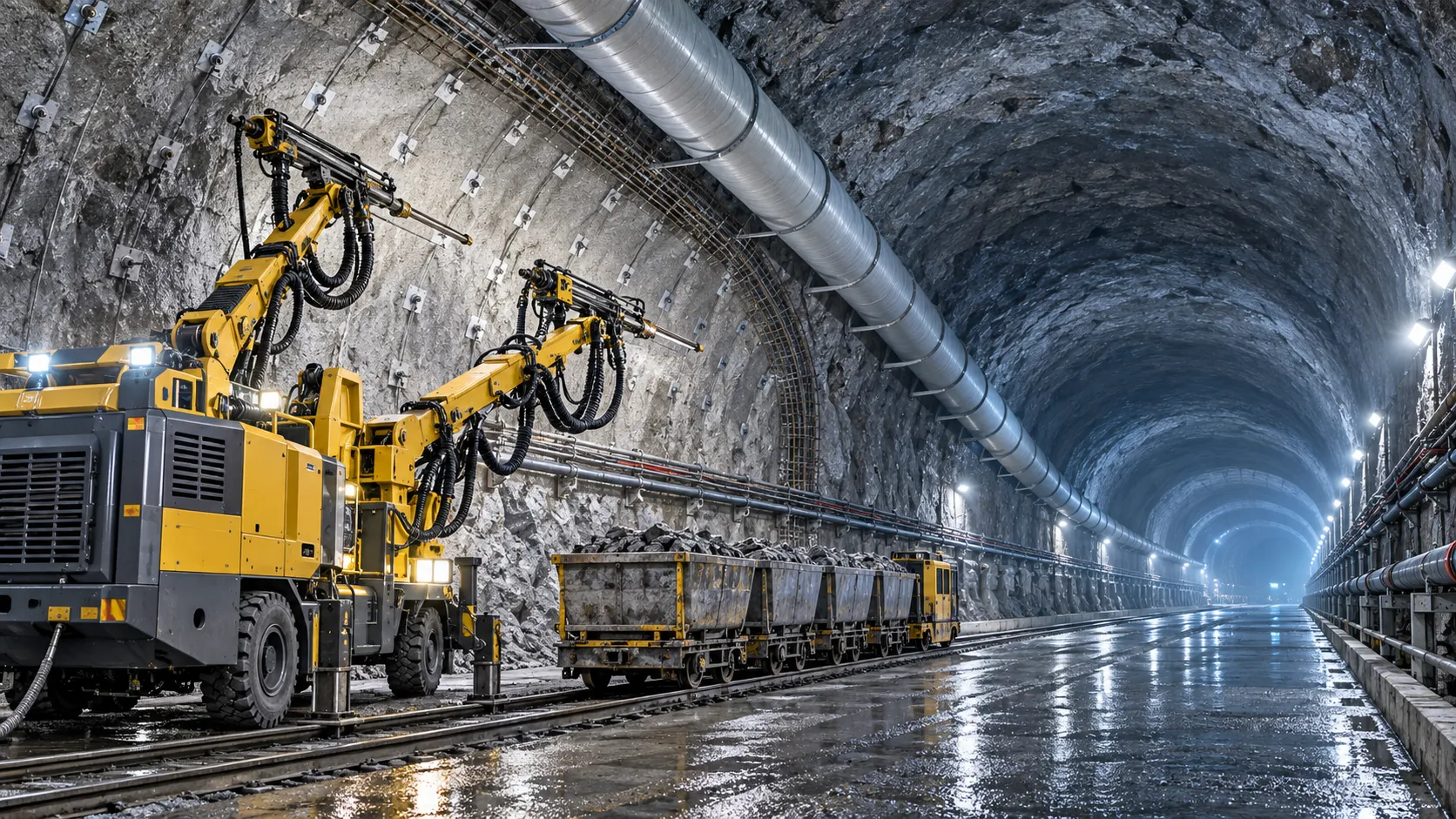
How to Evaluate European Drill-and-Blast Tunnelling Contractors for Complex Projects
Drill and blast tunnelling contractors Europe: learn how to assess geology expertise, blast control, equipment reliability, safety, and programme resilience for complex projects.
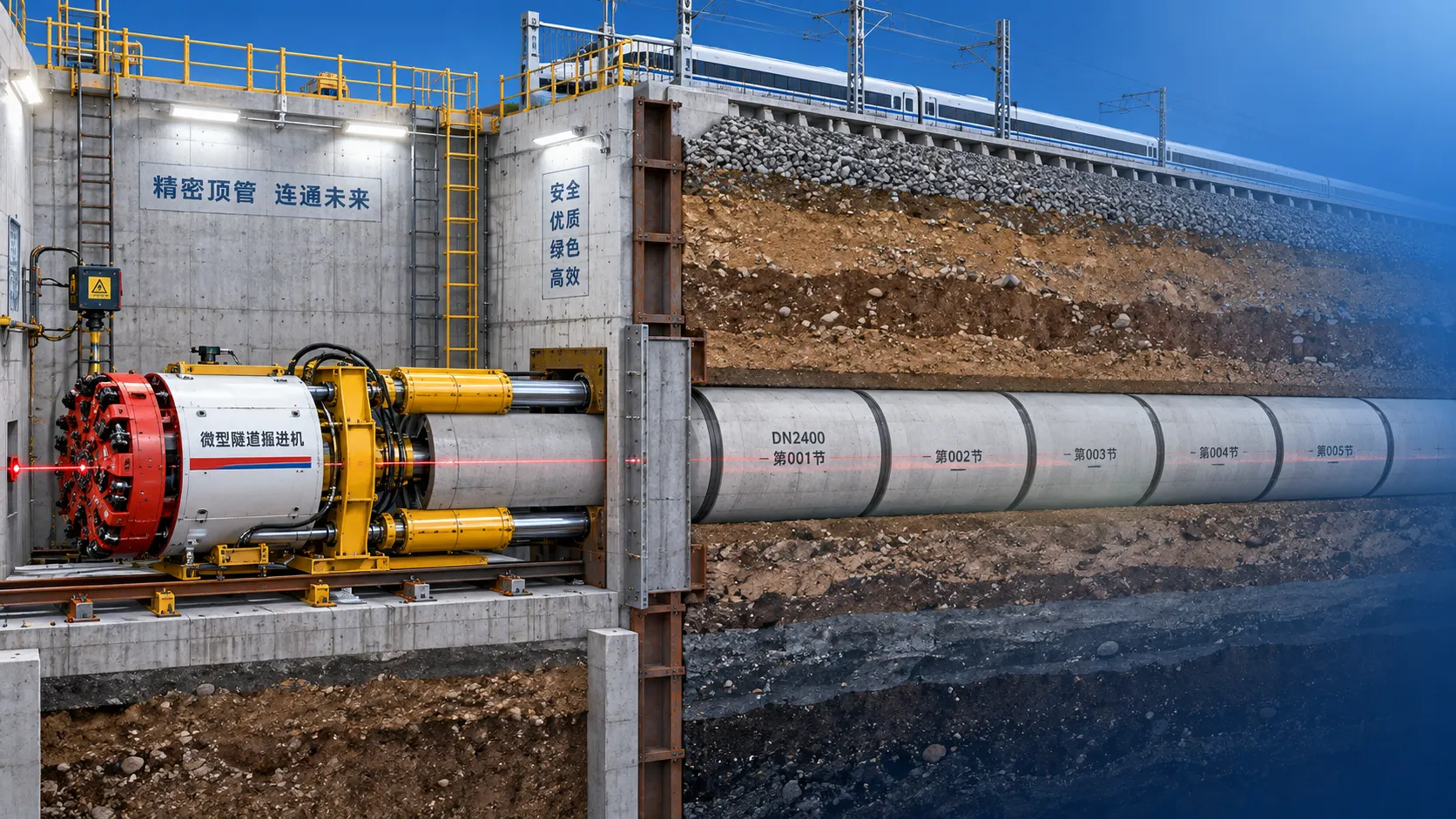
Which Trenchless Construction Technique Fits Your Utility Crossing Conditions?
Trenchless construction techniques compared for utility crossings: choose HDD, microtunnelling, pipe jacking, or auger boring based on ground, accuracy, access, and risk.
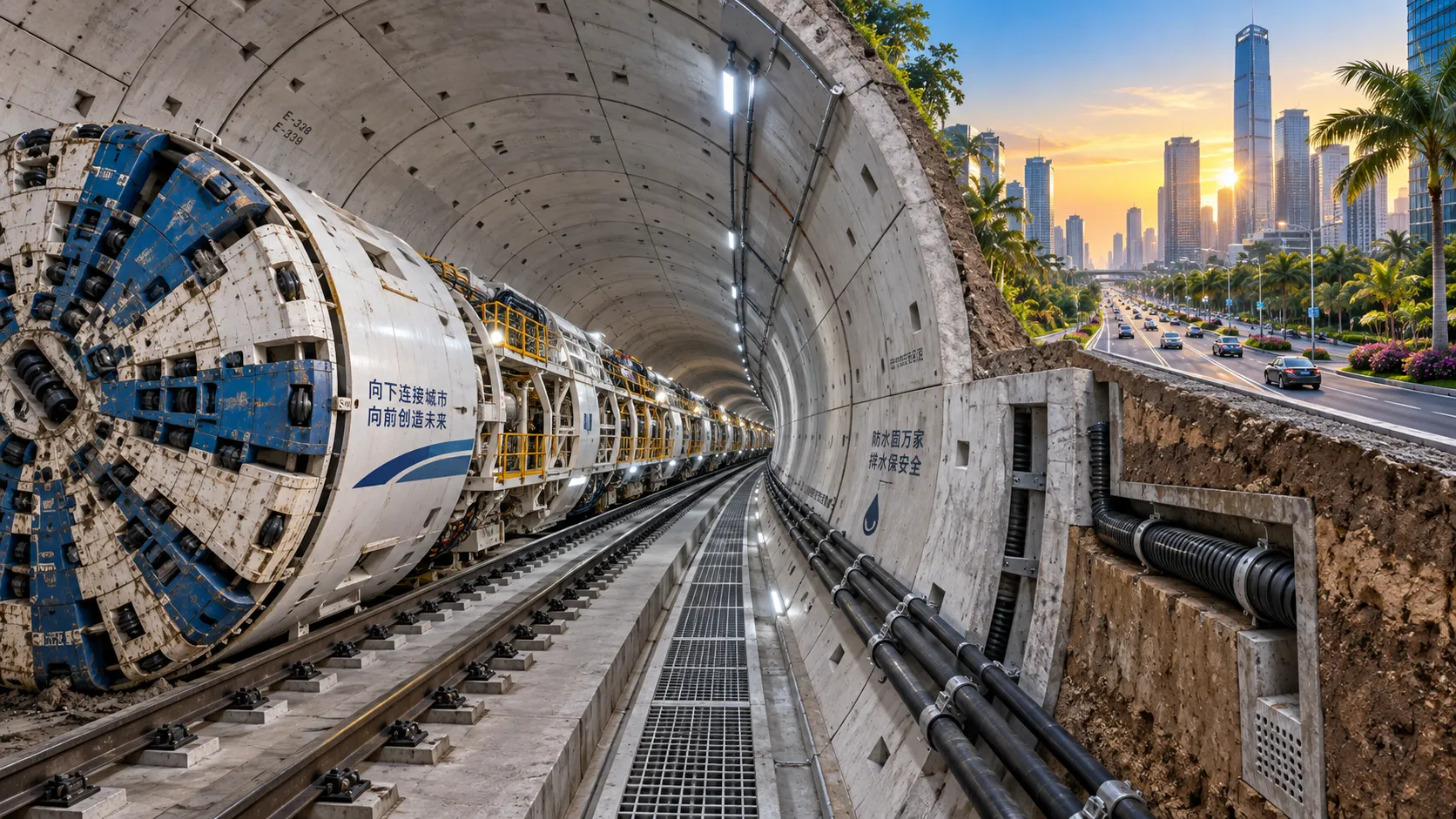
What Is Driving Metro Tunnelling Demand Across Southeast Asia’s Major Cities?
Metro tunnelling Southeast Asia is accelerating as major cities tackle congestion, flooding, and connectivity. Explore the market forces, technical risks, and opportunities shaping demand.
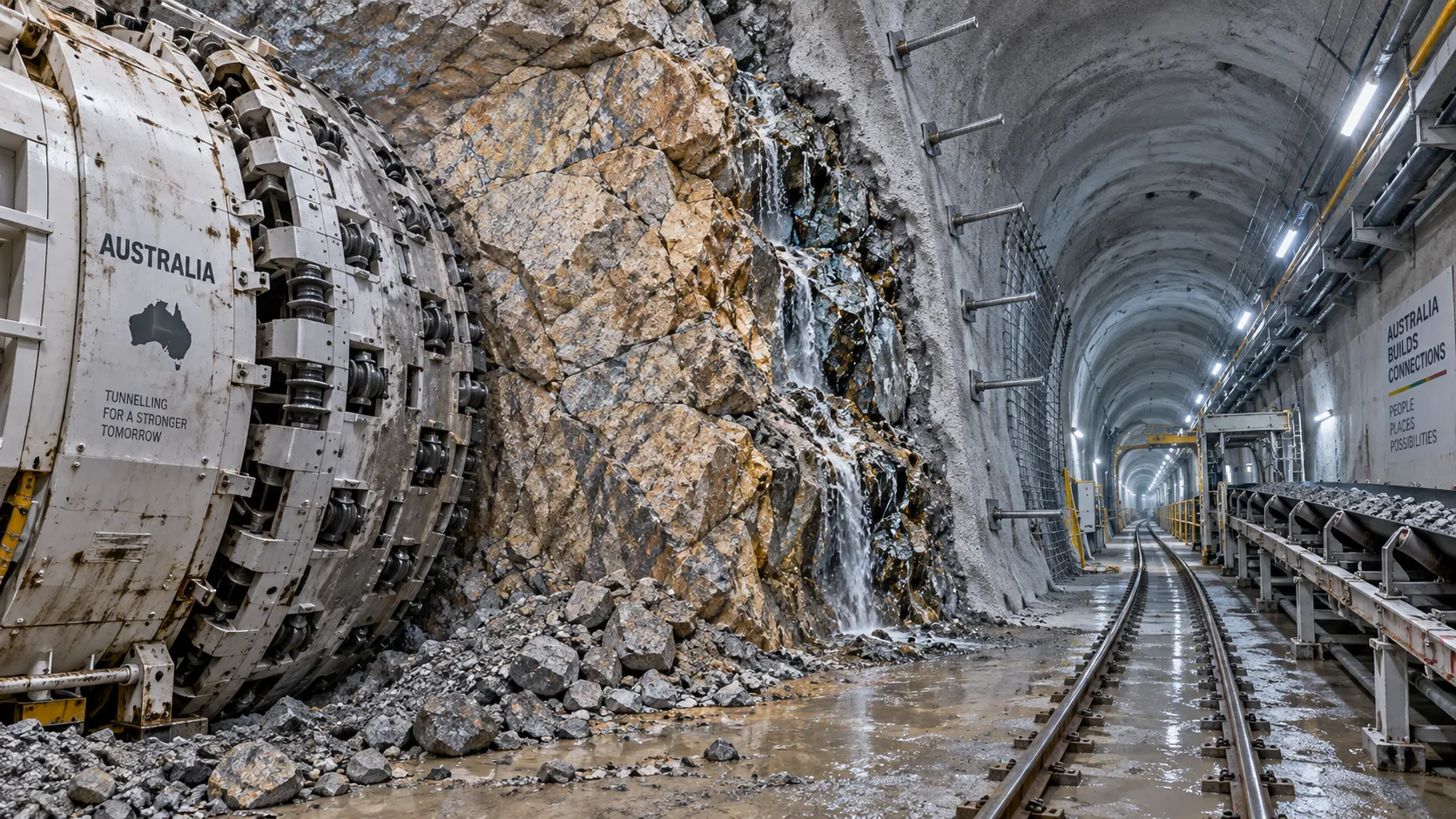
Hard Rock Tunnelling in Australia: Selecting Methods for Variable Ground Conditions
Hard rock tunnelling in Australia: compare TBM, drill-and-blast and hybrid methods to manage variable ground, reduce risk and protect project costs.
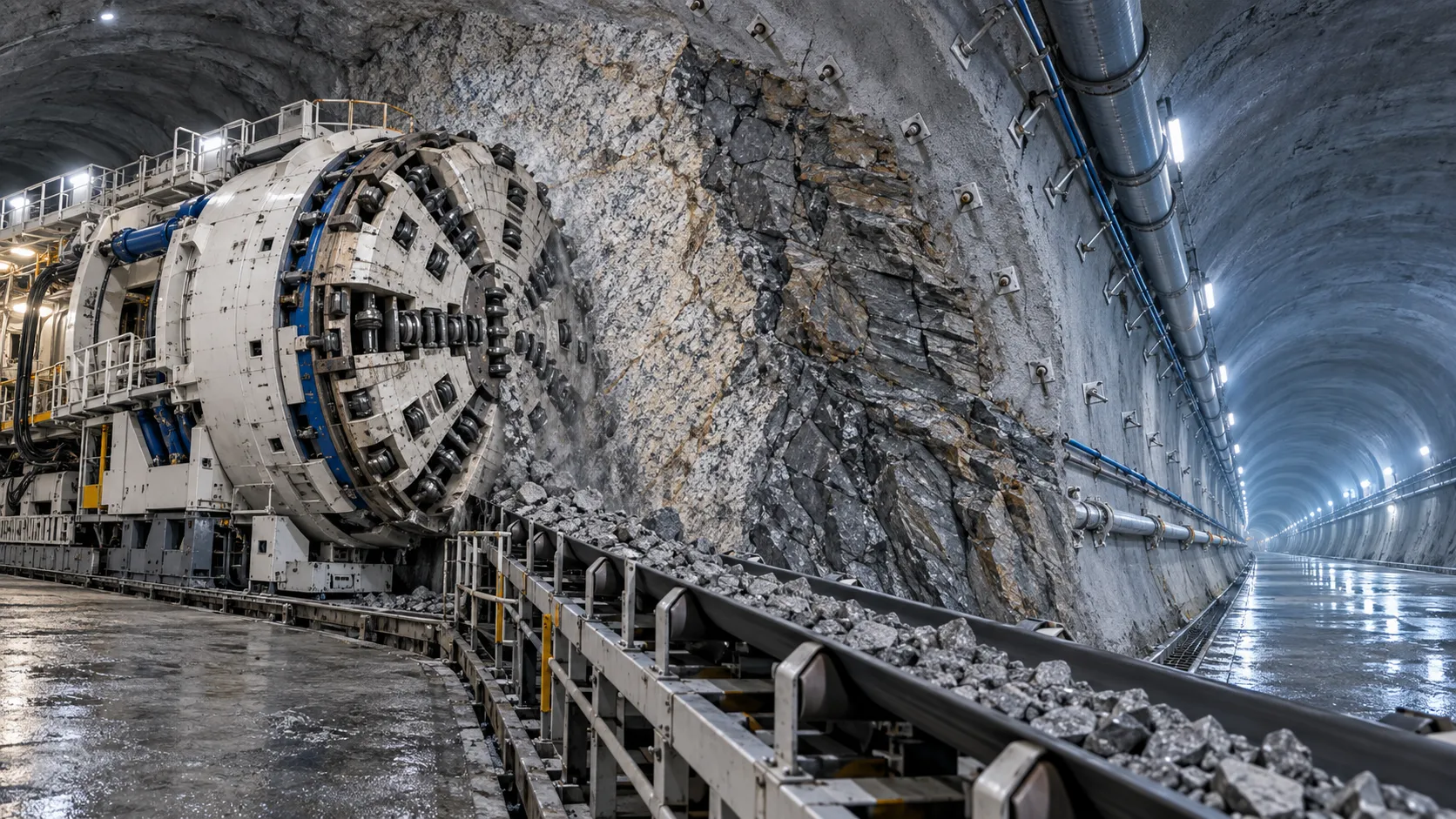
Hydropower Tunnel Excavation: Selecting Methods for Variable Rock Conditions
Hydropower tunnel excavation methods for variable rock conditions: compare TBM, drill-and-blast, and hybrid strategies to improve safety, progress, and project control.
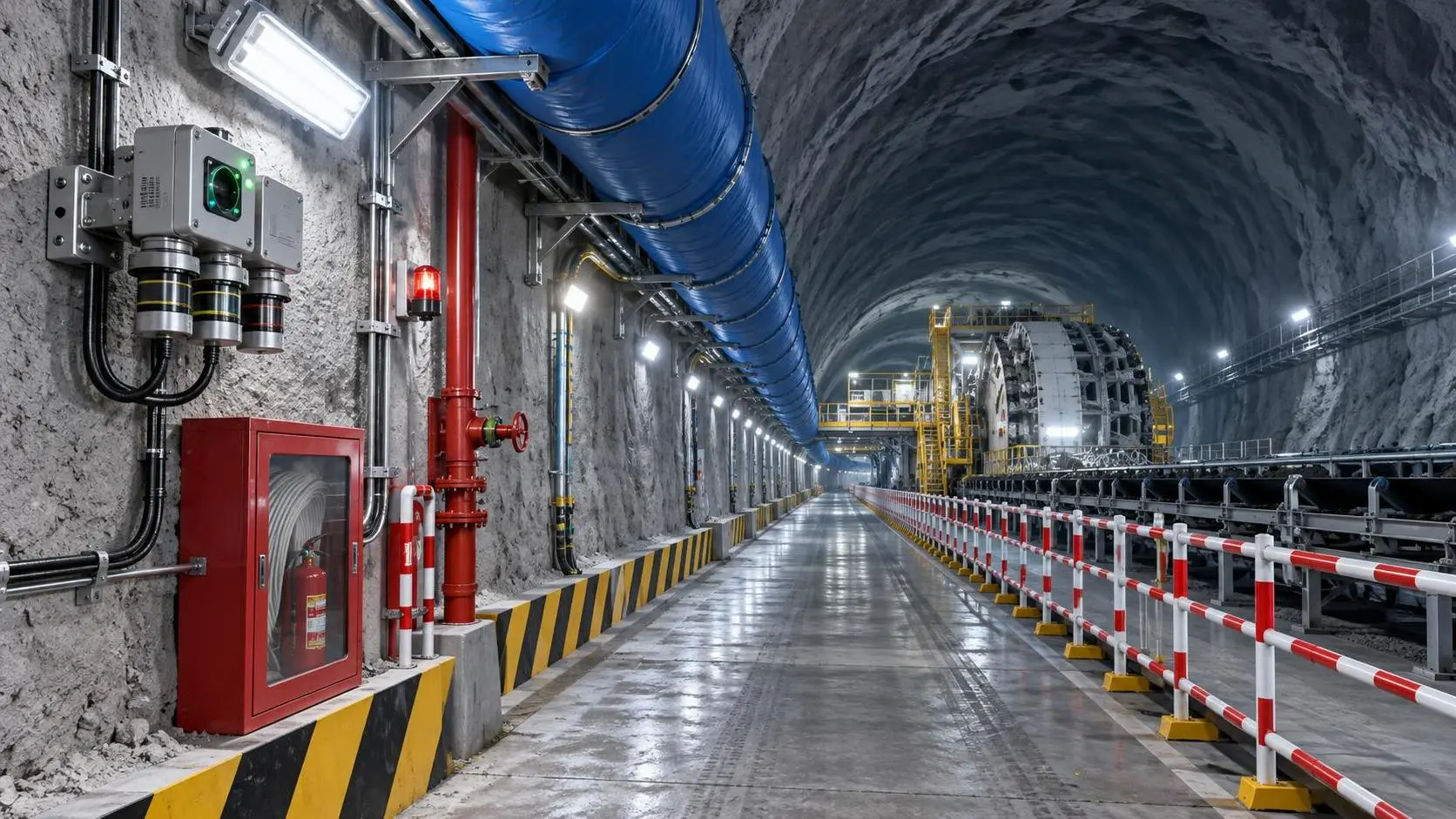
How to Select Underground Safety Equipment for Tunnelling by Hazard and Work Zone
Underground Safety Equipment for tunnelling: match protection to hazards, work zones, compliance, and emergency needs with this practical selection guide.
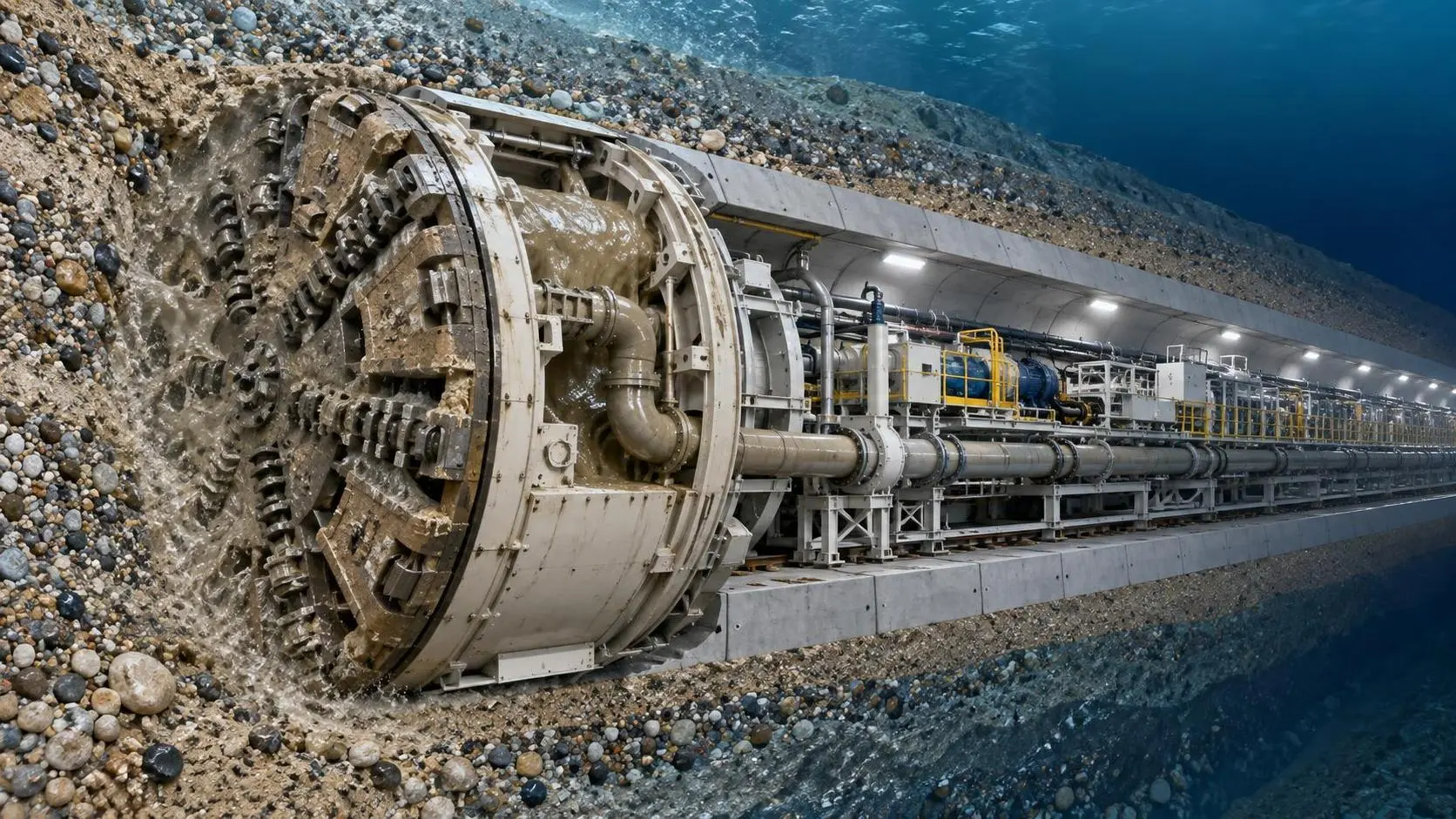
EPB or Slurry Shield? Selecting Soft-Ground Tunnelling Equipment by Soil Conditions
Tunnel Excavation Equipment for soft ground: compare EPB and slurry shields by soil, groundwater, settlement risk, and project logistics to choose confidently.
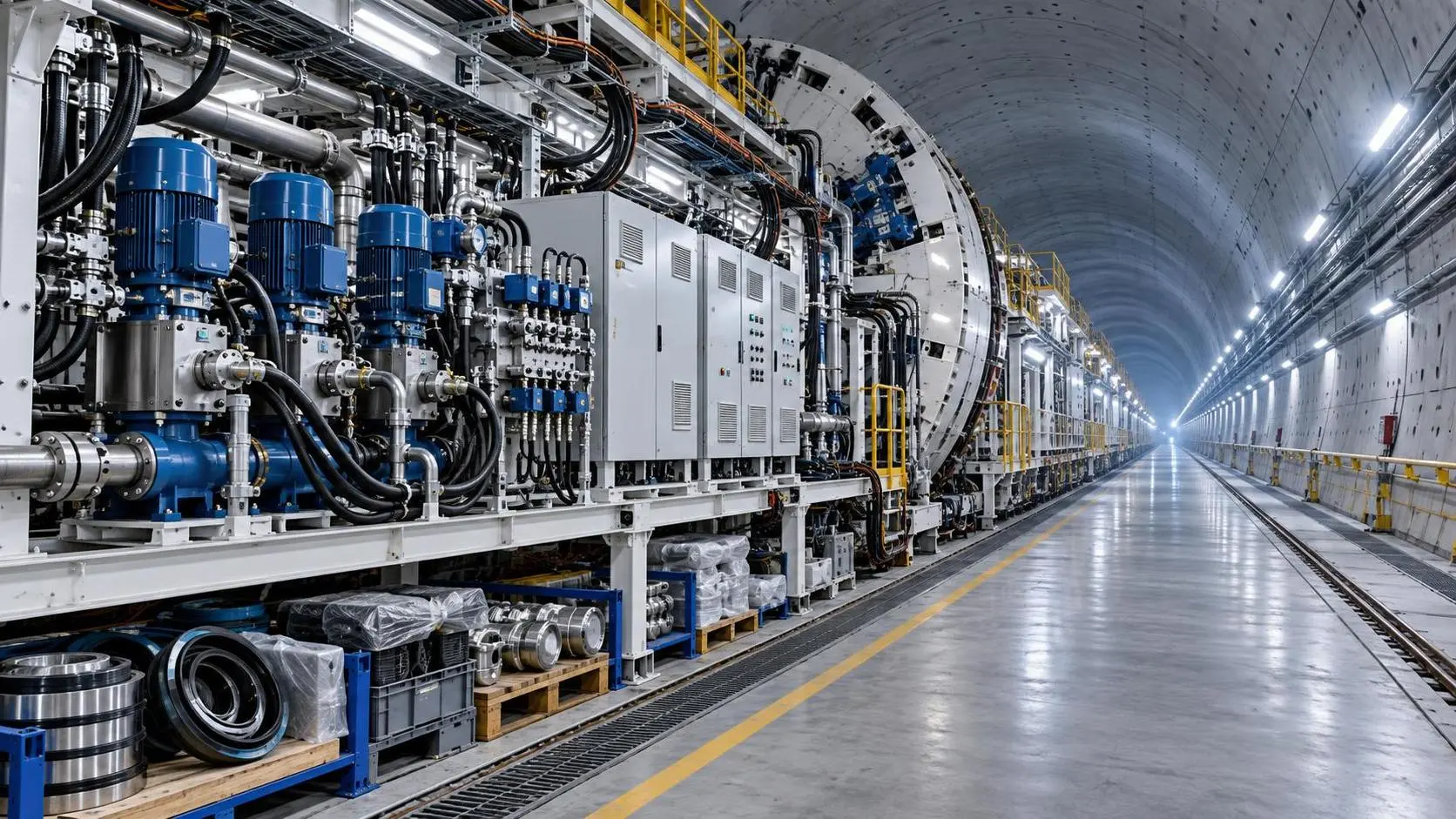
How to Specify TBM Backup System Parts for Reliable Long-Distance Tunnelling
TBM backup system parts: learn how to specify reliable spares for long-distance tunnelling, reduce downtime, ensure compatibility, and speed underground recovery.
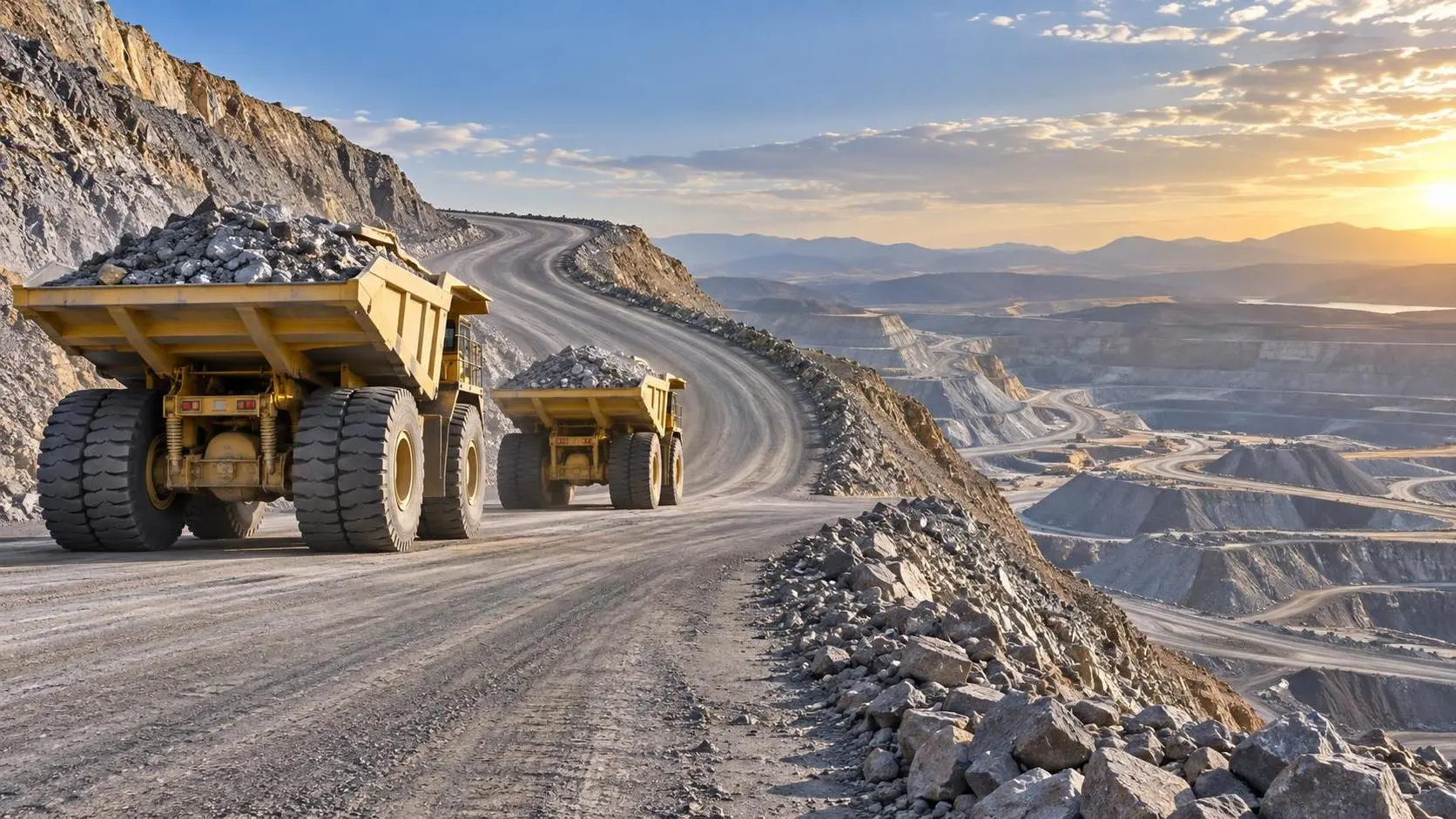
How to Size Open Pit Mining Trucks for Haul Distance, Grade, and Payload?
Open Pit Mining Trucks: learn how to match payload, haul distance, grade, road resistance, and loading capacity for safer, lower-cost mine operations.
Related News
- 00
0000-00
How to Evaluate European Drill-and-Blast Tunnelling Contractors for Complex Projects - 00
0000-00
Which Trenchless Construction Technique Fits Your Utility Crossing Conditions? - 00
0000-00
What Is Driving Metro Tunnelling Demand Across Southeast Asia’s Major Cities? - 00
0000-00
Hard Rock Tunnelling in Australia: Selecting Methods for Variable Ground Conditions - 00
0000-00
Hydropower Tunnel Excavation: Selecting Methods for Variable Rock Conditions
Weekly Insights
Stay ahead with our curated technology reports delivered every Monday.