
Vitafoods Europe Showcases Clinical Imaging for Herbal Efficacy





At the Vitafoods Europe exhibition in Barcelona, Spain, in May 2026, a paradigm shift in procurement criteria became visibly evident: buyers across health, infrastructure, and mining sectors increasingly demanded objective, third-party–validated performance evidence — not just compositional novelty or standard compliance certifications.
Event Overview
In May 2026, at Vitafoods Europe in Barcelona, PLH presented MRI-based clinical imaging demonstrating measurable structural improvement in osteoarthritis patients following administration of a proprietary herbal formulation. This marked a departure from traditional marketing focused on ingredient innovation or traditional use claims. Concurrently, European infrastructure contractors began requiring empirical wear curves for Tunnel Boring Machine (TBM) cutters, and battery-powered Load-Haul-Dump (LHD) vehicles were evaluated against real-world low-temperature (-30°C) continuous-operation degradation data — rather than relying solely on CE or ISO certification marks. Chinese manufacturers responded by accelerating partnerships with accredited third-party laboratories to co-develop standardized validation protocols.
Industries Affected
Direct Trading Enterprises
Trading firms acting as intermediaries between Asian suppliers and EU buyers face heightened due diligence pressure. Buyers now routinely request access to raw test reports, anonymized imaging datasets, or time-series performance logs — capabilities most trading enterprises lack internally. Their role is shifting from logistics coordination toward evidence curation and technical translation, requiring new skill sets and verification workflows.
Raw Material Sourcing Companies
Ingredient suppliers — especially those providing botanicals, nutraceutical actives, or specialty minerals — are now expected to pre-validate efficacy or functional stability under application-relevant conditions. For example, a turmeric extract supplier may need to provide joint-tissue imaging correlation data alongside HPLC profiles. This raises upfront R&D and testing costs, compressing margins unless bundled into value-added service packages.
Manufacturing & Equipment Producers
OEMs in medical devices, mining machinery, and industrial battery systems must redesign product documentation strategies. Technical datasheets are no longer sufficient; instead, they must include traceable, instrumented validation records — e.g., thermal imaging of battery cells during cold-cycle stress testing, or laser-scanned cutter geometry before/after 500 hours of simulated rock abrasion. Internal QA processes are being re-architected around measurable output metrics rather than pass/fail compliance gates.
Supply Chain Service Providers
Logistics integrators, customs brokers, and certification consultants are adapting service offerings to support evidence-handling requirements: secure digital audit trails for test data, blockchain-enabled lab report verification, and bilingual (EN/CN) interpretation of regulatory-grade validation protocols. Those unable to integrate such capabilities risk marginalization in high-value tender processes where procurement committees include clinical or engineering reviewers.
Key Focus Areas & Recommended Actions
Build Traceable Validation Pathways
Chinese manufacturers should formalize agreements with ISO/IEC 17025–accredited labs — ideally with dual accreditation in both China and EU — to co-author test plans aligned with end-user evaluation criteria (e.g., MRI endpoints for nutraceuticals, thermal decay slopes for batteries). Avoid one-off reports; prioritize repeatable, protocol-driven validation.
Standardize Evidence Packaging for Export
Develop modular, multilingual evidence dossiers: one module for clinical imaging metadata (DICOM headers, acquisition parameters), another for mechanical wear analytics (time-stamped sensor logs, statistical process control charts), and a third for environmental stress test summaries. These should be machine-readable and embeddable in ERP or e-procurement platforms.
Engage Procurement Teams Early — Not Just Compliance Officers
Shift sales engagement upstream: involve clinical advisors, reliability engineers, or regulatory affairs leads in pre-bid technical dialogues. Understand how the buyer’s internal evaluation committee weighs imaging evidence versus biomarker shifts versus cost-per-cycle — then align validation scope accordingly.
Editorial Insight / Industry Observation
Observably, this is not merely a tightening of quality standards — it reflects a structural recalibration of trust architecture in global B2B markets. Where certificates once served as proxies for competence, verifiable outcome data now functions as the primary currency of credibility. Analysis shows that adoption is strongest where failure consequences are high (e.g., implantable device materials, tunneling equipment safety margins) or where ROI hinges on longevity (e.g., battery LHDs in Arctic mines). From an industry perspective, this trend favors vertically integrated players with in-house metrology capacity — but also creates opportunity for specialized ‘validation-as-a-service’ providers who can bridge capability gaps without requiring capital-intensive lab builds.
Conclusion
This evolution signals a maturing of evidence-based procurement beyond pharmaceuticals into adjacent industrial domains. It does not eliminate regulatory compliance — rather, it layers empirical performance verification atop it. A rational conclusion is that competitiveness will increasingly hinge less on speed-to-market and more on speed-to-verification: the ability to generate, structure, and transmit credible, contextually relevant performance evidence within procurement timelines.
Source Attribution
Vitafoods Europe official exhibition program (May 2026, Barcelona); PLH press release archived via PR Newswire EU; European Construction Equipment Association (ECEA) procurement guidelines update v3.1 (Q2 2026); China Chamber of Commerce for Import & Export of Medicines and Health Products (CCCMHPIE) industry briefing, June 2026. Note: Standardized validation protocols for herbal interventions remain under development by EFSA and ICH; ongoing monitoring recommended.
Related News
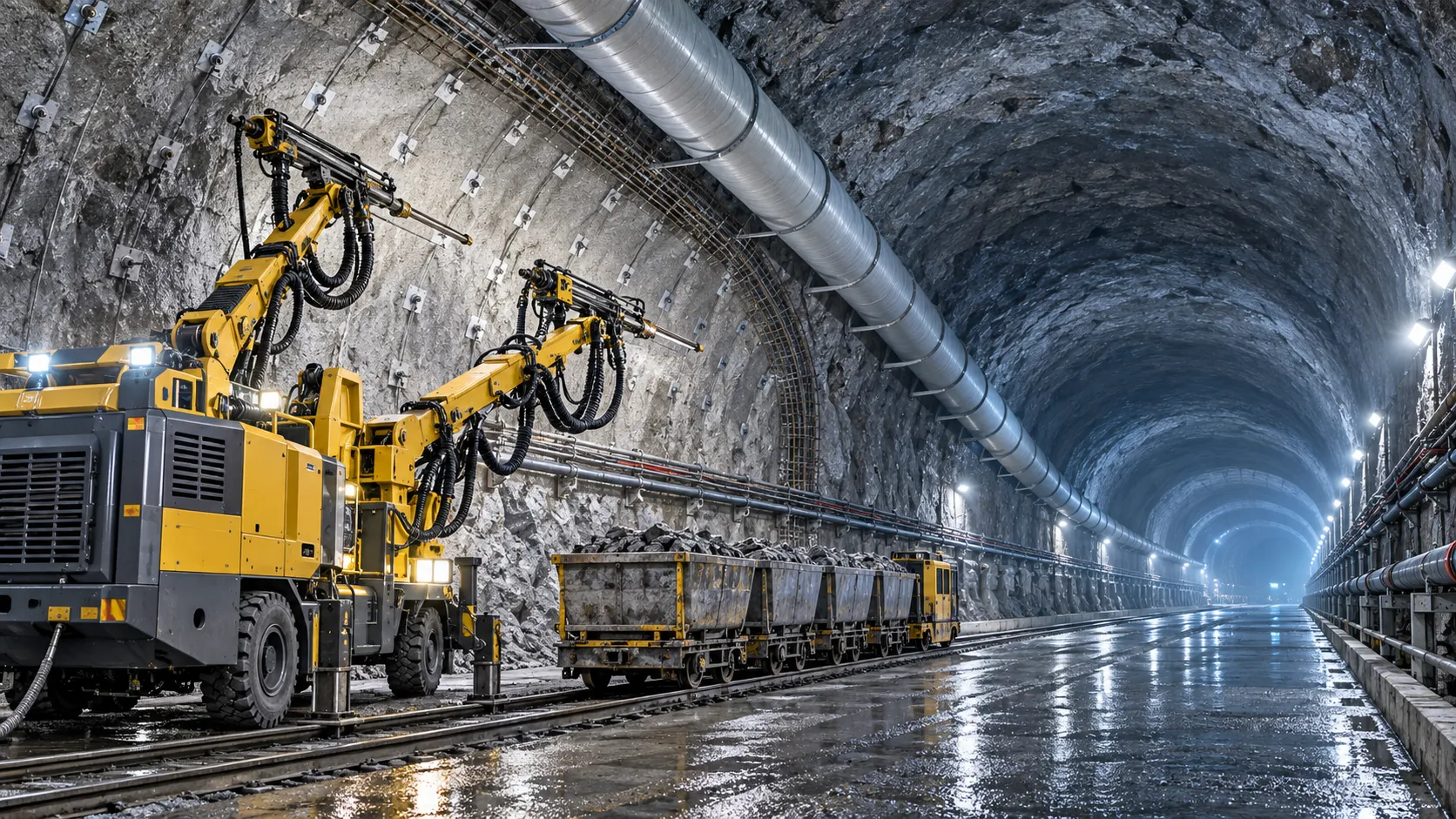
How to Evaluate European Drill-and-Blast Tunnelling Contractors for Complex Projects
Drill and blast tunnelling contractors Europe: learn how to assess geology expertise, blast control, equipment reliability, safety, and programme resilience for complex projects.
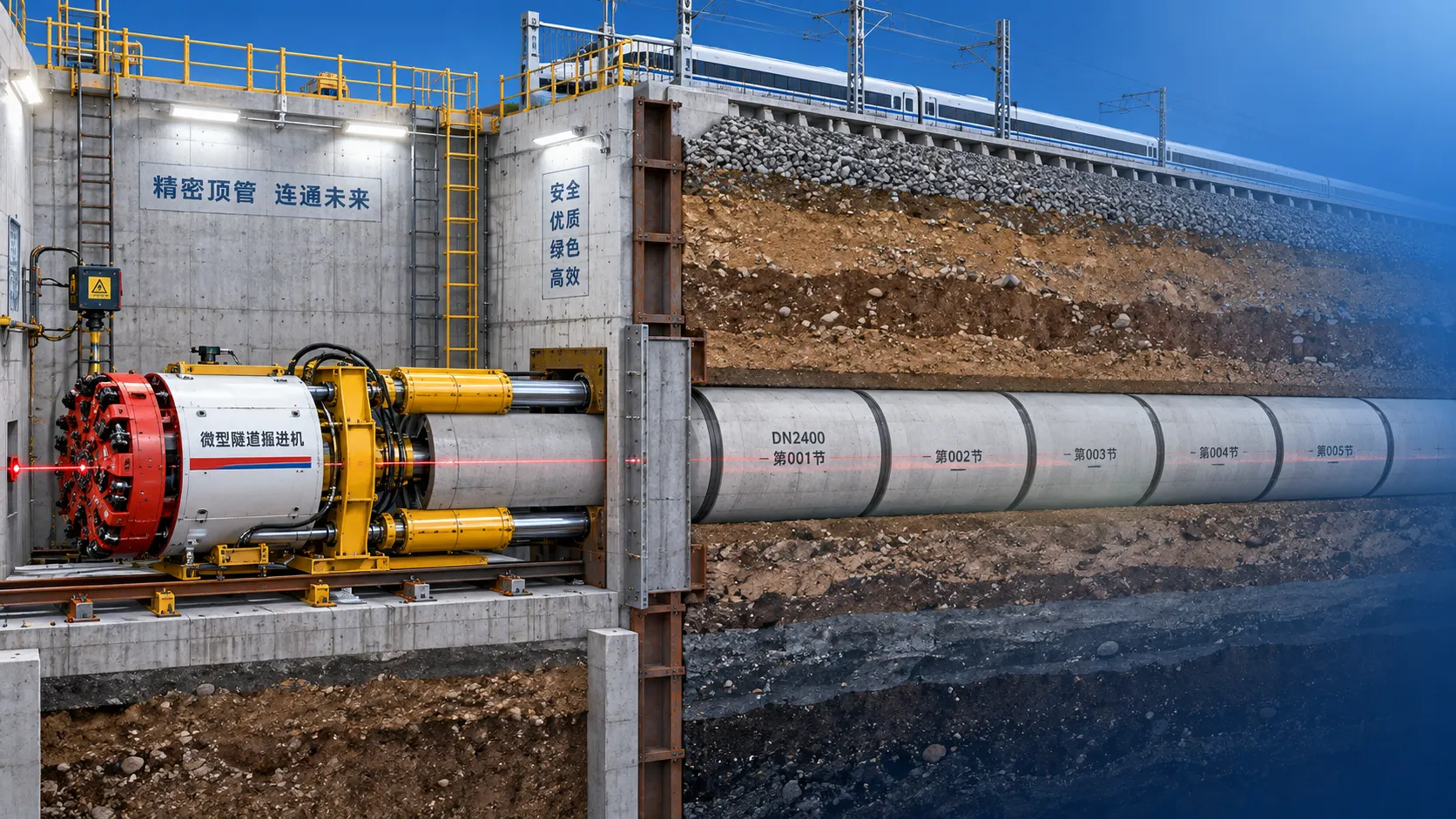
Which Trenchless Construction Technique Fits Your Utility Crossing Conditions?
Trenchless construction techniques compared for utility crossings: choose HDD, microtunnelling, pipe jacking, or auger boring based on ground, accuracy, access, and risk.

What Is Driving Metro Tunnelling Demand Across Southeast Asia’s Major Cities?
Metro tunnelling Southeast Asia is accelerating as major cities tackle congestion, flooding, and connectivity. Explore the market forces, technical risks, and opportunities shaping demand.
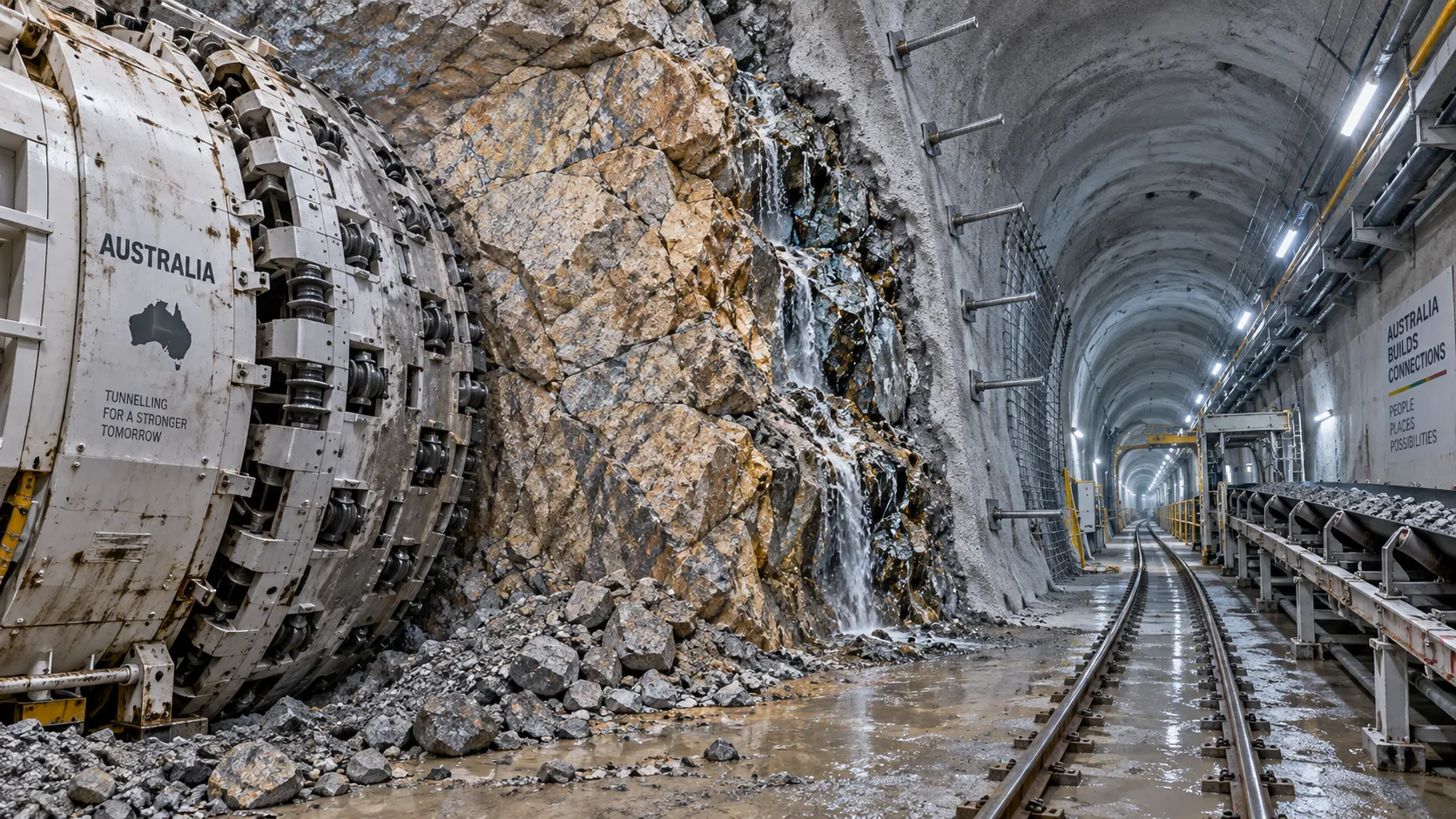
Hard Rock Tunnelling in Australia: Selecting Methods for Variable Ground Conditions
Hard rock tunnelling in Australia: compare TBM, drill-and-blast and hybrid methods to manage variable ground, reduce risk and protect project costs.
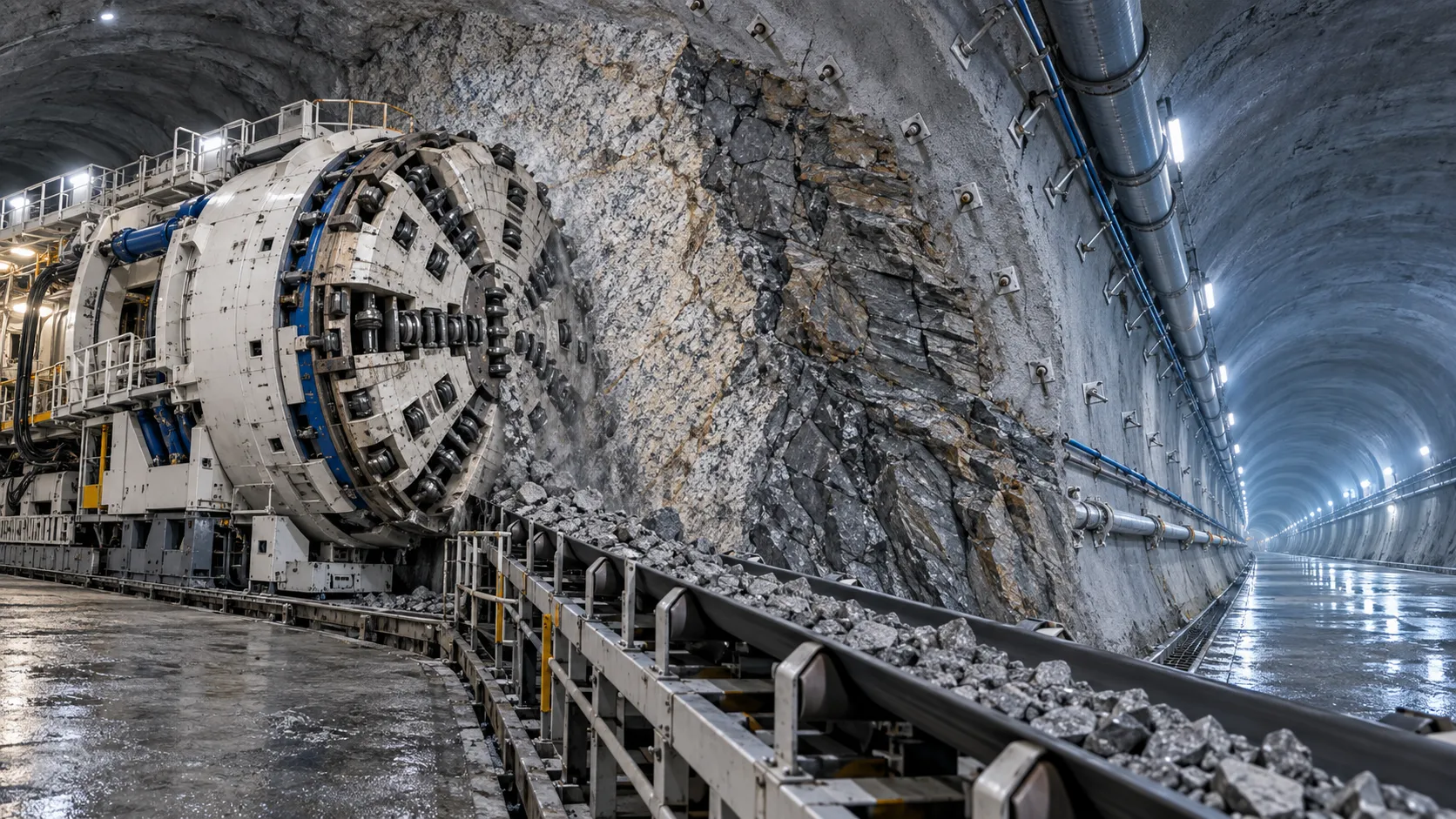
Hydropower Tunnel Excavation: Selecting Methods for Variable Rock Conditions
Hydropower tunnel excavation methods for variable rock conditions: compare TBM, drill-and-blast, and hybrid strategies to improve safety, progress, and project control.
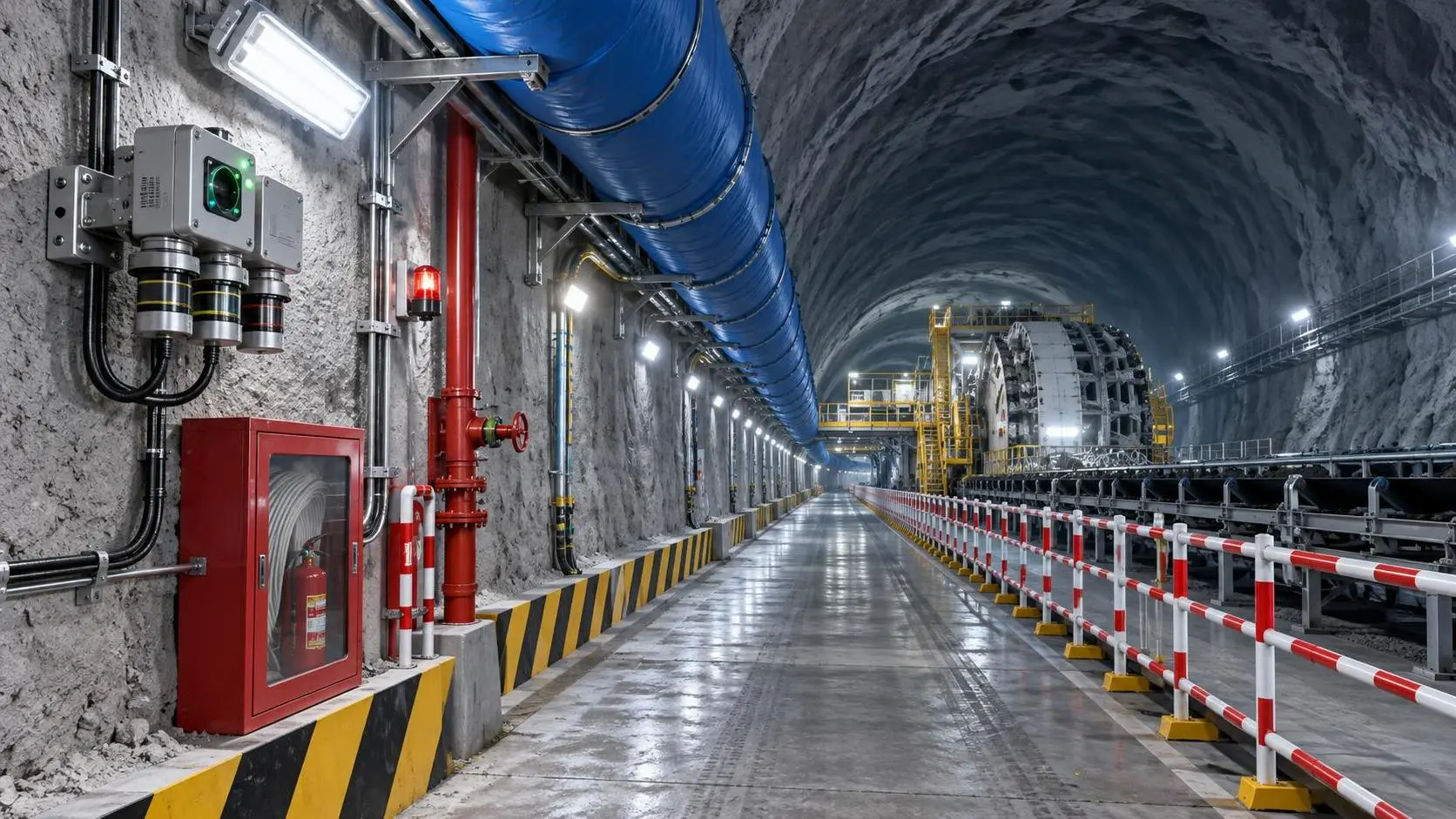
How to Select Underground Safety Equipment for Tunnelling by Hazard and Work Zone
Underground Safety Equipment for tunnelling: match protection to hazards, work zones, compliance, and emergency needs with this practical selection guide.
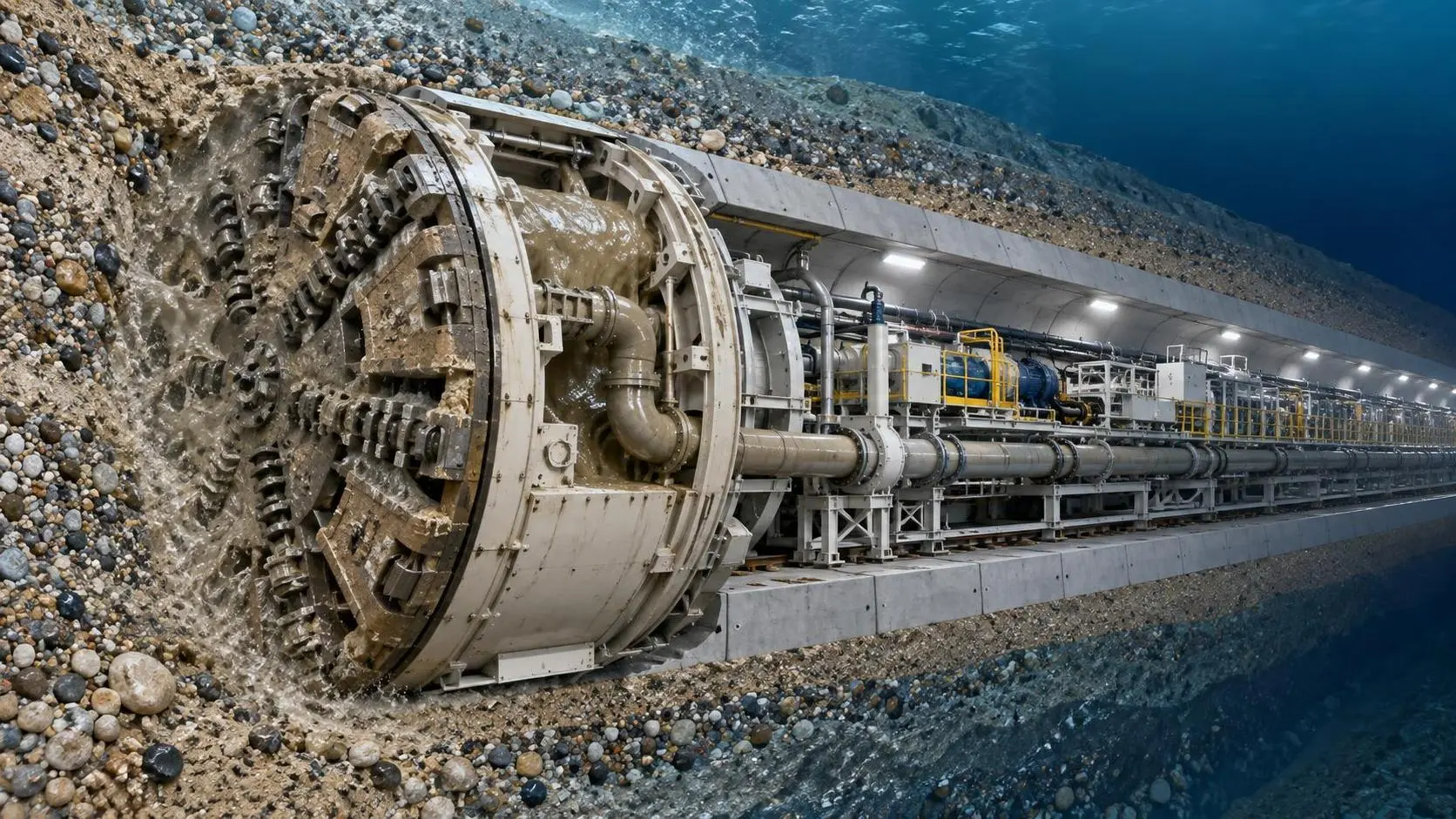
EPB or Slurry Shield? Selecting Soft-Ground Tunnelling Equipment by Soil Conditions
Tunnel Excavation Equipment for soft ground: compare EPB and slurry shields by soil, groundwater, settlement risk, and project logistics to choose confidently.
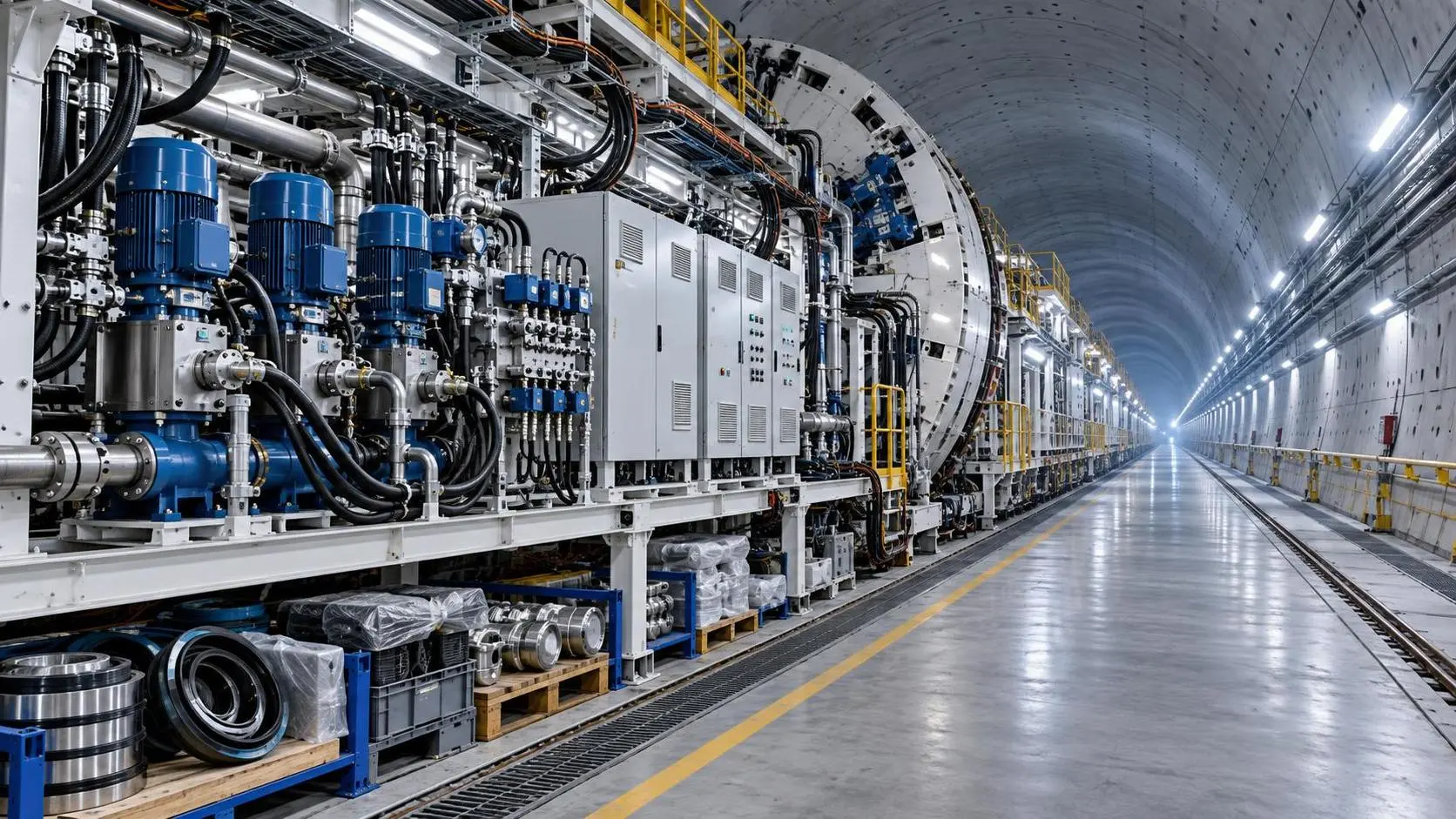
How to Specify TBM Backup System Parts for Reliable Long-Distance Tunnelling
TBM backup system parts: learn how to specify reliable spares for long-distance tunnelling, reduce downtime, ensure compatibility, and speed underground recovery.

How to Size Open Pit Mining Trucks for Haul Distance, Grade, and Payload?
Open Pit Mining Trucks: learn how to match payload, haul distance, grade, road resistance, and loading capacity for safer, lower-cost mine operations.
Related News
- 00
0000-00
How to Evaluate European Drill-and-Blast Tunnelling Contractors for Complex Projects - 00
0000-00
Which Trenchless Construction Technique Fits Your Utility Crossing Conditions? - 00
0000-00
What Is Driving Metro Tunnelling Demand Across Southeast Asia’s Major Cities? - 00
0000-00
Hard Rock Tunnelling in Australia: Selecting Methods for Variable Ground Conditions - 00
0000-00
Hydropower Tunnel Excavation: Selecting Methods for Variable Rock Conditions
Weekly Insights
Stay ahead with our curated technology reports delivered every Monday.