
SABIC Shutdown Hits TBM and LHD Supply Chains





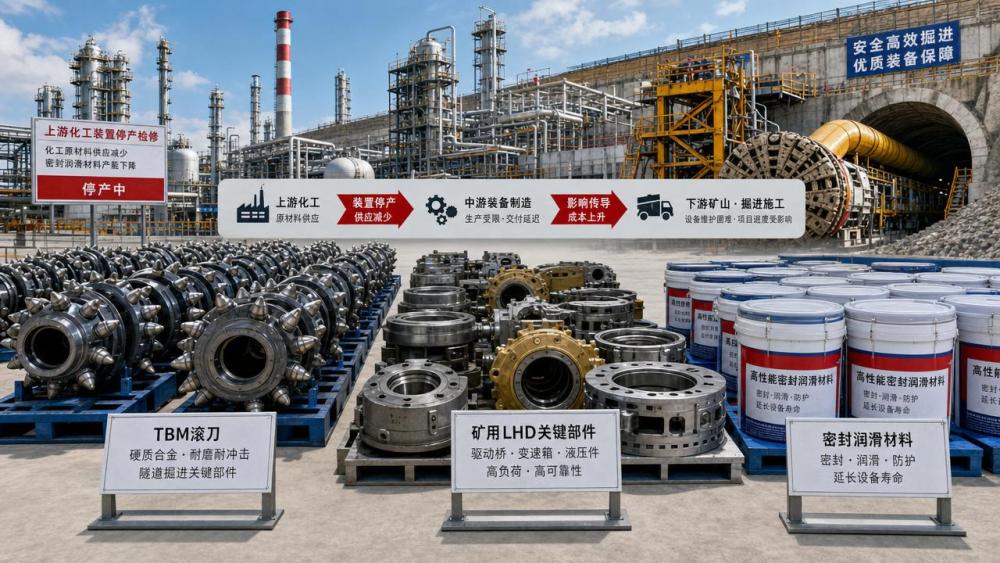
On March 27, 2026, SABIC announced a force majeure shutdown affecting its Jubail methanol base, described in the input as the world’s largest at 4.7 million tonnes per year, as well as its styrene unit. The development matters beyond petrochemicals because methanol is a key reducing agent in sintering hard-alloy substrates for TBM disc cutters, while styrene derivatives are used in Battery LHD fire-resistant coatings and EPB shield sealing grease. For procurement teams, component manufacturers, mining operators, and tunneling suppliers, the immediate issue is not only raw-material volatility but also the knock-on effect on delivery schedules and certification-related purchasing activity.
What Has Been Confirmed So Far
The confirmed information is limited but commercially significant. SABIC stated on March 27, 2026 that its Jubail methanol complex and styrene facilities were fully shut down under force majeure. The methanol site is identified in the input as a 4.7 million-tonne-per-year base. The same input states that methanol is a critical reducing agent for sintering the hard-alloy substrate used in TBM disc cutters, and that styrene derivatives are widely used in Battery LHD explosion-proof coating systems and in EPB shield sealing grease synthesis.
The current market effect cited in the input is a sharp rise in global chemical raw-material prices. That price movement has already extended cutter delivery lead times by 6 to 8 weeks, while mines in multiple countries have paused batch applications for fire-protection certification tied to newly purchased LHD units.
Where the Pressure Appears in the Chain
TBM cutter manufacturing faces a process-sensitive bottleneck
From an industry perspective, TBM cutter makers and their upstream materials buyers are exposed because methanol is linked to a specific production step rather than a purely interchangeable input. The pressure is therefore likely to show up first in procurement timing, production planning, and customer delivery commitments. What deserves closer attention is whether lead-time extensions remain limited to current orders or begin to affect project scheduling further downstream.
LHD-related coating demand is affected by compliance timing
Battery LHD supply chains may feel the impact differently. The issue described in the input is tied to styrene derivatives used in fire-resistant or explosion-proof coating applications, and the immediate consequence already cited is a pause in new fire-protection certification batch filings in several countries. For OEMs, coating system suppliers, and mining buyers, the key business impact may center less on physical unit delivery alone and more on certification sequencing, documentation readiness, and launch timing for new purchase batches.
EPB shield consumables may face cost and formulation pressure
Suppliers involved in EPB shield sealing grease should also watch the styrene side closely. Based on the input, the concern is not a confirmed supply halt in finished grease, but a raw-material shock affecting synthesis inputs. Analysis shows that this kind of disruption can matter most at the interface between raw-material sourcing, inventory coverage, and contract execution, especially where customers expect steady consumable supply during tunneling operations.
What Companies Should Watch Now
Track official wording and restart clarity
Companies directly exposed to methanol- or styrene-linked inputs should closely monitor any further official wording from the producer regarding force majeure status, shutdown scope, and subsequent updates. The difference between a shutdown notice and a clear restart path can materially affect procurement decisions, customer communication, and order prioritization.
Review lead times by product, not only by category
The current 6 to 8 week extension cited for cutter deliveries suggests that broad category-level monitoring may be insufficient. Buyers and manufacturers should pay attention to which product lines, specifications, or contract stages are showing the earliest delays, especially where processing cycles cannot be easily compressed.
Separate certification delays from simple purchasing delays
For LHD-related business, the reported pause in new fire-certification batch applications should be treated as a practical workflow issue, not merely a price issue. Enterprises should distinguish between delayed procurement, delayed coating-system availability, and delayed compliance filing, because each one affects sales planning and customer commitments differently.
Prepare documentation and communication in parallel
Observably, this is also a contract-management issue. Suppliers, distributors, and project-facing teams should be ready to update customers on delivery windows, raw-material exposure, and any documentation implications linked to coating systems or certified batches. In the current stage, communication discipline may be as important as material availability itself.
Why This Matters Beyond a Single Outage
Analysis shows that the event is notable because it links a petrochemical shutdown to specialized industrial applications where substitution may not be immediate in commercial practice. The input already points to two distinct consequences: longer TBM cutter lead times and a pause in some LHD fire-certification batch activity. That makes this more than a headline about upstream chemicals; it is also a warning about how concentrated raw-material disruptions can surface in equipment, consumables, and compliance workflows.
It is more appropriate to understand this as an active industry development that still requires observation, rather than as a completed market outcome. The confirmed effects are already meaningful, but the duration, geographic spread, and depth of secondary disruption are not established in the provided information.
How the Market May Best Read This Stage
At this point, the most balanced reading is that the shutdown is a short-term operational shock with clear downstream implications, while its longer-term significance still depends on subsequent updates. For tunneling, mining, and industrial materials participants, the practical takeaway is to focus on procurement timing, compliance-related workflows, and customer delivery exposure rather than assume a uniform market impact across all products.
Current evidence supports caution, not overstatement. The event already has visible consequences in lead times and certification activity, but it is still better treated as a developing supply-chain signal that warrants continued verification.
Basis of This Article
This article is generated from the user-provided news title, event date, and event summary. The specific official source link was not provided in the input, so the details should continue to be checked against source materials typically relevant to this type of development, such as company announcements, official notices, industry association updates, authoritative media reporting, and relevant standards or certification documents.
Further verification should focus on any follow-up statement on the force majeure situation, any clarification on restart timing, and any additional market confirmation regarding cutter lead times and LHD fire-certification batch activity.
Related News
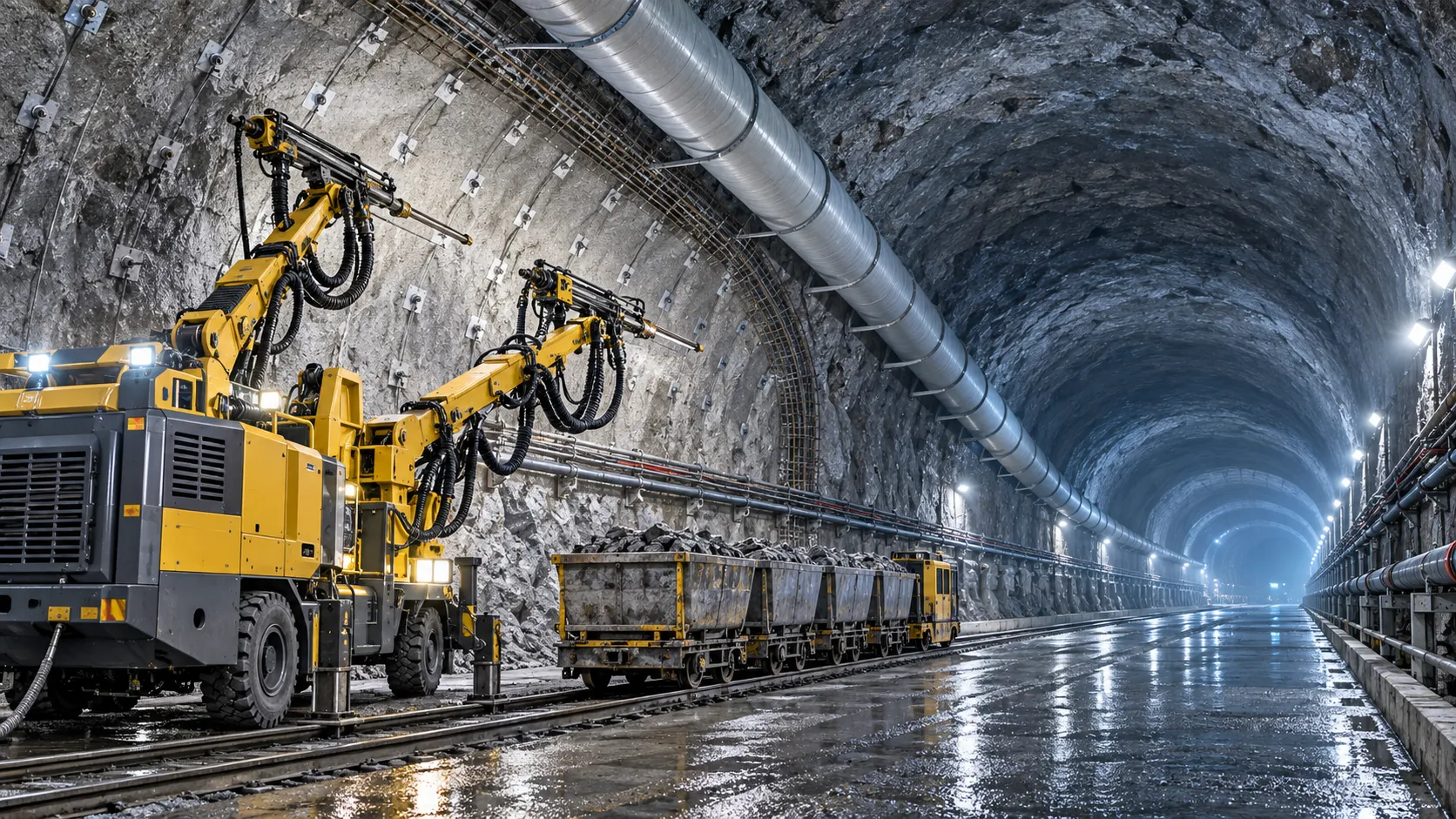
How to Evaluate European Drill-and-Blast Tunnelling Contractors for Complex Projects
Drill and blast tunnelling contractors Europe: learn how to assess geology expertise, blast control, equipment reliability, safety, and programme resilience for complex projects.
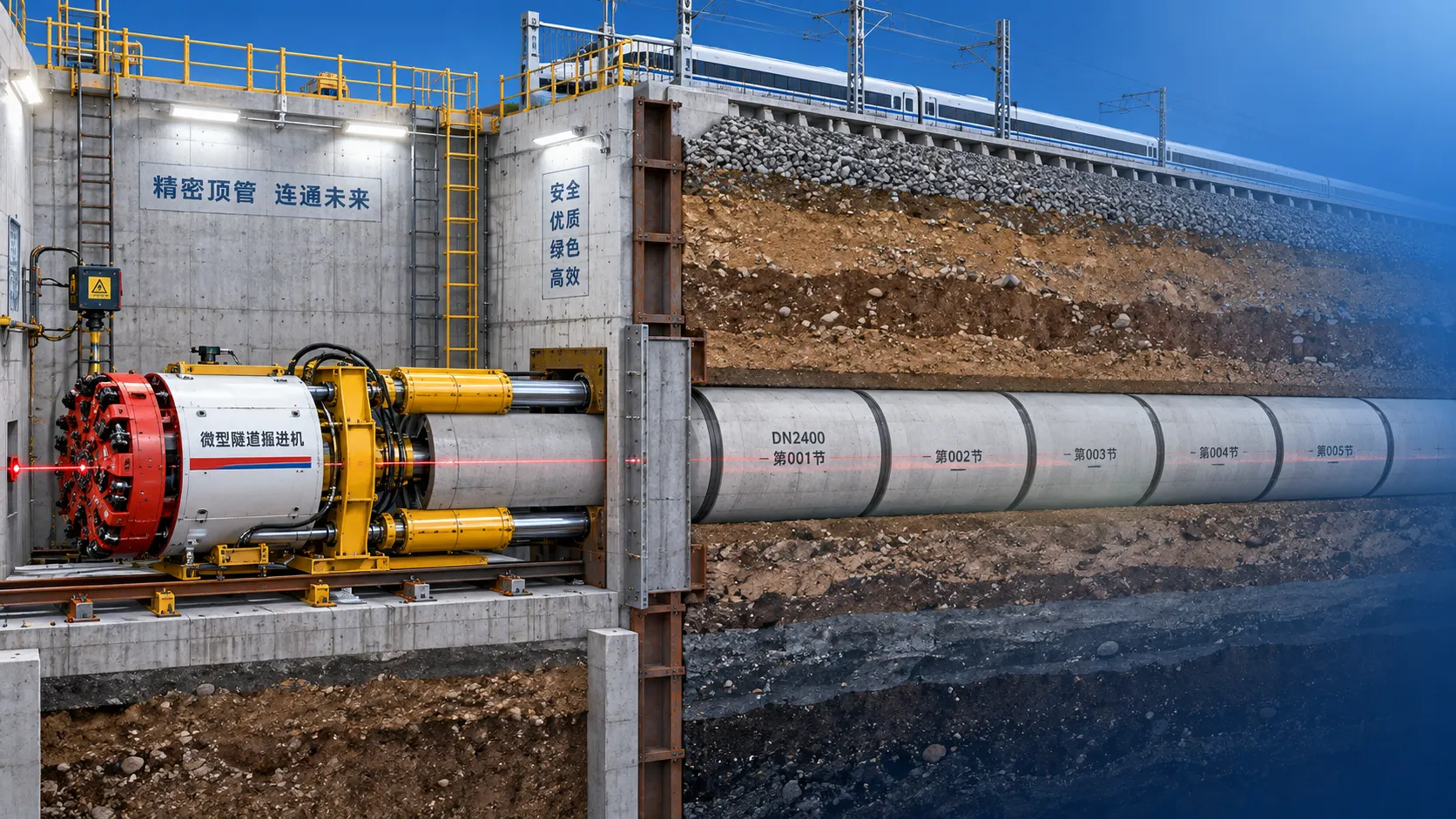
Which Trenchless Construction Technique Fits Your Utility Crossing Conditions?
Trenchless construction techniques compared for utility crossings: choose HDD, microtunnelling, pipe jacking, or auger boring based on ground, accuracy, access, and risk.

What Is Driving Metro Tunnelling Demand Across Southeast Asia’s Major Cities?
Metro tunnelling Southeast Asia is accelerating as major cities tackle congestion, flooding, and connectivity. Explore the market forces, technical risks, and opportunities shaping demand.
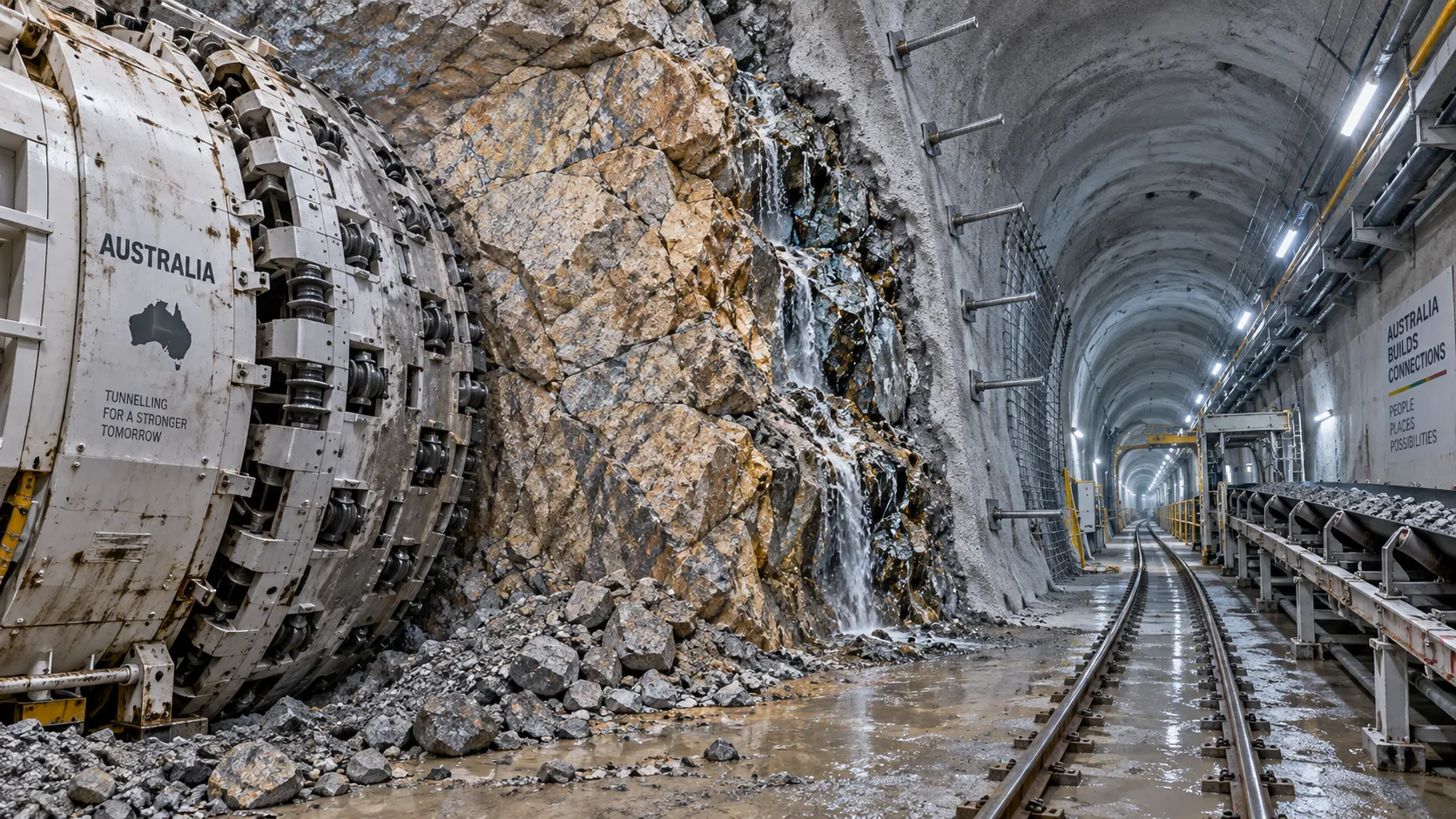
Hard Rock Tunnelling in Australia: Selecting Methods for Variable Ground Conditions
Hard rock tunnelling in Australia: compare TBM, drill-and-blast and hybrid methods to manage variable ground, reduce risk and protect project costs.
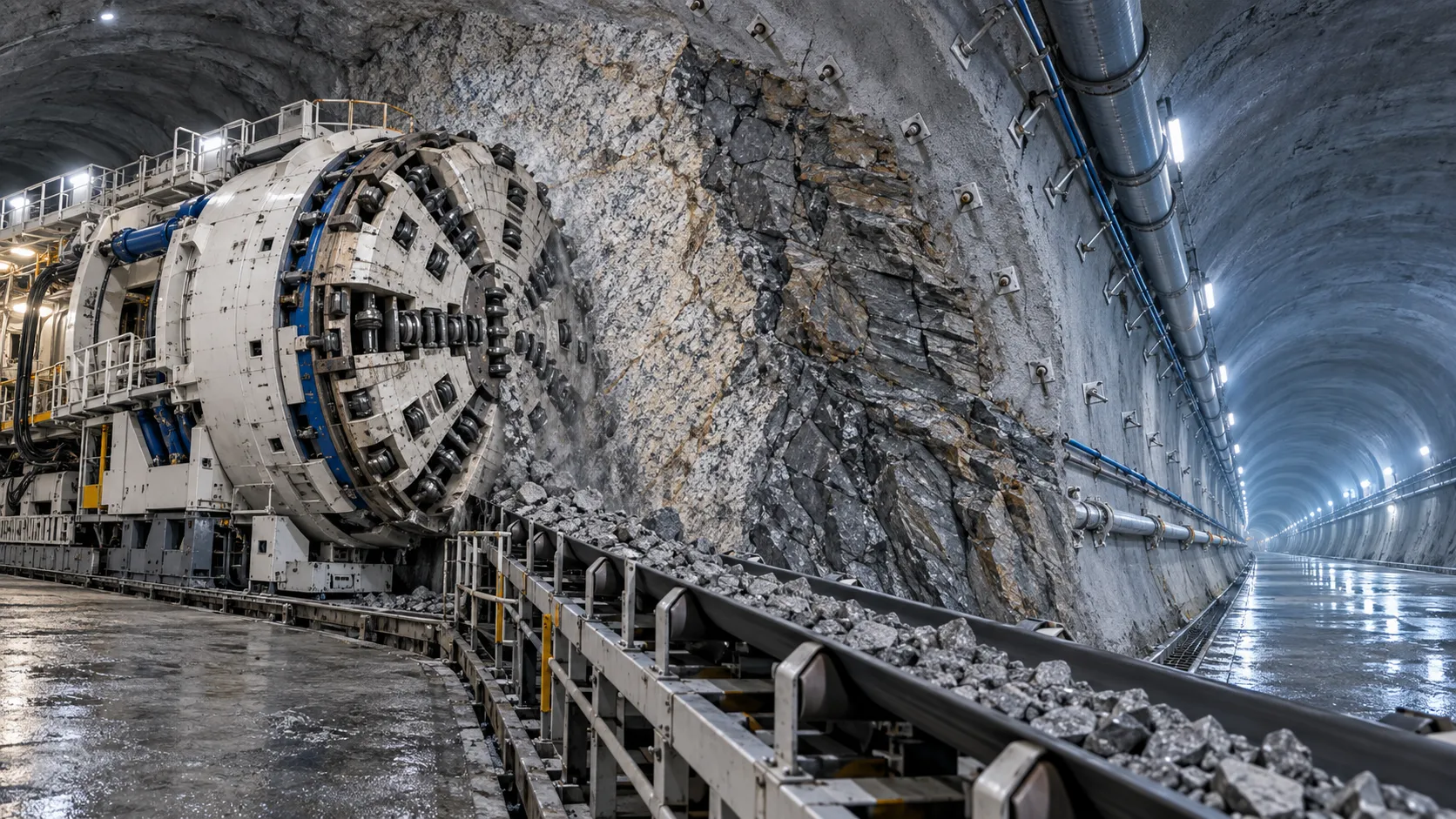
Hydropower Tunnel Excavation: Selecting Methods for Variable Rock Conditions
Hydropower tunnel excavation methods for variable rock conditions: compare TBM, drill-and-blast, and hybrid strategies to improve safety, progress, and project control.
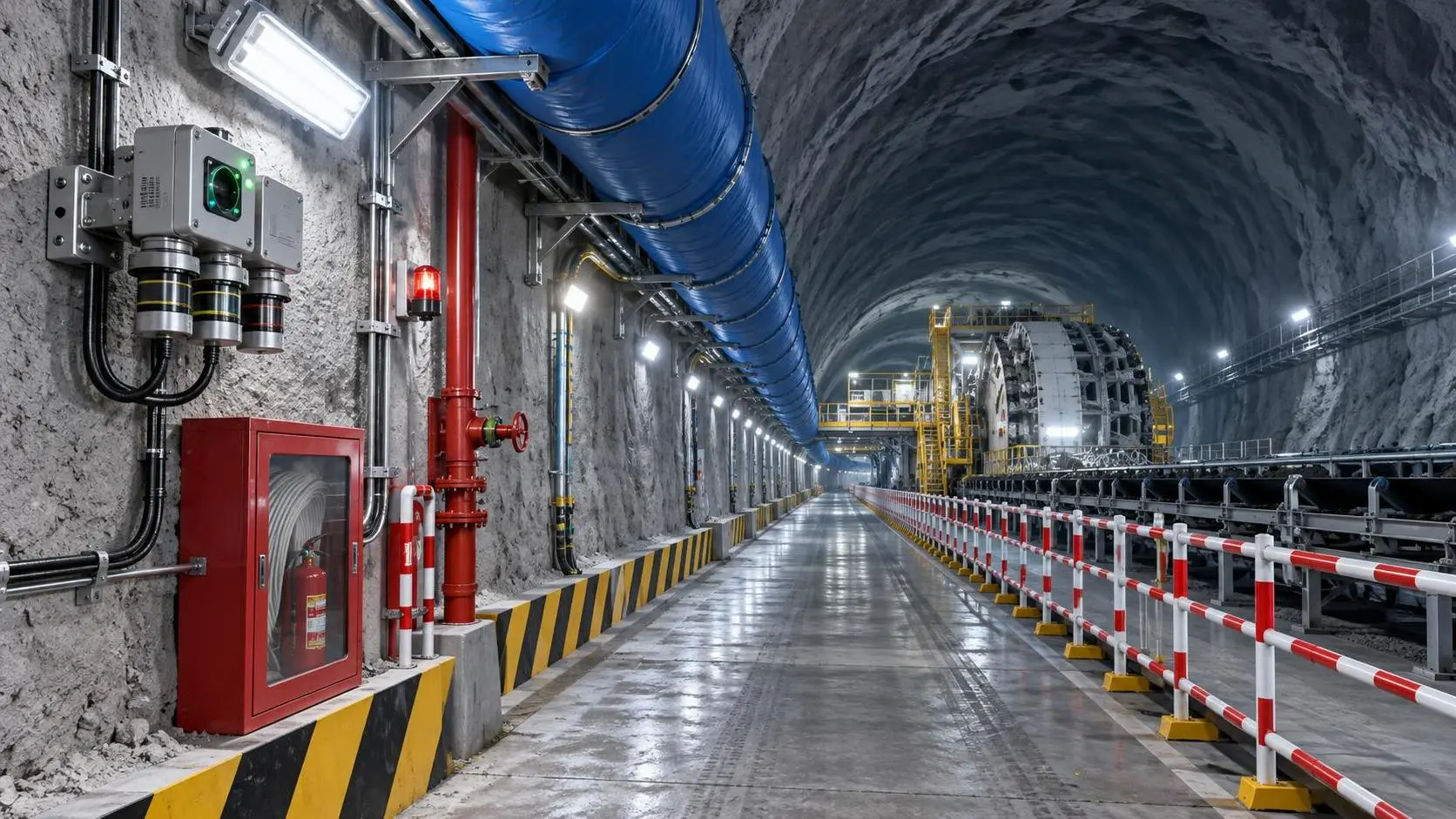
How to Select Underground Safety Equipment for Tunnelling by Hazard and Work Zone
Underground Safety Equipment for tunnelling: match protection to hazards, work zones, compliance, and emergency needs with this practical selection guide.
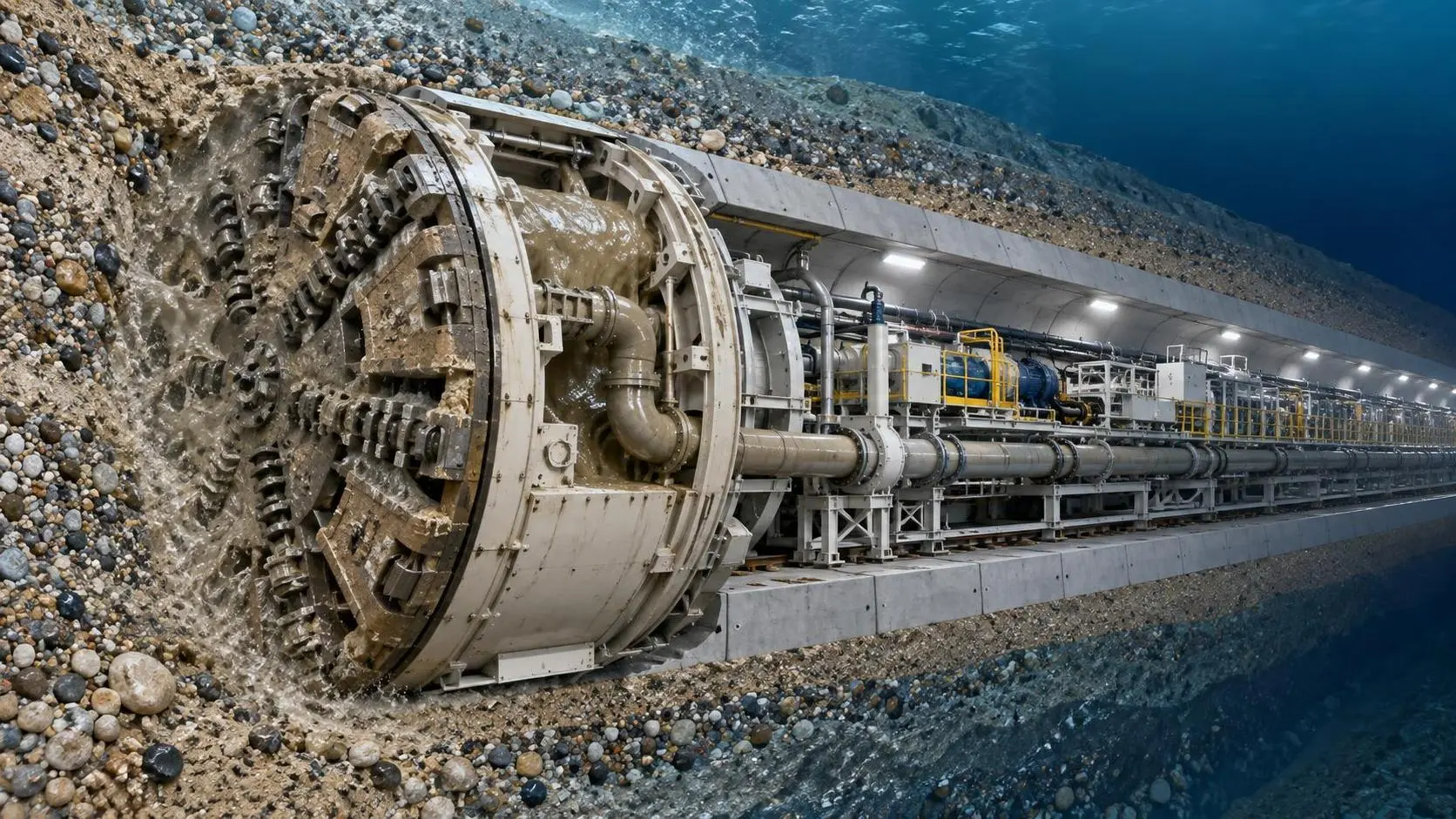
EPB or Slurry Shield? Selecting Soft-Ground Tunnelling Equipment by Soil Conditions
Tunnel Excavation Equipment for soft ground: compare EPB and slurry shields by soil, groundwater, settlement risk, and project logistics to choose confidently.
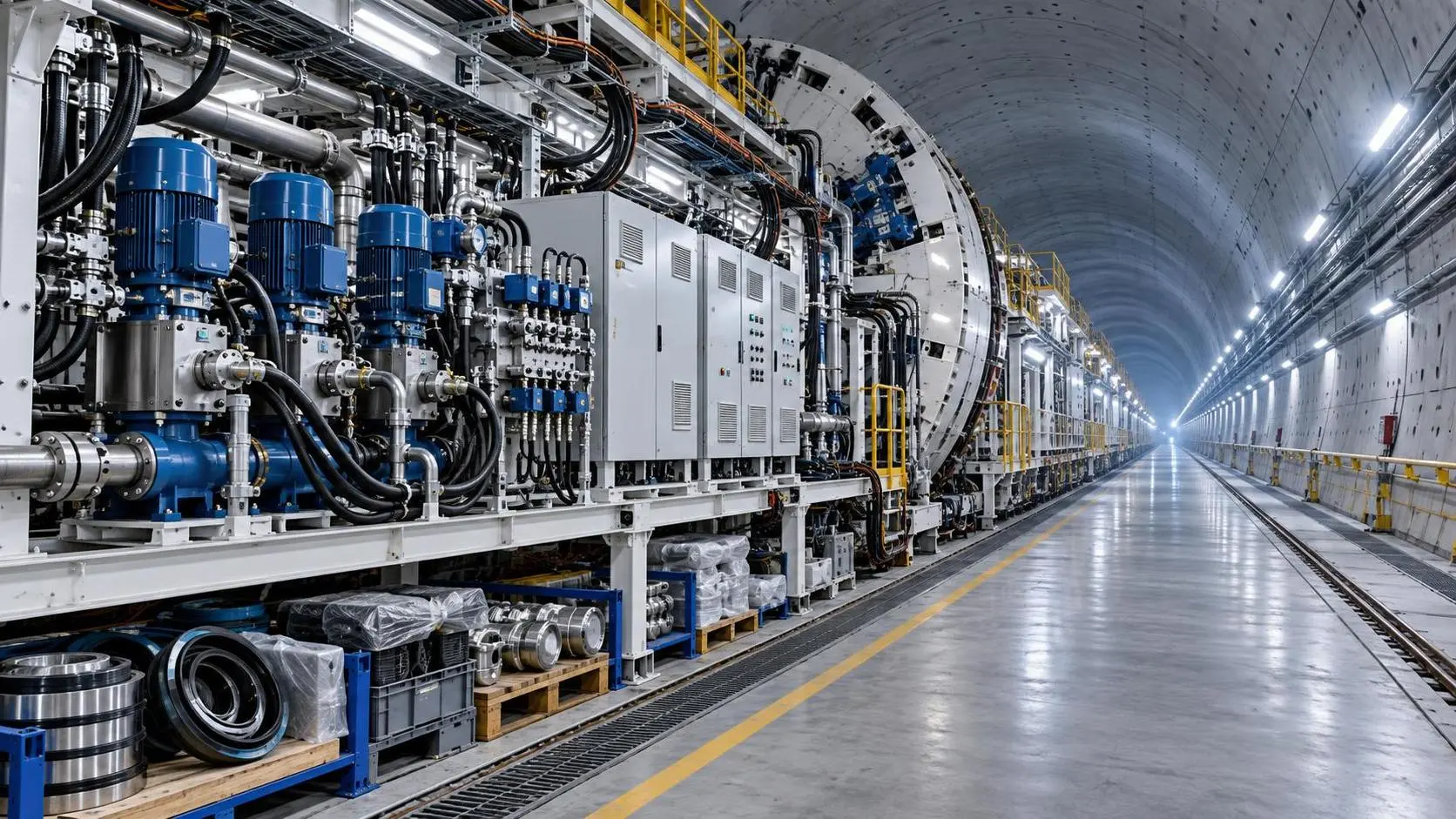
How to Specify TBM Backup System Parts for Reliable Long-Distance Tunnelling
TBM backup system parts: learn how to specify reliable spares for long-distance tunnelling, reduce downtime, ensure compatibility, and speed underground recovery.

How to Size Open Pit Mining Trucks for Haul Distance, Grade, and Payload?
Open Pit Mining Trucks: learn how to match payload, haul distance, grade, road resistance, and loading capacity for safer, lower-cost mine operations.
Related News
- 00
0000-00
How to Evaluate European Drill-and-Blast Tunnelling Contractors for Complex Projects - 00
0000-00
Which Trenchless Construction Technique Fits Your Utility Crossing Conditions? - 00
0000-00
What Is Driving Metro Tunnelling Demand Across Southeast Asia’s Major Cities? - 00
0000-00
Hard Rock Tunnelling in Australia: Selecting Methods for Variable Ground Conditions - 00
0000-00
Hydropower Tunnel Excavation: Selecting Methods for Variable Rock Conditions
Weekly Insights
Stay ahead with our curated technology reports delivered every Monday.