
TBM Disc Cutters Selection Guide: Key Ring Size, Hardness, and Wear Factors





Why TBM Disc Cutters Selection Matters More Than It First Appears
Selecting the right TBM Disc Cutters is critical for maximizing penetration, controlling wear costs, and maintaining stable excavation performance in complex ground conditions.
For technical evaluation work, small changes in ring size, hardness, and wear pattern can shift cutter life, intervention frequency, and total project efficiency.
That is why TBM Disc Cutters should never be treated as a standard consumable. They are a rock-contact system tied directly to geology, machine thrust, torque, and maintenance strategy.
UTMD tracks these links closely across global tunnelling and mining projects, especially where hard rock, abrasive formations, and uptime pressure define project success.
The key is simple: match cutter design to actual ground behavior, not just to catalog data.
Below is a practical way to review TBM Disc Cutters before final specification.

A quick visual comparison of ring size, wear profile, and rock interaction often helps align selection discussions with field reality.
The First Checks That Usually Decide Performance
- Start with rock strength and abrasivity, not price alone. UCS, quartz content, CERCHAR index, and joint spacing usually explain most TBM Disc Cutters wear differences underground.
- Check ring diameter against penetration targets and available thrust. Larger rings often improve load distribution, but they also change cutterhead layout, access, and replacement planning.
- Review ring hardness together with toughness. Very hard rings may resist abrasion, yet become vulnerable to chipping or brittle edge damage in fractured formations.
- Compare expected wear mode before selecting steel grade. Abrasive wear, impact wear, and thermal damage do not require the same TBM Disc Cutters material response.
- Confirm bearing, seal, and lubrication quality early. Cutter ring performance means little if internal failure causes seizure before the usable wear limit is reached.
- Do not isolate the cutter from the machine. TBM Disc Cutters selection should reflect cutterhead speed, thrust range, muck flow, cooling conditions, and intervention constraints.
How Ring Size Changes Real Cutting Behavior
Ring size is one of the most visible selection variables, but it is often oversimplified.
A larger cutter ring usually carries higher loads and can support deeper penetration in competent rock. It may also spread contact stress more effectively.
Still, larger is not always better. Ring diameter affects cutter spacing, breakout behavior, housing size, and maintenance access inside the cutterhead.
In mixed or highly fractured ground, an oversized ring can reduce responsiveness if the machine is not operating within the intended thrust window.
What to verify before locking ring diameter
- Match ring size to cutterhead force distribution. The best TBM Disc Cutters diameter is the one that works with actual center, face, and gauge loading zones.
- Check whether larger rings reduce replacement frequency enough to justify added weight, space demand, and possible changes in housing and mounting geometry.
- Review project intervention conditions. In hyperbaric or difficult access sections, longer-lasting TBM Disc Cutters may create strong value even if unit cost is higher.
Hardness Is Important, but Balance Matters More
Material hardness gets a lot of attention because it is easy to compare on paper.
But for TBM Disc Cutters, hardness alone does not define success. The ring also needs enough toughness to survive impact, vibration, and uneven contact.
This is where many selections go wrong. A harder ring may look ideal for abrasive rock, yet fail early if the formation contains blocks, voids, or sudden structure changes.
UTMD field observations across mega-tunnel and mining projects show that premature cutter loss often begins with imbalance, not with insufficient nominal hardness.
Wear Factors That Should Be Read Before Failure Happens
Wear is not just a final result. It is an early signal.
Good evaluation of TBM Disc Cutters should track how wear starts, where it concentrates, and whether the pattern is consistent across the cutterhead.
Flat wear may suggest normal abrasive consumption. Uneven shoulder wear can point to alignment issues, poor spacing, or unstable rock engagement.
Thermal discoloration, micro-cracking, or localized spalling often signals that operation parameters and material choice are no longer aligned.
Useful wear checks during evaluation
- Ask for wear data by cutter position, not only average life. Center, face, and gauge TBM Disc Cutters often experience very different contact and damage conditions.
- Look at failed rings physically whenever possible. Photos are helpful, but real fracture edges and wear flats reveal more about impact, heat, and abrasivity.
- Check whether wear is linked to geology transitions. Performance that looks stable in granite may fall sharply when abrasive mixed ground starts entering the face.
- Separate ring wear from bearing failure. If cutters stop rotating, apparent ring wear may actually be a secondary effect of internal mechanical seizure.
Different Ground Conditions Need Different Priorities
Massive hard rock
In strong, relatively uniform hard rock, penetration efficiency and abrasion resistance become the main concerns. Ring diameter, hardness balance, and stable bearing reliability matter most.
Here, TBM Disc Cutters should support sustained contact loads without accelerating flat wear. Cutter spacing and machine thrust need to be reviewed together, not separately.
Fractured and blocky formations
Impact resistance moves up the priority list in broken ground. Chipping and ring edge damage can rise quickly, even when nominal abrasivity looks moderate.
In this case, slightly lower hardness with stronger toughness can produce better real-life TBM Disc Cutters performance and more predictable maintenance intervals.
Mixed ground and variable face conditions
Mixed ground is where selection mistakes become expensive. The cutter has to survive changing contact mechanics, unstable muck flow, and inconsistent breakout behavior.
A balanced TBM Disc Cutters specification usually works better than an aggressive single-property design. Monitoring early wear trends becomes especially important here.
Common Gaps That Quietly Increase Cutter Cost
- Using laboratory rock data without checking field variability can mislead selection. Local faults, water, and weathered bands often change TBM Disc Cutters wear faster than expected.
- Ignoring cutter position differences hides real problems. Gauge cutters may fail from side loading while center cutters show acceptable wear at the same time.
- Focusing only on ring life can distort decisions. Downtime, intervention risk, and replacement difficulty often matter more than absolute wear length on paper.
- Treating all suppliers as technically equal is risky. Heat treatment control, seal performance, and bearing quality strongly affect TBM Disc Cutters consistency between batches.
- Missing the link between machine operation and wear can create false conclusions. High thrust or poor muck removal may be the real problem, not cutter material.
A Practical Review Path Before Final Selection
A useful review process usually starts with geology, then moves to machine limits, then to cutter construction details.
That order matters. If TBM Disc Cutters are reviewed only from a product sheet, important failure drivers stay hidden until excavation begins.
- Build a selection matrix that combines UCS, abrasivity, fracture frequency, expected penetration, and intervention constraints before comparing any TBM Disc Cutters options.
- Request position-based performance records from similar projects. Data from comparable geology is usually more useful than generic average cutter life claims.
- Review ring material, bearing design, seal system, and quality control together. A strong ring cannot compensate for weak internal cutter assembly reliability.
- Plan an early inspection window after initial boring. First wear patterns often reveal whether TBM Disc Cutters selection should be adjusted before larger losses occur.
Final Takeaway for Better TBM Disc Cutters Decisions
The best TBM Disc Cutters choice is rarely the hardest ring or the largest diameter by default.
It is the option that matches geology, machine loading, wear mode, and maintenance reality with the fewest hidden compromises.
For underground projects shaped by hard rock mechanics, automation demands, and tighter asset utilization targets, this level of selection discipline matters more than ever.
UTMD continues to follow the performance logic behind TBM Disc Cutters, tunnelling systems, and underground mining equipment because reliable cutting remains the starting point of reliable excavation.
A smart next step is to compare current cutter assumptions against actual ground data, cutterhead positions, and early wear evidence before finalizing the specification.
Related News
How to Evaluate European Drill-and-Blast Tunnelling Contractors for Complex Projects
Drill and blast tunnelling contractors Europe: learn how to assess geology expertise, blast control, equipment reliability, safety, and programme resilience for complex projects.
Which Trenchless Construction Technique Fits Your Utility Crossing Conditions?
Trenchless construction techniques compared for utility crossings: choose HDD, microtunnelling, pipe jacking, or auger boring based on ground, accuracy, access, and risk.

What Is Driving Metro Tunnelling Demand Across Southeast Asia’s Major Cities?
Metro tunnelling Southeast Asia is accelerating as major cities tackle congestion, flooding, and connectivity. Explore the market forces, technical risks, and opportunities shaping demand.
Hard Rock Tunnelling in Australia: Selecting Methods for Variable Ground Conditions
Hard rock tunnelling in Australia: compare TBM, drill-and-blast and hybrid methods to manage variable ground, reduce risk and protect project costs.
Hydropower Tunnel Excavation: Selecting Methods for Variable Rock Conditions
Hydropower tunnel excavation methods for variable rock conditions: compare TBM, drill-and-blast, and hybrid strategies to improve safety, progress, and project control.
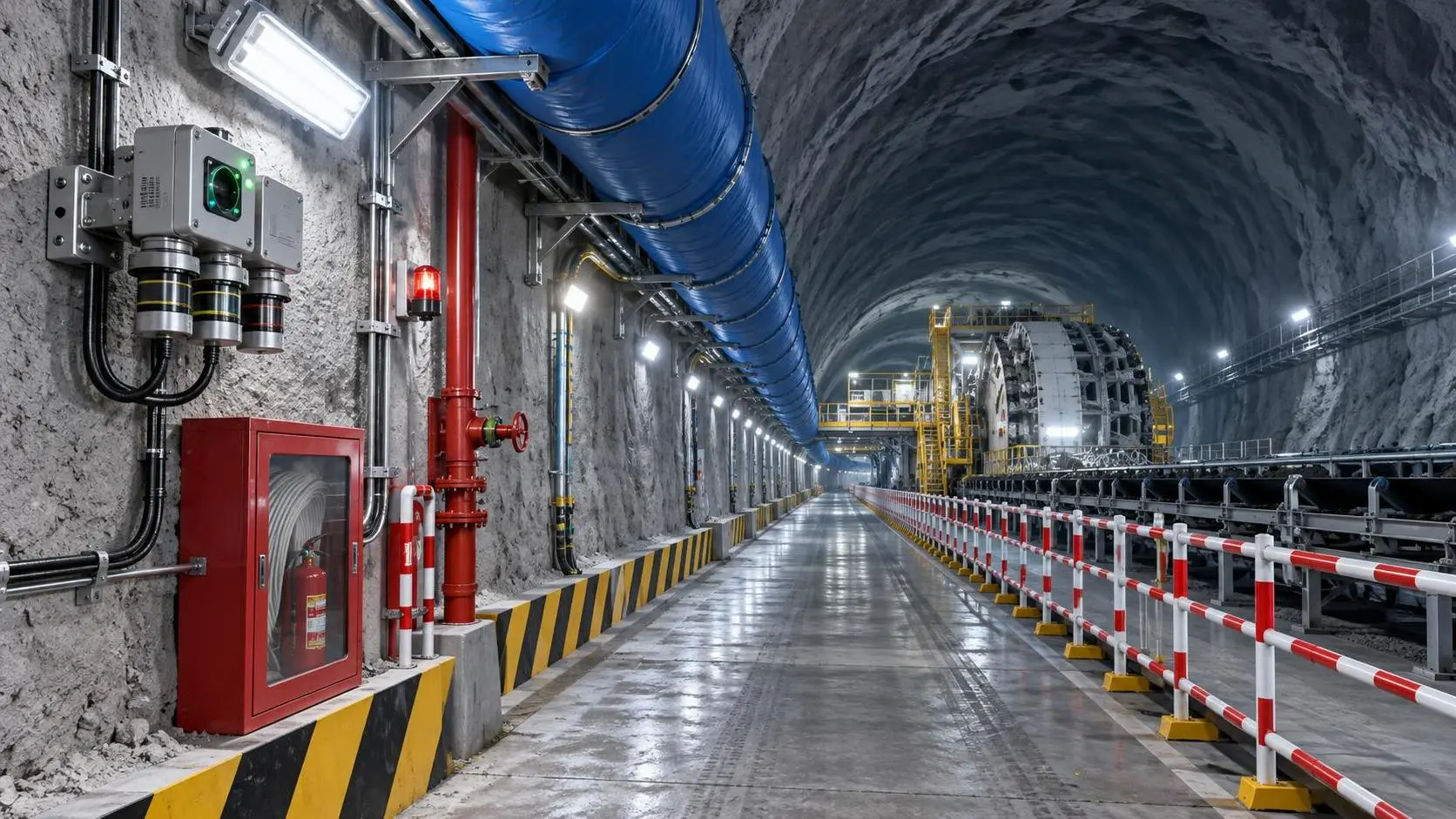
How to Select Underground Safety Equipment for Tunnelling by Hazard and Work Zone
Underground Safety Equipment for tunnelling: match protection to hazards, work zones, compliance, and emergency needs with this practical selection guide.
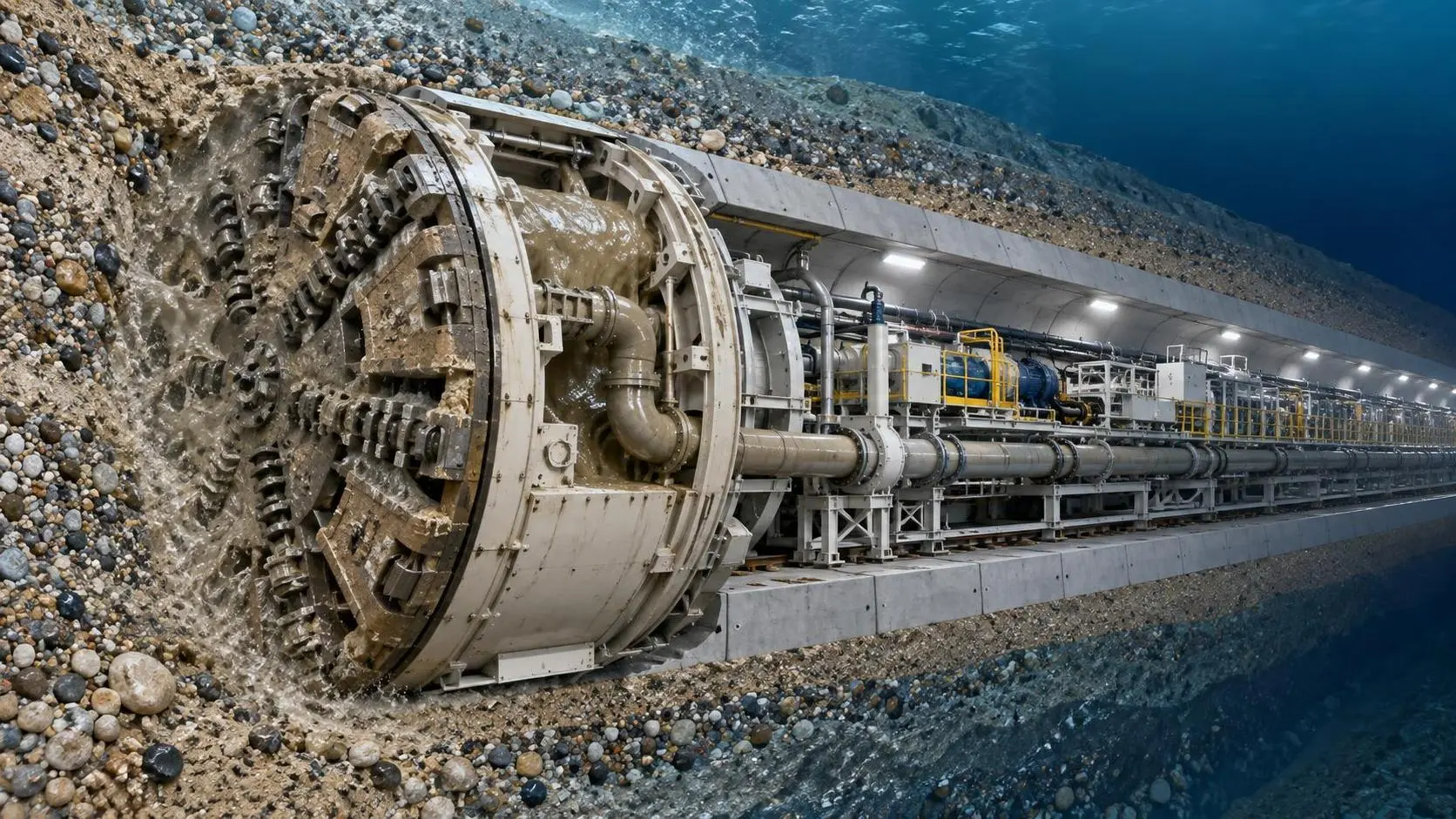
EPB or Slurry Shield? Selecting Soft-Ground Tunnelling Equipment by Soil Conditions
Tunnel Excavation Equipment for soft ground: compare EPB and slurry shields by soil, groundwater, settlement risk, and project logistics to choose confidently.
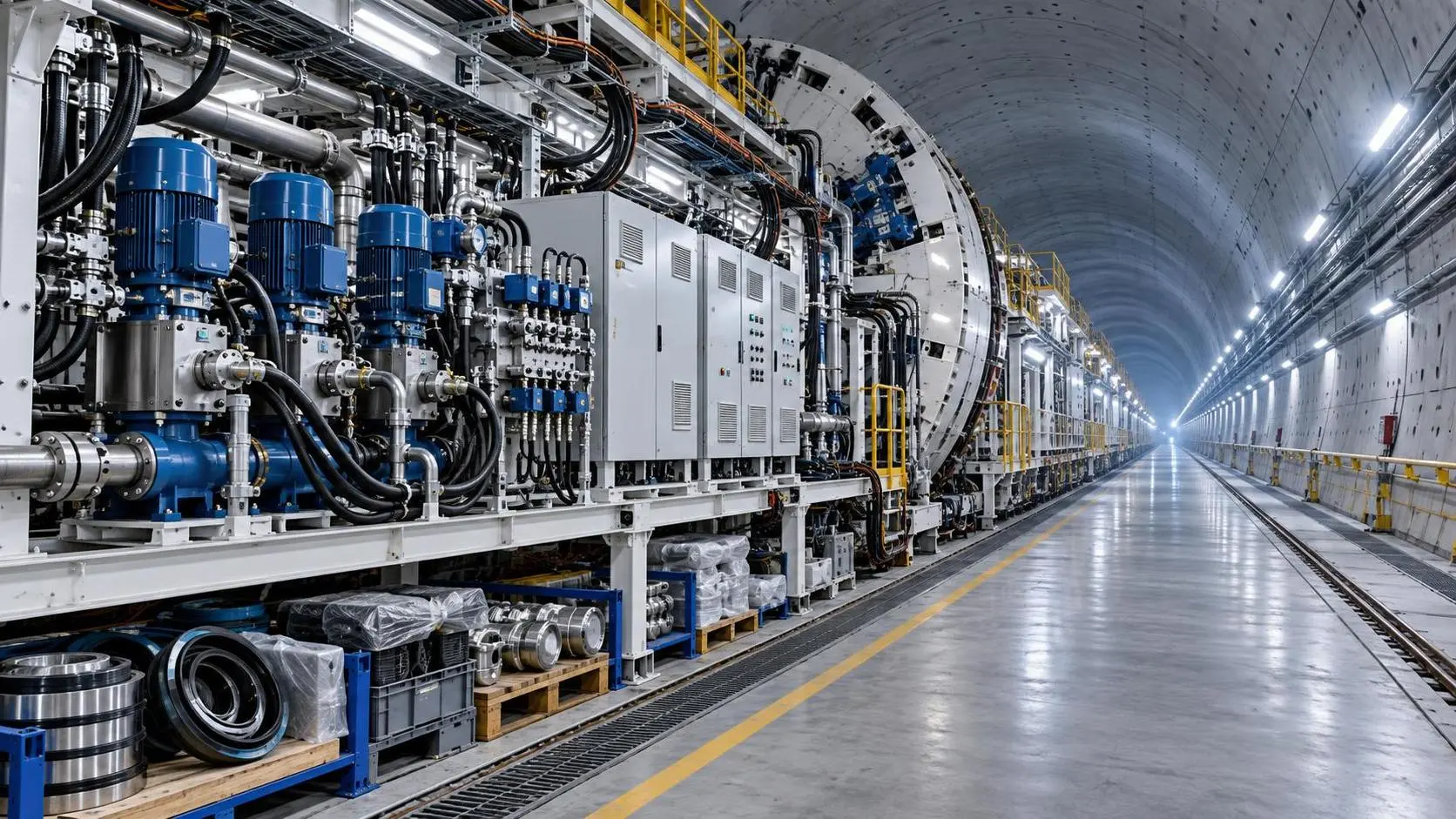
How to Specify TBM Backup System Parts for Reliable Long-Distance Tunnelling
TBM backup system parts: learn how to specify reliable spares for long-distance tunnelling, reduce downtime, ensure compatibility, and speed underground recovery.
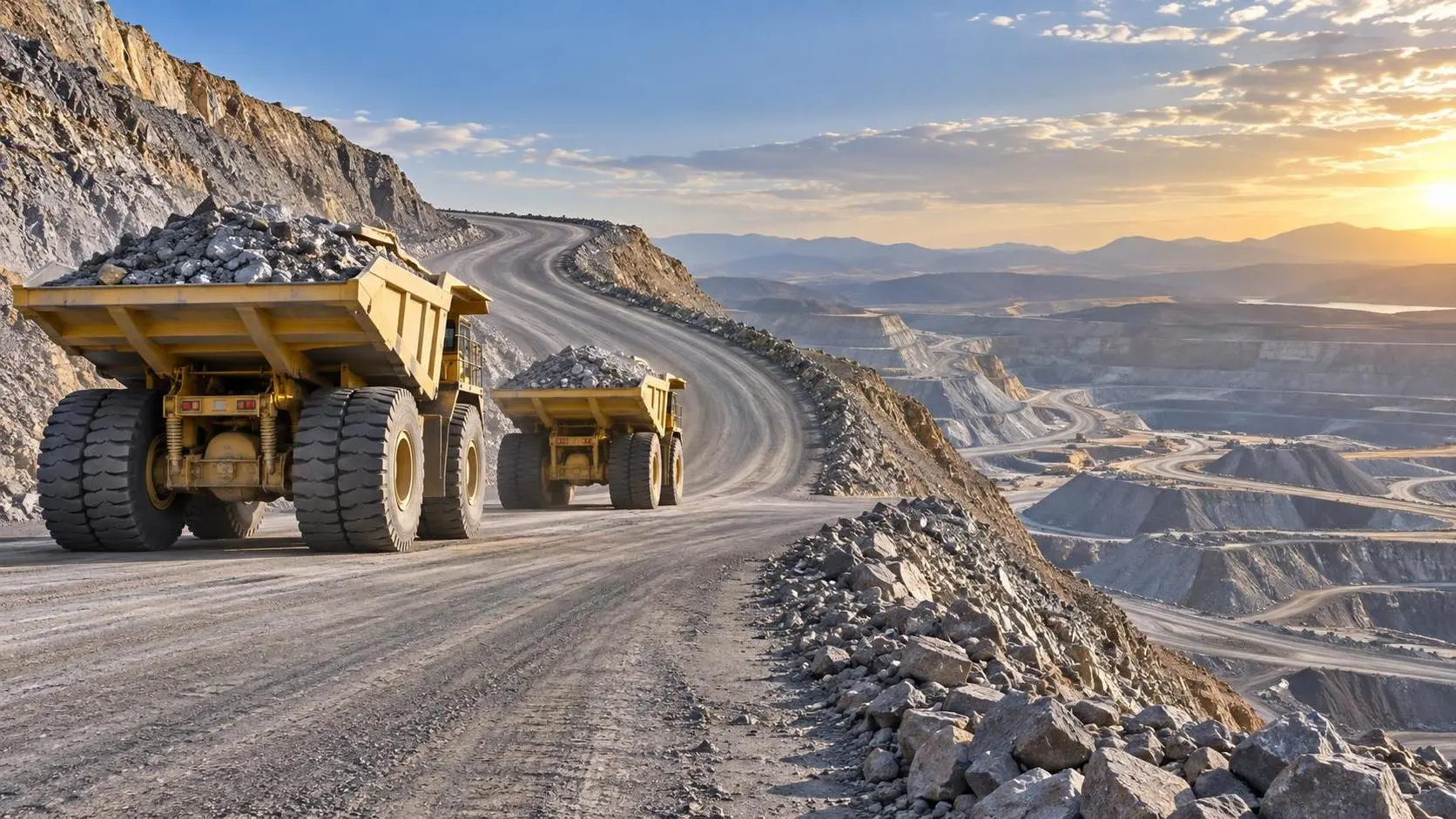
How to Size Open Pit Mining Trucks for Haul Distance, Grade, and Payload?
Open Pit Mining Trucks: learn how to match payload, haul distance, grade, road resistance, and loading capacity for safer, lower-cost mine operations.
Related News
- 00
0000-00
How to Evaluate European Drill-and-Blast Tunnelling Contractors for Complex Projects - 00
0000-00
Which Trenchless Construction Technique Fits Your Utility Crossing Conditions? - 00
0000-00
What Is Driving Metro Tunnelling Demand Across Southeast Asia’s Major Cities? - 00
0000-00
Hard Rock Tunnelling in Australia: Selecting Methods for Variable Ground Conditions - 00
0000-00
Hydropower Tunnel Excavation: Selecting Methods for Variable Rock Conditions
Weekly Insights
Stay ahead with our curated technology reports delivered every Monday.