
Australia Tightens Hard Rock TBM Import Review





On June 10, 2026, Australia’s federal Department of Resources and Energy announced an immediate change to import access for Hard Rock TBMs destined for the Pilbara iron ore region in Western Australia. The update adds a parallel compliance track to the existing type-testing path by requiring a digital-twin wear verification report based on project-measured rock samples with RMR ≥85 and certified by AusIMM. For TBM manufacturers, importers, project procurement teams, certification participants, and delivery planners, this matters because the rule change now directly affects technical documentation, review sequencing, and expected import timing.
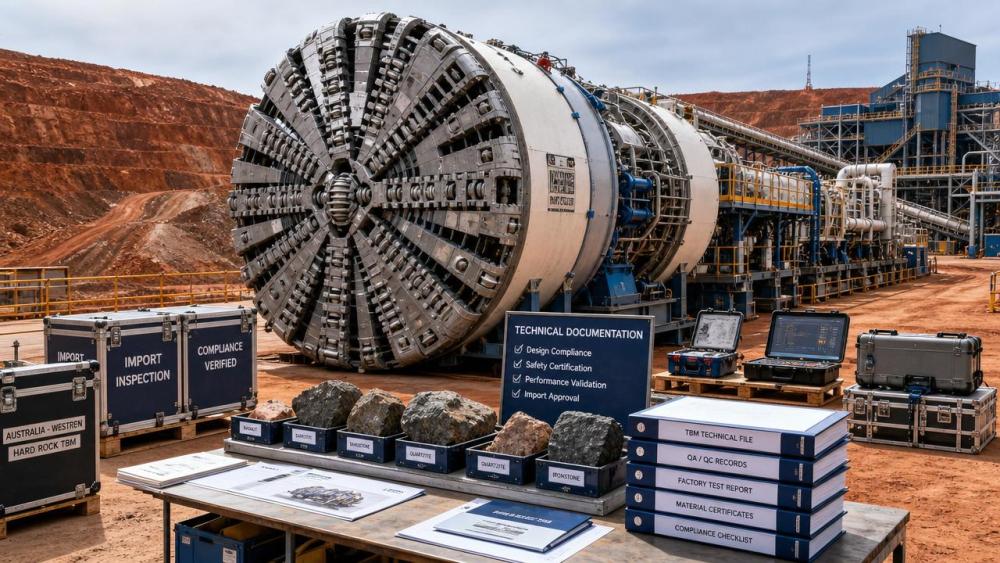
A new entry condition is now attached to Pilbara-bound imports
The confirmed facts are limited but clear. According to the notice issued on June 10, 2026, imported Hard Rock TBMs for use in the Pilbara iron ore region of Western Australia are now subject to a “dual-track entry” requirement effective immediately. In addition to conventional type testing, manufacturers must work with a third-party geological modeling institution to submit a digital-twin simulation report covering cutterhead-to-rock coupling wear behavior. The report must be based on project-measured rock samples with RMR ≥85 and must be certified by AusIMM.
The event summary also states that the first review was completed on June 9 and that the average review cycle has been extended by 22 working days. No further implementation detail, formal guidance text, or expanded scope beyond the stated import use case was provided in the input.
Where the pressure points are likely to appear first
Manufacturers now face a broader pre-shipment documentation burden
From an industry perspective, Hard Rock TBM manufacturers are the first group likely to feel the rule change because the new requirement is not limited to product testing alone. It adds a project-linked modeling and certification layer that must be prepared jointly with a third-party geological modeling institution. In practice, this means technical files for Pilbara-bound units may need to incorporate project rock data, wear simulation outputs, and AusIMM-certified deliverables alongside standard test materials.
Import and procurement teams may need to adjust review timing
Importers and project procurement teams may be affected because the notice ties market access to both technical evidence and certification sequencing. Analysis shows that even without more detailed procedural rules, the stated average extension of 22 working days is already a practical signal for purchase scheduling, customs preparation, and delivery coordination. What deserves closer attention is whether tender documents, purchase orders, and milestone plans begin to treat the digital-twin report as a mandatory submission item rather than a supplementary technical attachment.
Third-party modeling and certification participants gain a more central role
The notice specifically requires cooperation between the manufacturer and a third-party geological modeling institution, with AusIMM certification attached to the final report. This means compliance is no longer shaped only by factory testing capability; it also depends on whether the required external parties can be engaged in time and whether documentation is produced in a form accepted during review. For service providers involved in verification, document control, and technical compliance support, the operational focus is likely to move toward report readiness, traceability of rock sample inputs, and coordination across multiple approval steps.
After-sales and delivery commitments could face tighter scrutiny
For downstream delivery and service teams, the change may affect contractual promises tied to import timing, commissioning windows, and handover schedules. Observably, when an access condition is linked to project-specific rock wear simulation rather than only product-level qualification, any mismatch between site data, technical submissions, and delivery planning could become a practical execution risk. This is not yet proof of broader disruption, but it is a clear reason to review document completeness before shipment milestones are locked.
What companies should watch in the near term
Check whether compliance packages are still structured for the old path
Analysis shows that companies involved in Pilbara-bound Hard Rock TBM trade should first review whether their current submission sets are built only around conventional type testing. If so, they may need to identify gaps in project rock data usage, digital-twin wear simulation content, and AusIMM-linked certification documentation.
Track how review language appears in bids and purchase documents
What deserves closer attention is whether procurement documents, bid specifications, and import-related technical appendices begin to mirror the new dual-track requirement. If the wording shifts quickly, the rule change will function not only as a border-entry requirement but also as an upstream procurement filter.
Build more time into delivery and import planning
The stated average extension of 22 working days should not be treated as a universal outcome, but it is a practical timing signal. Companies may need to reassess internal approval calendars, shipping windows, and project mobilization assumptions where Pilbara-bound imports are involved.
Continue watching for further execution detail
The input does not provide detailed procedural guidance, document templates, or a fuller explanation of review standards. It is therefore more appropriate to monitor subsequent official wording, certification practice, tender text changes, and market feedback before treating every element of implementation as settled.
Why this reads as an execution signal rather than a theoretical policy note
Observably, this update is more than a general compliance reminder because it links import access to a new technical proof requirement and notes that a first review has already been completed. Analysis shows that this gives the market an immediate execution signal: for the specified Pilbara use case, digital-twin wear verification is no longer a distant concept but part of the import review path. At the same time, the limited detail in the provided information means the market still needs to observe how consistently the requirement is applied, how certification expectations are interpreted, and how procurement documents reflect the new rule in practice.
How this update is best understood for now
At this stage, the most balanced reading is that the notice signals a live compliance change for a defined import scenario rather than a fully transparent, fully elaborated rule regime. It points to a stricter linkage between project geology, technical validation, and import approval for Hard Rock TBMs entering the Pilbara iron ore context. For companies across manufacturing, trade, procurement, certification, and delivery, the immediate takeaway is not to assume business as usual in document preparation or timing, while also avoiding conclusions that go beyond the facts currently provided.
Basis of this article and points still requiring verification
This article is generated from the user-provided news title, event date, and event summary. For developments of this kind, relevant source categories typically include official notices, regulator releases, customs or trade authority updates, industry association information, standards-related documents, and reporting by established industry media. A specific official source link was not provided in the input, so the exact publication record still needs to be verified on an ongoing basis.
Further observation is still needed on detailed implementation wording, certification interpretation, tender document changes, review practice, market feedback, and how affected companies execute against the new requirement in real transactions and project schedules.
Related News
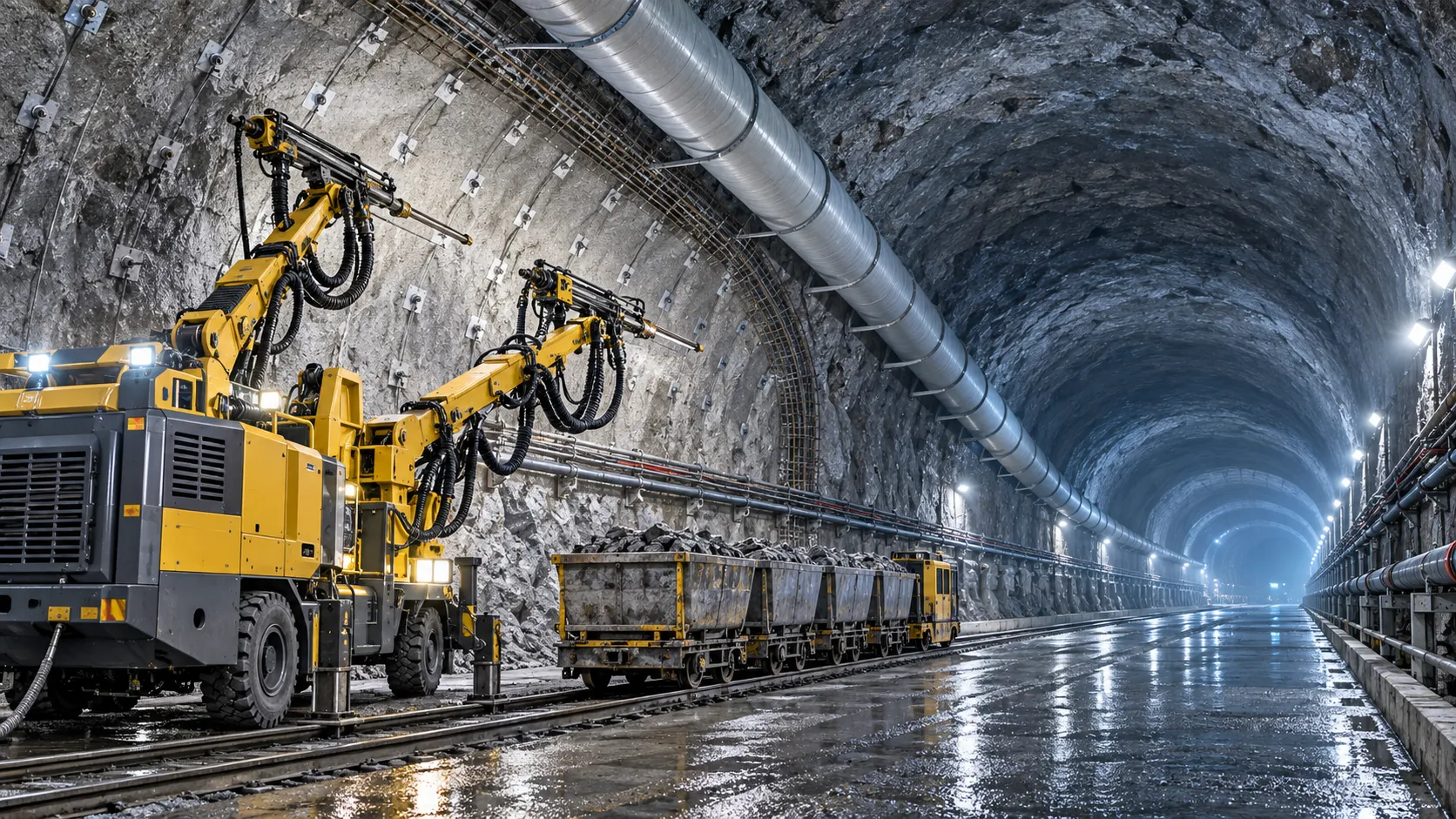
How to Evaluate European Drill-and-Blast Tunnelling Contractors for Complex Projects
Drill and blast tunnelling contractors Europe: learn how to assess geology expertise, blast control, equipment reliability, safety, and programme resilience for complex projects.
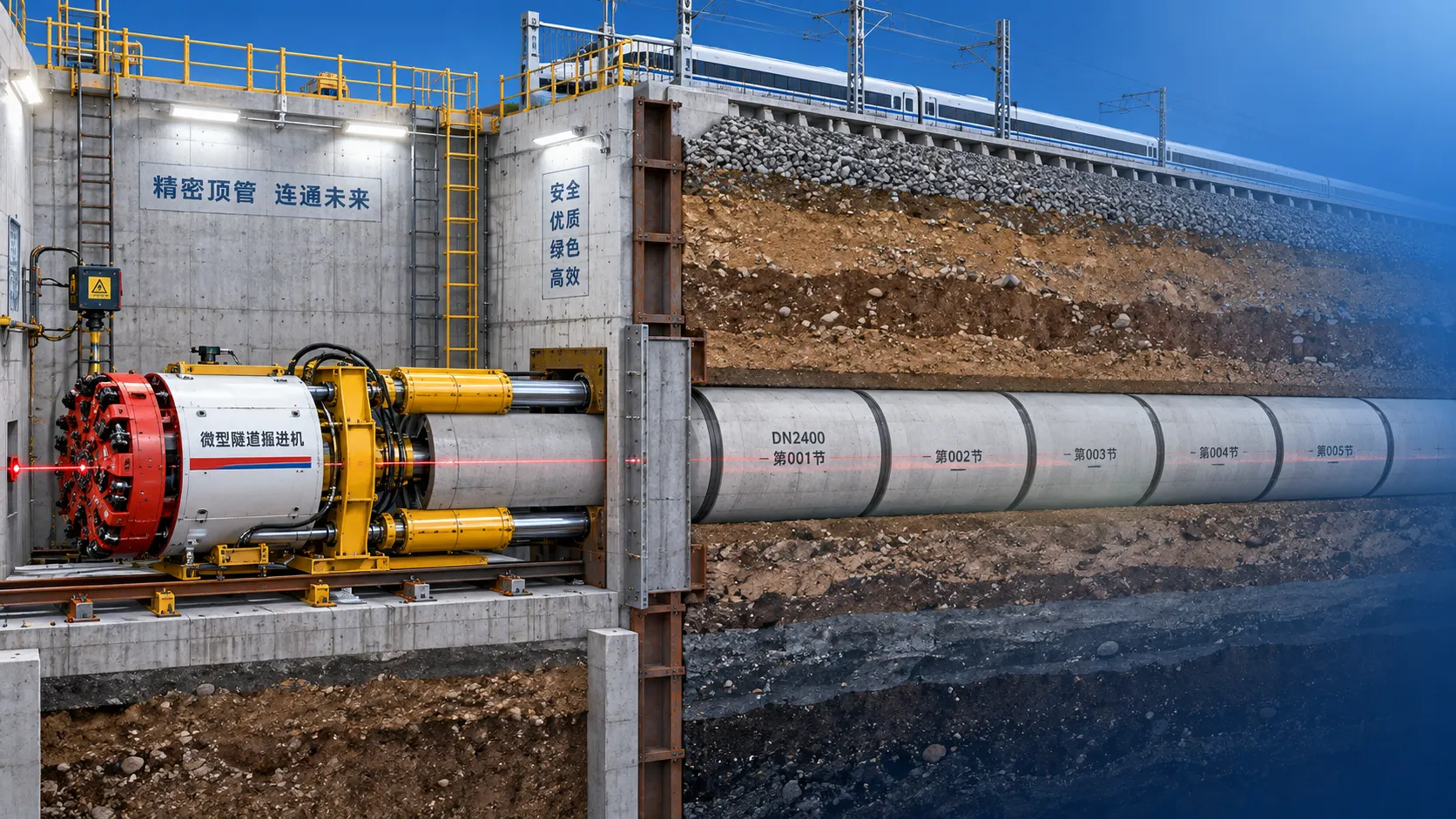
Which Trenchless Construction Technique Fits Your Utility Crossing Conditions?
Trenchless construction techniques compared for utility crossings: choose HDD, microtunnelling, pipe jacking, or auger boring based on ground, accuracy, access, and risk.
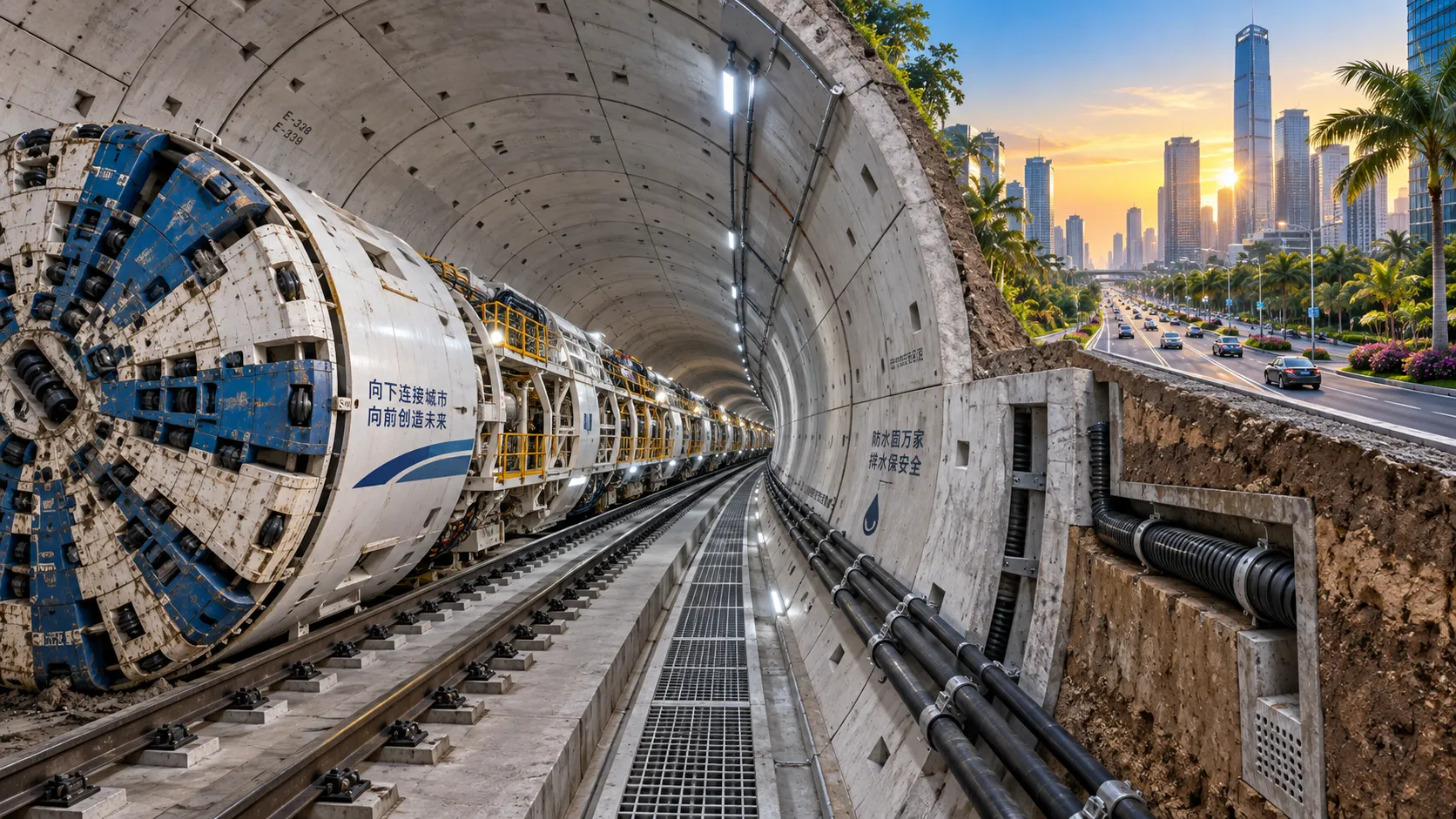
What Is Driving Metro Tunnelling Demand Across Southeast Asia’s Major Cities?
Metro tunnelling Southeast Asia is accelerating as major cities tackle congestion, flooding, and connectivity. Explore the market forces, technical risks, and opportunities shaping demand.
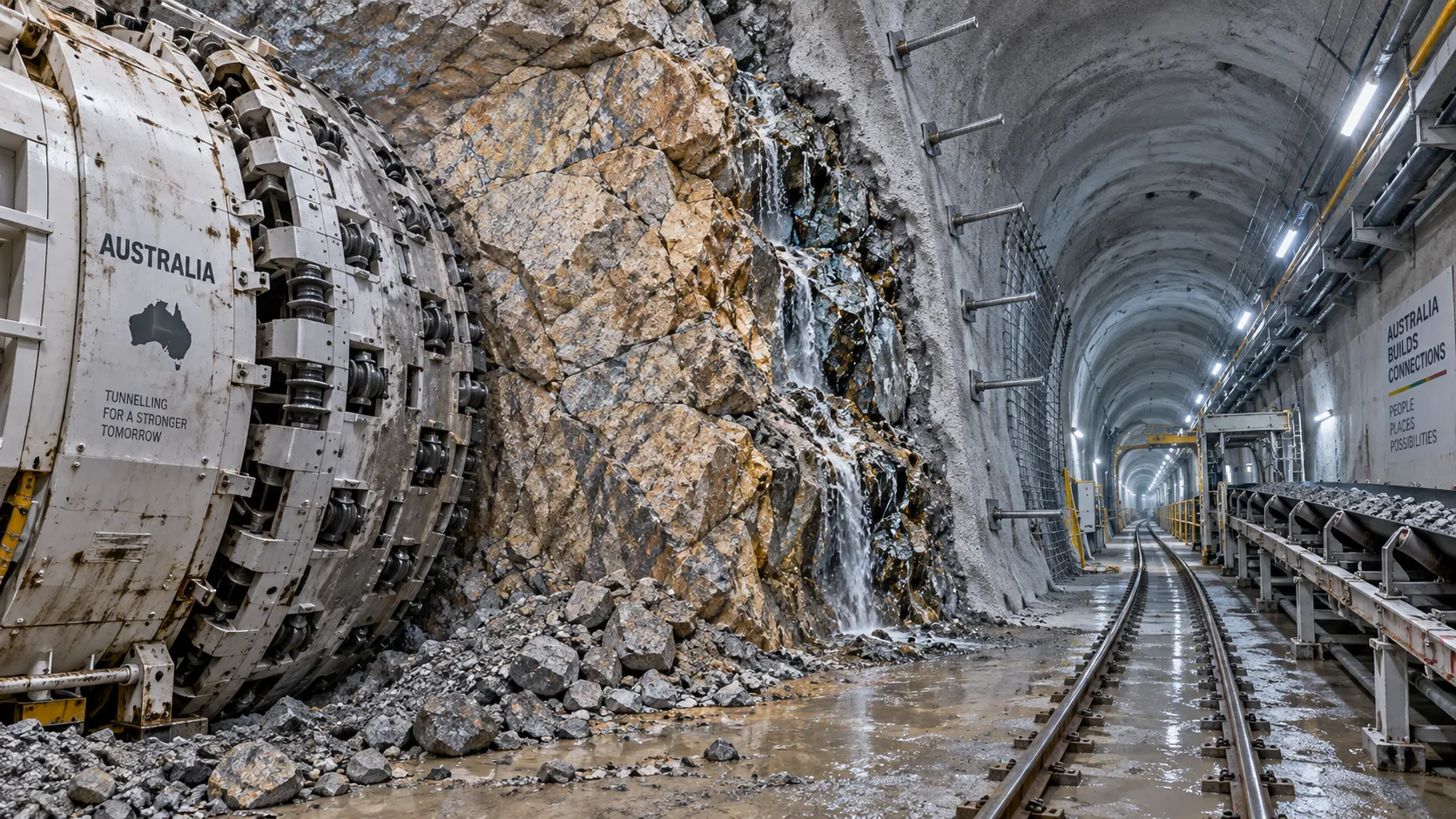
Hard Rock Tunnelling in Australia: Selecting Methods for Variable Ground Conditions
Hard rock tunnelling in Australia: compare TBM, drill-and-blast and hybrid methods to manage variable ground, reduce risk and protect project costs.
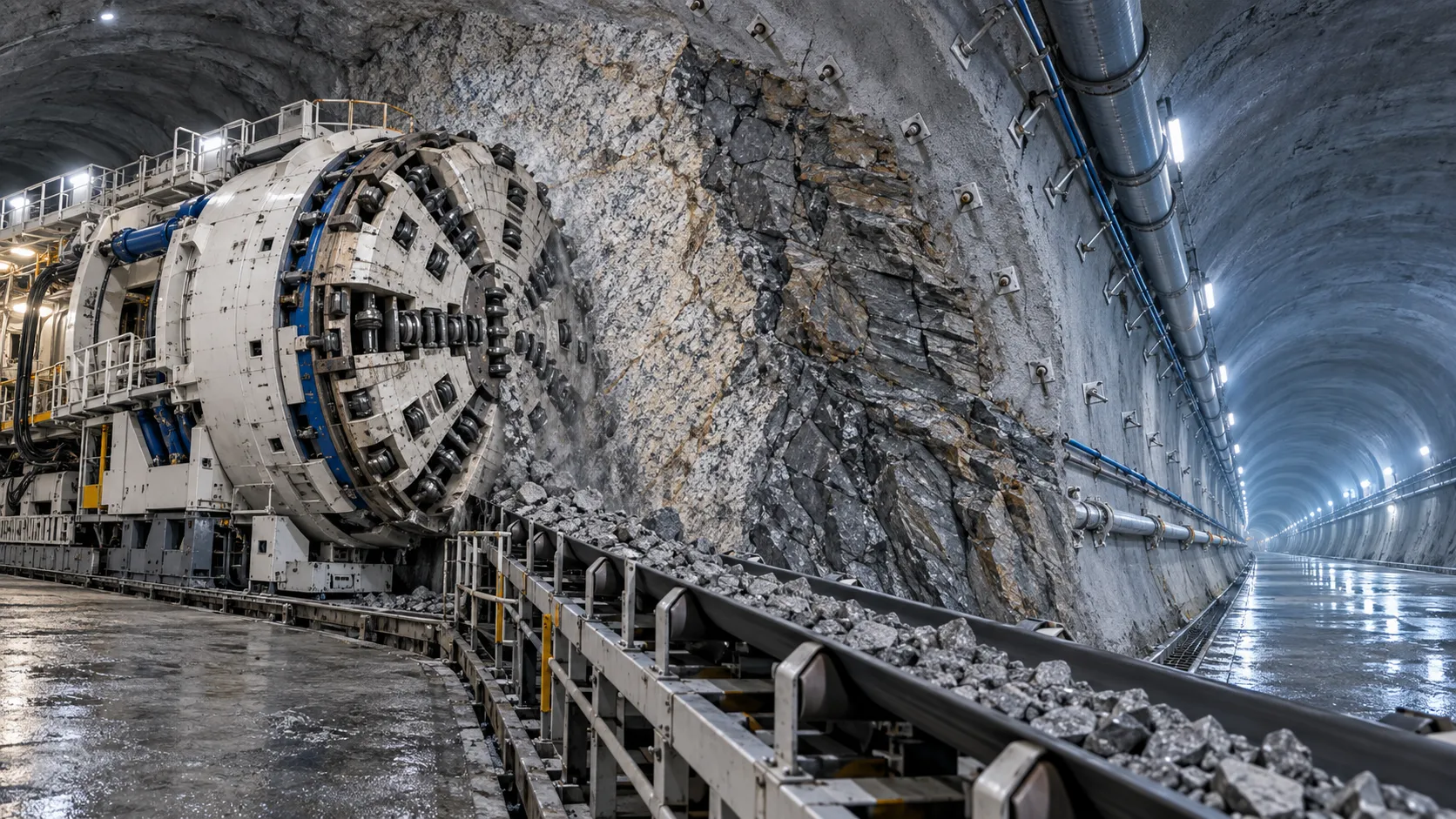
Hydropower Tunnel Excavation: Selecting Methods for Variable Rock Conditions
Hydropower tunnel excavation methods for variable rock conditions: compare TBM, drill-and-blast, and hybrid strategies to improve safety, progress, and project control.
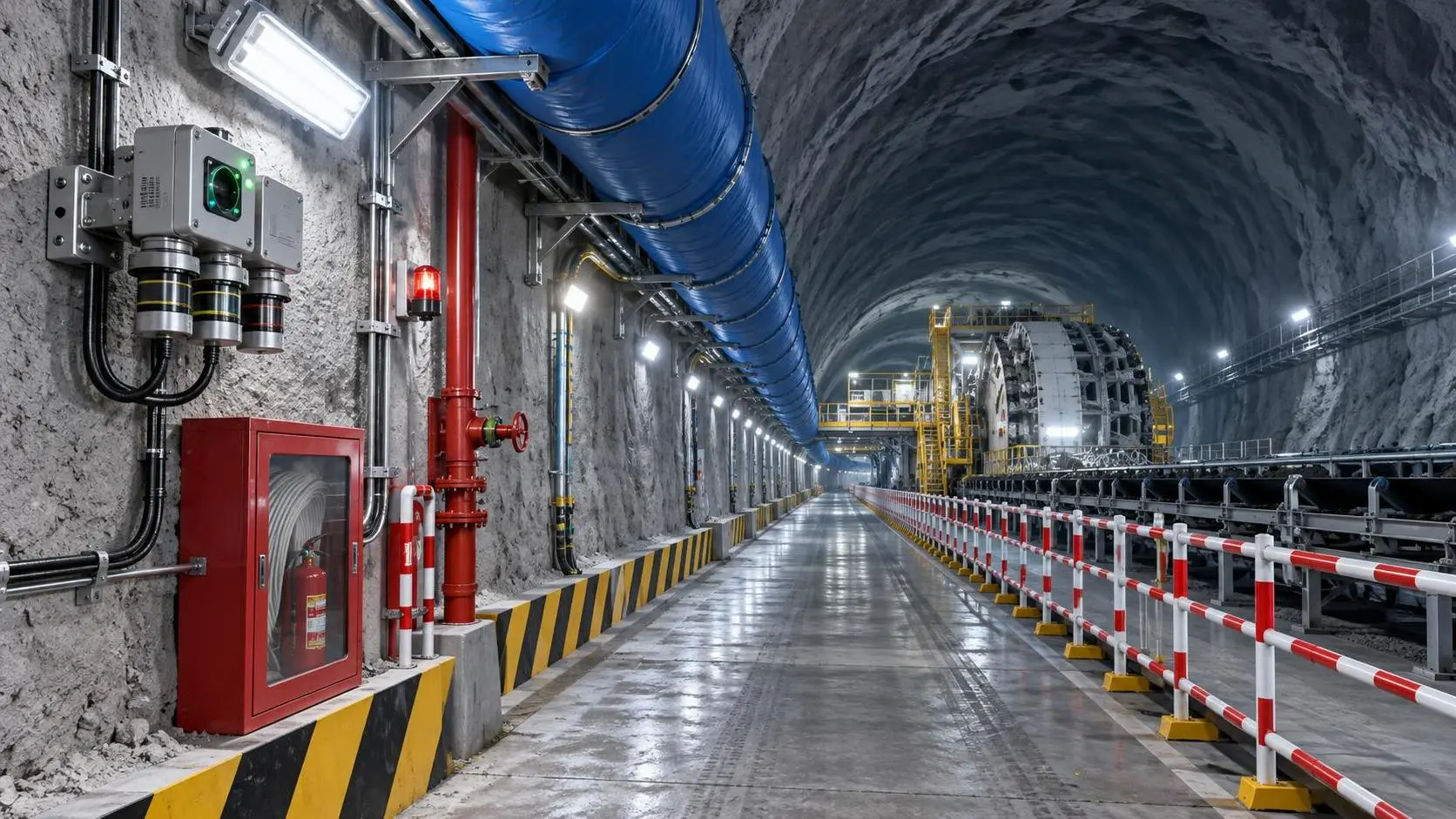
How to Select Underground Safety Equipment for Tunnelling by Hazard and Work Zone
Underground Safety Equipment for tunnelling: match protection to hazards, work zones, compliance, and emergency needs with this practical selection guide.
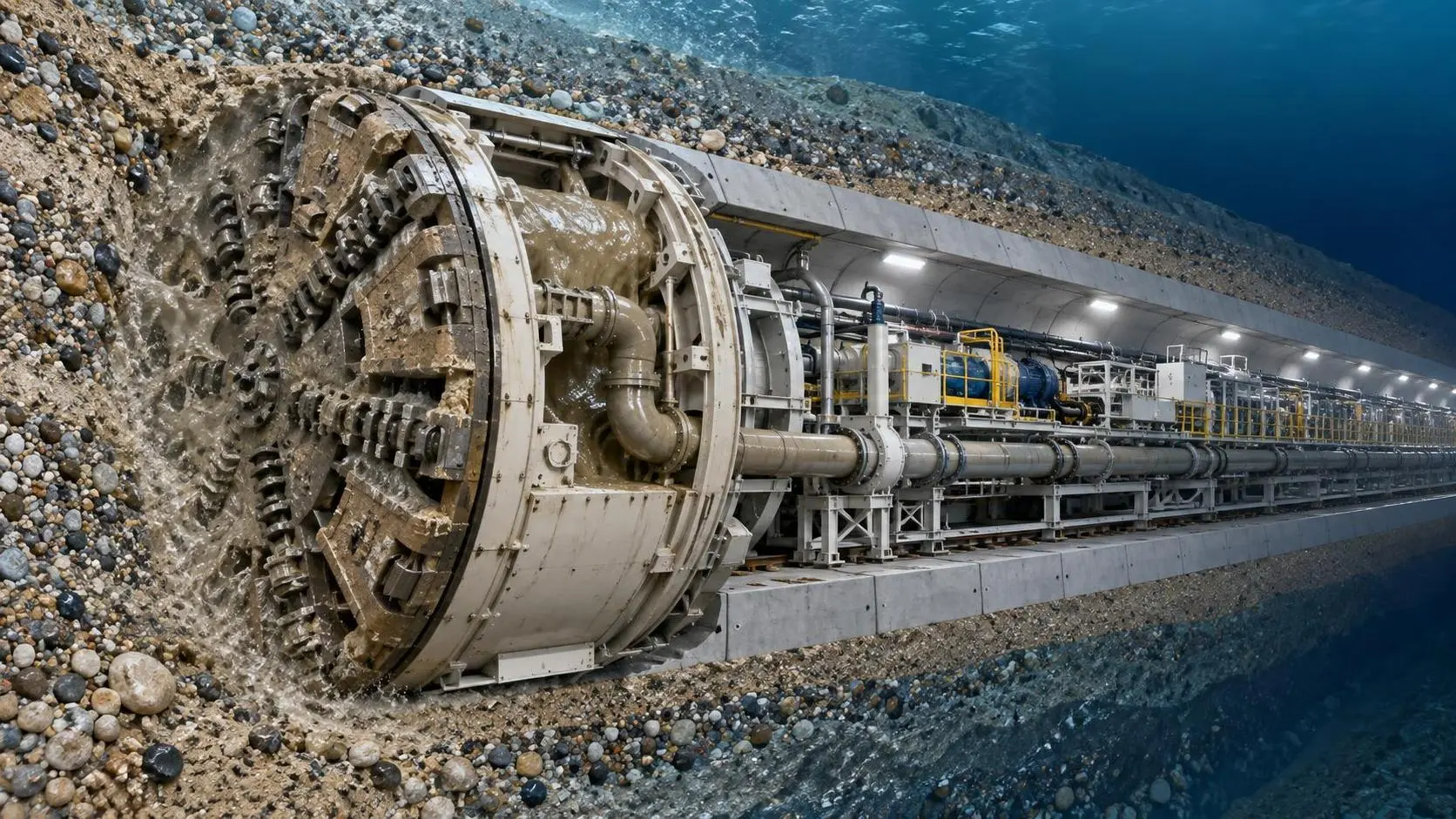
EPB or Slurry Shield? Selecting Soft-Ground Tunnelling Equipment by Soil Conditions
Tunnel Excavation Equipment for soft ground: compare EPB and slurry shields by soil, groundwater, settlement risk, and project logistics to choose confidently.
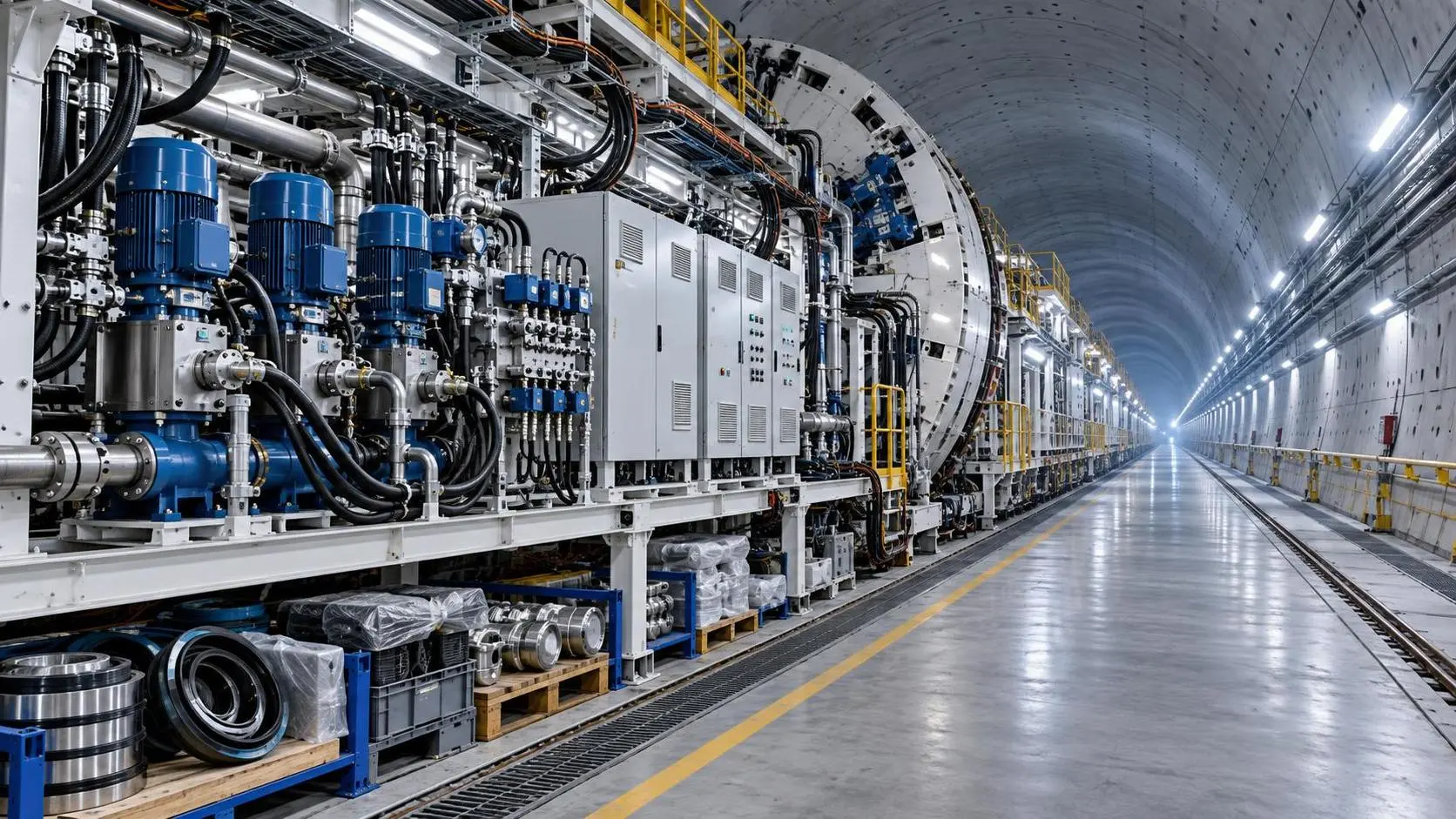
How to Specify TBM Backup System Parts for Reliable Long-Distance Tunnelling
TBM backup system parts: learn how to specify reliable spares for long-distance tunnelling, reduce downtime, ensure compatibility, and speed underground recovery.

How to Size Open Pit Mining Trucks for Haul Distance, Grade, and Payload?
Open Pit Mining Trucks: learn how to match payload, haul distance, grade, road resistance, and loading capacity for safer, lower-cost mine operations.
Related News
- 00
0000-00
How to Evaluate European Drill-and-Blast Tunnelling Contractors for Complex Projects - 00
0000-00
Which Trenchless Construction Technique Fits Your Utility Crossing Conditions? - 00
0000-00
What Is Driving Metro Tunnelling Demand Across Southeast Asia’s Major Cities? - 00
0000-00
Hard Rock Tunnelling in Australia: Selecting Methods for Variable Ground Conditions - 00
0000-00
Hydropower Tunnel Excavation: Selecting Methods for Variable Rock Conditions
Weekly Insights
Stay ahead with our curated technology reports delivered every Monday.