
Tunnel Boring Machines vs Drill and Blast: Which Method Fits Your Ground Conditions?





Tunnel Boring Machines vs Drill and Blast: Which Method Fits Your Ground Conditions?
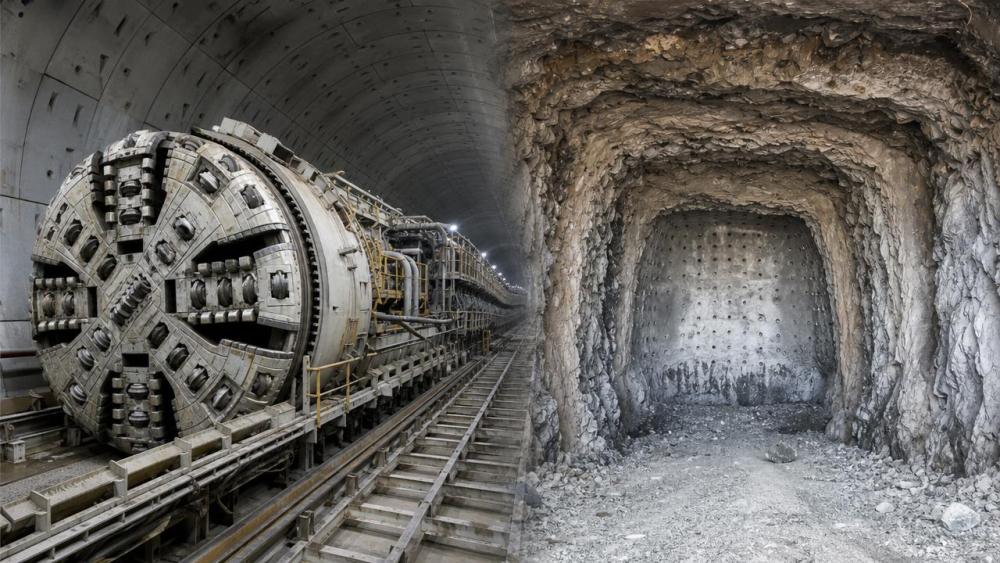
Choosing between Tunnel Boring Machines and drill-and-blast is not simply a technical preference. It is a strategic choice shaped by geology, schedule pressure, risk exposure, and lifecycle economics.
For underground transport, utilities, and mining projects, the right excavation method can improve output, reduce disruption, and protect project certainty.
The real question is not which method is better in general. The real question is which method best fits your ground conditions and business priorities.
In practice, Tunnel Boring Machines perform best where alignment stability, long drives, and predictable geology support continuous excavation. Drill-and-blast remains powerful where flexibility matters most.
Start With the Ground, Not the Machine
Ground conditions should lead the decision. Equipment selection only becomes reliable when rock mass behavior, groundwater, abrasivity, and faulting are clearly understood.
This is where many early decisions go wrong. Teams often compare capital cost first, while geology remains only partly defined.
Tunnel Boring Machines need a strong geotechnical baseline. Their advantage grows when the rock profile is consistent and the alignment length is substantial.
Drill-and-blast is usually more tolerant of changing ground. It can adapt faster to abrupt lithology shifts, local collapses, and variable tunnel geometry.
- Use Tunnel Boring Machines when continuity and advance rate are priority goals.
- Use drill-and-blast when flexibility and staged response are more valuable.
- Reassess both methods when groundwater and mixed-face conditions dominate risk.
Where Tunnel Boring Machines Deliver Stronger Value
Tunnel Boring Machines are designed for full-face excavation with continuous process flow. That changes productivity, logistics, and safety profiles across the entire project.
When ground is relatively uniform, TBM tunnelling can deliver smoother excavation cycles than conventional blasting operations.
Best-fit ground conditions for Tunnel Boring Machines
- Long tunnel alignments with repeated cross section requirements.
- Competent rock with manageable fault zones.
- Urban or sensitive corridors needing lower vibration.
- Projects requiring integrated lining and tighter surface control.
- Operations where ventilation efficiency and emission control matter.
This also explains why Tunnel Boring Machines are often preferred for metro tunnels, water conveyance systems, rail corridors, and long transport drifts.
Another major advantage is process consistency. Once the machine is assembled, staffed, and tuned, production becomes more forecastable.
That predictability matters when project financing, stakeholder reporting, and contractor coordination depend on stable monthly progress.
Business benefits beyond excavation
Tunnel Boring Machines support a more industrialized underground workflow. Spoil handling, segment installation, guidance, and monitoring can be tightly integrated.
That means better data capture, stronger quality control, and fewer interruptions caused by blasting windows or re-entry delays.
For organizations investing in digital construction, Tunnel Boring Machines also align well with automation, condition monitoring, and predictive maintenance strategies.
Where Drill-and-Blast Still Makes More Sense
Drill-and-blast remains highly competitive, especially in shorter tunnels, irregular shapes, and geologies that change quickly over short distances.
It does not require the same upfront machine investment as Tunnel Boring Machines. That can be decisive for projects with uncertain scope or limited drive length.
Best-fit conditions for drill-and-blast
- Short to medium tunnel sections.
- Highly variable or fractured rock masses.
- Complex junctions, caverns, and changing profiles.
- Remote sites with simpler mobilization needs.
- Projects where design may evolve during construction.
In mining, this flexibility is especially valuable. Access declines, ore development headings, and changing extraction plans often favor a responsive excavation method.
There is also a practical point here. If the tunnel profile varies often, Tunnel Boring Machines may lose their efficiency advantage.
Drill-and-blast can also be easier to demobilize and redeploy. That improves optionality when project sequencing is uncertain.
The Ground Conditions That Usually Decide the Outcome
Several ground factors carry more decision weight than others. Looking at them early can prevent an expensive mismatch later.
1. Rock strength and abrasivity
Hard, abrasive rock does not automatically rule out Tunnel Boring Machines. But it raises cutter wear, maintenance downtime, and spare parts demand.
If wear rates become extreme, drill-and-blast may offer lower operational risk despite slower cycle times.
2. Fault zones and mixed faces
Mixed-face conditions are among the toughest environments for Tunnel Boring Machines. Transition zones can destabilize excavation and complicate support response.
Drill-and-blast usually handles localized surprises better, because the excavation sequence is naturally more incremental.
3. Groundwater and pressure
Water inflow changes everything. It affects stability, spoil handling, support timing, and environmental protection requirements.
In some cases, specialized Tunnel Boring Machines can manage pressure well. In others, water-bearing fractured ground creates unacceptable uncertainty.
4. Alignment length and geometry
Long, straight, repetitive drives strongly favor Tunnel Boring Machines. Short drives with multiple enlargements often favor drill-and-blast.
Cost, Schedule, and Risk: The Real Decision Framework
A fair comparison cannot stop at headline capex. Tunnel Boring Machines often cost more upfront, but they can reduce total project friction.
That includes fewer blasting interruptions, lower surface impact, steadier advance, and more consistent lining quality.
From a decision perspective, schedule certainty can be more valuable than nominal excavation speed. That is why Tunnel Boring Machines often win in large public infrastructure programs.
On the other hand, if geology remains uncertain and redesign risk is high, a flexible method may protect budget better.
A Practical Selection Checklist
A useful decision process should be simple, evidence-based, and tied to project outcomes.
- Confirm the geological model and identify uncertainty zones.
- Compare alignment length against TBM setup and mobilization effort.
- Quantify groundwater, faulting, and cutter wear risk.
- Test geometry needs, including caverns, branches, and enlargements.
- Model schedule sensitivity, not just direct excavation cost.
- Review environmental limits, vibration restrictions, and ventilation demands.
- Stress-test both methods under worst-case ground scenarios.
This kind of framework usually makes the answer clearer. It turns the discussion from equipment preference into risk-adjusted project fit.
Final Takeaway
Tunnel Boring Machines are not automatically the superior choice, and drill-and-blast is not simply the traditional fallback.
Each method wins under specific ground conditions, project scales, and risk profiles. The strongest results come from matching excavation strategy to geological reality.
If the ground is long-run, repeatable, and sensitive to vibration, Tunnel Boring Machines often create stronger long-term value.
If the ground is variable, the geometry is complex, or the project needs flexibility, drill-and-blast may be the smarter choice.
The best next move is straightforward: evaluate the ground in detail, map uncertainty honestly, and select the method that protects schedule, cost, safety, and future operational performance together.
Related News
How to Evaluate European Drill-and-Blast Tunnelling Contractors for Complex Projects
Drill and blast tunnelling contractors Europe: learn how to assess geology expertise, blast control, equipment reliability, safety, and programme resilience for complex projects.
Which Trenchless Construction Technique Fits Your Utility Crossing Conditions?
Trenchless construction techniques compared for utility crossings: choose HDD, microtunnelling, pipe jacking, or auger boring based on ground, accuracy, access, and risk.
What Is Driving Metro Tunnelling Demand Across Southeast Asia’s Major Cities?
Metro tunnelling Southeast Asia is accelerating as major cities tackle congestion, flooding, and connectivity. Explore the market forces, technical risks, and opportunities shaping demand.
Hard Rock Tunnelling in Australia: Selecting Methods for Variable Ground Conditions
Hard rock tunnelling in Australia: compare TBM, drill-and-blast and hybrid methods to manage variable ground, reduce risk and protect project costs.
Hydropower Tunnel Excavation: Selecting Methods for Variable Rock Conditions
Hydropower tunnel excavation methods for variable rock conditions: compare TBM, drill-and-blast, and hybrid strategies to improve safety, progress, and project control.
How to Select Underground Safety Equipment for Tunnelling by Hazard and Work Zone
Underground Safety Equipment for tunnelling: match protection to hazards, work zones, compliance, and emergency needs with this practical selection guide.
EPB or Slurry Shield? Selecting Soft-Ground Tunnelling Equipment by Soil Conditions
Tunnel Excavation Equipment for soft ground: compare EPB and slurry shields by soil, groundwater, settlement risk, and project logistics to choose confidently.
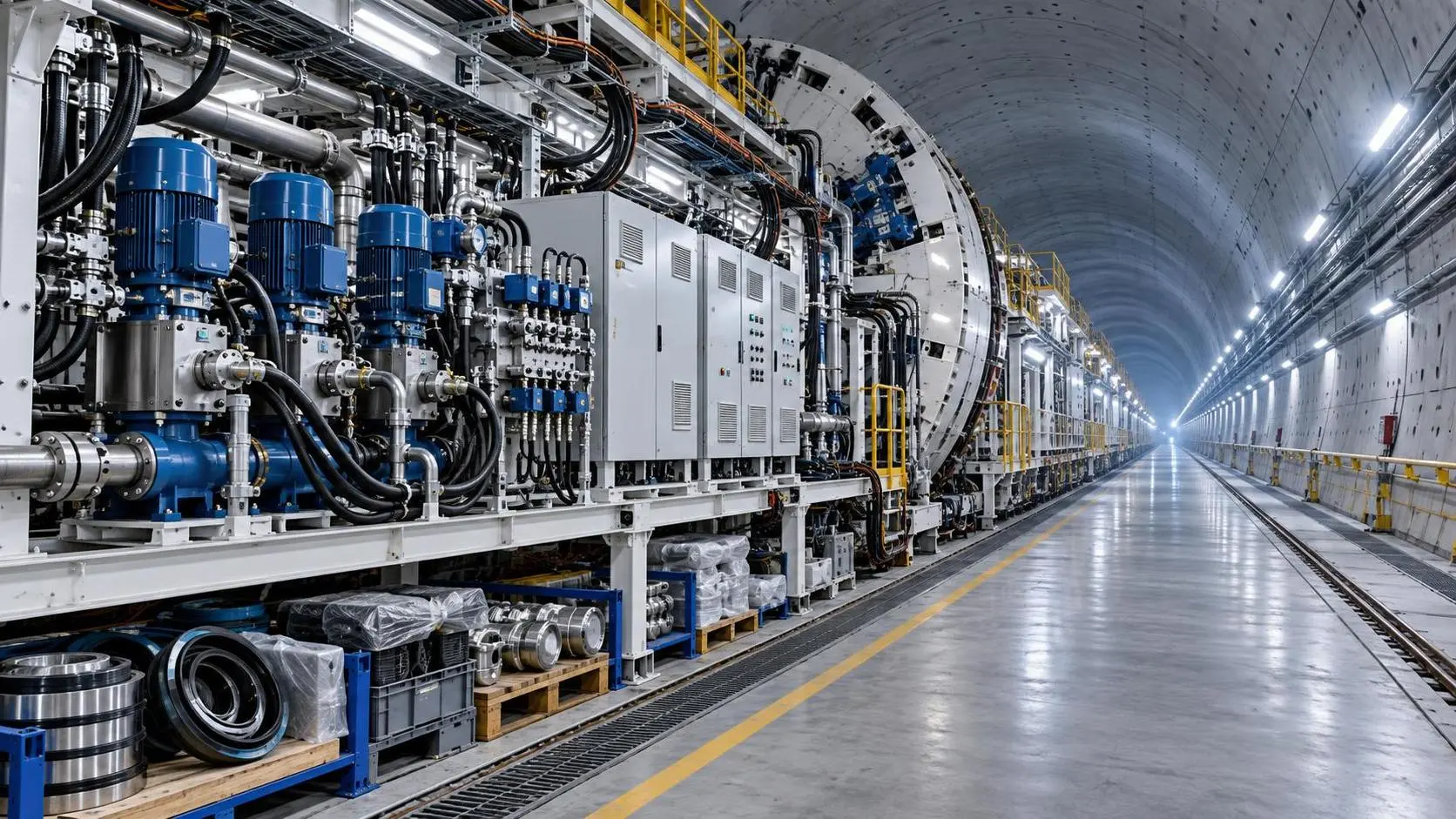
How to Specify TBM Backup System Parts for Reliable Long-Distance Tunnelling
TBM backup system parts: learn how to specify reliable spares for long-distance tunnelling, reduce downtime, ensure compatibility, and speed underground recovery.
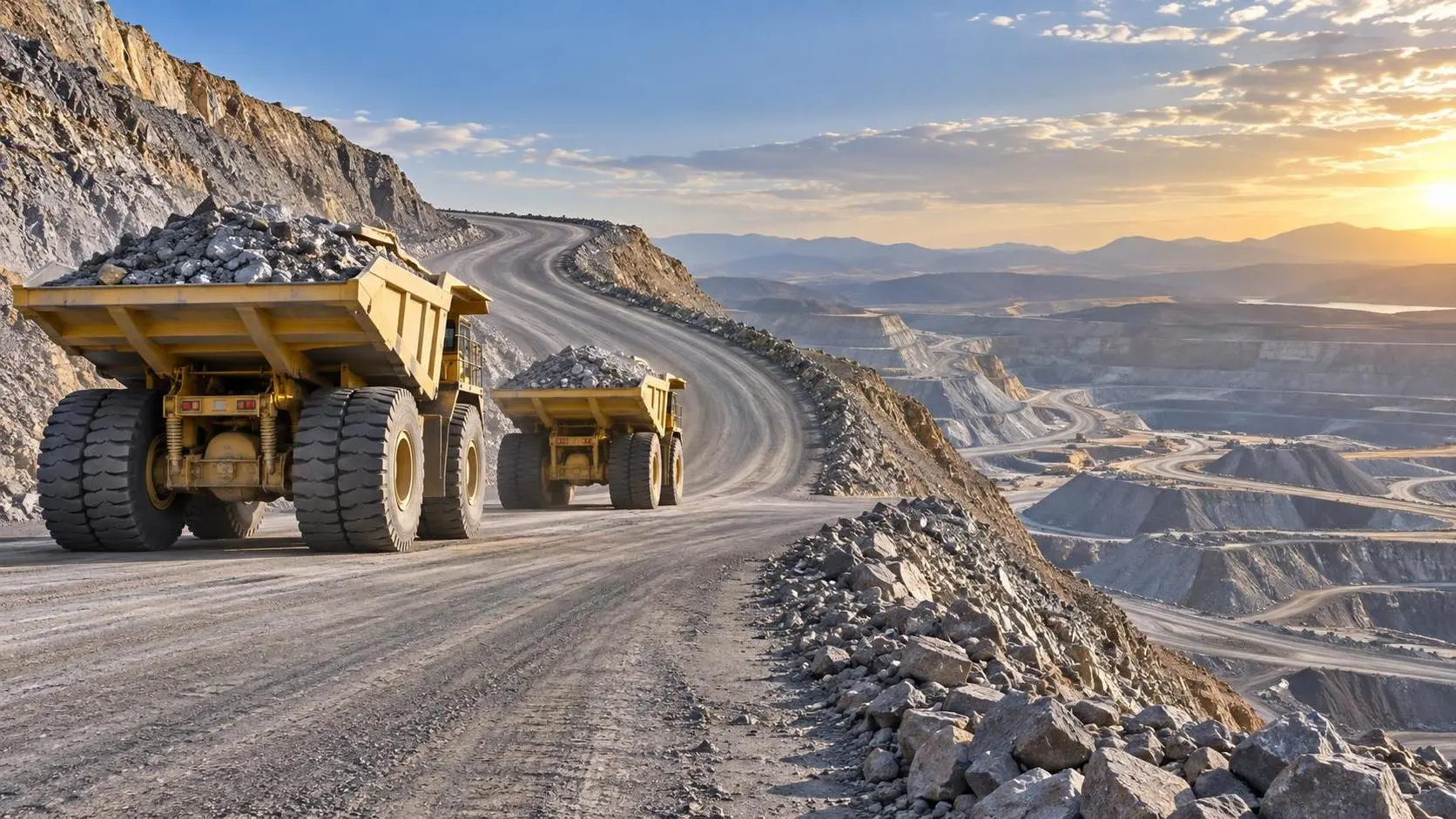
How to Size Open Pit Mining Trucks for Haul Distance, Grade, and Payload?
Open Pit Mining Trucks: learn how to match payload, haul distance, grade, road resistance, and loading capacity for safer, lower-cost mine operations.
Related News
- 00
0000-00
How to Evaluate European Drill-and-Blast Tunnelling Contractors for Complex Projects - 00
0000-00
Which Trenchless Construction Technique Fits Your Utility Crossing Conditions? - 00
0000-00
What Is Driving Metro Tunnelling Demand Across Southeast Asia’s Major Cities? - 00
0000-00
Hard Rock Tunnelling in Australia: Selecting Methods for Variable Ground Conditions - 00
0000-00
Hydropower Tunnel Excavation: Selecting Methods for Variable Rock Conditions
Weekly Insights
Stay ahead with our curated technology reports delivered every Monday.