
CRCHI Adds Two Farm Machines for Export Markets





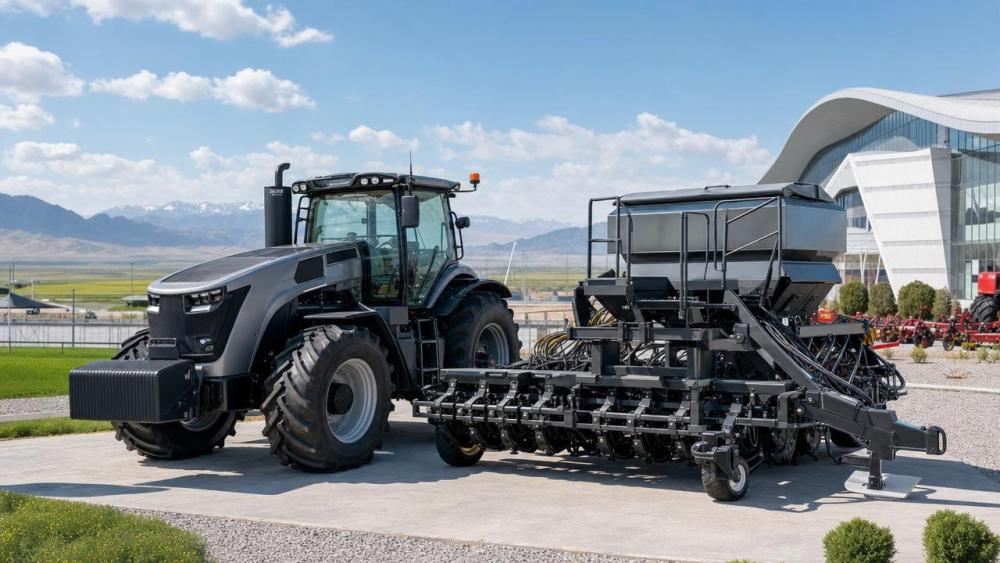
On June 4, 2026, China Railway Construction Heavy Industry introduced two new agricultural machinery products at the Xinjiang agricultural machinery exhibition, signaling an extension from tunnel boring and other underground core equipment into a broader engineering machinery platform. From an industry perspective, this development is worth attention not simply as a product launch, but as a practical signal that exportable equipment categories are widening toward cross-use infrastructure and agricultural scenarios. That shift may affect exporters, overseas buyers, distributors, certification-related service providers, procurement teams, and after-sales operators, especially where import compliance, technical documentation, product classification, and delivery support requirements differ from those used for tunnel equipment.
A confirmed expansion beyond tunnel-focused equipment
The confirmed facts are limited but clear. On June 4, 2026, CRCHI released two agricultural machinery products for the first time at the Xinjiang agricultural machinery exhibition. The release marks an expansion from its established focus on core underground equipment such as tunnel boring machines and TBM products toward a multifunctional engineering machinery platform. The event summary also indicates that this move strengthens the company’s portfolio for overseas expansion in high-end equipment and is intended to offer importers in the Middle East, Africa, and Southeast Asia Chinese alternatives characterized by stronger adaptability, modular design, and easier maintenance, particularly in markets where infrastructure and agricultural use cases intersect.
Why this matters for trade and compliance workflows
Exporters may face a different compliance path than for underground equipment
Analysis shows that moving from tunnel equipment into agricultural machinery can change the compliance and transaction path for export businesses. Even without confirmed details on specific destination rules, exporters should expect that product category, applicable import documentation, technical specifications, and buyer-side acceptance standards may differ from those used in underground engineering projects. What deserves closer attention is whether sales teams and trade operations can align product descriptions, technical files, and contract terms with the requirements typically applied to agricultural or cross-purpose machinery in overseas markets.
Overseas buyers and distributors will need clearer product-positioning records
For importers and local distribution partners, the practical impact is likely to appear in procurement review, customs-facing product descriptions, spare-parts planning, and after-sales commitments. Observably, the event summary emphasizes adaptability, modularity, and ease of maintenance. That means buyers may increasingly compare not only price and performance, but also whether the equipment can be documented and supported as suitable for mixed infrastructure-agricultural operating scenarios. In practice, this can raise the importance of specification alignment, user documentation, maintenance instructions, and parts traceability during procurement and local market placement.
Certification and testing service providers may see new demand points
From an industry perspective, a broader export product matrix usually creates additional work around conformity review, test documentation, labeling consistency, and technical file preparation. The confirmed information does not specify any certification scheme or testing requirement, so it would be inaccurate to treat any approval path as already settled. Still, certification-related firms and testing bodies should note that a manufacturer entering adjacent machinery categories may require product-specific review methods and supporting materials that are different from those used for TBM or tunnel systems.
After-sales and supply-chain partners may need category-specific delivery support
Supply-chain service providers and after-sales operators may also be affected because modular, easy-to-maintain machinery often depends on a matching service structure, including spare-parts identification, maintenance manuals, packaging documentation, and delivery coordination. Analysis shows that the impact is less about a confirmed rule already issued and more about an execution signal: once export categories broaden, support systems usually need to follow the product category rather than rely on legacy processes from another equipment segment.
What companies should track as this signal moves into execution
Review whether technical files fit the target product category
Companies involved in export, distribution, or procurement should first examine whether technical documentation is written and organized in a way that fits agricultural machinery or dual-use engineering scenarios rather than tunnel-focused equipment alone. This includes product descriptions, operating conditions, maintenance guidance, parts lists, and bid-response materials. Since no detailed implementation rules were provided in the input, this should be treated as a point for verification rather than an established compliance gap.
Watch for shifts in tender language and buyer qualification requirements
Observably, machinery intended for infrastructure-agricultural crossover markets may enter tenders or procurement processes with different wording, qualification thresholds, and technical evaluation logic. Companies should therefore monitor how buyers describe acceptable equipment categories, required supporting documents, maintenance capacity, and local service expectations. It is more appropriate to understand this as an area requiring continued observation, not as a confirmed change already uniformly adopted across markets.
Align delivery planning with modularity and service expectations
The event summary highlights modularity and ease of maintenance. From a practical standpoint, this can influence packaging, spare-parts combinations, installation support, and post-delivery service arrangements. Exporters and channel partners should pay closer attention to whether current supplier qualification records, parts coding systems, and quality traceability materials are suitable for a broader non-tunnel equipment portfolio.
Keep trade and compliance review connected to market-by-market execution
Because the summary mentions importers in the Middle East, Africa, and Southeast Asia without giving specific country-level rules, businesses should avoid assuming that one documentation package or one compliance pathway will fit all destinations. Analysis shows that the immediate task is not to predict uniform market access outcomes, but to prepare for market-by-market review of import requirements, documentation sufficiency, and after-sales obligations as export execution develops.
How this development is best understood at this stage
Analysis shows that this event is better read as an execution signal than as proof of a fully defined new regulatory framework. The important point is that a manufacturer known for underground core equipment is extending into agricultural machinery and positioning those products for overseas markets where infrastructure and agricultural needs overlap. That can reshape practical compliance and procurement work, even if no new formal rule, certification notice, or trade measure was identified in the provided information. What deserves closer attention is whether subsequent official wording, procurement documents, import practice, or market feedback begin to formalize different requirements for this broader export category.
A cautious reading of the market impact
At this stage, the most reasonable conclusion is that the launch reflects a tangible broadening of exportable equipment categories rather than a completed change in regulatory treatment. For industry participants, the significance lies in the likely knock-on effects for classification, documentation, buyer review, service readiness, and delivery organization. It is more appropriate to understand this development as an early but concrete market signal that may lead to follow-up compliance and procurement adjustments, and therefore deserves continued monitoring rather than immediate assumptions about fixed outcomes.
Basis of this article and what still needs verification
This article is based on the user-provided news title, event date, and event summary. For events of this kind, relevant source types usually include company announcements, regulator publications, customs or trade authority information, industry association updates, standard-setting documents, and reporting by authoritative media. No specific official source link was provided in the input, so the precise official source remains to be further verified. Observably, the areas that still require follow-up include any detailed policy interpretation, certification enforcement approach, tender document changes, market feedback, and actual company-side implementation in export, procurement, service, and delivery processes.
Related News
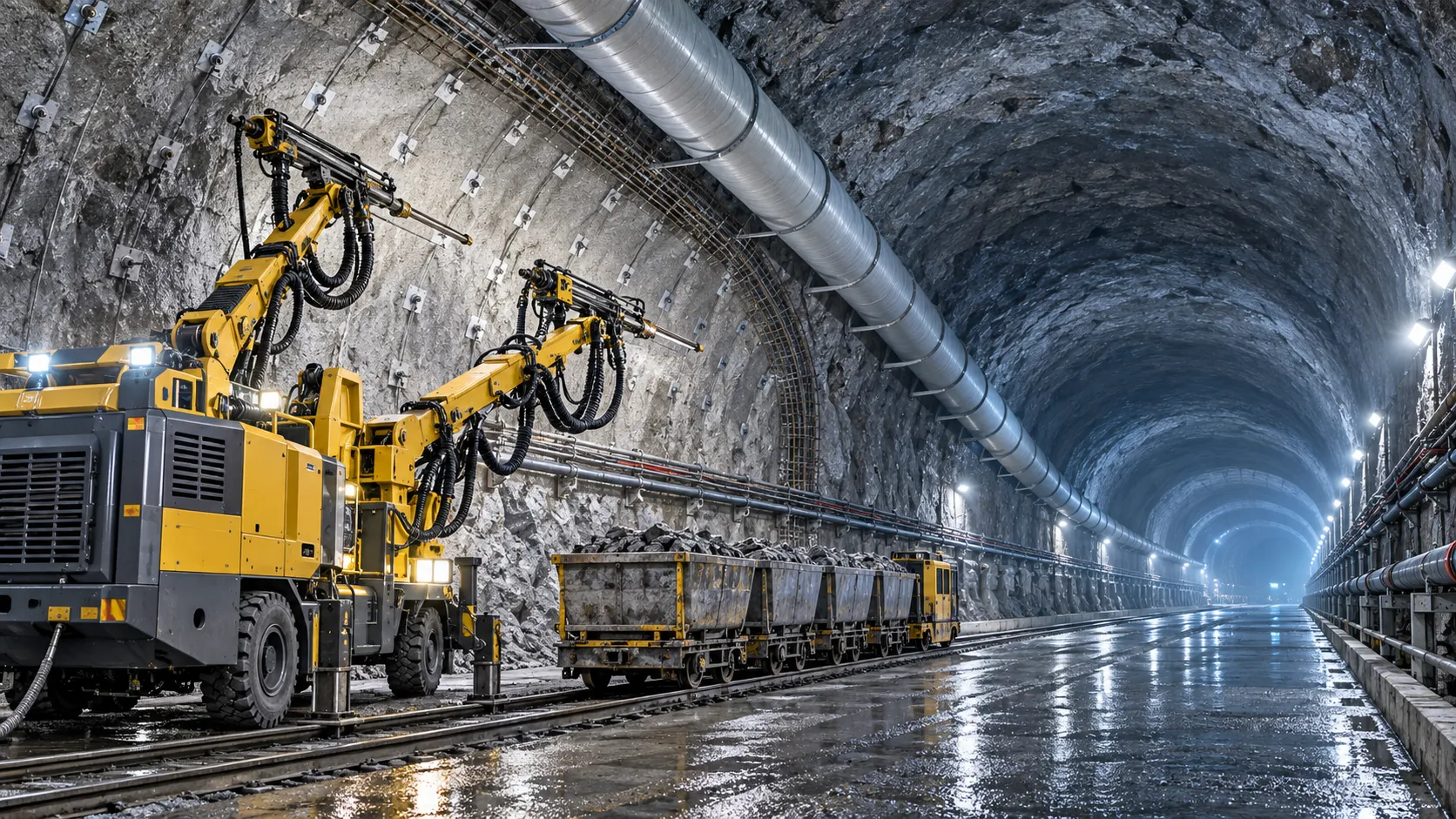
How to Evaluate European Drill-and-Blast Tunnelling Contractors for Complex Projects
Drill and blast tunnelling contractors Europe: learn how to assess geology expertise, blast control, equipment reliability, safety, and programme resilience for complex projects.
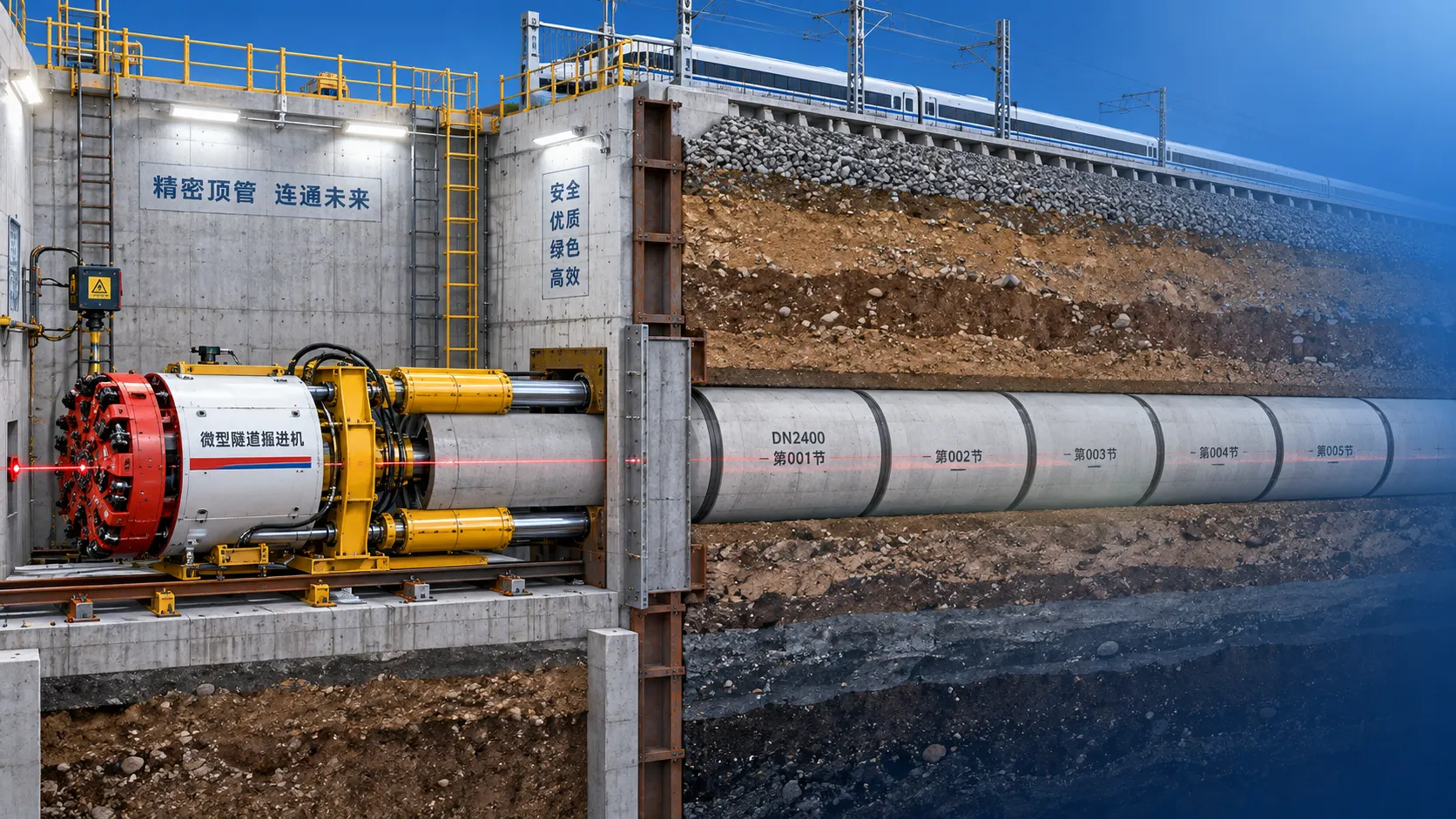
Which Trenchless Construction Technique Fits Your Utility Crossing Conditions?
Trenchless construction techniques compared for utility crossings: choose HDD, microtunnelling, pipe jacking, or auger boring based on ground, accuracy, access, and risk.
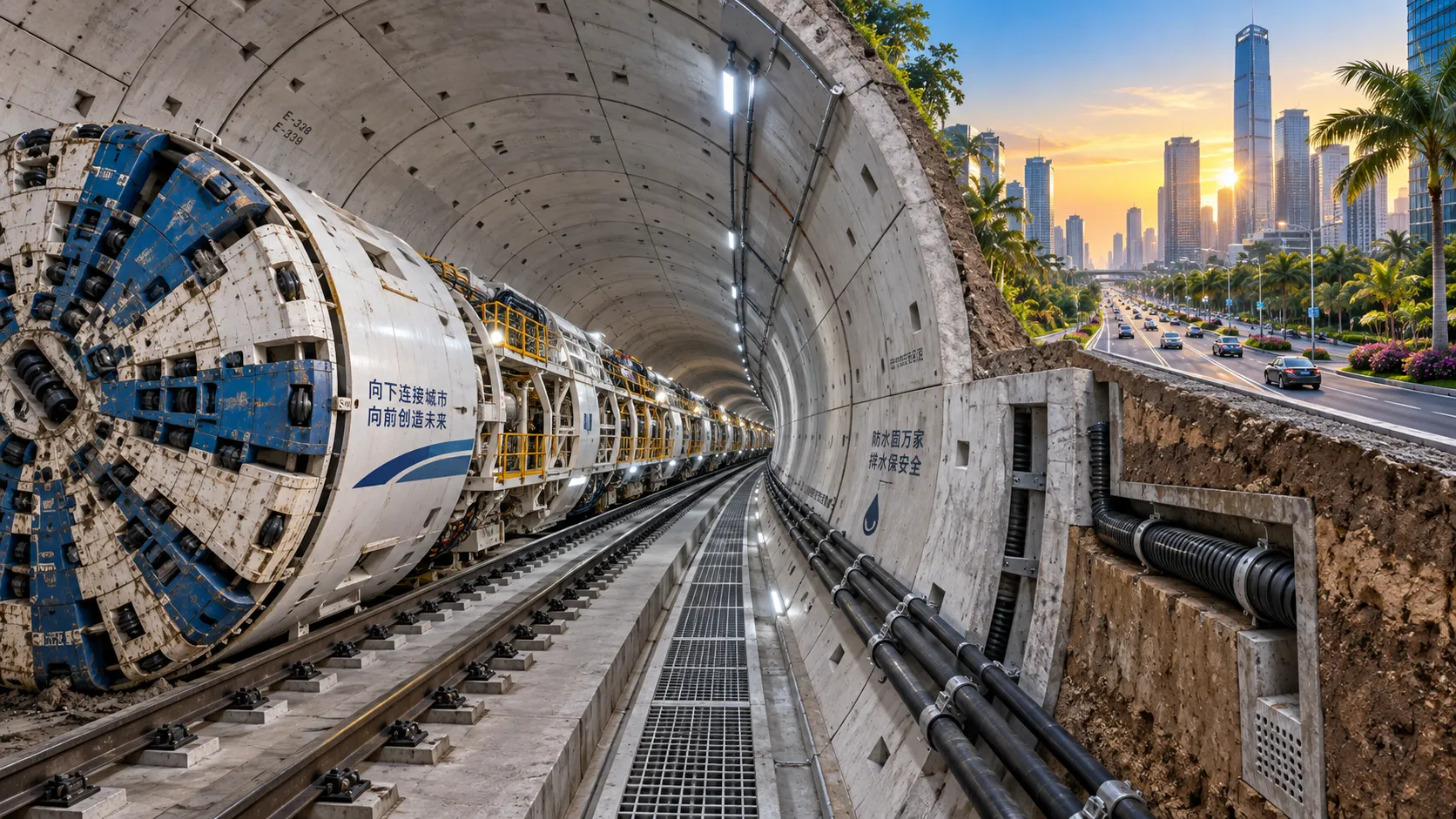
What Is Driving Metro Tunnelling Demand Across Southeast Asia’s Major Cities?
Metro tunnelling Southeast Asia is accelerating as major cities tackle congestion, flooding, and connectivity. Explore the market forces, technical risks, and opportunities shaping demand.
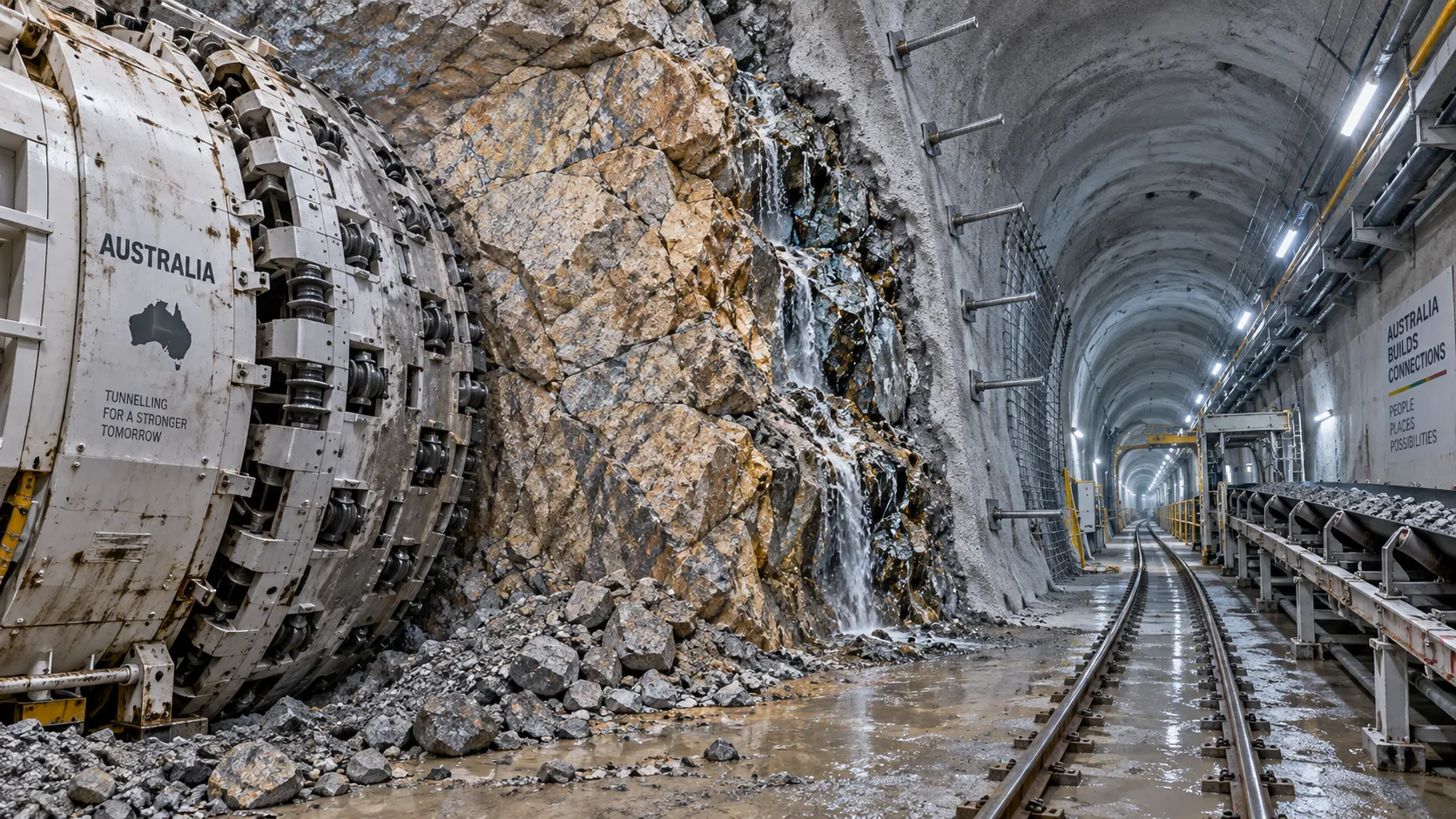
Hard Rock Tunnelling in Australia: Selecting Methods for Variable Ground Conditions
Hard rock tunnelling in Australia: compare TBM, drill-and-blast and hybrid methods to manage variable ground, reduce risk and protect project costs.
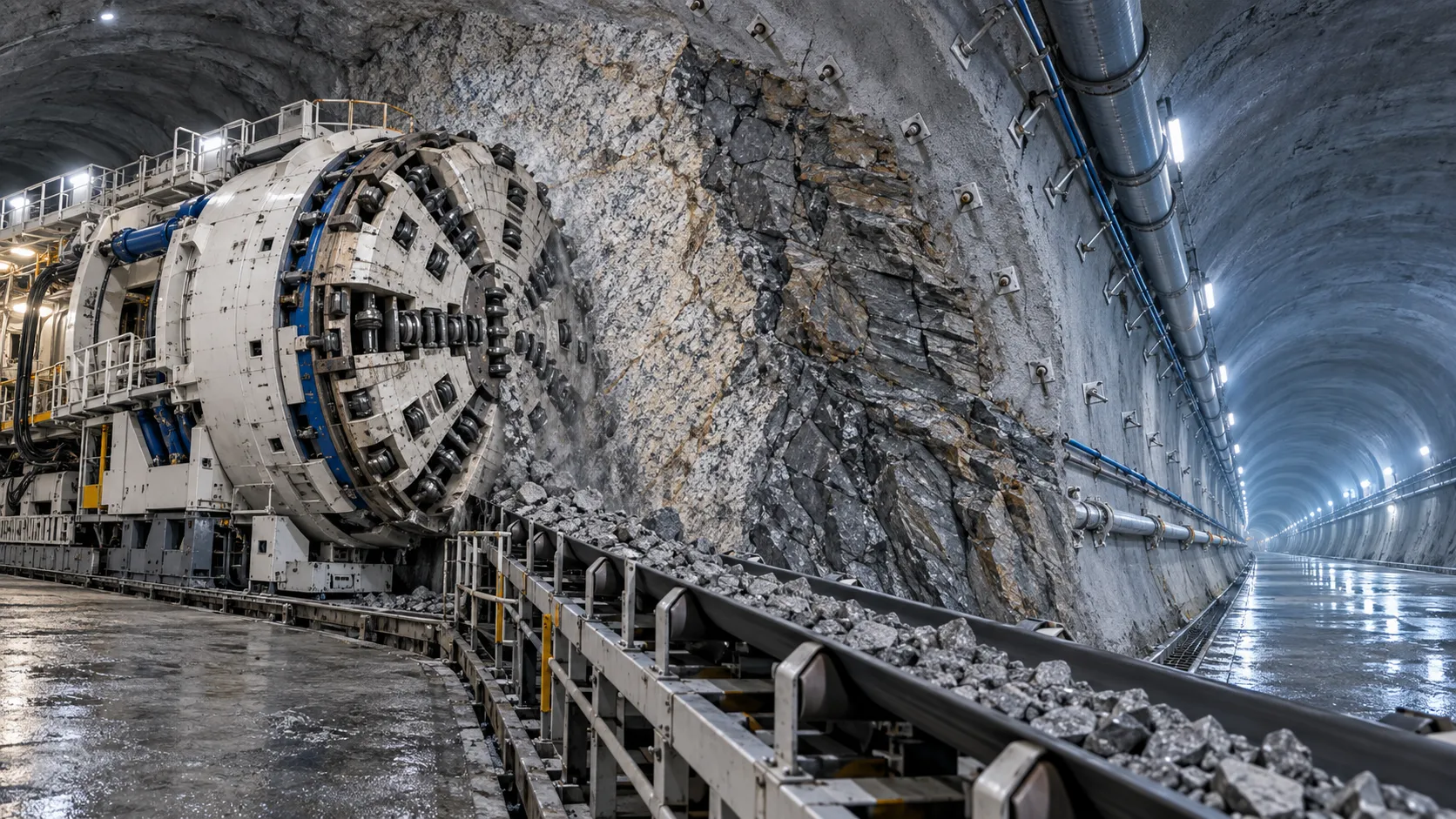
Hydropower Tunnel Excavation: Selecting Methods for Variable Rock Conditions
Hydropower tunnel excavation methods for variable rock conditions: compare TBM, drill-and-blast, and hybrid strategies to improve safety, progress, and project control.
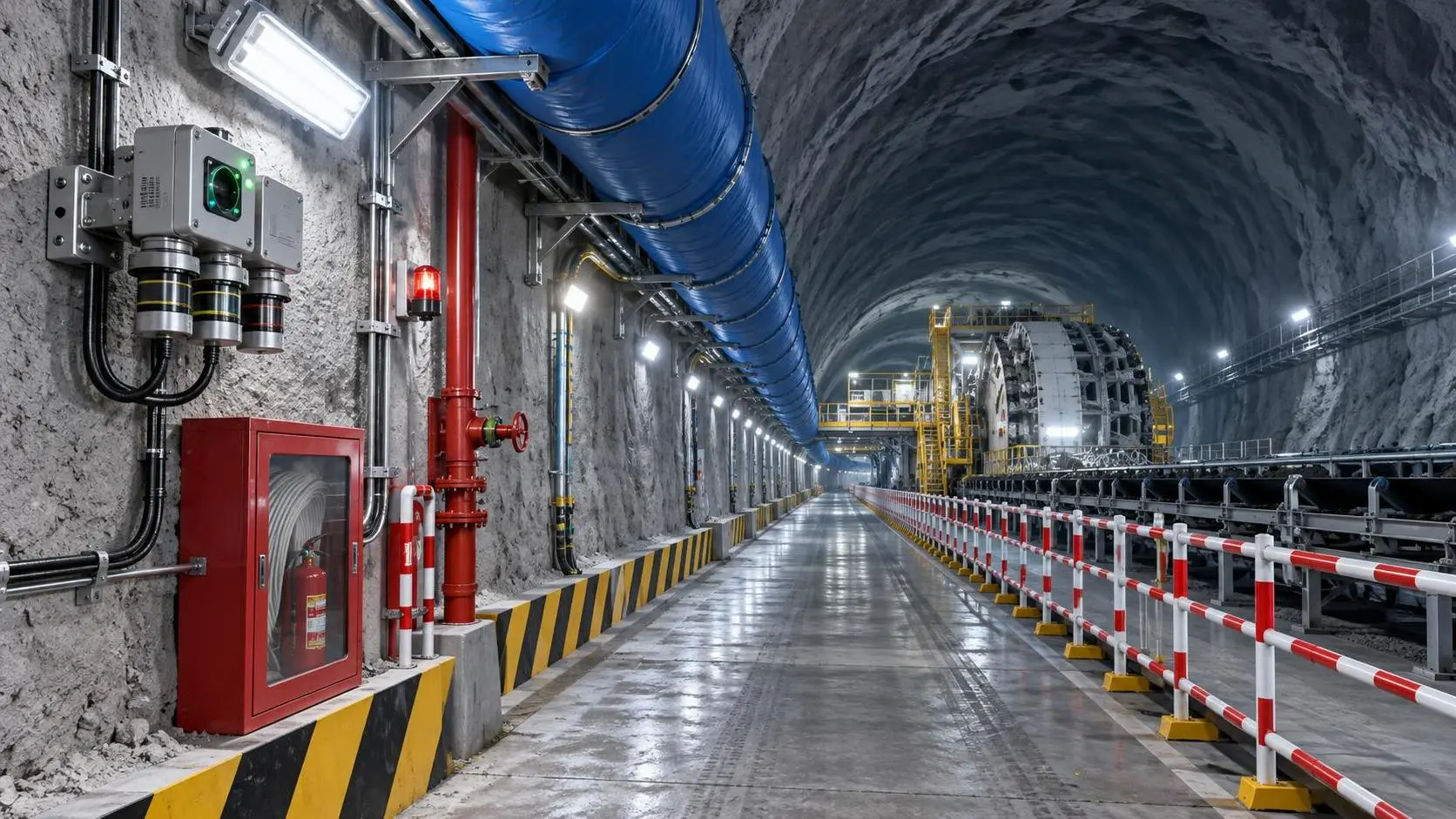
How to Select Underground Safety Equipment for Tunnelling by Hazard and Work Zone
Underground Safety Equipment for tunnelling: match protection to hazards, work zones, compliance, and emergency needs with this practical selection guide.

EPB or Slurry Shield? Selecting Soft-Ground Tunnelling Equipment by Soil Conditions
Tunnel Excavation Equipment for soft ground: compare EPB and slurry shields by soil, groundwater, settlement risk, and project logistics to choose confidently.

How to Specify TBM Backup System Parts for Reliable Long-Distance Tunnelling
TBM backup system parts: learn how to specify reliable spares for long-distance tunnelling, reduce downtime, ensure compatibility, and speed underground recovery.

How to Size Open Pit Mining Trucks for Haul Distance, Grade, and Payload?
Open Pit Mining Trucks: learn how to match payload, haul distance, grade, road resistance, and loading capacity for safer, lower-cost mine operations.
Related News
- 00
0000-00
How to Evaluate European Drill-and-Blast Tunnelling Contractors for Complex Projects - 00
0000-00
Which Trenchless Construction Technique Fits Your Utility Crossing Conditions? - 00
0000-00
What Is Driving Metro Tunnelling Demand Across Southeast Asia’s Major Cities? - 00
0000-00
Hard Rock Tunnelling in Australia: Selecting Methods for Variable Ground Conditions - 00
0000-00
Hydropower Tunnel Excavation: Selecting Methods for Variable Rock Conditions
Weekly Insights
Stay ahead with our curated technology reports delivered every Monday.