
Singapore Airlines Widebody Talks Lift TBM Logistics Focus





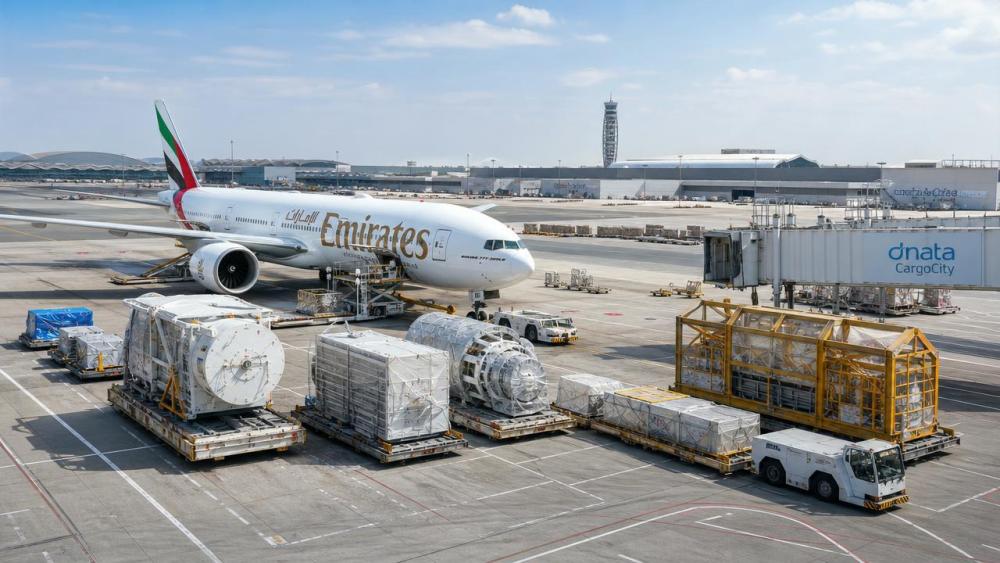
The timing of this development was not specified in the input. Singapore Airlines is reported to be in talks with Airbus and Boeing to acquire at least 50 long-range widebody aircraft, a move linked to the buildout of global hub capacity and supporting underground infrastructure upgrades over the coming decade. For industry participants, the immediate point of attention is not only aircraft procurement itself, but also the likely knock-on effect on high-value equipment air cargo and specialized inland transport across Asia-Pacific, the Middle East, and Africa, especially for oversized engineering cargo such as Hard Rock TBMs and Slurry Pipe Jacking systems.
What has been confirmed so far
Based on the information provided, Singapore Airlines is negotiating with Airbus and Boeing for the purchase of at least 50 long-range widebody passenger aircraft. The stated context for this procurement is to prepare for global hub expansion and related underground infrastructure upgrades over the next ten years. The same information indicates that this development is expected to increase demand for transporting high-value equipment by air and for specialized overland logistics on routes connecting Asia-Pacific, the Middle East, and Africa. It also specifically points to potential benefits for providers of international multimodal transport solutions handling oversized and heavy equipment, including Hard Rock TBMs and Slurry Pipe Jacking systems.
Why the logistics chain is paying attention
Multimodal project cargo providers may see earlier inquiry activity
From an industry perspective, providers focused on international multimodal transport are among the first groups likely to watch this closely. If aviation fleet expansion is tied to long-term hub and underground infrastructure support works, demand may rise for transport planning involving air cargo, special road haulage, transfer coordination, and route design for heavy and oversized machinery. What deserves closer attention is whether customer demand begins with quotation requests and feasibility reviews before converting into firm shipment schedules.
Engineering equipment shippers face tighter delivery coordination needs
For shippers of high-value and abnormal-load equipment, the possible impact is less about volume in the abstract and more about timing, packaging, handling windows, and mode selection. Analysis shows that cargo such as Hard Rock TBMs and Slurry Pipe Jacking systems requires coordination across multiple transport stages, making schedule reliability and handoff planning more important than standard freight execution. These companies may need to watch for changes in route preference across the Asia-Pacific–Middle East–Africa corridor.
Service partners in special inland transport may need earlier project alignment
Specialized inland transport providers could also be affected if more equipment movements are linked to airport-adjacent or underground infrastructure programs. The practical issue is not simply moving cargo from port or airport to site, but aligning permits, handling methods, and transfer sequences with wider project schedules. Observably, this part of the chain becomes more sensitive when cargo dimensions and weight create fewer routing and timing options.
Operational issues companies should track now
Watch for formal wording in any future announcement
Because the current input describes negotiations, companies should distinguish between discussion-stage developments and confirmed procurement outcomes. It is more appropriate to understand this stage as a signal to prepare internally rather than as a finalized logistics wave. Any later official language on aircraft numbers, delivery scope, or associated infrastructure implications could materially shape demand expectations.
Focus on equipment categories with complex handling requirements
Companies active in project logistics should pay particular attention to cargo types that combine high value with oversize or overweight characteristics. In this context, Hard Rock TBMs and Slurry Pipe Jacking systems stand out because they typically require bespoke transport design, documentation discipline, and multi-party execution. The business relevance lies in pre-shipment planning, lifting arrangements, cargo securing, and transfer compatibility across modes.
Separate long-term direction from immediate order flow
Analysis shows that the information points to a long-range infrastructure and logistics implication rather than a confirmed short-term surge in shipments. For suppliers and logistics providers, this means customer communication should remain precise: capability positioning and preliminary solution design may be timely, but assumptions about near-term volume should be kept cautious unless supported by confirmed project movements.
Prepare documentation and execution capacity in advance
Where specialized transport providers expect increased inquiries, practical readiness may matter more than broad market messaging. Areas worth reviewing include supplier qualifications, cargo handling procedures, multimodal documentation, delivery lead times, and communication plans for clients moving oversized engineering systems across multiple jurisdictions. The key issue is execution credibility once opportunities become more concrete.
How this signal is best interpreted at this stage
Observably, this development should not yet be read as a completed market shift, but it does point to a meaningful alignment between airline fleet planning, hub expansion, and demand for engineering logistics support. The relevance for the market lies in the connection between aviation network growth and the movement of high-value infrastructure equipment. Analysis shows that this is better understood as a directional signal with practical implications for project cargo planning, rather than as a standalone aviation procurement story.
What the market can take away for now
At this point, the clearest industry takeaway is that aircraft acquisition discussions can carry consequences beyond the airline sector itself. In this case, the notable spillover is toward international multimodal logistics for oversized underground construction equipment on Asia-Pacific, Middle East, and Africa corridors. It is more appropriate to understand the update as a long-term indicator worth monitoring closely, while remaining cautious about drawing firm conclusions before additional official confirmation appears.
Basis of this article and points for follow-up verification
This article was generated based on the user-provided news title, event timing, and event summary. The specific official source link was not provided in the input, so further verification is still required. For this type of development, commonly relevant source categories may include official corporate announcements, company statements, industry association updates, authoritative media coverage, and standard-setting or technical documentation related to logistics and infrastructure equipment. The main follow-up points to monitor are any formal announcement from the parties involved, clearer wording on procurement scope, and any later confirmation that connects fleet planning with specific logistics or infrastructure execution needs.
Related News
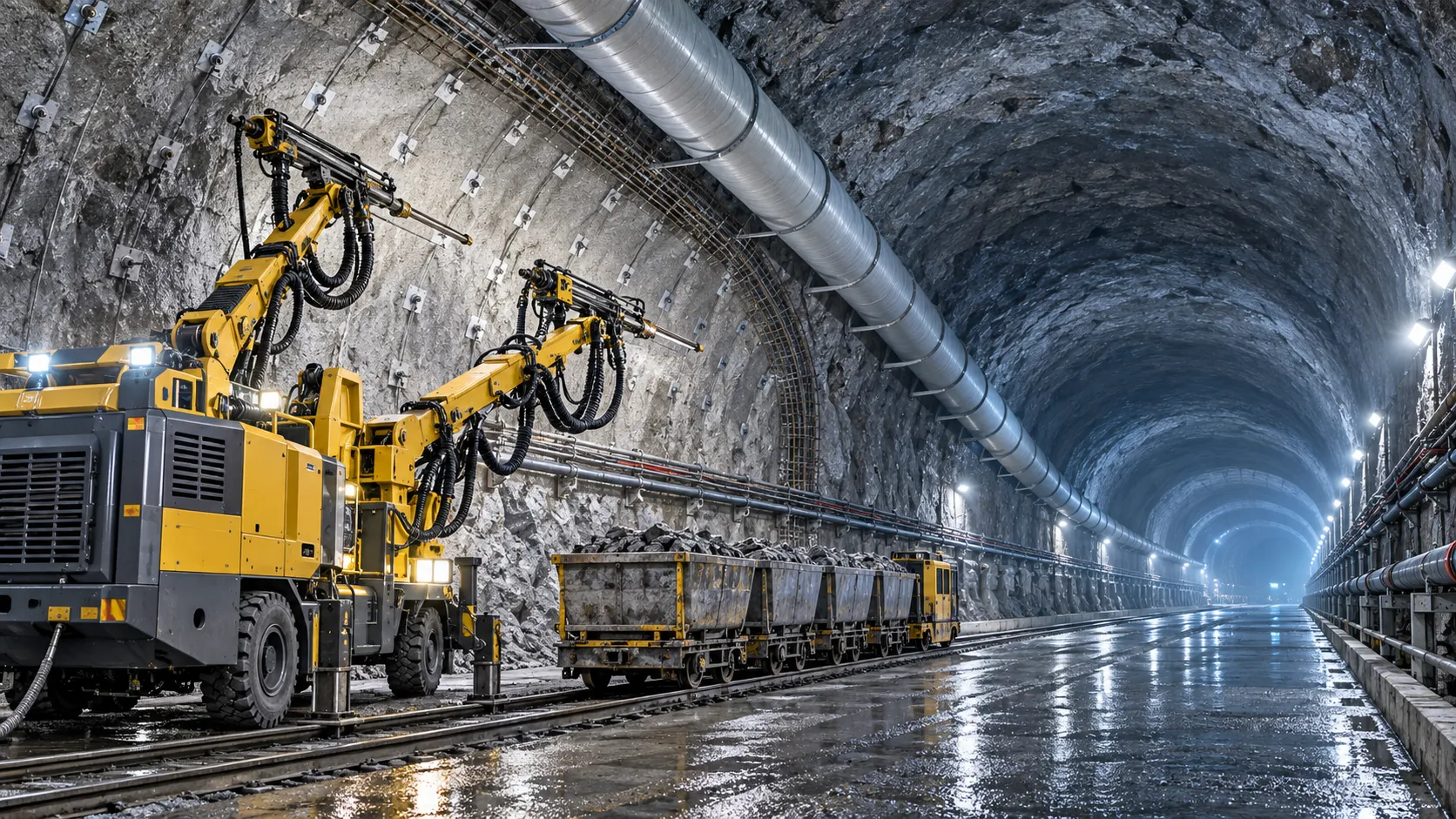
How to Evaluate European Drill-and-Blast Tunnelling Contractors for Complex Projects
Drill and blast tunnelling contractors Europe: learn how to assess geology expertise, blast control, equipment reliability, safety, and programme resilience for complex projects.
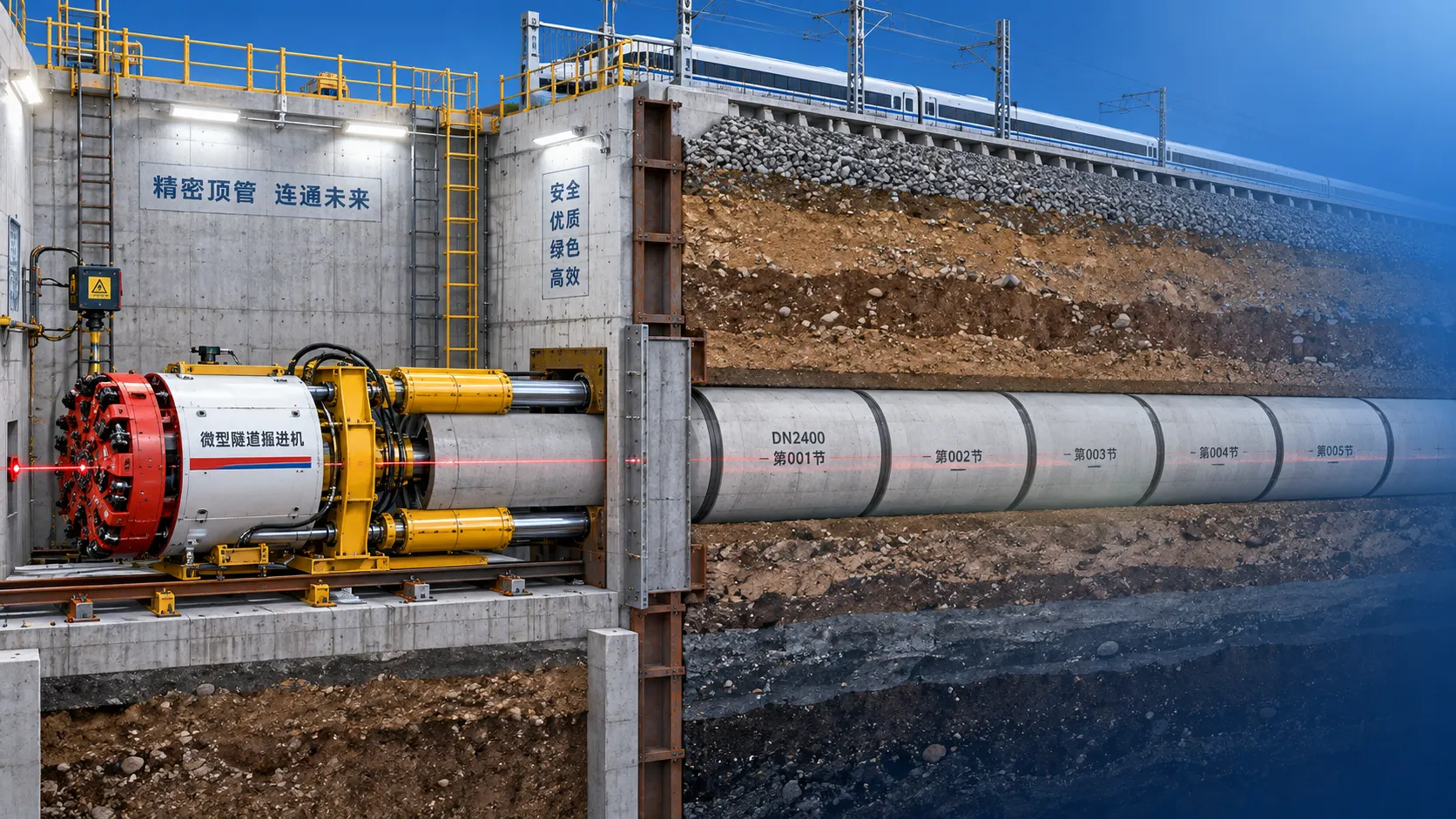
Which Trenchless Construction Technique Fits Your Utility Crossing Conditions?
Trenchless construction techniques compared for utility crossings: choose HDD, microtunnelling, pipe jacking, or auger boring based on ground, accuracy, access, and risk.
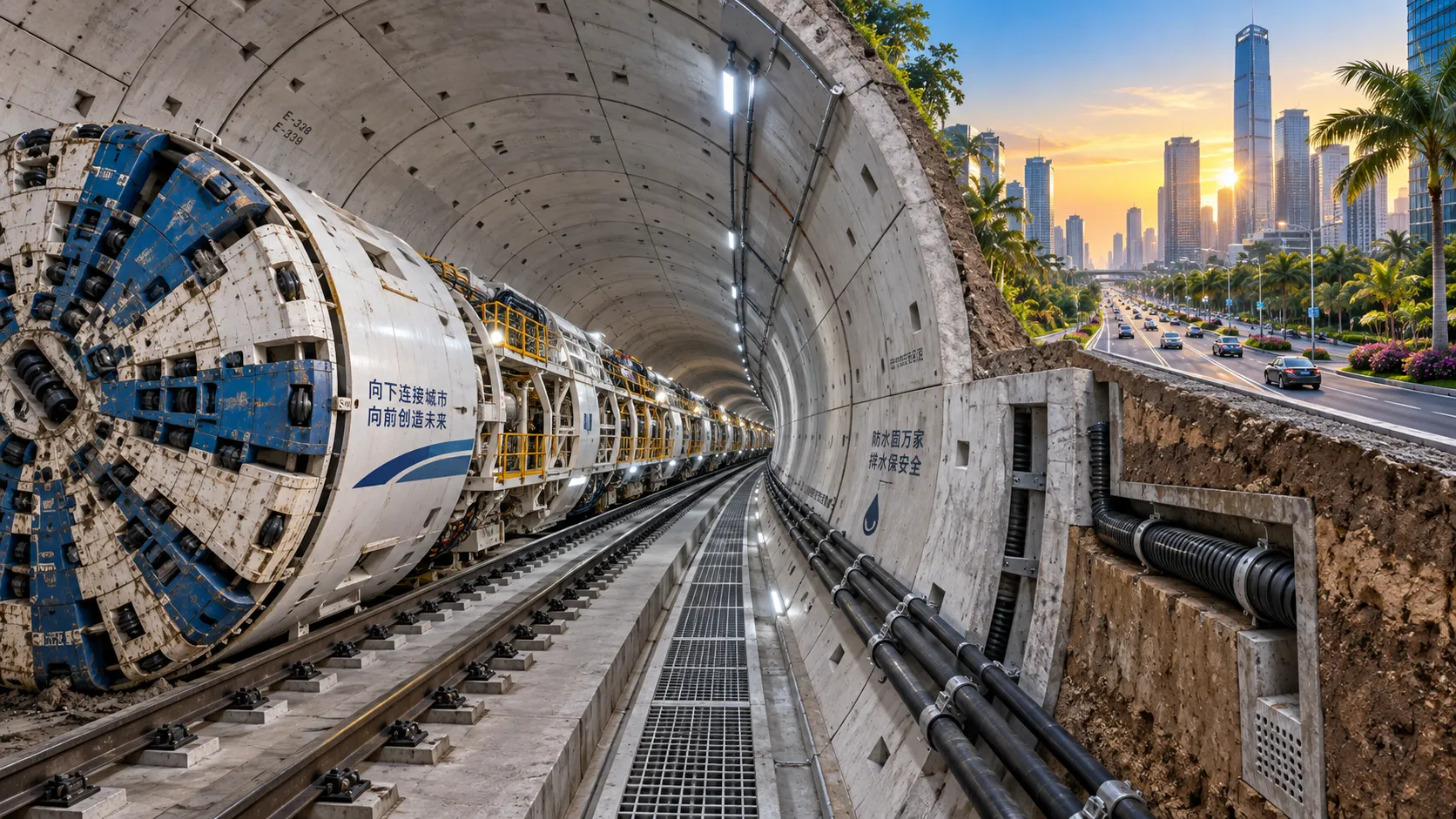
What Is Driving Metro Tunnelling Demand Across Southeast Asia’s Major Cities?
Metro tunnelling Southeast Asia is accelerating as major cities tackle congestion, flooding, and connectivity. Explore the market forces, technical risks, and opportunities shaping demand.
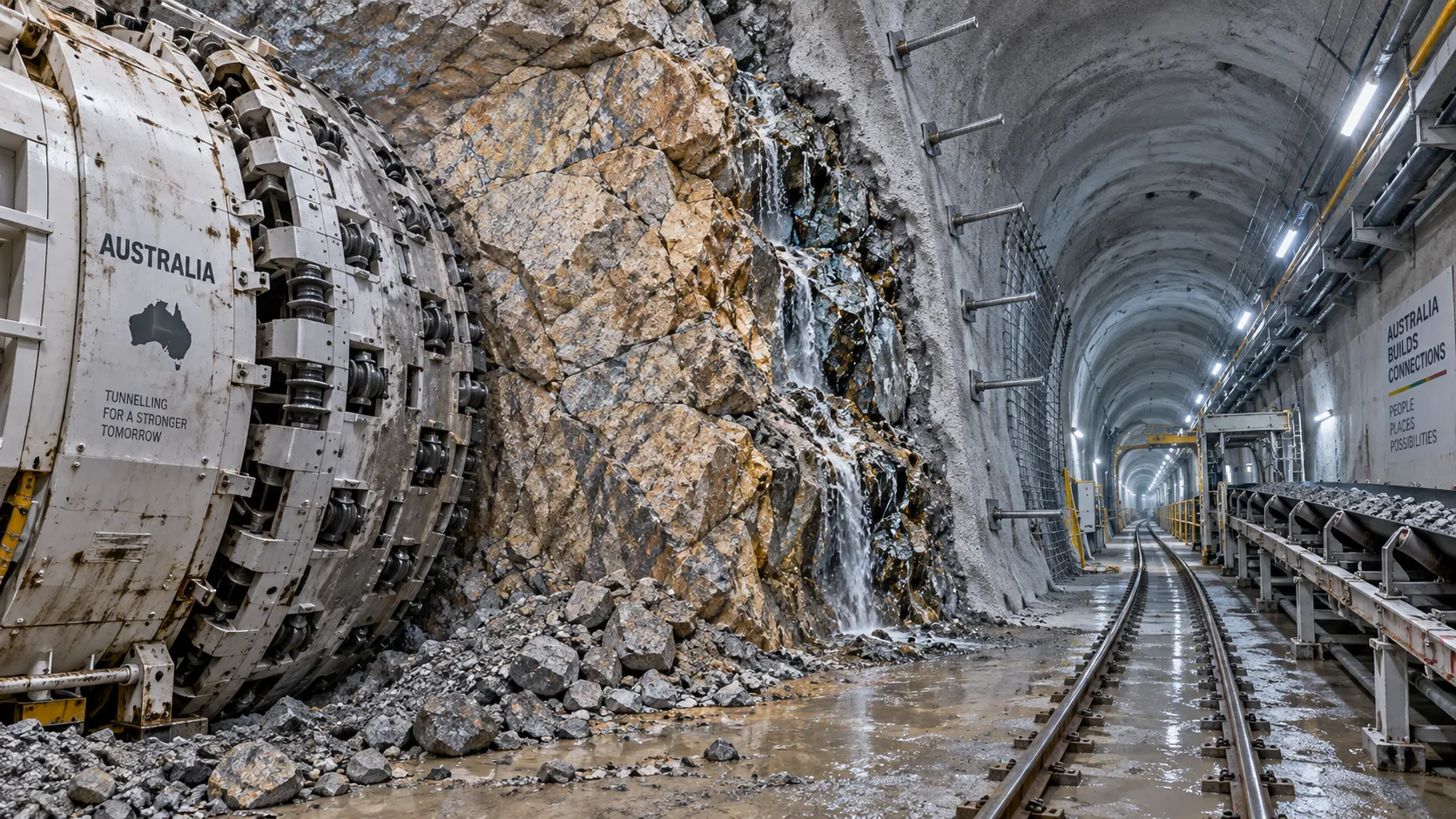
Hard Rock Tunnelling in Australia: Selecting Methods for Variable Ground Conditions
Hard rock tunnelling in Australia: compare TBM, drill-and-blast and hybrid methods to manage variable ground, reduce risk and protect project costs.
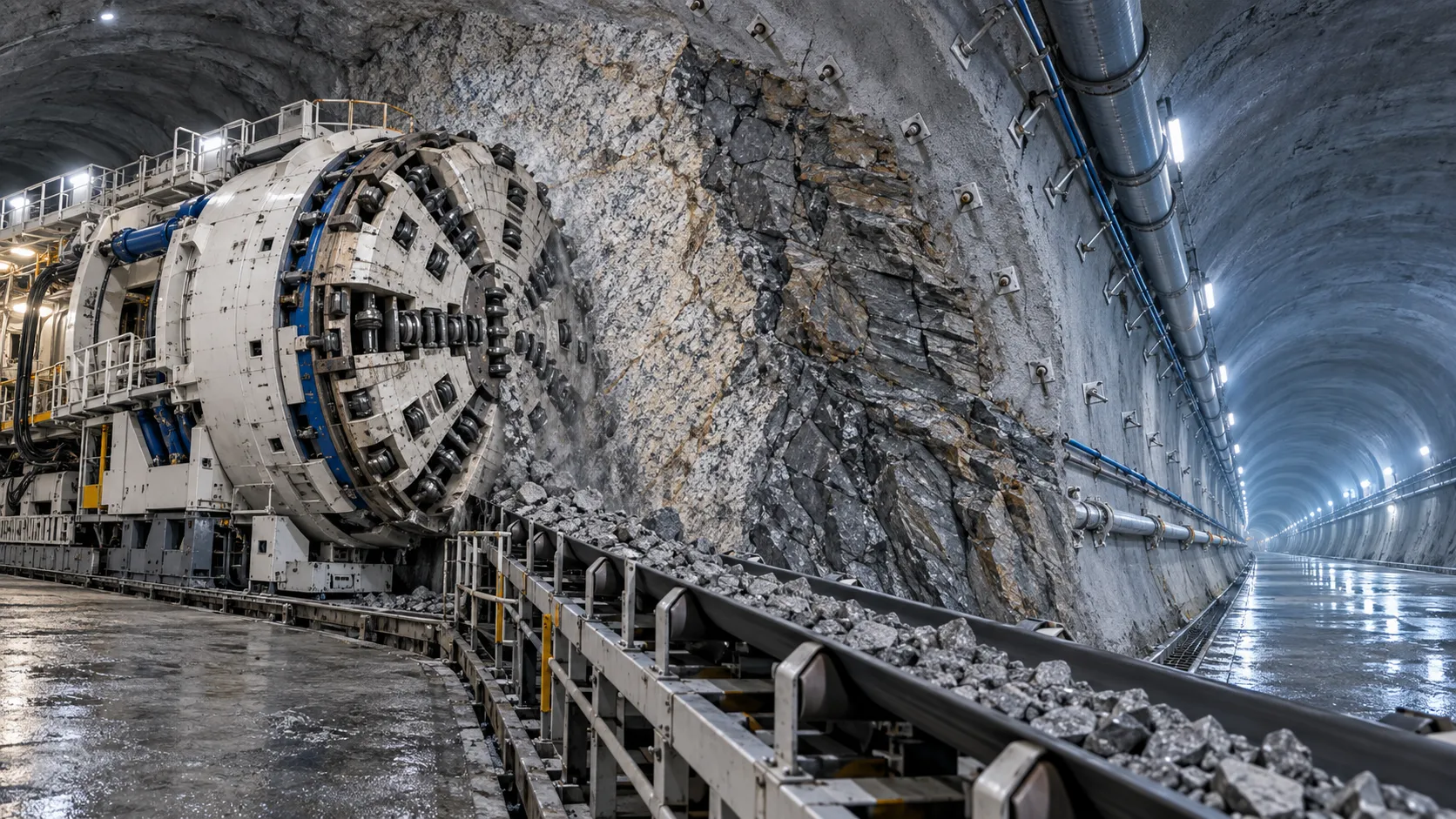
Hydropower Tunnel Excavation: Selecting Methods for Variable Rock Conditions
Hydropower tunnel excavation methods for variable rock conditions: compare TBM, drill-and-blast, and hybrid strategies to improve safety, progress, and project control.
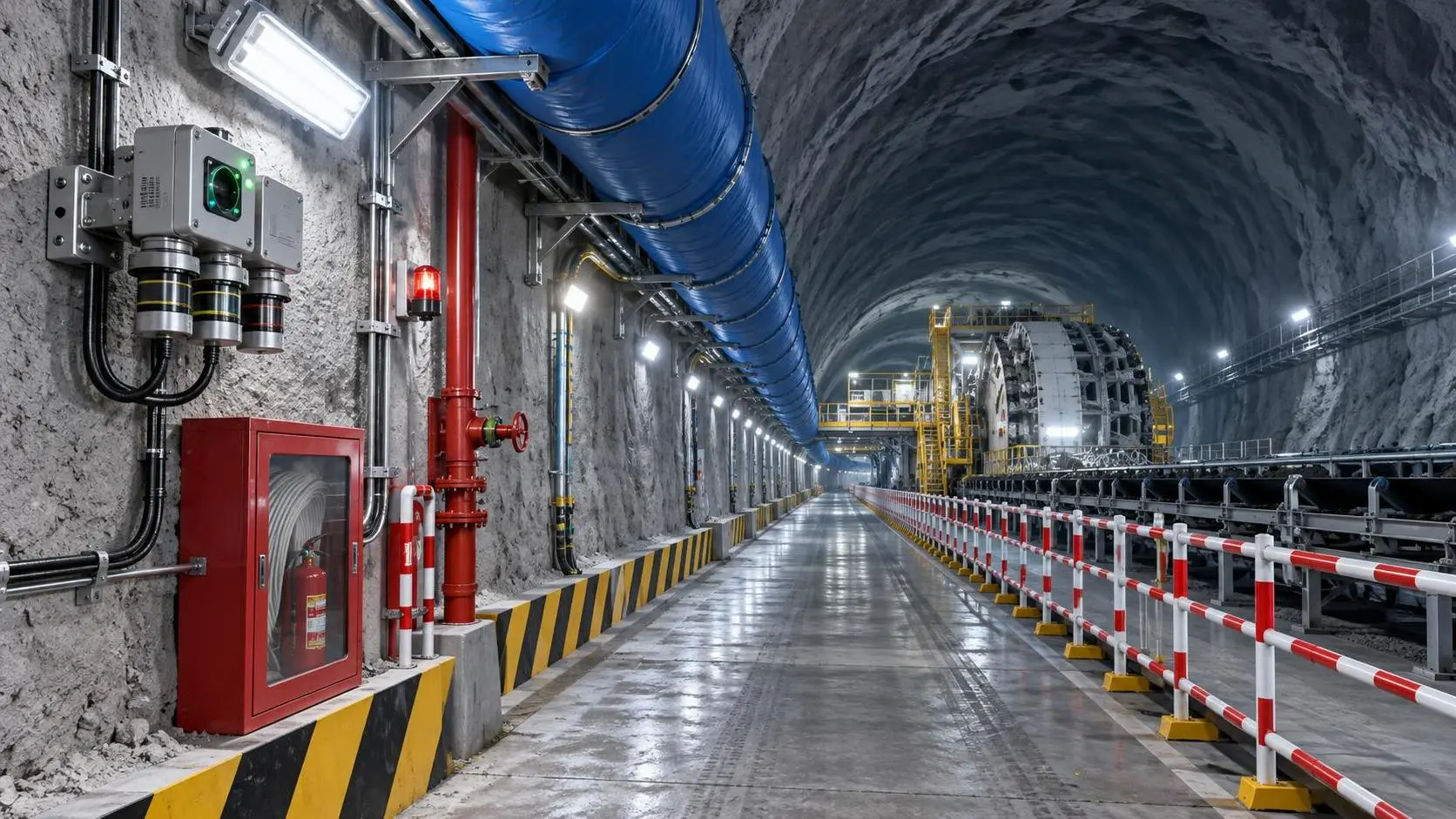
How to Select Underground Safety Equipment for Tunnelling by Hazard and Work Zone
Underground Safety Equipment for tunnelling: match protection to hazards, work zones, compliance, and emergency needs with this practical selection guide.
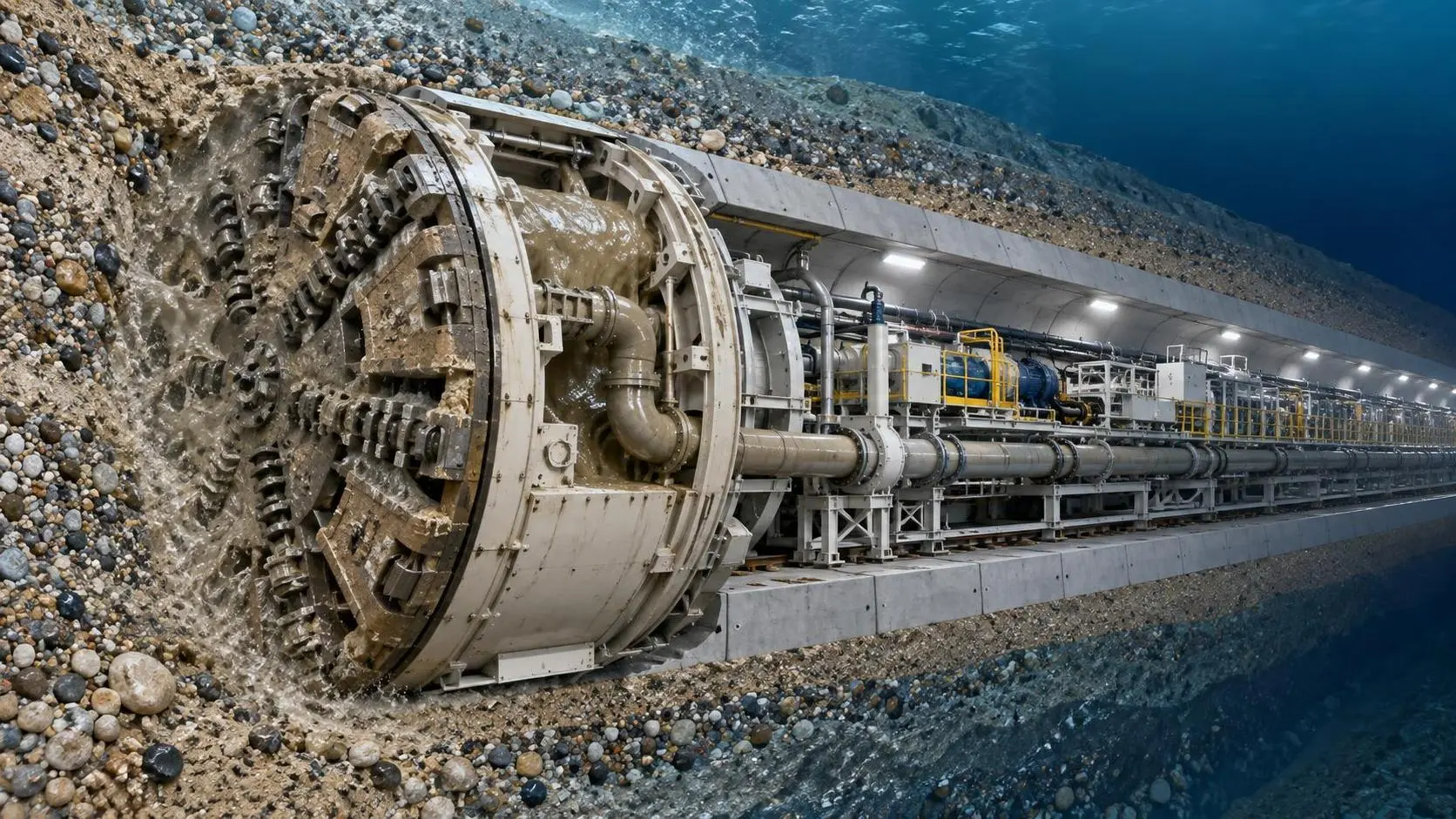
EPB or Slurry Shield? Selecting Soft-Ground Tunnelling Equipment by Soil Conditions
Tunnel Excavation Equipment for soft ground: compare EPB and slurry shields by soil, groundwater, settlement risk, and project logistics to choose confidently.
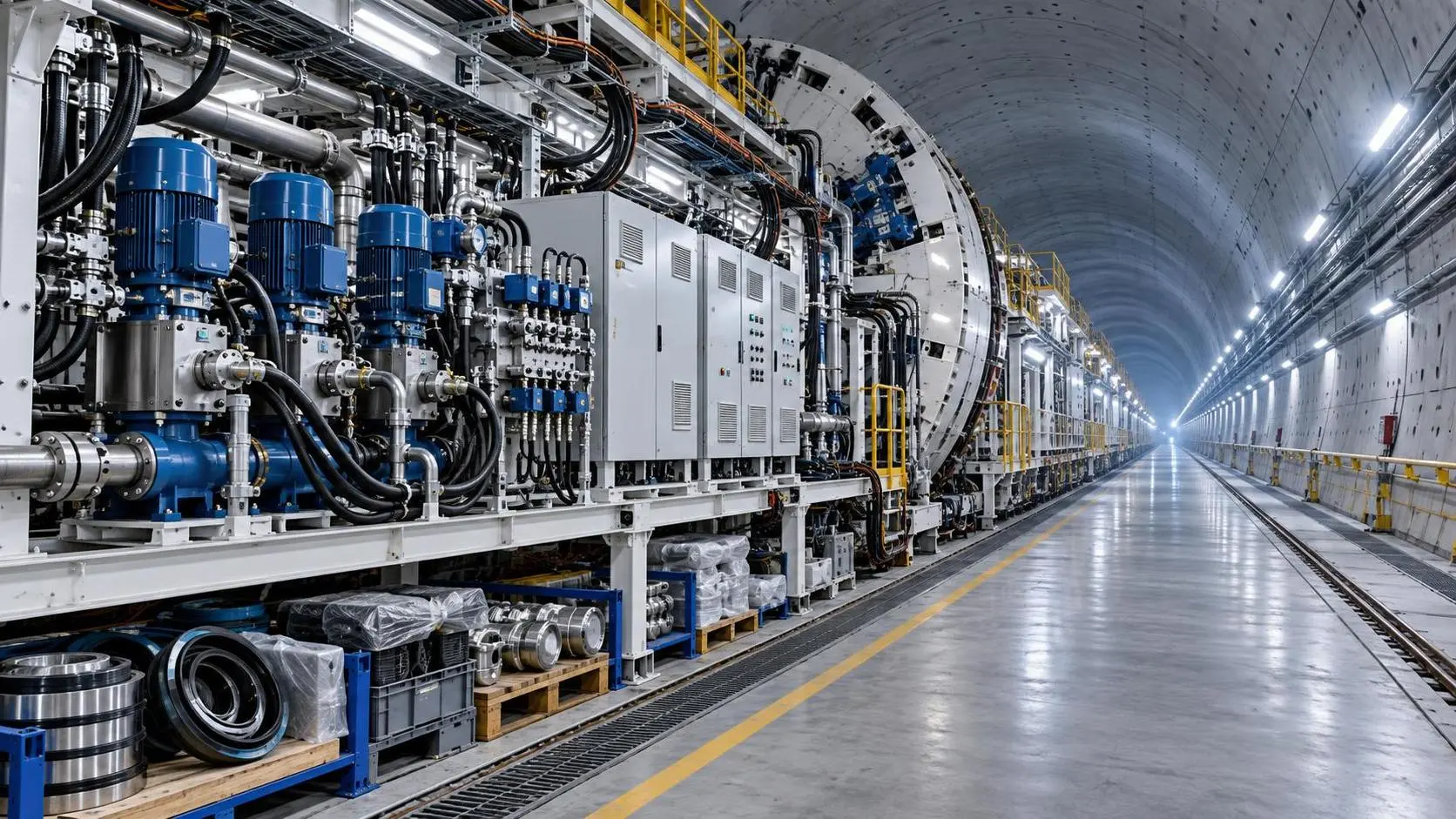
How to Specify TBM Backup System Parts for Reliable Long-Distance Tunnelling
TBM backup system parts: learn how to specify reliable spares for long-distance tunnelling, reduce downtime, ensure compatibility, and speed underground recovery.

How to Size Open Pit Mining Trucks for Haul Distance, Grade, and Payload?
Open Pit Mining Trucks: learn how to match payload, haul distance, grade, road resistance, and loading capacity for safer, lower-cost mine operations.
Related News
- 00
0000-00
How to Evaluate European Drill-and-Blast Tunnelling Contractors for Complex Projects - 00
0000-00
Which Trenchless Construction Technique Fits Your Utility Crossing Conditions? - 00
0000-00
What Is Driving Metro Tunnelling Demand Across Southeast Asia’s Major Cities? - 00
0000-00
Hard Rock Tunnelling in Australia: Selecting Methods for Variable Ground Conditions - 00
0000-00
Hydropower Tunnel Excavation: Selecting Methods for Variable Rock Conditions
Weekly Insights
Stay ahead with our curated technology reports delivered every Monday.