
China Unveils 1,000-Meter Horizontal Coring System





On June 2, 2026, a new milestone in tunnel investigation equipment was announced in Changsha: China’s first kilometer-class horizontal directional coring drilling system. The release matters not only to equipment manufacturers, but also to EPC contractors, geotechnical service providers, project owners, and cross-border infrastructure supply chains, because it points to a more precise way to assess complex rock conditions before deep and long tunnel construction moves into higher-risk stages.
What was officially released in Changsha
According to the provided information, the equipment released in Changsha on June 2, 2026 is China’s first kilometer-class horizontal directional coring drilling system. Its stated capability is to carry out continuous undisturbed core sampling in rock strata at depths of 300 to 1000 meters, while also transmitting geological parameters in real time.
The information further states that this fills a gap in precise detection for deep and long tunnels. It also indicates that the technical breakthrough is expected to improve the accuracy of early-stage investigation for overseas tunnel projects in complex geological formations and strengthen EPC risk controllability.
The same release links the equipment to potential integrated exports of “investigation + tunneling” solutions by Chinese equipment manufacturers to geologically high-risk markets including Chile, Türkiye, and Indonesia.
Why different business roles may pay attention
For EPC contractors, the signal is earlier risk visibility
From an industry perspective, EPC contractors may be among the first to watch this development closely because pre-construction geological uncertainty often affects schedule planning, method selection, and contract risk allocation. If horizontal directional coring at 300–1000 meters can be applied as described, the main business impact would likely be in front-end investigation, bid-stage technical assumptions, and risk communication with project owners. What deserves closer attention is not only the equipment itself, but whether owners and contractors begin to treat more detailed pre-tunneling subsurface data as a practical requirement in complex geology.
For geotechnical and investigation service providers, the focus shifts to capability structure
Analysis shows that service providers involved in geological investigation may see this as a prompt to reassess their technical offering. The possible impact lies in how investigation packages are designed, how field data is delivered, and whether continuous core recovery plus real-time parameter return becomes a differentiating service element in overseas projects. These firms may need to follow how clients define deliverables and how integrated investigation support is written into future procurement or consulting scopes.
For equipment manufacturers, integration may matter more than a single machine
Observably, the release is tied not just to a new piece of hardware, but to the idea of exporting an integrated “investigation + tunneling” solution. For manufacturers, the business implication may extend to product bundling, technical interfaces, overseas project support, and customer confidence in full-cycle application scenarios. In this context, attention may shift from standalone equipment performance to whether suppliers can support a broader workflow from subsurface detection to construction decision-making.
For project owners and buyers, procurement standards may gradually tighten
Owners, buyers, and procurement teams involved in deep and long tunnel works in complex formations may interpret this development as a possible reference point for higher expectations in site investigation quality. The potential effect would be most visible in tender specifications, technical evaluation criteria, and pre-award due diligence. What they should monitor is whether the market starts to distinguish more clearly between basic exploration capability and advanced precision investigation capability in high-risk projects.
What companies should monitor next
Watch for more precise official wording and technical positioning
Analysis shows that the current information establishes the release, the depth range, continuous undisturbed coring, and real-time geological parameter transmission. Companies should continue to monitor how future official statements define the equipment’s application boundaries, operating conditions, and project fit, especially where commercial expectations may run ahead of publicly confirmed details.
Focus on high-risk overseas tunnel markets named in the release
The provided information specifically mentions Chile, Türkiye, and Indonesia. For firms active in these markets, the practical question is whether clients begin to ask for more rigorous front-end geological investigation or more integrated technical packages. This is relevant for business development teams, tender managers, and project delivery units that need to align proposals with local risk profiles and owner expectations.
Separate technical promise from near-term business conversion
What deserves closer attention is the difference between a technical release and immediate market adoption. Even when a new capability is officially introduced, companies still need to assess how it fits procurement cycles, client acceptance, project approval processes, and cross-border delivery arrangements. For commercial teams, this means preparing evidence-based communication rather than assuming instant demand.
Review supplier coordination and delivery readiness
For manufacturers and service partners, this development may require closer coordination around documentation, technical qualifications, delivery timelines, and project interface responsibilities. If integrated “investigation + tunneling” solutions become a stronger discussion point, then internal alignment between equipment supply, field service, and downstream construction support will matter more in client-facing work.
How this development is best understood at this stage
As an editorial observation, this news is better understood as a meaningful technical and market signal rather than a fully realized shift in project practice. The confirmed facts show a new domestic capability in kilometer-class horizontal directional coring for tunnel-related geological detection, and they point to possible benefits in overseas complex-formation projects. However, whether this becomes a widely adopted benchmark across high-risk tunnel markets still requires continued observation.
Analysis also suggests that the most important implication is upstream: better subsurface knowledge before excavation. In tunnel engineering, that does not automatically guarantee downstream commercial results, but it can influence how risk is assessed, priced, and communicated. That is why the release matters beyond the equipment segment itself.
A practical reading of the announcement
At present, this announcement is most appropriately read as a sign that precision investigation capability is becoming more central to deep and long tunnel project planning, especially in geologically complex overseas settings. Its significance lies less in short-term headlines and more in the possibility of changing how investigation, equipment supply, and EPC risk control connect in one workflow. For industry participants, the rational conclusion is to track application progress, buyer response, and how integrated solution models are further defined.
Basis of this article and points for follow-up verification
This article is based on the user-provided news title, event date, and event summary. For this type of industry update, commonly relevant source categories may include official announcements, company announcements, industry association information, authoritative media reports, and standard-setting documents. No specific official source link was provided in the input, so the exact source link remains to be further verified.
Areas that still merit follow-up include whether additional official disclosures clarify application scenarios, whether overseas project adoption signals emerge in the named markets, and how the proposed “investigation + tunneling” integrated solution model is expressed in actual business and project delivery contexts.
Related News
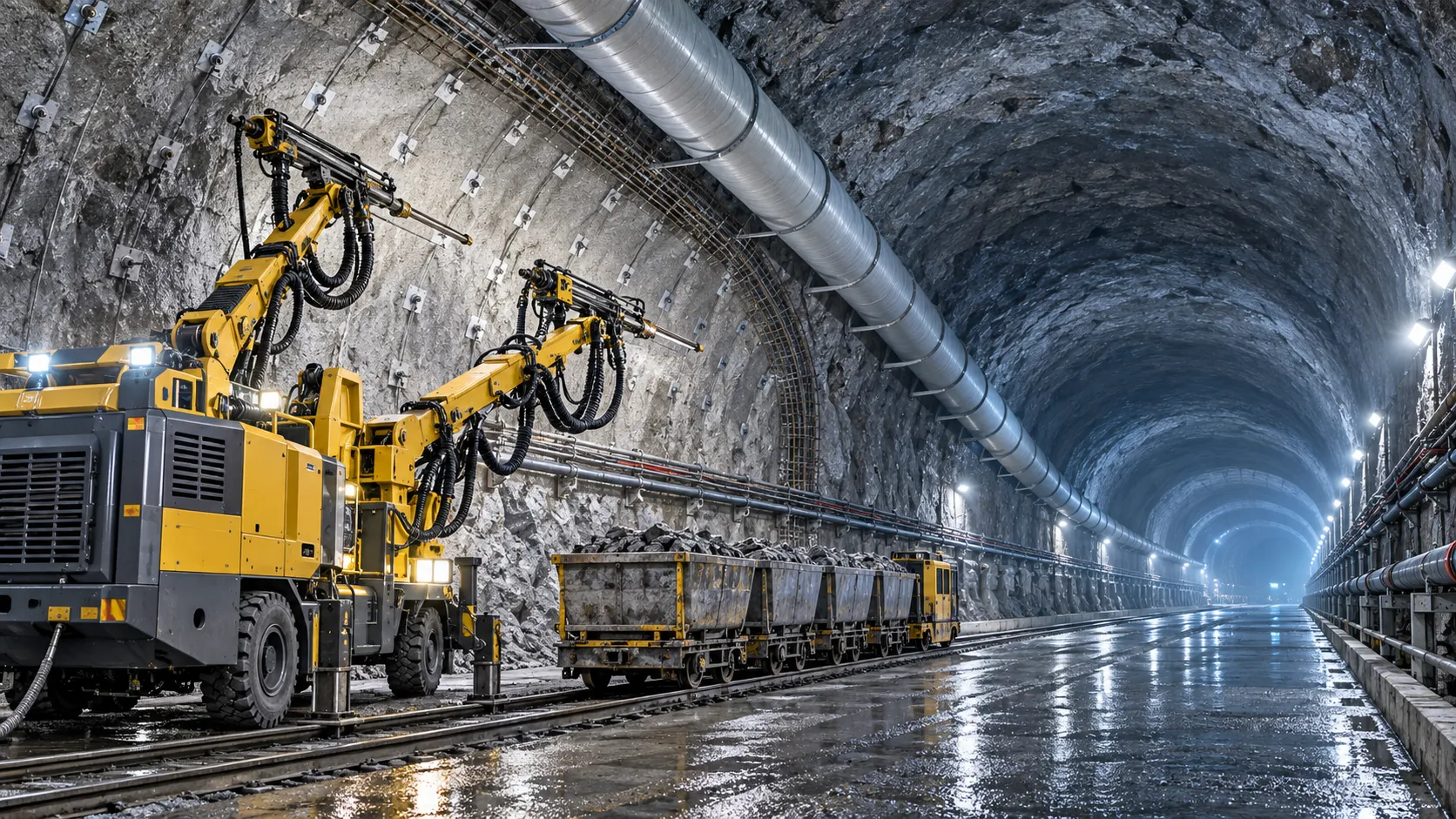
How to Evaluate European Drill-and-Blast Tunnelling Contractors for Complex Projects
Drill and blast tunnelling contractors Europe: learn how to assess geology expertise, blast control, equipment reliability, safety, and programme resilience for complex projects.
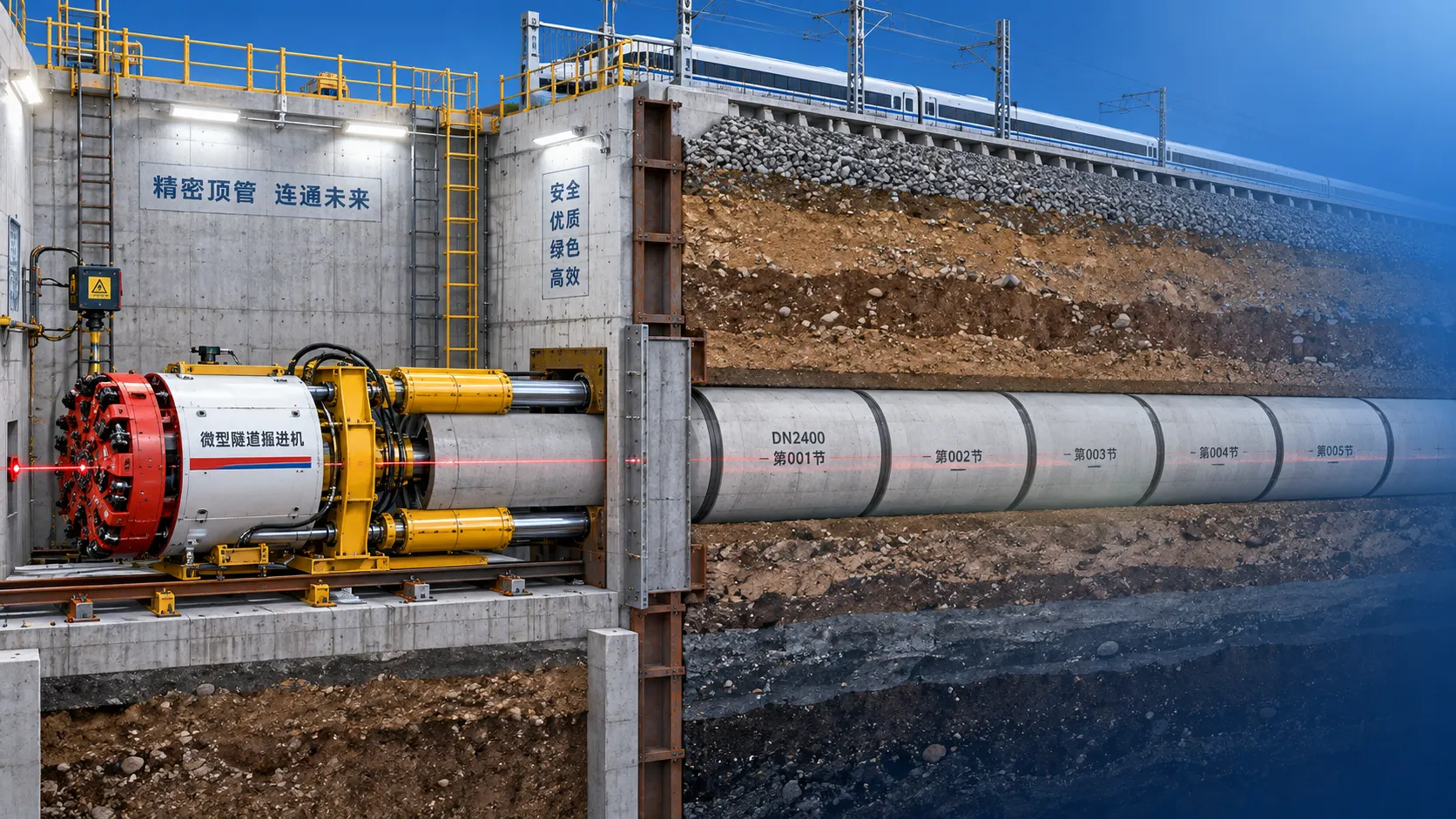
Which Trenchless Construction Technique Fits Your Utility Crossing Conditions?
Trenchless construction techniques compared for utility crossings: choose HDD, microtunnelling, pipe jacking, or auger boring based on ground, accuracy, access, and risk.
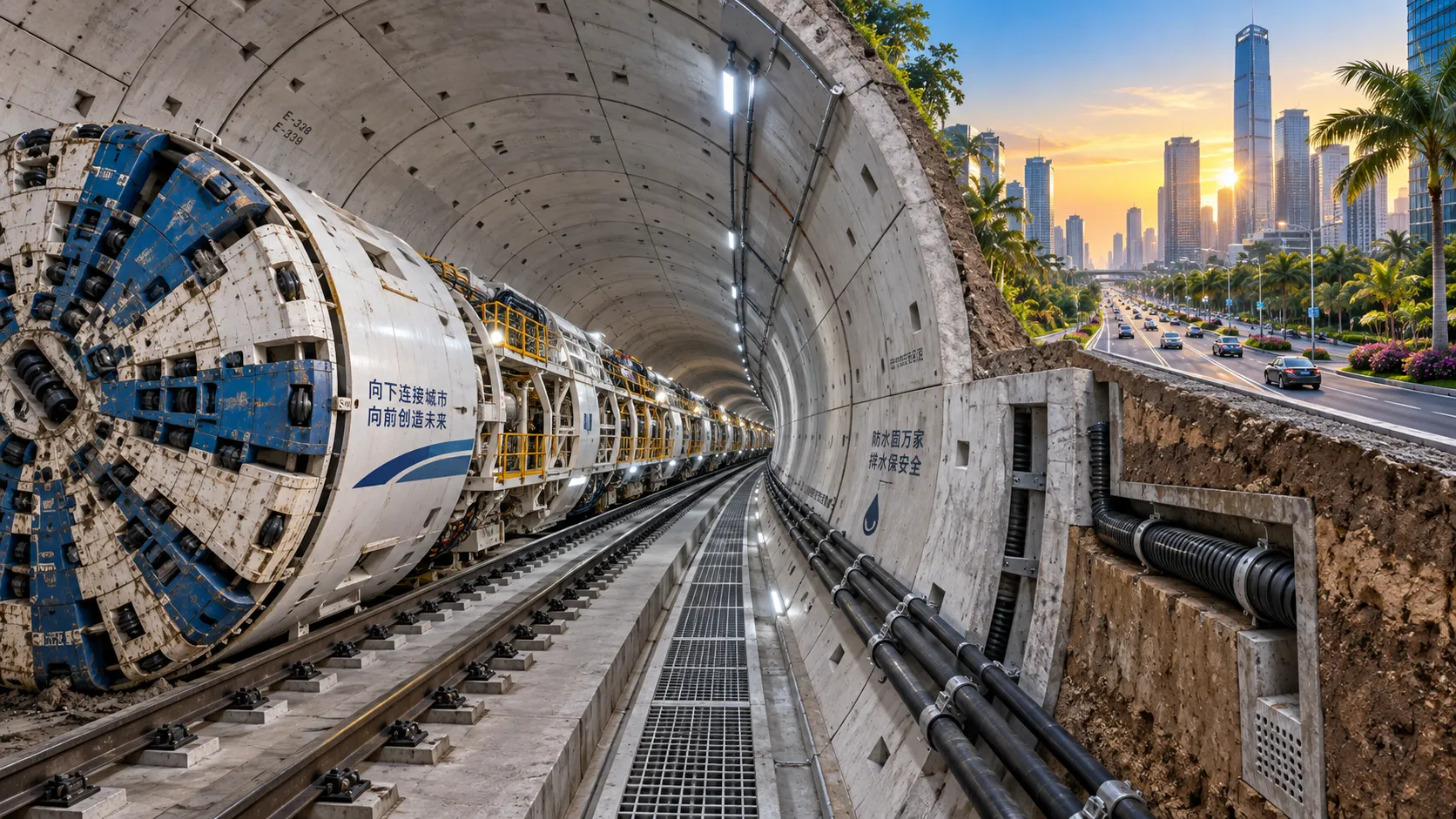
What Is Driving Metro Tunnelling Demand Across Southeast Asia’s Major Cities?
Metro tunnelling Southeast Asia is accelerating as major cities tackle congestion, flooding, and connectivity. Explore the market forces, technical risks, and opportunities shaping demand.
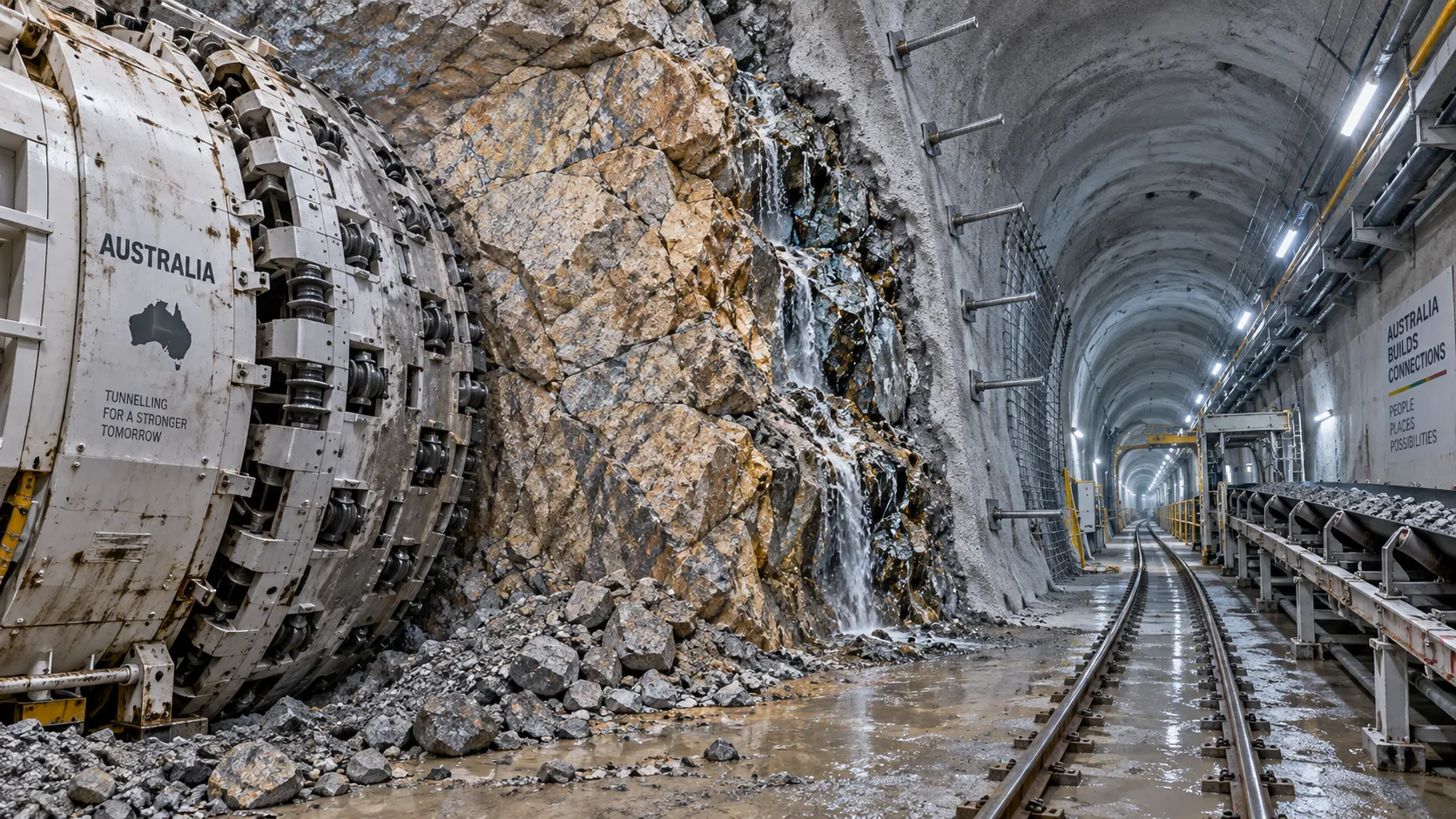
Hard Rock Tunnelling in Australia: Selecting Methods for Variable Ground Conditions
Hard rock tunnelling in Australia: compare TBM, drill-and-blast and hybrid methods to manage variable ground, reduce risk and protect project costs.
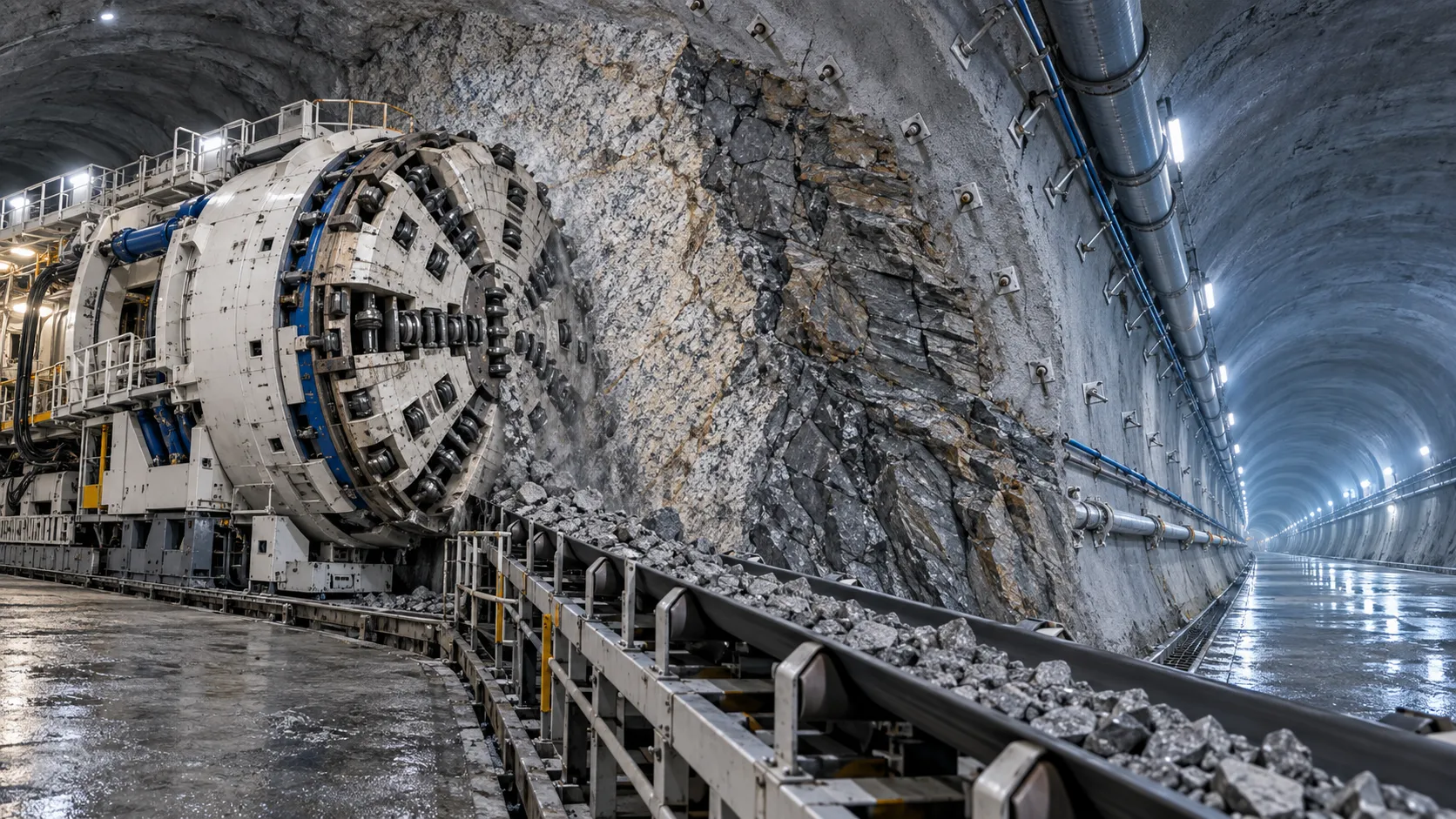
Hydropower Tunnel Excavation: Selecting Methods for Variable Rock Conditions
Hydropower tunnel excavation methods for variable rock conditions: compare TBM, drill-and-blast, and hybrid strategies to improve safety, progress, and project control.
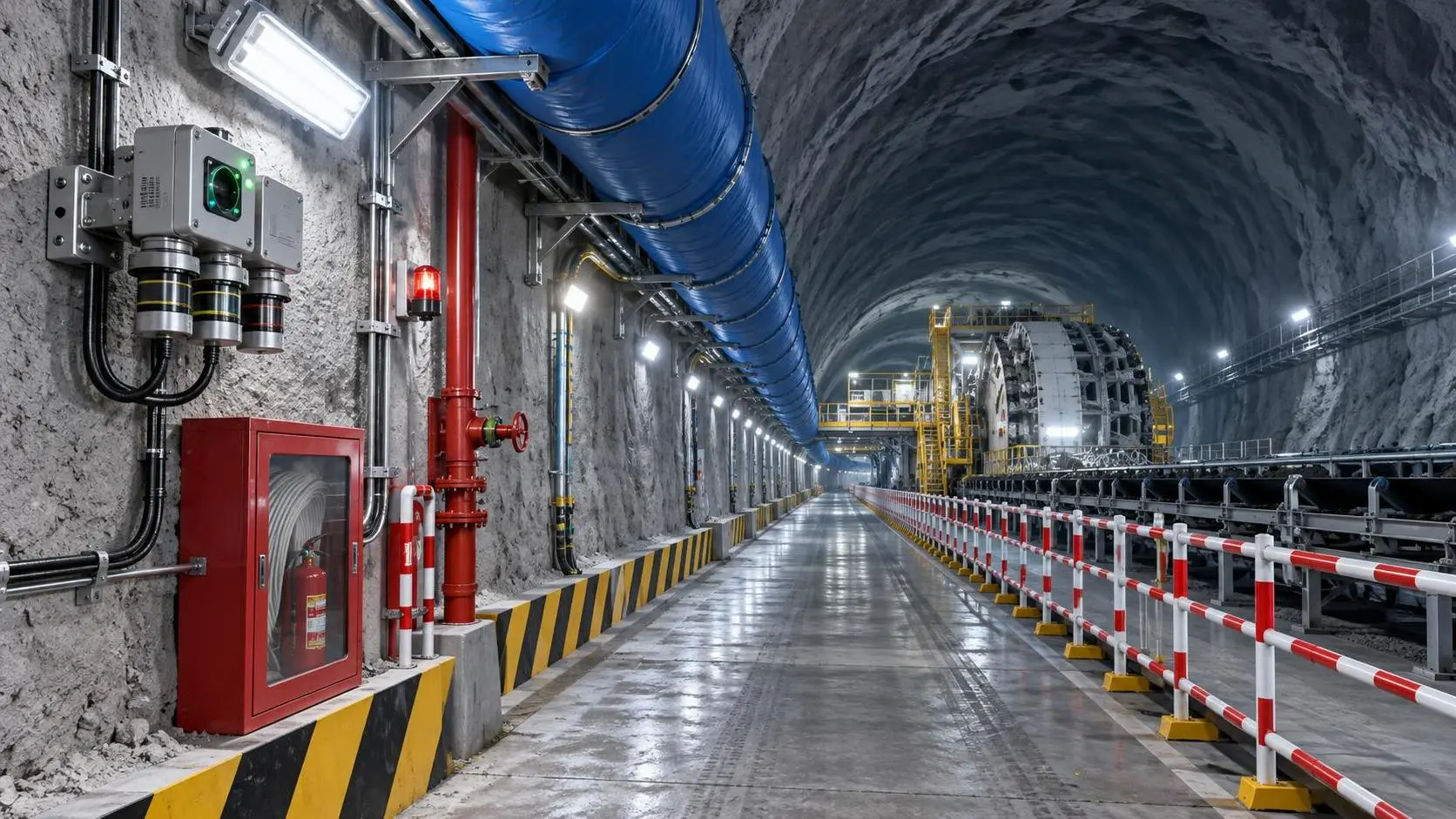
How to Select Underground Safety Equipment for Tunnelling by Hazard and Work Zone
Underground Safety Equipment for tunnelling: match protection to hazards, work zones, compliance, and emergency needs with this practical selection guide.
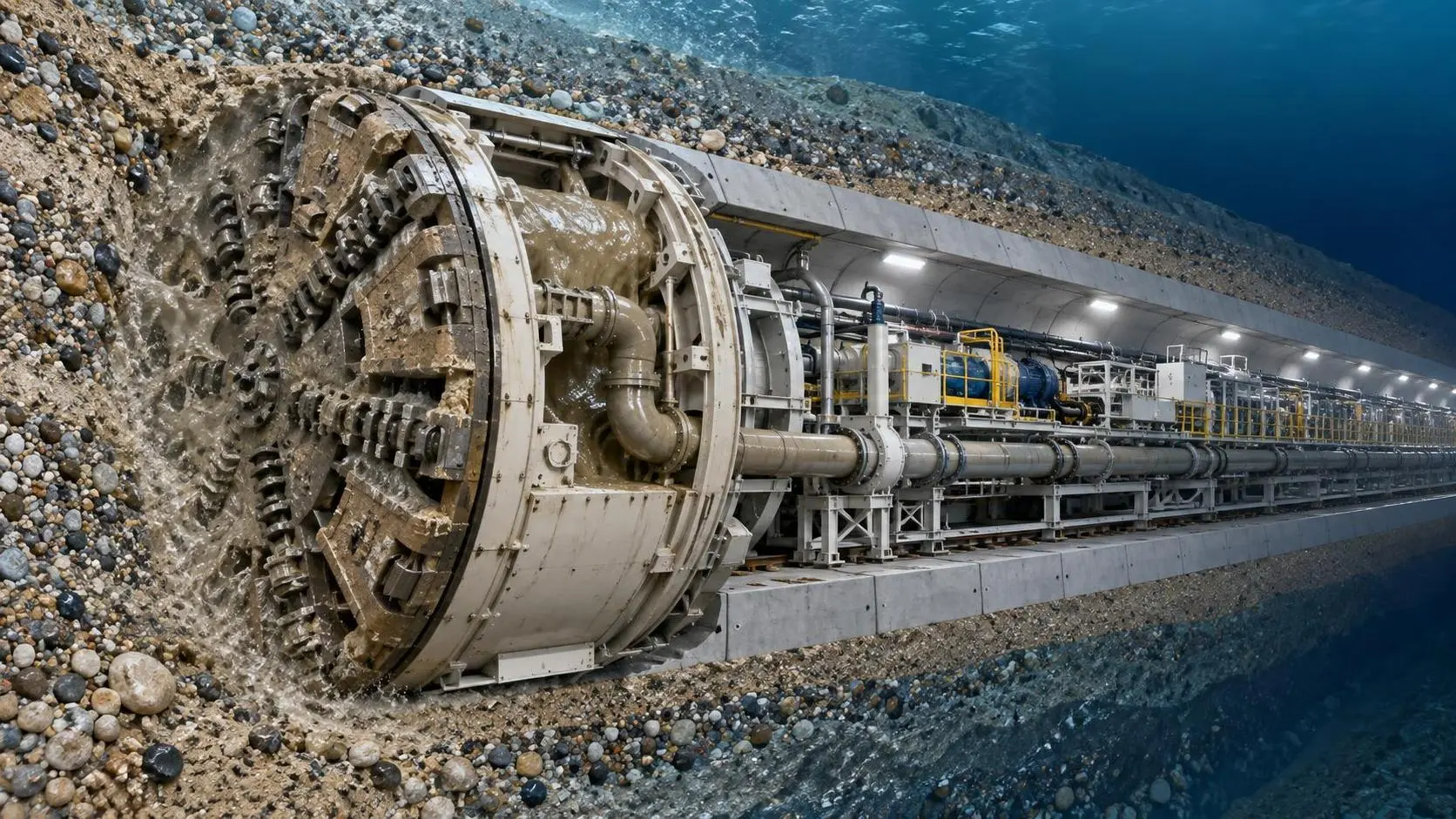
EPB or Slurry Shield? Selecting Soft-Ground Tunnelling Equipment by Soil Conditions
Tunnel Excavation Equipment for soft ground: compare EPB and slurry shields by soil, groundwater, settlement risk, and project logistics to choose confidently.
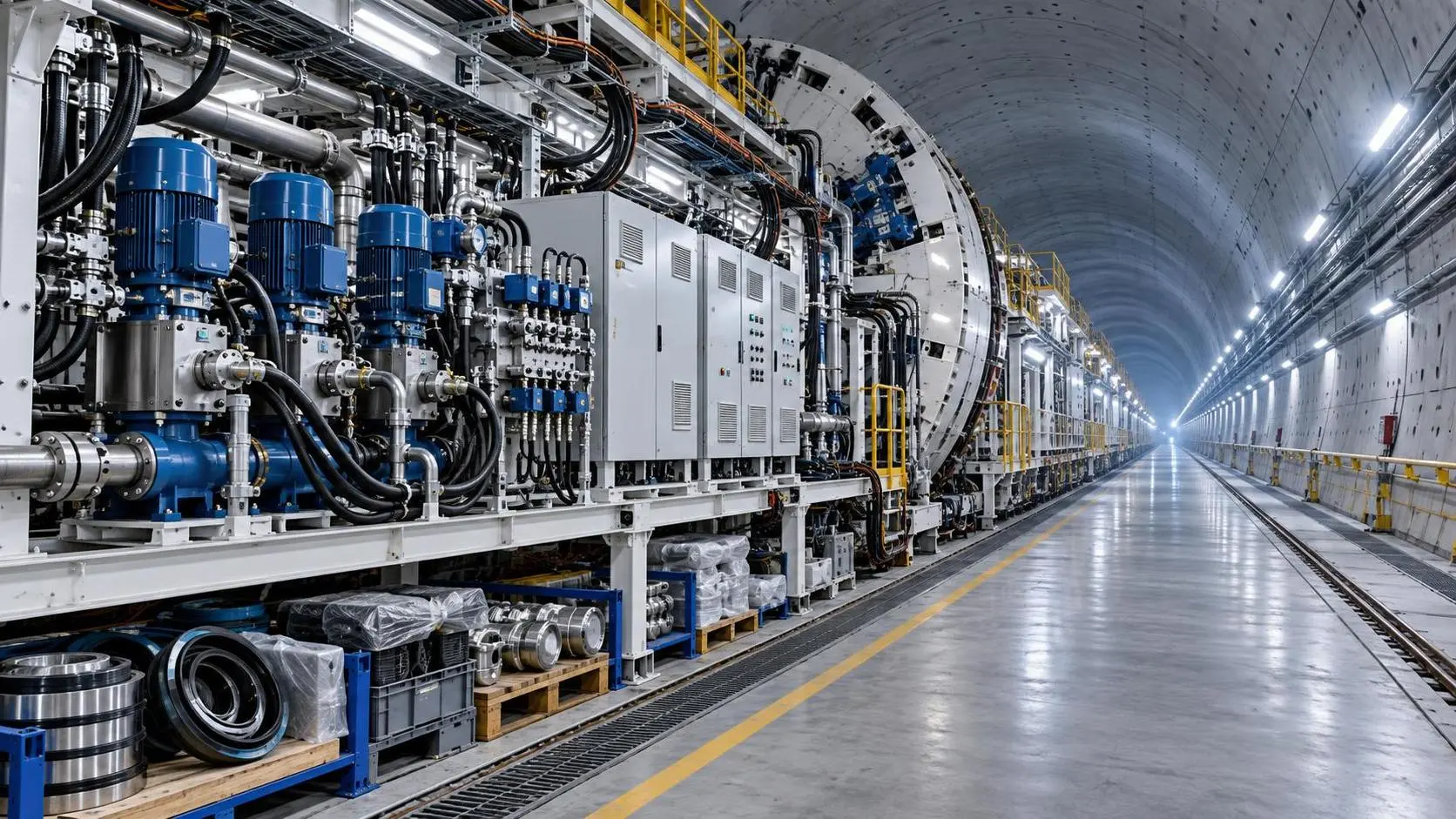
How to Specify TBM Backup System Parts for Reliable Long-Distance Tunnelling
TBM backup system parts: learn how to specify reliable spares for long-distance tunnelling, reduce downtime, ensure compatibility, and speed underground recovery.
How to Size Open Pit Mining Trucks for Haul Distance, Grade, and Payload?
Open Pit Mining Trucks: learn how to match payload, haul distance, grade, road resistance, and loading capacity for safer, lower-cost mine operations.
Related News
- 00
0000-00
How to Evaluate European Drill-and-Blast Tunnelling Contractors for Complex Projects - 00
0000-00
Which Trenchless Construction Technique Fits Your Utility Crossing Conditions? - 00
0000-00
What Is Driving Metro Tunnelling Demand Across Southeast Asia’s Major Cities? - 00
0000-00
Hard Rock Tunnelling in Australia: Selecting Methods for Variable Ground Conditions - 00
0000-00
Hydropower Tunnel Excavation: Selecting Methods for Variable Rock Conditions
Weekly Insights
Stay ahead with our curated technology reports delivered every Monday.