
CRCHI Registers 7 Software Copyrights for TBM Export Compliance





On June 4, 2026, China Railway Construction Heavy Industry completed the registration of seven software copyrights, including a convergence and inclination measurement system for segment rings, with the software already embedded in digital twin platforms for TBM projects exported to Poland and Mexico. The point of industry relevance is not only the IP registration itself, but the compliance signal behind it: these software modules are tied to key tunneling functions and are stated to meet EU EN 50128 SIL2 functional safety requirements, which directly affects export delivery, certification review, technical procurement, and cross-border project execution for intelligent tunneling equipment.
What has been confirmed in this registration batch
According to the provided information, the registration was completed on June 4, 2026 and covered seven software copyrights. One named item is the Segment Ring Convergence and Inclination Measurement System V1.0. The batch also covers software linked to shield attitude sensing, warning of segment assembly deviation, and muck rheology analysis. The same batch of software has been embedded into digital twin platforms used in TBM projects exported to Poland and Mexico. The provided summary further states that these software assets meet EU EN 50128 SIL2 functional safety certification requirements and serve as a compliance foundation for the overseas deployment of intelligent high-end Chinese tunneling equipment.
Why this matters across certification, export delivery, and project execution
For equipment exporters, software is becoming part of the compliance package
Analysis shows that exporters of advanced tunneling equipment may need to treat embedded software not as an accessory, but as part of the exportable compliance scope. Where project delivery includes digital twin functions, sensing, warning, or operational analysis tools, the relevant software documentation, traceability, and certification alignment may become more visible in buyer review and project acceptance.
For project owners and procurement teams, technical review may extend beyond hardware
From an industry perspective, procurement parties in TBM projects may pay closer attention to whether key software functions supporting operation, warning, and monitoring are already aligned with applicable certification requirements. The practical effect may appear in technical specification review, bid documentation, acceptance criteria, and software-related supporting files needed before delivery or commissioning.
For certification and testing-related service providers, embedded functions gain weight
What deserves closer attention is that the software named in this case covers core operating links rather than peripheral office tools. For certification-related firms and testing support providers, this suggests that assessment work in export-oriented equipment projects may increasingly require clearer mapping between operational software functions and the applicable functional safety framework referenced by the customer or project.
For after-sales and cross-border service teams, traceability requirements may rise
Observably, once software is embedded into a digital twin platform used in overseas projects, after-sales support may involve not only mechanical maintenance but also version control, technical records, and consistency between delivered functions and approved documentation. That can affect service response, fault investigation, and ongoing customer communication in export projects.
Practical points companies should track now
Check whether export documentation fully reflects embedded software functions
Analysis shows that companies involved in intelligent equipment exports should review whether product descriptions, technical files, bid materials, and delivery documentation fully identify software modules linked to sensing, warning, and analysis. This event does not by itself prove a broader market rule change, but it does indicate that software-related compliance evidence may matter in real export projects.
Watch how certification language is used in project-facing materials
The provided information states that the software meets EU EN 50128 SIL2 functional safety certification requirements. Companies should therefore pay close attention to how certification-related wording is presented in customer communication, tender responses, and compliance files, especially where software functions are directly tied to operational safety or system monitoring. Specific execution standards beyond the provided summary still need verification in actual project practice.
Align procurement and supplier review with software-enabled delivery
For manufacturers and integrators, software registration and embedded deployment may affect how upstream suppliers, subsystem providers, and integration partners are reviewed. What deserves closer attention is whether purchased components, interfaces, and data inputs can support the documented software functions and whether related records are sufficient for downstream compliance review and project handover.
Prepare for closer review in overseas implementation and service stages
Observably, where digital twin platforms are part of exported TBM projects, overseas implementation may involve closer scrutiny of delivered software versions, operating logic descriptions, and service support capabilities. This should be understood as a practical compliance preparation issue rather than a confirmed industry-wide enforcement outcome.
How this signal should be read at this stage
From an industry perspective, this development is more appropriately understood as an execution-level signal than as a standalone policy announcement. The key point is that software used in core tunneling functions has been registered, embedded in export projects, and linked in the provided summary to EU EN 50128 SIL2 requirements. That combination suggests that, in intelligent heavy equipment exports, compliance readiness is increasingly reflected through the software layer as well as the machine itself.
At the same time, this event should not be overstated. Based on the provided information alone, it does not confirm a new regulation, a revised official rule, or a uniform procurement requirement across all markets. What it does show is a clearer connection between software asset preparation, certification alignment, and cross-border project delivery.
A compliance-oriented export signal rather than a standalone IP story
In summary, the registration of seven software copyrights by China Railway Construction Heavy Industry is significant mainly because the software supports key TBM operating links and has already been embedded in export-facing digital twin platforms tied to EU EN 50128 SIL2 requirements. It is more appropriate to understand this as a practical compliance and delivery signal for intelligent tunneling equipment going overseas. For companies in the sector, the immediate takeaway is to pay closer attention to software documentation, certification alignment, and project execution requirements rather than viewing software registration as an isolated legal event.
Basis of this article and points requiring continued verification
This article is generated based on the user-provided news title, event date, and event summary. For developments of this type, commonly relevant source categories may include company announcements, regulator releases, trade or customs authority information, industry association materials, standard organization documents, and reporting by authoritative media. No specific official source link was provided in the input, so the underlying official documentation still requires continued verification. Further observation should focus on later certification interpretations, tender document language, project delivery requirements, industry feedback, and how enterprises implement software-related compliance in actual export execution.
Related News
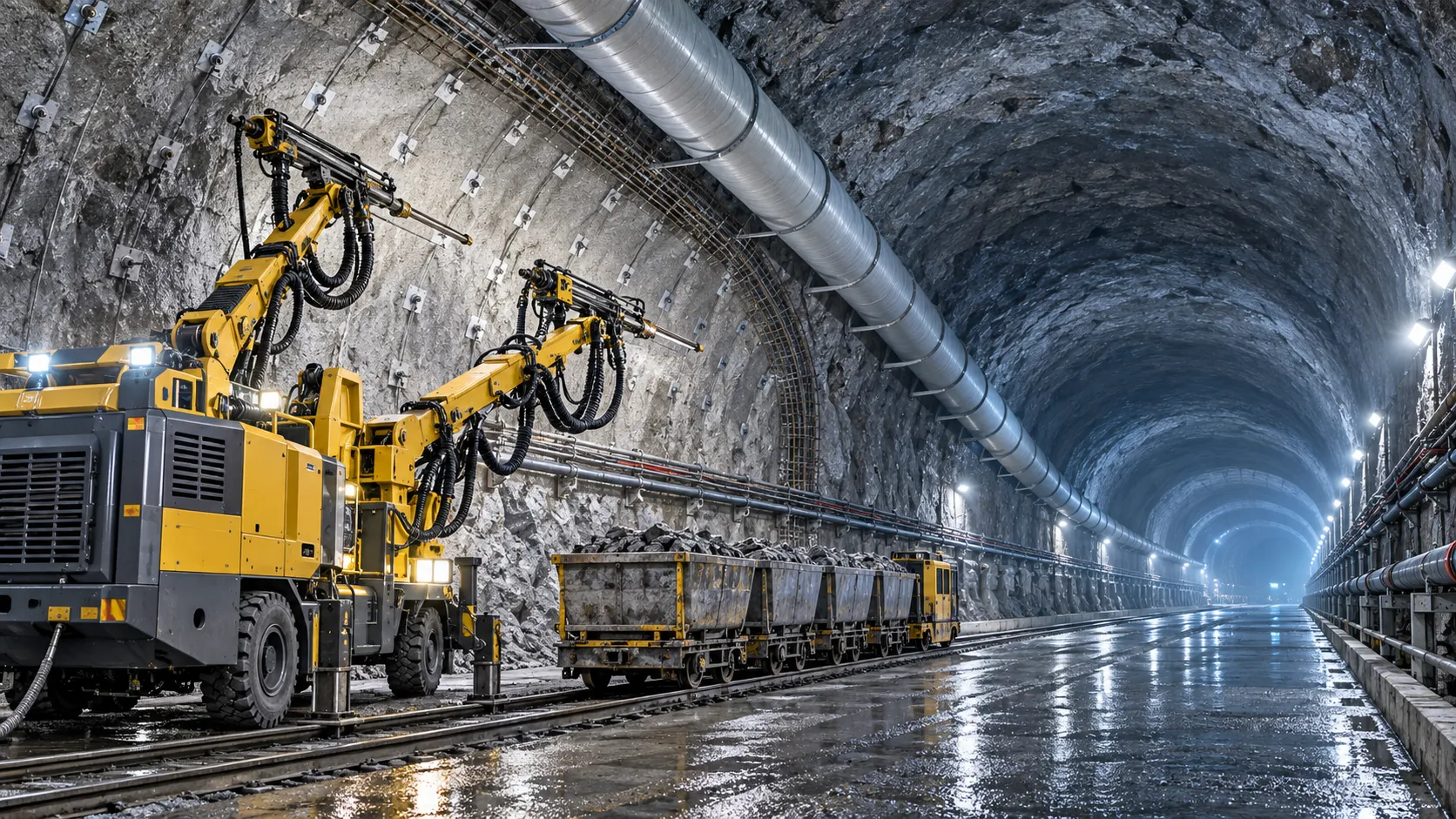
How to Evaluate European Drill-and-Blast Tunnelling Contractors for Complex Projects
Drill and blast tunnelling contractors Europe: learn how to assess geology expertise, blast control, equipment reliability, safety, and programme resilience for complex projects.
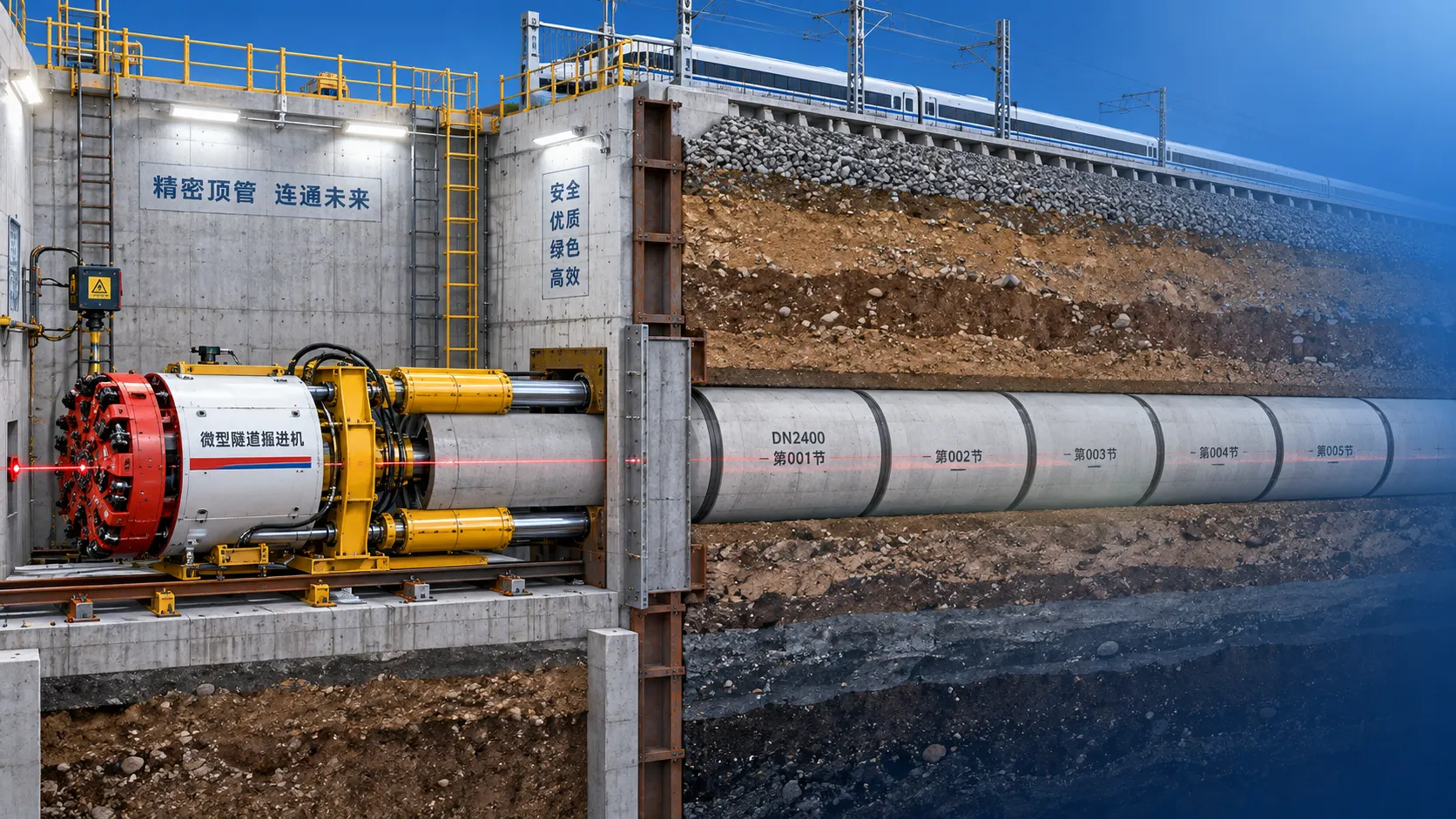
Which Trenchless Construction Technique Fits Your Utility Crossing Conditions?
Trenchless construction techniques compared for utility crossings: choose HDD, microtunnelling, pipe jacking, or auger boring based on ground, accuracy, access, and risk.
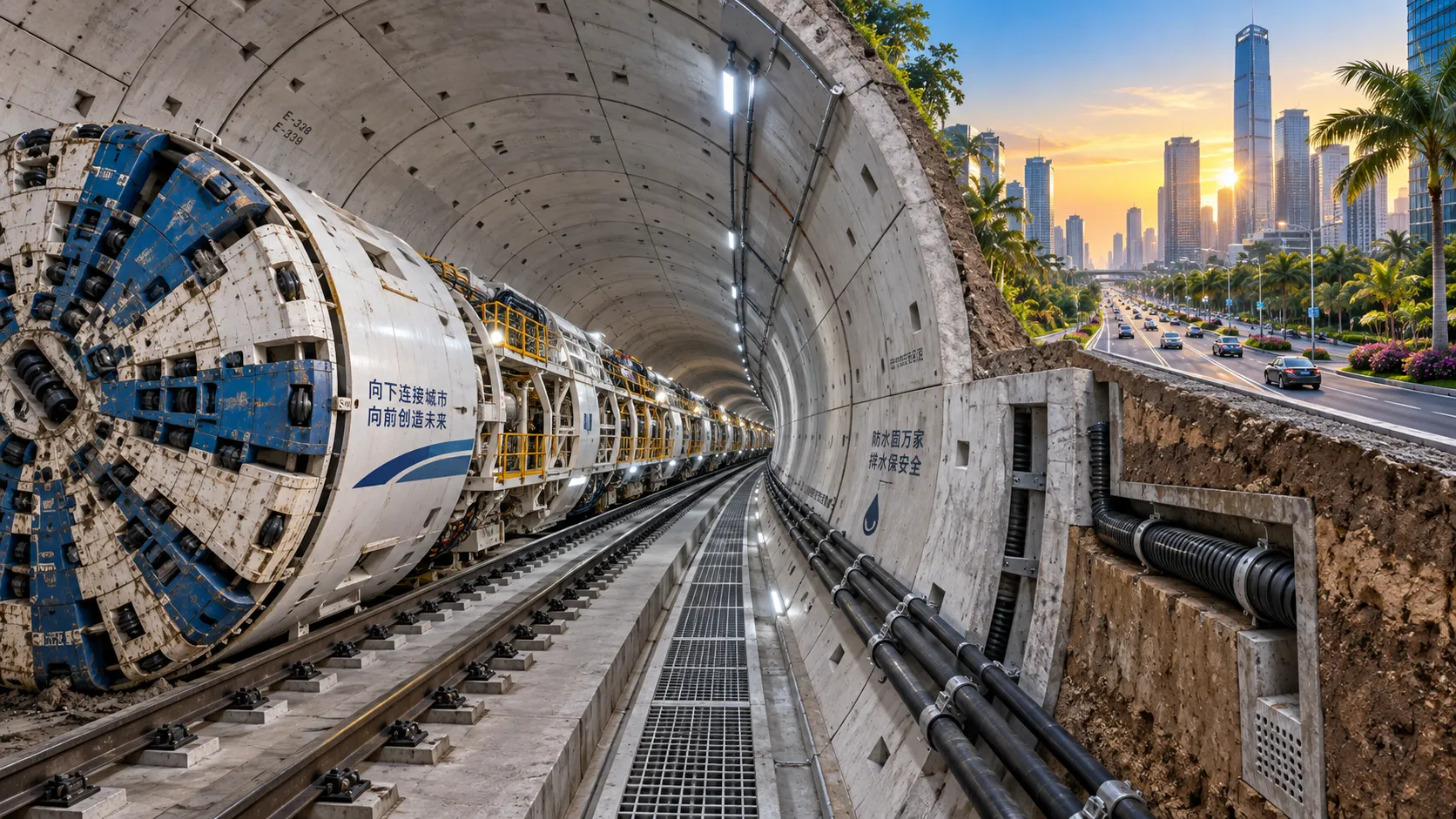
What Is Driving Metro Tunnelling Demand Across Southeast Asia’s Major Cities?
Metro tunnelling Southeast Asia is accelerating as major cities tackle congestion, flooding, and connectivity. Explore the market forces, technical risks, and opportunities shaping demand.
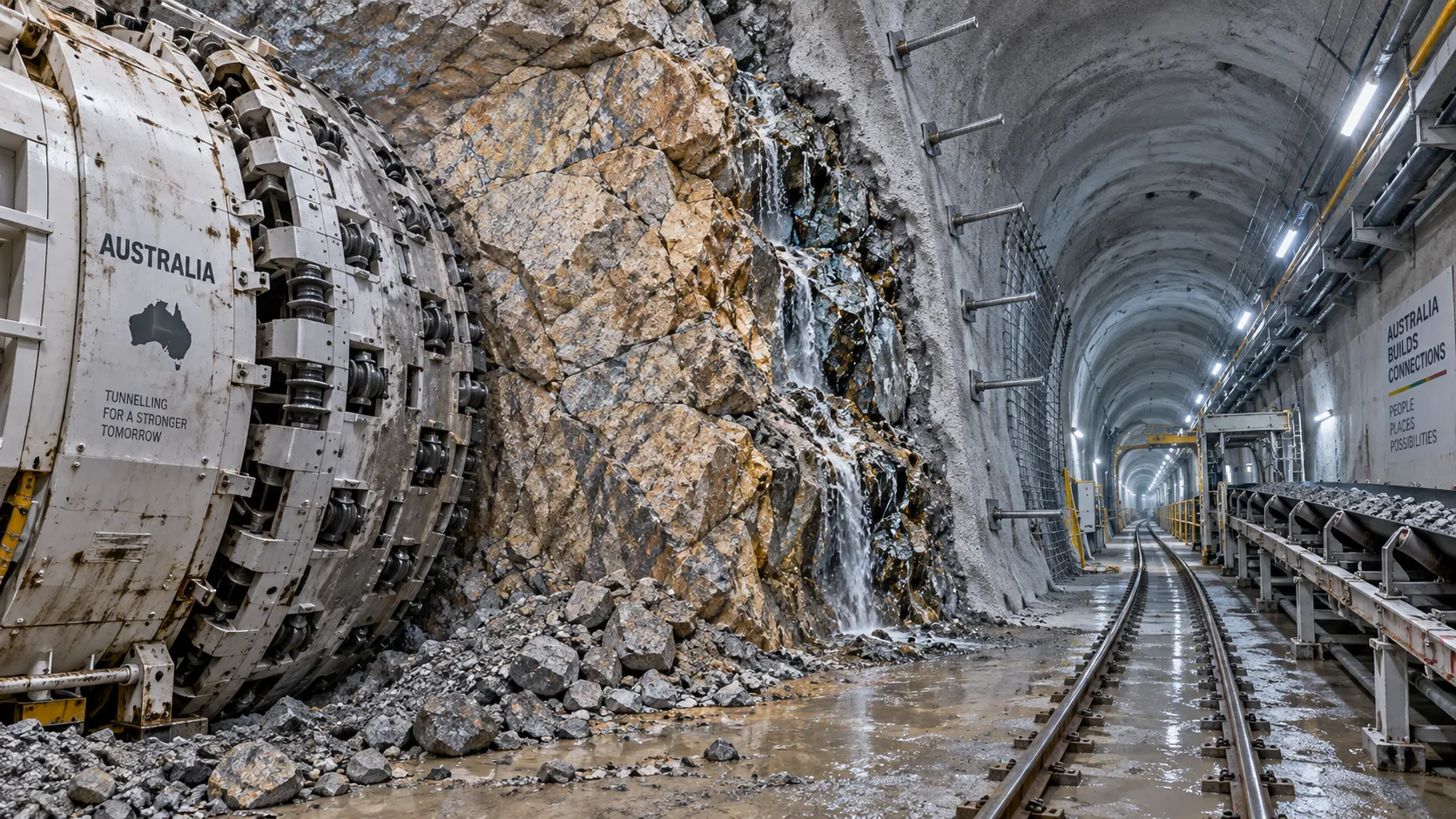
Hard Rock Tunnelling in Australia: Selecting Methods for Variable Ground Conditions
Hard rock tunnelling in Australia: compare TBM, drill-and-blast and hybrid methods to manage variable ground, reduce risk and protect project costs.
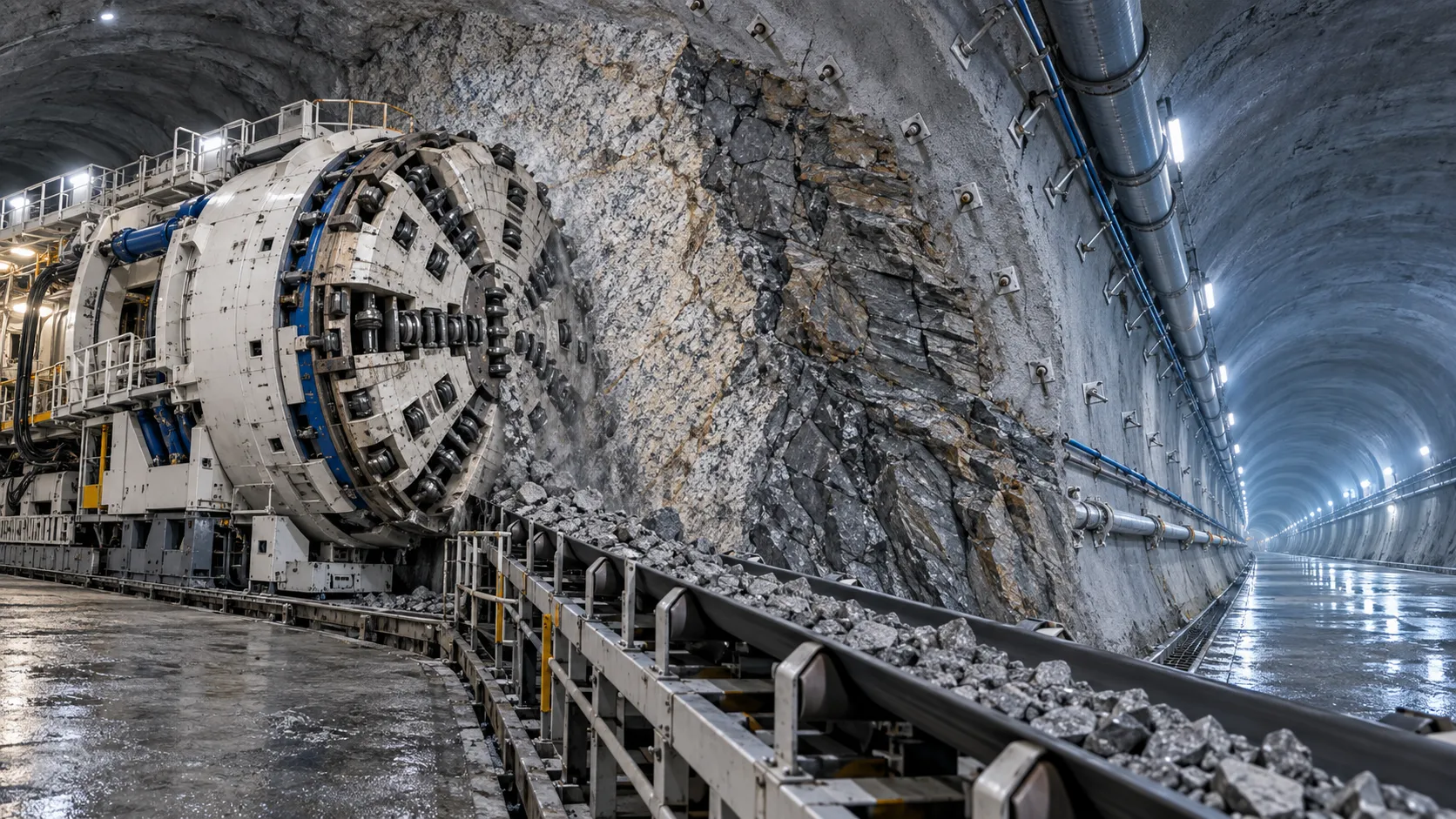
Hydropower Tunnel Excavation: Selecting Methods for Variable Rock Conditions
Hydropower tunnel excavation methods for variable rock conditions: compare TBM, drill-and-blast, and hybrid strategies to improve safety, progress, and project control.
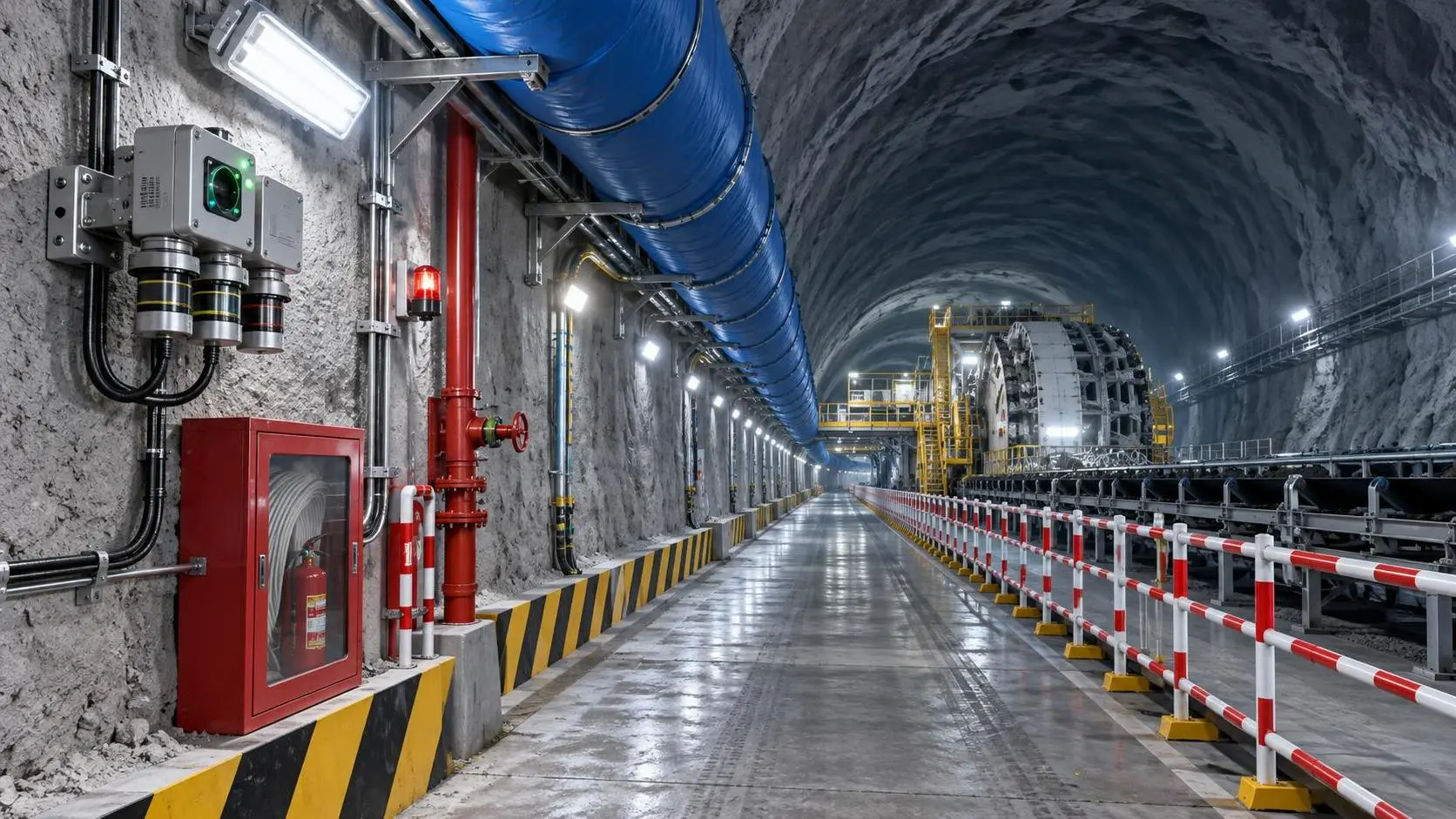
How to Select Underground Safety Equipment for Tunnelling by Hazard and Work Zone
Underground Safety Equipment for tunnelling: match protection to hazards, work zones, compliance, and emergency needs with this practical selection guide.

EPB or Slurry Shield? Selecting Soft-Ground Tunnelling Equipment by Soil Conditions
Tunnel Excavation Equipment for soft ground: compare EPB and slurry shields by soil, groundwater, settlement risk, and project logistics to choose confidently.

How to Specify TBM Backup System Parts for Reliable Long-Distance Tunnelling
TBM backup system parts: learn how to specify reliable spares for long-distance tunnelling, reduce downtime, ensure compatibility, and speed underground recovery.

How to Size Open Pit Mining Trucks for Haul Distance, Grade, and Payload?
Open Pit Mining Trucks: learn how to match payload, haul distance, grade, road resistance, and loading capacity for safer, lower-cost mine operations.
Related News
- 00
0000-00
How to Evaluate European Drill-and-Blast Tunnelling Contractors for Complex Projects - 00
0000-00
Which Trenchless Construction Technique Fits Your Utility Crossing Conditions? - 00
0000-00
What Is Driving Metro Tunnelling Demand Across Southeast Asia’s Major Cities? - 00
0000-00
Hard Rock Tunnelling in Australia: Selecting Methods for Variable Ground Conditions - 00
0000-00
Hydropower Tunnel Excavation: Selecting Methods for Variable Rock Conditions
Weekly Insights
Stay ahead with our curated technology reports delivered every Monday.