
California Chemical Tank Crisis Disrupts TBM/Mining Equipment Shipments





On May 23, 2026, a large toxic chemical storage tank in Orange County, California, experienced sustained thermal escalation with explosion risk, prompting a state emergency declaration. This incident has tightened logistics scheduling at the Port of Los Angeles and surrounding hubs, intensified hazardous materials transport approvals, and directly affected export compliance review timelines and vessel schedule reliability for tunnel boring machines (TBMs), load-haul-dump vehicles (LHDs), and battery-electric mining trucks — particularly those containing hydraulic systems, battery modules, or sealed greases. Infrastructure projects in Latin America and Southeast Asia now face potential delivery delays as they enter critical handover windows.
Event Overview
On May 23, 2026, a major hazardous chemical storage tank in Orange County, California, began exhibiting abnormal temperature rise and was assessed to be at risk of explosion. California’s Governor declared a state of emergency. As a result, the Port of Los Angeles and adjacent logistics nodes implemented stricter hazardous goods handling protocols and enhanced scrutiny of dangerous cargo documentation. No further details regarding tank contents, containment status, or projected resolution timeline have been officially confirmed.
Industries Affected
Export-Oriented Equipment Manufacturers
Manufacturers producing TBMs, LHDs, and battery-electric mining trucks are directly impacted because these machines contain components classified as hazardous under U.S. maritime and port regulations — including hydraulic fluids, lithium-based battery modules, and petroleum-based sealing greases. The tightening of hazardous cargo approval processes increases pre-shipment documentation review duration and introduces uncertainty in vessel slot allocation.
International Project Contractors & EPC Firms
Contractors executing infrastructure projects in Latin America and Southeast Asia — especially those with near-term equipment delivery milestones — face elevated schedule risk. Delays in equipment clearance at U.S. ports may cascade into downstream commissioning, civil works sequencing, and financing drawdown schedules tied to equipment arrival milestones.
Freight Forwarders & Hazardous Cargo Compliance Providers
Third-party logistics providers specializing in heavy equipment and hazardous cargo transport must now navigate longer lead times for regulatory submissions, higher rejection rates for incomplete classification or packaging documentation, and reduced flexibility in routing alternatives due to constrained capacity at LA-area terminals.
What Stakeholders Should Monitor and Do Now
Track official updates from Cal/OSHA, PHMSA, and the Port of Los Angeles
Regulatory guidance on hazardous material definitions, temporary exemptions, or revised classification thresholds may be issued. These documents will determine whether certain equipment subcomponents continue to trigger full hazardous cargo protocols — a key variable affecting shipment eligibility and timelines.
Review current and upcoming shipments by component-level hazard classification
Verify whether hydraulic system reservoirs, battery enclosures, or grease-lubricated gearboxes meet updated U.S. DOT 49 CFR §173.120 or IMDG Code Class 9 criteria. Even minor changes in packaging, labeling, or safety data sheet (SDS) language may affect port acceptance.
Distinguish between policy announcements and operational implementation
While emergency declarations signal heightened oversight, actual enforcement intensity — such as inspection frequency or detention rates — may vary across terminals and carrier partners. Monitor real-time port gate release data and carrier advisories rather than relying solely on high-level statements.
Activate contingency planning for alternative loading points and documentation buffers
Assess feasibility of shifting select shipments to non-LA ports (e.g., Oakland or Seattle) where hazardous cargo processing capacity remains less constrained. Simultaneously, extend internal documentation preparation windows by 5–7 business days to absorb extended review cycles.
Editorial Perspective / Industry Observation
Observably, this event functions less as an isolated incident and more as a stress test of current hazardous goods governance frameworks for complex industrial equipment. Analysis shows that regulatory responses to localized incidents increasingly trigger systemic ripple effects across global equipment supply chains — especially when high-value, low-volume assets rely on tightly coordinated multimodal logistics. From an industry perspective, the current situation is better understood not as a short-term disruption but as a signal of growing scrutiny toward embedded hazardous materials in electromechanical systems. Continuous monitoring is warranted: while the immediate crisis centers on one tank, its regulatory aftermath may inform broader classification guidance for energy storage and fluid-integrated machinery in U.S. export logistics.
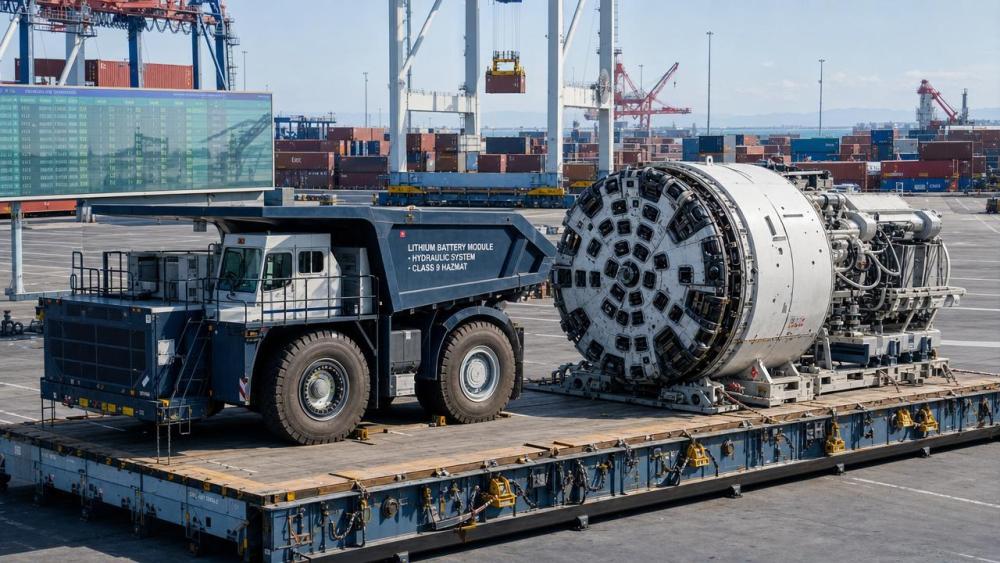
This incident underscores how localized infrastructure safety events can rapidly translate into cross-border equipment delivery constraints — particularly for capital-intensive, technically complex assets requiring strict regulatory alignment. It is not yet evidence of a structural shift in U.S. hazardous cargo policy, but it does highlight operational vulnerability in current compliance pathways. For stakeholders, the most constructive interpretation is that this represents a near-term procedural friction point — one demanding tactical adaptation rather than strategic overhaul — but one that warrants sustained attention given its alignment with wider trends in environmental compliance and supply chain resilience planning.
Source: Official emergency declaration by the State of California (May 23, 2026); public advisories issued by the Port of Los Angeles; U.S. Department of Transportation Pipeline and Hazardous Materials Safety Administration (PHMSA) regulatory framework. Note: Ongoing developments related to tank stabilization, regulatory waivers, or port-specific operational adjustments remain subject to official updates and are not yet confirmed.
Related News
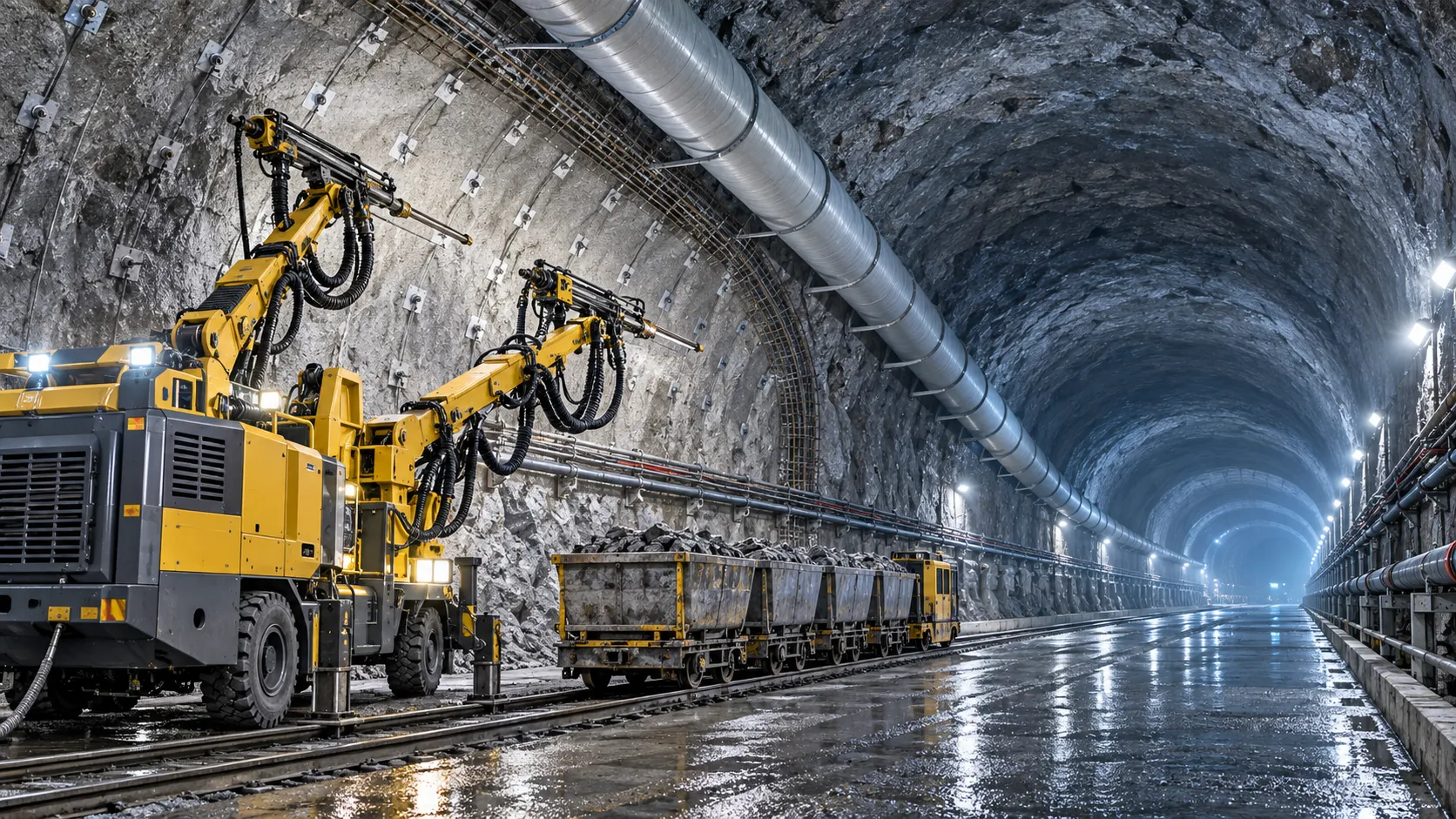
How to Evaluate European Drill-and-Blast Tunnelling Contractors for Complex Projects
Drill and blast tunnelling contractors Europe: learn how to assess geology expertise, blast control, equipment reliability, safety, and programme resilience for complex projects.
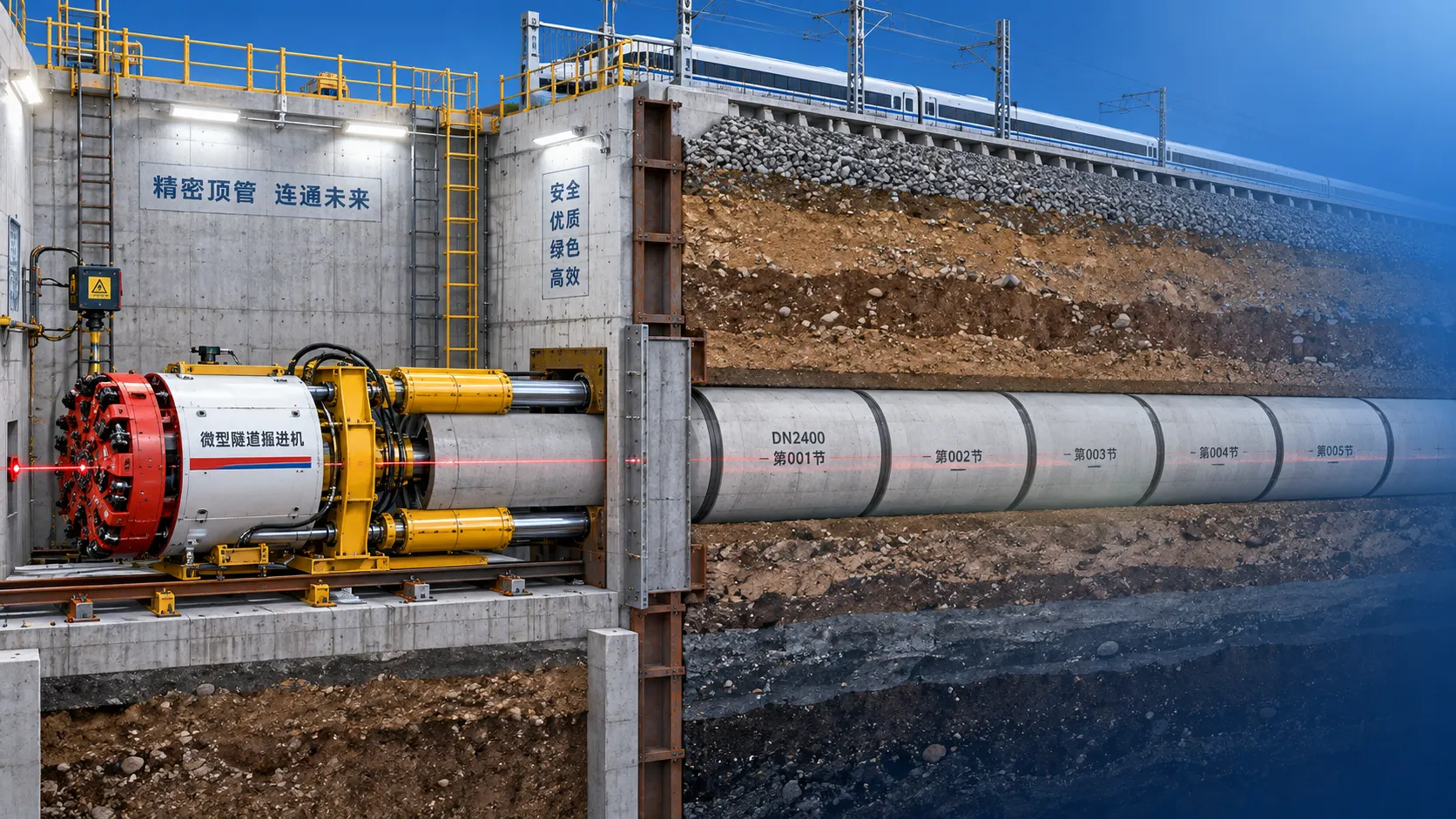
Which Trenchless Construction Technique Fits Your Utility Crossing Conditions?
Trenchless construction techniques compared for utility crossings: choose HDD, microtunnelling, pipe jacking, or auger boring based on ground, accuracy, access, and risk.
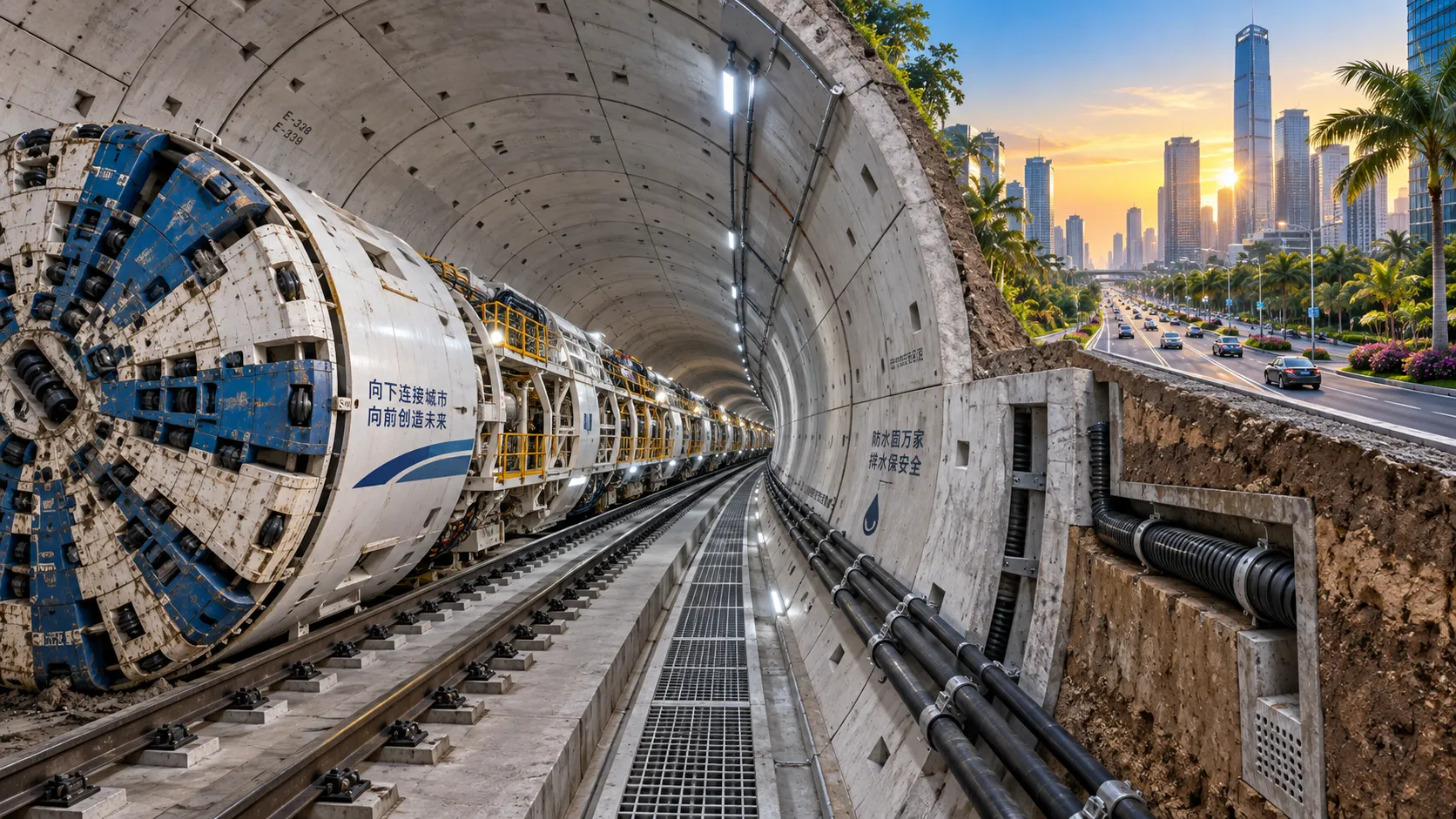
What Is Driving Metro Tunnelling Demand Across Southeast Asia’s Major Cities?
Metro tunnelling Southeast Asia is accelerating as major cities tackle congestion, flooding, and connectivity. Explore the market forces, technical risks, and opportunities shaping demand.
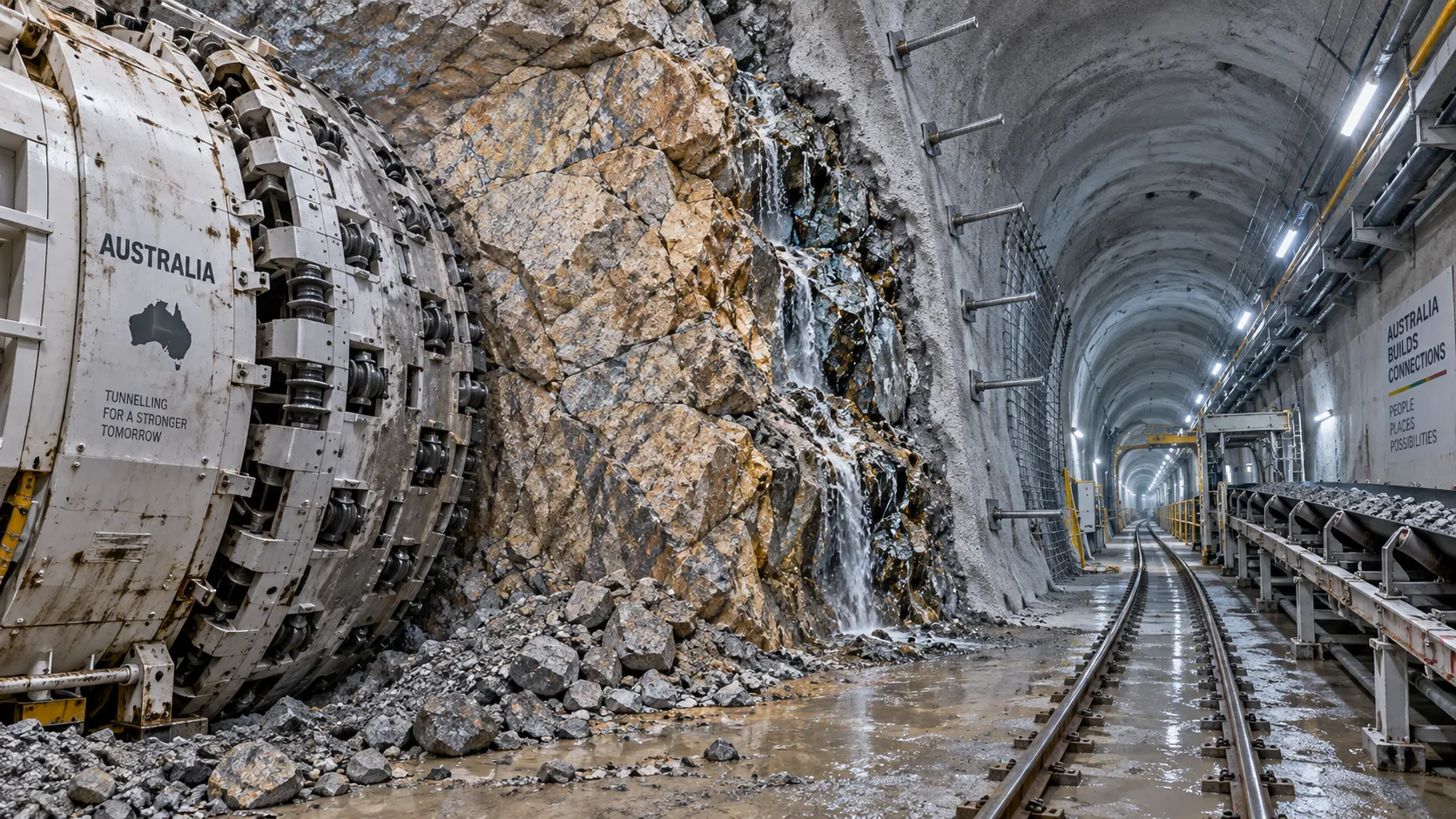
Hard Rock Tunnelling in Australia: Selecting Methods for Variable Ground Conditions
Hard rock tunnelling in Australia: compare TBM, drill-and-blast and hybrid methods to manage variable ground, reduce risk and protect project costs.
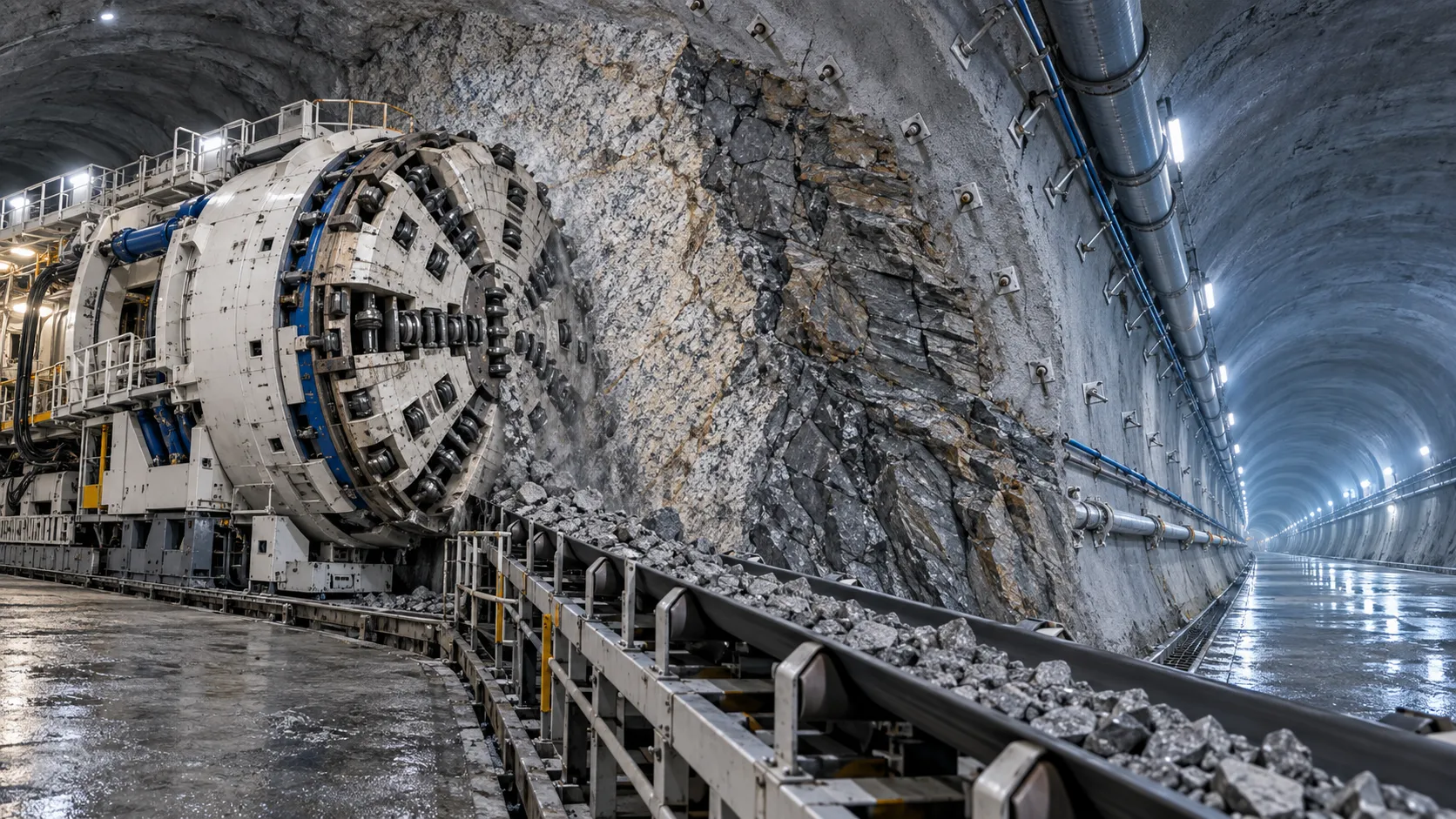
Hydropower Tunnel Excavation: Selecting Methods for Variable Rock Conditions
Hydropower tunnel excavation methods for variable rock conditions: compare TBM, drill-and-blast, and hybrid strategies to improve safety, progress, and project control.
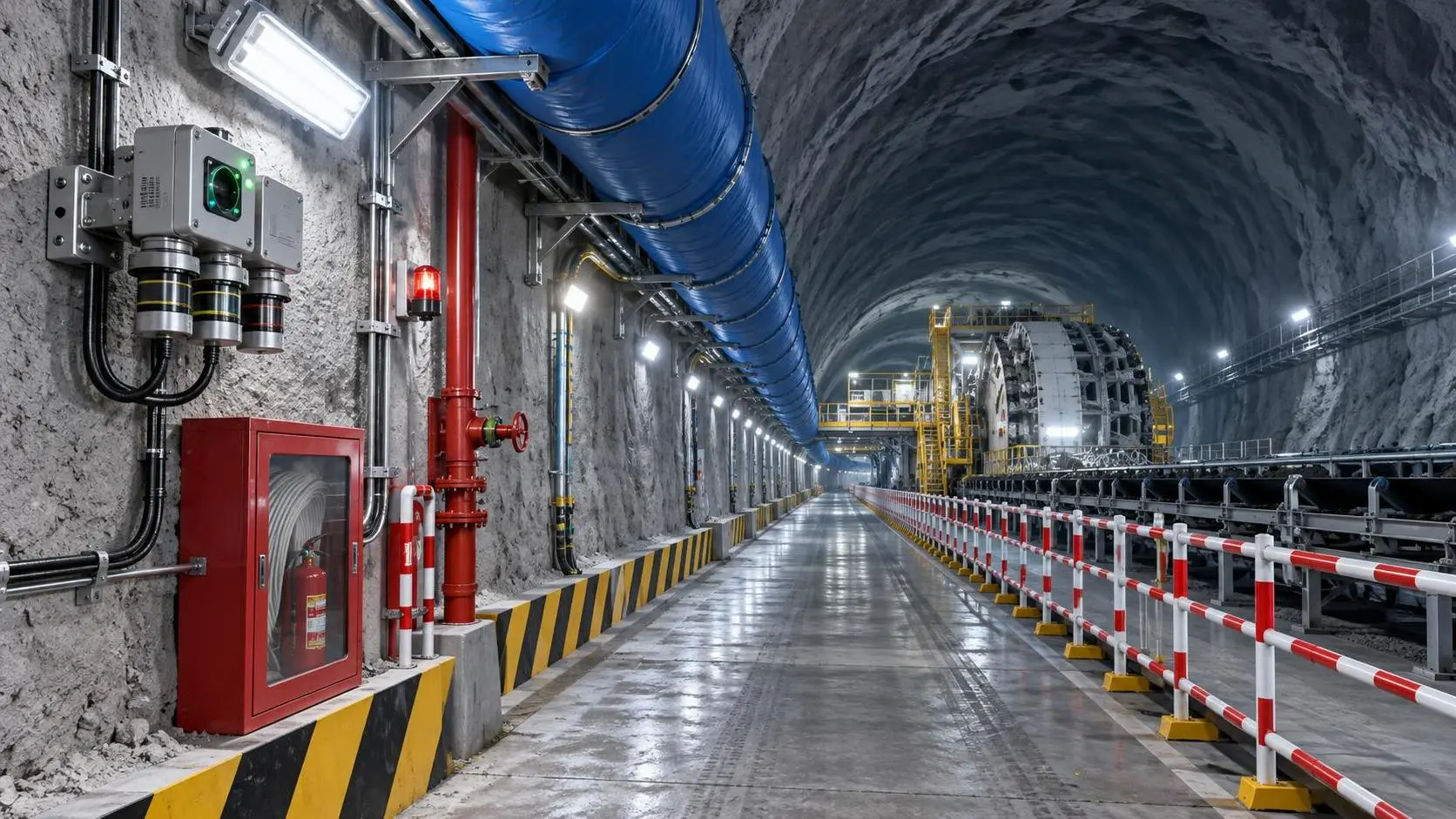
How to Select Underground Safety Equipment for Tunnelling by Hazard and Work Zone
Underground Safety Equipment for tunnelling: match protection to hazards, work zones, compliance, and emergency needs with this practical selection guide.
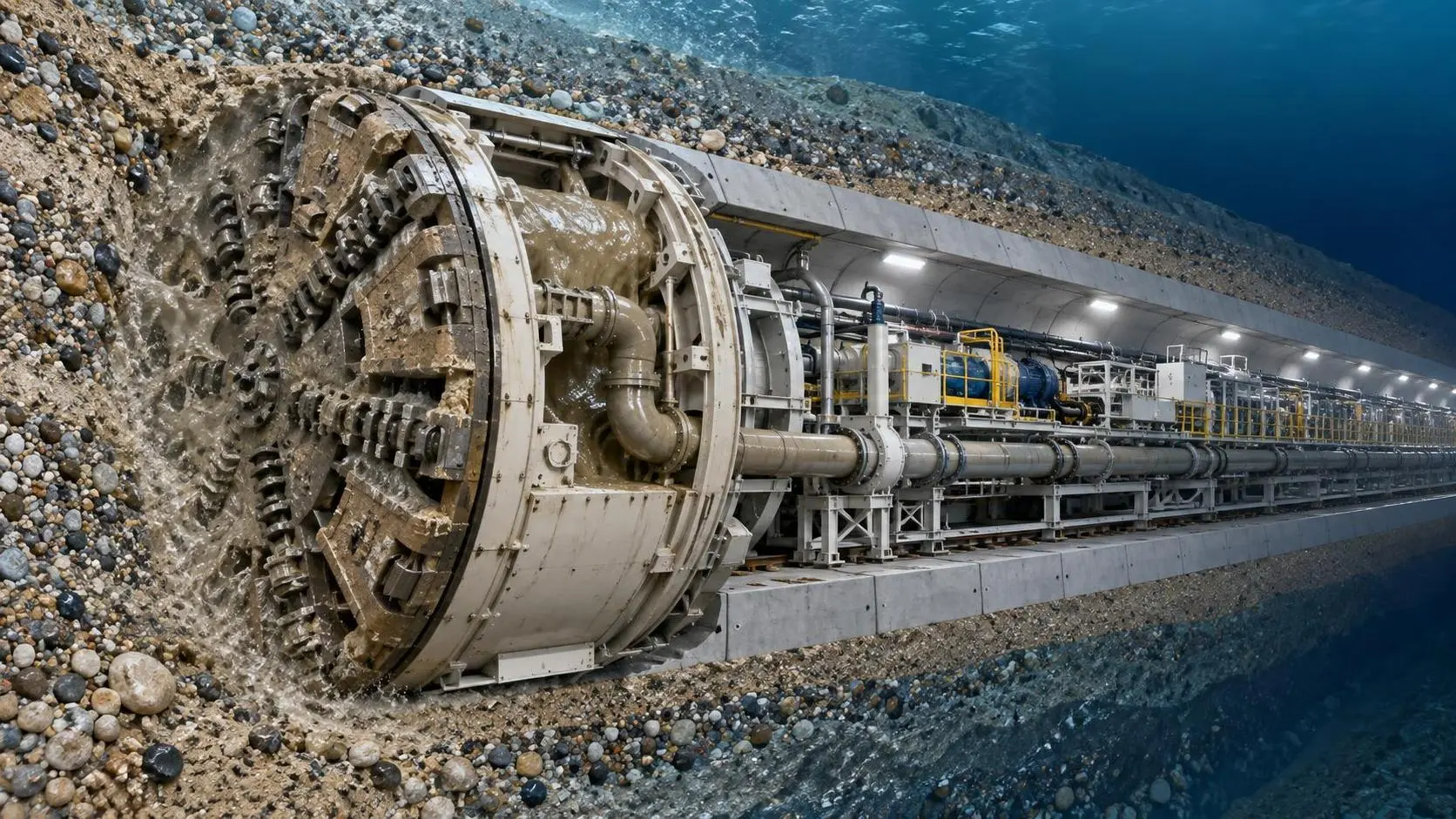
EPB or Slurry Shield? Selecting Soft-Ground Tunnelling Equipment by Soil Conditions
Tunnel Excavation Equipment for soft ground: compare EPB and slurry shields by soil, groundwater, settlement risk, and project logistics to choose confidently.
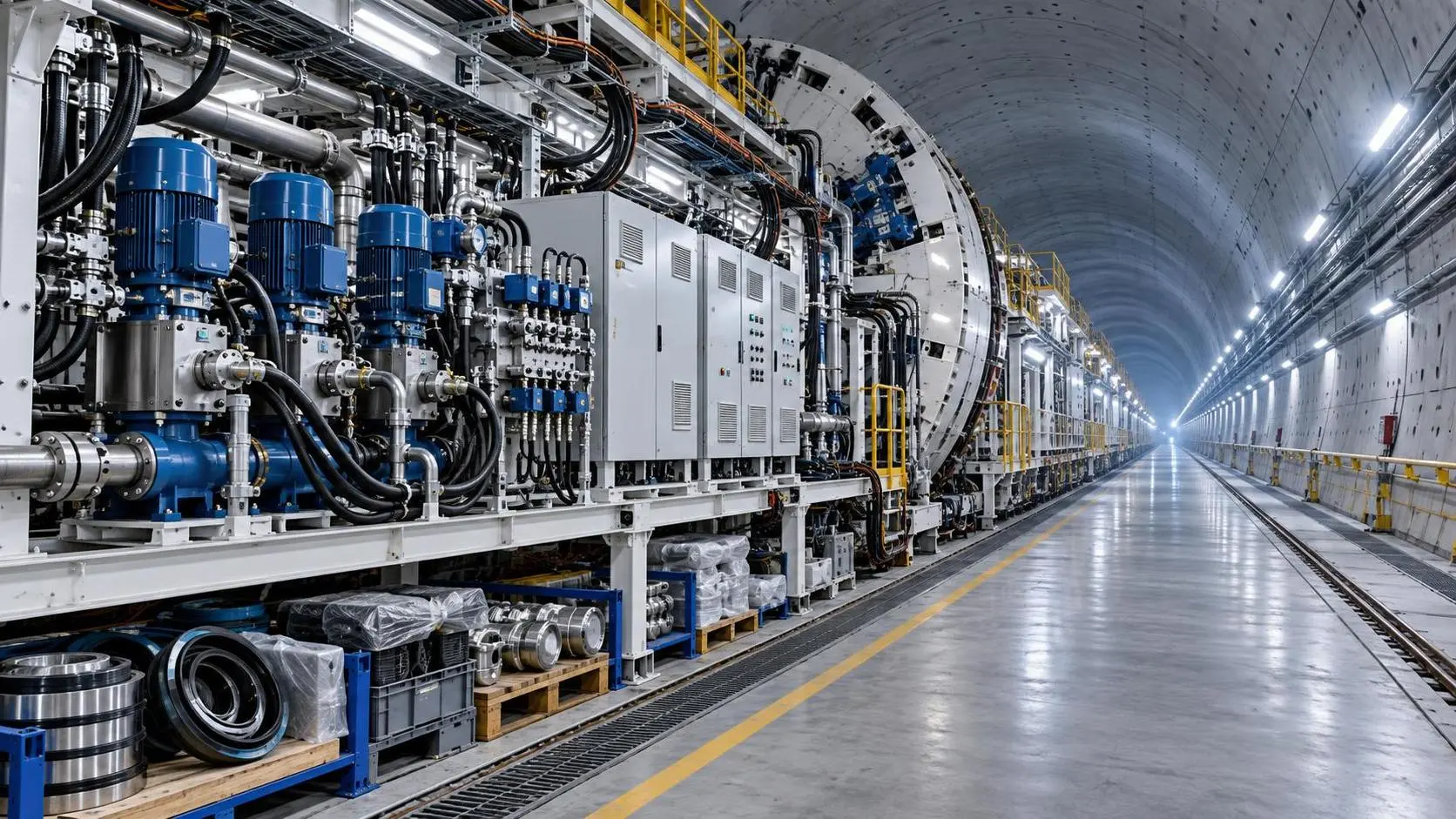
How to Specify TBM Backup System Parts for Reliable Long-Distance Tunnelling
TBM backup system parts: learn how to specify reliable spares for long-distance tunnelling, reduce downtime, ensure compatibility, and speed underground recovery.
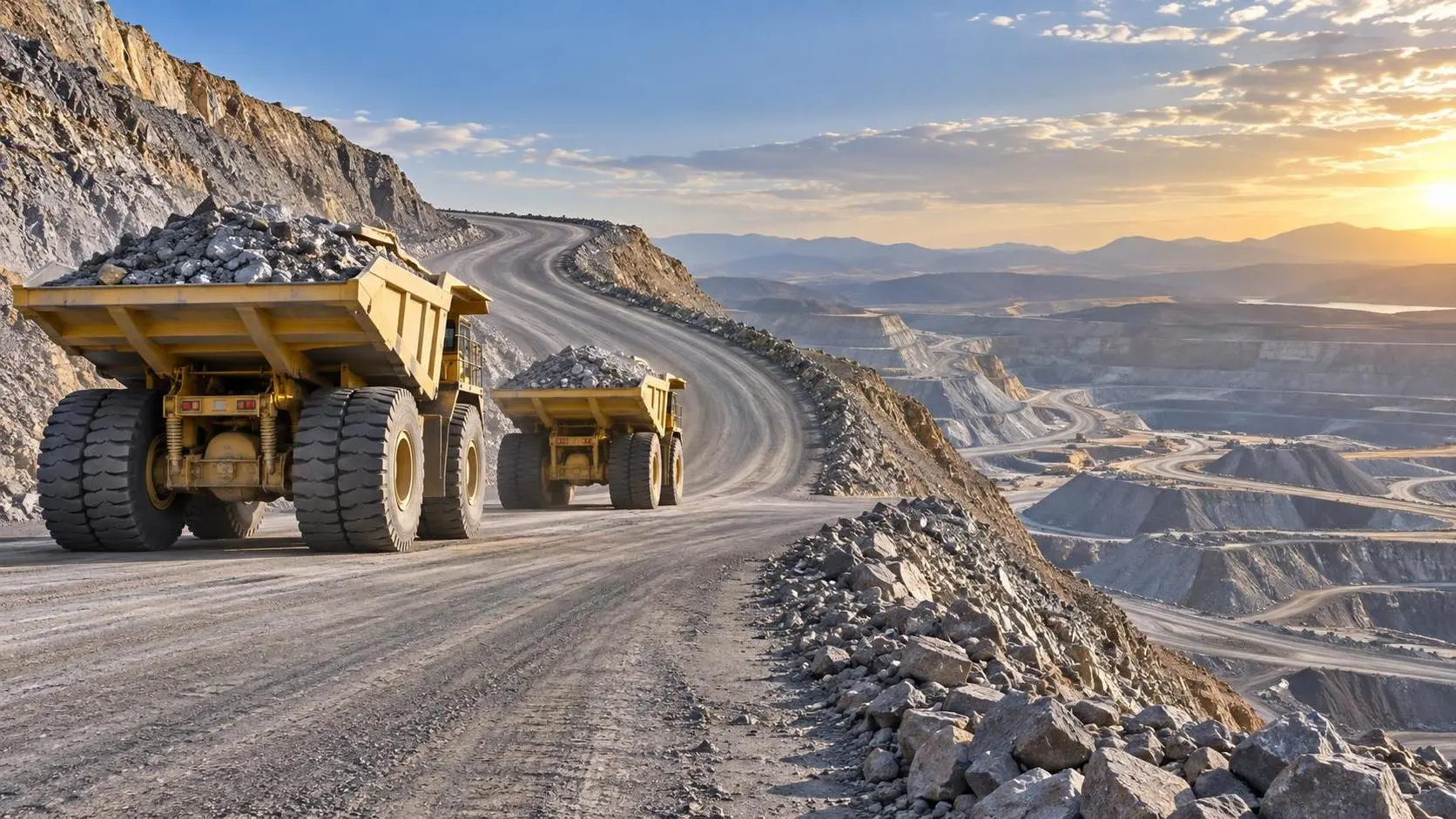
How to Size Open Pit Mining Trucks for Haul Distance, Grade, and Payload?
Open Pit Mining Trucks: learn how to match payload, haul distance, grade, road resistance, and loading capacity for safer, lower-cost mine operations.
Related News
- 00
0000-00
How to Evaluate European Drill-and-Blast Tunnelling Contractors for Complex Projects - 00
0000-00
Which Trenchless Construction Technique Fits Your Utility Crossing Conditions? - 00
0000-00
What Is Driving Metro Tunnelling Demand Across Southeast Asia’s Major Cities? - 00
0000-00
Hard Rock Tunnelling in Australia: Selecting Methods for Variable Ground Conditions - 00
0000-00
Hydropower Tunnel Excavation: Selecting Methods for Variable Rock Conditions
Weekly Insights
Stay ahead with our curated technology reports delivered every Monday.