
WTO Cuts 2026 Global Trade Growth to 1.9%; Hard Rock TBM Deliveries May Lengthen





On the release of its latest World Trade Outlook report, the World Trade Organization (WTO) revised down its forecast for global merchandise trade volume growth in 2026 to 1.9%—a significant downward adjustment driven primarily by escalating energy and shipping costs linked to ongoing Middle East hostilities, as well as disruption to fertilizer shipments through the Strait of Hormuz, which is slowing infrastructure investment momentum worldwide. The revision carries direct implications for heavy equipment exporters, particularly manufacturers of hard rock Tunnel Boring Machines (TBMs), whose project timelines and order fulfillment capacity are now under renewed scrutiny.
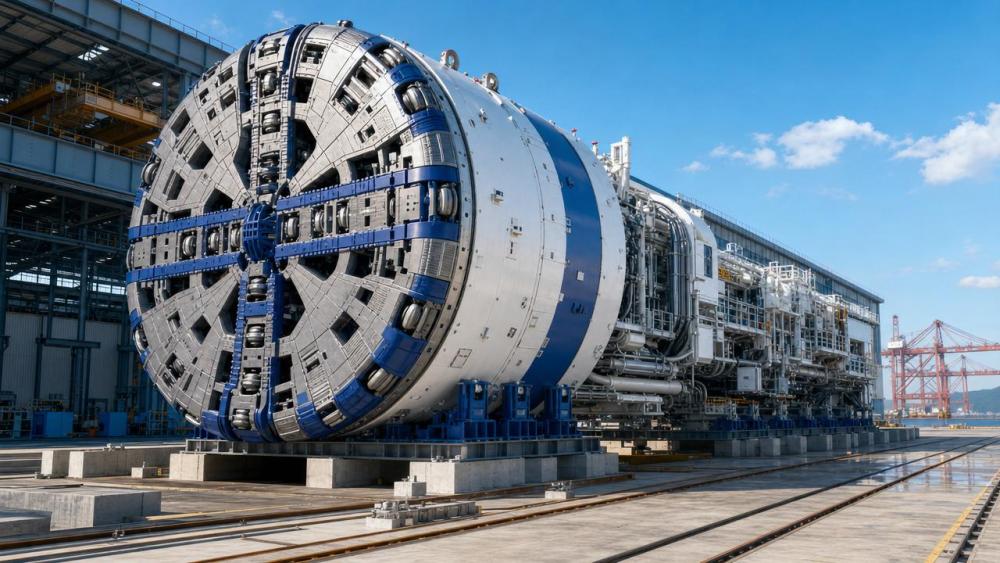
Event Overview
The WTO’s most recent World Trade Outlook report lowered its 2026 global goods trade growth projection to 1.9%. It attributes this revision to three interlinked factors: (1) heightened energy prices stemming from regional conflict in the Middle East; (2) increased maritime freight costs; and (3) interruption of fertilizer transport via the Strait of Hormuz, which has dampened public-sector capital expenditure on large-scale civil infrastructure projects globally. The report explicitly notes that elevated oil prices are constraining fiscal space for major underground construction initiatives in developing economies—the principal end-market for hard rock TBMs.
Industries Affected
Direct Exporting Enterprises
Manufacturers exporting hard rock TBMs face longer order-to-delivery cycles due to both upstream supply constraints and reduced client readiness to commit to multi-year infrastructure contracts. As government-backed tunneling projects stall or undergo budgetary review in key markets—including Southeast Asia, Africa, and Latin America—exporters may experience delayed contract finalization, renegotiation pressure on delivery milestones, and higher pre-shipment financing requirements.
Raw Material Procurement Firms
Firms sourcing high-strength steel alloys, disc cutters, and hydraulic components for TBM assembly are likely to see softer demand signals from OEMs. With export order pipelines elongating and project start dates pushed back, procurement planning shifts toward inventory rationalization and just-in-time adjustments—increasing exposure to spot-price volatility and supplier consolidation risk.
Equipment Manufacturing Enterprises
Hard rock TBM integrators must recalibrate production scheduling, workforce allocation, and certification timelines (e.g., CE, ASME, ISO). Longer average delivery windows imply extended working capital lock-up and greater complexity in managing cross-border compliance documentation, especially where local content rules or import licensing regimes apply. Capacity utilization rates may decline unless domestic infrastructure stimulus offsets overseas softness.
Supply Chain Service Providers
Logistics coordinators, customs brokers, and marine insurance providers servicing TBM exports face rising operational friction: longer port dwell times, more frequent route diversions (e.g., avoiding Suez Canal or Persian Gulf chokepoints), and tighter cargo insurance terms amid geopolitical risk premiums. Documentation turnaround for export licenses and end-use verification is also expected to slow across several jurisdictions.
Key Considerations and Response Measures
Proactive Client Communication on Delivery Realism
Exporters should formalize updated delivery frameworks—including staged milestone reporting, force majeure clause harmonization, and joint risk-mitigation protocols—with overseas clients. Transparency around production sequencing and logistics dependencies helps preserve trust during prolonged lead times.
Strategic Diversification of Project Financing Partnerships
Given constrained public budgets in emerging markets, TBM suppliers may explore co-financing models with multilateral development banks (e.g., AIIB, AfDB) or structured leasing arrangements via export credit agencies (ECAs), reducing upfront payment dependency and improving project bankability.
Domestic Infrastructure Pipeline Monitoring
With overseas demand facing headwinds, manufacturers should intensify tracking of national-level rail, water, and metro expansion plans in China and other policy-resilient markets—particularly those backed by sovereign green or digital infrastructure funds—as potential near-term order buffers.
Editorial Perspective / Industry Observation
Observably, the WTO’s downgrade reflects not just cyclical slowdown but a structural recalibration of global infrastructure investment logic: geopolitical fragility is now priced into long-term capital allocation decisions. Analysis shows that hard rock TBM demand is less sensitive to GDP growth per se than to predictable, multi-year funding commitments—and those are eroding fastest in regions most exposed to energy price transmission. From an industry perspective, the shift favors integrated contractors with engineering-procurement-construction (EPC) capabilities over pure equipment vendors, as risk transfer and schedule certainty become premium differentiators.
Conclusion
This revision underscores a broader trend: global trade is no longer governed solely by macroeconomic indicators but increasingly by the resilience of physical and financial infrastructure networks. For the tunneling equipment sector, the 1.9% trade growth ceiling is not merely a headline figure—it is a signal to re-evaluate how value is delivered, financed, and de-risked across borders. A rational conclusion is that agility in contractual design, financing innovation, and geographic portfolio balance will matter more than raw production scale in the coming cycle.
Source Attribution
Primary source: World Trade Organization, World Trade Outlook Indicator and Forecast Report, latest edition (2024 Q3). Data subject to quarterly updates; ongoing monitoring advised for revisions to regional infrastructure spending forecasts (e.g., IMF Fiscal Monitor, World Bank Global Economic Prospects) and Strait of Hormuz transit advisories issued by the UKMTO and US Fifth Fleet.
Related News
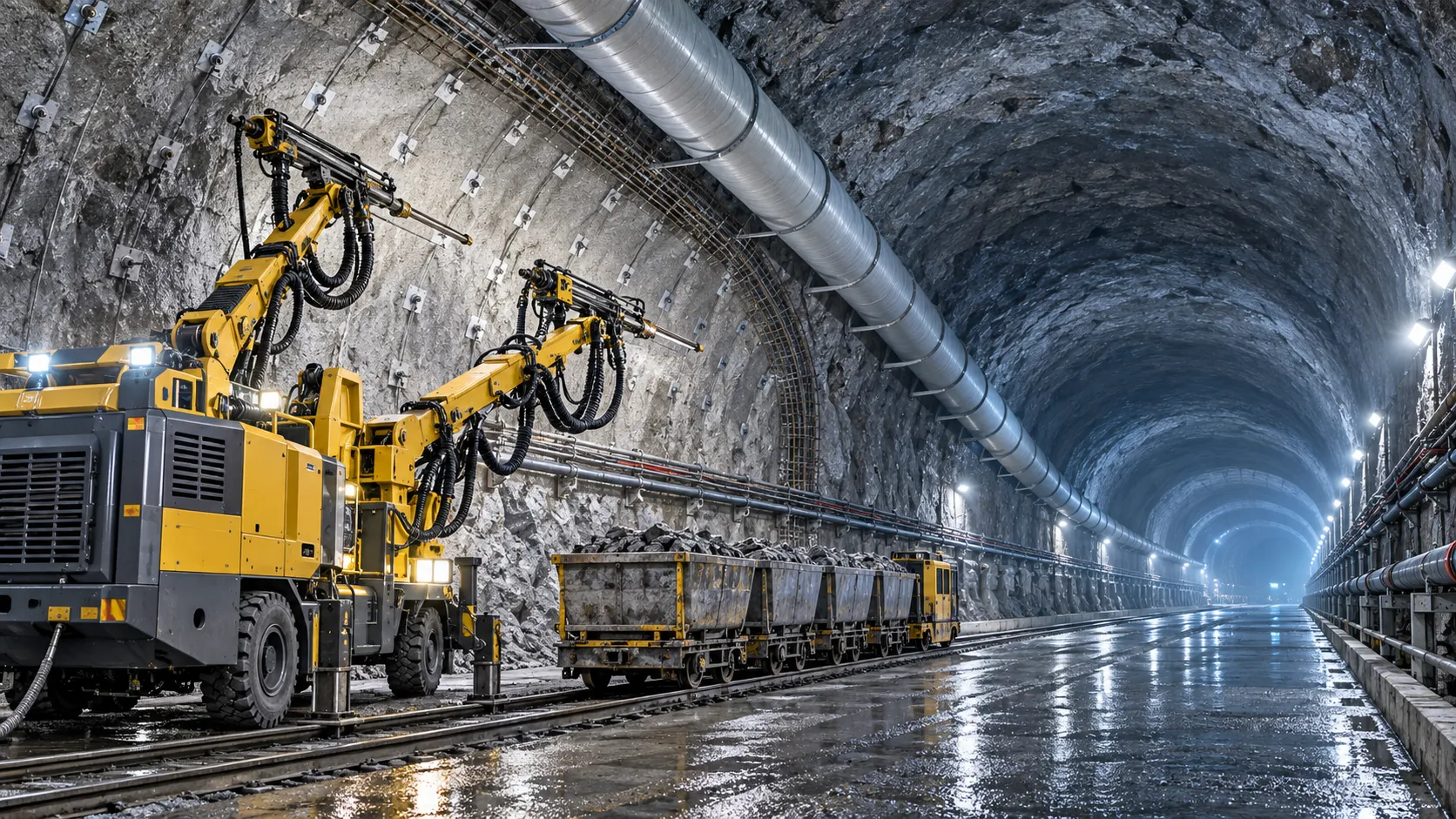
How to Evaluate European Drill-and-Blast Tunnelling Contractors for Complex Projects
Drill and blast tunnelling contractors Europe: learn how to assess geology expertise, blast control, equipment reliability, safety, and programme resilience for complex projects.
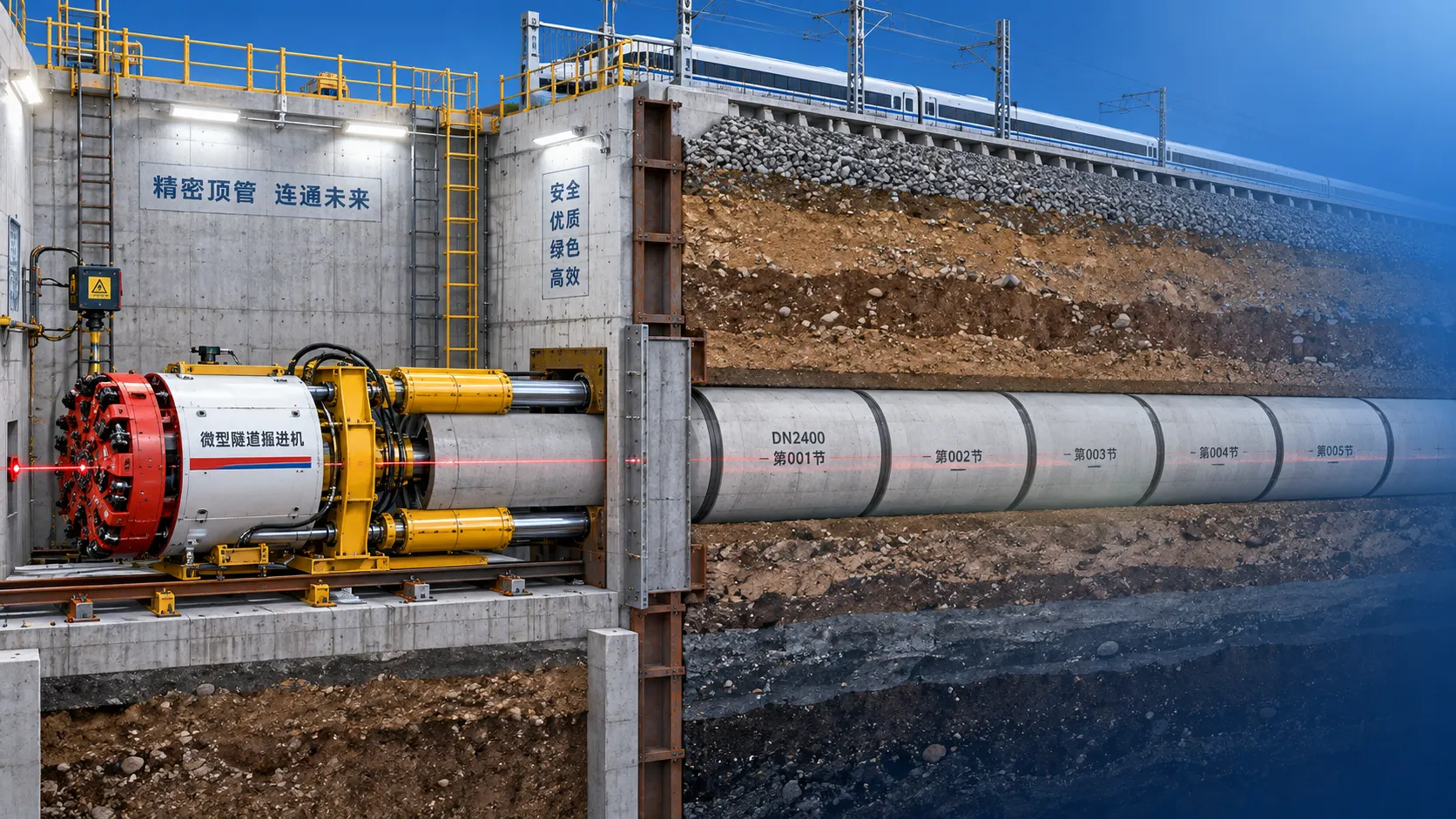
Which Trenchless Construction Technique Fits Your Utility Crossing Conditions?
Trenchless construction techniques compared for utility crossings: choose HDD, microtunnelling, pipe jacking, or auger boring based on ground, accuracy, access, and risk.
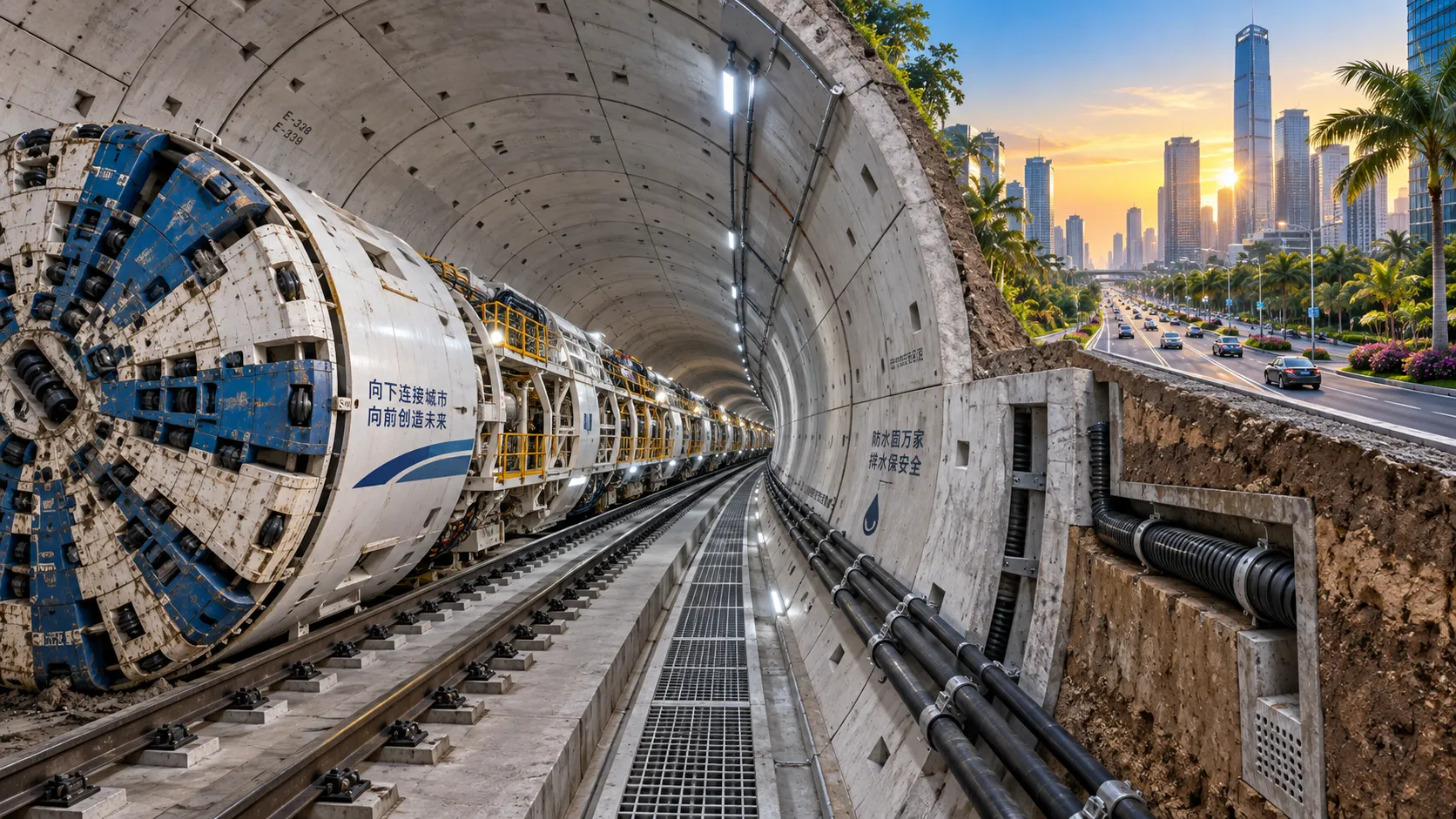
What Is Driving Metro Tunnelling Demand Across Southeast Asia’s Major Cities?
Metro tunnelling Southeast Asia is accelerating as major cities tackle congestion, flooding, and connectivity. Explore the market forces, technical risks, and opportunities shaping demand.
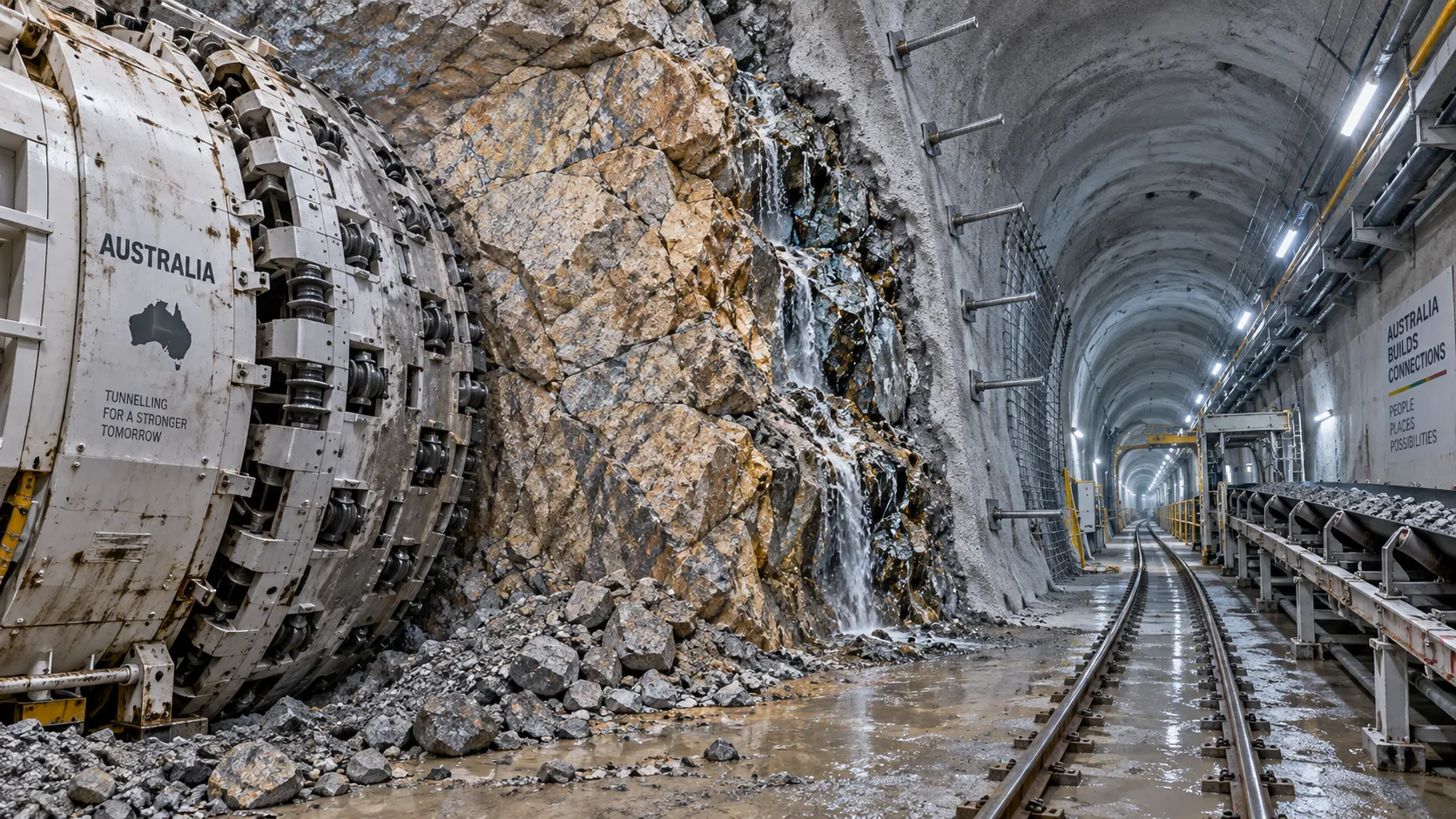
Hard Rock Tunnelling in Australia: Selecting Methods for Variable Ground Conditions
Hard rock tunnelling in Australia: compare TBM, drill-and-blast and hybrid methods to manage variable ground, reduce risk and protect project costs.
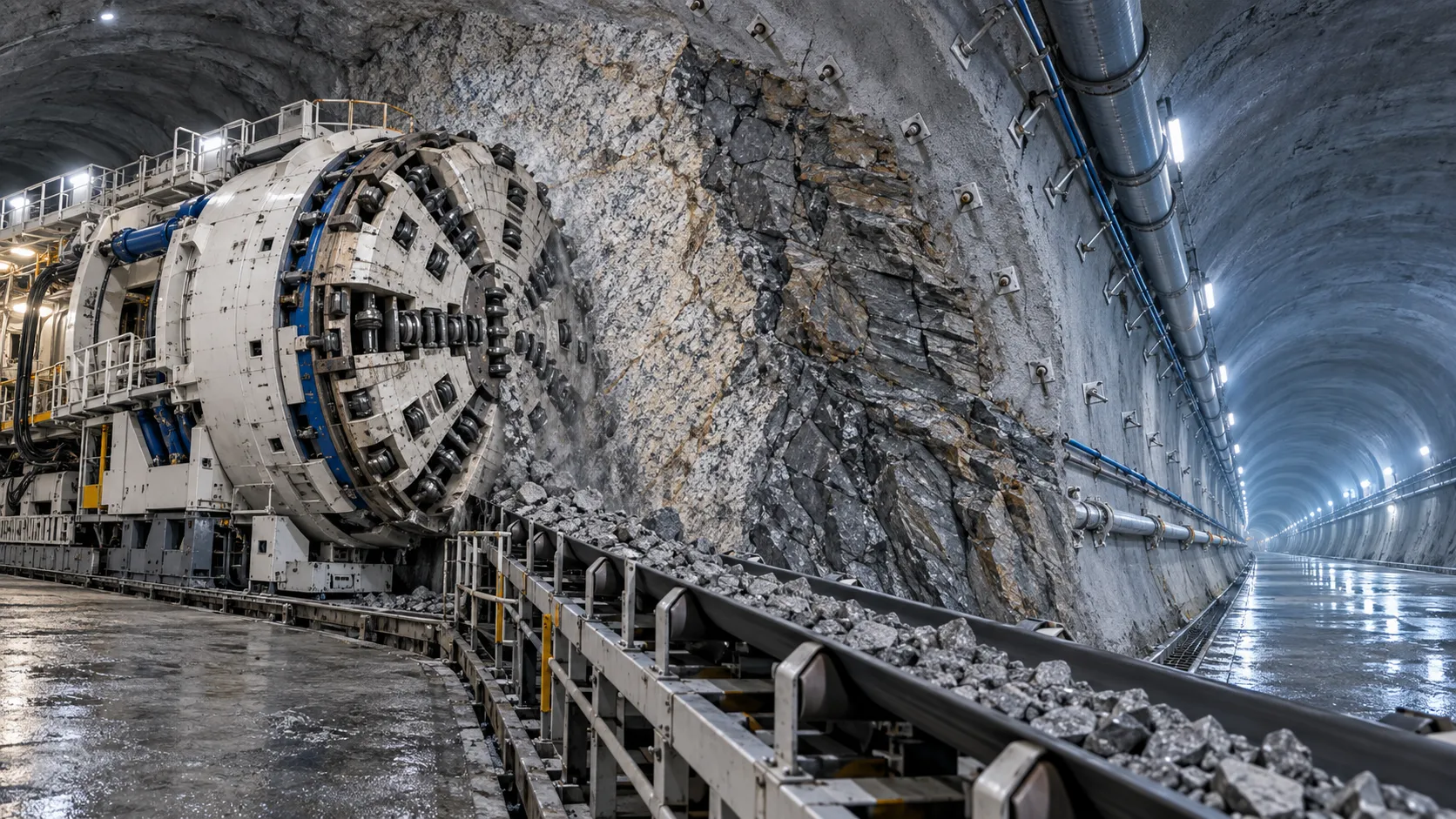
Hydropower Tunnel Excavation: Selecting Methods for Variable Rock Conditions
Hydropower tunnel excavation methods for variable rock conditions: compare TBM, drill-and-blast, and hybrid strategies to improve safety, progress, and project control.
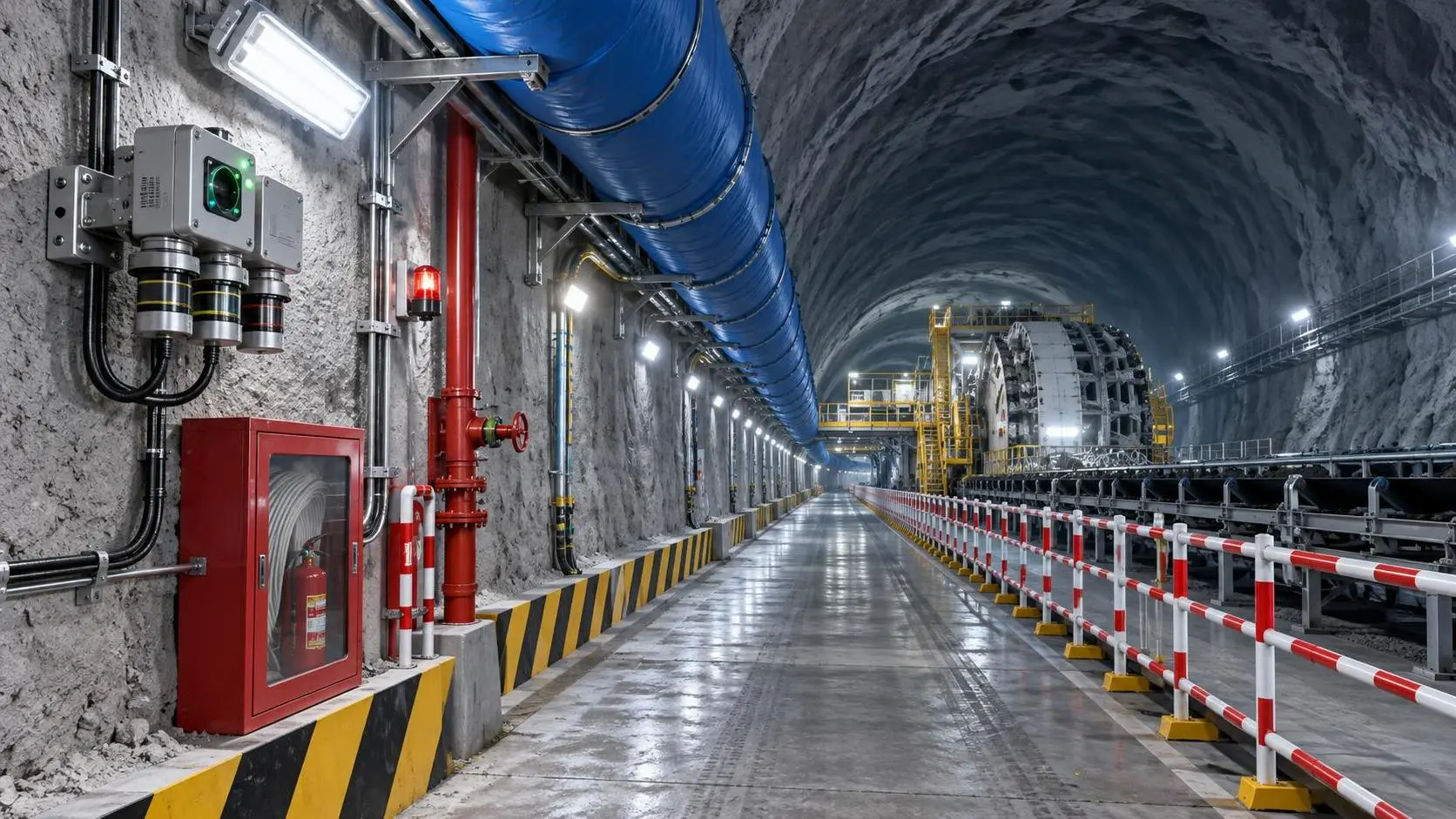
How to Select Underground Safety Equipment for Tunnelling by Hazard and Work Zone
Underground Safety Equipment for tunnelling: match protection to hazards, work zones, compliance, and emergency needs with this practical selection guide.

EPB or Slurry Shield? Selecting Soft-Ground Tunnelling Equipment by Soil Conditions
Tunnel Excavation Equipment for soft ground: compare EPB and slurry shields by soil, groundwater, settlement risk, and project logistics to choose confidently.
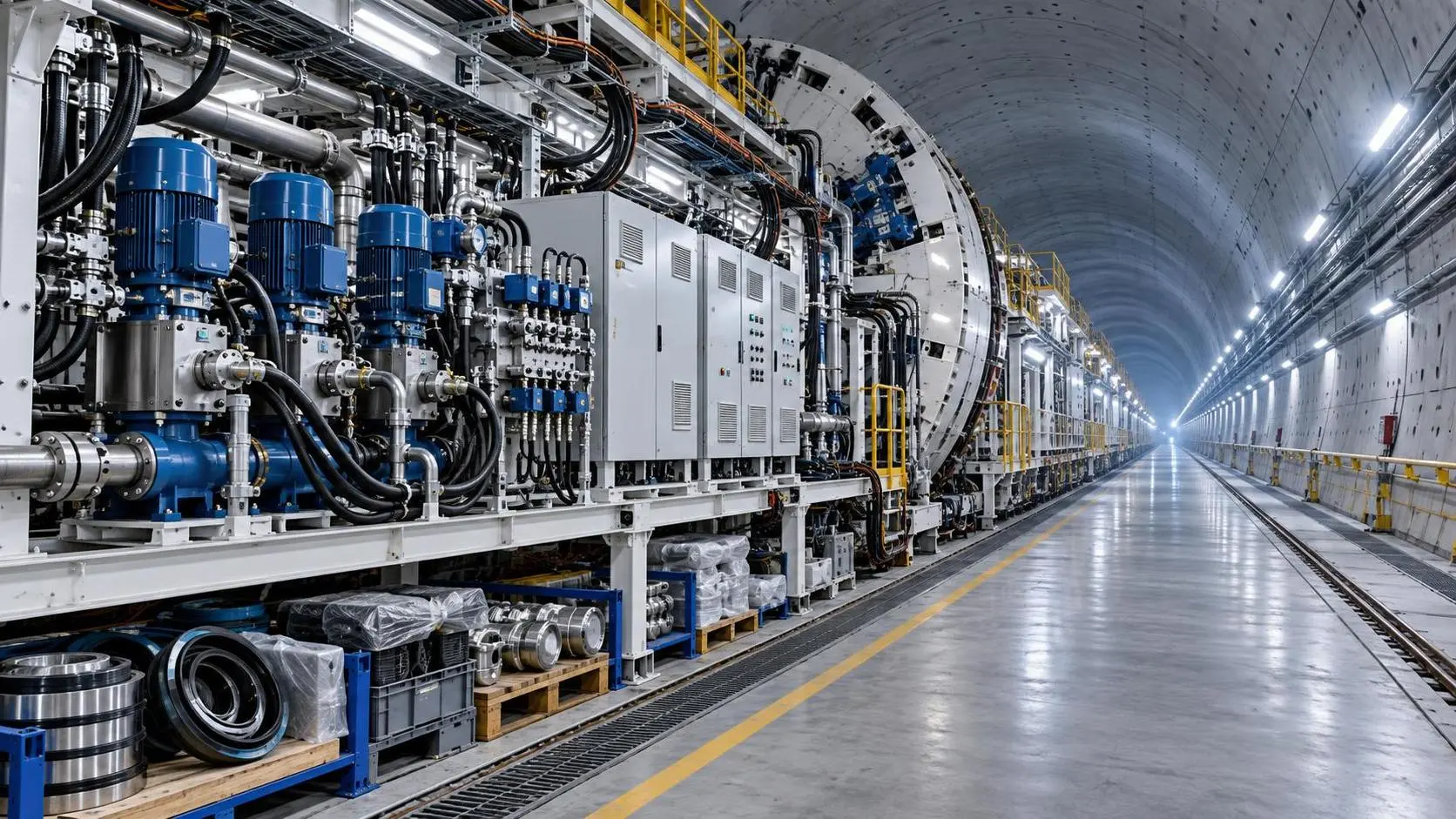
How to Specify TBM Backup System Parts for Reliable Long-Distance Tunnelling
TBM backup system parts: learn how to specify reliable spares for long-distance tunnelling, reduce downtime, ensure compatibility, and speed underground recovery.

How to Size Open Pit Mining Trucks for Haul Distance, Grade, and Payload?
Open Pit Mining Trucks: learn how to match payload, haul distance, grade, road resistance, and loading capacity for safer, lower-cost mine operations.
Related News
- 00
0000-00
How to Evaluate European Drill-and-Blast Tunnelling Contractors for Complex Projects - 00
0000-00
Which Trenchless Construction Technique Fits Your Utility Crossing Conditions? - 00
0000-00
What Is Driving Metro Tunnelling Demand Across Southeast Asia’s Major Cities? - 00
0000-00
Hard Rock Tunnelling in Australia: Selecting Methods for Variable Ground Conditions - 00
0000-00
Hydropower Tunnel Excavation: Selecting Methods for Variable Rock Conditions
Weekly Insights
Stay ahead with our curated technology reports delivered every Monday.