
TBM maintenance services that prevent costly downtime





For after-sales maintenance teams, TBM Maintenance Services are the frontline defense against unplanned shutdowns, rising repair costs, and lost project time.
In high-pressure tunnelling environments, every hour of stoppage can disrupt logistics, labor planning, and safety coordination across the whole project chain.
Well-designed TBM Maintenance Services support cutter performance, hydraulic stability, electrical integrity, and condition monitoring accuracy.
This article answers the most common questions about preventing downtime through smarter maintenance planning, practical inspection routines, and better service decision-making.
What are TBM Maintenance Services, and why do they matter so much?
TBM Maintenance Services cover preventive inspection, scheduled servicing, troubleshooting, component replacement, diagnostics, and reliability planning for tunnel boring machines.
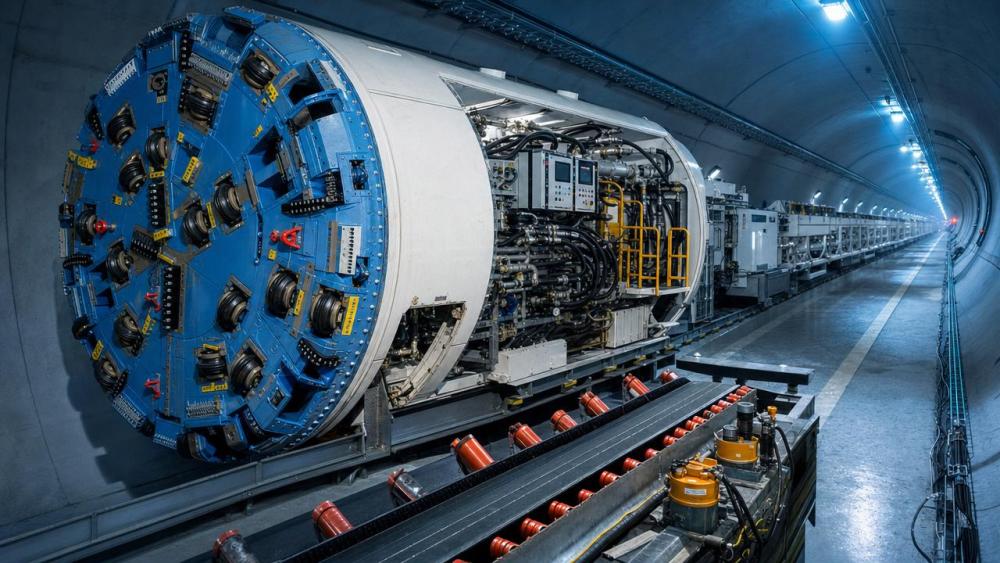
Their purpose is simple: keep the machine boring safely, consistently, and efficiently under extreme underground conditions.
A TBM combines mechanical, hydraulic, electrical, automation, and sensing systems. Failure rarely stays isolated to one subsystem.
For example, worn cutters can increase vibration. Vibration can stress bearings, seals, hoses, and drive components.
If diagnostics are weak, early warning signs may be missed. Then a small maintenance task becomes a major repair event.
That is why TBM Maintenance Services are not just repair support. They are an operating strategy for uptime protection.
In complex underground programs, this strategy also supports predictable progress, stronger safety control, and more stable asset utilization.
Which TBM systems create the highest downtime risk?
Downtime risk usually concentrates in a few critical systems. These systems face constant load, contamination, wear, or thermal stress.
1. Cutterhead and disc cutters
Disc cutter wear directly affects penetration rate, energy use, vibration, and cutting stability in abrasive or fractured ground.
Delayed replacement can accelerate structural fatigue and increase intervention frequency inside pressurized or restricted spaces.
2. Hydraulic circuits
Hydraulics power thrust, steering, grippers, erectors, and support functions. Seal failure or oil contamination can quickly degrade performance.
A small leak may seem manageable, but pressure instability can trigger wider operational delays.
3. Electrical and control systems
Drives, cabling, sensors, PLC logic, and power distribution are highly sensitive to moisture, dust, vibration, and heat.
Intermittent faults are especially costly because they consume troubleshooting time and reduce confidence in production planning.
4. Conveyor and muck handling systems
When muck transport slows, the TBM cannot maintain stable excavation cycles. Belt misalignment and roller wear often cause cascading interruptions.
5. Bearings, seals, and lubrication points
These components may seem secondary, but they often determine equipment life and service intervals.
Effective TBM Maintenance Services prioritize these failure points through condition tracking, planned shutdown windows, and root-cause analysis.
How do TBM Maintenance Services prevent costly downtime in practice?
Prevention depends on rhythm, data, and discipline. Reactive maintenance alone is too slow for modern tunnelling schedules.
Strong TBM Maintenance Services usually combine several layers of protection:
- Daily visual checks for leaks, looseness, unusual heat, noise, and debris buildup.
- Shift-based recording of cutter consumption, thrust response, vibration, and penetration behavior.
- Scheduled fluid analysis for contamination, wear particles, and lubricant degradation.
- Thermal and electrical inspections to detect insulation issues or overloaded circuits.
- Predictive diagnostics using sensor trends, alarm history, and operating pattern comparison.
- Planned spare parts readiness for high-risk consumables and long-lead components.
The strongest results come when maintenance data is linked with geology, boring parameters, and intervention records.
That connection helps teams understand whether failures are caused by wear, operating practice, environment, or design stress.
This intelligence-led approach reflects how UTMD views underground reliability: technical systems perform better when data is stitched into actionable insight.
How can you tell whether a maintenance plan is proactive or only reactive?
Many maintenance programs claim to be preventive, yet they still act only after alarms become urgent.
A proactive plan shows clear signs:
If the plan lacks trend analysis, shutdown planning, and parts forecasting, it is probably still reactive.
High-quality TBM Maintenance Services create visibility before breakdowns happen, not after production is already lost.
What mistakes increase maintenance cost even when service is scheduled?
Scheduled maintenance alone does not guarantee lower risk. Several common mistakes still drive unnecessary cost.
Ignoring operating context
Service intervals must reflect geology, water ingress, abrasiveness, machine age, and utilization intensity.
A fixed interval copied from another project may be too late or too frequent.
Separating maintenance from operations data
If boring performance trends are not reviewed beside maintenance logs, warning signals remain hidden.
Treating alarms as isolated events
Repeated minor faults often point to deeper issues such as contamination, misalignment, overheating, or unstable control logic.
Underestimating consumables strategy
Cutters, seals, filters, hoses, and lubricants affect uptime far more than their unit price suggests.
Weak documentation discipline
Without accurate records, the same fault may return across shifts because lessons are never formalized.
The value of TBM Maintenance Services grows when every intervention improves the next decision.
How should TBM Maintenance Services be evaluated before implementation or renewal?
Evaluation should go beyond response speed. The best service model reduces lifecycle risk, not just repair delays.
Use the following questions as a practical checklist:
- Does the scope include preventive, predictive, and corrective support?
- Are cutter wear, hydraulics, controls, and muck handling all covered?
- Is there a method for root-cause analysis, not only fault clearance?
- Can the team support remote diagnostics and on-site intervention?
- Are spare parts planning and critical inventory guidance included?
- Will reporting show reliability trends, risk ranking, and service priorities?
- Can the maintenance plan adapt to changing geology and machine conditions?
Reliable TBM Maintenance Services should also fit broader underground digitalization goals, including sensor integration and data-led performance review.
This matters across the wider underground equipment ecosystem, where uptime expectations now shape tunnelling, trenchless work, and smart mining alike.
What is a realistic maintenance roadmap for reducing downtime over time?
A realistic roadmap starts with control, then moves toward prediction and optimization.
- Standardize inspections, fault codes, and daily reporting.
- Identify critical components by downtime impact and replacement lead time.
- Track wear, pressure, temperature, vibration, and power anomalies.
- Link maintenance records with geology and production performance.
- Review root causes after every major shutdown or repeated fault.
- Adjust intervals and spare strategy using actual machine behavior.
This roadmap turns TBM Maintenance Services from a support function into a measurable productivity driver.
It also creates a stronger foundation for digital reliability management in future underground projects.
FAQ summary: which maintenance priorities deserve attention first?
TBM Maintenance Services work best when they are structured around prevention, not interruption recovery.
A strong program protects availability, controls lifecycle cost, and improves confidence in long, difficult underground drives.
For organizations tracking underground equipment intelligence, UTMD highlights the same lesson across TBMs, trenchless systems, and smart mining fleets: reliability begins with informed service decisions.
Review current maintenance routines, map the highest-risk components, and strengthen diagnostics before the next shutdown becomes a project-wide delay.
Related News
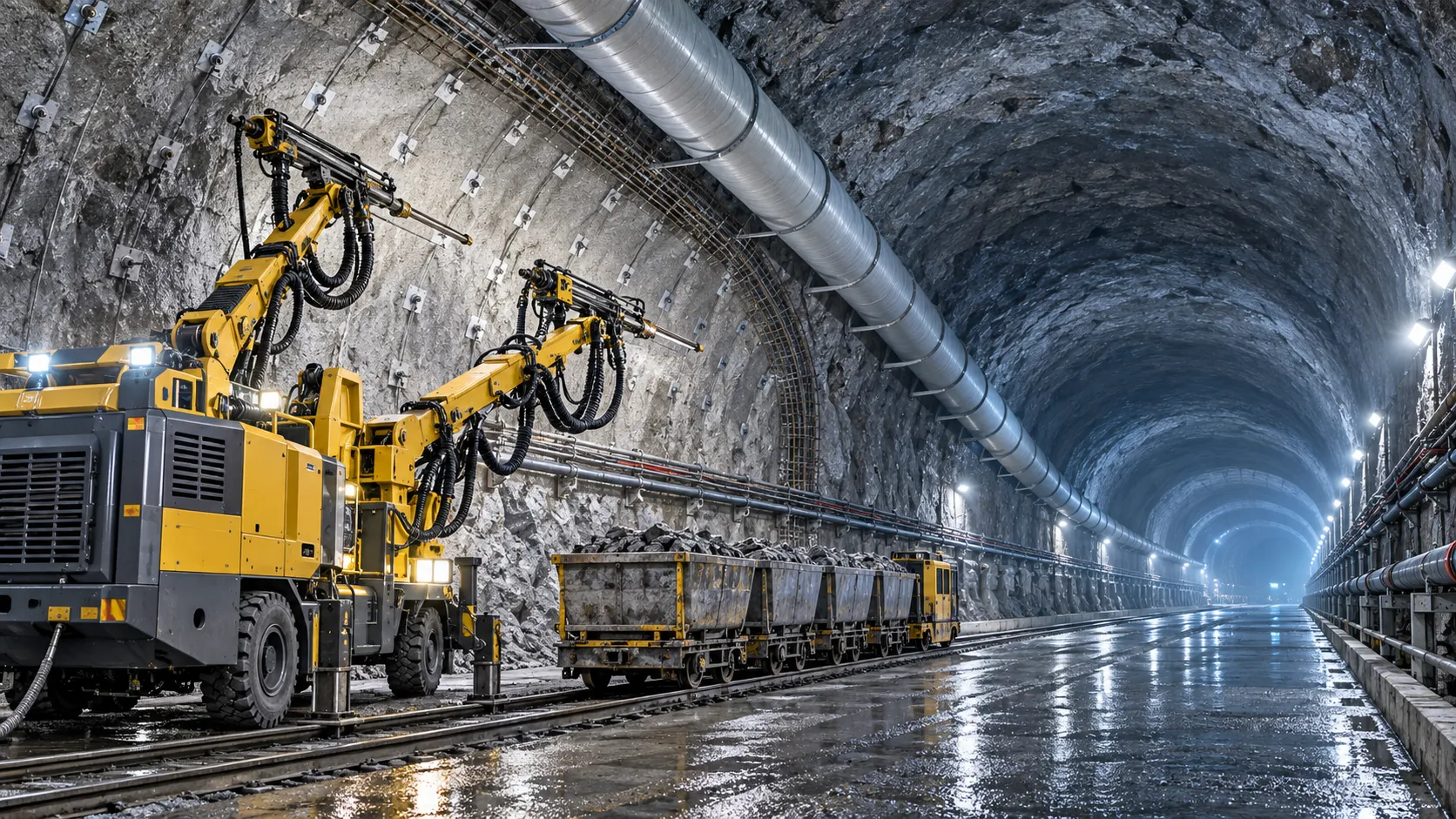
How to Evaluate European Drill-and-Blast Tunnelling Contractors for Complex Projects
Drill and blast tunnelling contractors Europe: learn how to assess geology expertise, blast control, equipment reliability, safety, and programme resilience for complex projects.
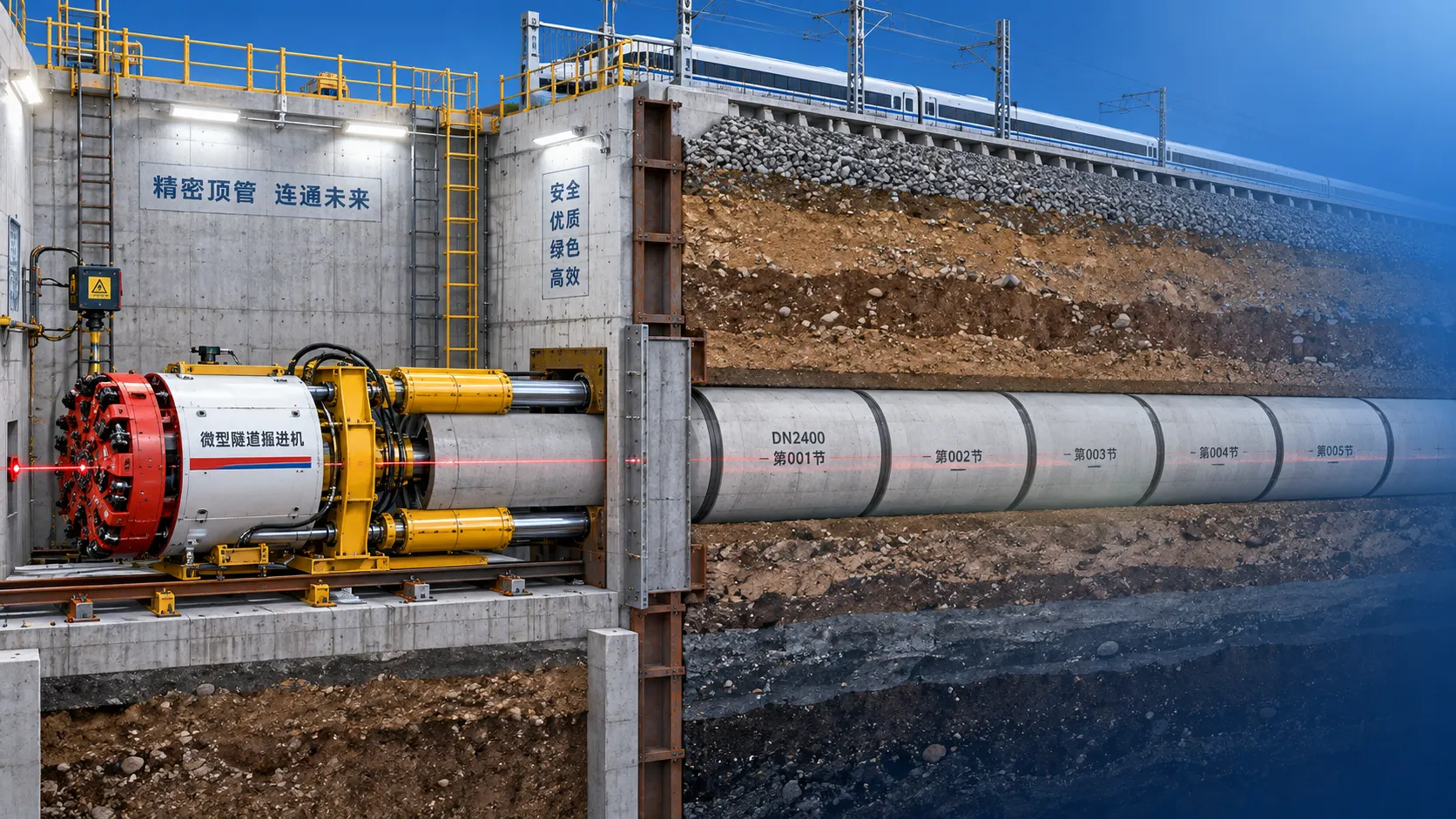
Which Trenchless Construction Technique Fits Your Utility Crossing Conditions?
Trenchless construction techniques compared for utility crossings: choose HDD, microtunnelling, pipe jacking, or auger boring based on ground, accuracy, access, and risk.
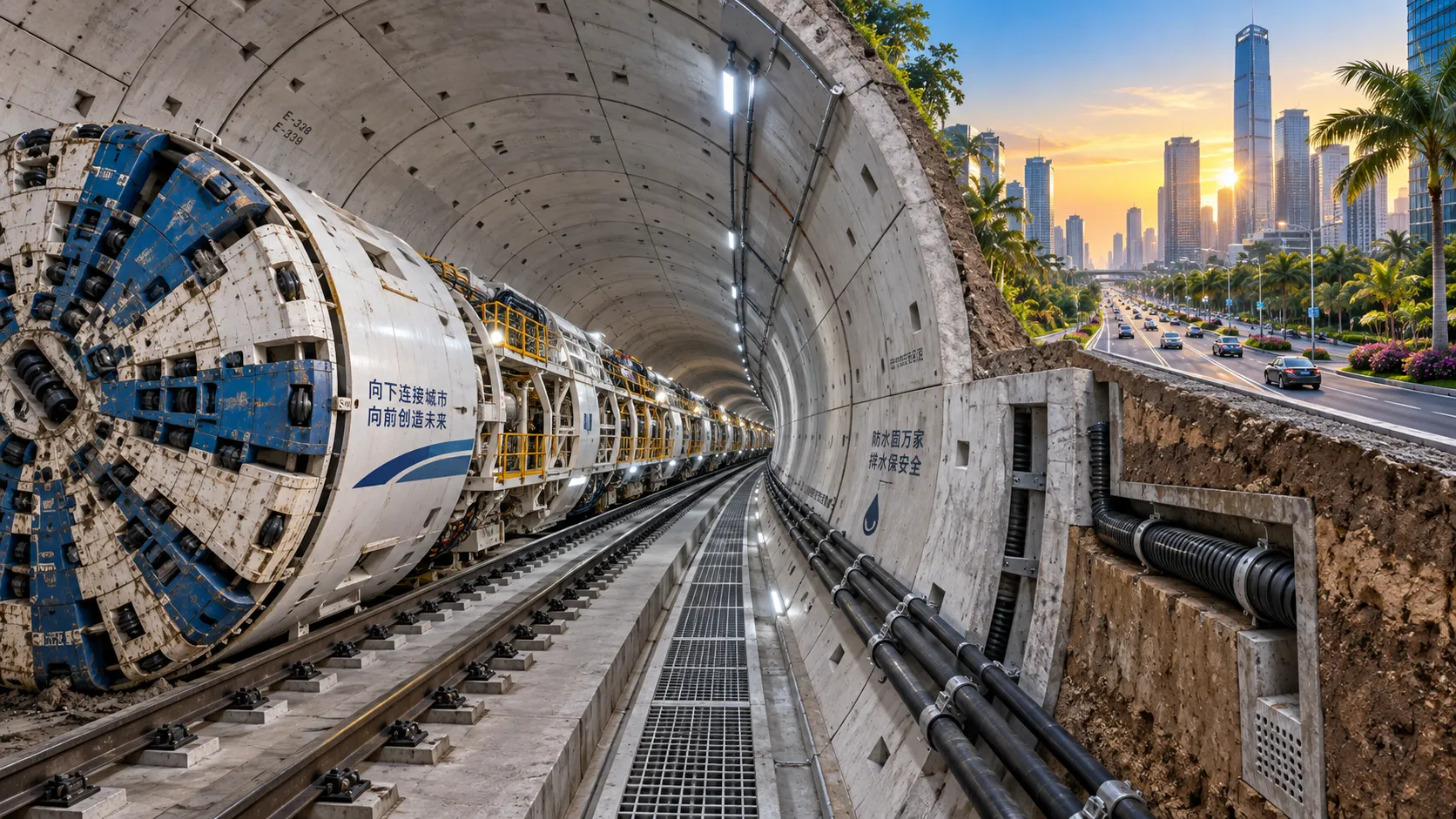
What Is Driving Metro Tunnelling Demand Across Southeast Asia’s Major Cities?
Metro tunnelling Southeast Asia is accelerating as major cities tackle congestion, flooding, and connectivity. Explore the market forces, technical risks, and opportunities shaping demand.
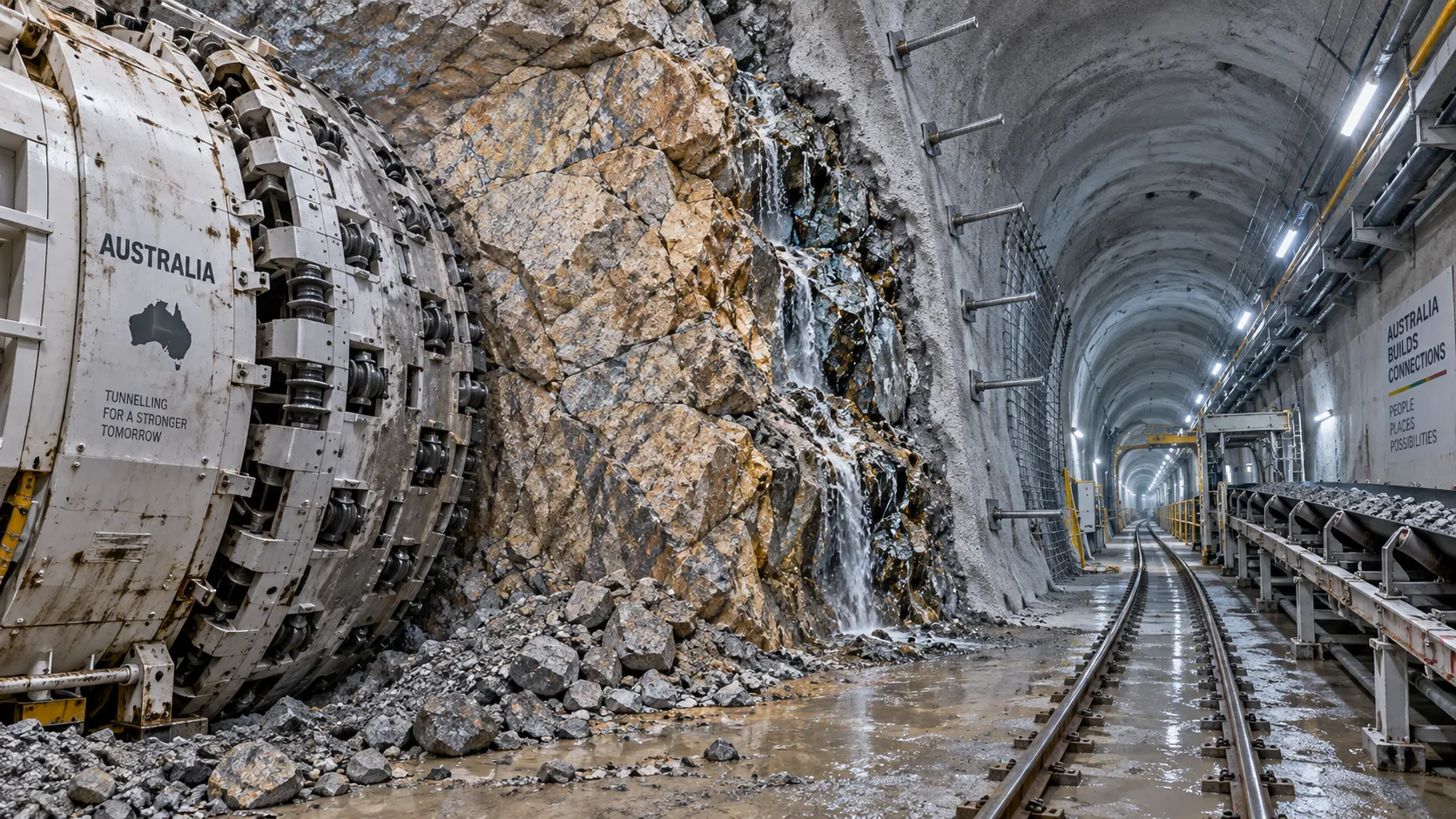
Hard Rock Tunnelling in Australia: Selecting Methods for Variable Ground Conditions
Hard rock tunnelling in Australia: compare TBM, drill-and-blast and hybrid methods to manage variable ground, reduce risk and protect project costs.
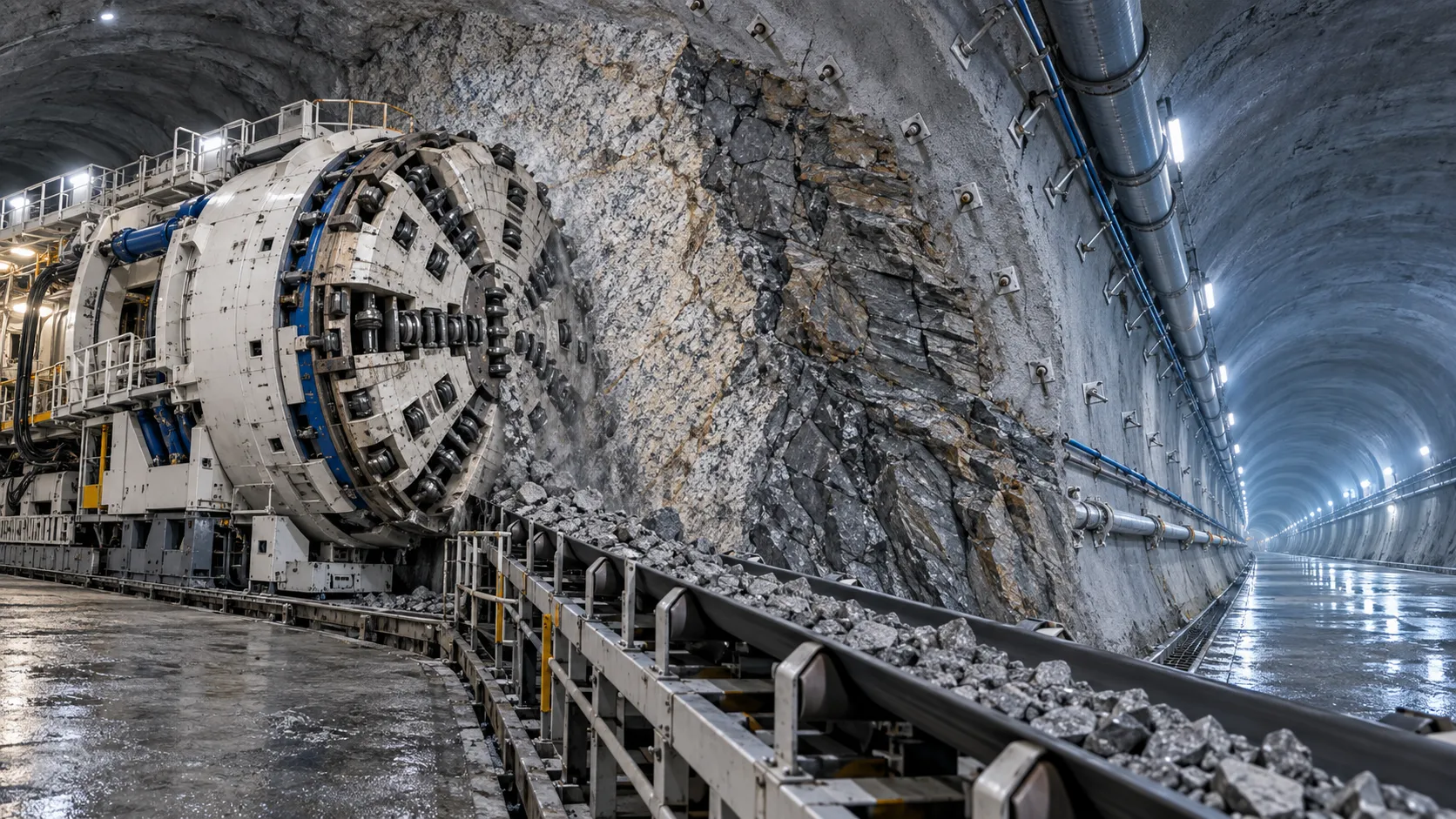
Hydropower Tunnel Excavation: Selecting Methods for Variable Rock Conditions
Hydropower tunnel excavation methods for variable rock conditions: compare TBM, drill-and-blast, and hybrid strategies to improve safety, progress, and project control.
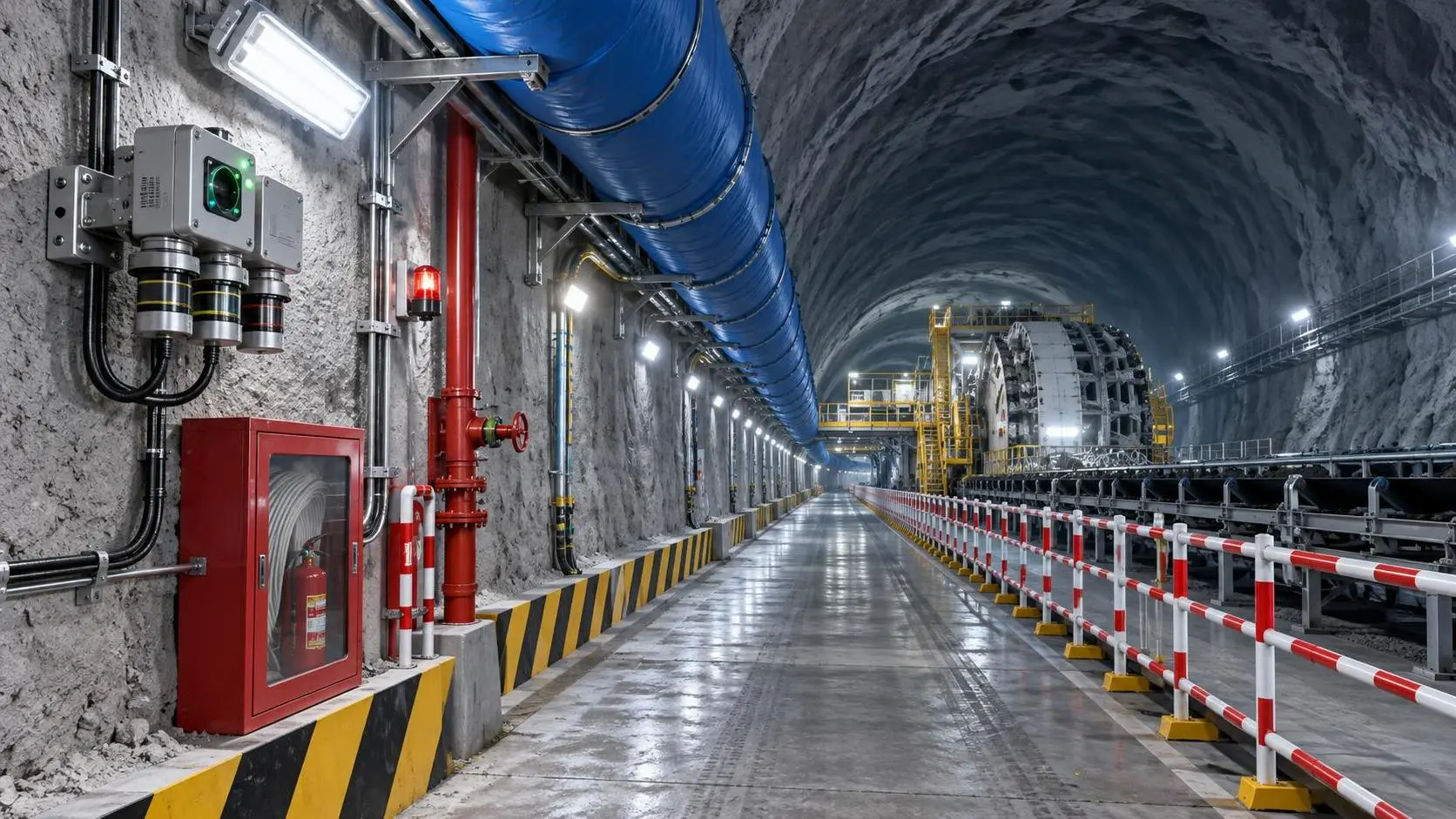
How to Select Underground Safety Equipment for Tunnelling by Hazard and Work Zone
Underground Safety Equipment for tunnelling: match protection to hazards, work zones, compliance, and emergency needs with this practical selection guide.
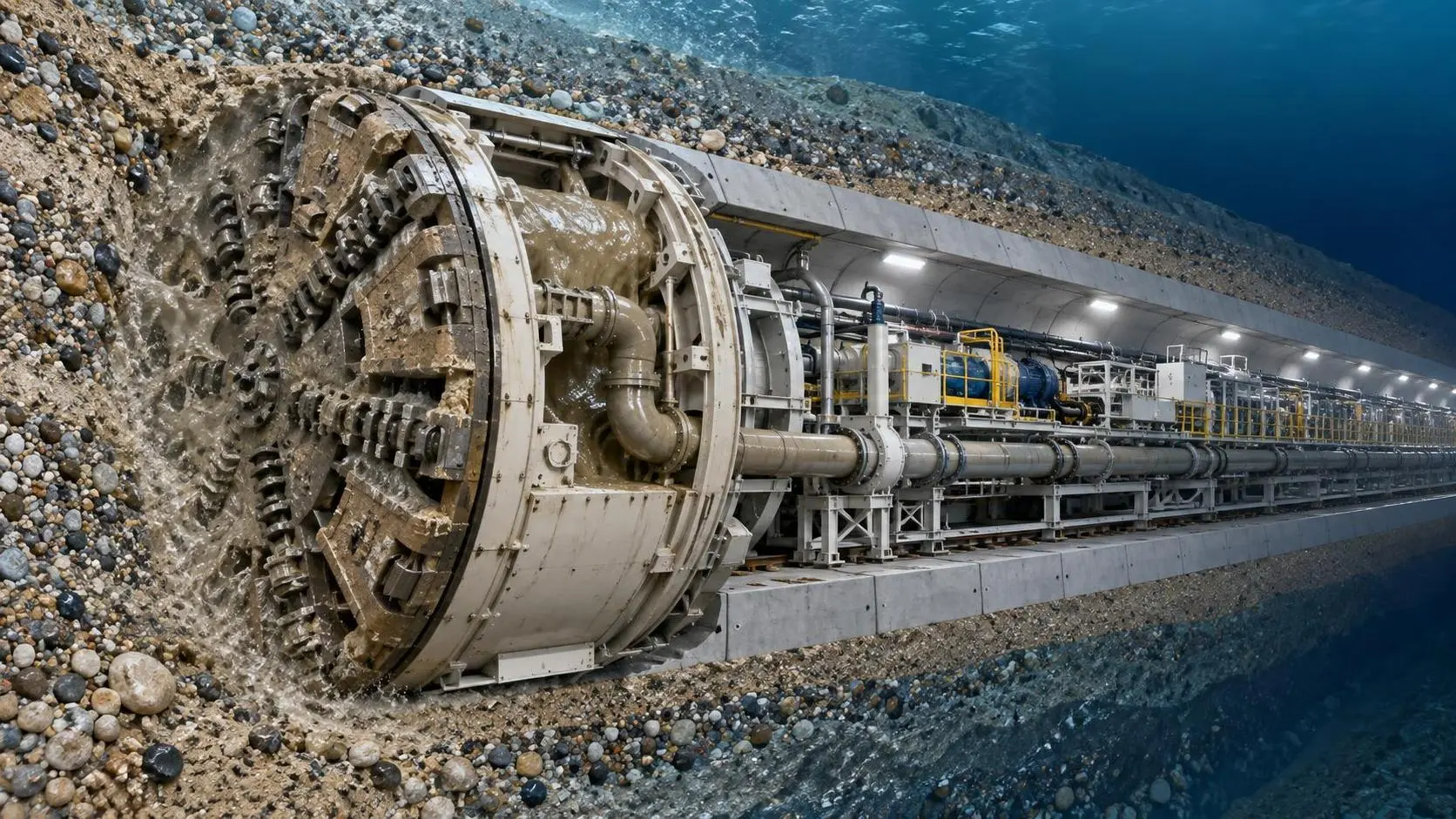
EPB or Slurry Shield? Selecting Soft-Ground Tunnelling Equipment by Soil Conditions
Tunnel Excavation Equipment for soft ground: compare EPB and slurry shields by soil, groundwater, settlement risk, and project logistics to choose confidently.
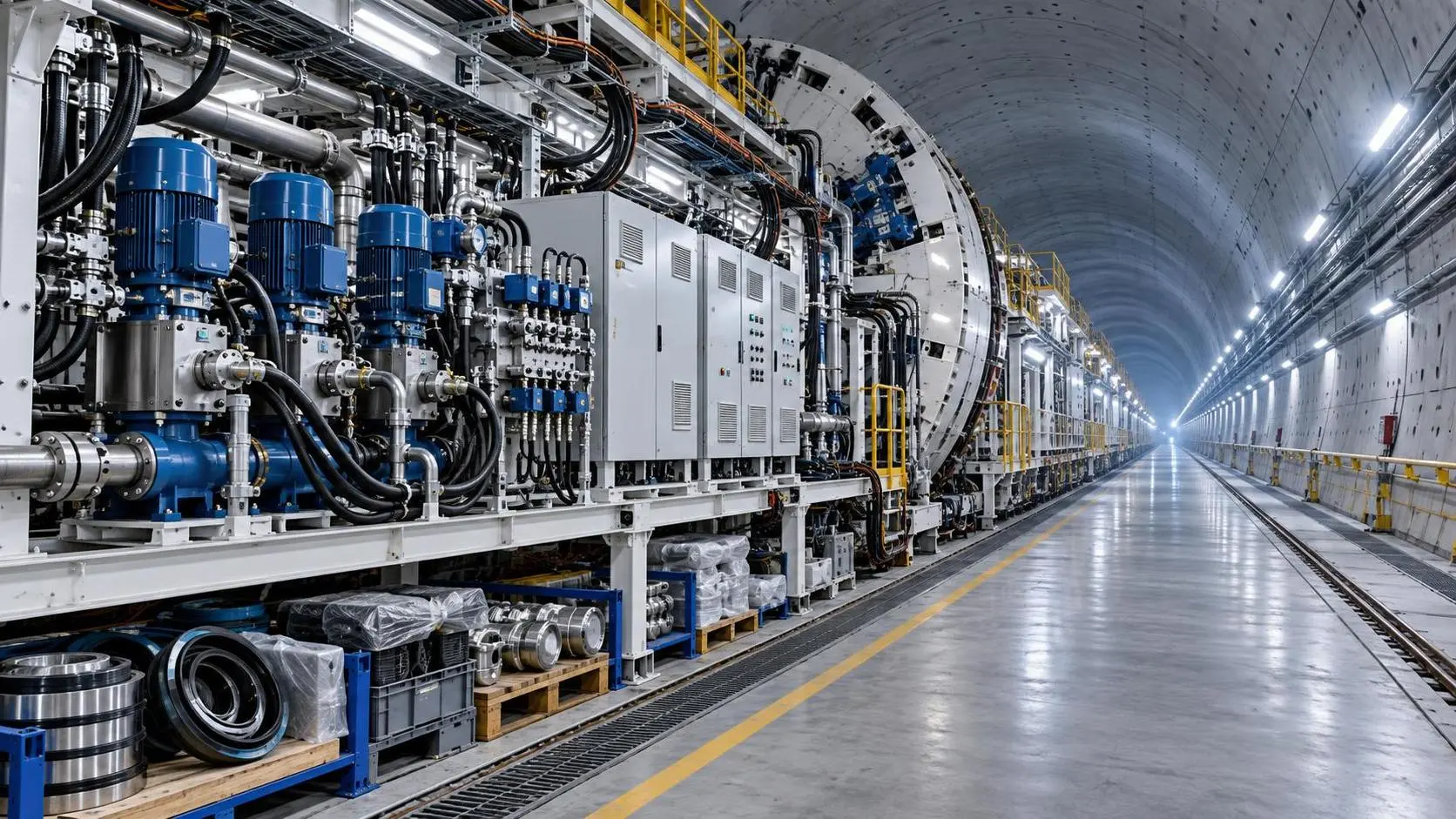
How to Specify TBM Backup System Parts for Reliable Long-Distance Tunnelling
TBM backup system parts: learn how to specify reliable spares for long-distance tunnelling, reduce downtime, ensure compatibility, and speed underground recovery.

How to Size Open Pit Mining Trucks for Haul Distance, Grade, and Payload?
Open Pit Mining Trucks: learn how to match payload, haul distance, grade, road resistance, and loading capacity for safer, lower-cost mine operations.
Related News
- 00
0000-00
How to Evaluate European Drill-and-Blast Tunnelling Contractors for Complex Projects - 00
0000-00
Which Trenchless Construction Technique Fits Your Utility Crossing Conditions? - 00
0000-00
What Is Driving Metro Tunnelling Demand Across Southeast Asia’s Major Cities? - 00
0000-00
Hard Rock Tunnelling in Australia: Selecting Methods for Variable Ground Conditions - 00
0000-00
Hydropower Tunnel Excavation: Selecting Methods for Variable Rock Conditions
Weekly Insights
Stay ahead with our curated technology reports delivered every Monday.