
Deep Tunnel Excavation costs more for reasons beyond depth





Deep Tunnel Excavation costs more for reasons that extend well beyond simple depth metrics. Capital intensity rises because geology, ventilation, support systems, logistics, maintenance, and schedule exposure all become harder to control underground.
In major infrastructure, mining access, and utility corridors, Deep Tunnel Excavation should be evaluated as a systems challenge. Budget discipline depends on understanding how mechanical limits, operational risk, and underground constraints interact across the full project cycle.
Understanding the real cost structure of Deep Tunnel Excavation
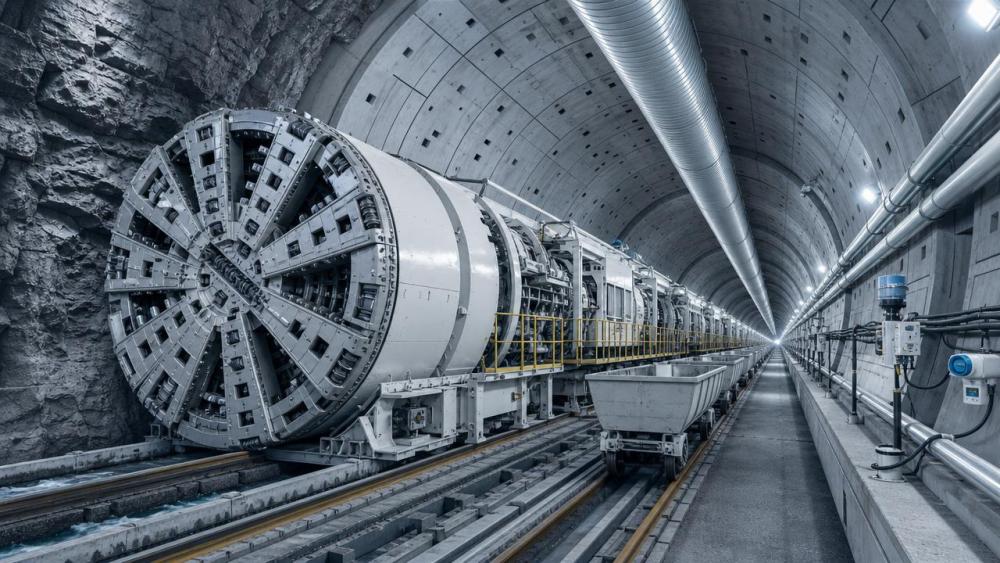
At a basic level, Deep Tunnel Excavation includes rock breaking, muck removal, ground support, lining, water control, power supply, ventilation, monitoring, and workforce protection. Depth increases pressure, but pressure alone does not explain the final budget.
The deeper a tunnel goes, the narrower the margin for error becomes. Equipment downtime lasts longer, material movement slows, and recovery from unexpected conditions can consume disproportionate time and money.
This is why Deep Tunnel Excavation often shows nonlinear cost behavior. A modest increase in depth can trigger major changes in excavation method, TBM configuration, ventilation design, dewatering capacity, and emergency preparedness.
Why depth is only one variable
Depth matters because in-situ stress rises with cover. Yet cost growth is usually driven by uncertainty. Unknown faults, squeezing ground, heat, gas pockets, abrasive rock, and groundwater inflow can alter production assumptions within days.
That uncertainty affects every major package. Mechanical design, cutter consumption, support class, haulage cycles, and maintenance windows all shift when real ground diverges from investigation models.
Industry signals shaping current cost expectations
Across transport tunnels, hydropower works, and deep mining access, several cost signals now define how Deep Tunnel Excavation is budgeted and reviewed. These signals matter in both public and private investment environments.
- More projects face harder rock transitions and mixed-ground interfaces.
- Electrification adds cleaner underground operations but requires charging, battery handling, and grid resilience.
- Safety expectations are rising for ventilation, refuge, fire control, and digital monitoring.
- Remote operations and automation improve consistency but increase system integration demands.
- Long-lead equipment procurement exposes projects to supply chain and commissioning risk.
For intelligence platforms such as UTMD, these signals connect machine capability with business outcomes. TBMs, drilling jumbos, pipe jacking systems, mining trucks, and underground LHD loaders all contribute to cost behavior in constrained subsurface environments.
Key budget drivers by underground condition
Where Deep Tunnel Excavation budgets expand in practice
The most important hidden costs of Deep Tunnel Excavation appear in interfaces rather than single line items. Excavation speed, support timing, logistics, maintenance, and safety cannot be separated in real underground production.
Geotechnical uncertainty and ground response
Site investigation never captures every fracture zone or water-bearing seam. When rock mass behavior changes unexpectedly, excavation classes, support quantities, and sequencing assumptions change immediately.
In hard rock tunnelling, fault zones can force slower advance and extra grouting. In deep mines, stress-driven spalling may demand reinforcement and stricter exclusion zones around active headings.
Ventilation, heat, and air quality control
Deep Tunnel Excavation requires more than fresh air delivery. It needs heat removal, dust management, gas detection, and emergency smoke control. These systems add capital cost and substantial operating expense.
Long tunnels also lose efficiency through pressure drop and duct complexity. If diesel fleets remain in use, ventilation power demand can become one of the largest recurring cost elements.
Equipment wear and maintenance interruption
Disc cutters, drill steels, buckets, tires, hydraulic lines, and conveyor components all degrade faster in severe conditions. Deeper worksites increase replacement time because access and servicing are slower.
UTMD closely tracks wear behavior because it shapes real asset utilization. A machine with excellent nominal capacity can still underperform if consumables, service intervals, and access logistics are poorly planned.
Underground logistics and material flow
Muck removal, segment delivery, explosives transport, spare parts movement, and shift change all compete for limited tunnel space. Congestion reduces productivity even when the excavation face is technically ready.
In this context, autonomous haulage, battery-swapping LHD systems, and coordinated dispatch become more than technology upgrades. They directly affect cycle time, utilization, and schedule stability.
Safety systems and compliance overhead
Deep Tunnel Excavation must fund refuge chambers, communication systems, emergency egress, water barriers, fire suppression, and geotechnical monitoring. These are not peripheral items. They are essential operating infrastructure.
As project depth and complexity increase, verification, training, and inspection requirements also grow. Compliance time has a real budget effect, especially during commissioning and operational ramp-up.
Business value of a clearer Deep Tunnel Excavation cost model
A stronger cost model helps distinguish necessary resilience from avoidable overspend. This improves capital approval quality, contractor alignment, contingency planning, and long-term asset performance forecasting.
For underground transport corridors, the benefit is schedule credibility. For mining developments, the benefit is production certainty. For utilities, the benefit is lower disruption risk and better lifecycle control.
- Better comparison of TBM, drill-and-blast, and hybrid methods.
- More realistic contingency tied to geological confidence.
- Improved planning for electrified and automated equipment fleets.
- Earlier identification of schedule-critical underground interfaces.
Typical scenarios where Deep Tunnel Excavation costs diverge
Not every deep project carries the same cost profile. Method, geology, urban constraints, and support strategy all influence how quickly Deep Tunnel Excavation expenses accelerate.
Practical guidance for cost control and review
Effective review of Deep Tunnel Excavation should focus on interaction effects, not isolated prices. A lower equipment quote may create higher ventilation demand, slower maintenance, or greater support consumption.
- Test budget assumptions against multiple geological scenarios, not a single ground model.
- Separate fixed depth effects from uncertainty-driven contingency.
- Quantify cutter wear, tooling usage, and maintenance access time explicitly.
- Model ventilation and power demand under diesel and electric fleet options.
- Audit underground logistics, including muck flow, spares, and personnel movement.
- Track digital monitoring readiness for geotechnical, equipment, and safety data.
A robust review process should also include schedule recovery logic. In deep works, lost time is expensive because every delayed activity affects support crews, haulage resources, ventilation planning, and downstream commissioning.
Next-step perspective for evaluating underground investment
Deep Tunnel Excavation costs more because it concentrates technical difficulty, safety responsibility, and operational uncertainty in one confined environment. Depth matters, but system complexity matters more.
The most reliable decisions come from linking geology, equipment behavior, ventilation, logistics, and schedule risk into one cost narrative. That approach creates clearer approvals and stronger project resilience.
For deeper insight into TBM performance, trenchless systems, underground mining transport, and intelligent heavy equipment trends, UTMD offers a practical framework for understanding how underground technology shapes cost, reliability, and strategic timing.
Related News
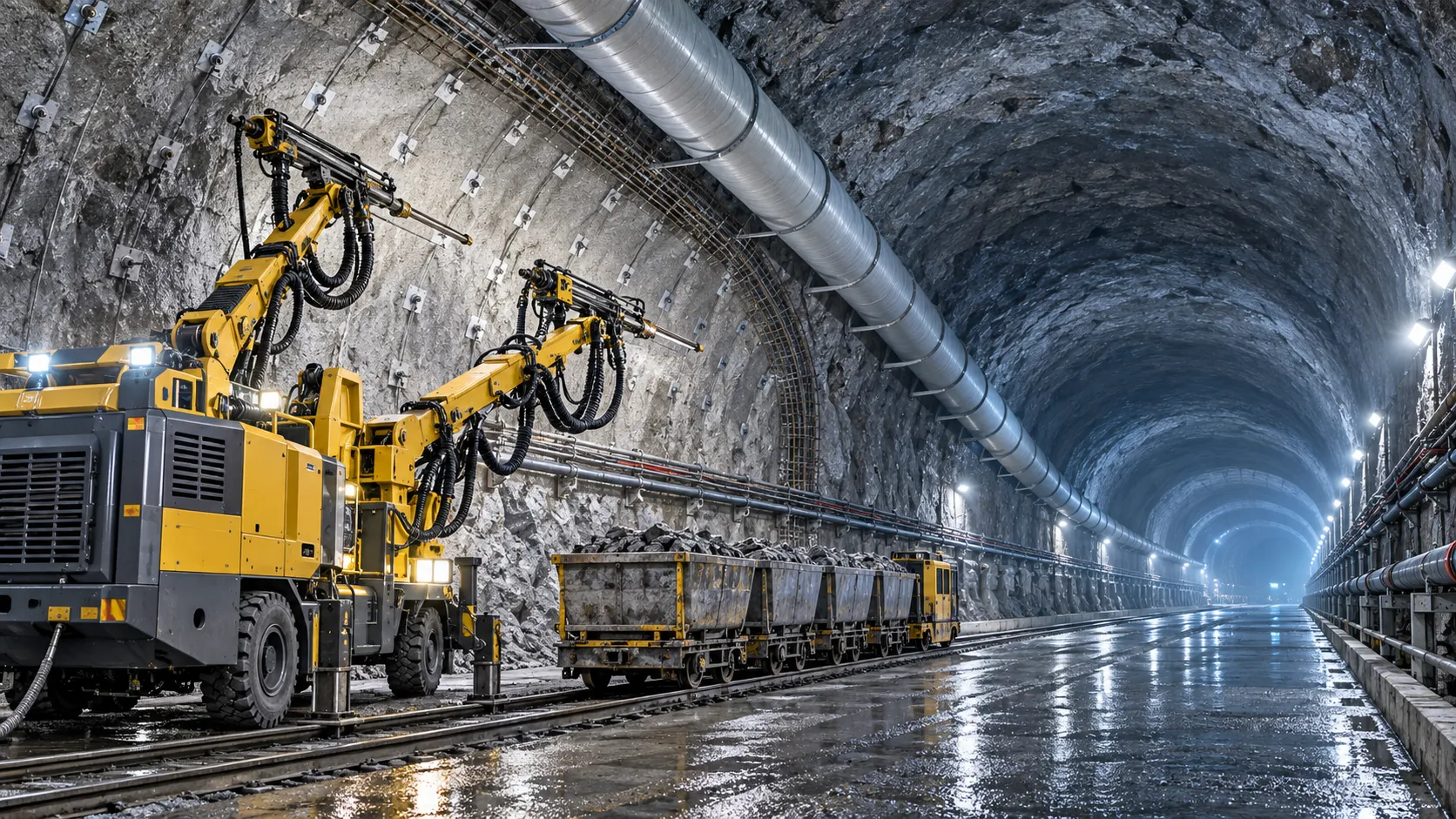
How to Evaluate European Drill-and-Blast Tunnelling Contractors for Complex Projects
Drill and blast tunnelling contractors Europe: learn how to assess geology expertise, blast control, equipment reliability, safety, and programme resilience for complex projects.
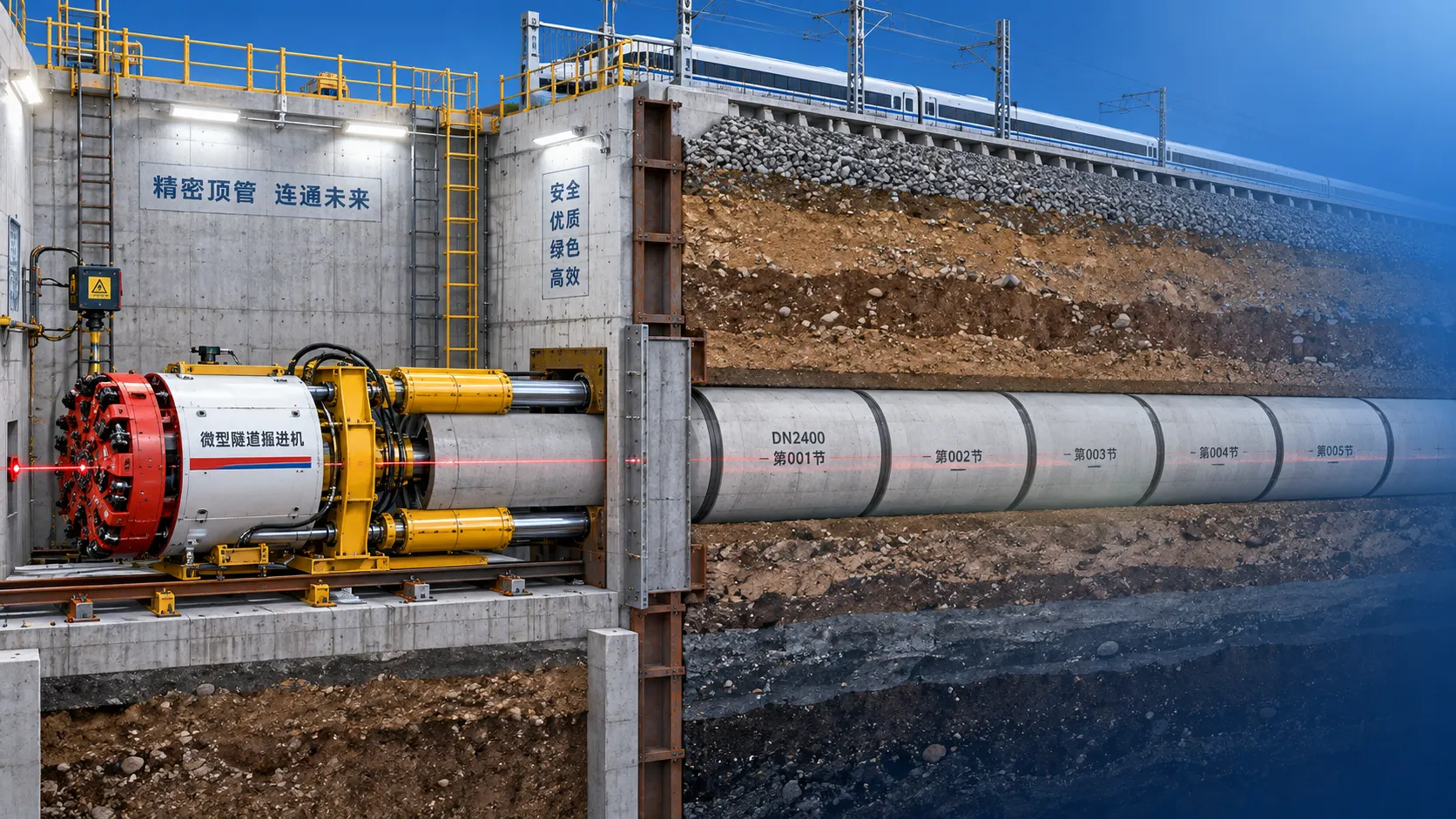
Which Trenchless Construction Technique Fits Your Utility Crossing Conditions?
Trenchless construction techniques compared for utility crossings: choose HDD, microtunnelling, pipe jacking, or auger boring based on ground, accuracy, access, and risk.
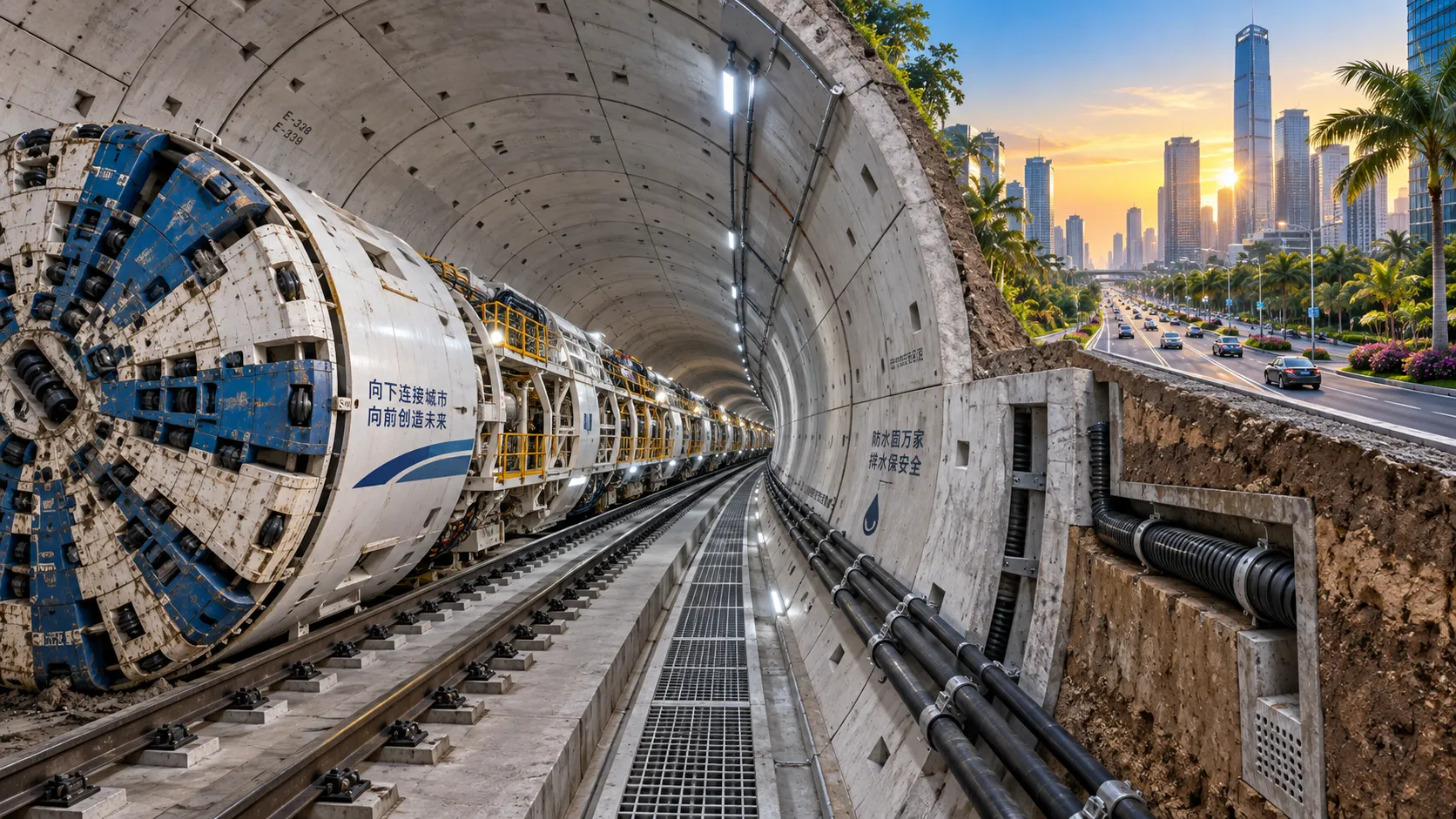
What Is Driving Metro Tunnelling Demand Across Southeast Asia’s Major Cities?
Metro tunnelling Southeast Asia is accelerating as major cities tackle congestion, flooding, and connectivity. Explore the market forces, technical risks, and opportunities shaping demand.
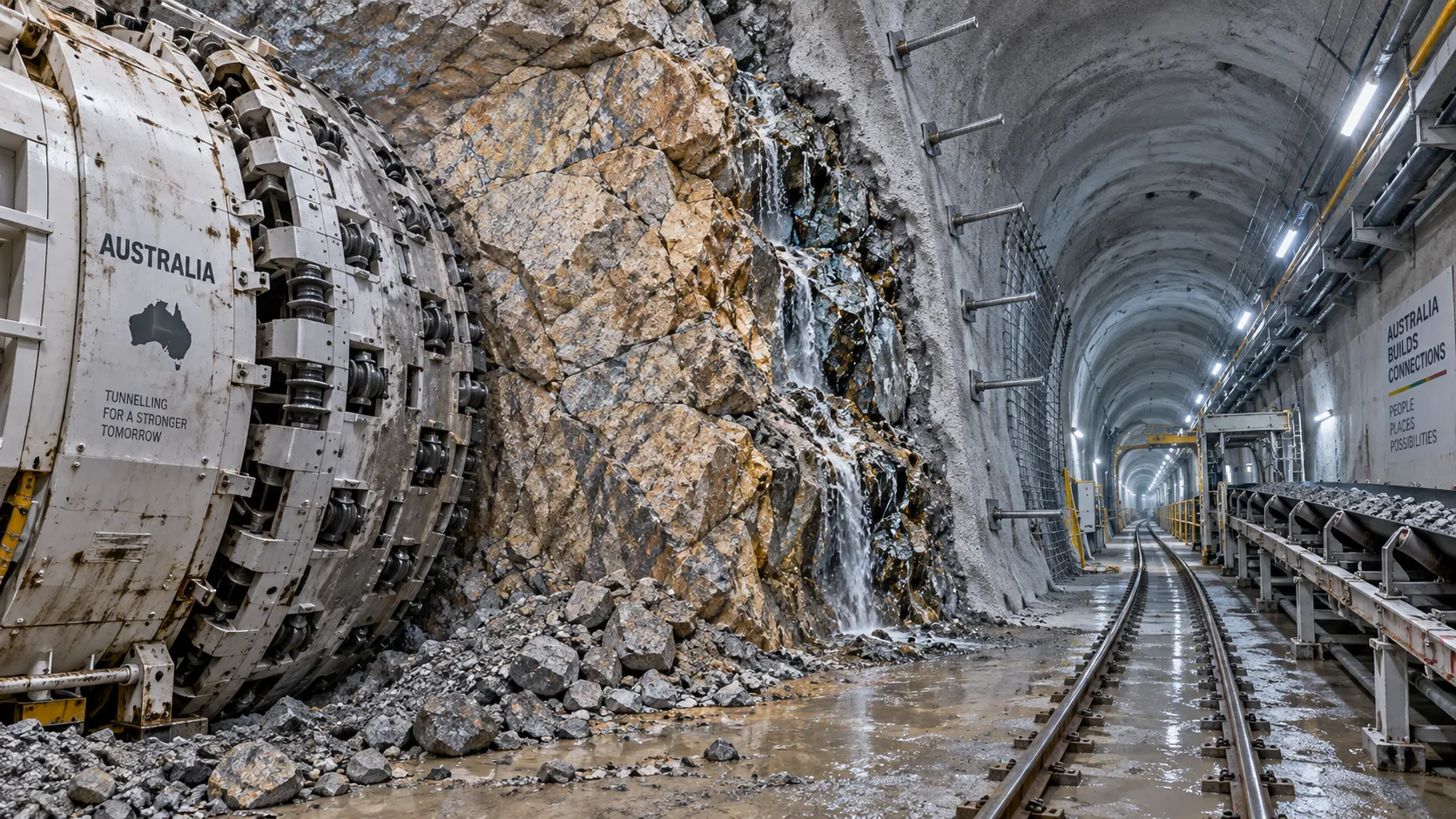
Hard Rock Tunnelling in Australia: Selecting Methods for Variable Ground Conditions
Hard rock tunnelling in Australia: compare TBM, drill-and-blast and hybrid methods to manage variable ground, reduce risk and protect project costs.
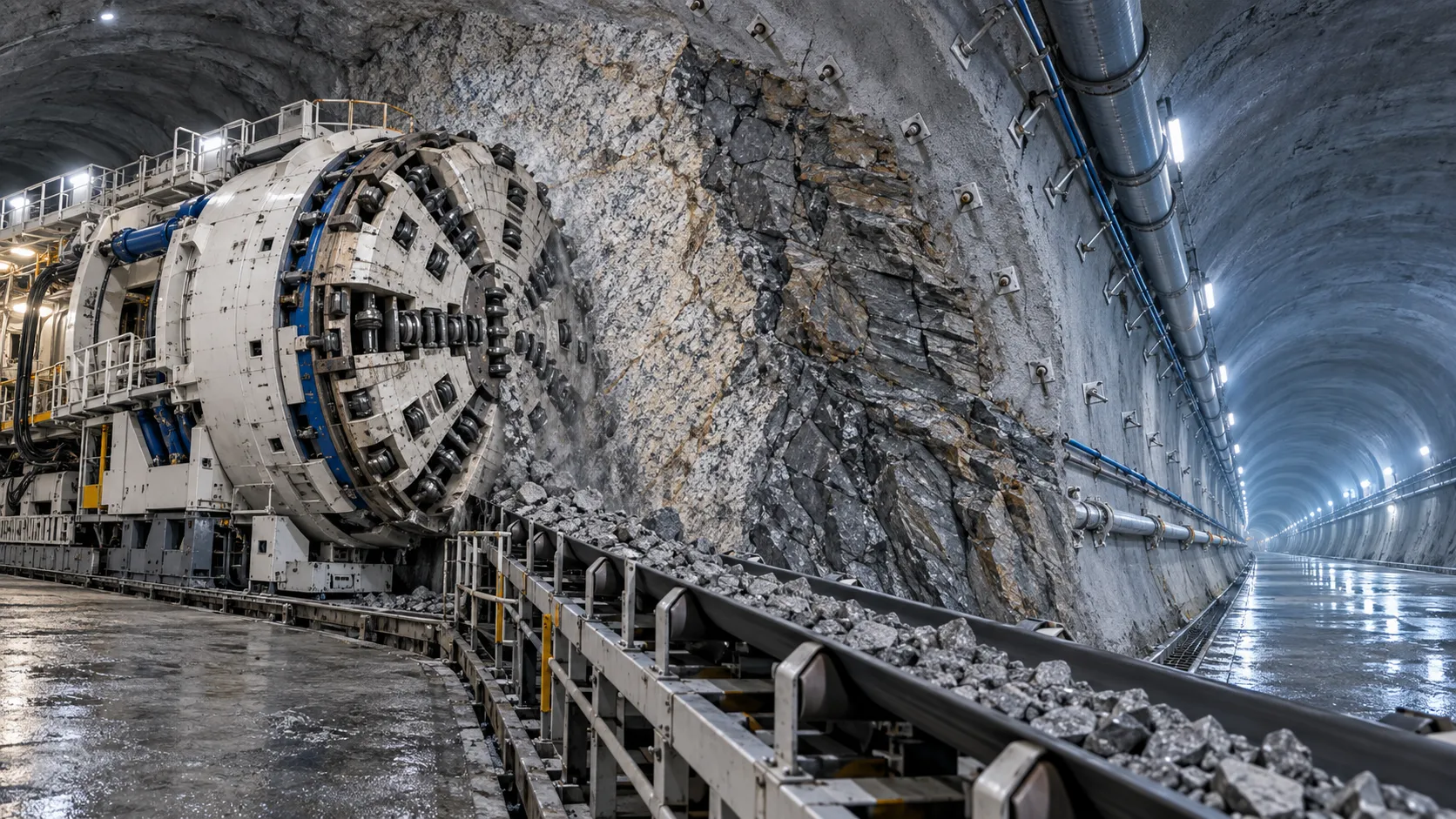
Hydropower Tunnel Excavation: Selecting Methods for Variable Rock Conditions
Hydropower tunnel excavation methods for variable rock conditions: compare TBM, drill-and-blast, and hybrid strategies to improve safety, progress, and project control.
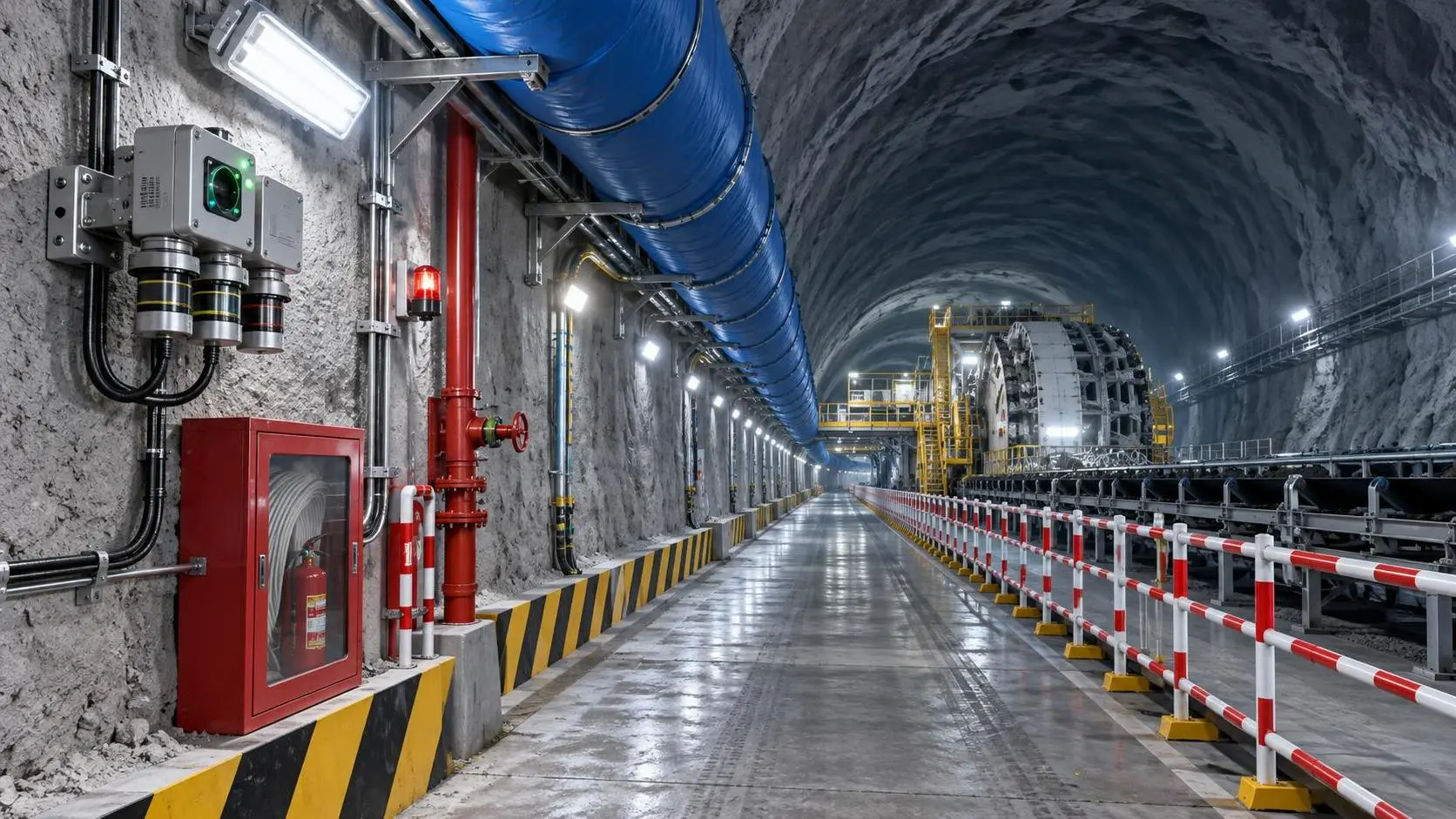
How to Select Underground Safety Equipment for Tunnelling by Hazard and Work Zone
Underground Safety Equipment for tunnelling: match protection to hazards, work zones, compliance, and emergency needs with this practical selection guide.
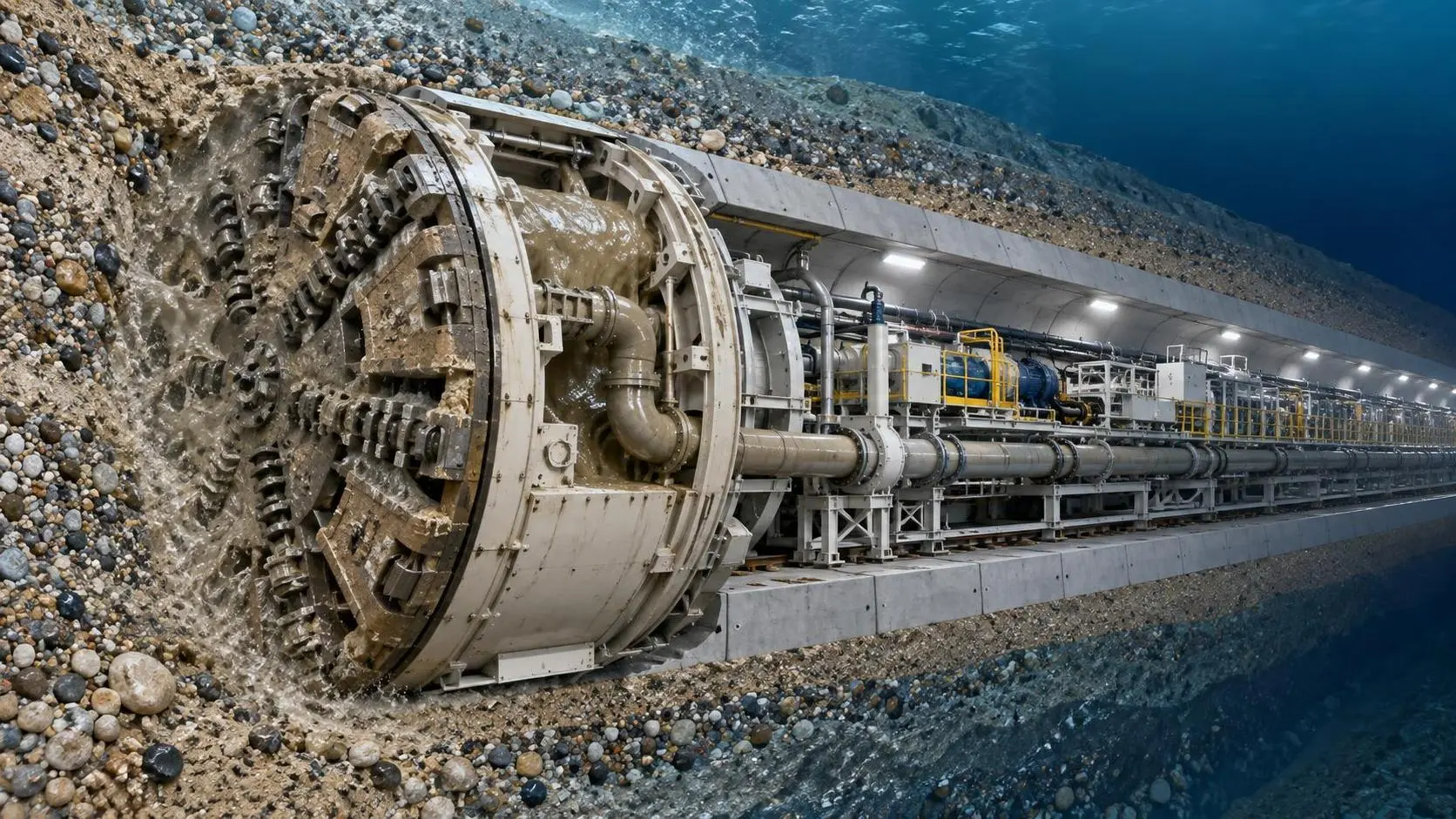
EPB or Slurry Shield? Selecting Soft-Ground Tunnelling Equipment by Soil Conditions
Tunnel Excavation Equipment for soft ground: compare EPB and slurry shields by soil, groundwater, settlement risk, and project logistics to choose confidently.
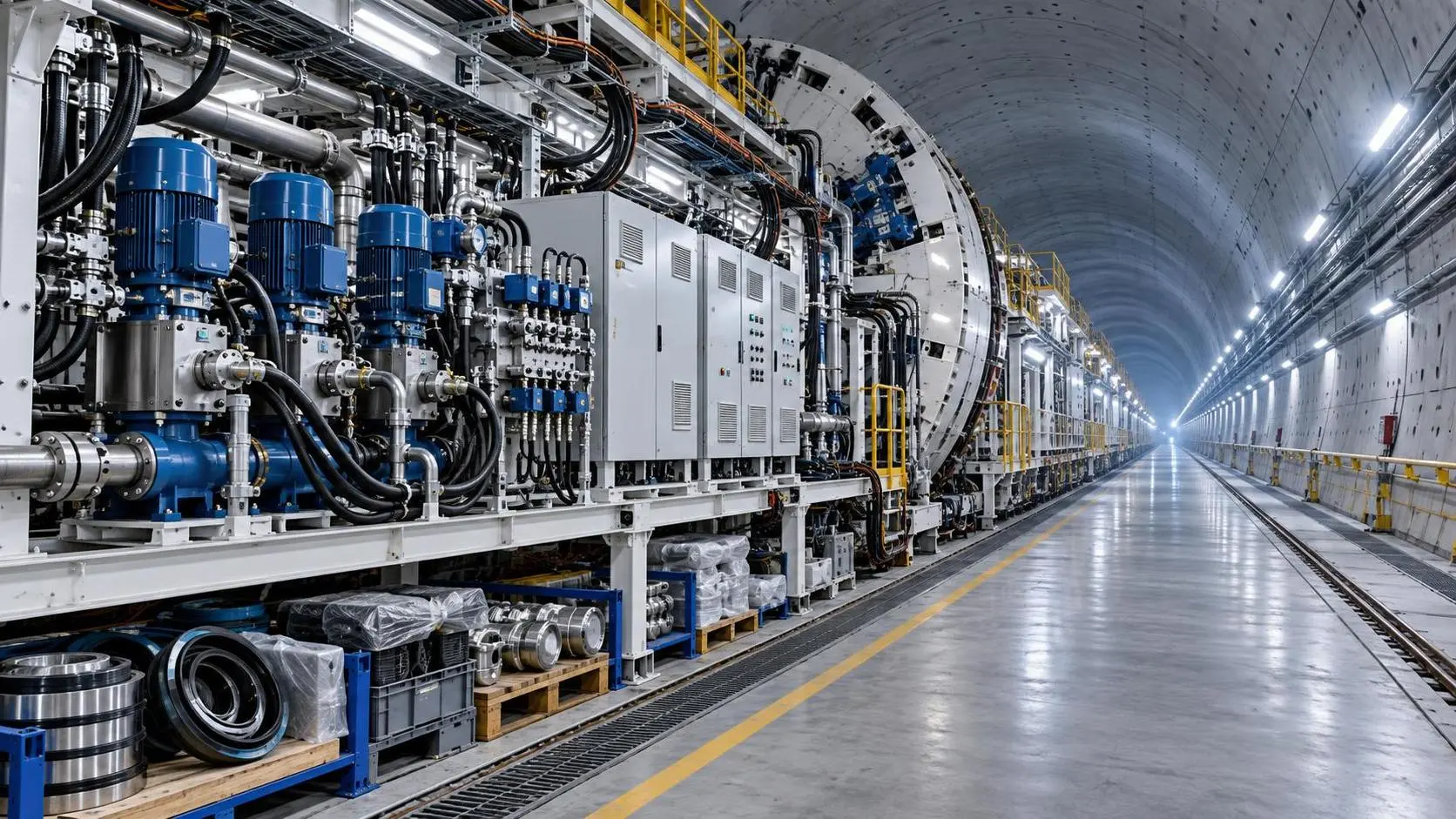
How to Specify TBM Backup System Parts for Reliable Long-Distance Tunnelling
TBM backup system parts: learn how to specify reliable spares for long-distance tunnelling, reduce downtime, ensure compatibility, and speed underground recovery.
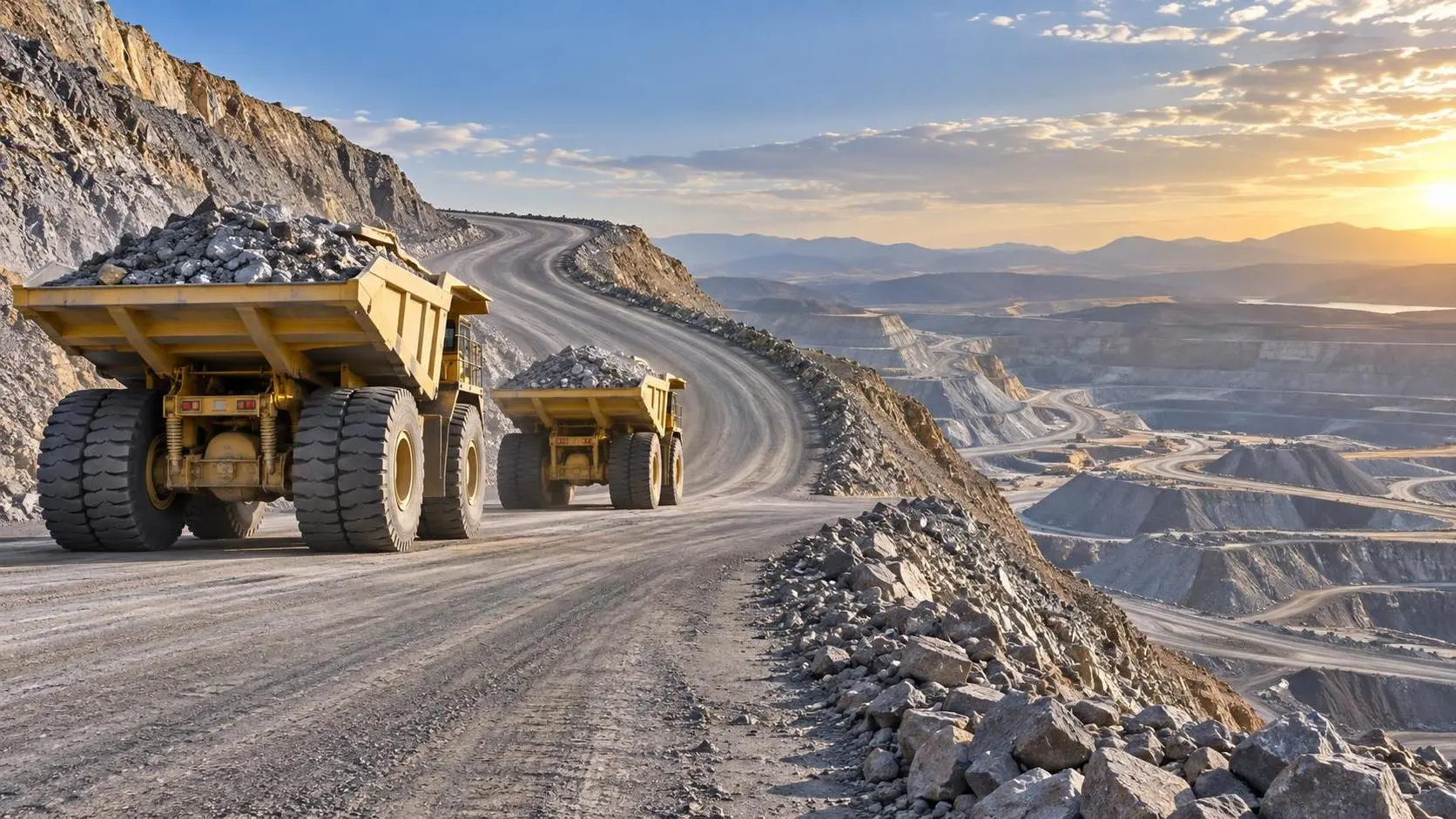
How to Size Open Pit Mining Trucks for Haul Distance, Grade, and Payload?
Open Pit Mining Trucks: learn how to match payload, haul distance, grade, road resistance, and loading capacity for safer, lower-cost mine operations.
Related News
- 00
0000-00
How to Evaluate European Drill-and-Blast Tunnelling Contractors for Complex Projects - 00
0000-00
Which Trenchless Construction Technique Fits Your Utility Crossing Conditions? - 00
0000-00
What Is Driving Metro Tunnelling Demand Across Southeast Asia’s Major Cities? - 00
0000-00
Hard Rock Tunnelling in Australia: Selecting Methods for Variable Ground Conditions - 00
0000-00
Hydropower Tunnel Excavation: Selecting Methods for Variable Rock Conditions
Weekly Insights
Stay ahead with our curated technology reports delivered every Monday.