
Not all Tunnel Boring Machine Parts affect uptime equally





When tunnel schedules tighten and downtime costs escalate, not all Tunnel Boring Machine Parts deserve the same maintenance priority. For project managers and engineering leaders, understanding which components most directly influence uptime, safety, and excavation efficiency is essential to controlling risk and protecting project margins. This article explores where part performance matters most and how smarter asset decisions can strengthen TBM reliability in demanding underground operations.
Why some Tunnel Boring Machine Parts matter more than others
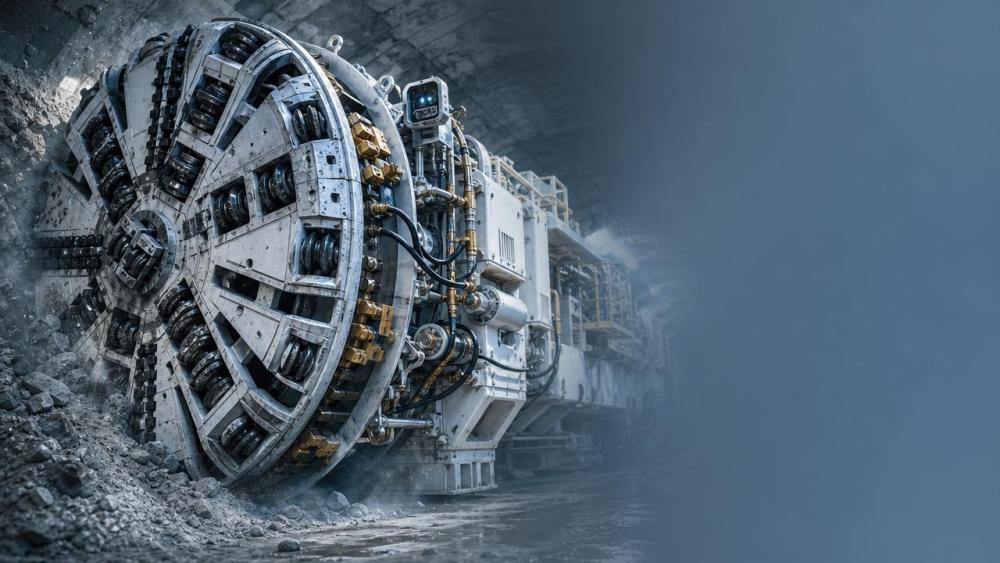
A tunnel boring machine is an integrated production system, not a simple collection of replaceable components. Yet from a project management perspective, the operational impact of Tunnel Boring Machine Parts is uneven. A low-cost seal failure may stop advance for hours, while a high-value structural part may rarely determine daily uptime.
This difference matters because underground projects are governed by access limits, geotechnical uncertainty, labor coordination, segment logistics, slurry or spoil handling constraints, and strict safety procedures. When one critical subsystem stalls, the whole excavation chain slows down.
For project leaders, the real question is not only which parts wear out fastest. It is which parts create the highest schedule risk, the most expensive intervention windows, and the greatest knock-on effect on production, crew utilization, and contractual milestones.
- Face tools and cutterhead components directly affect penetration rate, vibration, and wear behavior in mixed or hard rock conditions.
- Main bearing, drive, and sealing elements influence catastrophic stoppage risk because replacement access is difficult and often highly disruptive.
- Hydraulic, electrical, and sensor-related parts often determine whether faults can be detected early or turn into unplanned shutdowns.
The project view: uptime is a chain, not a single metric
TBM uptime should be evaluated across excavation, muck handling, segment erection, ground conditioning, guidance, and utility support. One underperforming component can reduce effective daily advance even if the machine is technically still available.
That is why UTMD tracks underground equipment intelligence through an integrated lens. In real projects, mechanical wear, electric controls, rock mechanics, and maintenance planning are tightly linked. Decisions on Tunnel Boring Machine Parts cannot be isolated from geology, shift strategy, and supply chain reality.
Which Tunnel Boring Machine Parts have the strongest effect on uptime
The table below helps project managers rank Tunnel Boring Machine Parts by operational consequence rather than purchase price alone. This is useful when setting spare strategy, maintenance windows, and supplier evaluation criteria.
The key takeaway is practical. High-frequency wear parts affect daily output. Low-frequency but high-consequence parts determine whether a project faces a major disruption. Both categories deserve attention, but not the same strategy.
Top priority group: parts that shape daily excavation output
Disc cutters and related cutterhead wear parts often sit at the front line of uptime loss. In hard rock or abrasive formations, poor wear life means more interventions, slower penetration, and rising labor exposure at the face.
For project managers, this is where geology and parts strategy meet. A cutter that looks acceptable in catalog terms may still be a weak choice if expected rock strength, quartz content, fracture pattern, and water ingress create accelerated wear or thermal loading.
High-consequence group: parts that can trigger major outages
Main bearing systems, sealing zones, and core drives do not usually fail every week. But when they do, intervention complexity is much higher than for standard consumables. These are the Tunnel Boring Machine Parts that justify stronger inspection discipline, contamination control, and operating data review.
How to prioritize maintenance and spares under real project pressure
Most project teams do not have unlimited capital, storage space, or maintenance windows. The better approach is to segment Tunnel Boring Machine Parts by criticality, lead time, and replacement complexity, then align inventory with the tunnel risk profile.
- Classify parts into consumable, critical rotating, critical hydraulic, and critical control categories.
- Estimate the consequence of failure in terms of lost meters per day, crew idle time, and access difficulty.
- Match spare holdings to supplier lead time, customs risk, and site remoteness rather than unit cost alone.
- Review wear and failure trends weekly using operating data, geology logs, and intervention records.
A common mistake is to overstock low-impact items while underpreparing for parts that have long procurement cycles. Another is to focus only on emergency replacement and ignore condition-based triggers that could shift maintenance into planned downtime.
The following selection matrix can support procurement and maintenance planning for Tunnel Boring Machine Parts across complex underground projects.
This matrix is especially useful for international projects where TBM spares are affected by cross-border logistics, local storage limits, and contractual liquidated damages. The best part choice is often the one that reduces operational uncertainty, not simply the one with the lowest invoice price.
What project managers often overlook when buying Tunnel Boring Machine Parts
Mistaking low purchase price for low life-cycle cost
A cheaper wear part can become the expensive option if it increases intervention frequency, slows penetration, or accelerates damage in adjacent assemblies. In underground construction, the cost of lost production often exceeds the cost difference between part options.
Ignoring interface quality in hydraulic and control parts
Many downtime events come from connection issues, contamination, tolerance mismatch, or unstable signal quality rather than from dramatic component breakage. Hoses, fittings, seals, connectors, and sensor calibration practices deserve more attention than they typically receive.
Using generic maintenance intervals across different geologies
Tunnel boring through uniform soft ground is not the same as boring through abrasive hard rock or mixed face zones. Maintenance intervals for Tunnel Boring Machine Parts should be adjusted according to actual cutter consumption, torque trend, temperature behavior, slurry characteristics, or spoil condition.
- Review intervention history by chainage, not just by calendar date.
- Correlate part wear with geology transitions and machine operating modes.
- Build trigger thresholds for inspection before visible failure appears.
How UTMD supports better decisions on Tunnel Boring Machine Parts
For engineering leaders, the challenge is rarely a lack of data. It is the fragmentation of data across mechanics, controls, geology, commercial timing, and equipment evolution. UTMD is built around that gap.
By tracking full-face tunnelling systems, trenchless engineering equipment, and smart underground mining transport together, UTMD helps decision-makers understand how part reliability connects to broader underground operating limits. This is valuable when projects move toward electrification, automation, tighter ESG expectations, and more demanding asset utilization targets.
Where this intelligence becomes practical
- Evaluating cutter wear strategy in extremely hard rock where friction and thermal loading drive maintenance frequency.
- Comparing replacement timing for hydraulic and control assemblies when access windows are narrow and safety procedures are strict.
- Assessing how digital monitoring can reduce invisible failure risk in high-value Tunnel Boring Machine Parts.
- Aligning spare planning with global tender schedules, mine expansion cycles, and regional supply constraints.
For project managers, that means more than industry news. It means a clearer basis for choosing which parts to monitor closely, which spares to carry, and which supplier discussions should happen before a stoppage forces reactive decisions.
FAQ: practical questions about Tunnel Boring Machine Parts
Which Tunnel Boring Machine Parts should be prioritized first in a tight budget?
Start with parts that combine high failure consequence and long replacement lead time. In many projects, that means critical cutting tools, seal-related items, selected hydraulic assemblies, sensors for condition monitoring, and parts tied to main rotational reliability. Budgeting should reflect downtime risk, not only unit price.
Are OEM parts always the right choice for TBM uptime?
Not automatically. The right choice depends on compatibility, material performance, geometry, tolerance control, documentation quality, and service support. Project teams should verify fit, expected wear behavior, and installation implications before deciding. A part that is technically interchangeable still needs operational validation.
How often should project teams review part criticality?
At minimum, review monthly and after major geology transitions, abnormal vibration trends, significant water ingress events, or repeated intervention clusters. In fast-moving drives, weekly review is more effective because it allows quicker adjustment of spare levels and maintenance triggers.
What procurement documents matter most when sourcing Tunnel Boring Machine Parts?
Focus on dimensional compatibility, material specifications where relevant, traceable quality records, installation instructions, storage requirements, recommended operating limits, and delivery commitments. For critical assemblies, ask for failure mode considerations and inspection guidance, not just a commercial quotation.
Why choose us for underground equipment intelligence and next-step consultation
UTMD helps project managers move from generic spare discussions to risk-based decisions grounded in underground reality. Our focus on TBMs, trenchless systems, drilling jumbos, mining trucks, and underground loaders gives us a wider view of reliability, electrification, automation, and heavy equipment operating constraints.
If you are reviewing Tunnel Boring Machine Parts for an active or upcoming project, you can consult us on parameter confirmation, part criticality mapping, geology-linked wear considerations, replacement planning, delivery cycle evaluation, and supplier comparison logic for demanding underground operations.
You can also reach out for support on spare strategy, maintenance prioritization, tender intelligence, equipment trend tracking, and commercially relevant insights tied to mega tunnel programs, mine expansion demand, and the transition toward smarter underground assets.
Related News
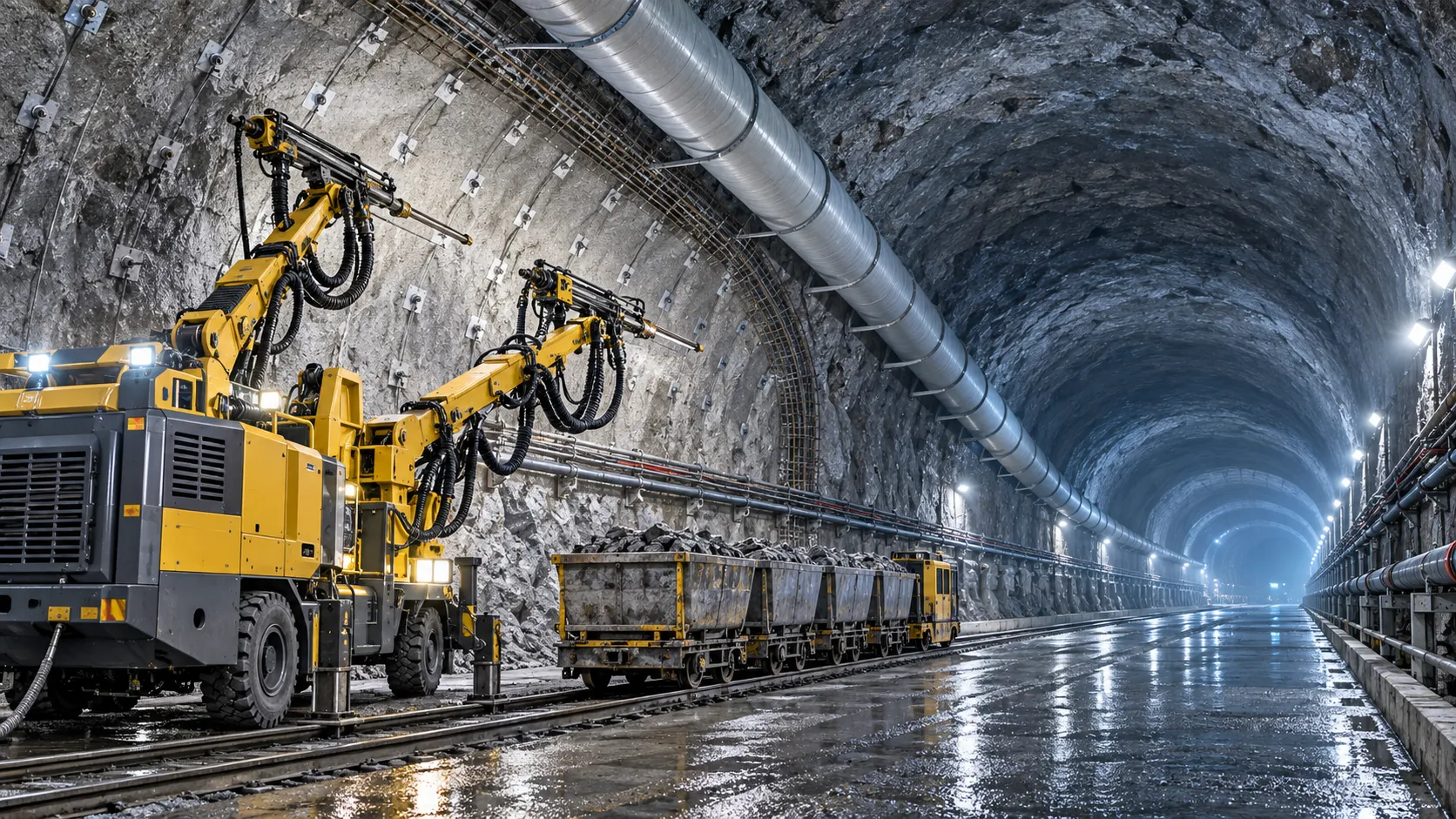
How to Evaluate European Drill-and-Blast Tunnelling Contractors for Complex Projects
Drill and blast tunnelling contractors Europe: learn how to assess geology expertise, blast control, equipment reliability, safety, and programme resilience for complex projects.
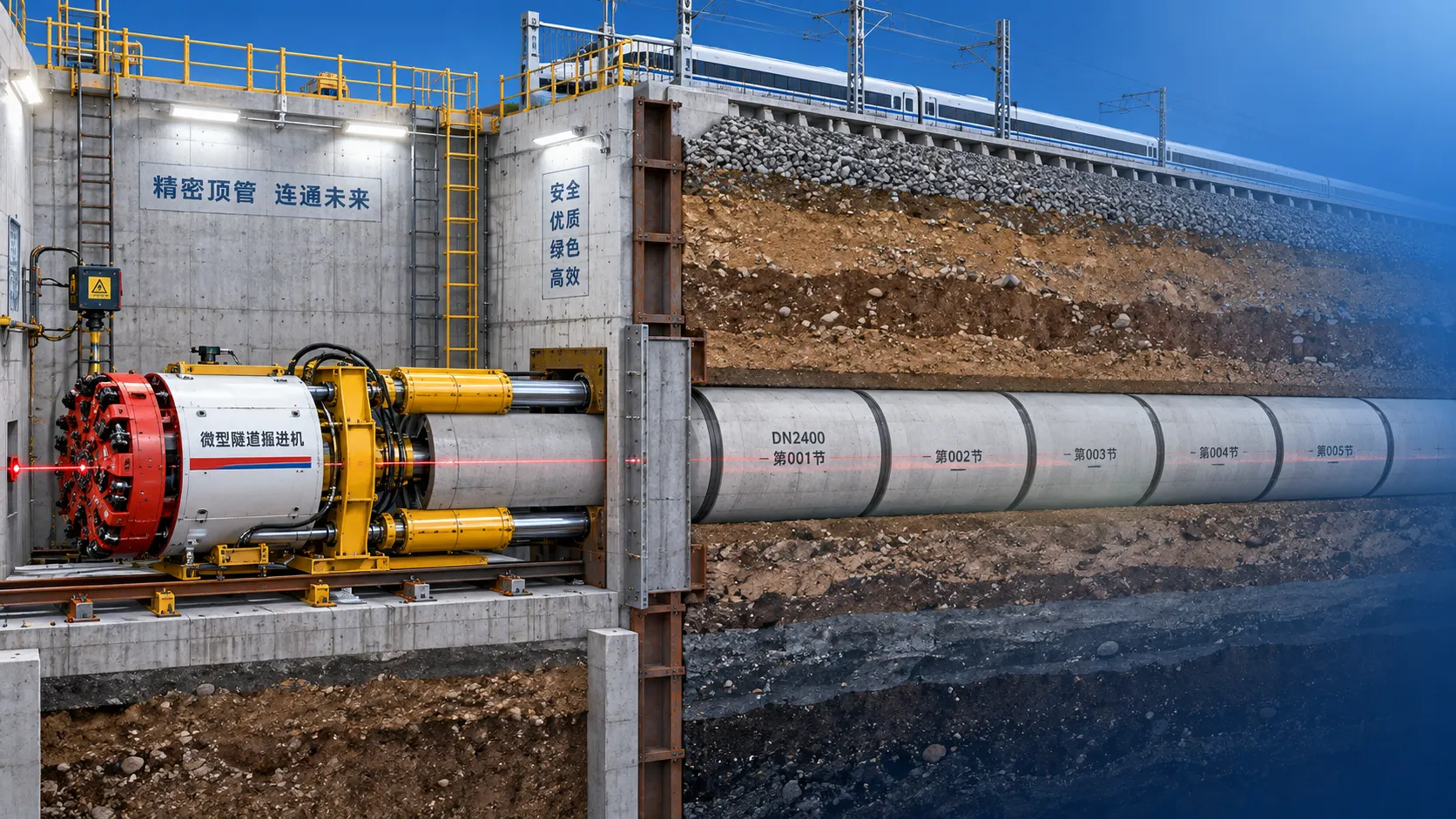
Which Trenchless Construction Technique Fits Your Utility Crossing Conditions?
Trenchless construction techniques compared for utility crossings: choose HDD, microtunnelling, pipe jacking, or auger boring based on ground, accuracy, access, and risk.
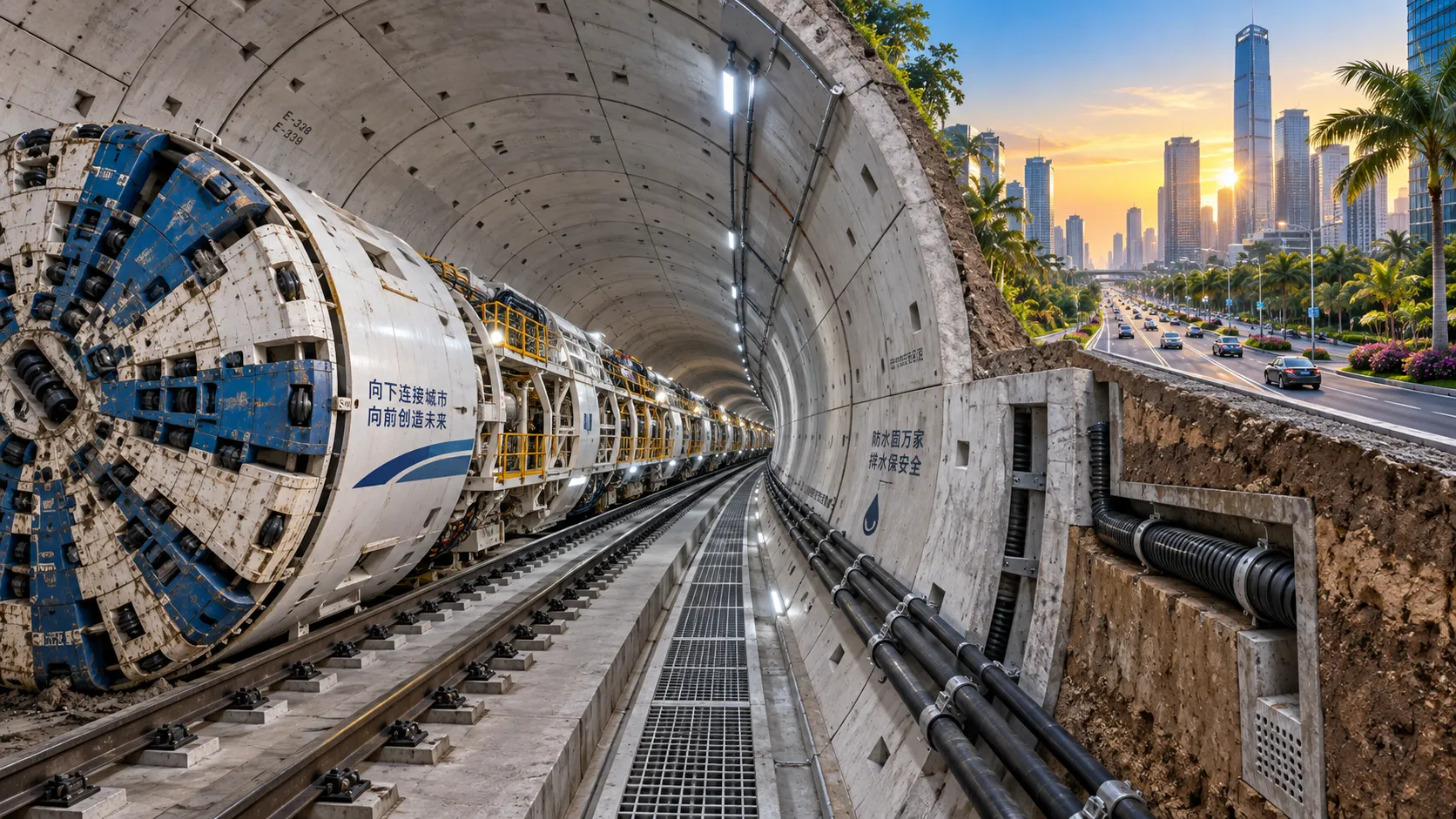
What Is Driving Metro Tunnelling Demand Across Southeast Asia’s Major Cities?
Metro tunnelling Southeast Asia is accelerating as major cities tackle congestion, flooding, and connectivity. Explore the market forces, technical risks, and opportunities shaping demand.
Hard Rock Tunnelling in Australia: Selecting Methods for Variable Ground Conditions
Hard rock tunnelling in Australia: compare TBM, drill-and-blast and hybrid methods to manage variable ground, reduce risk and protect project costs.
Hydropower Tunnel Excavation: Selecting Methods for Variable Rock Conditions
Hydropower tunnel excavation methods for variable rock conditions: compare TBM, drill-and-blast, and hybrid strategies to improve safety, progress, and project control.
How to Select Underground Safety Equipment for Tunnelling by Hazard and Work Zone
Underground Safety Equipment for tunnelling: match protection to hazards, work zones, compliance, and emergency needs with this practical selection guide.
EPB or Slurry Shield? Selecting Soft-Ground Tunnelling Equipment by Soil Conditions
Tunnel Excavation Equipment for soft ground: compare EPB and slurry shields by soil, groundwater, settlement risk, and project logistics to choose confidently.
How to Specify TBM Backup System Parts for Reliable Long-Distance Tunnelling
TBM backup system parts: learn how to specify reliable spares for long-distance tunnelling, reduce downtime, ensure compatibility, and speed underground recovery.
How to Size Open Pit Mining Trucks for Haul Distance, Grade, and Payload?
Open Pit Mining Trucks: learn how to match payload, haul distance, grade, road resistance, and loading capacity for safer, lower-cost mine operations.
Related News
- 00
0000-00
How to Evaluate European Drill-and-Blast Tunnelling Contractors for Complex Projects - 00
0000-00
Which Trenchless Construction Technique Fits Your Utility Crossing Conditions? - 00
0000-00
What Is Driving Metro Tunnelling Demand Across Southeast Asia’s Major Cities? - 00
0000-00
Hard Rock Tunnelling in Australia: Selecting Methods for Variable Ground Conditions - 00
0000-00
Hydropower Tunnel Excavation: Selecting Methods for Variable Rock Conditions
Weekly Insights
Stay ahead with our curated technology reports delivered every Monday.