
When a Hard Rock TBM beats drill and blast on cost





For business evaluators comparing excavation methods, the key question is not speed alone but total project economics. A Hard Rock TBM can beat drill and blast on cost when geology, tunnel length, labor productivity, ventilation load, and schedule certainty work in its favor.
In underground infrastructure and mining, method selection affects capital intensity, operating cost, risk exposure, and delivery confidence. This article explains where a Hard Rock TBM creates stronger financial value, where drill and blast remains competitive, and how to test the crossover point.
When project conditions favor a Hard Rock TBM on cost
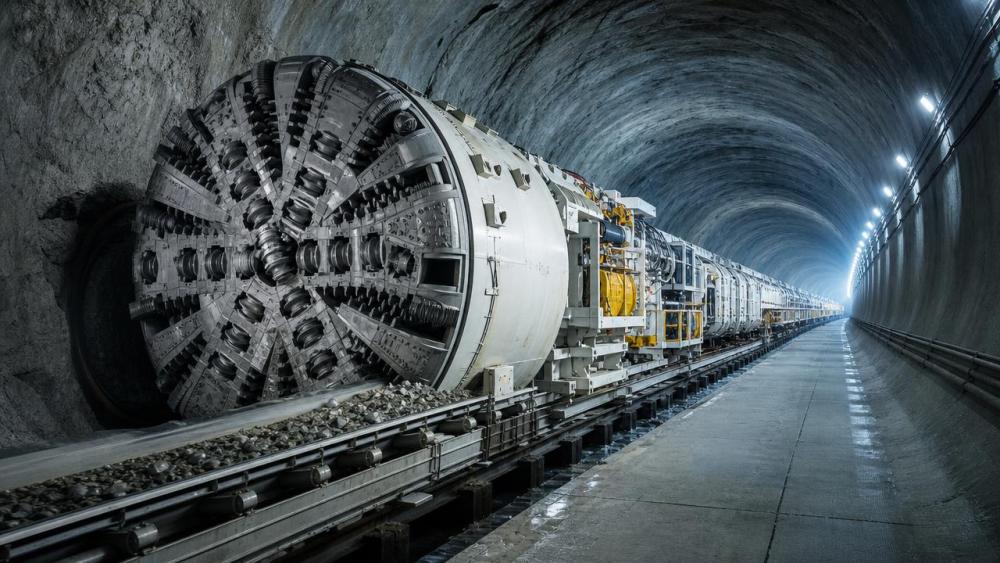
A Hard Rock TBM usually wins when fixed equipment investment is spread across enough meters. The longer the tunnel, the more efficiently the machine amortizes procurement, assembly, launch, and backup system costs.
Cost leadership also improves where rock conditions are consistent. Stable hard rock reduces stoppages, cutter interventions, support changes, and rework that can erode mechanized tunnelling economics.
Another advantage appears when labor availability is tight. A Hard Rock TBM can reduce repetitive drilling, charging, blasting, mucking coordination, and shift-based face interruptions.
Ventilation and environmental control matter too. Continuous mechanical excavation often lowers dust peaks, blast fumes, and re-entry delays, especially in long headings or deep underground settings.
Core cost signals that support mechanized excavation
- Tunnel length is sufficient to absorb TBM mobilization and setup cost.
- Rock mass is hard yet reasonably predictable over long stretches.
- High daily advance has strong schedule value.
- Ventilation, explosives handling, or blast clearance is expensive.
- Community, safety, or ESG requirements penalize blasting impacts.
Which underground scenarios make drill and blast less economical
Drill and blast remains flexible, especially in shorter tunnels, variable sections, and complex junctions. However, its cycle-based production model can become expensive in specific operating environments.
Long, straight tunnels are the clearest example. In these cases, repetitive blasting cycles create lost hours between drilling, charging, evacuation, blasting, fume clearance, scaling, and support installation.
Deep tunnels with difficult ventilation are another pressure point. If air handling, power distribution, and blast gas clearance consume time and money, a Hard Rock TBM can close the cost gap quickly.
Urban or environmentally sensitive corridors may also shift economics. Restrictions on vibration, noise windows, and explosives logistics can make drill and blast slower and more compliance-heavy.
Typical scenarios where Hard Rock TBM gains ground
Hydropower headrace tunnels often favor a Hard Rock TBM because alignment is long, section is repetitive, and schedule certainty has direct revenue implications for plant commissioning.
Rail and metro base tunnels can benefit when overbreak control, smooth tunnel profile, and predictable progress reduce downstream lining, drainage, and operational maintenance costs.
Mining access drifts or haulage tunnels may justify a Hard Rock TBM when orebody development depends on opening transport capacity quickly and safely over substantial distance.
How different scenarios change the Hard Rock TBM cost equation
The decision is never based on one number. A Hard Rock TBM should be tested across geology, alignment, utilities, labor structure, and commercial penalties for delay.
How to assess cost crossover in real planning scenarios
A reliable comparison should use total installed cost, not just excavation rate. The true crossover between a Hard Rock TBM and drill and blast often appears in indirect costs.
Include these cost buckets
- Capital equipment, spare parts, transport, assembly, and launch site preparation.
- Cutter consumption, wear parts, maintenance labor, and downtime exposure.
- Explosives, drilling consumables, blast accessories, and re-entry delays.
- Ventilation power, dust suppression, gas clearance, and environmental controls.
- Ground support, overbreak treatment, profile correction, and lining implications.
- Program risk, claims exposure, and cost of late commissioning.
For many long tunnels, overbreak becomes a hidden differentiator. A Hard Rock TBM can produce a more consistent profile, reducing extra mucking, shotcrete volume, and finishing work.
Energy cost should also be modeled carefully. Although a Hard Rock TBM requires major installed power, drill and blast may accumulate higher total energy demand through ventilation and fragmented cycle inefficiencies.
Practical scenario-based recommendations for method selection
The best evaluation method is a scenario matrix. Instead of asking which technology is better generally, define where each method fits the physical and commercial environment.
- Choose a Hard Rock TBM for long, repetitive tunnels with consistent hard rock.
- Favor a Hard Rock TBM where ventilation, blast restrictions, or labor intensity are major cost drivers.
- Test a Hard Rock TBM strongly when schedule certainty has contractual or revenue value.
- Retain drill and blast for short sections, mixed geometry, adits, chambers, and uncertain geology.
- Consider hybrid strategies where TBM handles the main drive and drill and blast covers special structures.
This balanced approach is common across complex underground portfolios. It aligns with how UTMD tracks equipment strategy, risk transfer, and digital performance benchmarking in global tunnelling and mining projects.
Common decision mistakes that distort Hard Rock TBM economics
One frequent mistake is comparing unit excavation cost only. A Hard Rock TBM may look expensive per machine hour but cheaper per delivered tunnel when downstream savings are counted.
Another mistake is underestimating geological uncertainty. If fault zones, water inflows, or abrasive bands are ignored, a Hard Rock TBM business case can become too optimistic.
Some evaluations ignore logistics. Cutter supply, segment handling, muck removal, power reliability, and workshop support all influence whether the Hard Rock TBM reaches planned utilization.
It is also risky to overlook commercial structure. Incentives for early completion, penalties for delay, and community operating restrictions can change the cost winner more than raw excavation speed.
Next-step framework for deciding if a Hard Rock TBM will beat drill and blast
Start with three cases: base, upside, and downside. For each case, model geology, utilization, cutter life, advance rate, support demand, and ventilation burden.
Then compare full project outcomes, not isolated activities. Include opening date value, risk contingency, safety exposure, and environmental compliance cost.
If the project has long alignment, stable hard rock, high indirect costs, and strong schedule pressure, a Hard Rock TBM often emerges as the lower-cost option overall.
Where conditions are shorter, more variable, or geometrically complex, drill and blast may remain the better economic fit. The winning method is the one matched to scenario reality, not industry habit.
For organizations following underground equipment strategy, UTMD provides ongoing intelligence on Hard Rock TBM deployment, excavation economics, automation trends, and the operational limits shaping future tunnel and mining decisions.
Related News
How to Evaluate Articulated Dump Trucks Payload for Haul Road Conditions and Cycle Efficiency
Articulated Dump Trucks payload evaluation starts with real haul road conditions, not brochure numbers. Learn how to balance payload, traction, grades, and cycle efficiency for safer, higher output.
How Pipe Fittings Material and Pressure Class Affect Water Line Selection
Pipe fittings selection starts with material and pressure class. Learn how these factors affect water line reliability, corrosion resistance, installation, and long-term cost.
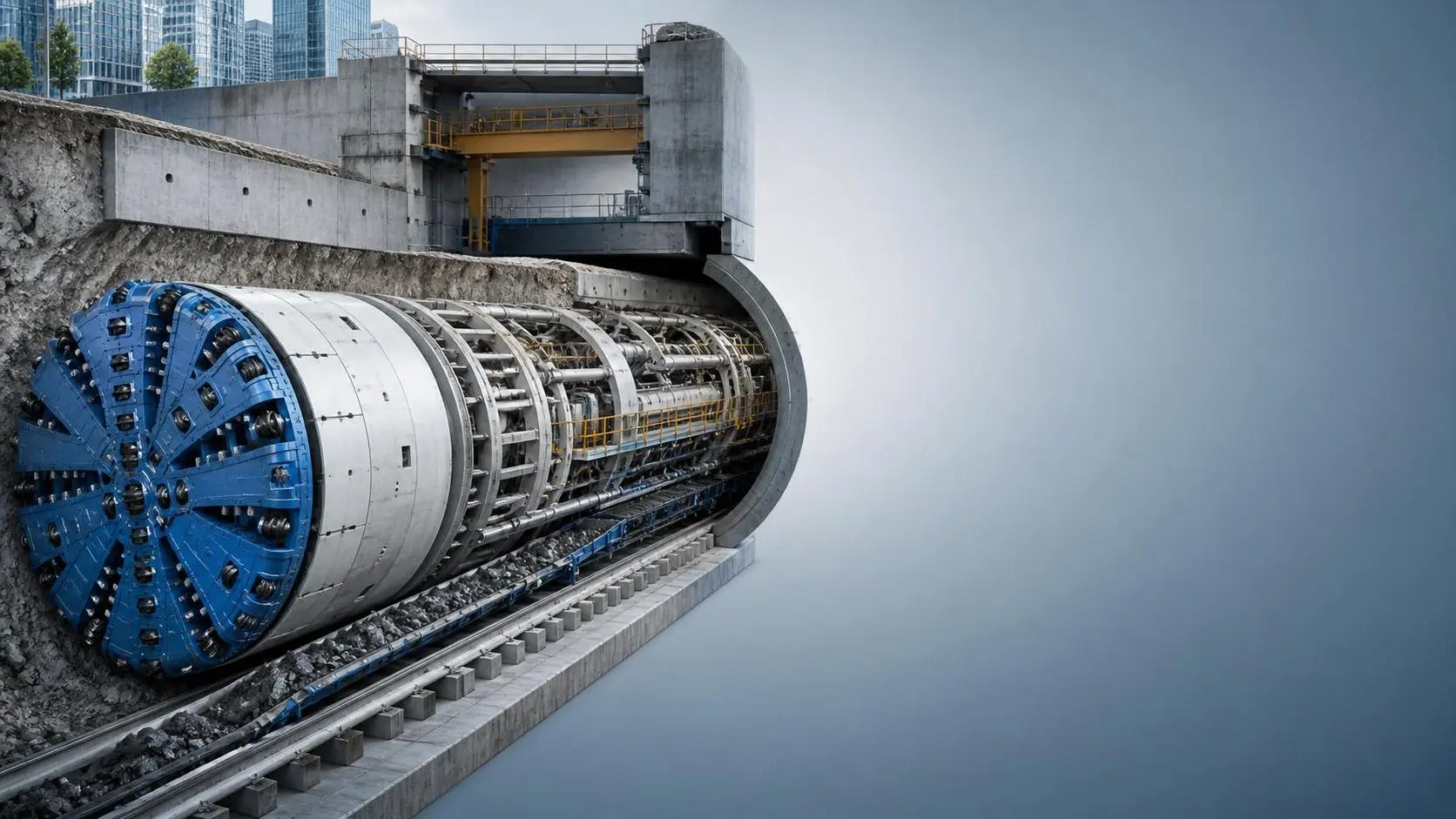
What Drives TBM Excavation Cost in Urban Tunneling Projects?
tbm excavation cost in urban tunneling depends on geology, shafts, segment lining, logistics, and risk. Discover the key cost drivers and compare bids with greater confidence.
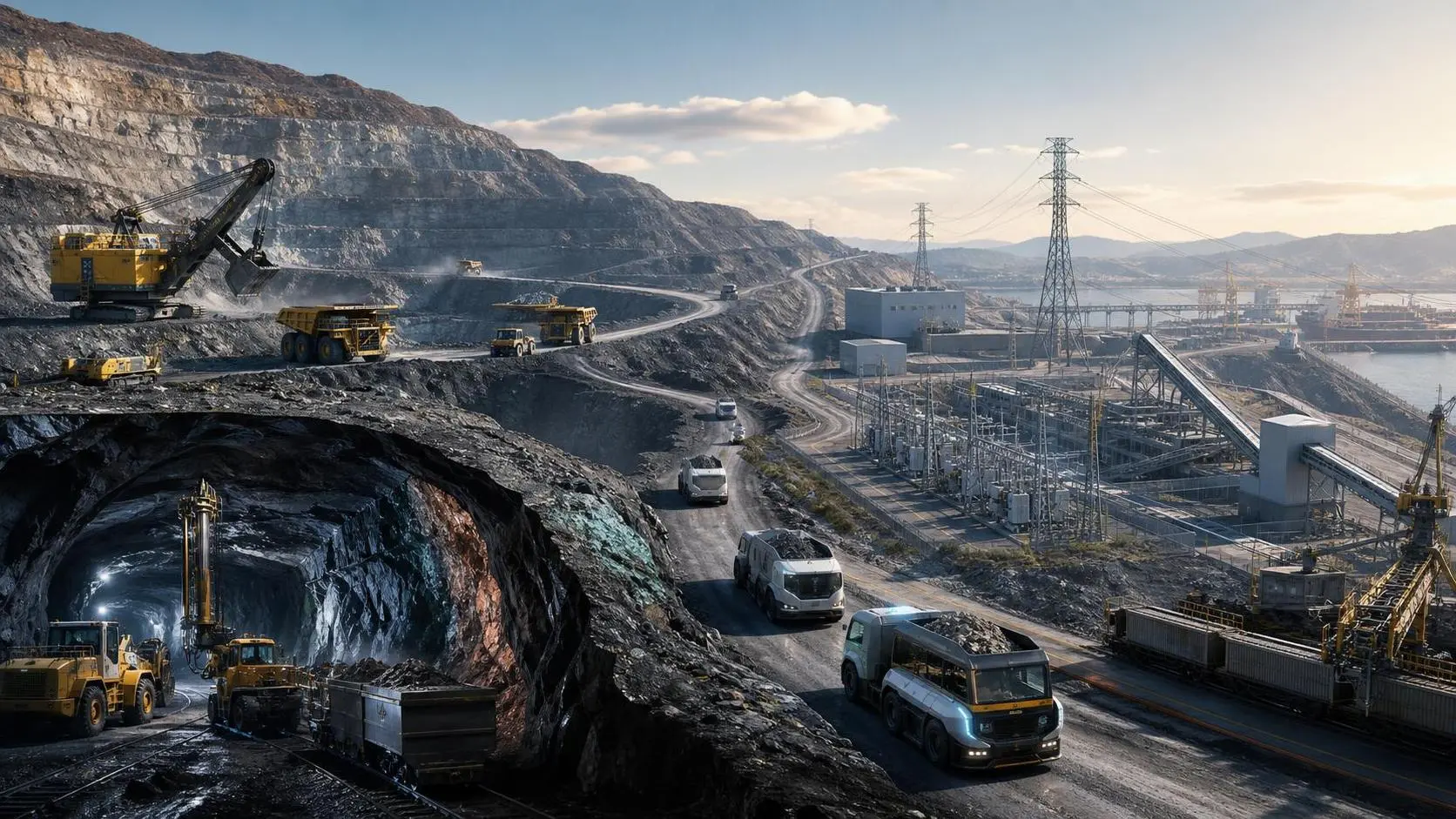
What Does Energy Metals Mining in Australia Mean for Supply, Cost, and Project Risk?
Energy metals mining Australia is reshaping supply, cost, and project risk. Discover what it means for buyers, investors, and operators.
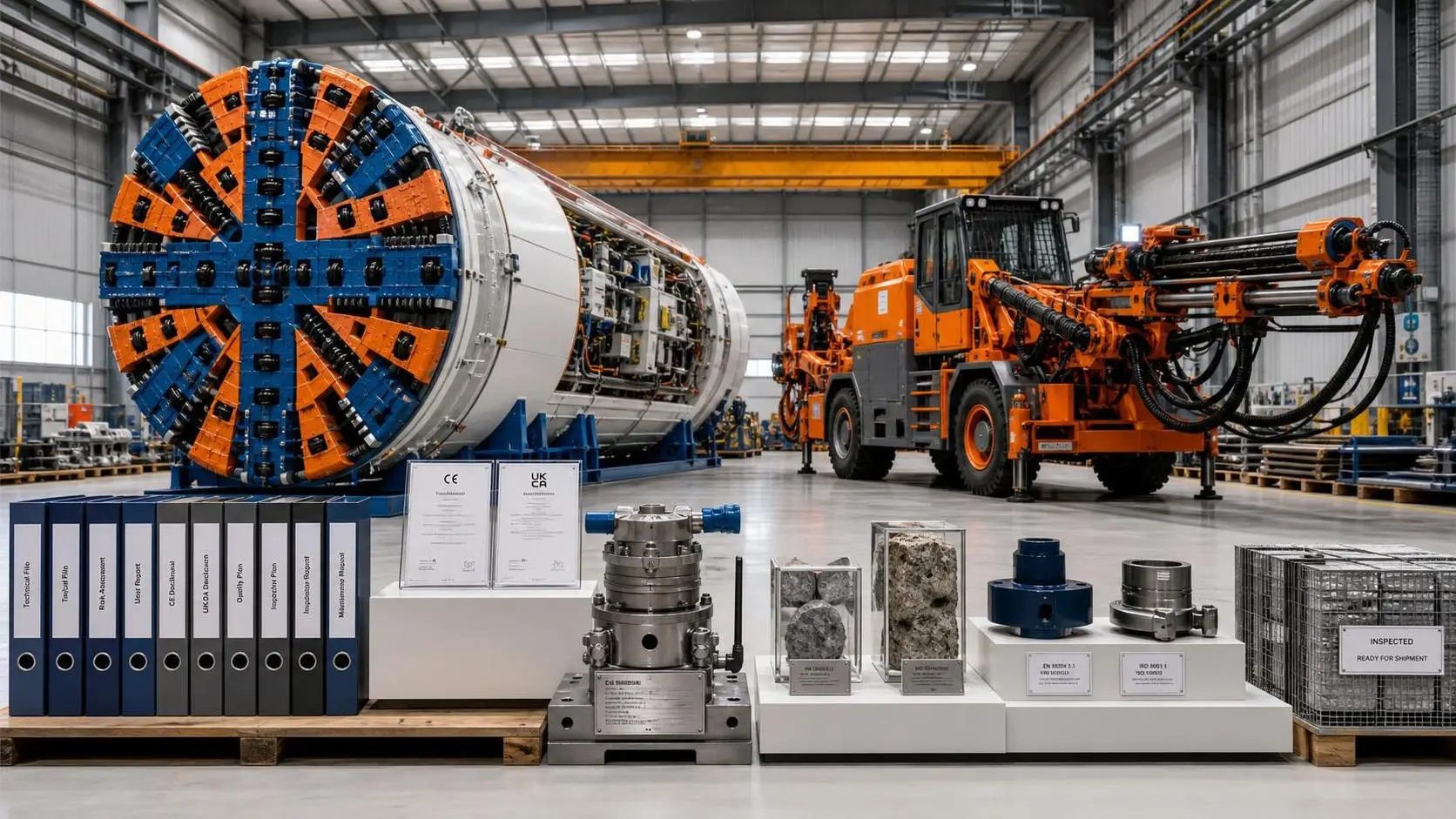
EU Eases Dual CE and UKCA Path for Chinese Tunnel Boring Equipment
EU eases CE and UKCA certification for Chinese tunnel boring equipment, cutting compliance time and helping importers move faster.
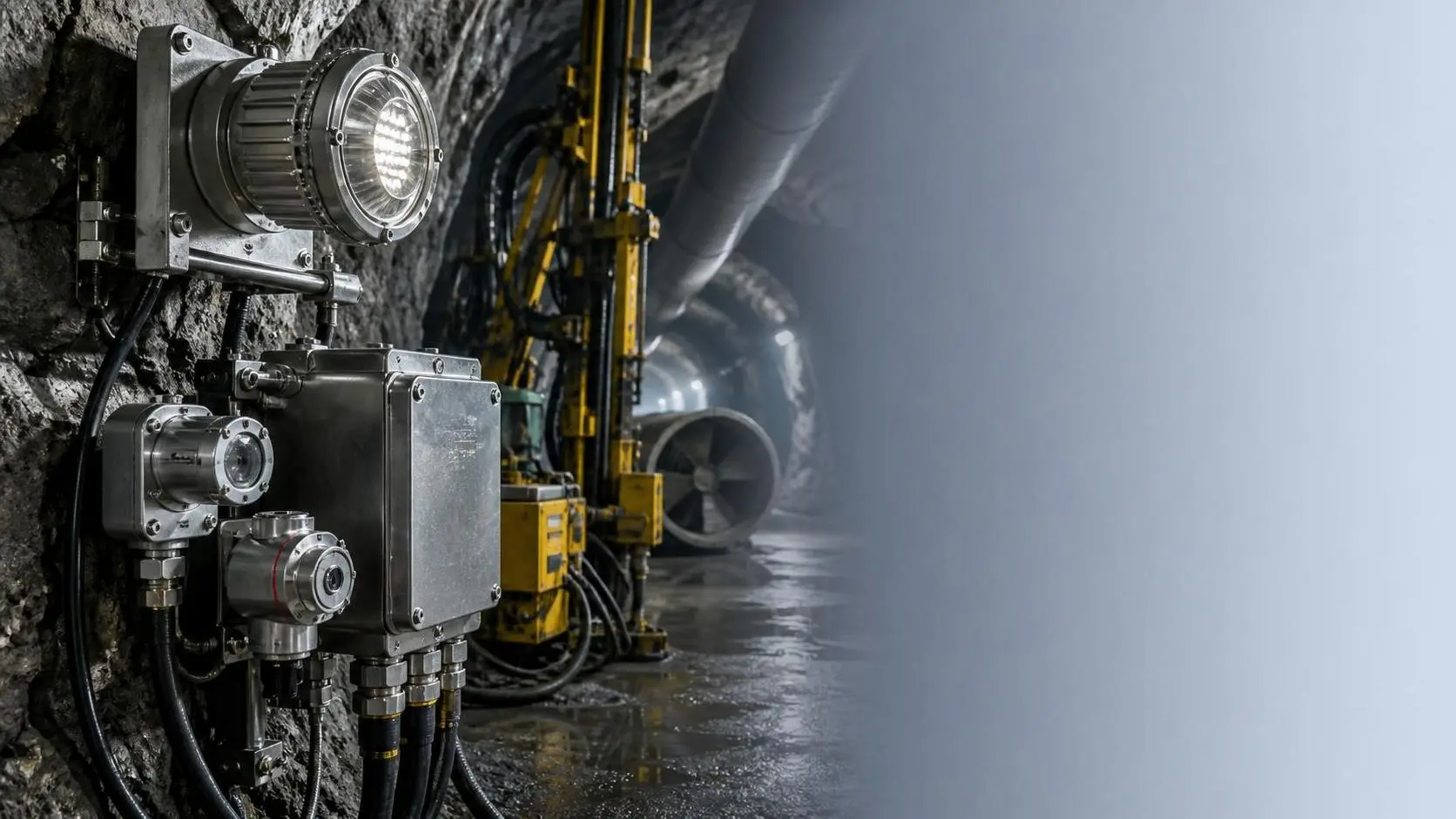
Flameproof Underground Safety Equipment: What Mine Teams Should Check Before Buying
Underground Safety Equipment flameproof buying guide: learn how mine teams should verify certification, durability, serviceability, and supplier support before purchase.
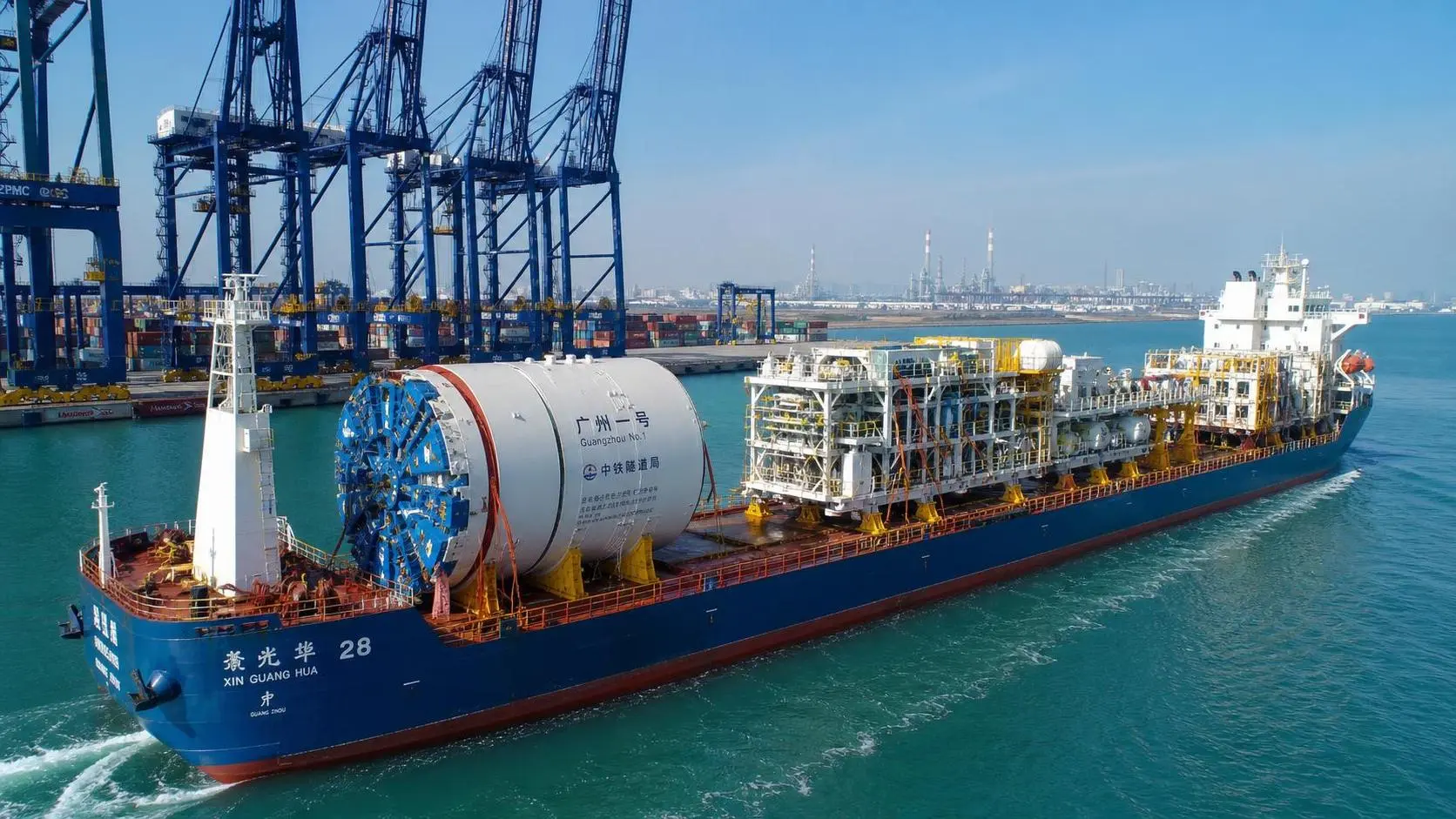
China-UAE Direct Sea Route Cuts TBM and Large Tunneling Equipment Lead Times
China-UAE direct sea route shortens TBM and large tunneling equipment lead times by 12–15 days, improving delivery predictability for major infrastructure projects. Read the full impact.
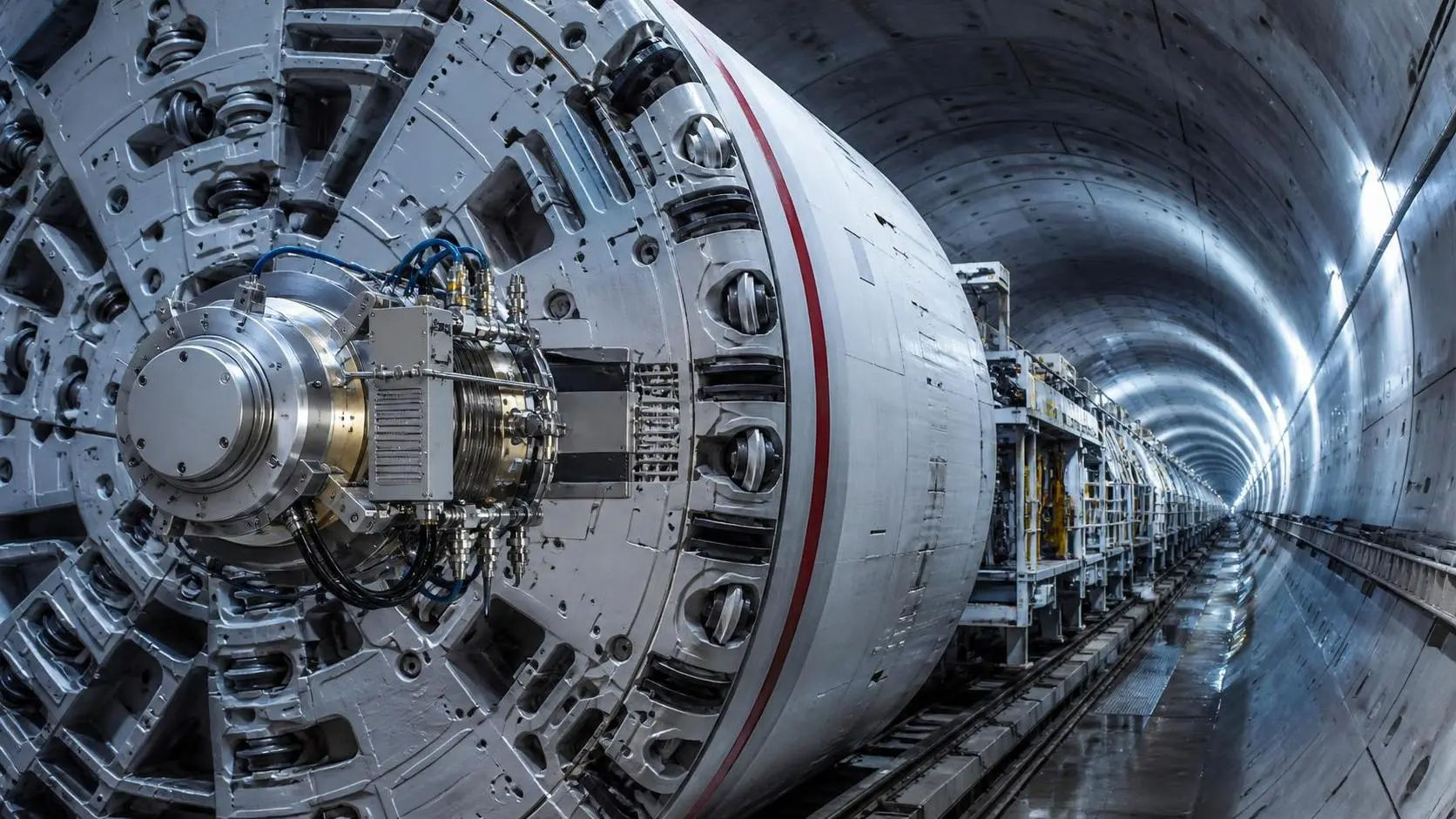
What Is a TBM Guidance System Gyroscope, and Why Does It Matter Underground?
TBM Guidance Systems gyroscope improves underground accuracy, reduces drift, and helps tunnel boring machines stay on line in harsh conditions.
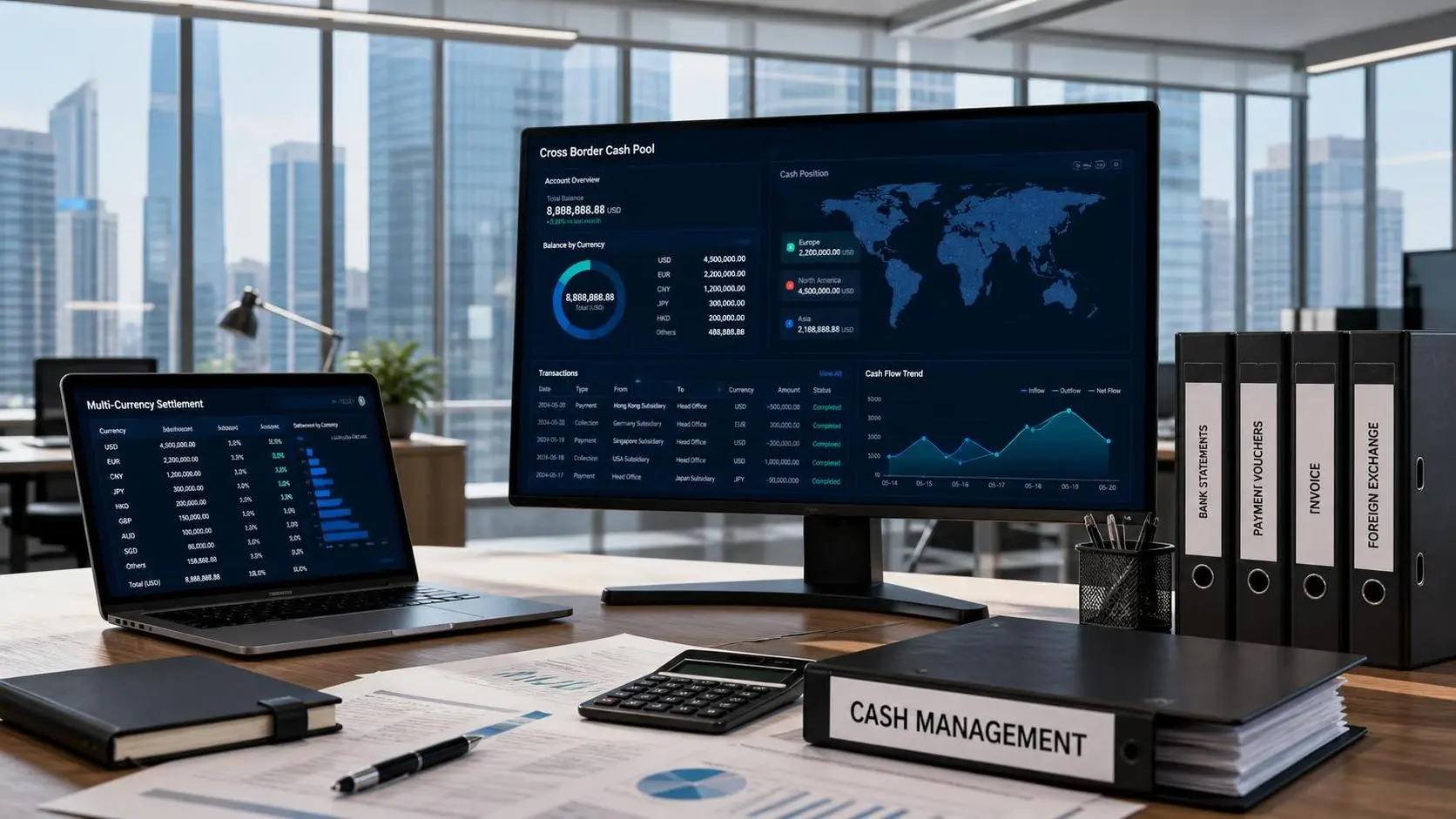
China to Roll Out Nationwide Local and Foreign Currency Cash Pools for Multinationals on Sept. 14
China will roll out nationwide local and foreign currency cash pools for multinationals on Sept. 14, streamlining cross-border treasury management and boosting liquidity efficiency.
Related News
- 00
0000-00
How to Evaluate Articulated Dump Trucks Payload for Haul Road Conditions and Cycle Efficiency - 00
0000-00
How Pipe Fittings Material and Pressure Class Affect Water Line Selection - 00
0000-00
What Drives TBM Excavation Cost in Urban Tunneling Projects? - 00
0000-00
What Does Energy Metals Mining in Australia Mean for Supply, Cost, and Project Risk? - 00
0000-00
EU Eases Dual CE and UKCA Path for Chinese Tunnel Boring Equipment
Weekly Insights
Stay ahead with our curated technology reports delivered every Monday.