
EU Rule to Require Carbon Footprint Reports for Underground Machinery





On July 1, 2026, the European Commission will start a mandatory pilot under its Guidelines for Carbon Footprint Accounting of Underground Engineering Machinery, requiring imported TBMs, pipe jacking equipment, Battery LHDs, and EV mining trucks entering the EU to carry an ISO 14067-certified life-cycle carbon footprint report. For equipment exporters, certification teams, cross-border logistics providers, and project delivery managers, this is not just a documentation update; it directly affects customs clearance conditions, possible extra charges, and delivery timing for shipments bound for the EU market.
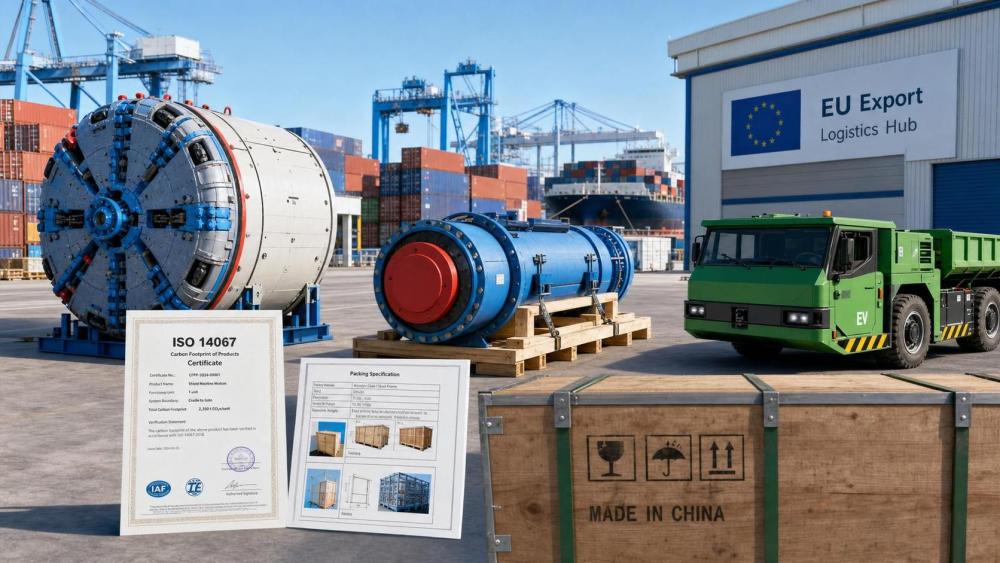
What the new requirement formally covers
The confirmed facts are clear. The European Commission has officially issued a mandatory pilot scheme tied to the Guidelines for Carbon Footprint Accounting of Underground Engineering Machinery. From July 1, 2026, all covered products imported into the EU, including TBMs, pipe jacking equipment, Battery LHDs, and EV mining trucks, must provide a full life-cycle carbon footprint report certified under ISO 14067. Products that do not comply may face customs restrictions or a carbon adjustment surcharge. The information provided also makes clear that this requirement directly affects the export certification route and delivery cycle of Chinese manufacturers.
Where the pressure is likely to appear first
Export-facing equipment makers will face a documentation and timing issue
From an industry perspective, manufacturers selling underground engineering or mining equipment into the EU are the first group likely to feel the impact. The immediate pressure is tied to export certification, product documentation, and shipment readiness. What deserves closer attention is whether the required carbon footprint report can be prepared and certified in time to match commercial delivery schedules.
Trade and customs functions may need tighter pre-shipment coordination
Direct trade companies and teams responsible for customs preparation may be affected because non-compliant products could be restricted at clearance or exposed to an added charge. The practical impact is concentrated in pre-export file preparation, document review, and coordination between seller, buyer, and customs-related service providers.
Supply chain and delivery teams may see longer execution windows
Observably, supply chain service providers and delivery managers may need to account for additional lead time where EU-bound equipment is involved. The reason is not a confirmed logistics disruption in itself, but the fact that certification requirements can alter the sequence of export readiness, document submission, and final shipment release.
EU buyers and project operators may pay closer attention to compliance readiness
Purchasers and end users in the EU market may also be affected because equipment eligibility now has a clearer compliance condition attached to import. The main business concern for these parties is whether suppliers can provide valid carbon footprint documentation without delaying procurement or project deployment.
What companies should watch in practice
Track how the official wording is applied in real transactions
Analysis shows that companies should distinguish between the published rule itself and how it is applied in actual clearance, contracting, and delivery processes. The most immediate point to monitor is whether implementation details create different handling expectations across product categories such as TBMs, pipe jacking equipment, Battery LHDs, and EV mining trucks.
Review document readiness for EU-bound orders
For manufacturers and exporters, a practical priority is to check whether current order workflows already include the materials needed for an ISO 14067-certified life-cycle carbon footprint report. This is especially relevant where projects are already scheduled against fixed shipment or installation milestones.
Recheck lead times in customer commitments
What deserves closer attention is the effect on promised delivery windows. Because the input information explicitly notes an impact on export certification paths and delivery cycles for Chinese manufacturers, companies should review whether contract timing, shipment planning, and client communication need earlier internal checkpoints.
Align supplier, certification, and customer communication
Observably, businesses should also focus on coordination across suppliers, compliance teams, and overseas customers. Even where the rule is clear in principle, the business risk often sits in incomplete files, inconsistent supporting materials, or mismatched expectations on when a shipment is considered fully compliant for EU entry.
Why this matters beyond a single filing requirement
Analysis shows that this development is more appropriate to understand as both a near-term operational change and a longer-term regulatory signal. In the short term, it creates a concrete compliance threshold for specific machinery entering the EU. In the longer term, it indicates that carbon-accounting documentation is becoming more closely tied to market access conditions in this equipment segment. At the same time, it should not yet be overstated beyond the facts provided here; further observation is still needed on how consistently the requirement is enforced in business practice.
How the market is likely to read it for now
The most grounded reading at this stage is that the rule has immediate relevance for exporters and EU-bound project deliveries, especially where covered machinery categories are involved. It should be treated neither as a routine paperwork change nor as a basis for broad conclusions beyond the stated scope. For the industry, the practical significance lies in compliance preparation, documentation quality, and delivery planning tied to the July 1, 2026 implementation point.
Basis of this article and follow-up points
This article is based on the user-provided news title, event date, and event summary. For this type of development, commonly relevant source categories may include official announcements, company disclosures, industry association updates, authoritative media reporting, and standard-setting organization documents. A specific official source link was not provided in the input, so it still requires ongoing verification. Follow-up attention should remain on any later official clarification, practical implementation details, and how the requirement is reflected in export certification and customs handling workflows.
Related News
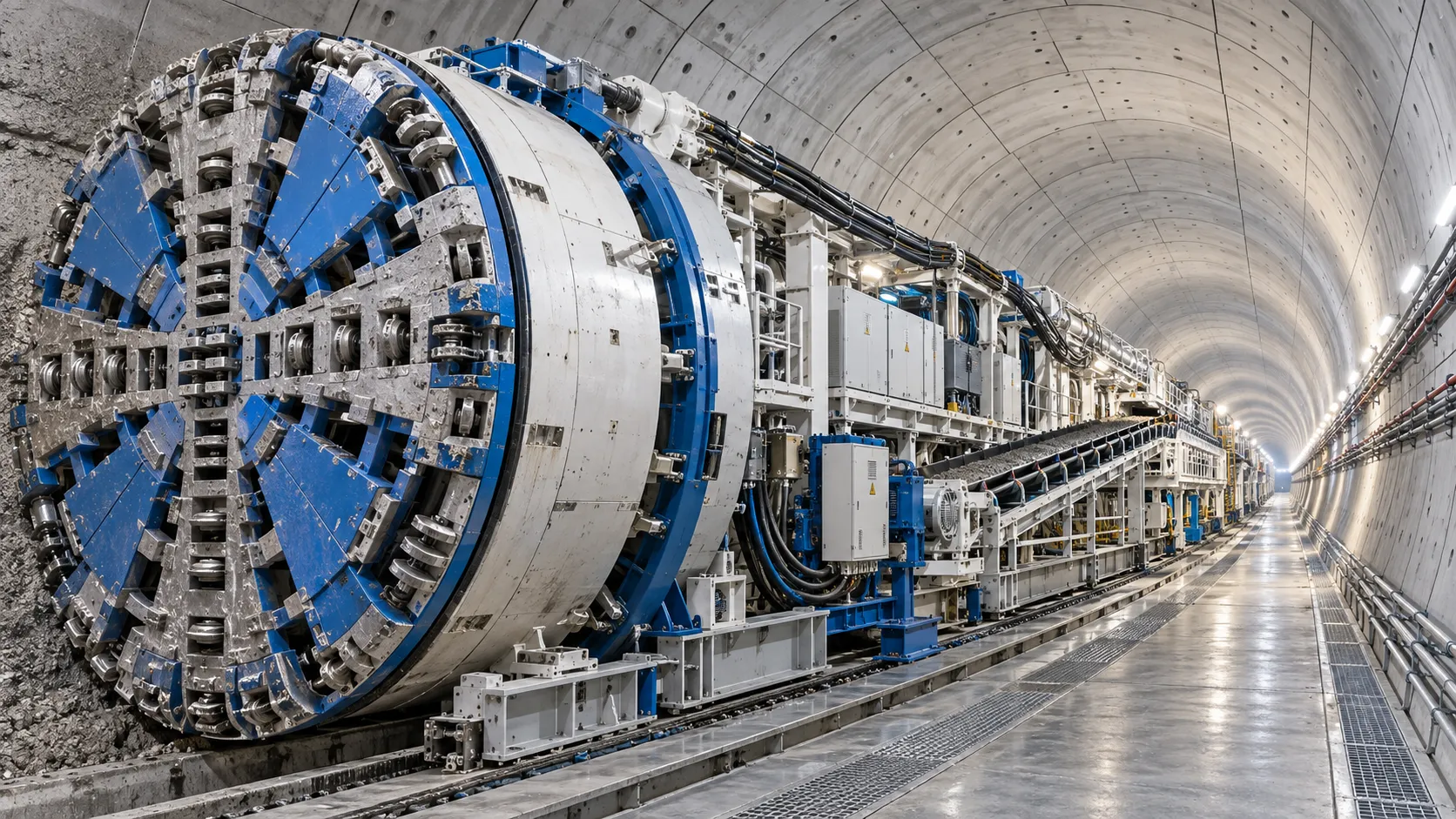
Tunnel Boring Machine Costs: Budgeting for Purchase, Operation, and Project Risk
Tunnel Boring Machines cost more than purchase price. Learn how to budget lifecycle costs, downtime, logistics, wear, and project risk for smarter TBM decisions.
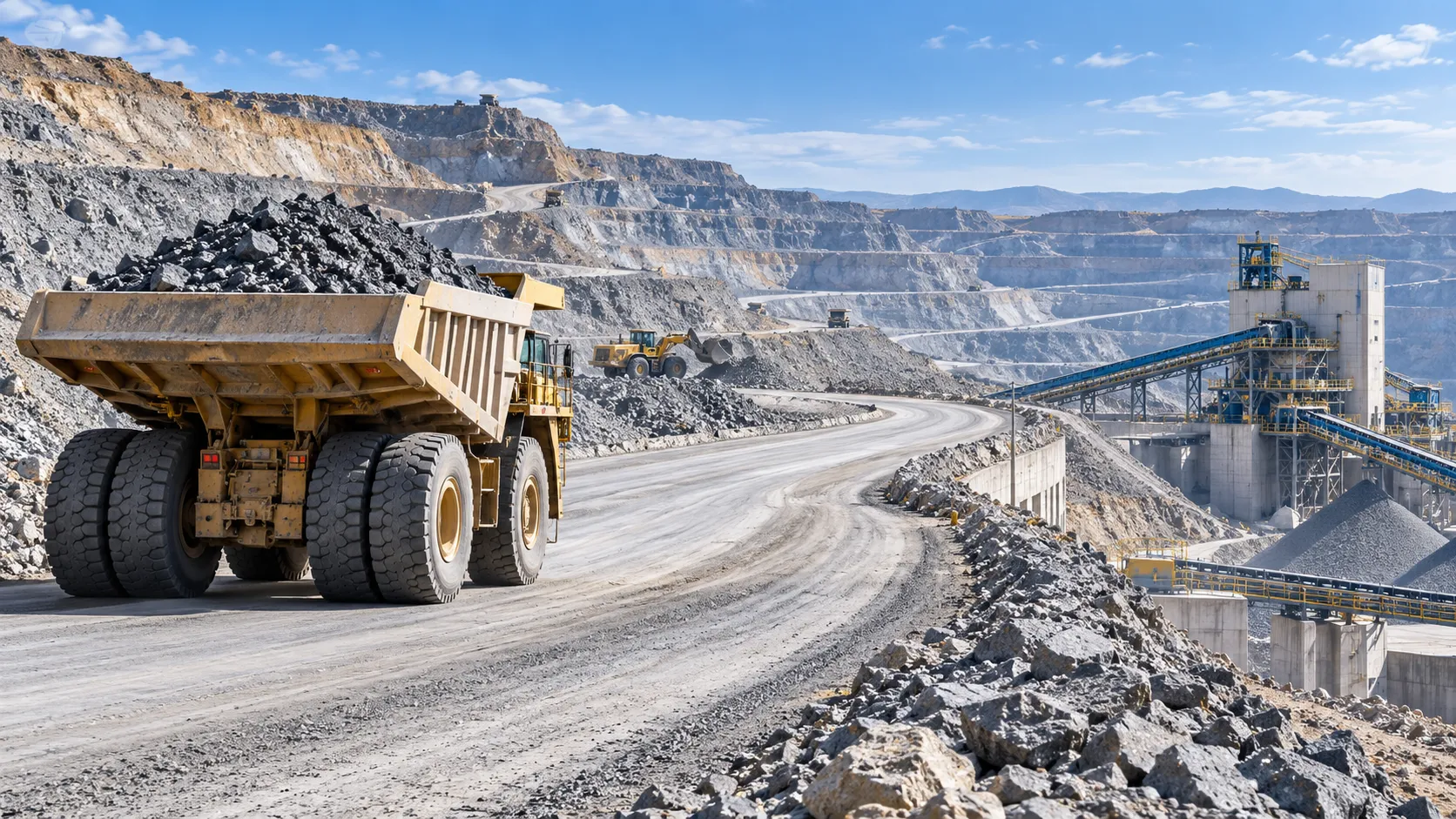
Open-Pit Haulage Cost Analysis: How Mine Managers Can Cut Cost per Tonne
Open pit haulage cost analysis: discover practical ways to reduce cost per tonne through payload control, cycle-time optimization, road performance, and smarter fleet decisions.
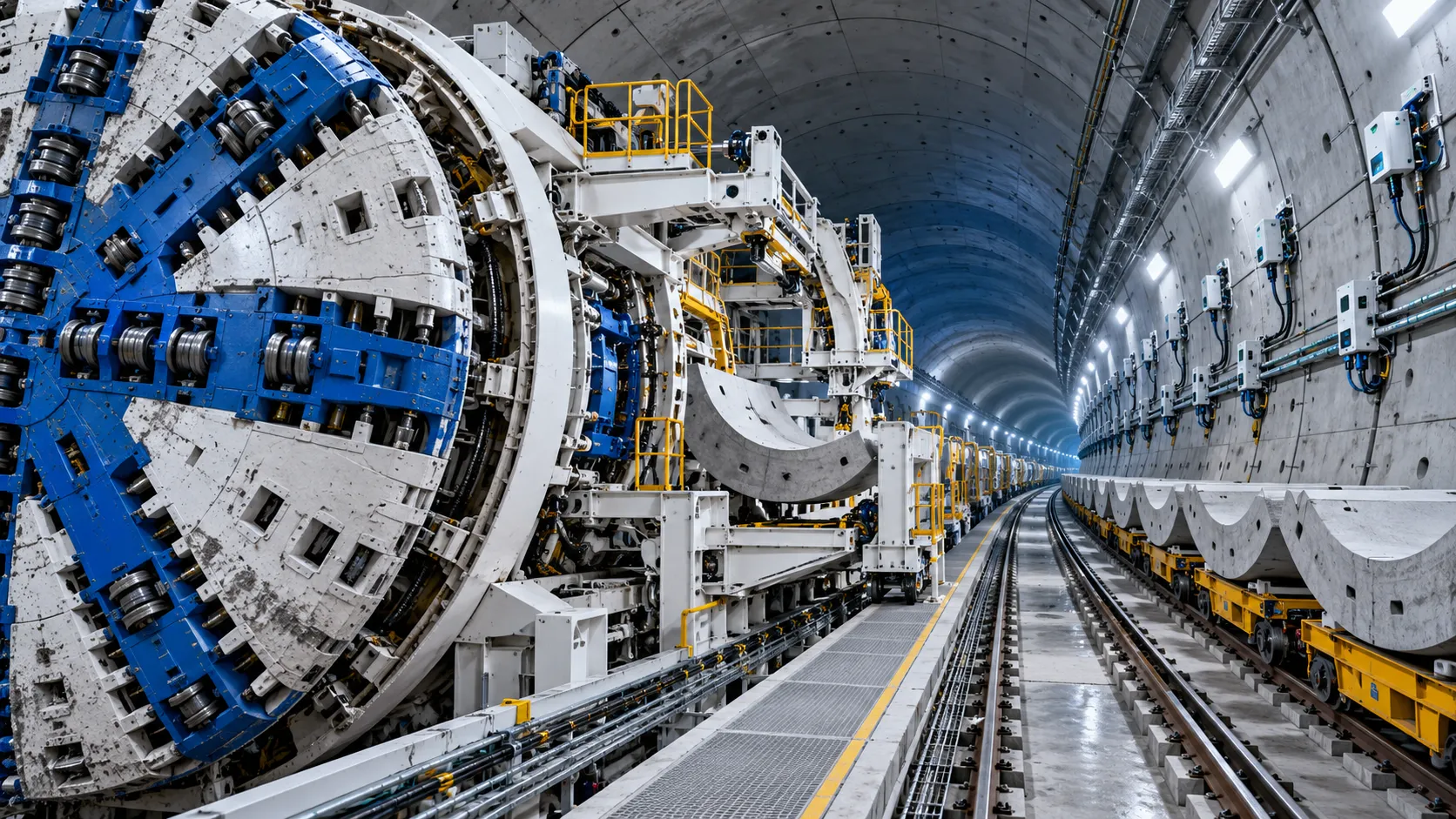
Tunnel Construction Innovations That Reduce Risk and Schedule Delays on Urban Projects
Tunnel construction innovation for urban projects: discover smarter TBMs, real-time monitoring, trenchless methods, and automation that reduce risk and protect schedules.
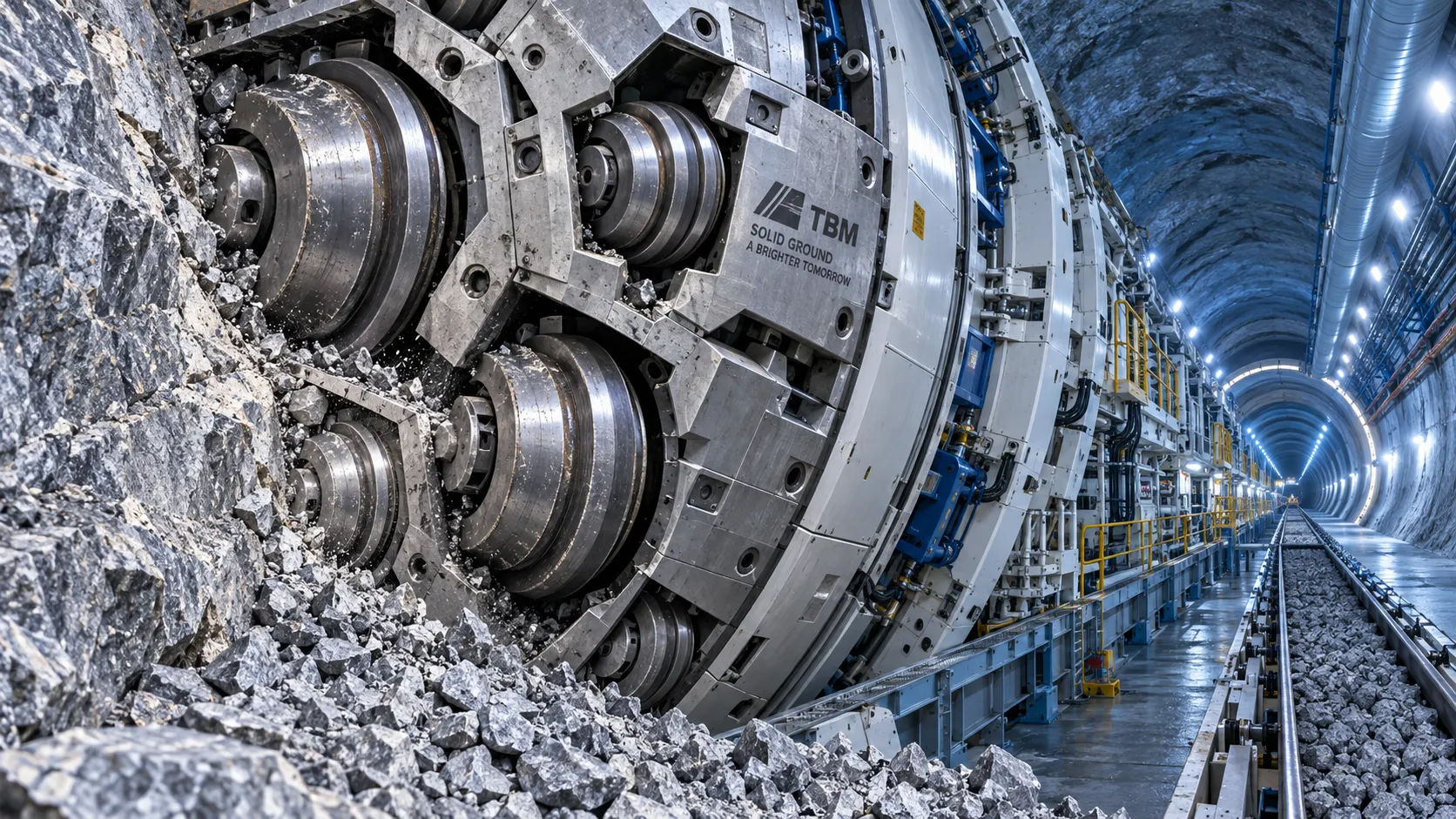
TBM Disc Cutter Design: Key Geometry and Load Factors for Hard Rock Tunnelling
TBM disc cutter design explained: explore geometry, spacing, load distribution and maintenance factors for reliable, efficient hard-rock tunnelling performance.
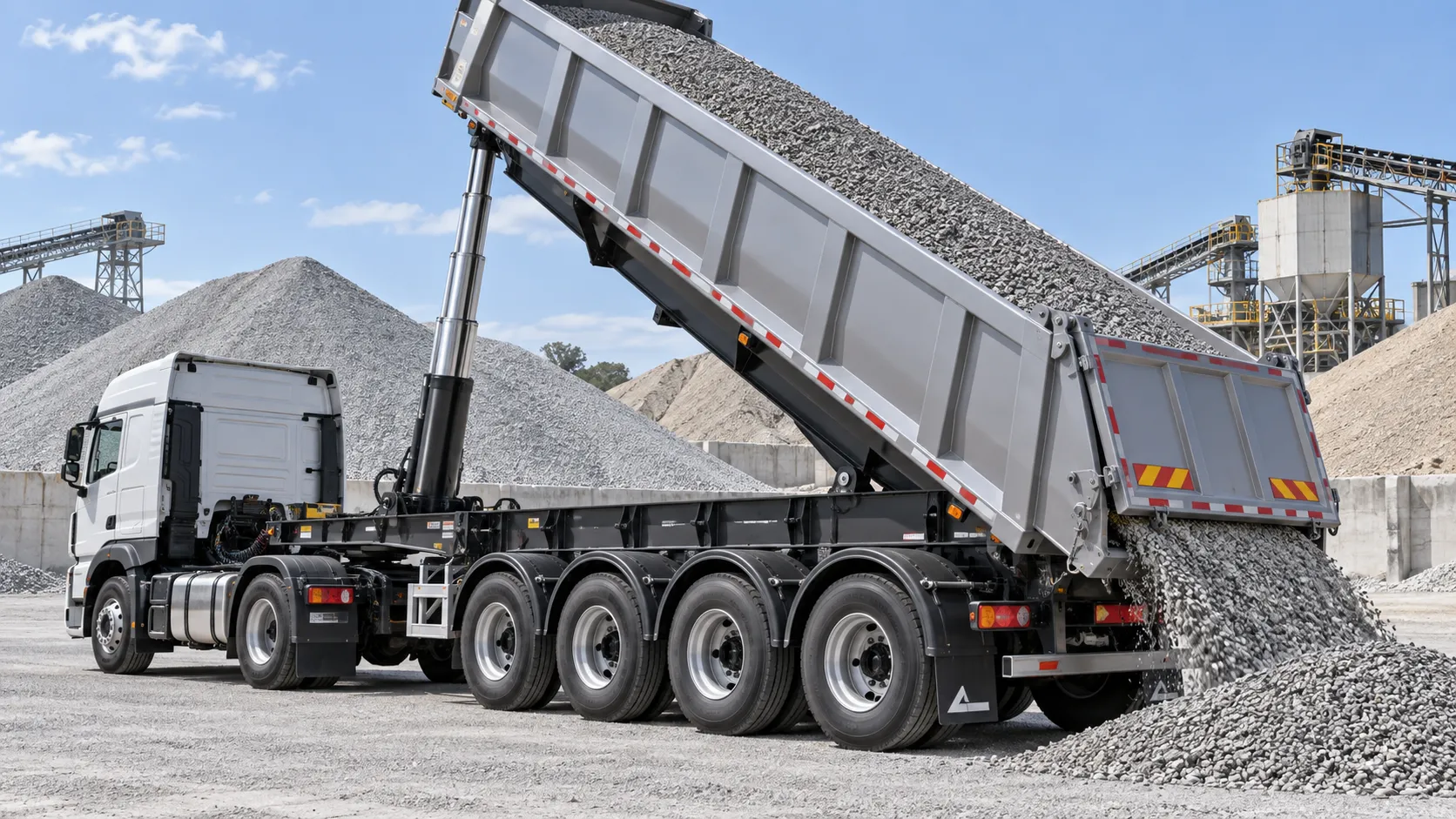
Hydraulic Tipping Stability Risks in Multi-Axle Dump Special Trailers
Dump special trailers: discover key hydraulic tipping stability risks, multi-axle load dynamics, and practical safety controls for safer, smarter bulk hauling.
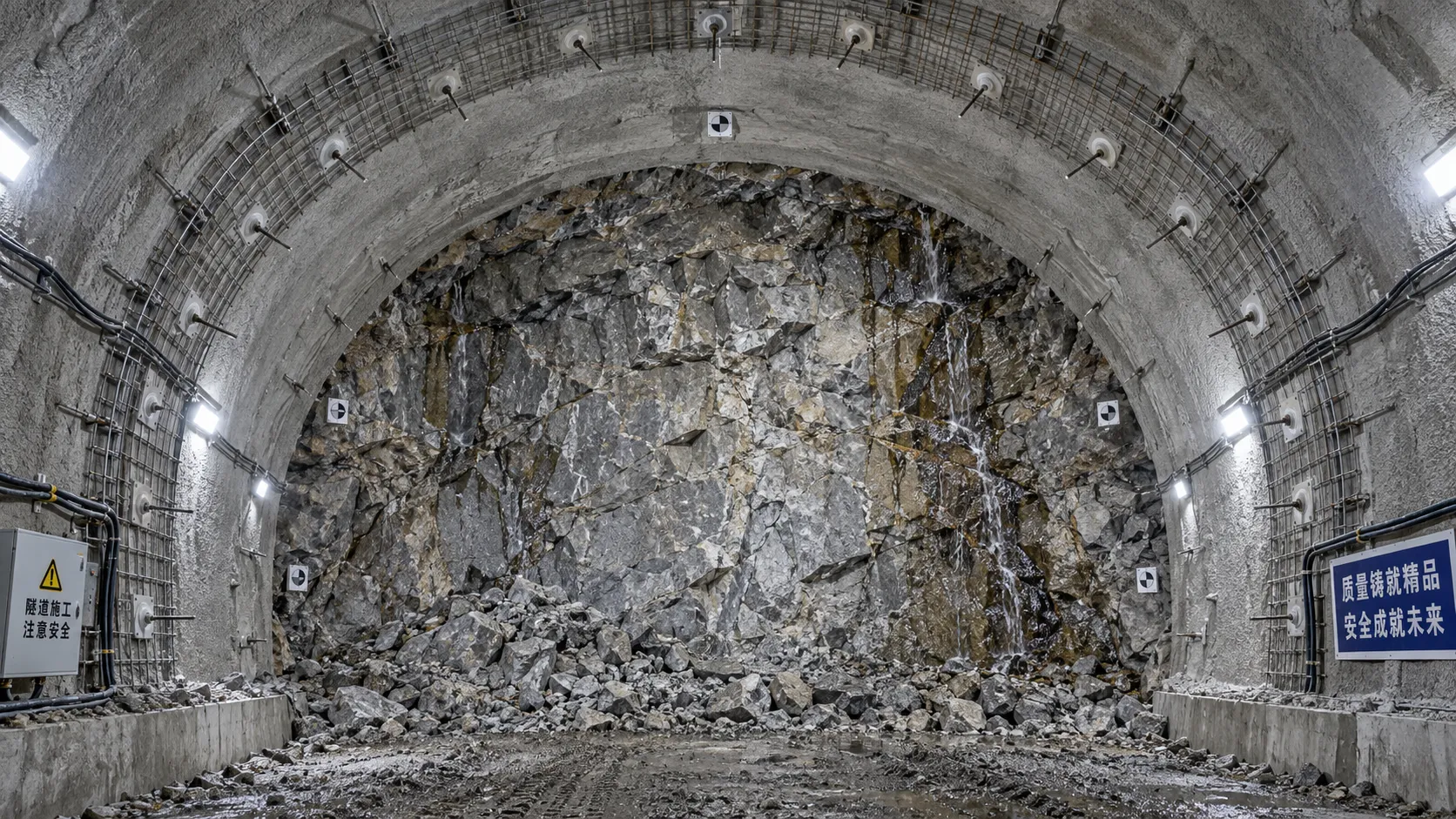
When rock reinforcement in tunnel construction must change after blasting
Rock reinforcement in tunnel construction must change when blasting reveals overbreak, weak joints, water inflow, or deformation. Discover key post-blast support decisions.
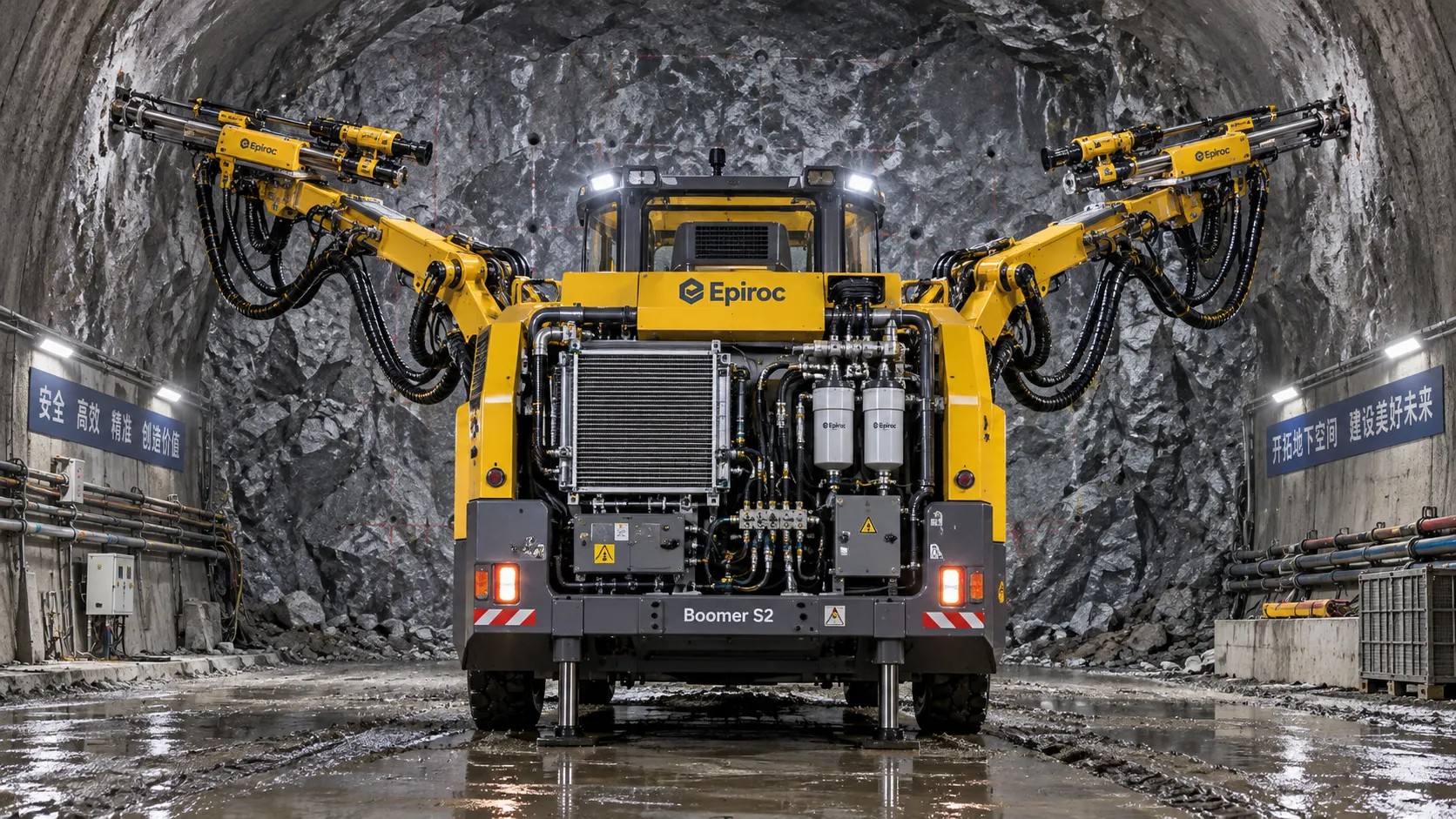
How tunnel hydraulic systems influence drill jumbo uptime underground
Tunnel hydraulic systems directly influence drill jumbo uptime. Explore how stable pressure, clean oil, cooling, and maintainable design reduce underground downtime.
What to verify before appointing a tunneling vehicles manufacturer
Choosing a tunneling vehicles manufacturer? Verify application fit, reliability, compliance, parts support, training, and channel terms before appointing a partner.
Selecting K9 Ductile Iron Pipe for Buried Water Pipeline Conditions
K9 ductile iron pipe selection for buried water pipelines: compare pressure duty, joints, soil loads, corrosion protection, and installation controls for reliable long-term performance.
Related News
- 00
0000-00
Tunnel Boring Machine Costs: Budgeting for Purchase, Operation, and Project Risk - 00
0000-00
Open-Pit Haulage Cost Analysis: How Mine Managers Can Cut Cost per Tonne - 00
0000-00
Tunnel Construction Innovations That Reduce Risk and Schedule Delays on Urban Projects - 00
0000-00
TBM Disc Cutter Design: Key Geometry and Load Factors for Hard Rock Tunnelling - 00
0000-00
Hydraulic Tipping Stability Risks in Multi-Axle Dump Special Trailers
Weekly Insights
Stay ahead with our curated technology reports delivered every Monday.