
TBM Components Supplier Checklist: Parts Quality, Lead Times, and Support Compared





TBM Components Supplier Checklist: Parts Quality, Lead Times, and Support Compared
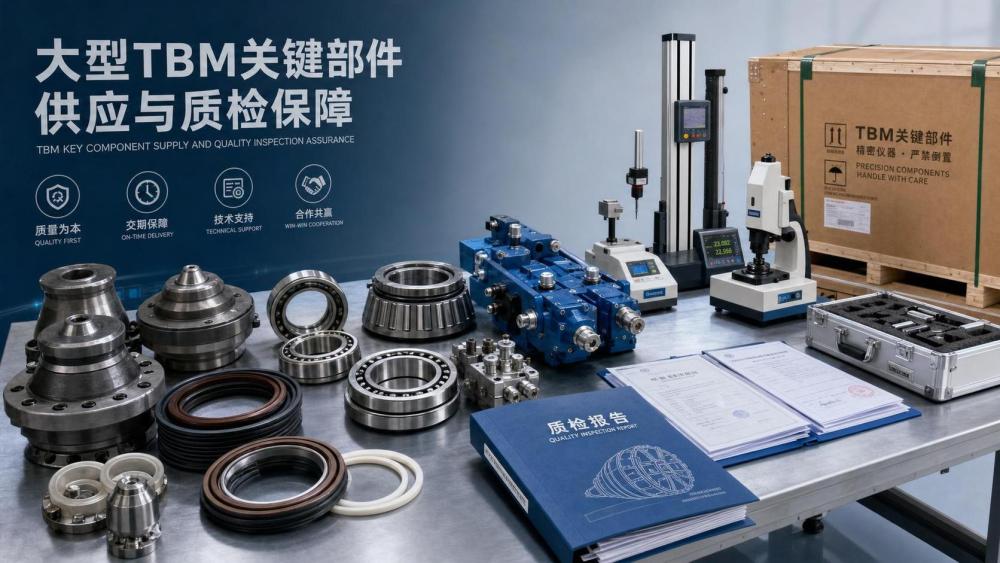
Choosing the right tbm components supplier can directly affect machine reliability, project schedules, and lifecycle costs.
A weak supplier may look competitive on price, then create delays underground.
A strong tbm components supplier usually protects uptime, reduces emergency sourcing, and supports predictable maintenance planning.
That is why supplier selection should go beyond catalog size or one attractive quote.
In real procurement work, the better question is simple.
Can this supplier keep critical TBM systems running under harsh project conditions?
This checklist compares the practical factors that matter most before contract award.
It focuses on parts quality, lead times, support depth, and long-term supply confidence.
Start with the Parts That Carry the Most Risk
Not every component deserves the same level of review.
A capable tbm components supplier should clearly separate mission-critical items from routine consumables.
High-risk categories usually include cutterhead parts, disc cutters, seals, bearings, hydraulic assemblies, electrical controls, and guidance sensors.
Failures in these areas often stop excavation or trigger expensive intervention work.
From a decision standpoint, ask for a ranked component map.
The supplier should identify which items have the highest downtime impact.
That makes sourcing priorities much clearer during commercial review.
- Which parts are single-point failure items?
- Which parts have long replacement cycles?
- Which parts require OEM-level tolerances?
- Which parts must be stocked near the project site?
A serious tbm components supplier will answer these without hesitation.
Evaluate Parts Quality Beyond Basic Certificates
Certificates matter, but they are only the starting point.
A reliable tbm components supplier should prove manufacturing discipline, not just show paperwork.
Look closely at material traceability, machining consistency, heat treatment records, and inspection methods.
For wear parts, service life data is especially important.
The more useful signal is field performance under comparable geology.
That includes hard rock, mixed ground, abrasive formations, and water-bearing sections.
Quality checks worth requesting
- Material certificates tied to batch numbers
- Dimensional inspection reports
- Non-destructive testing records where relevant
- Wear life benchmarks from previous tunnel projects
- Failure analysis reports for returned parts
This is where many bids begin to separate.
Some vendors can offer generic conformity.
A strong tbm components supplier can link quality evidence to real operating conditions.
Compare Lead Times with Real Production and Logistics Capacity
Lead time is often treated as a simple number in a quotation.
That number means little without proof.
An experienced tbm components supplier should explain how the lead time is built.
Production slotting, raw material access, subcontract dependency, and export logistics all matter.
More importantly, ask about lead time reliability.
A vendor promising six weeks but delivering in ten creates planning noise everywhere.
In recent market shifts, supply resilience has become a stronger signal than headline speed.
Ask these lead time questions
- Is the quoted lead time based on stock, standard production, or special manufacture?
- What percentage of orders shipped on time last year?
- Which components face raw material or import bottlenecks?
- Can the supplier support emergency expediting?
- Is there a regional warehouse or local buffer stock model?
A dependable tbm components supplier will discuss constraints openly.
That transparency is usually a positive sign, not a weakness.
Measure Technical Support Before You Need It
Support quality rarely shows up in the first quotation sheet.
Yet it can define whether a problem is solved in hours or in weeks.
The best tbm components supplier provides more than sales coordination.
It should provide engineering review, installation guidance, root cause analysis, and corrective recommendations.
This matters even more on mixed fleets or older TBM platforms.
Compatibility errors are expensive and often avoidable.
Support capabilities to compare
- Response time for urgent technical questions
- Availability of field service engineers
- Drawing verification and interchangeability review
- Warranty claim handling process
- Documentation quality for maintenance teams
A practical way to test this is simple.
Send a real technical query during evaluation.
The response quality tells you far more than a brochure.
Use a Side-by-Side Supplier Scorecard
A structured comparison prevents decisions from drifting toward price only.
For a tbm components supplier shortlist, a weighted scorecard works well.
It keeps commercial, technical, and operational factors in one view.
This method also helps justify the final decision internally.
That becomes useful when two suppliers appear close on headline pricing.
Watch for Common Risk Signals During Supplier Selection
Some warning signs show up early.
They are easy to miss when timeline pressure is high.
A questionable tbm components supplier often gives vague answers on traceability, manufacturing location, or interchangeability limits.
Another signal is aggressive lead time promises with no planning detail behind them.
More obvious problems include inconsistent technical documents and delayed replies during bidding.
- No clear batch traceability
- No references from similar TBM applications
- Unclear warranty terms
- Heavy dependence on one subcontractor
- Limited post-delivery support structure
These signs do not always rule a supplier out.
They do mean extra verification is required before commitment.
Build the Relationship Around Performance, Not Just Purchase Price
The lowest quote rarely equals the lowest lifecycle cost.
A better tbm components supplier usually creates value through fewer failures, steadier deliveries, and faster issue resolution.
That value becomes visible over months of excavation, not on day one.
In practice, the strongest supplier relationships are performance-managed.
Set review points for delivery accuracy, part failure rates, response speed, and corrective action closure.
This turns sourcing from a transaction into an operating advantage.
When comparing any tbm components supplier, use the checklist with discipline.
Verify quality evidence, pressure-test lead times, and examine support before the first order is placed.
That approach gives procurement decisions a stronger technical base and a much lower risk profile for demanding underground projects.
Related News
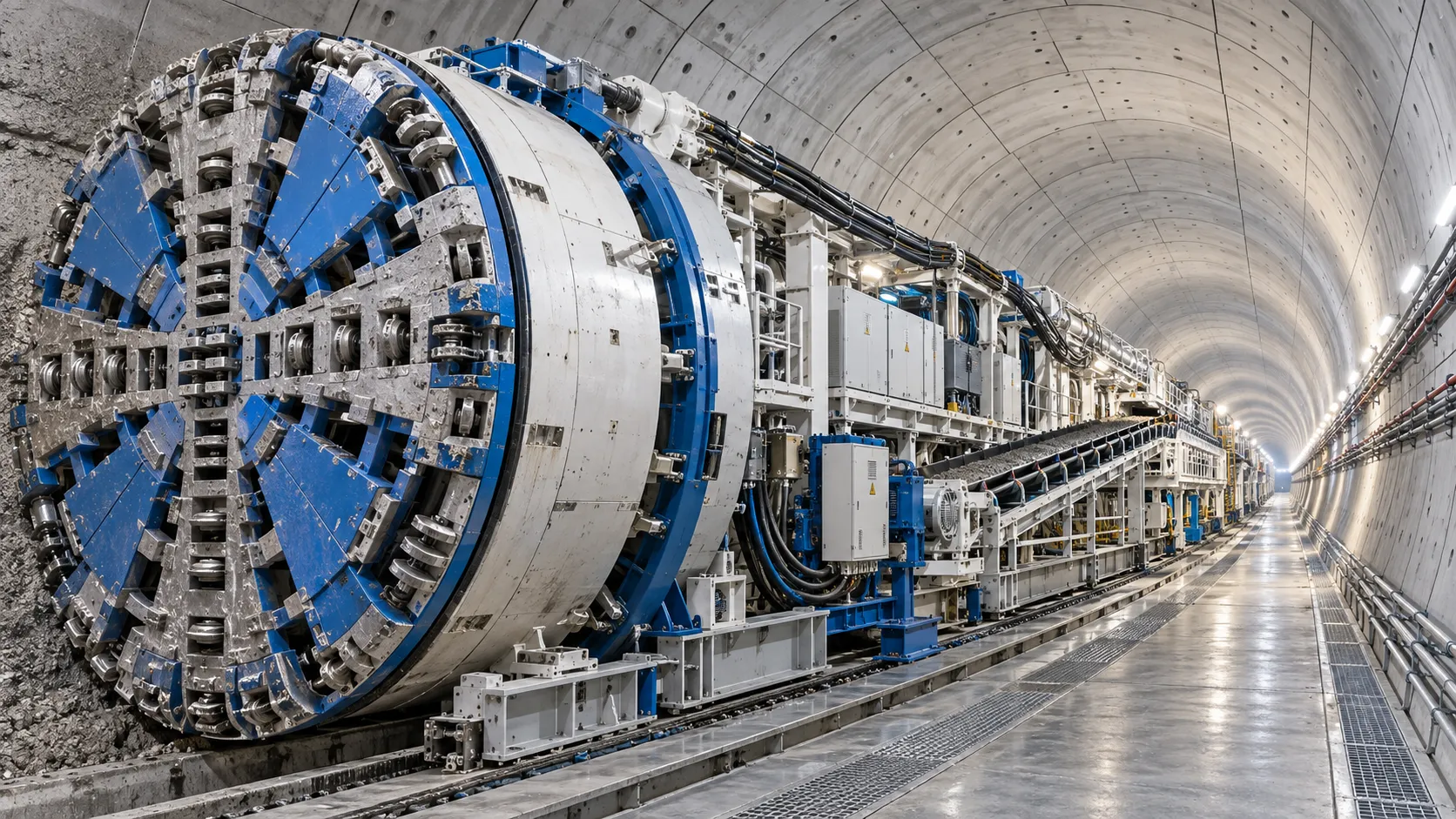
Tunnel Boring Machine Costs: Budgeting for Purchase, Operation, and Project Risk
Tunnel Boring Machines cost more than purchase price. Learn how to budget lifecycle costs, downtime, logistics, wear, and project risk for smarter TBM decisions.

Open-Pit Haulage Cost Analysis: How Mine Managers Can Cut Cost per Tonne
Open pit haulage cost analysis: discover practical ways to reduce cost per tonne through payload control, cycle-time optimization, road performance, and smarter fleet decisions.
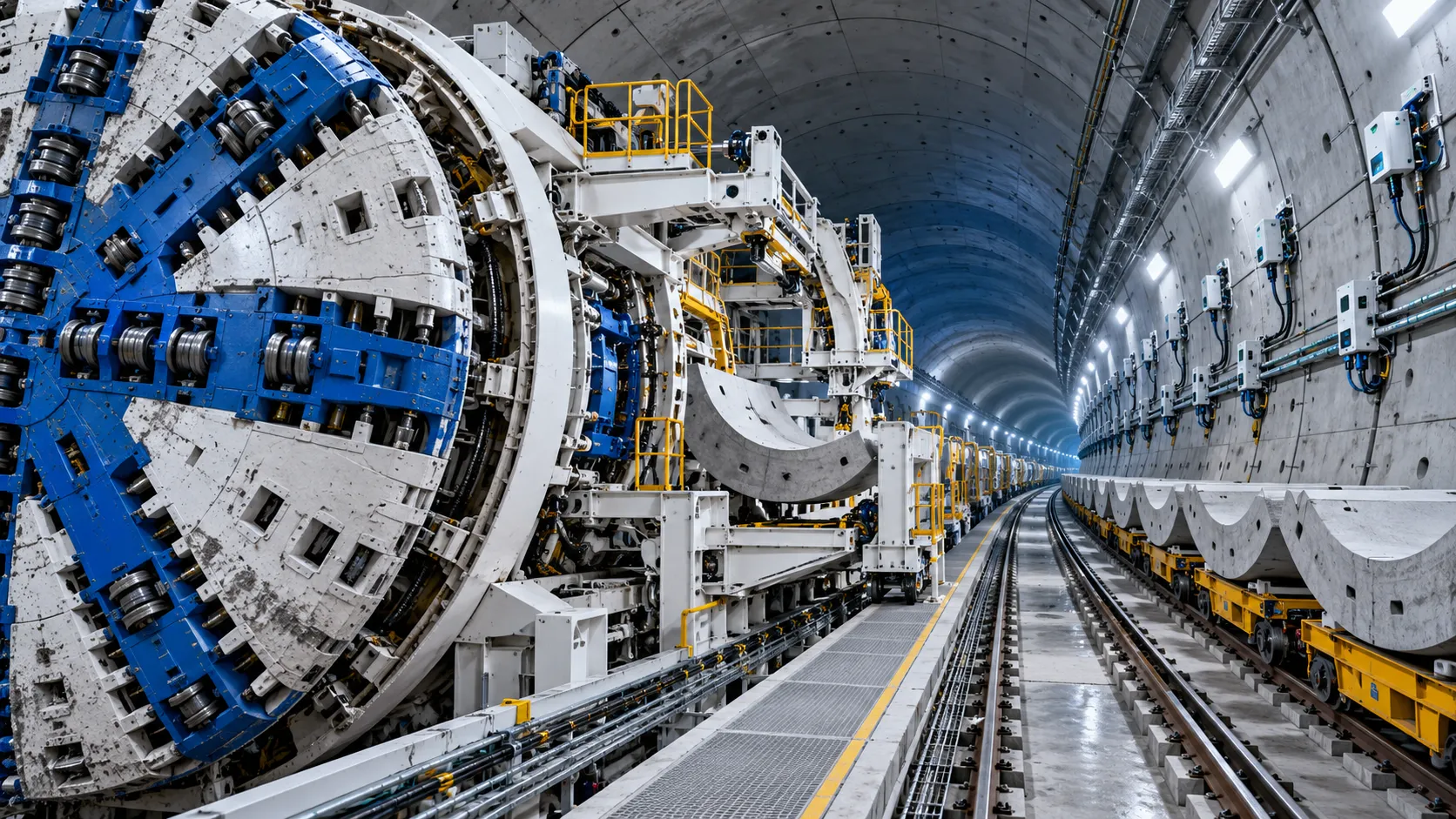
Tunnel Construction Innovations That Reduce Risk and Schedule Delays on Urban Projects
Tunnel construction innovation for urban projects: discover smarter TBMs, real-time monitoring, trenchless methods, and automation that reduce risk and protect schedules.
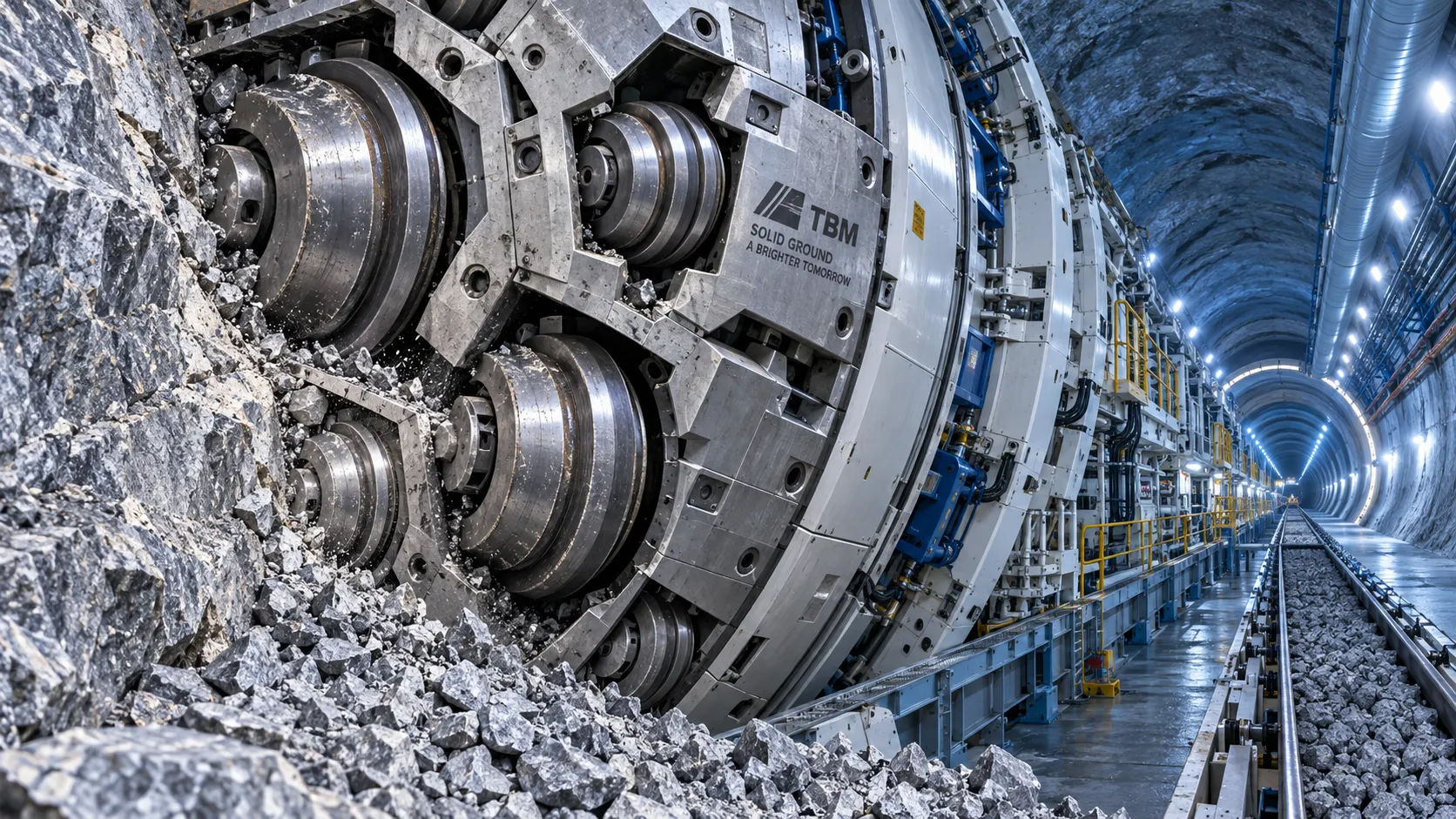
TBM Disc Cutter Design: Key Geometry and Load Factors for Hard Rock Tunnelling
TBM disc cutter design explained: explore geometry, spacing, load distribution and maintenance factors for reliable, efficient hard-rock tunnelling performance.
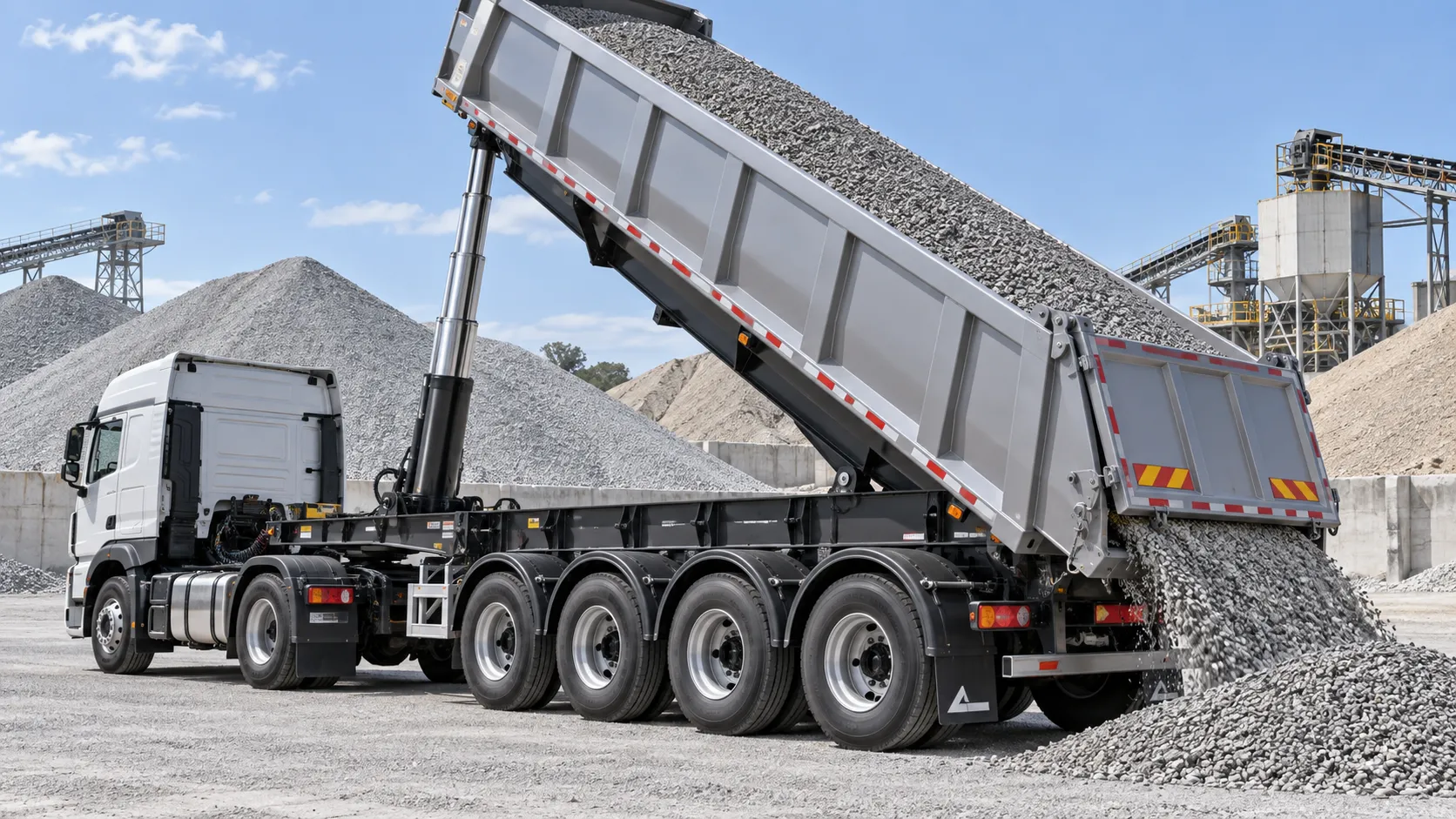
Hydraulic Tipping Stability Risks in Multi-Axle Dump Special Trailers
Dump special trailers: discover key hydraulic tipping stability risks, multi-axle load dynamics, and practical safety controls for safer, smarter bulk hauling.
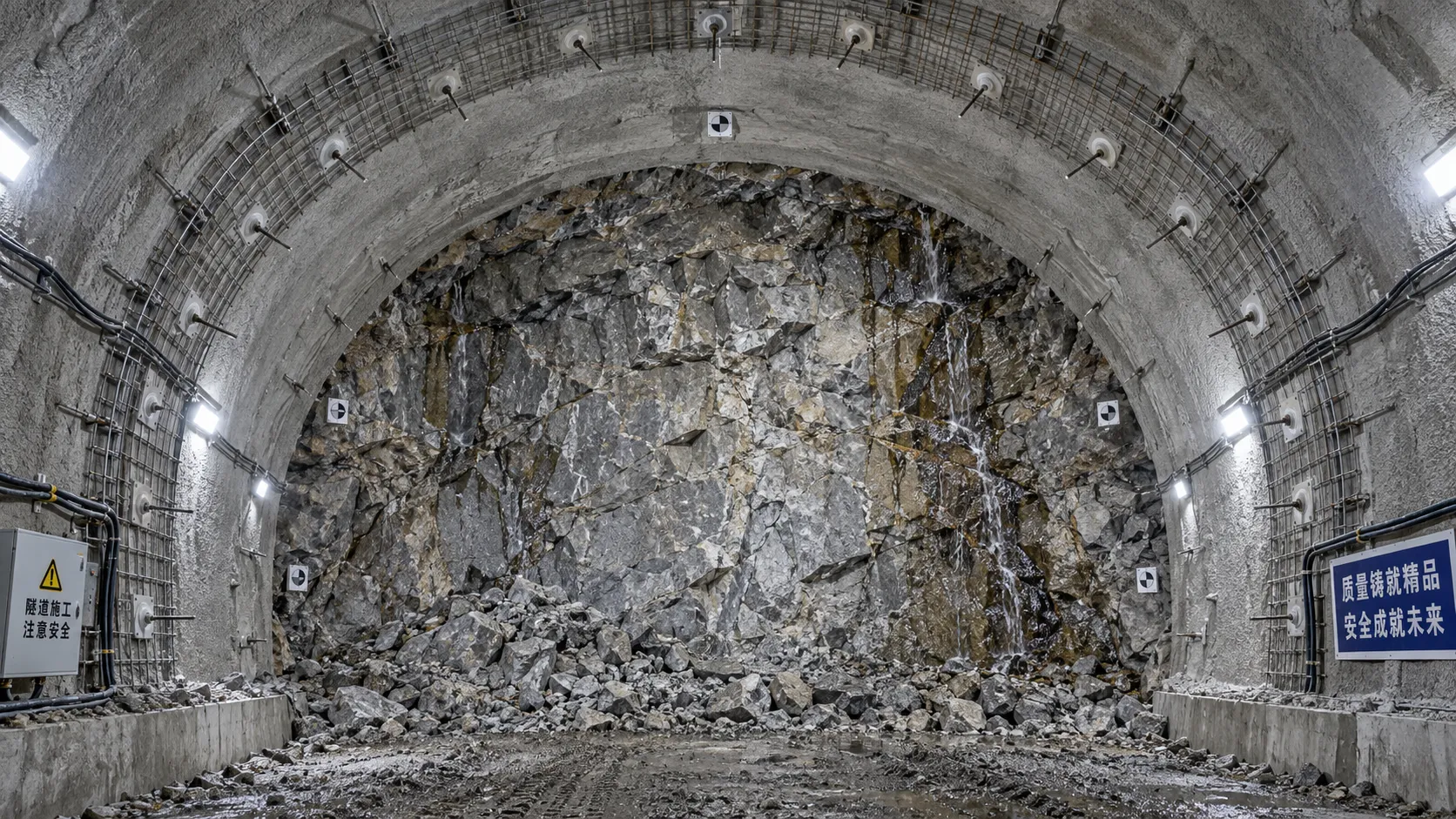
When rock reinforcement in tunnel construction must change after blasting
Rock reinforcement in tunnel construction must change when blasting reveals overbreak, weak joints, water inflow, or deformation. Discover key post-blast support decisions.
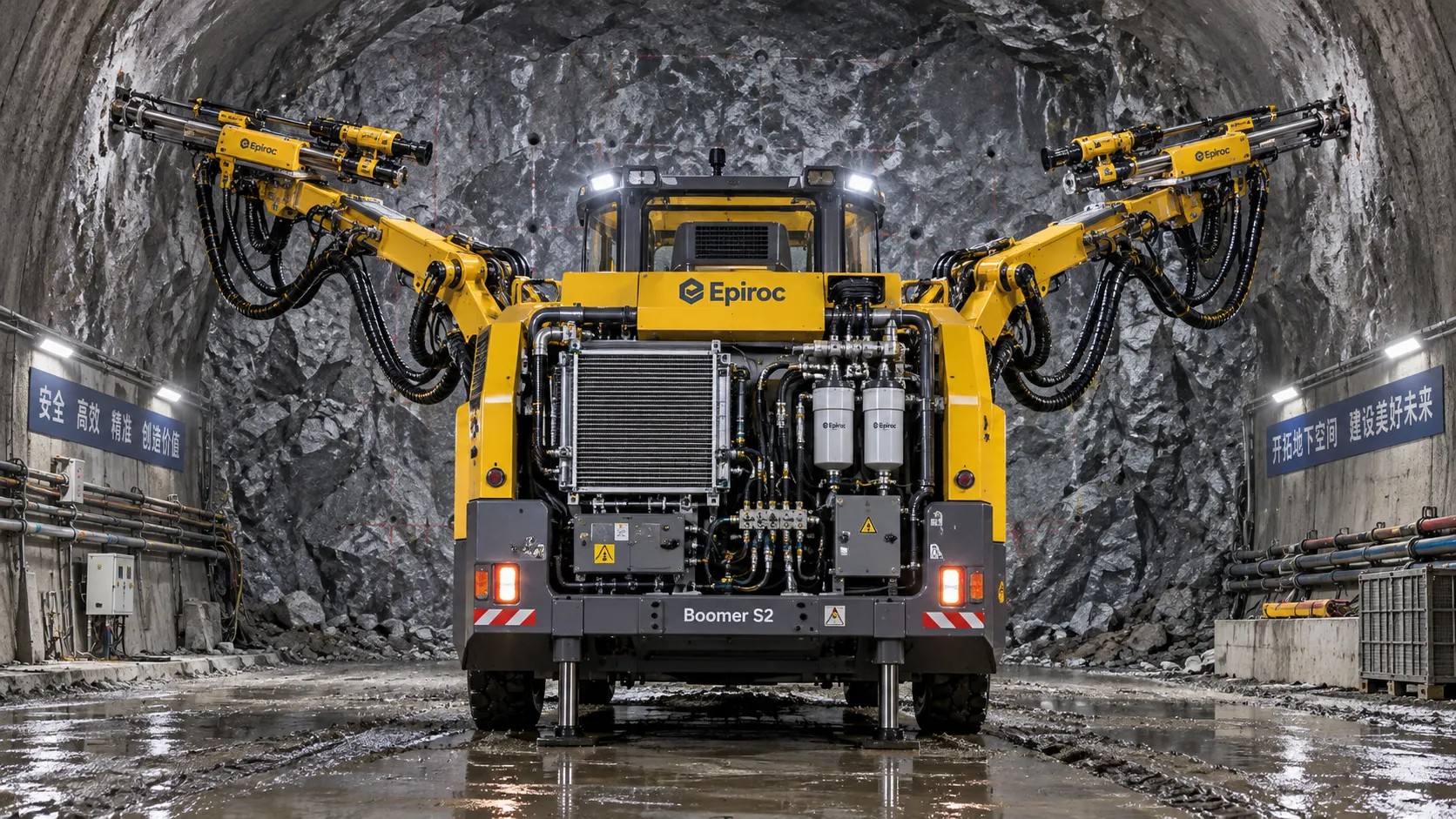
How tunnel hydraulic systems influence drill jumbo uptime underground
Tunnel hydraulic systems directly influence drill jumbo uptime. Explore how stable pressure, clean oil, cooling, and maintainable design reduce underground downtime.
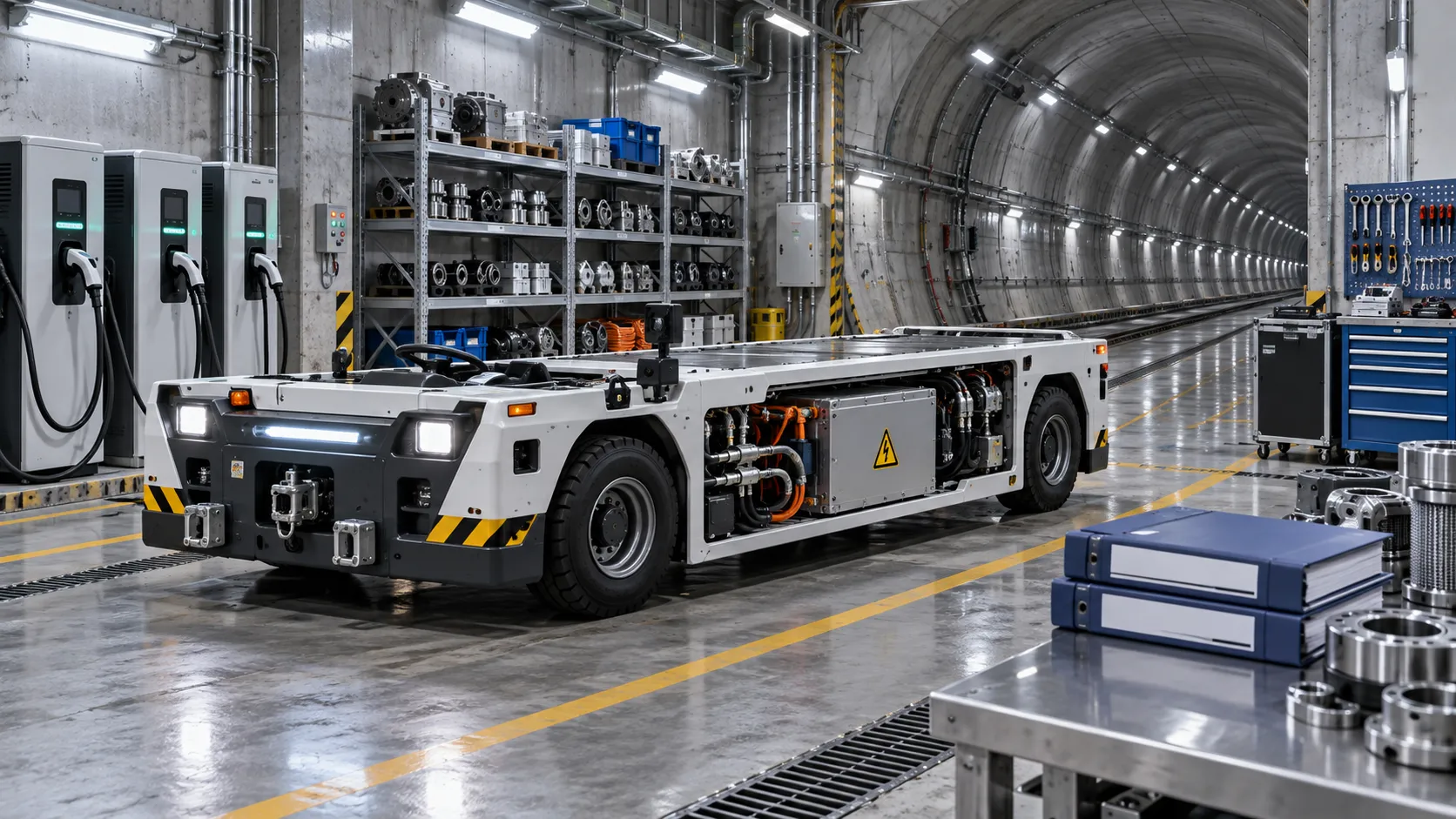
What to verify before appointing a tunneling vehicles manufacturer
Choosing a tunneling vehicles manufacturer? Verify application fit, reliability, compliance, parts support, training, and channel terms before appointing a partner.
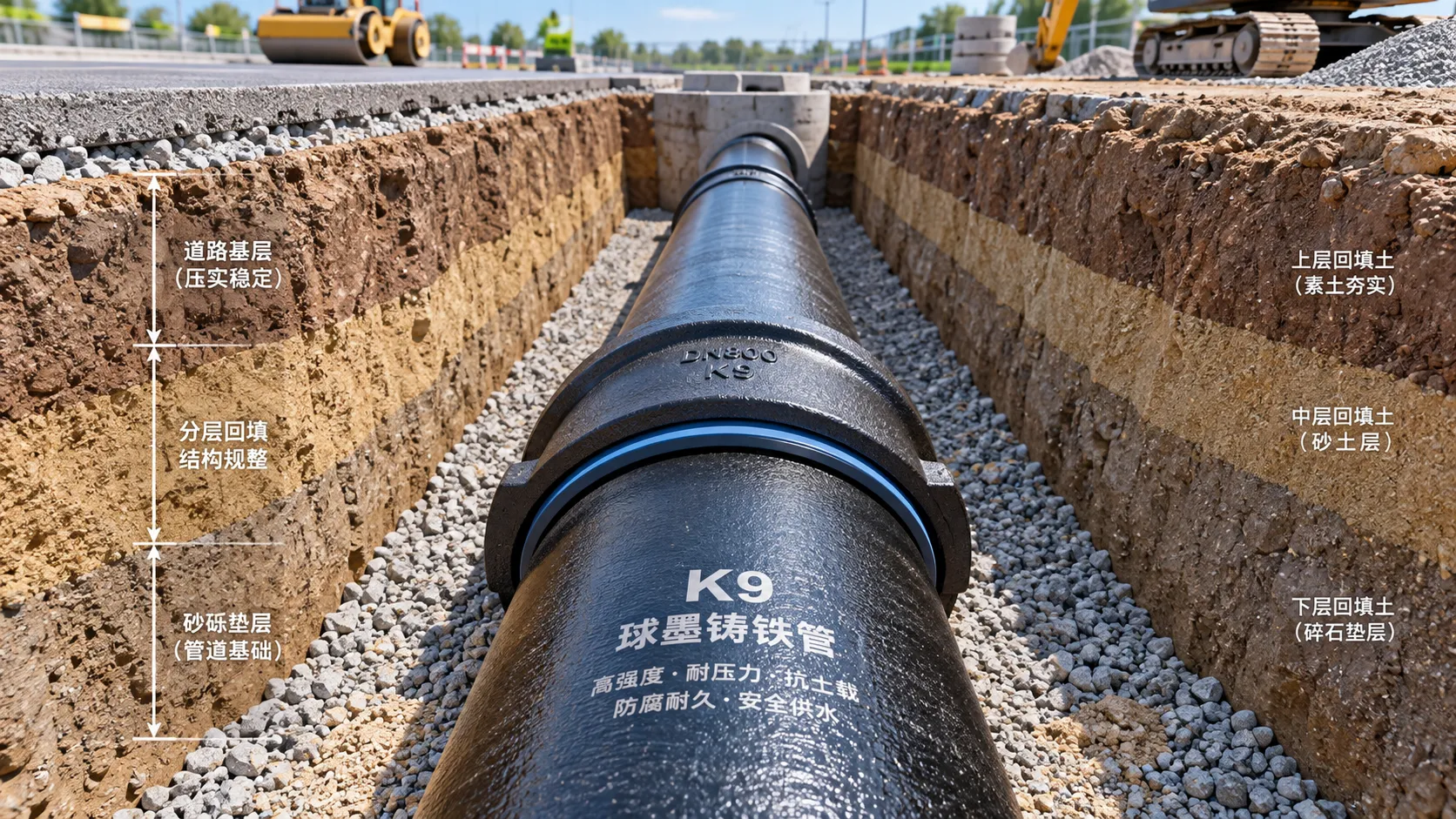
Selecting K9 Ductile Iron Pipe for Buried Water Pipeline Conditions
K9 ductile iron pipe selection for buried water pipelines: compare pressure duty, joints, soil loads, corrosion protection, and installation controls for reliable long-term performance.
Related News
- 00
0000-00
Tunnel Boring Machine Costs: Budgeting for Purchase, Operation, and Project Risk - 00
0000-00
Open-Pit Haulage Cost Analysis: How Mine Managers Can Cut Cost per Tonne - 00
0000-00
Tunnel Construction Innovations That Reduce Risk and Schedule Delays on Urban Projects - 00
0000-00
TBM Disc Cutter Design: Key Geometry and Load Factors for Hard Rock Tunnelling - 00
0000-00
Hydraulic Tipping Stability Risks in Multi-Axle Dump Special Trailers
Weekly Insights
Stay ahead with our curated technology reports delivered every Monday.