
China TBM Exports Jump 78.6%, Taking 70% Global Share





The timing of the underlying market shift is not clearly stated in the source material, but the latest disclosed export data has clear implications for trade practice, supplier qualification, and delivery risk assessment in the tunnel boring machine sector. For overseas infrastructure owners, EPC contractors, equipment importers, and related supply chain service providers, this development is worth close attention because it signals a higher level of scrutiny around supplier capability, technical documentation, compliance readiness, and long-term service commitments when evaluating Chinese TBM suppliers.
What the disclosed export data confirms
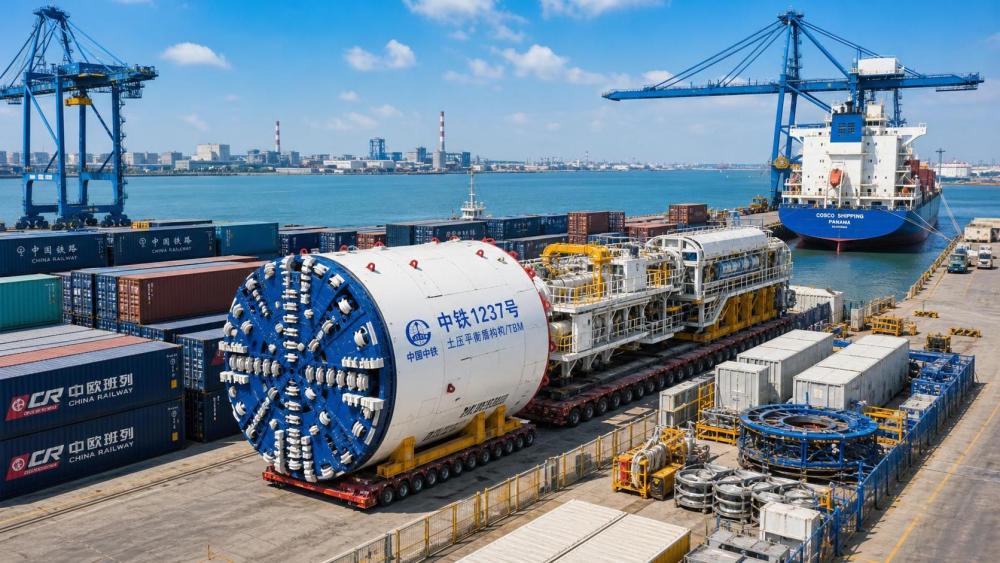
According to an industry in-depth report released by Caixin Securities on August 21, 2025, China's tunnel boring machine export value reached USD 638 million in 2024, up 78.60% year on year. The same source indicates that export volume declined slightly, while exports of higher-value complete machines increased significantly. It also states that Chinese manufacturers have entered the top global tier and now hold about 70% of the global market.
The summary further indicates that these figures reflect China's international delivery capability, technical maturity, and cost competitiveness in TBM manufacturing. For overseas infrastructure owners, EPC general contractors, and equipment importers, the data serves as an important reference point when assessing the execution capacity and long-term cooperation value of Chinese suppliers.
Why procurement and trade execution may now be assessed differently
Bid evaluation is likely to place more weight on delivery capability
Analysis shows that when export value rises sharply while shipment volume edges down, market attention often shifts from unit count to project complexity and equipment value. For project owners and EPC contractors, the practical impact may appear in prequalification, technical bid alignment, supplier comparison, and contract risk review. What deserves closer attention is whether procurement teams ask for more complete evidence on delivery records, configuration consistency, quality files, and long-cycle project support, especially where complete-machine exports are involved.
Import-side compliance review may become more document-driven
For equipment importers and channel-side procurement teams, the reported move toward higher-value complete units may increase the importance of document completeness rather than price-only review. Observably, buyers may need to pay closer attention to technical documents, inspection records, conformity materials, contract attachments, and after-sales commitments that support customs clearance, project acceptance, and operational handover. The source does not provide specific certification or regulatory changes, so this should be understood as a practical compliance signal rather than a confirmed new rule.
Supply chain and service partners may face tighter execution expectations
From an industry perspective, logistics providers, testing-related service firms, and after-sales support partners may also be affected because complete-machine exports usually require tighter coordination across packing, transport, delivery scheduling, handover records, and traceability support. The stronger export performance highlighted in the source may lead counterparties to expect more structured execution from supporting service providers, particularly where project schedules and acceptance milestones are sensitive.
Where companies should focus next
Prepare for deeper supplier qualification checks
Analysis shows that Chinese TBM exporters and their commercial teams should be ready for more detailed review of technical capability, project delivery evidence, and supporting documentation. Since the available information points to stronger international recognition of Chinese suppliers, counterparties may place more emphasis on whether supplier files can support long-term cooperation decisions, not only initial procurement.
Watch tender wording and technical file requirements
What deserves closer attention is whether tender documents, technical specifications, and buyer-side qualification requirements begin to reflect stronger confidence in Chinese complete-machine suppliers while also raising expectations for data disclosure. The source does not confirm any formal change in tender rules, so companies should treat this as an area for continued monitoring rather than an already settled procurement standard.
Review delivery-cycle commitments and after-sales readiness
For exporters, importers, and project contractors, delivery terms may become a more visible part of commercial negotiation when larger-value equipment is involved. Observably, counterparties are likely to focus on whether suppliers can support installation coordination, acceptance documentation, quality traceability, and post-delivery service response. The disclosed figures strengthen the commercial relevance of these issues, even though they do not in themselves establish a new regulatory requirement.
Maintain caution on compliance claims beyond the disclosed facts
Because the source provides export performance data rather than formal regulatory text, companies should avoid overstating the existence of new policy privileges or automatic market access advantages. From a practical standpoint, businesses should continue verifying applicable import rules, certification expectations, contract documentation standards, and buyer-specific compliance requests in each transaction.
How this signal should be read at this stage
Observably, this development is better understood as an execution signal in international trade and procurement than as proof of a newly issued rule. The disclosed export performance suggests that Chinese TBM suppliers are being evaluated in a more serious global procurement context, where delivery credibility, technical maturity, and total cooperation value matter alongside price. At the same time, the source does not provide official policy detail, certification updates, or revised regulatory language, so the market still needs to watch how buyers, tender issuers, and import-side reviewers translate this signal into actual operating requirements.
A practical reading for the market
From an industry perspective, the key significance of this update is not simply that exports rose sharply, but that the structure of those exports points to stronger recognition of higher-value Chinese TBM products in cross-border project delivery. It is more appropriate to understand this as evidence of a changing market benchmark in supplier assessment, with likely effects on procurement review, contract preparation, compliance materials, and service expectations. Whether that benchmark turns into more explicit rules or standardized qualification thresholds still requires further observation.
Basis of this article and what still needs verification
This article is based on the user-provided news title, event timing, and event summary. For this type of development, source categories commonly relevant to later verification include official notices, regulatory releases, customs or trade authority information, industry association updates, standard-setting documents, and reporting by authoritative media. A specific official source link was not provided in the input, so it still needs to be verified on an ongoing basis.
Further attention should remain on any later policy detail, certification interpretation, tender document changes, market feedback, and company-level execution practices that may clarify how this export performance signal is being translated into actual trade and procurement requirements.
Related News
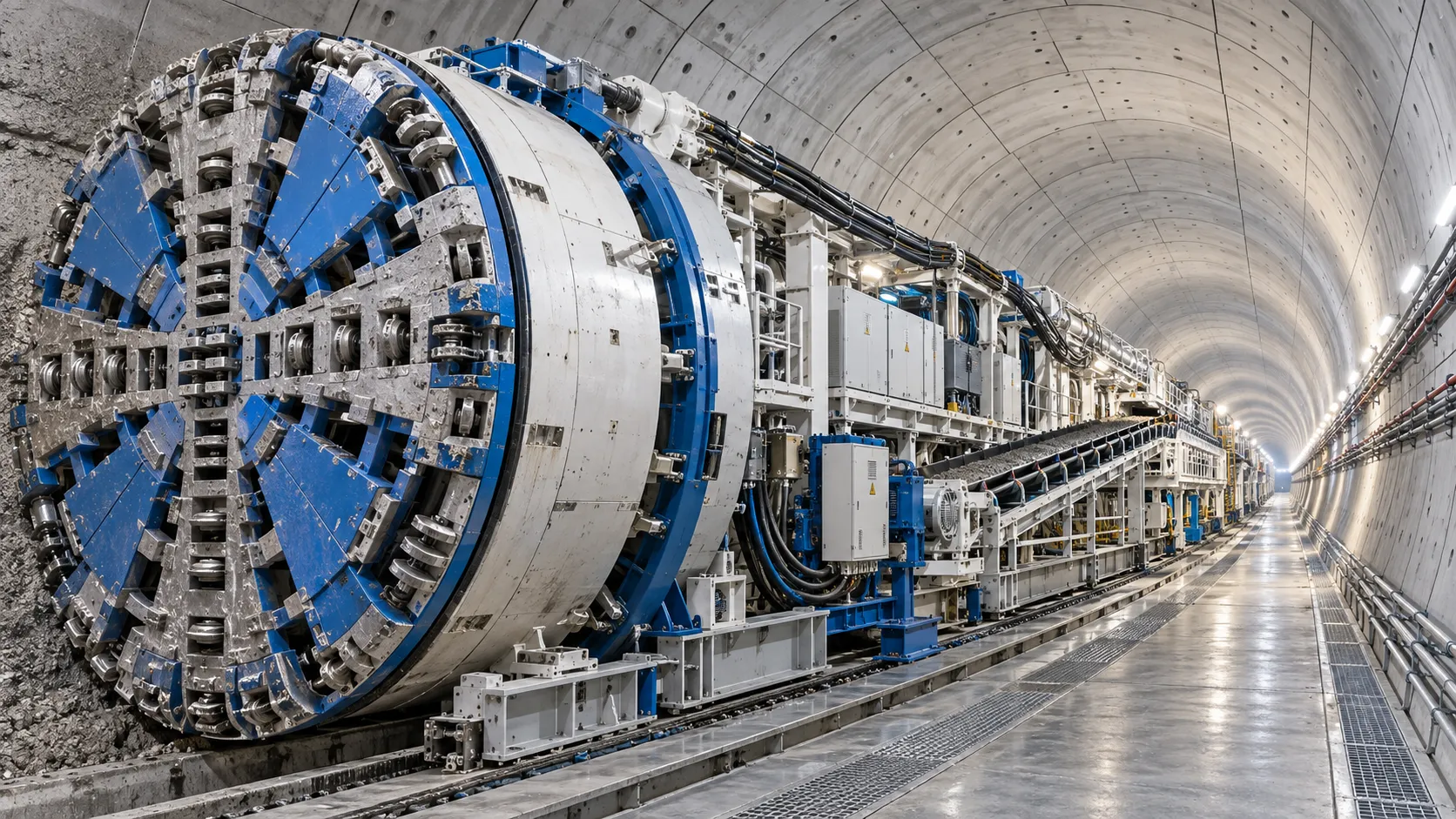
Tunnel Boring Machine Costs: Budgeting for Purchase, Operation, and Project Risk
Tunnel Boring Machines cost more than purchase price. Learn how to budget lifecycle costs, downtime, logistics, wear, and project risk for smarter TBM decisions.

Open-Pit Haulage Cost Analysis: How Mine Managers Can Cut Cost per Tonne
Open pit haulage cost analysis: discover practical ways to reduce cost per tonne through payload control, cycle-time optimization, road performance, and smarter fleet decisions.
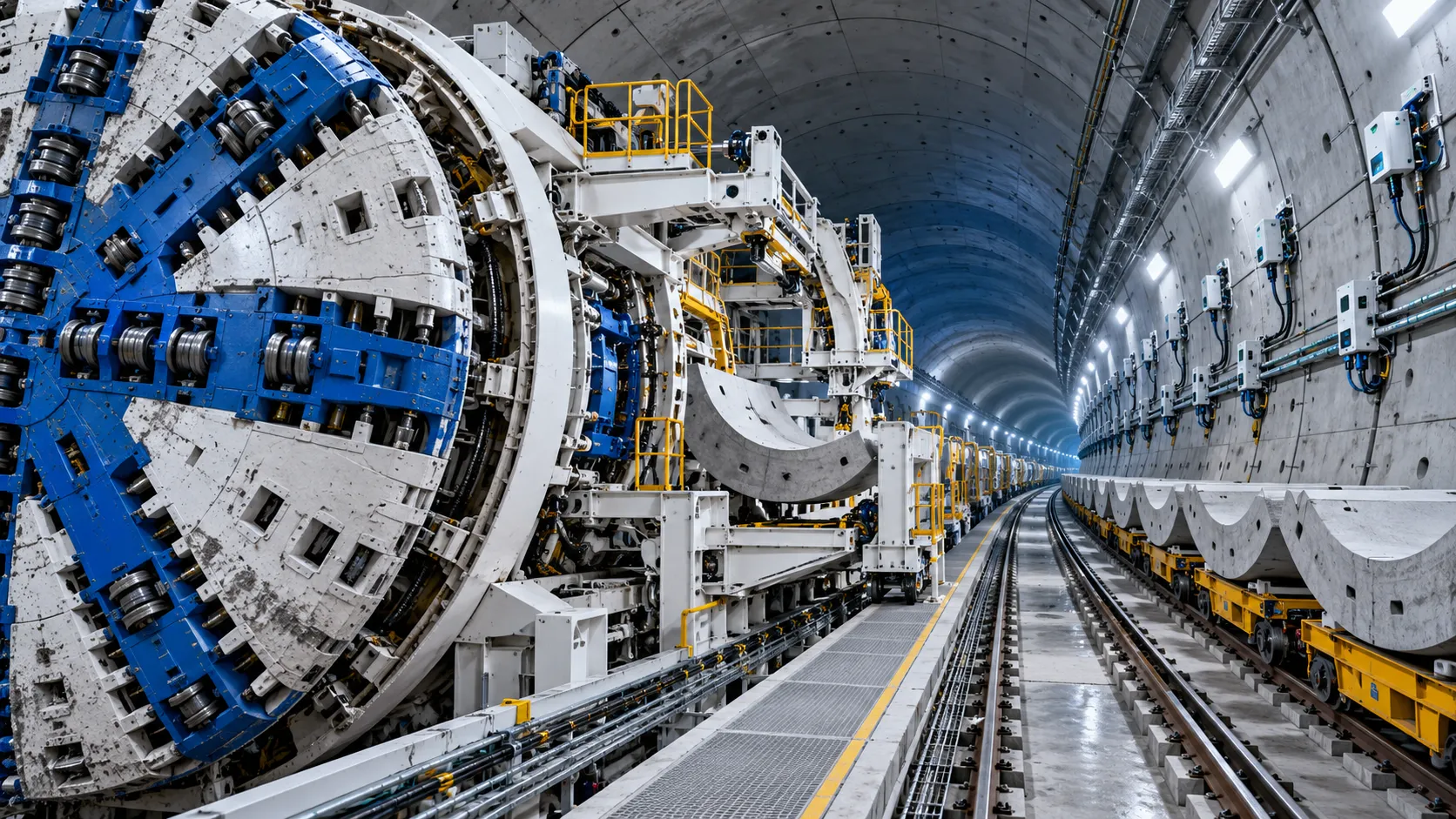
Tunnel Construction Innovations That Reduce Risk and Schedule Delays on Urban Projects
Tunnel construction innovation for urban projects: discover smarter TBMs, real-time monitoring, trenchless methods, and automation that reduce risk and protect schedules.

TBM Disc Cutter Design: Key Geometry and Load Factors for Hard Rock Tunnelling
TBM disc cutter design explained: explore geometry, spacing, load distribution and maintenance factors for reliable, efficient hard-rock tunnelling performance.
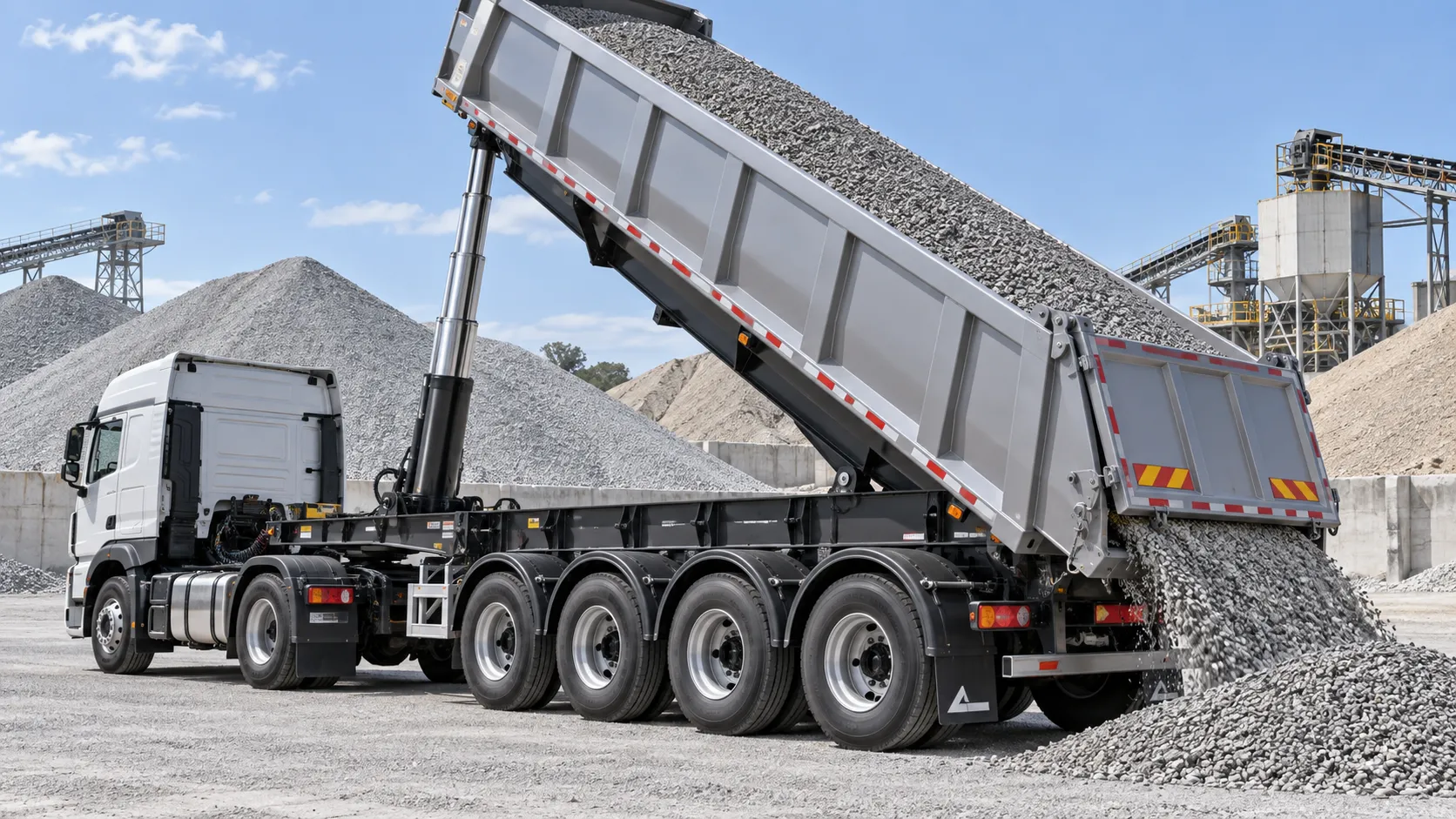
Hydraulic Tipping Stability Risks in Multi-Axle Dump Special Trailers
Dump special trailers: discover key hydraulic tipping stability risks, multi-axle load dynamics, and practical safety controls for safer, smarter bulk hauling.
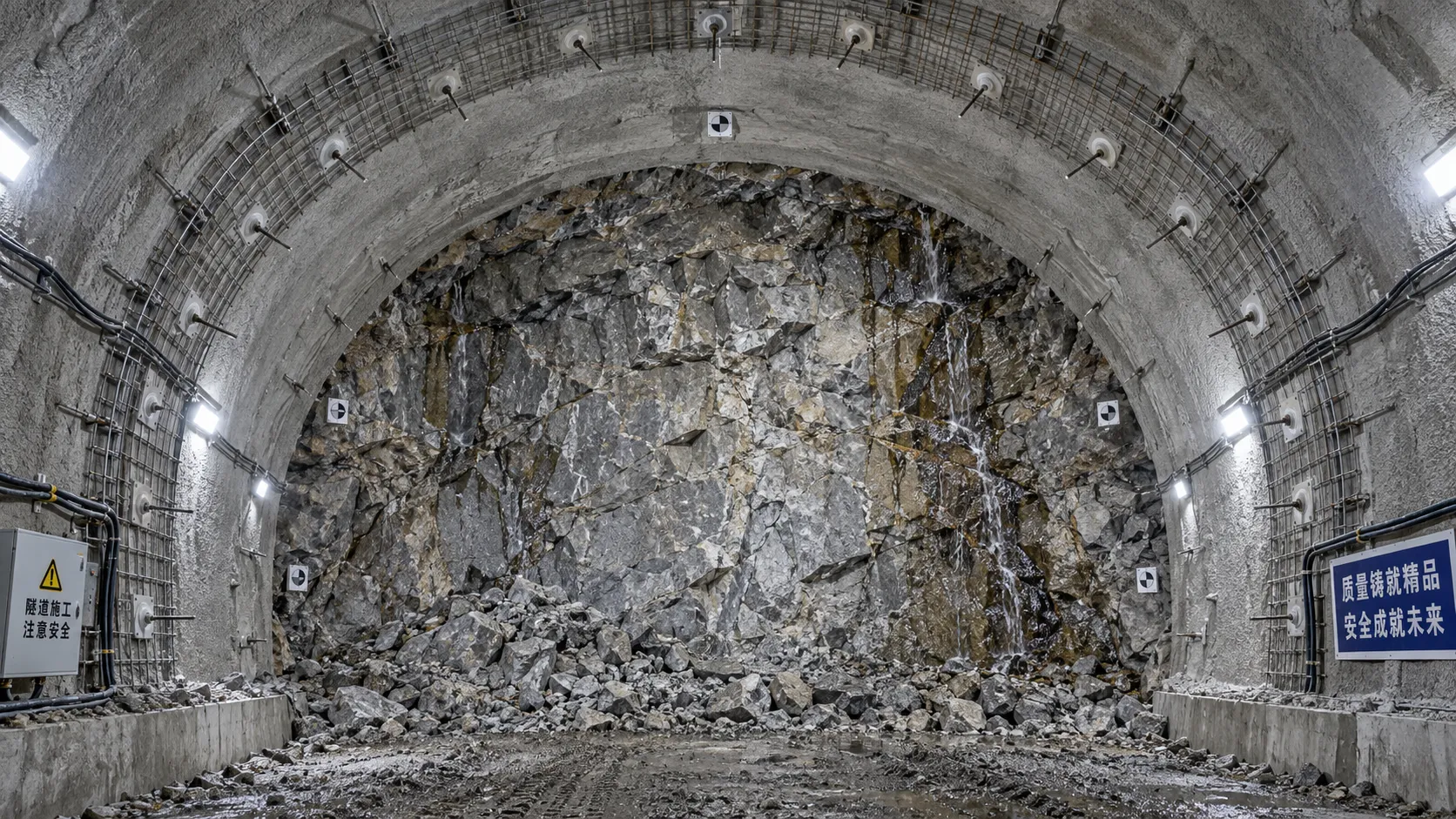
When rock reinforcement in tunnel construction must change after blasting
Rock reinforcement in tunnel construction must change when blasting reveals overbreak, weak joints, water inflow, or deformation. Discover key post-blast support decisions.
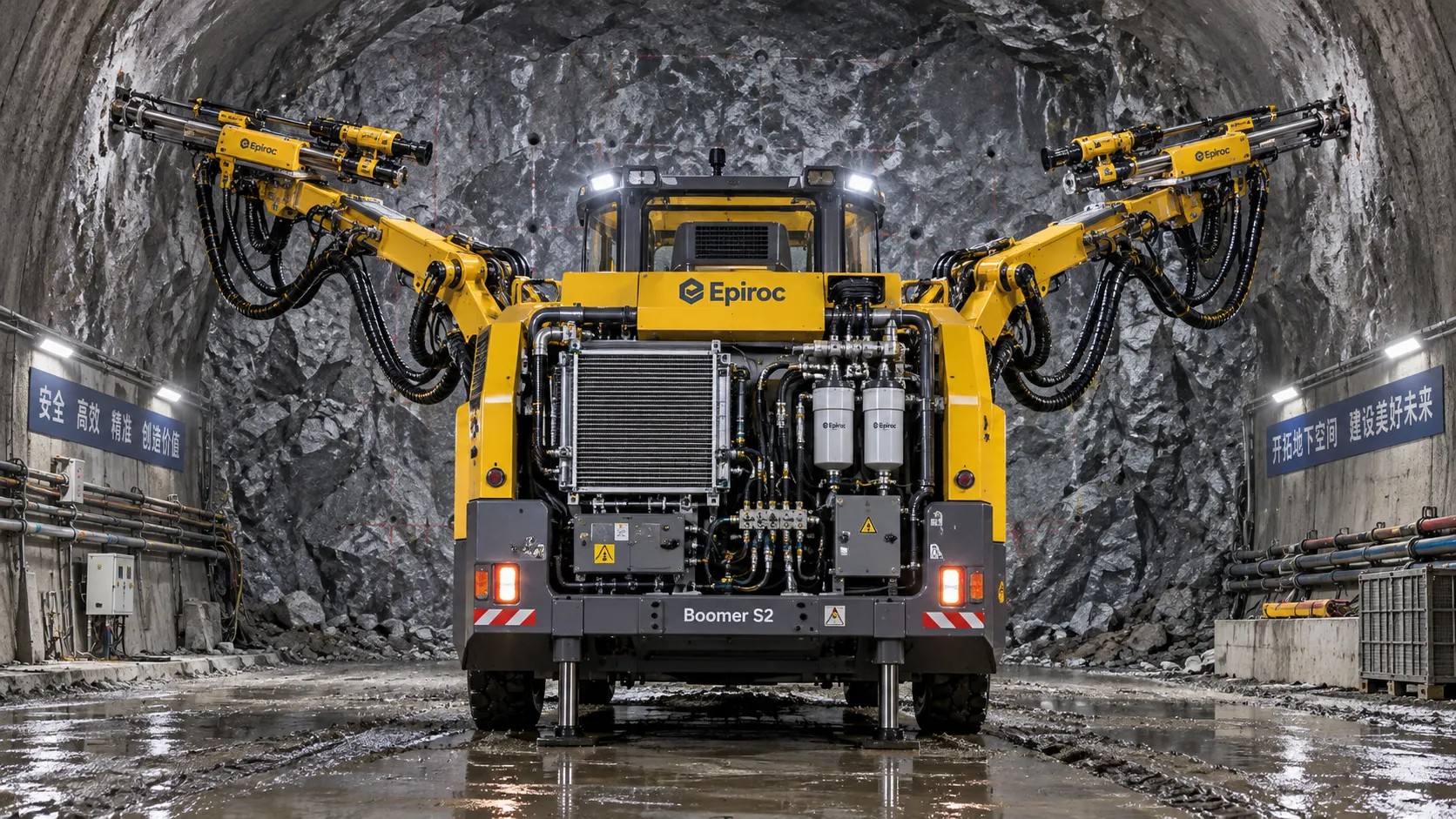
How tunnel hydraulic systems influence drill jumbo uptime underground
Tunnel hydraulic systems directly influence drill jumbo uptime. Explore how stable pressure, clean oil, cooling, and maintainable design reduce underground downtime.
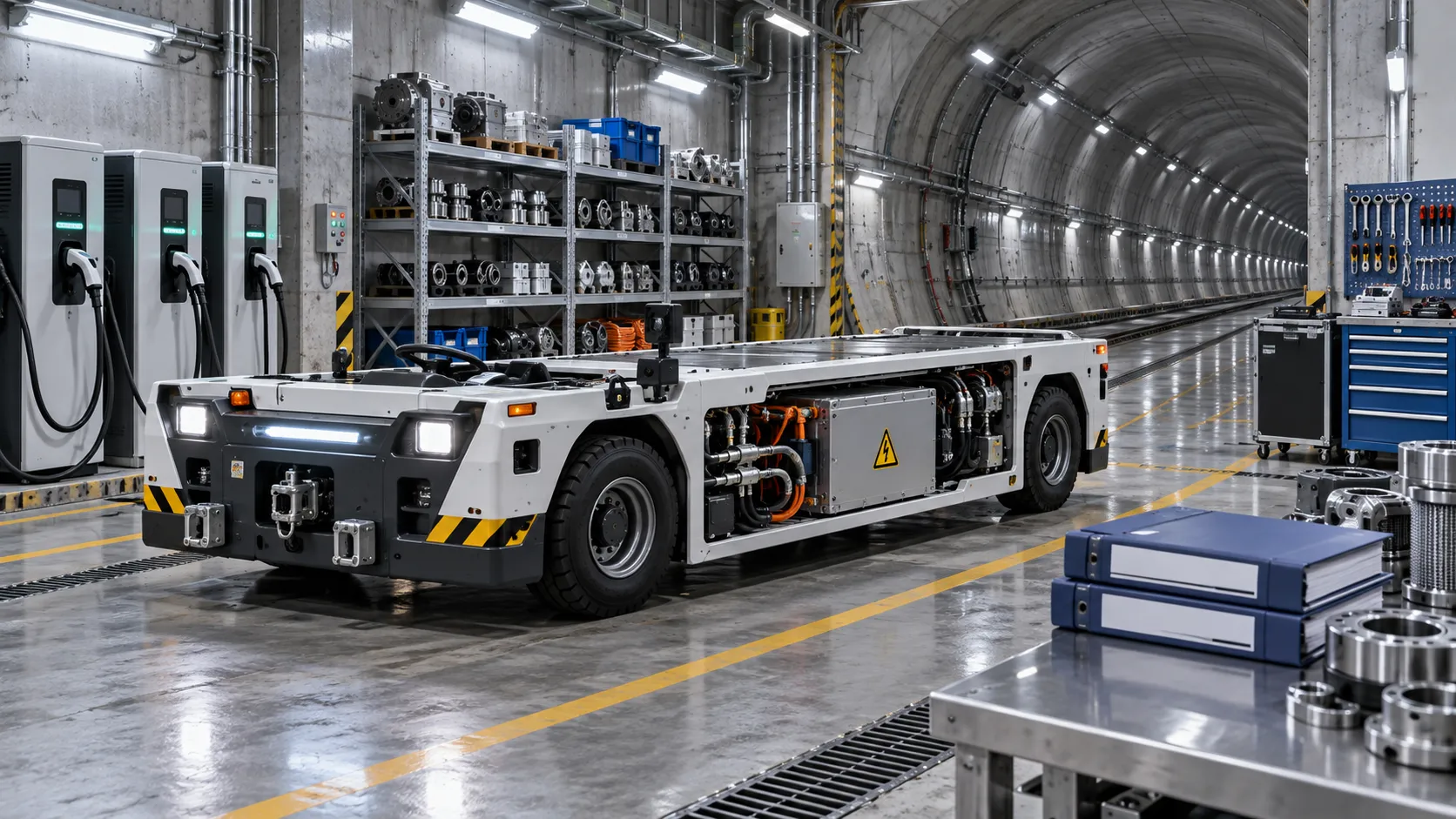
What to verify before appointing a tunneling vehicles manufacturer
Choosing a tunneling vehicles manufacturer? Verify application fit, reliability, compliance, parts support, training, and channel terms before appointing a partner.
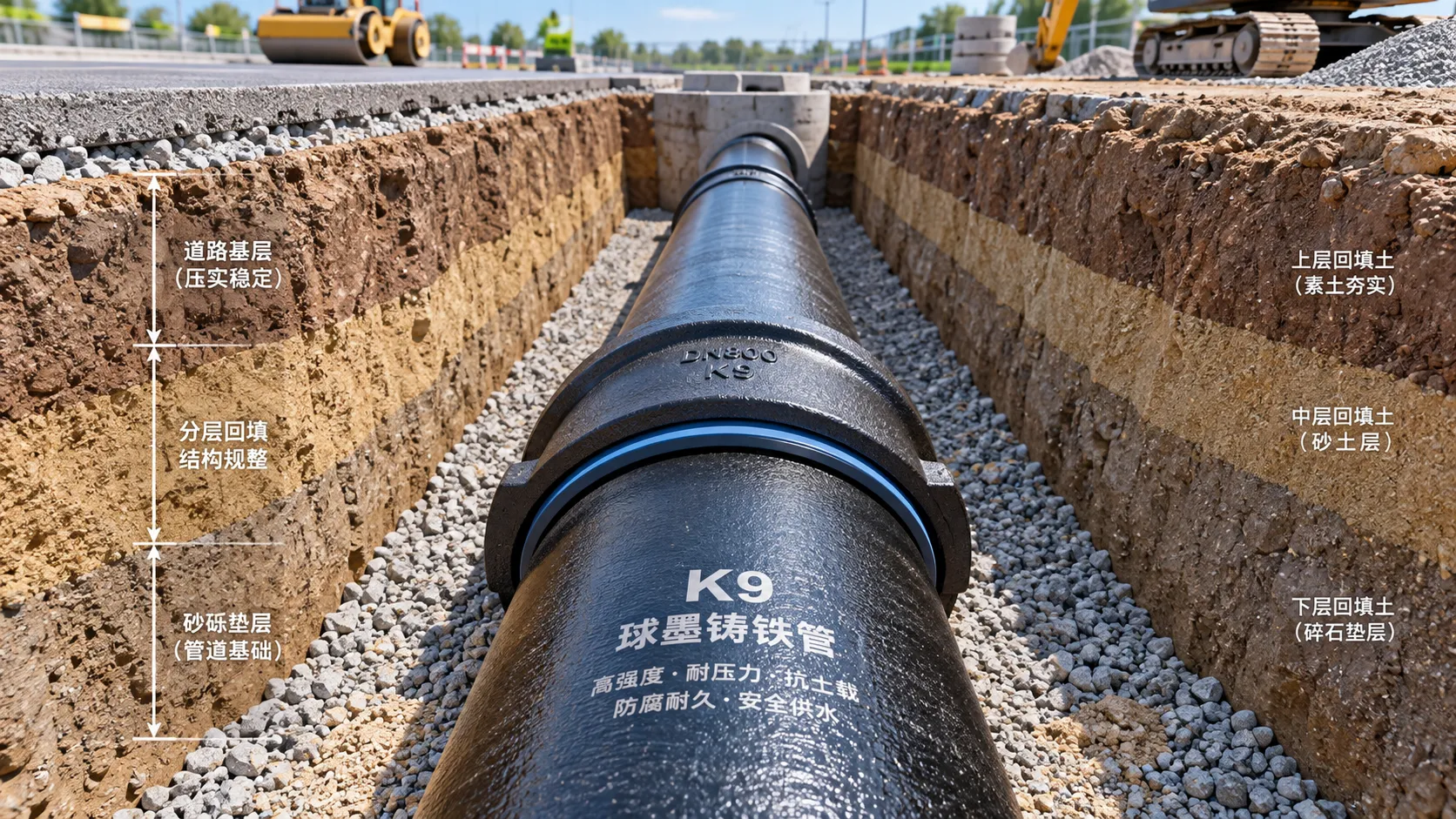
Selecting K9 Ductile Iron Pipe for Buried Water Pipeline Conditions
K9 ductile iron pipe selection for buried water pipelines: compare pressure duty, joints, soil loads, corrosion protection, and installation controls for reliable long-term performance.
Related News
- 00
0000-00
Tunnel Boring Machine Costs: Budgeting for Purchase, Operation, and Project Risk - 00
0000-00
Open-Pit Haulage Cost Analysis: How Mine Managers Can Cut Cost per Tonne - 00
0000-00
Tunnel Construction Innovations That Reduce Risk and Schedule Delays on Urban Projects - 00
0000-00
TBM Disc Cutter Design: Key Geometry and Load Factors for Hard Rock Tunnelling - 00
0000-00
Hydraulic Tipping Stability Risks in Multi-Axle Dump Special Trailers
Weekly Insights
Stay ahead with our curated technology reports delivered every Monday.