
Fed New Chair Walsh Takes Office; TBM Export Cash Flow Under Pressure





On May 22, 2026, Kevin Walsh officially assumed the role of Federal Reserve Chair, coinciding with hawkish remarks from officials including Christopher Waller. This shift has reinforced market expectations that further rate hikes cannot be ruled out—driving the 10-year U.S. Treasury yield to 4.56% and the U.S. Dollar Index to stabilize at 99.3. For companies exporting Tunnel Boring Machines (TBM) from China—particularly those serving U.S., Latin American, and Middle Eastern markets—the resulting currency and financing dynamics are now affecting working capital cycles and payment terms.
Event Overview
Kevin Walsh was formally sworn in as Chair of the U.S. Federal Reserve on May 22, 2026. Public statements by Fed officials—including Christopher Waller—have signaled continued monetary restraint. As a result, the 10-year U.S. Treasury yield rose to 4.56%, and the U.S. Dollar Index settled at 99.3. These developments have increased forward exchange costs and letter-of-credit issuance fees for Chinese TBM exporters transacting with overseas buyers in affected regions.
Industries and Segments Affected
Direct Exporters of TBM Equipment
Chinese manufacturers selling complete TBM systems abroad face higher hedging and financing costs when pricing contracts in USD. With the dollar strengthening and U.S. rates rising, forward premium for USD/CNY swaps has widened—reducing net margins on fixed-price export orders. Additionally, banks have raised LC issuance fees for transactions involving U.S.-dollar-denominated credit instruments, particularly for buyers in emerging markets where sovereign risk perceptions have tightened alongside broader USD strength.
International Importers Using D/P or Open Account Terms
Overseas purchasers relying on Documents Against Payment (D/P) or open account arrangements must now assess supplier liquidity more closely. A prolonged receivables cycle—potentially extending beyond original contractual timelines—may arise if Chinese exporters delay shipment or request revised payment milestones to manage cash flow pressure. Buyers should proactively review supplier balance sheet indicators and contract clauses related to force majeure, payment deferral, or cost pass-through mechanisms.
Trade Finance and Supply Chain Service Providers
Providers of export credit insurance, factoring, and LC advisory services are observing elevated demand for risk-mitigation tools—especially for transactions involving non-OECD buyers. The combination of higher USD funding costs and tighter bank risk appetite is prompting revisions to underwriting criteria, including stricter counterparty eligibility thresholds and reduced maximum tenors for deferred payment guarantees.
What Relevant Enterprises or Practitioners Should Monitor and Do Now
Track official communications from the Fed and regional central banks
Monitor upcoming FOMC meeting minutes, speeches by Walsh and other voting members, and revisions to the Summary of Economic Projections (SEP). Any shift toward explicit ‘higher-for-longer’ language—or signals about QT pace adjustments—will directly influence USD liquidity conditions and cross-border trade financing costs.
Assess exposure by destination market and payment method
Separately evaluate outstanding and pending TBM export contracts by buyer region (U.S., Latin America, Middle East), currency denomination, and payment mechanism (LC, D/P, open account). Prioritize renegotiation or contingency planning for orders where payment terms exceed 90 days and involve non-collateralized credit support.
Distinguish between policy signaling and operational impact
While current yield and index movements reflect market interpretation—not yet new Fed action—it remains critical to treat these as early-stage financial headwinds. Actual delays in receivables may not emerge immediately but could compound over Q3 2026 as rolling hedges expire and LC renewals come due.
Prepare updated cash flow forecasts and supplier communication plans
Exporters should revise short-term liquidity models to incorporate wider forward points and higher LC fees. Where feasible, initiate transparent dialogue with key overseas buyers regarding possible term adjustments—framed around shared risk management rather than unilateral renegotiation.
Editorial Perspective / Industry Observation
Observably, this development functions primarily as a macro-financial signal—not yet an operational shock. The appointment of Walsh and accompanying rhetoric reinforce continuity in monetary policy stance, but the tangible impact on TBM export cash flow stems less from leadership change per se and more from how markets price duration risk amid persistent inflation concerns. Analysis shows that the current pressure reflects tightening in global USD funding markets, which disproportionately affects capital-intensive equipment exports reliant on extended payment structures. From an industry perspective, this episode highlights how shifts in core financial variables—even without formal policy changes—can rapidly propagate through long-cycle industrial trade channels. It is therefore more accurate to interpret this as an early warning on working capital resilience, rather than a discrete policy event.
In summary, the Fed leadership transition and associated yield/dollar moves do not represent a structural break in trade policy—but they do mark a measurable inflection point for liquidity management in high-value, long-payment industrial exports. Current conditions warrant calibrated monitoring rather than reactive restructuring; the primary implication lies in heightened sensitivity to financing cost volatility—not in immediate contract cancellations or market withdrawal.
Source: Public announcements from the Board of Governors of the Federal Reserve System (May 22, 2026); Bloomberg Terminal data feed (10Y UST yield, DXY index); industry-sourced transaction cost benchmarks reported via trade finance intermediaries. Note: Ongoing observation is required for potential follow-up guidance from the Fed on balance sheet normalization and any revision to forward guidance on the federal funds rate target range.
Related News
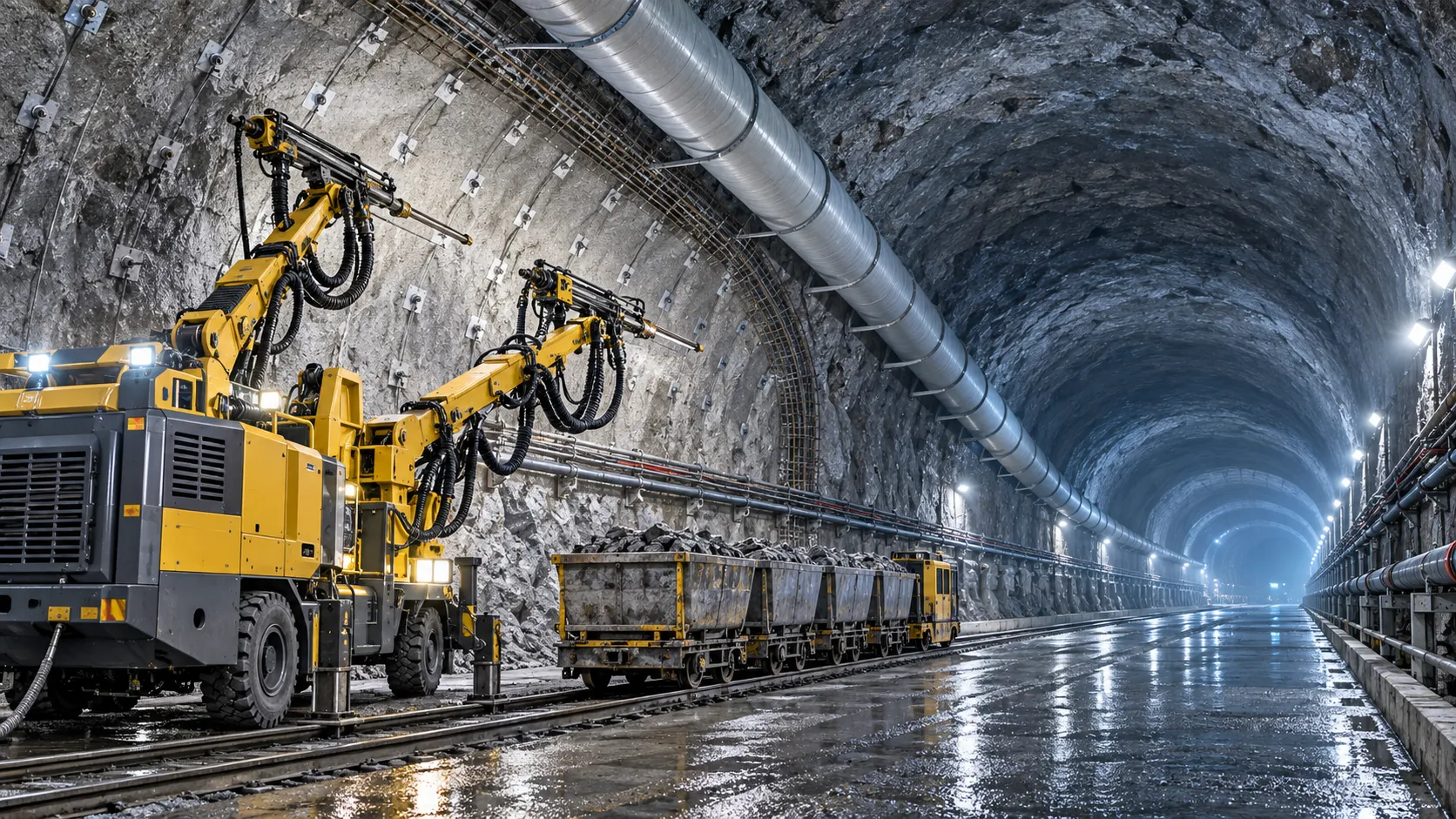
How to Evaluate European Drill-and-Blast Tunnelling Contractors for Complex Projects
Drill and blast tunnelling contractors Europe: learn how to assess geology expertise, blast control, equipment reliability, safety, and programme resilience for complex projects.
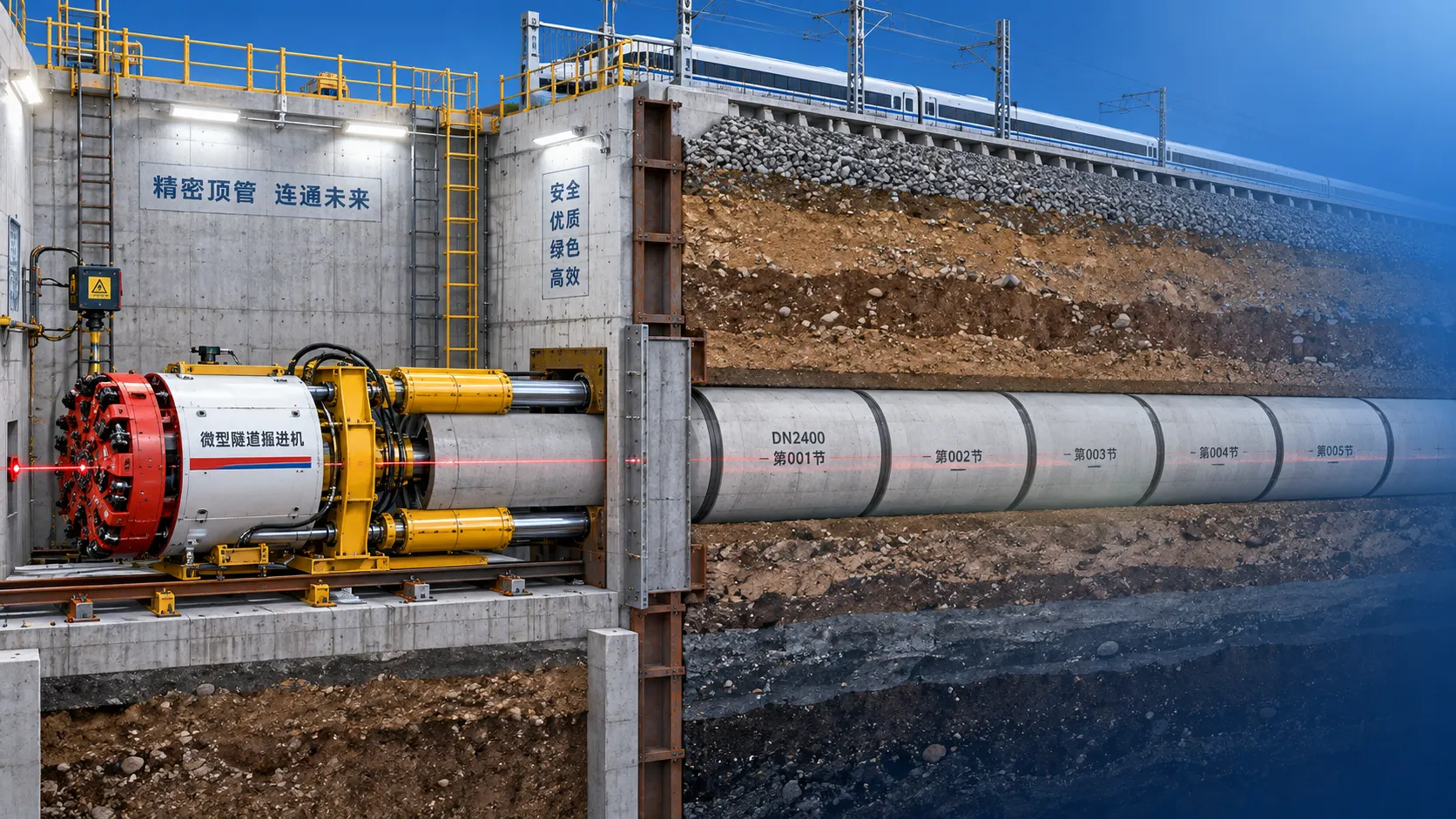
Which Trenchless Construction Technique Fits Your Utility Crossing Conditions?
Trenchless construction techniques compared for utility crossings: choose HDD, microtunnelling, pipe jacking, or auger boring based on ground, accuracy, access, and risk.
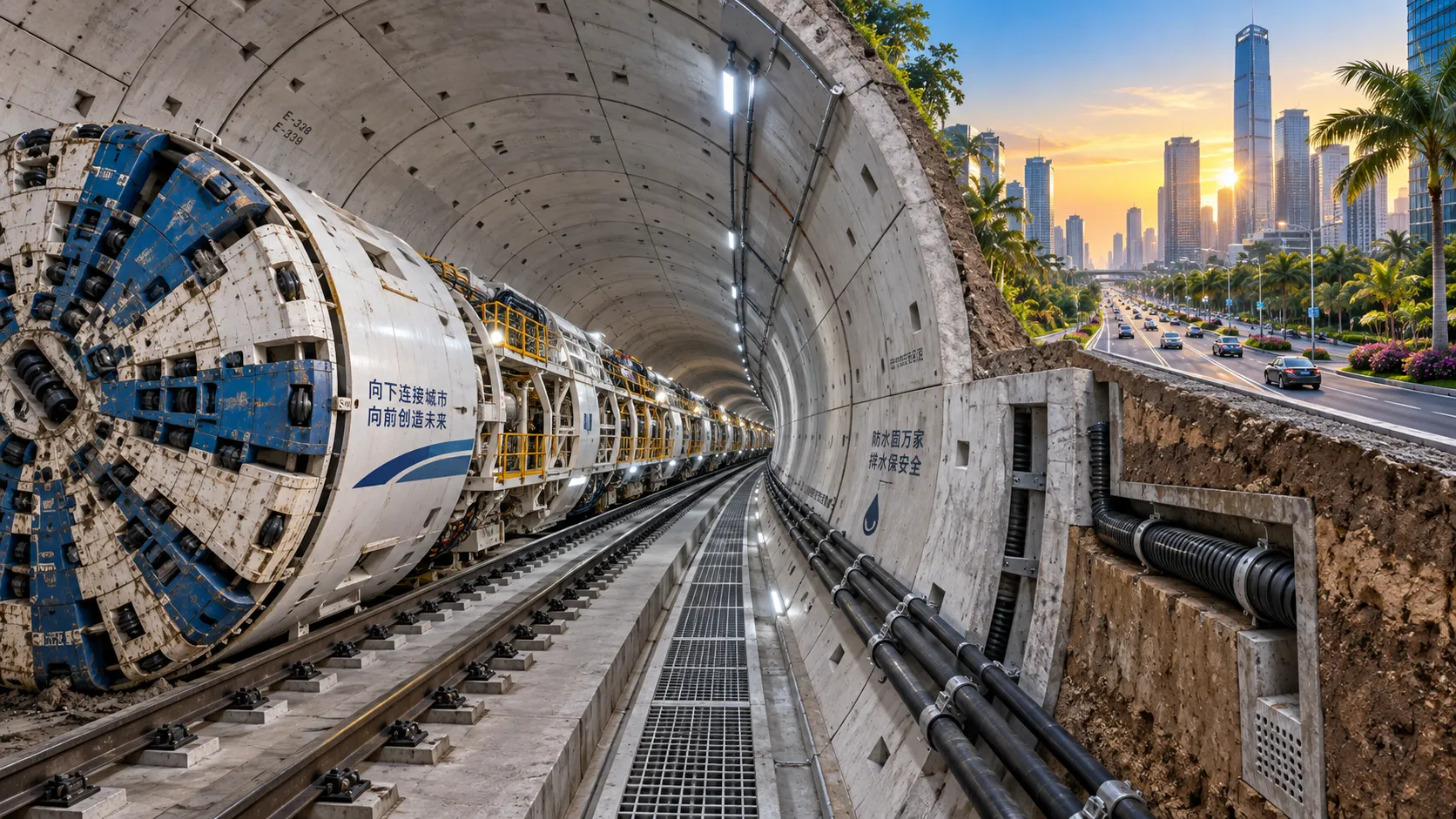
What Is Driving Metro Tunnelling Demand Across Southeast Asia’s Major Cities?
Metro tunnelling Southeast Asia is accelerating as major cities tackle congestion, flooding, and connectivity. Explore the market forces, technical risks, and opportunities shaping demand.
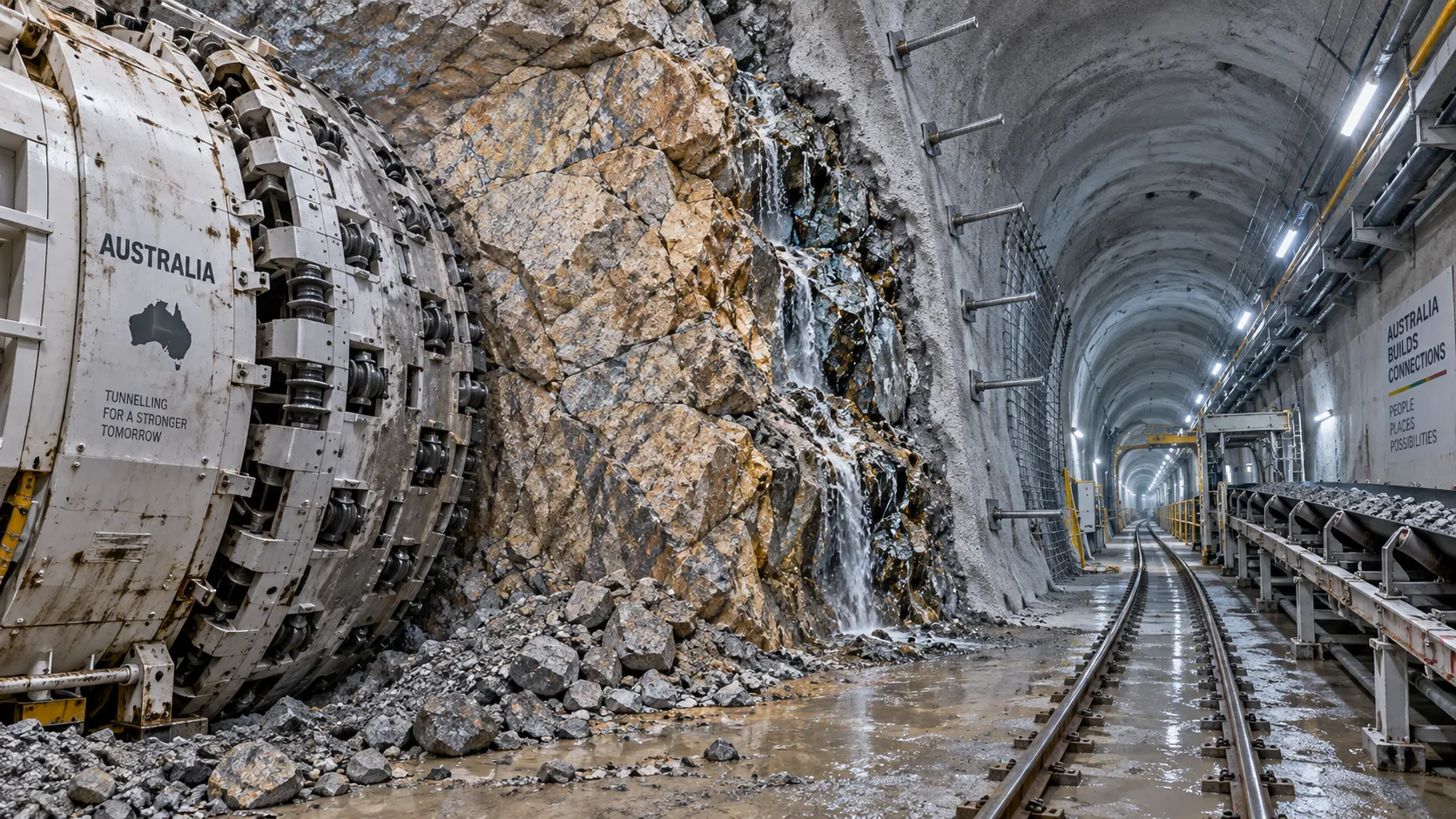
Hard Rock Tunnelling in Australia: Selecting Methods for Variable Ground Conditions
Hard rock tunnelling in Australia: compare TBM, drill-and-blast and hybrid methods to manage variable ground, reduce risk and protect project costs.
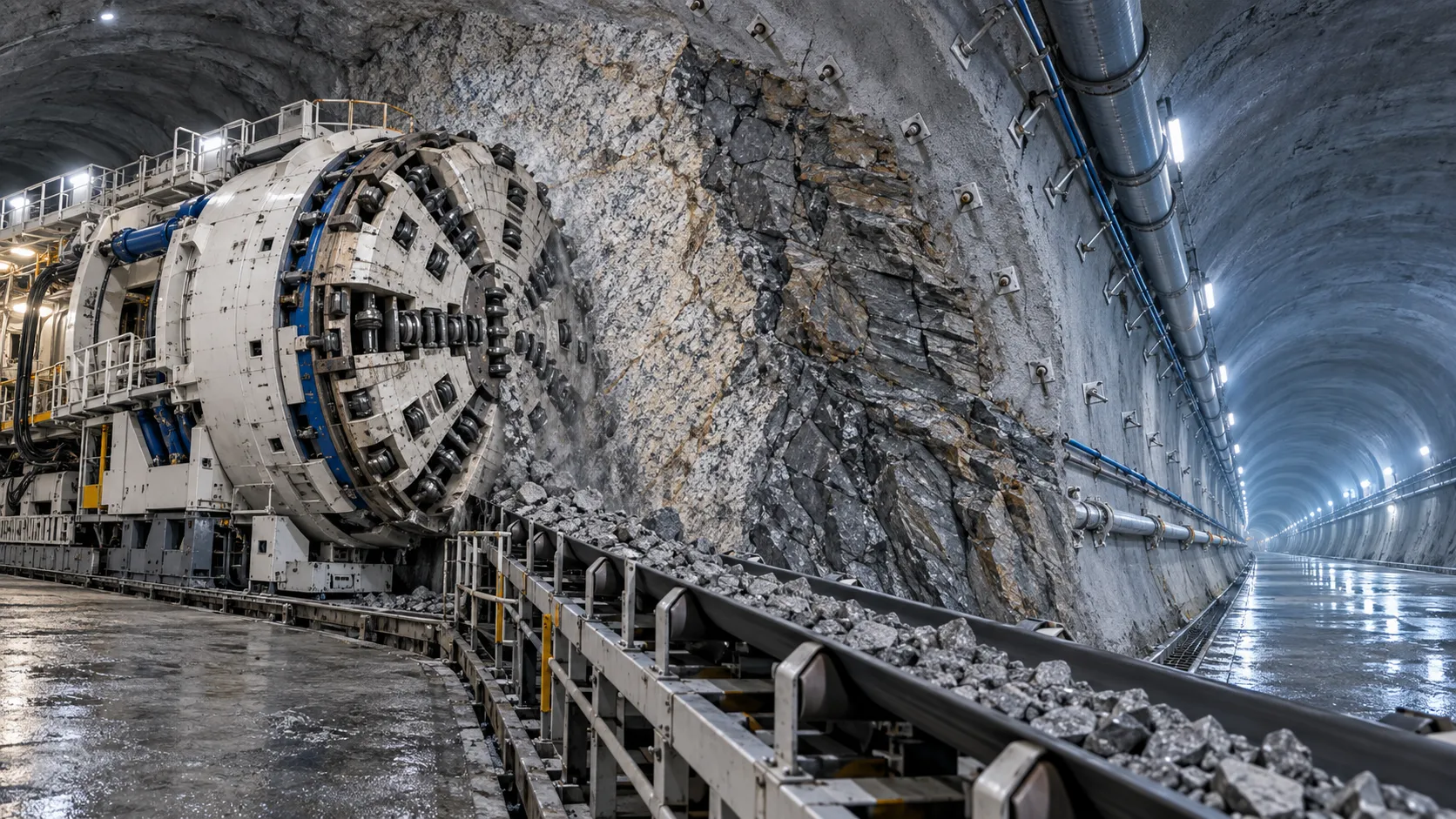
Hydropower Tunnel Excavation: Selecting Methods for Variable Rock Conditions
Hydropower tunnel excavation methods for variable rock conditions: compare TBM, drill-and-blast, and hybrid strategies to improve safety, progress, and project control.
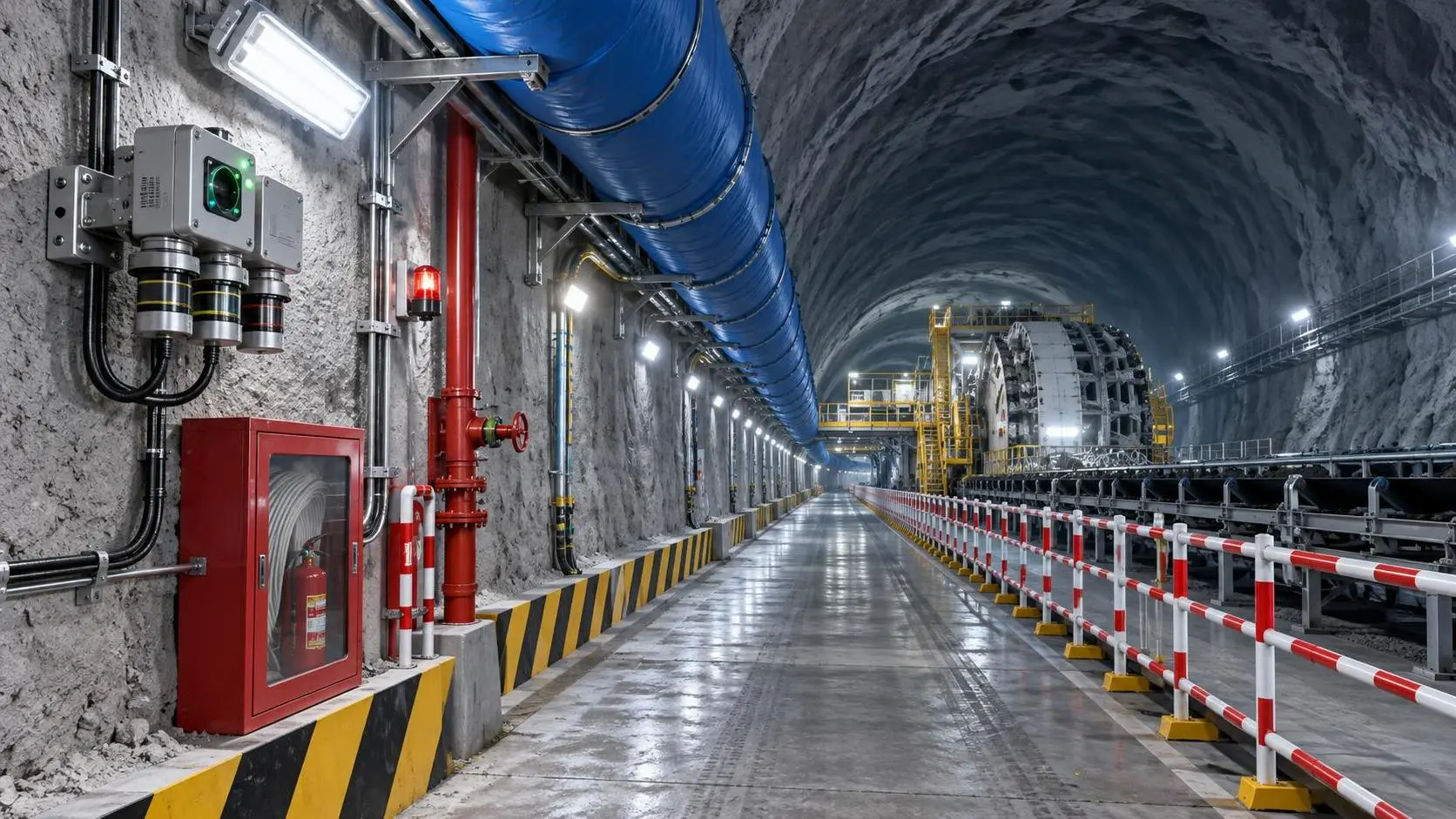
How to Select Underground Safety Equipment for Tunnelling by Hazard and Work Zone
Underground Safety Equipment for tunnelling: match protection to hazards, work zones, compliance, and emergency needs with this practical selection guide.

EPB or Slurry Shield? Selecting Soft-Ground Tunnelling Equipment by Soil Conditions
Tunnel Excavation Equipment for soft ground: compare EPB and slurry shields by soil, groundwater, settlement risk, and project logistics to choose confidently.
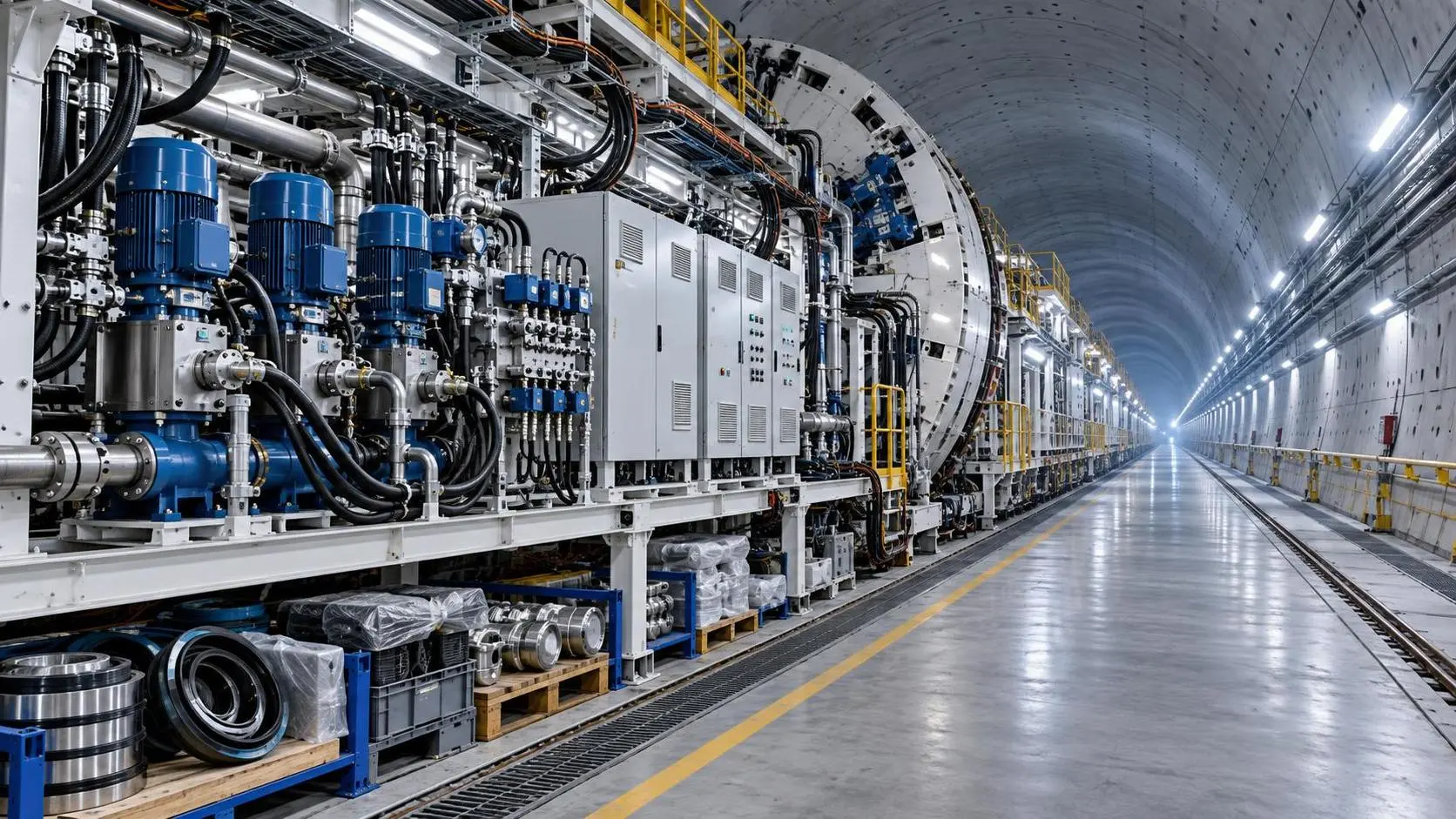
How to Specify TBM Backup System Parts for Reliable Long-Distance Tunnelling
TBM backup system parts: learn how to specify reliable spares for long-distance tunnelling, reduce downtime, ensure compatibility, and speed underground recovery.

How to Size Open Pit Mining Trucks for Haul Distance, Grade, and Payload?
Open Pit Mining Trucks: learn how to match payload, haul distance, grade, road resistance, and loading capacity for safer, lower-cost mine operations.
Related News
- 00
0000-00
How to Evaluate European Drill-and-Blast Tunnelling Contractors for Complex Projects - 00
0000-00
Which Trenchless Construction Technique Fits Your Utility Crossing Conditions? - 00
0000-00
What Is Driving Metro Tunnelling Demand Across Southeast Asia’s Major Cities? - 00
0000-00
Hard Rock Tunnelling in Australia: Selecting Methods for Variable Ground Conditions - 00
0000-00
Hydropower Tunnel Excavation: Selecting Methods for Variable Rock Conditions
Weekly Insights
Stay ahead with our curated technology reports delivered every Monday.