
When does hard rock excavation need a different strategy?





Hard Rock Excavation demands a different strategy when rock strength, abrasiveness, joint patterns, and groundwater conditions begin to overwhelm standard cutting, drilling, or haulage methods. For technical evaluators, recognizing these turning points is essential to selecting the right TBM, jumbo, or support system, reducing wear, controlling risk, and preserving project efficiency in deep underground and mining environments.
In practice, the decision is rarely triggered by one factor alone. A tunnel heading may remain manageable at 120–180 MPa uniaxial compressive strength, then become uneconomical when quartz-rich bands, cutter vibration, inflow above 20–30 L/min, and unstable blocky structures appear together. For technical assessment teams working across TBM tunnelling, drill-and-blast development, trenchless drives, or underground mine access, the key question is not whether the rock is hard, but when the rock mass starts to change the economics, safety profile, and equipment fit of the entire excavation system.
That turning point matters to UTMD’s audience because equipment selection in deep underground projects is increasingly tied to electrification targets, automation readiness, maintenance intervals, and asset utilization. A wrong strategy in hard rock excavation does not only slow penetration. It can shorten disc cutter life by 30%–50%, increase drill steel consumption, overload haulage cycles, and create support delays that cascade into weeks of schedule loss.
What Signals That Hard Rock Excavation Needs a Different Strategy?
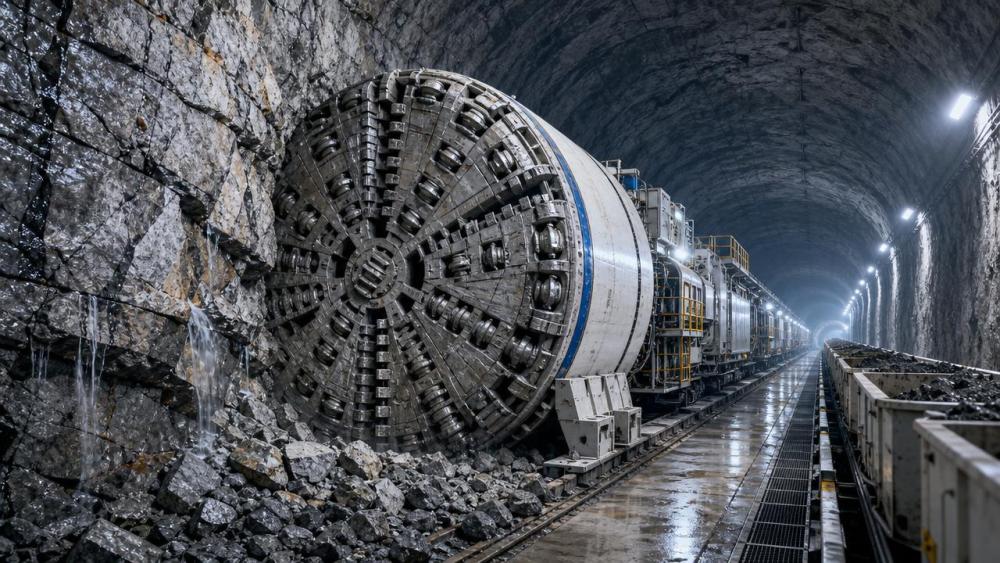
Technical evaluators should look for a cluster of operational indicators rather than a single geological label. Hard rock excavation often needs a different strategy when the selected machine or excavation sequence can no longer keep wear, advance rate, and support demand within a predictable operating band.
Key thresholds that change planning assumptions
In many underground projects, strategy review begins when intact rock strength rises above 180–220 MPa, Cerchar Abrasivity Index trends above 3.5–4.0, or cutterhead torque demand increases while net advance falls below target for 2–3 consecutive weeks. These are not universal cutoffs, but they are useful decision triggers.
Jointing also matters. Massive, competent rock may favor continuous cutting if wear is manageable, while heavily fractured but strong rock can create overbreak, wedge failures, and unstable face conditions that force changes in support timing, probe drilling frequency, or excavation sequence. Groundwater can intensify every one of these problems by washing fines, reducing visibility, and accelerating component damage.
Common warning signs in the field
- Disc cutter changes becoming necessary every 80–150 m instead of planned 200–300 m
- Drilling penetration dropping by 20% or more across comparable rounds
- Cutterhead vibration, tool bounce, or frequent jamming in mixed fracture zones
- Ground support lag exceeding 1 cycle behind excavation for more than 3 shifts
- Water inflow causing repeated stoppages, slurry handling issues, or scaling hazards
- Haulage cycle times rising because blasted fragmentation is too coarse or too irregular
When two or more of these indicators appear together, hard rock excavation should be re-evaluated at system level. That means checking not only the cutting or drilling front end, but also mucking, ventilation, support installation, maintenance windows, and digital monitoring coverage.
The table below helps technical evaluators separate geological symptoms from strategic implications. This is useful during concept review, bid comparison, or change-order discussions where the question is whether the original excavation approach still fits actual conditions.
The most important conclusion is that hard rock excavation becomes a strategy issue when geology starts driving unplanned downtime and secondary costs. At that point, the evaluator should compare alternative methods on life-cycle performance, not just headline advance rate.
How Strategy Changes Across TBMs, Jumbos, and Underground Haulage
A different strategy in hard rock excavation usually means changing the entire operating envelope of the project. The correct response depends on whether the project relies on full-face mechanized tunnelling, drill-and-blast development, trenchless drives, or mine access excavation supported by loaders and haulage equipment.
TBM strategy in extremely hard and abrasive formations
For TBM applications, the main questions are cutterhead design, installed power, disc cutter diameter, thrust margin, and intervention strategy. In strong granite, quartzite, or basalt, a machine that looks adequate on paper may struggle if it lacks torque reserve for localized peaks or if cutter inspections require excessive stoppage time.
Technical evaluators should verify at least 4 areas: expected penetration in mm/rev, cutter wear per 100 m, access time for cutter changes, and compatibility with the support regime. If inspections take 4–6 hours too often, the machine’s nominal cutting capability may not translate into actual weekly advance.
What often changes in TBM planning
- Higher allowance for cutter consumption and more disciplined spare parts planning
- Shorter geotechnical feedback loops, often daily rather than weekly
- Closer integration of support installation with face condition monitoring
- Use of condition-based maintenance instead of fixed-hour maintenance alone
Drilling jumbo strategy in hard rock mines and drill-and-blast tunnels
In drill-and-blast environments, the turning point usually appears in the drilling and fragmentation stages. If collars wander, hole deviation increases, or pull-out time rises, the issue may not be only operator technique. It may indicate that feed force, percussion energy, bit design, flushing, and pattern geometry no longer match the rock mass response.
A strategy shift can include changing hole diameter ranges, burden and spacing, bit material, flushing pressure, and bolting sequence. For example, a pattern that works well in 80–120 MPa rock may underperform badly above 180 MPa, especially when abrasive silica content accelerates bit wear and reduces drilling accuracy after only a few rounds.
Haulage and loading strategy in confined underground systems
Hard rock excavation strategy also changes downstream. Tougher rock can produce larger block sizes, more irregular fragmentation, and slower loading. That affects LHD bucket fill factors, crusher choke risk, and truck cycle times. In battery-electric or low-emission underground fleets, repeated stop-start loading in poor fragmentation conditions can also distort expected energy usage per tonne.
Evaluators should therefore connect face performance with transport system design. In deep mines, a 10% reduction in loading efficiency can offset gains made at the drilling front. In long declines, this may further influence regenerative braking assumptions for electric mining trucks and shift the charging or battery-swap schedule.
The comparison below outlines how excavation strategy often changes by equipment family when hard rock conditions intensify. It is a useful reference during equipment selection workshops and technical due diligence reviews.
The pattern across all systems is clear: when hard rock excavation intensifies, the winning strategy is usually the one that balances cutting performance with maintainability, support integration, and haulage continuity. Pure front-end power is rarely enough on its own.
Technical Evaluation Criteria Before Committing to a New Approach
Before changing equipment or excavation logic, technical evaluators should use a disciplined decision framework. This prevents overreaction to short-term productivity dips and helps distinguish between operator issues, maintenance gaps, and real geological escalation.
A practical 5-part evaluation model
- Geology: strength, abrasiveness, discontinuities, groundwater, and stress regime
- Machine fit: installed power, tooling, access for maintenance, automation support
- Cycle time: excavation, support, mucking, ventilation, and downtime distribution
- Consumables: cutters, bits, wear plates, ground support items, and spare availability
- Risk exposure: safety events, schedule impact, energy demand, and intervention complexity
Each part should be scored over at least a 2–4 week operating window. Shorter windows can hide variability, especially in mixed geology. Longer windows are useful when the heading includes fault zones, transitions from fresh to weathered rock, or significant inflow fluctuations.
Questions that improve procurement and retrofit decisions
Can the current system maintain target output with less than 15% unplanned downtime? Are wear parts replaceable within the shift structure already available on site? Does the support system still match the actual failure mode of the rock mass? Is the monitoring data granular enough to separate rock-driven delays from process-driven delays?
For electrified or automation-ready fleets, another question becomes critical: does the new hard rock excavation strategy support the digital architecture already in place? A better mechanical solution may still underperform if it breaks data continuity, remote diagnostics, or maintenance scheduling logic.
Implementation Risks, Service Planning, and Long-Term Performance
Changing strategy in hard rock excavation is not only a technical design decision. It affects service contracts, parts inventory, workforce routines, and capital timing. Projects often underestimate this transition cost, especially when geology worsens faster than the procurement process can react.
Where implementation commonly fails
One common mistake is solving a wear problem without solving access time. Another is upgrading drilling or cutting equipment but leaving support, haulage, or dewatering unchanged. A third is treating hard rock excavation as a fixed geological category rather than a moving operational threshold that may change every 50–200 m along the alignment.
Service planning should therefore include consumables stock coverage, inspection intervals, maintenance labor skill requirements, and escalation rules. In many projects, keeping 2–3 critical wear-part cycles in reserve is more valuable than chasing a small gain in nominal penetration rate.
Recommended service and monitoring actions
- Review geology and production data at least once per shift during unstable ground periods
- Track wear consumption per metre, not only per calendar week
- Align support crews and excavation crews around shared delay codes
- Use digital records for torque, penetration, bit life, inflow, and cycle-time drift
- Reassess the strategy after every major geological transition or faulted zone
For organizations evaluating suppliers, this is where industry intelligence adds value. Reliable assessment requires more than product brochures. It needs insight into how machine architecture, underground transport, wear mechanics, and ESG-driven electrification trends interact under severe rock conditions. That is exactly why technical evaluators increasingly rely on specialized underground engineering intelligence rather than isolated equipment claims.
When hard rock excavation starts driving excessive wear, unstable advance, or support backlog, the correct response is a coordinated strategy shift across geology, machine fit, consumables, and haulage. For TBM projects, trenchless drives, and underground mines, the best decisions come from comparing operational thresholds instead of relying on broad rock labels alone.
UTMD supports technical evaluators with focused insight across tunnel boring machines, drilling jumbos, underground loaders, mining trucks, and the strategic intelligence needed to connect rock mechanics with equipment decisions. If you need a clearer framework for selecting the right approach in hard rock excavation, contact us to discuss project conditions, compare solution paths, and get a more tailored evaluation basis.
Related News
How to Evaluate European Drill-and-Blast Tunnelling Contractors for Complex Projects
Drill and blast tunnelling contractors Europe: learn how to assess geology expertise, blast control, equipment reliability, safety, and programme resilience for complex projects.
Which Trenchless Construction Technique Fits Your Utility Crossing Conditions?
Trenchless construction techniques compared for utility crossings: choose HDD, microtunnelling, pipe jacking, or auger boring based on ground, accuracy, access, and risk.
What Is Driving Metro Tunnelling Demand Across Southeast Asia’s Major Cities?
Metro tunnelling Southeast Asia is accelerating as major cities tackle congestion, flooding, and connectivity. Explore the market forces, technical risks, and opportunities shaping demand.
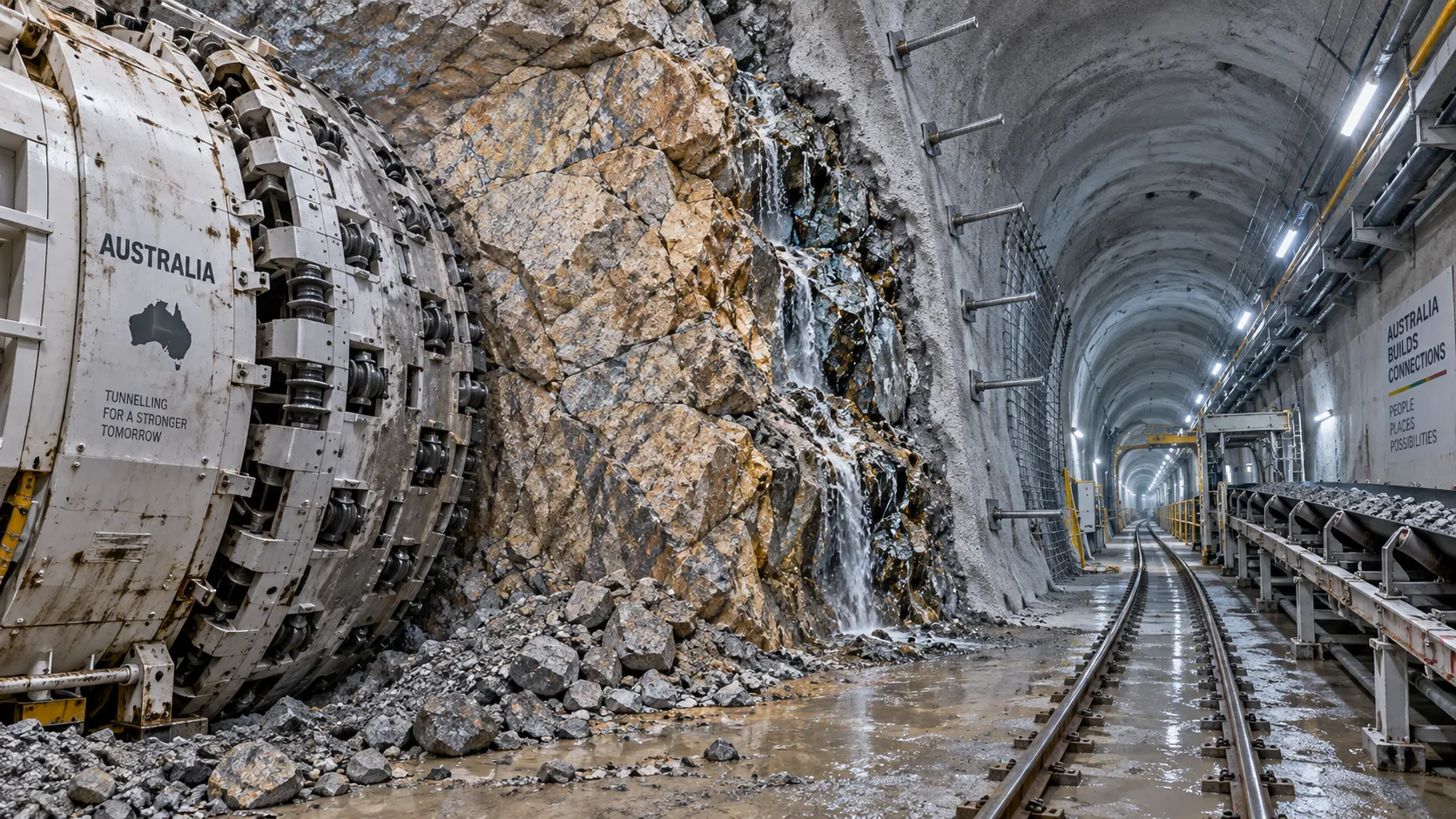
Hard Rock Tunnelling in Australia: Selecting Methods for Variable Ground Conditions
Hard rock tunnelling in Australia: compare TBM, drill-and-blast and hybrid methods to manage variable ground, reduce risk and protect project costs.
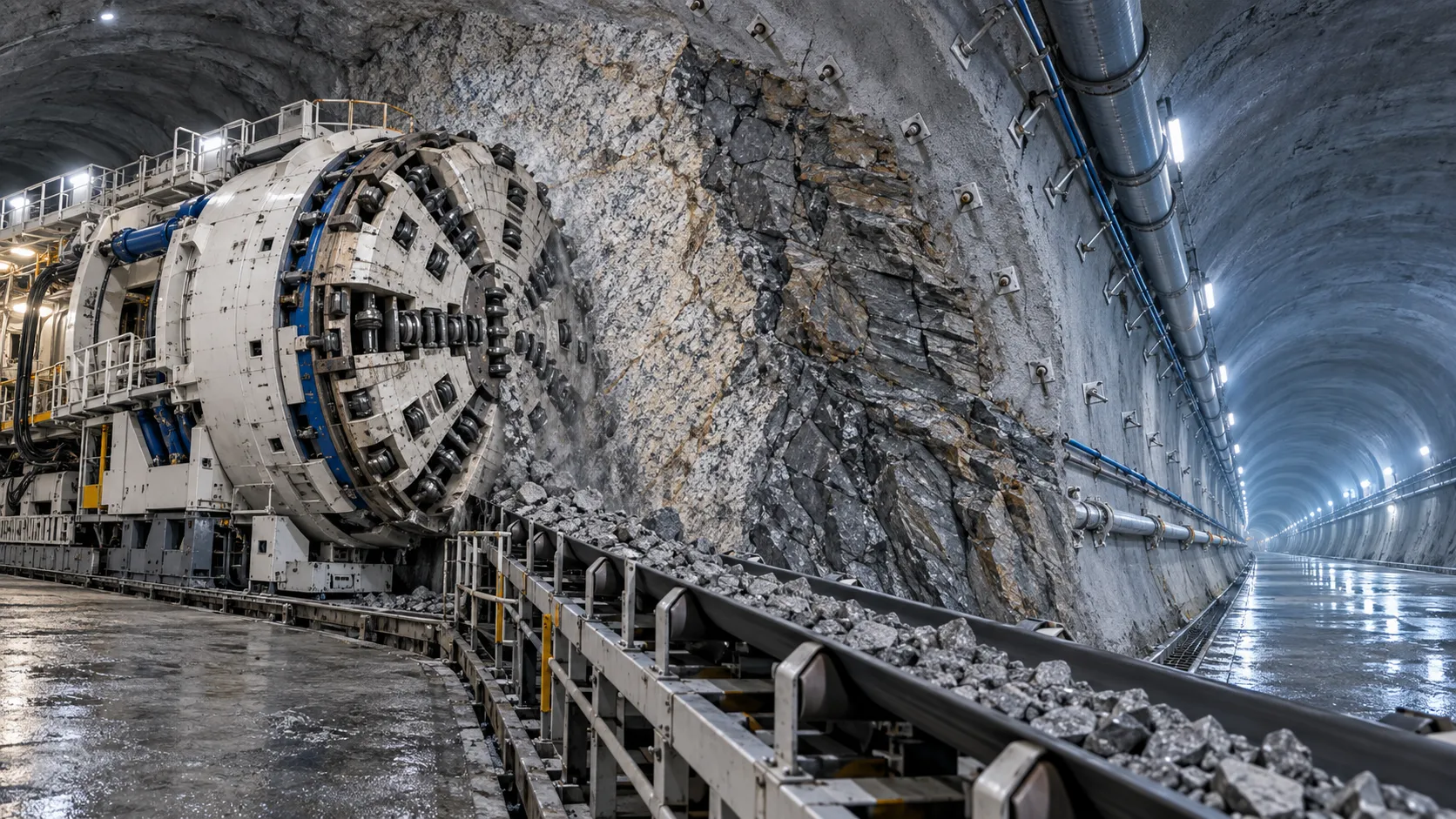
Hydropower Tunnel Excavation: Selecting Methods for Variable Rock Conditions
Hydropower tunnel excavation methods for variable rock conditions: compare TBM, drill-and-blast, and hybrid strategies to improve safety, progress, and project control.
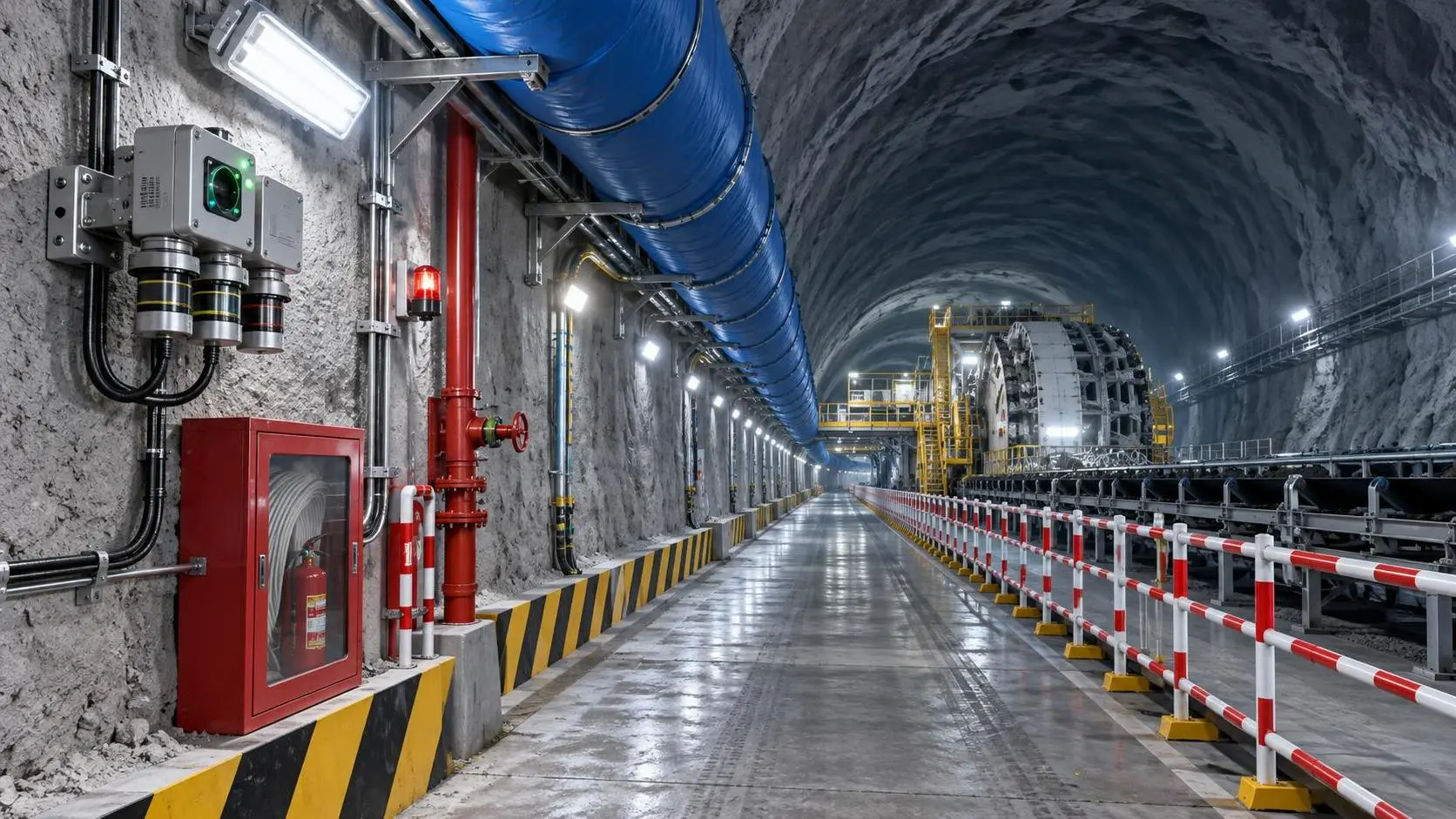
How to Select Underground Safety Equipment for Tunnelling by Hazard and Work Zone
Underground Safety Equipment for tunnelling: match protection to hazards, work zones, compliance, and emergency needs with this practical selection guide.
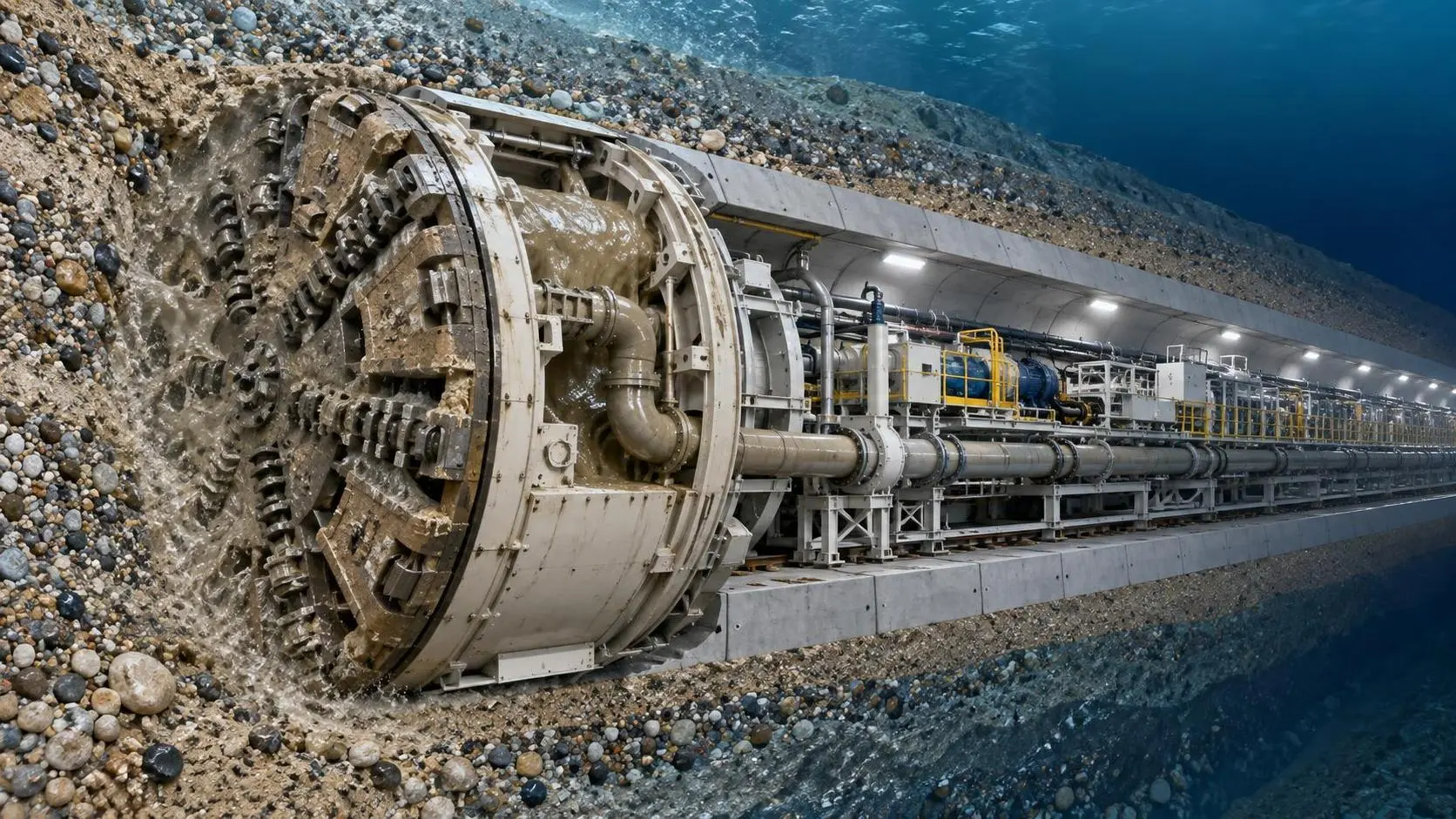
EPB or Slurry Shield? Selecting Soft-Ground Tunnelling Equipment by Soil Conditions
Tunnel Excavation Equipment for soft ground: compare EPB and slurry shields by soil, groundwater, settlement risk, and project logistics to choose confidently.
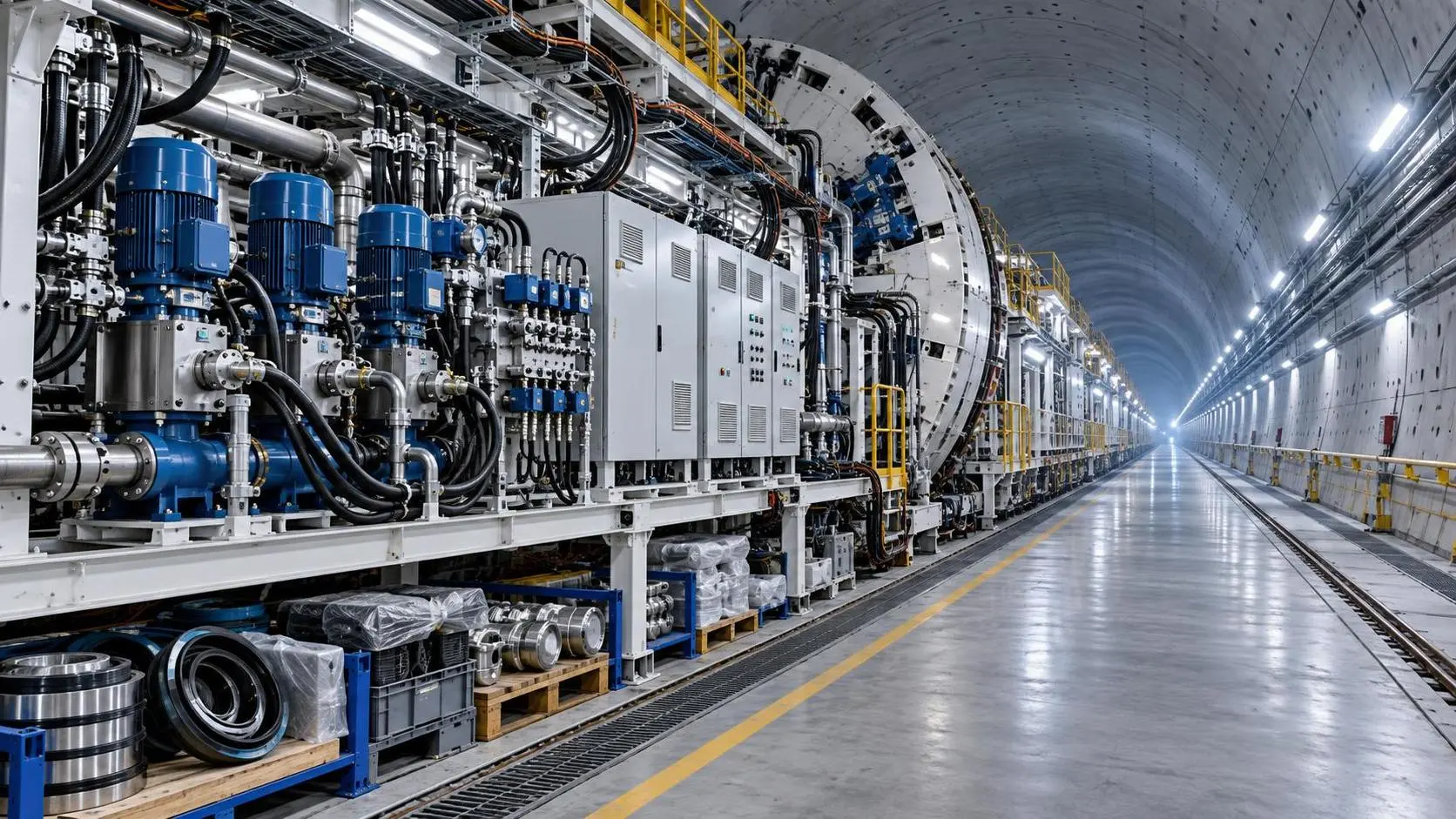
How to Specify TBM Backup System Parts for Reliable Long-Distance Tunnelling
TBM backup system parts: learn how to specify reliable spares for long-distance tunnelling, reduce downtime, ensure compatibility, and speed underground recovery.
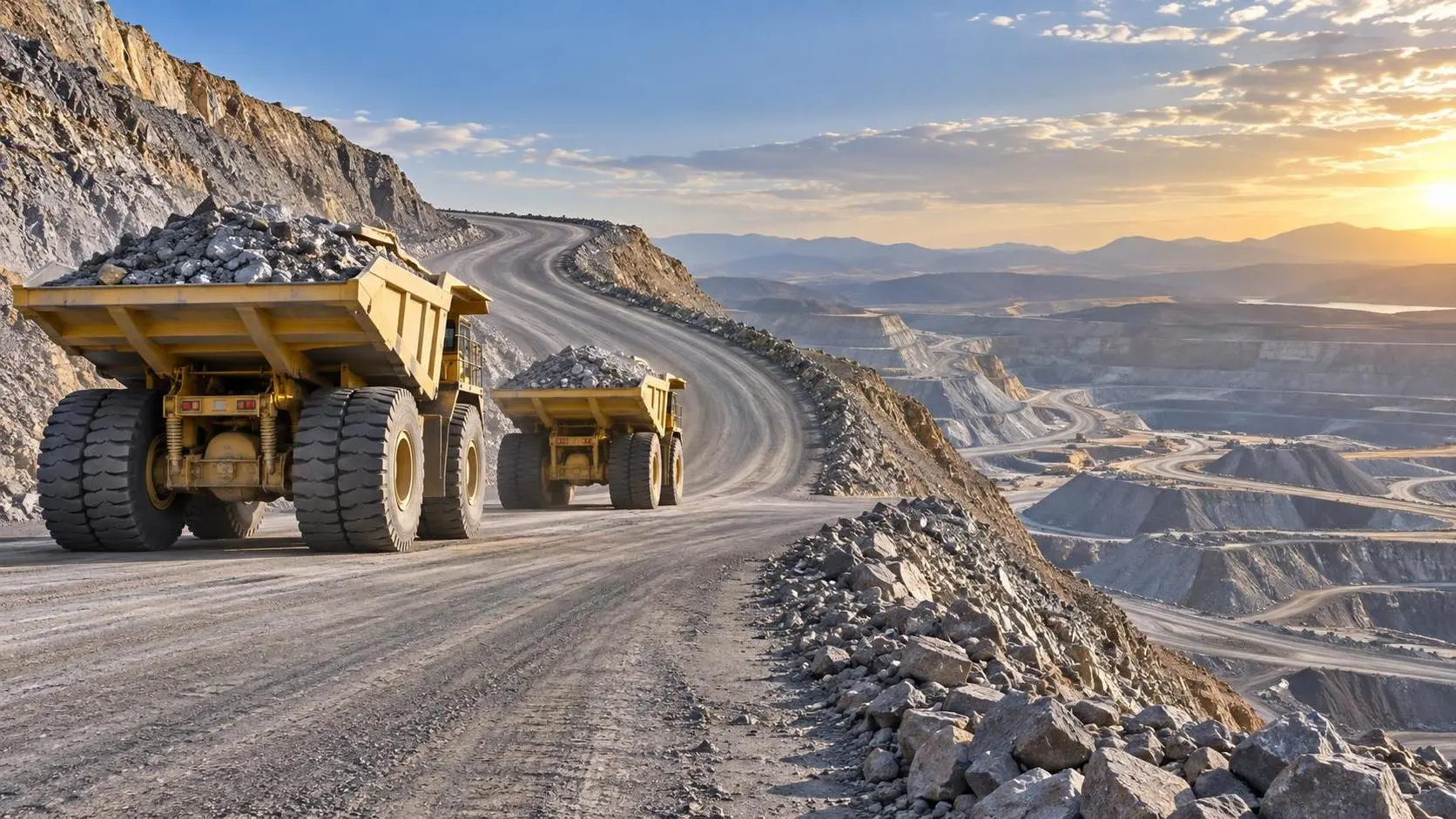
How to Size Open Pit Mining Trucks for Haul Distance, Grade, and Payload?
Open Pit Mining Trucks: learn how to match payload, haul distance, grade, road resistance, and loading capacity for safer, lower-cost mine operations.
Related News
- 00
0000-00
How to Evaluate European Drill-and-Blast Tunnelling Contractors for Complex Projects - 00
0000-00
Which Trenchless Construction Technique Fits Your Utility Crossing Conditions? - 00
0000-00
What Is Driving Metro Tunnelling Demand Across Southeast Asia’s Major Cities? - 00
0000-00
Hard Rock Tunnelling in Australia: Selecting Methods for Variable Ground Conditions - 00
0000-00
Hydropower Tunnel Excavation: Selecting Methods for Variable Rock Conditions
Weekly Insights
Stay ahead with our curated technology reports delivered every Monday.