
Hard Rock Excavation Equipment Selection Guide: Key Machine Types and Rock Condition Factors





Choosing hard rock excavation equipment is rarely a simple comparison of machine size or purchase price. In tunnel construction, mining development, and underground infrastructure, the right choice depends on how rock conditions, production targets, access constraints, and lifecycle costs interact. A machine that performs well in one formation can become inefficient, maintenance-heavy, or operationally risky in another. That is why equipment selection has become a strategic decision rather than a purely technical one.
Why equipment selection matters more in hard rock projects
Hard rock excavation equipment sits at the center of schedule control, cost predictability, and underground safety. The harder and more variable the ground, the smaller the margin for a poor selection decision.
Across global tunnelling and mining projects, the pressure is growing from several directions at once. Output expectations are rising. ESG rules are reshaping fleet choices. Zero-emission underground operations are becoming more relevant. Digital monitoring is no longer optional on large assets.
This is also why intelligence platforms such as UTMD have become useful reference points. The market is no longer only about machine availability. It is about cutter wear behavior, drilling efficiency, automation readiness, haulage integration, and long-term asset utilization in difficult rock environments.
A visual comparison of major equipment categories helps frame the decision.
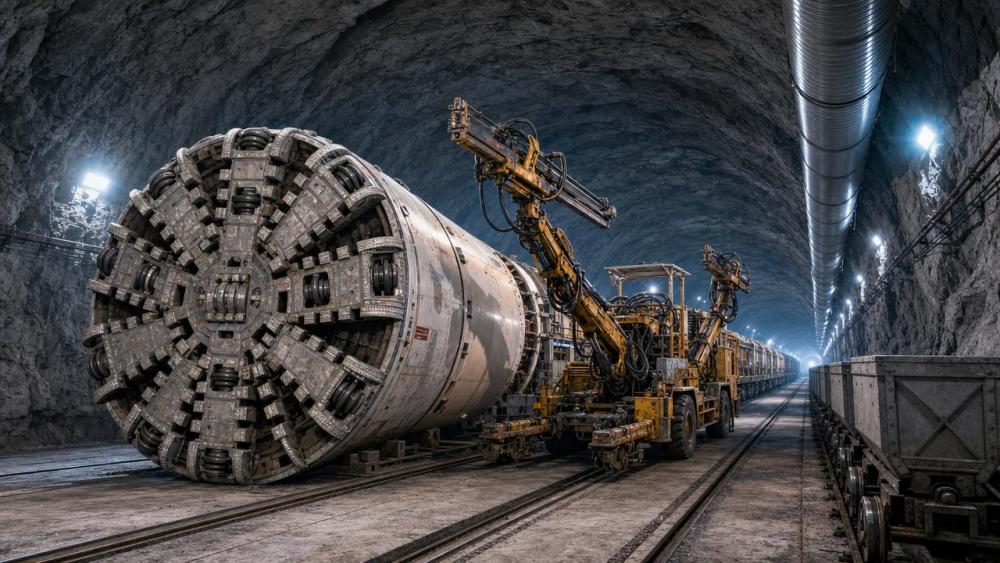
The main hard rock excavation equipment categories
Not every project needs the same excavation method. The most suitable hard rock excavation equipment depends on excavation geometry, production rhythm, support requirements, and surrounding logistics.
Tunnel boring machines
TBMs are designed for continuous full-face excavation over long drives. In competent hard rock, they offer stable alignment, predictable profiles, and strong productivity when geology is well understood.
Their value grows on large tunnels where cutterhead performance, segment installation, and spoil removal can be optimized as one system. However, TBM selection must account for rock abrasivity, fracture frequency, water ingress, and access for cutter changes.
Drilling jumbos
Drilling jumbos remain essential in drill-and-blast tunnels and underground mines. They are often the preferred hard rock excavation equipment when layouts are irregular, headings are shorter, or geological conditions change too quickly for a continuous boring strategy.
Modern jumbos also support face drilling, bolting, profiling, and data-driven blast pattern control. In very hard formations, feed stability, hydraulic impact power, and hole accuracy matter as much as nominal drilling speed.
Roadheaders and mechanical cutters
Roadheaders are more common in softer to medium-hard formations, but special configurations may still appear in mixed ground or selective excavation tasks. For pure hard rock, their application becomes limited by cutting resistance and tool wear.
Support and haulage systems
No hard rock excavation equipment works in isolation. Underground LHD loaders, battery-electric haulage, dump trucks, ventilation systems, scaling units, and bolters influence the actual productivity of the excavation fleet.
In mining, loading and transport bottlenecks often erase gains made at the face. In tunnelling, segment handling, mucking, and power supply can define machine utilization more than cutting power alone.
Rock condition factors that change the right choice
Machine selection should begin with ground characterization, not equipment catalogs. Several rock factors directly affect the performance of hard rock excavation equipment.
Abrasivity deserves special attention. Two rock masses may share similar strength values, yet tool life can be dramatically different. That changes total cost far more than headline production rates suggest.
UTMD often highlights this point in hard rock disc cutter analysis. Wear behavior is not a side issue. It can determine maintenance windows, spare inventory, downtime exposure, and even crew planning.
How project context reshapes machine value
The same hard rock excavation equipment can look economical in one project and expensive in another. The difference often comes from the surrounding operating model.
Tunnel length and profile
Long, uniform drives often justify high-capital systems such as hard rock TBMs. Shorter headings, variable sections, and multiple access points can favor drill-and-blast fleets with jumbos and mobile support equipment.
Power, ventilation, and emissions
In confined underground spaces, emissions are not only a compliance issue. They affect ventilation load, heat management, and worker exposure. Battery-electric LHDs and low-emission support fleets can materially improve the total system.
This is one reason electrification trends matter even when the discussion starts with cutting or drilling. Hard rock excavation equipment should be assessed as part of an integrated underground energy and logistics chain.
Automation and data visibility
Remote control, onboard diagnostics, digital drilling plans, and production data are increasingly relevant in procurement decisions. Machines with better data capture support more accurate maintenance planning and better contractor oversight.
In mines, autonomous or tele-remote haulage can improve shift continuity. In tunnelling, machine health data reduces surprises during critical project phases.
Practical checkpoints before comparing suppliers
A useful procurement process moves from geology to operating concept, then to machine specification. That order helps avoid buying capacity that cannot be converted into real output.
- Confirm rock strength, abrasivity, discontinuities, and groundwater with current site data.
- Match the excavation method to project geometry, advance targets, and support sequence.
- Check consumable assumptions, especially bits, cutters, wear parts, and service intervals.
- Review parts access, technician availability, and field support in the actual region.
- Evaluate power demand, ventilation implications, and electrification compatibility.
- Request performance references from comparable rock conditions, not only similar machine classes.
It is also worth separating nominal performance from sustained performance. A supplier may quote impressive penetration or drilling numbers, but the more useful figure is output after delays, tool changes, ground interventions, and support activities.
Where market direction is heading
The future of hard rock excavation equipment is moving toward smarter, cleaner, and more connected systems. That applies to TBMs, drilling jumbos, underground loaders, and mine transport fleets alike.
More projects now expect remote diagnostics, predictive maintenance, and better integration between excavation and haulage. ESG pressure is also pushing electric support fleets from pilot status toward mainstream deployment.
For that reason, the best equipment decision is not always the lowest initial bid. It is the one that stays productive across changing ground, tighter environmental rules, and higher expectations for digital control.
A grounded way to move forward
Selecting hard rock excavation equipment works best when geology, machine capability, and whole-system economics are evaluated together. Rock hardness matters, but so do wear rates, support logistics, emissions strategy, and data visibility.
A practical next step is to build a comparison matrix around actual site conditions, expected utilization, consumables, and support response time. From there, supplier discussions become more precise, and equipment choices become easier to defend over the full project lifecycle.
Related News
How to Evaluate European Drill-and-Blast Tunnelling Contractors for Complex Projects
Drill and blast tunnelling contractors Europe: learn how to assess geology expertise, blast control, equipment reliability, safety, and programme resilience for complex projects.
Which Trenchless Construction Technique Fits Your Utility Crossing Conditions?
Trenchless construction techniques compared for utility crossings: choose HDD, microtunnelling, pipe jacking, or auger boring based on ground, accuracy, access, and risk.
What Is Driving Metro Tunnelling Demand Across Southeast Asia’s Major Cities?
Metro tunnelling Southeast Asia is accelerating as major cities tackle congestion, flooding, and connectivity. Explore the market forces, technical risks, and opportunities shaping demand.
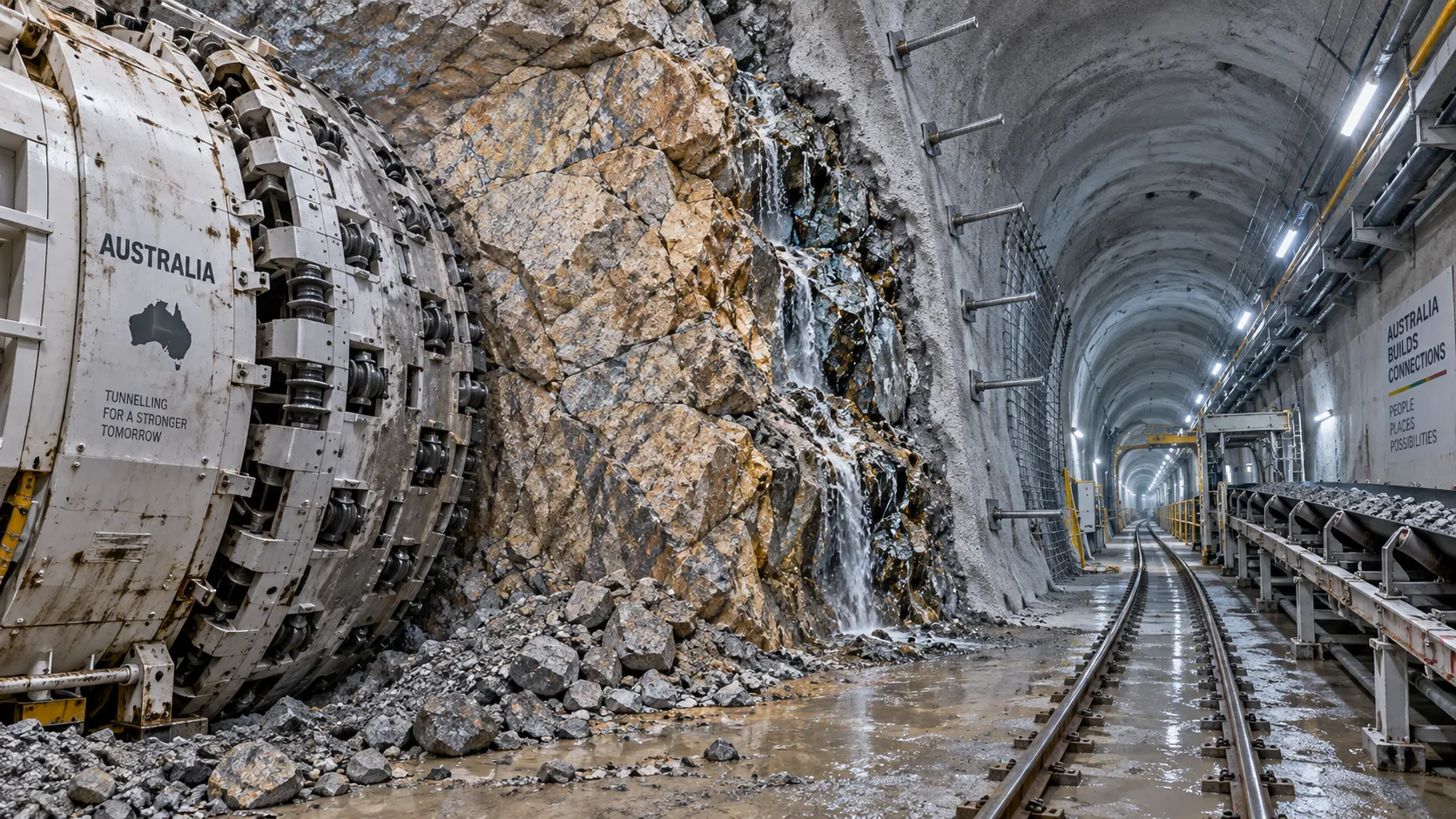
Hard Rock Tunnelling in Australia: Selecting Methods for Variable Ground Conditions
Hard rock tunnelling in Australia: compare TBM, drill-and-blast and hybrid methods to manage variable ground, reduce risk and protect project costs.
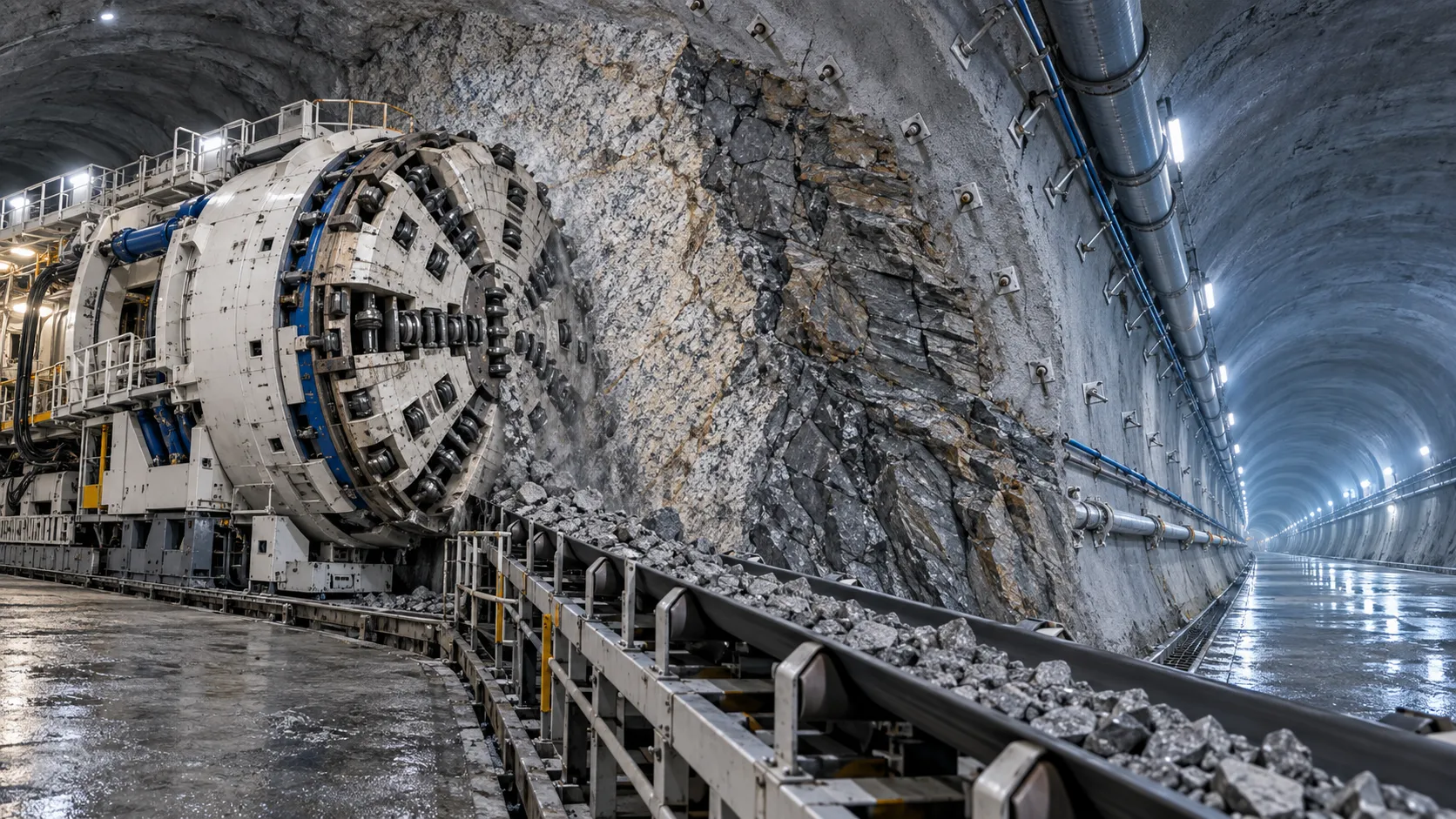
Hydropower Tunnel Excavation: Selecting Methods for Variable Rock Conditions
Hydropower tunnel excavation methods for variable rock conditions: compare TBM, drill-and-blast, and hybrid strategies to improve safety, progress, and project control.
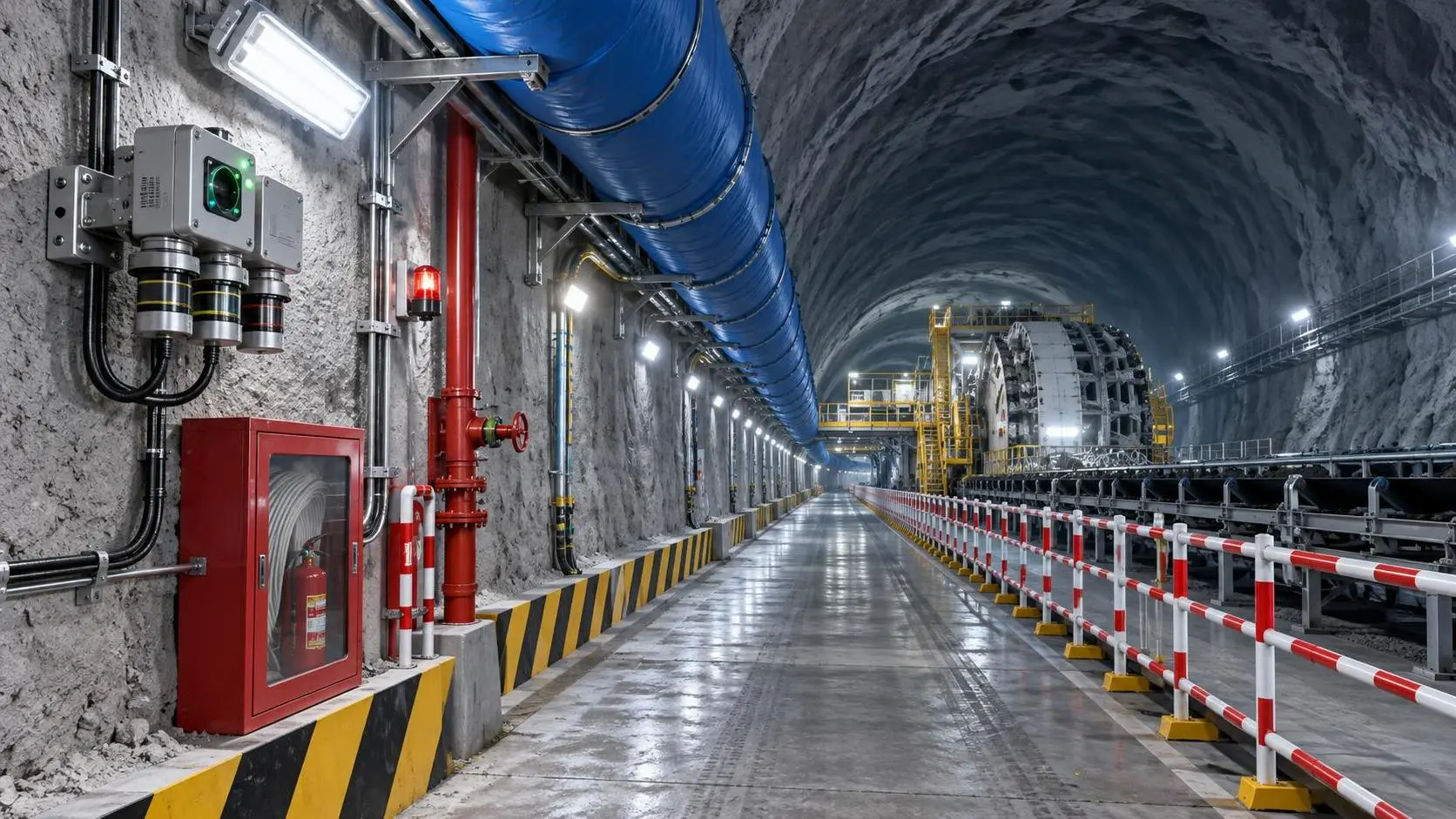
How to Select Underground Safety Equipment for Tunnelling by Hazard and Work Zone
Underground Safety Equipment for tunnelling: match protection to hazards, work zones, compliance, and emergency needs with this practical selection guide.
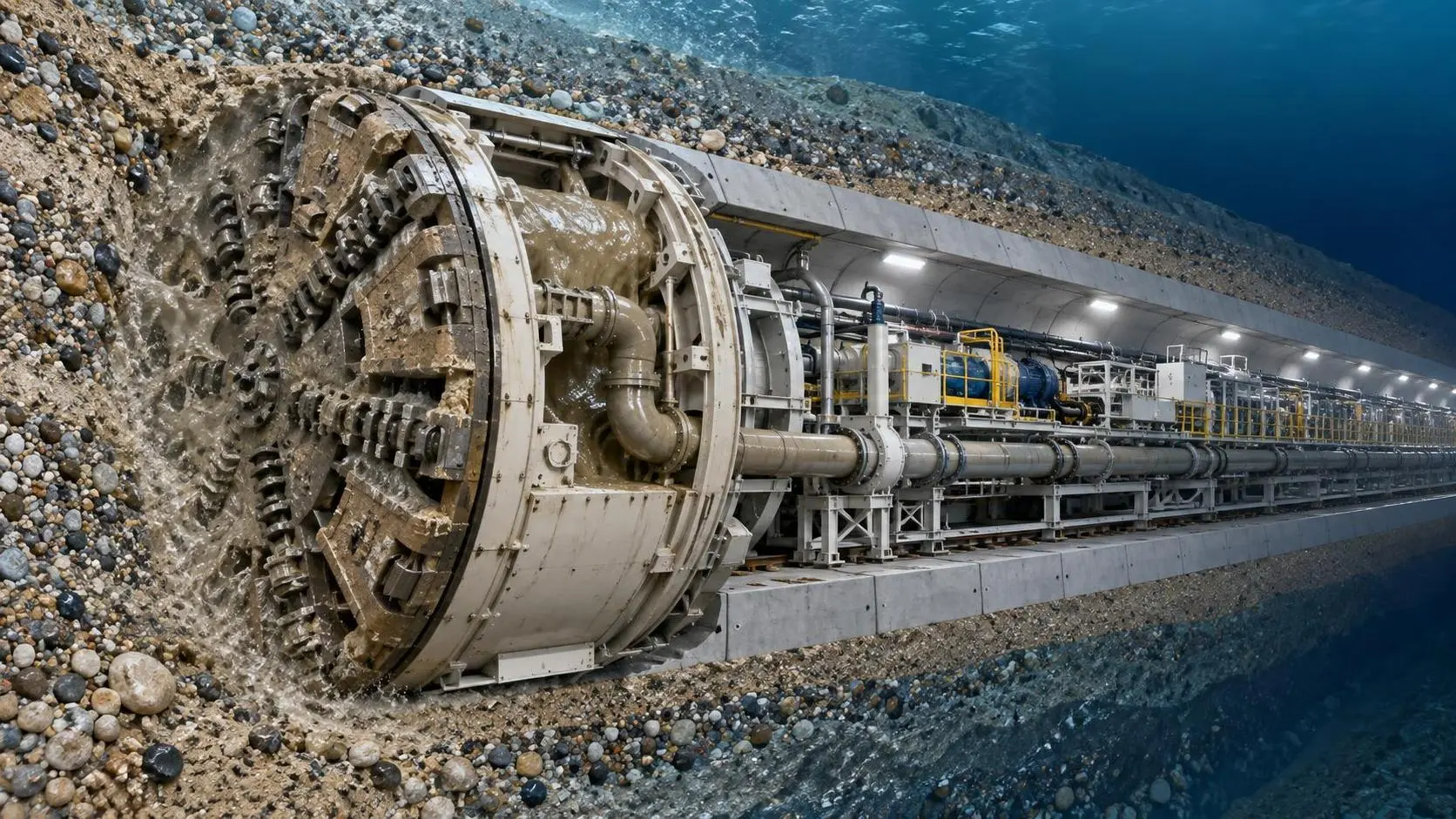
EPB or Slurry Shield? Selecting Soft-Ground Tunnelling Equipment by Soil Conditions
Tunnel Excavation Equipment for soft ground: compare EPB and slurry shields by soil, groundwater, settlement risk, and project logistics to choose confidently.
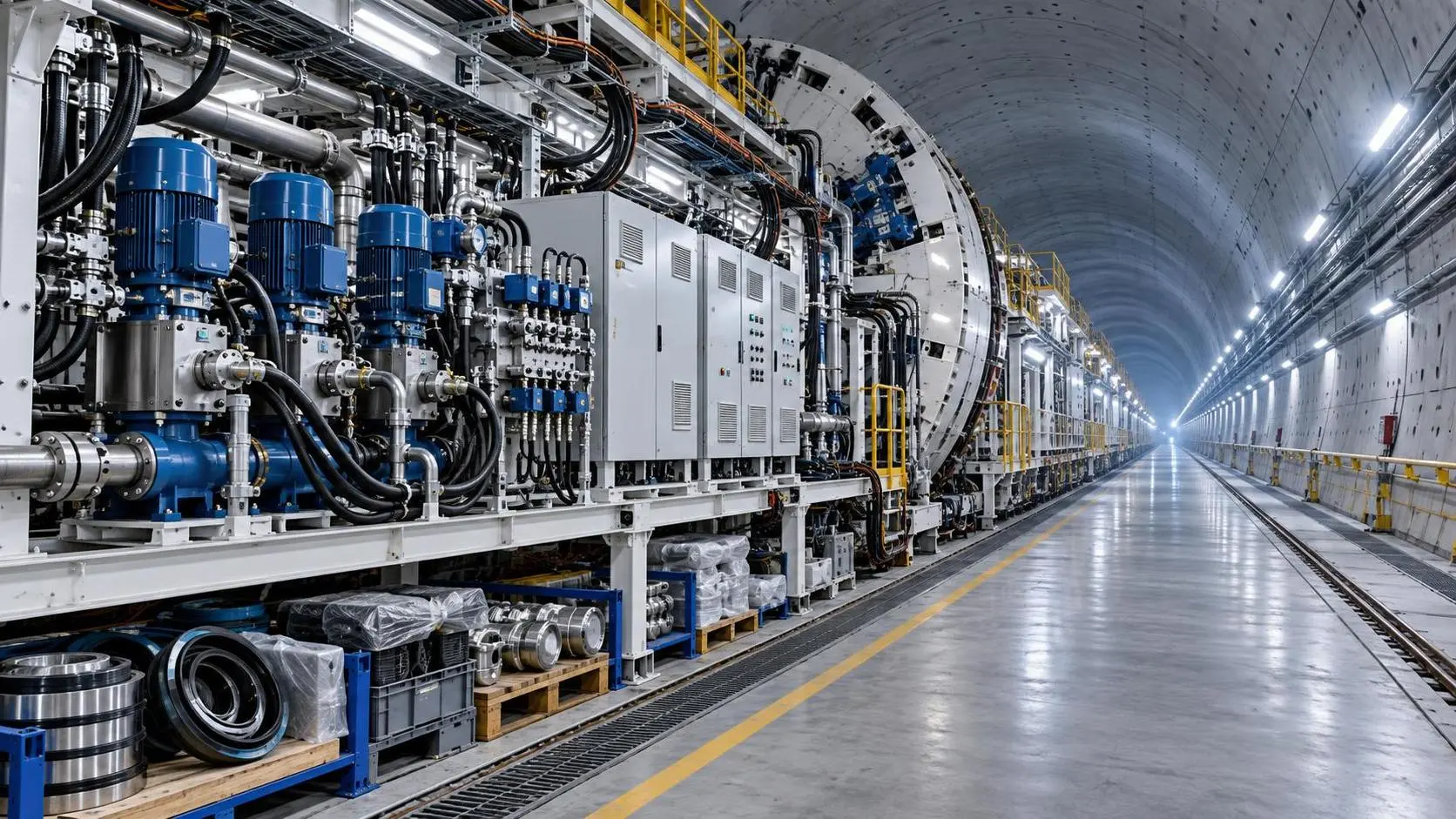
How to Specify TBM Backup System Parts for Reliable Long-Distance Tunnelling
TBM backup system parts: learn how to specify reliable spares for long-distance tunnelling, reduce downtime, ensure compatibility, and speed underground recovery.
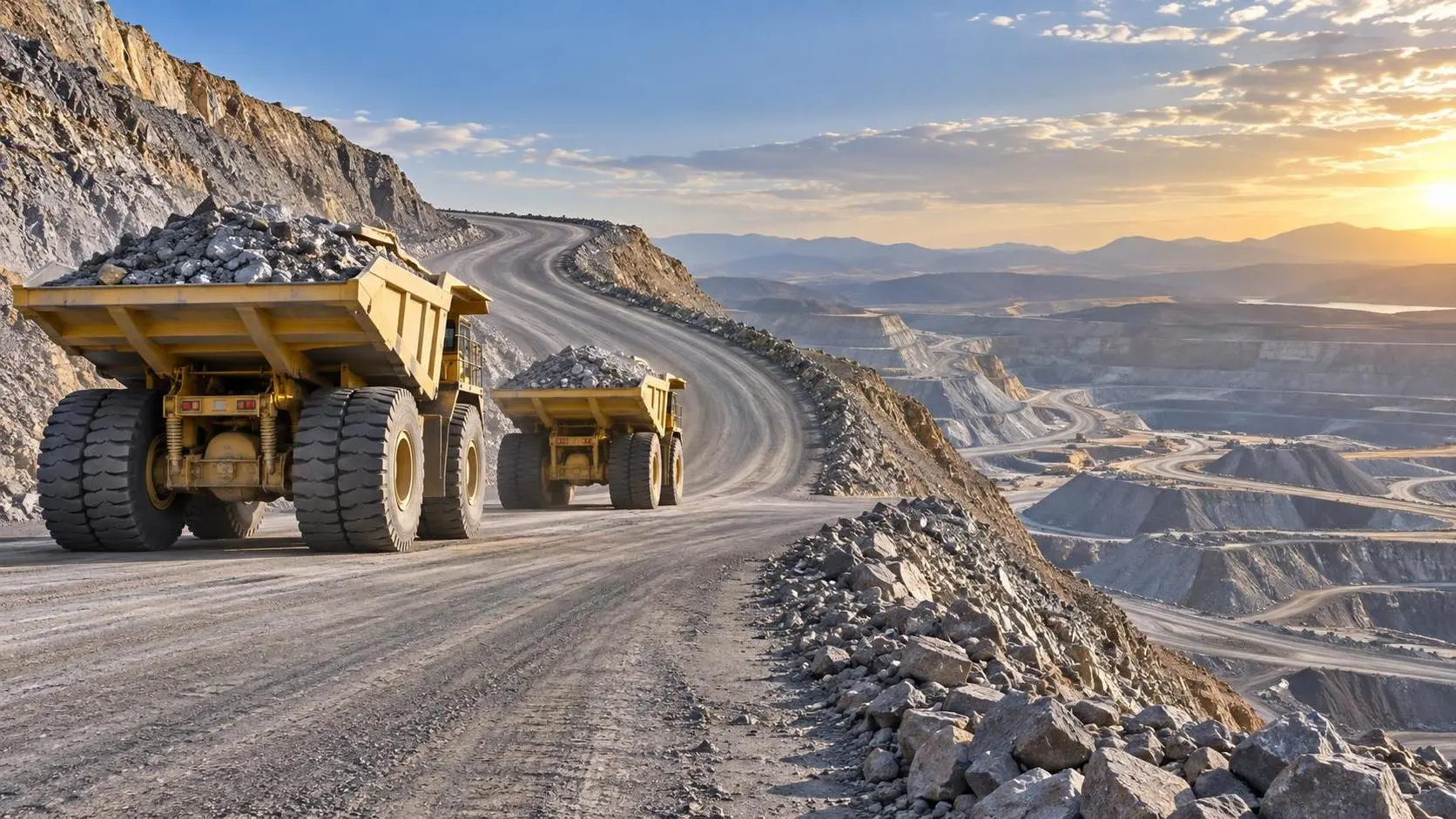
How to Size Open Pit Mining Trucks for Haul Distance, Grade, and Payload?
Open Pit Mining Trucks: learn how to match payload, haul distance, grade, road resistance, and loading capacity for safer, lower-cost mine operations.
Related News
- 00
0000-00
How to Evaluate European Drill-and-Blast Tunnelling Contractors for Complex Projects - 00
0000-00
Which Trenchless Construction Technique Fits Your Utility Crossing Conditions? - 00
0000-00
What Is Driving Metro Tunnelling Demand Across Southeast Asia’s Major Cities? - 00
0000-00
Hard Rock Tunnelling in Australia: Selecting Methods for Variable Ground Conditions - 00
0000-00
Hydropower Tunnel Excavation: Selecting Methods for Variable Rock Conditions
Weekly Insights
Stay ahead with our curated technology reports delivered every Monday.