
Hard Rock TBMs Draw Buyers as Tender Rules Tighten





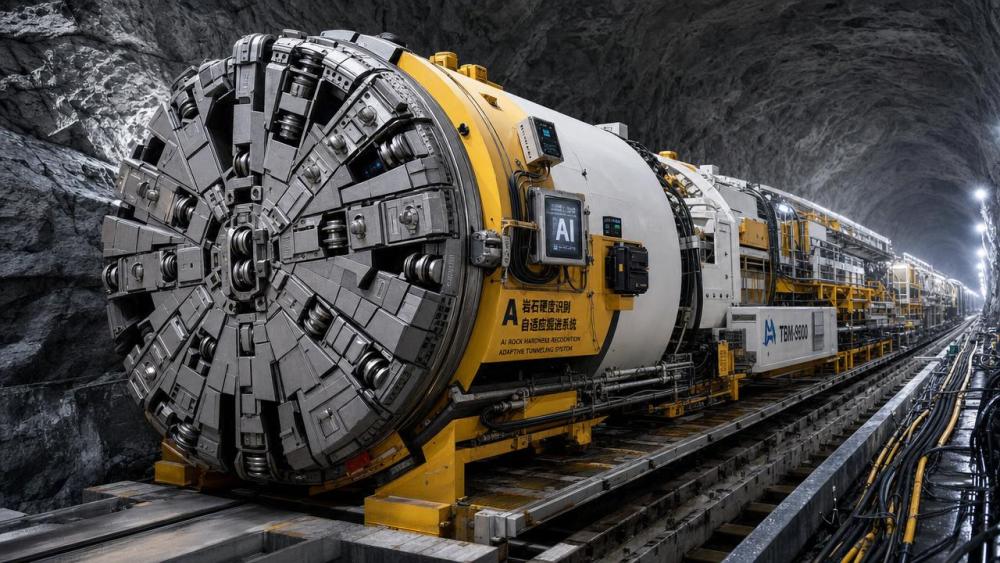
On July 2, 2026, the Harbin International Construction Machinery Expo is scheduled to open, and the event has already highlighted a development with wider implications than product visibility alone. According to the organizer, Hard Rock TBMs equipped with AI-based real-time rock hardness mapping and adaptive tunneling parameter adjustment have entered the top three products most requested for meetings by overseas buying delegations. More importantly, multiple state-owned infrastructure buyers have stated that they plan to treat this capability as a prerequisite in 2027 major tunnel project tenders. From an industry perspective, this matters because it points to a shift in procurement rules that could affect equipment suppliers, exporters, technical documentation, bid preparation, and downstream delivery readiness.
What Has Been Confirmed at the Harbin Expo
The confirmed facts are limited but commercially significant. The 2026 Harbin International Construction Machinery Expo is set to begin on July 2, 2026. The organizer disclosed that Hard Rock TBMs featuring AI rock hardness real-time mapping and adaptive adjustment of TBM excavation parameters ranked among the top three products for pre-booked discussions by overseas procurement groups at this exhibition. The same disclosure also indicated that multiple state-owned infrastructure enterprises intend to include this technology as a prequalification requirement in major tunnel project tenders planned for 2027.
No further official tender language, certification pathway, or enforcement detail was provided in the input, so those elements cannot yet be treated as confirmed.
Where the Procurement Signal May Start to Reshape Market Practice
Technical suppliers may face a higher bid-entry bar
Analysis shows that the most immediate effect may fall on TBM manufacturers and system integrators. If buyers begin to define intelligent rock recognition and adaptive control as a tender prerequisite, the issue is no longer only product differentiation; it becomes a question of bid eligibility. What deserves closer attention is whether suppliers can present technical descriptions, performance logic, testing materials, and configuration documentation in a form that aligns with future tender wording.
Export and trade teams may need tighter specification control
For export-oriented businesses, the shift could move commercial discussions upstream into specification alignment. If overseas buyers start screening projects based on pre-bid technical requirements, contract negotiation, quotation structure, and delivery scope may all depend on whether the offered machine includes the stated intelligent functions. Observably, this raises the importance of consistent technical files, product descriptions, and contractual language, especially where bid documents later reference mandatory functional thresholds.
Procurement and supply-chain coordination may become more document-driven
Procurement teams, component suppliers, and supply-chain service providers may also feel the impact. Once intelligent recognition and adaptive control are treated as procurement conditions, the supply side may need clearer evidence on subsystem compatibility, software-hardware matching, traceability of key components, and delivery sequencing for customized configurations. Analysis shows that this could increase attention to technical document completeness rather than price comparison alone.
After-sales and compliance support may gain weight in negotiations
Where equipment selection is tied to functional prerequisites, post-sale support may also enter earlier procurement discussions. Buyers may not only ask whether a system is included, but also how it is maintained, updated, documented, and linked to operating records. From an industry perspective, that means service providers and compliance-related support functions could become more relevant in pre-award evaluation, even if the exact review standards remain unclear at this stage.
What Companies Should Watch Before 2027 Tender Language Becomes Clearer
Track how the requirement is described in formal bid documents
The current signal comes from statements around the exhibition and buyer intent. It is more appropriate to understand this as an early execution signal rather than a fully settled rule set. Companies should therefore watch whether future tender documents define the technology by function, by measurable performance, by system architecture, or by supporting test evidence.
Prepare technical and compliance files for review, not only marketing materials
Analysis shows that firms should be ready for closer scrutiny of technical dossiers. The practical issue is not simply claiming AI capability, but presenting documentation that can support procurement review, specification alignment, and later delivery acceptance. This may include product descriptions, system logic explanations, testing materials, operating documentation, and records relevant to quality traceability, if requested by buyers.
Review delivery planning against customized configuration risk
If this technology becomes a precondition in major tunnel tenders, delivery planning may shift for suppliers offering multiple configuration levels. What deserves closer attention is whether production scheduling, subsystem sourcing, and acceptance preparation can support orders in which the intelligent functions are no longer optional but mandatory for tender compliance.
Stay alert to changes in buyer-side qualification and service expectations
Because the input does not provide a final execution framework, companies should not assume a uniform standard yet. Observably, the next practical changes may appear in qualification checklists, clarification requests, technical annexes, or service commitments attached to procurement processes. These are the documents most likely to show how the market turns buyer preference into enforceable purchasing criteria.
Why This Looks More Like an Execution Signal Than a Finished Rulebook
Analysis shows that this development should be read carefully. On one hand, the message is stronger than ordinary exhibition interest because it connects buyer demand with planned tender thresholds for 2027 projects. On the other hand, the available information still does not establish a final regulatory text, a certification route, or a standard review template. It is therefore more appropriate to understand the event as a market-facing execution signal: buyers are indicating where procurement rules may tighten, but the exact wording, evidence requirements, and review practices still need to be observed through later documentation and project implementation.
How to Read the Current Shift Rationally
The industry significance of this event lies less in short-term exhibition popularity and more in the possibility that intelligent rock recognition functions may move from an optional differentiator to a pre-bid requirement in some tunnel projects. From an industry perspective, that creates real implications for tender access, export negotiations, document preparation, and delivery planning. At the same time, no one should overread the signal. The current stage is better understood as an early procurement and compliance indicator that warrants close tracking, especially as 2027 project requirements begin to take formal written shape.
Source Basis and Points Requiring Continued Verification
This article is generated from the user-provided news title, event date, and event summary. For developments of this type, relevant source categories often include official event announcements, procurement notices, statements from regulatory or trade authorities, industry association releases, standard-setting documents, and reporting from authoritative industry media. However, no specific official source link was provided in the input, so the exact official reference path still requires further verification. What should continue to be monitored includes later tender wording, compliance interpretation, certification or testing expectations if any emerge, market feedback from buyers, and how companies respond in actual bidding and delivery practice.
Related News
How to Evaluate European Drill-and-Blast Tunnelling Contractors for Complex Projects
Drill and blast tunnelling contractors Europe: learn how to assess geology expertise, blast control, equipment reliability, safety, and programme resilience for complex projects.
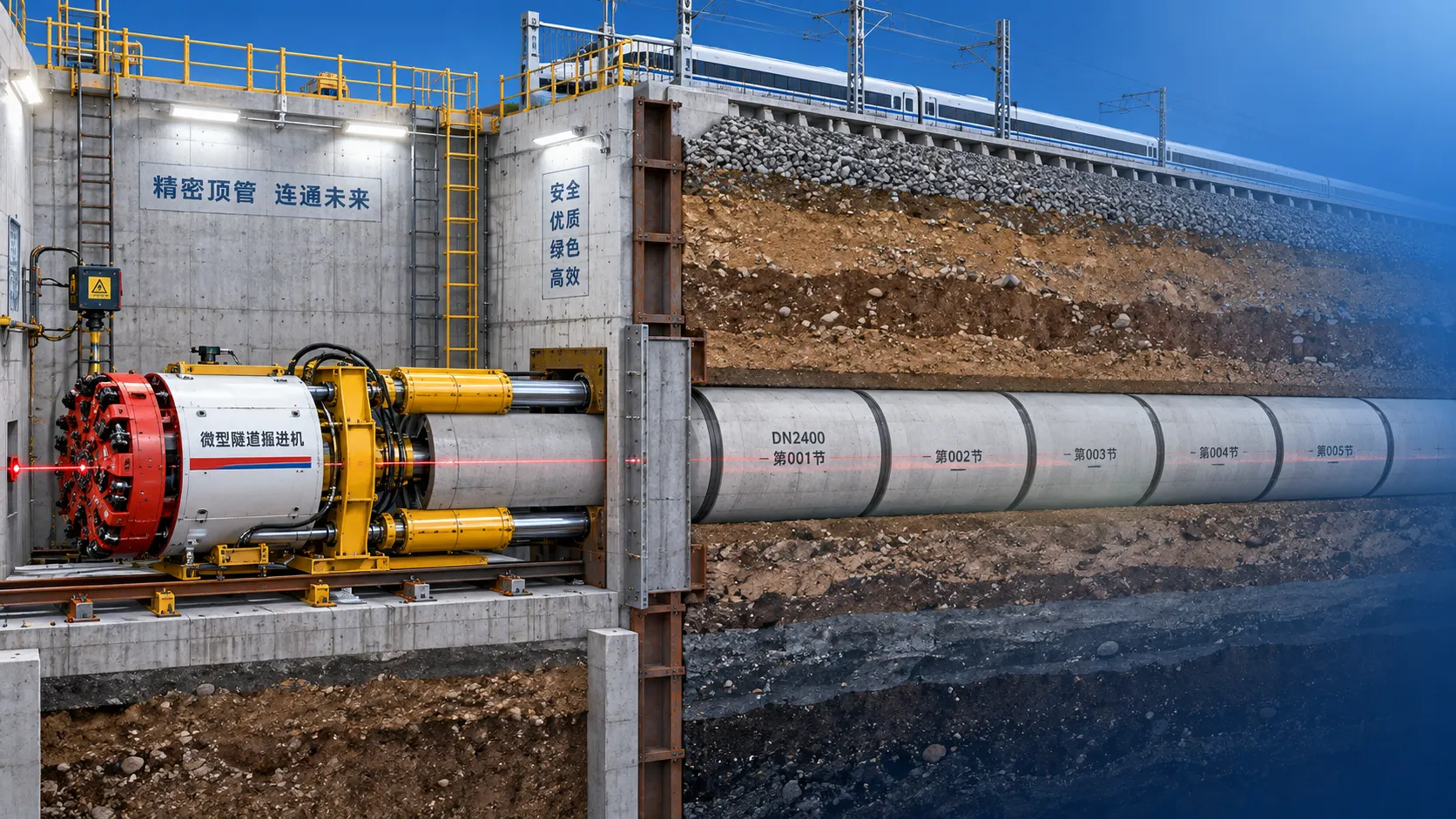
Which Trenchless Construction Technique Fits Your Utility Crossing Conditions?
Trenchless construction techniques compared for utility crossings: choose HDD, microtunnelling, pipe jacking, or auger boring based on ground, accuracy, access, and risk.
What Is Driving Metro Tunnelling Demand Across Southeast Asia’s Major Cities?
Metro tunnelling Southeast Asia is accelerating as major cities tackle congestion, flooding, and connectivity. Explore the market forces, technical risks, and opportunities shaping demand.
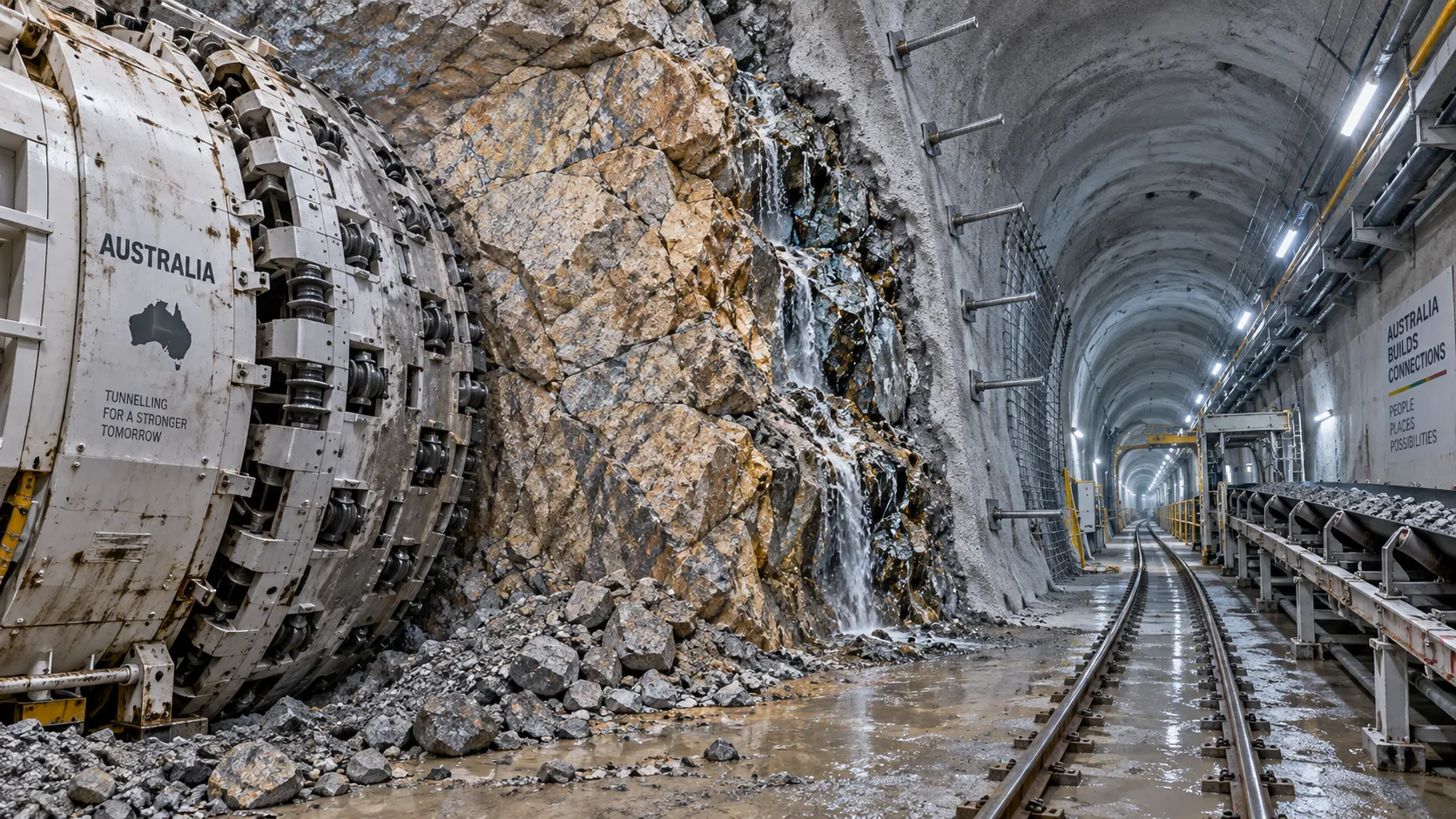
Hard Rock Tunnelling in Australia: Selecting Methods for Variable Ground Conditions
Hard rock tunnelling in Australia: compare TBM, drill-and-blast and hybrid methods to manage variable ground, reduce risk and protect project costs.
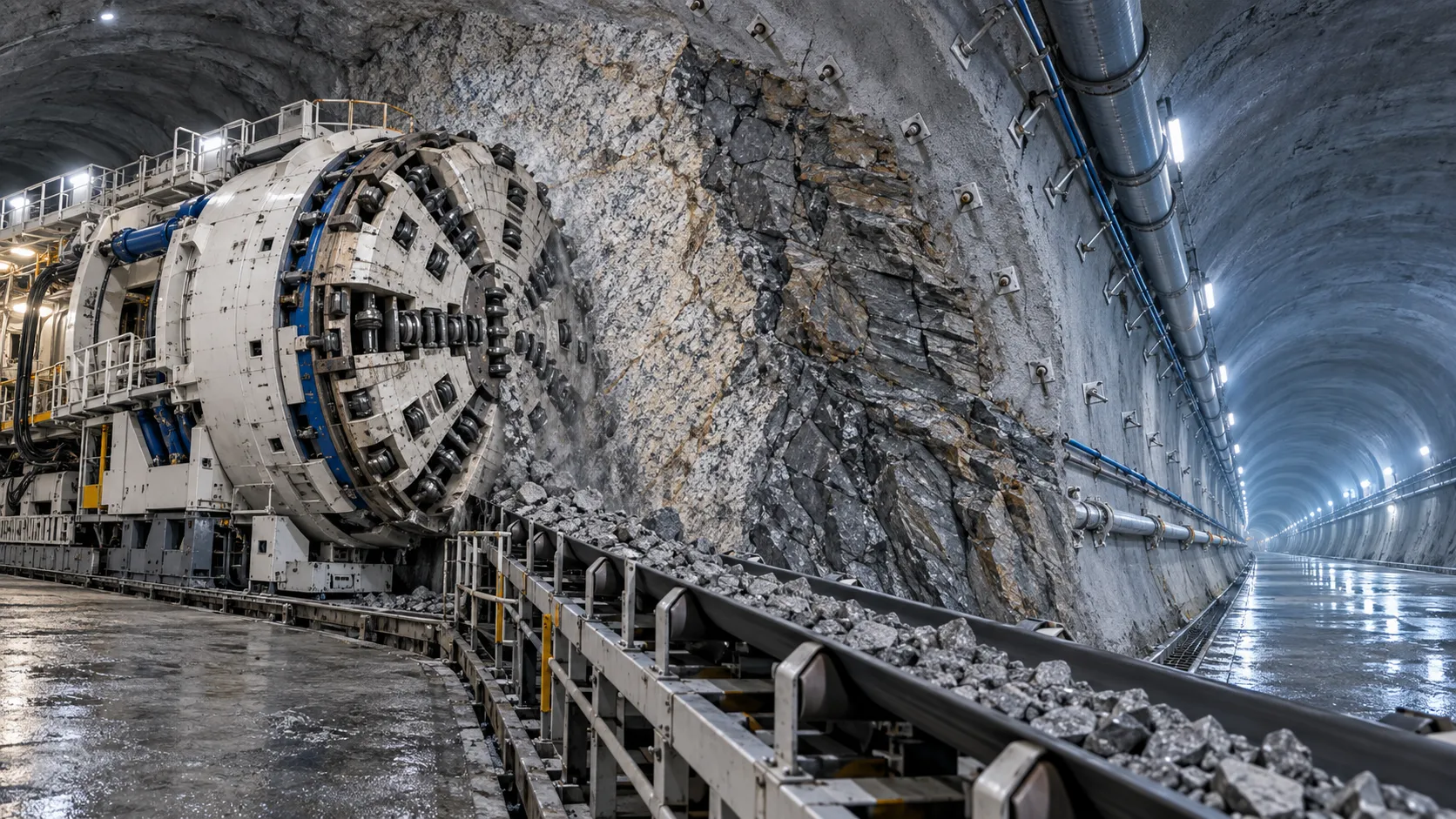
Hydropower Tunnel Excavation: Selecting Methods for Variable Rock Conditions
Hydropower tunnel excavation methods for variable rock conditions: compare TBM, drill-and-blast, and hybrid strategies to improve safety, progress, and project control.
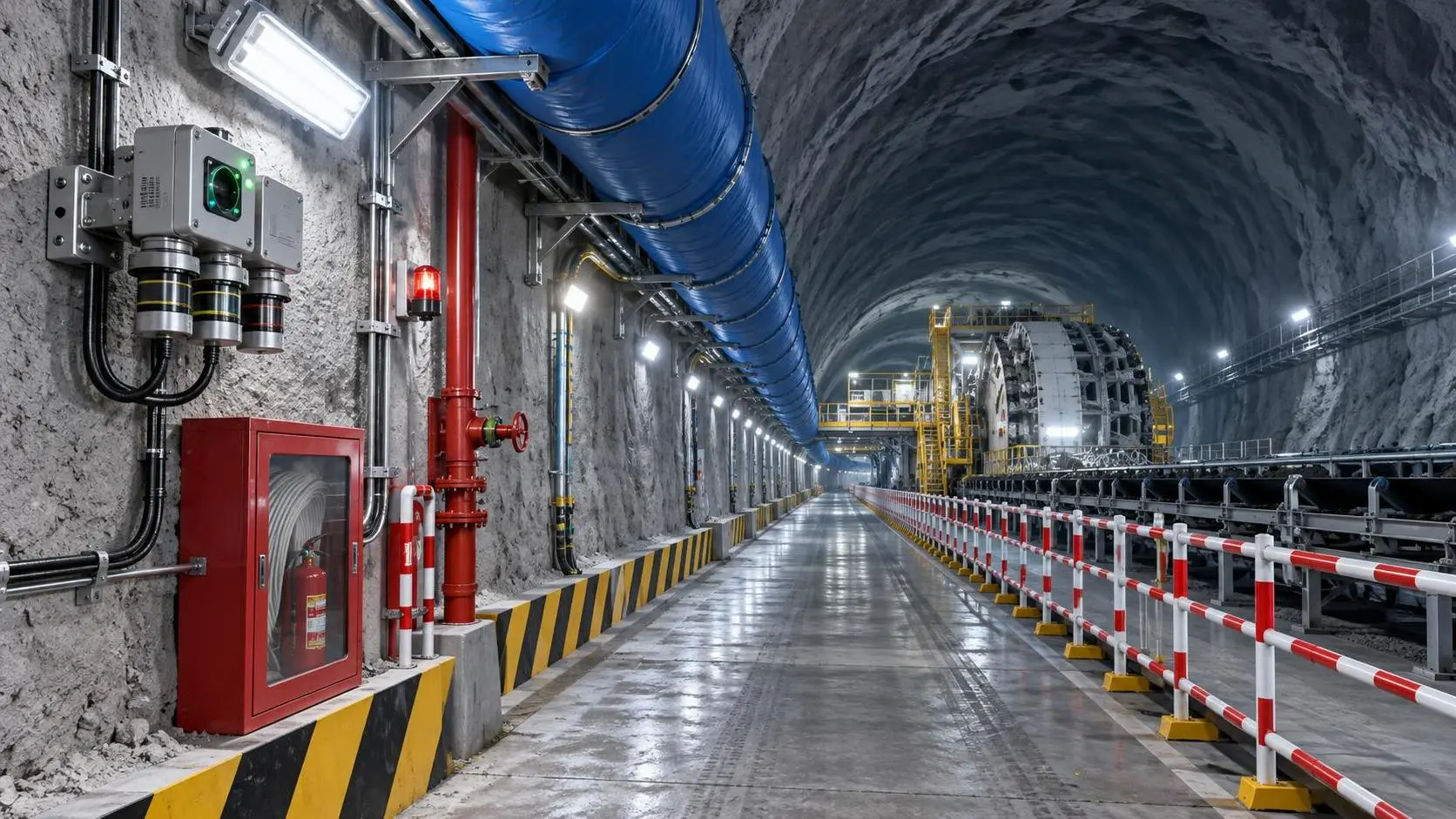
How to Select Underground Safety Equipment for Tunnelling by Hazard and Work Zone
Underground Safety Equipment for tunnelling: match protection to hazards, work zones, compliance, and emergency needs with this practical selection guide.
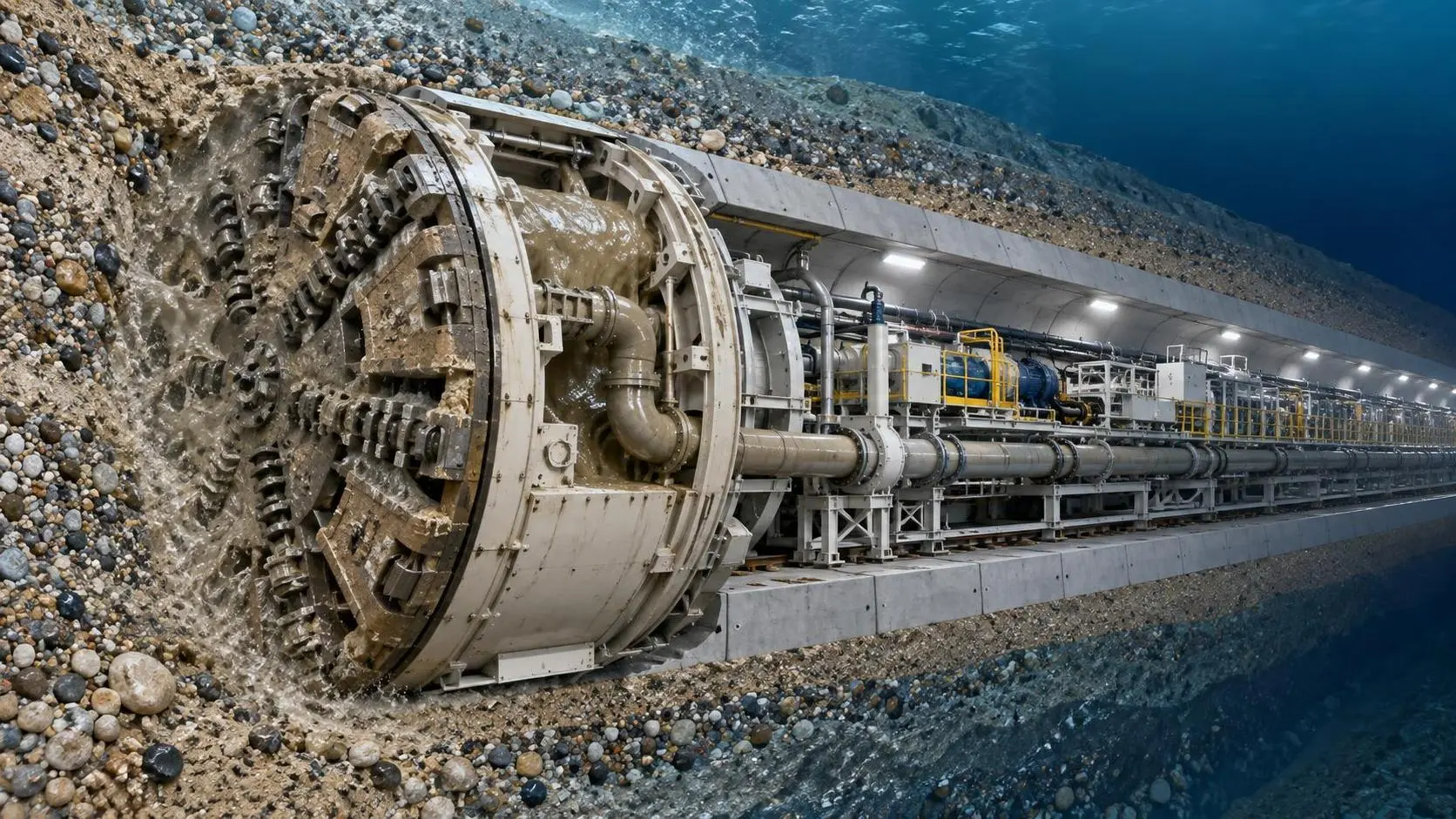
EPB or Slurry Shield? Selecting Soft-Ground Tunnelling Equipment by Soil Conditions
Tunnel Excavation Equipment for soft ground: compare EPB and slurry shields by soil, groundwater, settlement risk, and project logistics to choose confidently.
How to Specify TBM Backup System Parts for Reliable Long-Distance Tunnelling
TBM backup system parts: learn how to specify reliable spares for long-distance tunnelling, reduce downtime, ensure compatibility, and speed underground recovery.

How to Size Open Pit Mining Trucks for Haul Distance, Grade, and Payload?
Open Pit Mining Trucks: learn how to match payload, haul distance, grade, road resistance, and loading capacity for safer, lower-cost mine operations.
Related News
- 00
0000-00
How to Evaluate European Drill-and-Blast Tunnelling Contractors for Complex Projects - 00
0000-00
Which Trenchless Construction Technique Fits Your Utility Crossing Conditions? - 00
0000-00
What Is Driving Metro Tunnelling Demand Across Southeast Asia’s Major Cities? - 00
0000-00
Hard Rock Tunnelling in Australia: Selecting Methods for Variable Ground Conditions - 00
0000-00
Hydropower Tunnel Excavation: Selecting Methods for Variable Rock Conditions
Weekly Insights
Stay ahead with our curated technology reports delivered every Monday.