
How Is Rock Cutting Technology Reducing TBM Downtime?





For technical evaluators, TBM downtime is no longer just a maintenance metric—it is a direct indicator of cutterhead efficiency, geological adaptability, and project risk.
Rock Cutting Technology is reshaping how operators predict wear, manage disc cutter loads, and maintain stable penetration rates in complex strata.
By combining advanced cutter materials, real-time sensing, and data-driven intervention, modern tunnelling teams can reduce stoppages and extend productive boring windows.
Rock Cutting Technology as a Downtime Control System
Rock Cutting Technology describes the methods, tools, materials, and monitoring systems used to fracture rock efficiently during TBM excavation.
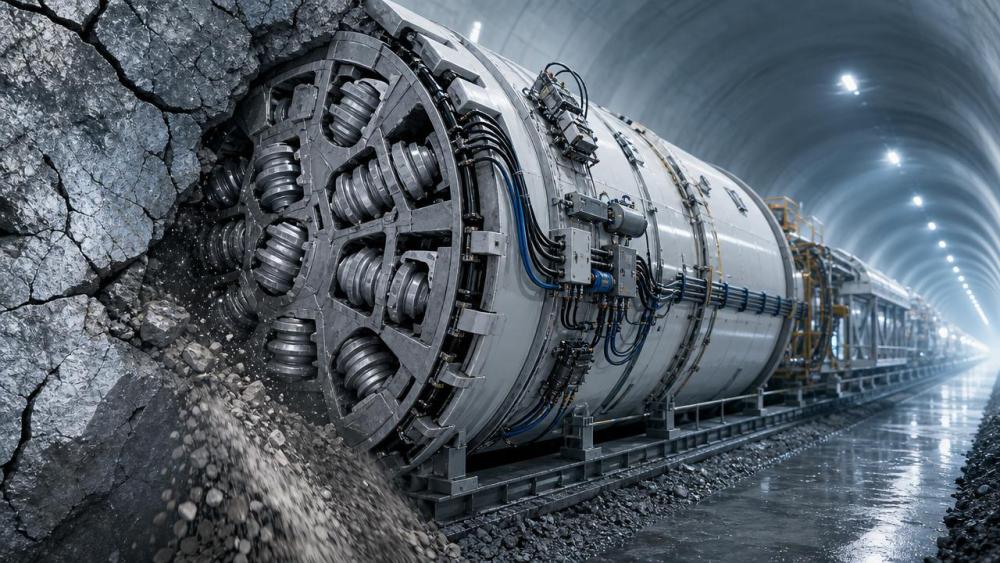
In hard rock tunnelling, downtime often begins at the cutterhead. A cracked disc, blocked muck flow, or unstable load can stop an entire drive.
Modern Rock Cutting Technology treats this risk as a controllable engineering variable, not an unavoidable geological penalty.
The core principle is simple. Rock should be broken with predictable energy, balanced forces, and minimum damage to critical components.
This requires a close link between cutter design, machine thrust, torque control, geological mapping, and maintenance planning.
For underground infrastructure and mining projects, that link directly influences advance rate, schedule confidence, and lifecycle equipment cost.
Why TBM Downtime Remains a Critical Industry Signal
TBMs are integrated systems. Mechanical, electrical, hydraulic, sensing, and logistics functions must operate together inside a confined underground environment.
A single cutter replacement may appear routine, yet repeated interventions create major losses across ventilation, segment supply, muck handling, and workforce planning.
Rock Cutting Technology reduces these losses by improving the stability of rock-machine interaction before failures become operational events.
These signals matter because tunnel drives increasingly pass through abrasive rock, faulted zones, high in-situ stress, and water-bearing formations.
Each condition changes cutter loading. Without adaptive Rock Cutting Technology, the TBM may operate outside its efficient cutting envelope.
Key Mechanisms Reducing Unplanned Stoppages
Improved disc cutter materials
Disc cutters operate under extreme contact stress. Their material structure must resist abrasion, thermal fatigue, edge chipping, and impact fracture.
Advanced Rock Cutting Technology uses refined steel alloys, heat treatment control, and wear-resistant rings to extend cutter life.
Longer cutter life means fewer interventions in hyperbaric or unstable ground, where access time carries high safety and cost implications.
Better cutterhead layout
Cutter spacing, gauge protection, bucket arrangement, and opening ratio determine how rock fragments move away from the face.
Rock Cutting Technology improves cutterhead geometry so cracks develop efficiently and muck does not recirculate across the cutting zone.
This reduces secondary crushing, cutter overheating, abnormal torque, and unexpected damage to scrapers or muck removal systems.
Real-time sensing at the cutting interface
Modern TBMs capture torque, thrust, vibration, temperature, cutter rotation, penetration, and acoustic signals during continuous excavation.
When connected to Rock Cutting Technology models, these signals reveal early warnings of wear, jamming, overload, or geological transition.
Operators can adjust parameters before the problem develops into a forced stop, inspection delay, or cutterhead repair campaign.
Industry Background and Current Technical Priorities
Global tunnelling and underground mining projects are becoming deeper, longer, and more constrained by safety and environmental requirements.
Mega-tunnels demand higher asset utilization, while smart mines require cleaner, automated, and more predictable underground production systems.
In this context, Rock Cutting Technology connects mechanical excavation with digital maintenance and project-level risk management.
- Harder formations are increasing demand for durable disc cutters and stable penetration control.
- Urban tunnels require fewer interventions because access windows are limited and surface disruption is costly.
- Deep mining transport corridors need reliable excavation to support electrified haulage and ventilation planning.
- Digital TBM platforms are turning cutter wear data into actionable maintenance schedules.
- ESG-driven projects value reduced energy waste, lower consumable use, and safer confined-space operations.
These priorities explain why Rock Cutting Technology is now reviewed alongside procurement, contract risk, and geological investigation strategies.
It is no longer a narrow tooling topic. It is part of the operating intelligence behind reliable underground construction.
Business Value Across Tunnelling and Mining Operations
The commercial value of Rock Cutting Technology appears in several measurable areas, not only in cutter purchase cost.
A lower cutter replacement frequency improves machine availability. Stable loads reduce bearing, seal, gearbox, and hydraulic stress.
More consistent penetration rates also improve downstream logistics, including segment delivery, conveyor operation, slurry treatment, and spoil handling.
For full-face TBMs, the strongest business case often comes from combining fewer stoppages with better advance predictability.
For mining access tunnels, Rock Cutting Technology also supports faster development of haulage routes, ventilation drifts, and orebody access.
Typical Application Scenarios and Technical Focus
Different underground settings require different cutting priorities. The same cutter solution cannot perform equally across every geological condition.
Effective Rock Cutting Technology begins with matching geology, TBM type, cutterhead concept, and maintenance access strategy.
In each case, Rock Cutting Technology must be evaluated as a system rather than a single cutter specification.
The best results come when laboratory testing, field monitoring, and operator feedback are integrated throughout the drive.
Practical Measures for Lower TBM Downtime
Downtime reduction requires disciplined execution. A technically advanced cutter is valuable only when supported by the right operating process.
- Build a geological baseline using core logs, UCS data, abrasivity tests, fracture mapping, and groundwater assessment.
- Select cutters according to strength, abrasivity, impact risk, expected rolling distance, and access constraints.
- Define operating envelopes for thrust, torque, RPM, penetration, vibration, and temperature.
- Monitor cutter performance continuously, not only during scheduled inspections.
- Link wear observations with machine data to refine future parameter settings.
- Plan spare cutter logistics around forecasted consumption, not historical averages alone.
Rock Cutting Technology becomes most effective when data from the face is converted into timely operational decisions.
Warning thresholds should be practical. Too many alarms create noise, while late alarms fail to prevent damage.
A useful system ranks alerts by severity, confidence, and consequence, allowing intervention planning without unnecessary stoppage.
Common Pitfalls When Applying Advanced Cutting Systems
One common mistake is evaluating Rock Cutting Technology only by initial cutter price. This ignores downtime cost and intervention complexity.
Another mistake is using average geology to define cutting strategy. Trouble usually comes from transitions, inclusions, faults, and localized abrasivity.
Over-aggressive thrust can also reduce performance. Higher force does not always mean faster advance if cutters overheat or fracture.
Data quality is equally important. Sensors must be calibrated, protected, and interpreted with context from geology and maintenance records.
A balanced Rock Cutting Technology program combines engineering judgment, validated data, and site-specific operating discipline.
Action Path for More Reliable Underground Excavation
The next step is to review downtime records against cutter wear, geological sections, torque events, and penetration trends.
This creates a practical map of where the TBM loses productive time and which cutting variables drive those losses.
From there, Rock Cutting Technology decisions can be prioritized by impact: cutter selection, monitoring upgrades, parameter control, or maintenance planning.
UTMD’s intelligence perspective supports this process by connecting rock mechanics, TBM engineering, digital sensing, and underground equipment reliability.
For projects aiming at fewer stoppages and higher asset utilization, Rock Cutting Technology should be treated as a strategic performance layer.
When the cutting interface is understood, measured, and optimized, TBM downtime becomes less random and more manageable.
Related News
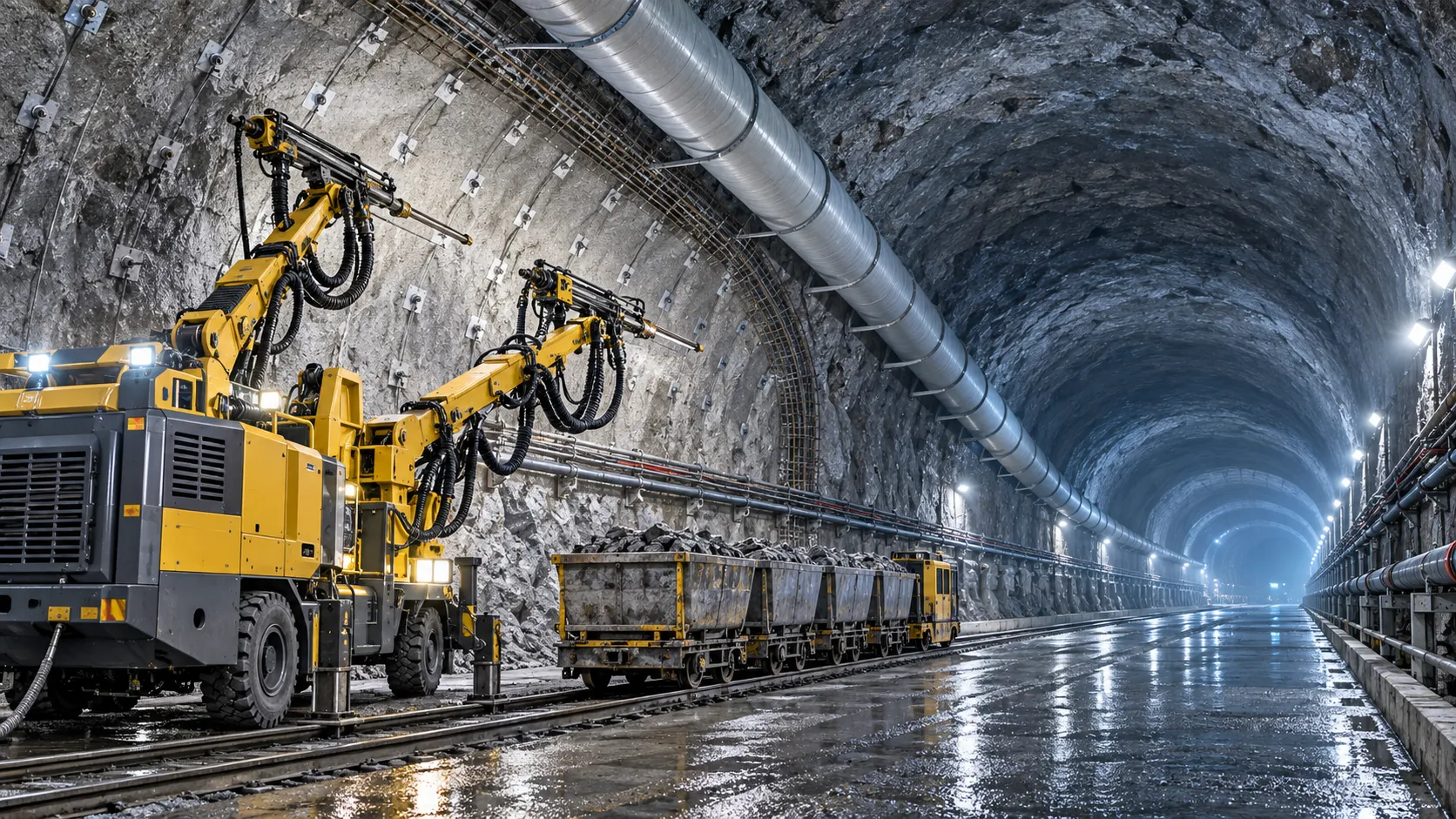
How to Evaluate European Drill-and-Blast Tunnelling Contractors for Complex Projects
Drill and blast tunnelling contractors Europe: learn how to assess geology expertise, blast control, equipment reliability, safety, and programme resilience for complex projects.
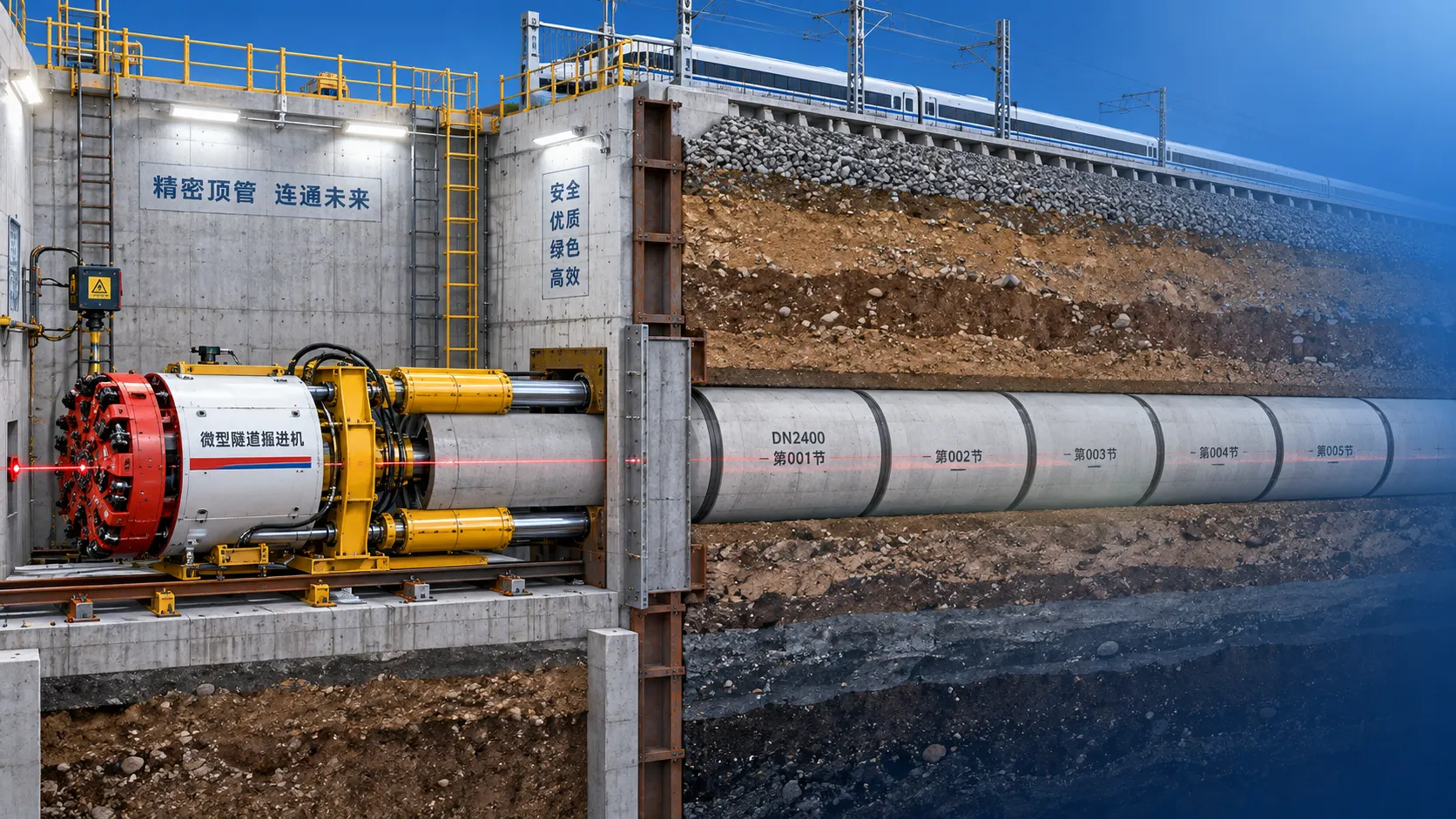
Which Trenchless Construction Technique Fits Your Utility Crossing Conditions?
Trenchless construction techniques compared for utility crossings: choose HDD, microtunnelling, pipe jacking, or auger boring based on ground, accuracy, access, and risk.
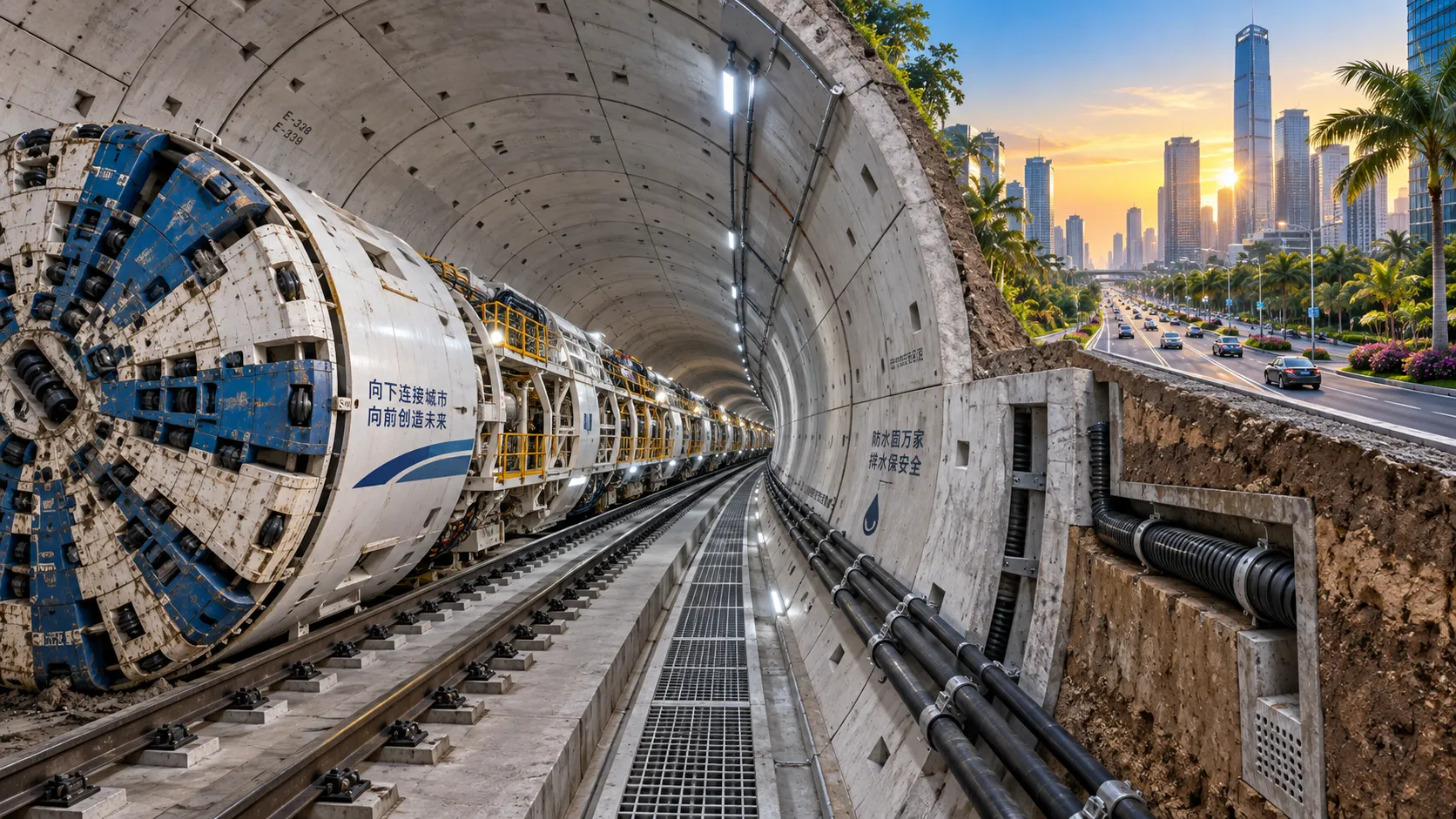
What Is Driving Metro Tunnelling Demand Across Southeast Asia’s Major Cities?
Metro tunnelling Southeast Asia is accelerating as major cities tackle congestion, flooding, and connectivity. Explore the market forces, technical risks, and opportunities shaping demand.
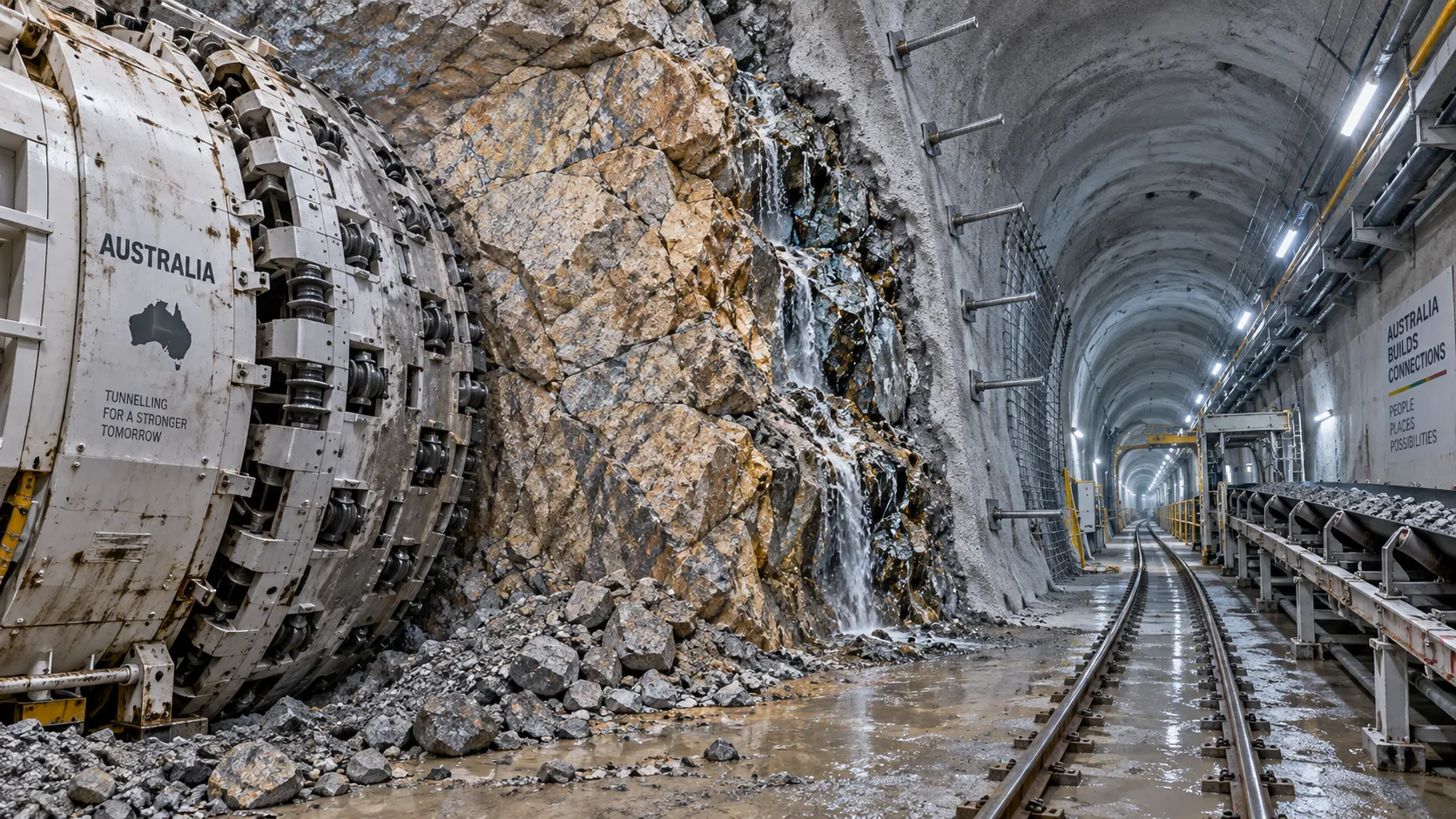
Hard Rock Tunnelling in Australia: Selecting Methods for Variable Ground Conditions
Hard rock tunnelling in Australia: compare TBM, drill-and-blast and hybrid methods to manage variable ground, reduce risk and protect project costs.
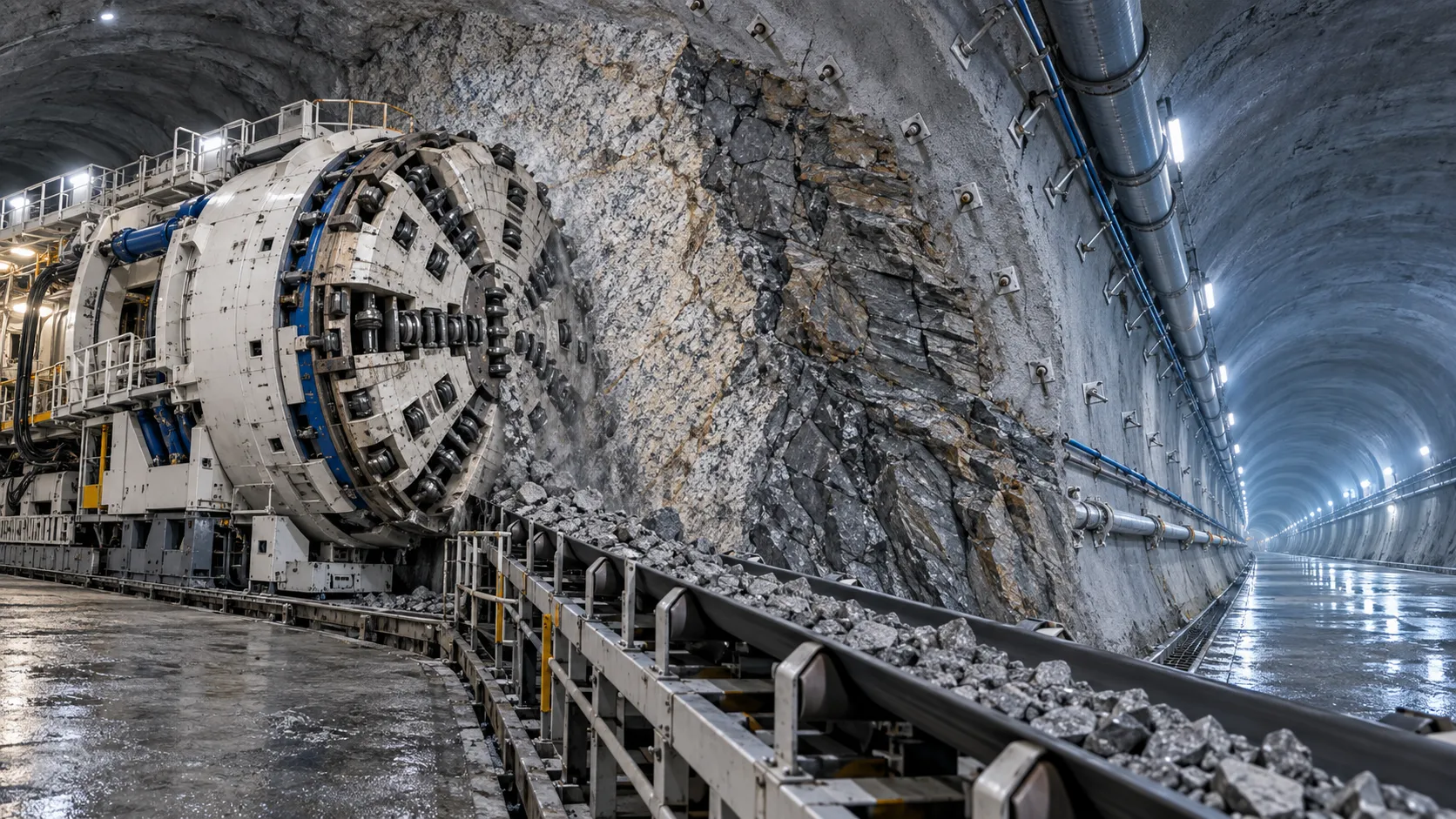
Hydropower Tunnel Excavation: Selecting Methods for Variable Rock Conditions
Hydropower tunnel excavation methods for variable rock conditions: compare TBM, drill-and-blast, and hybrid strategies to improve safety, progress, and project control.
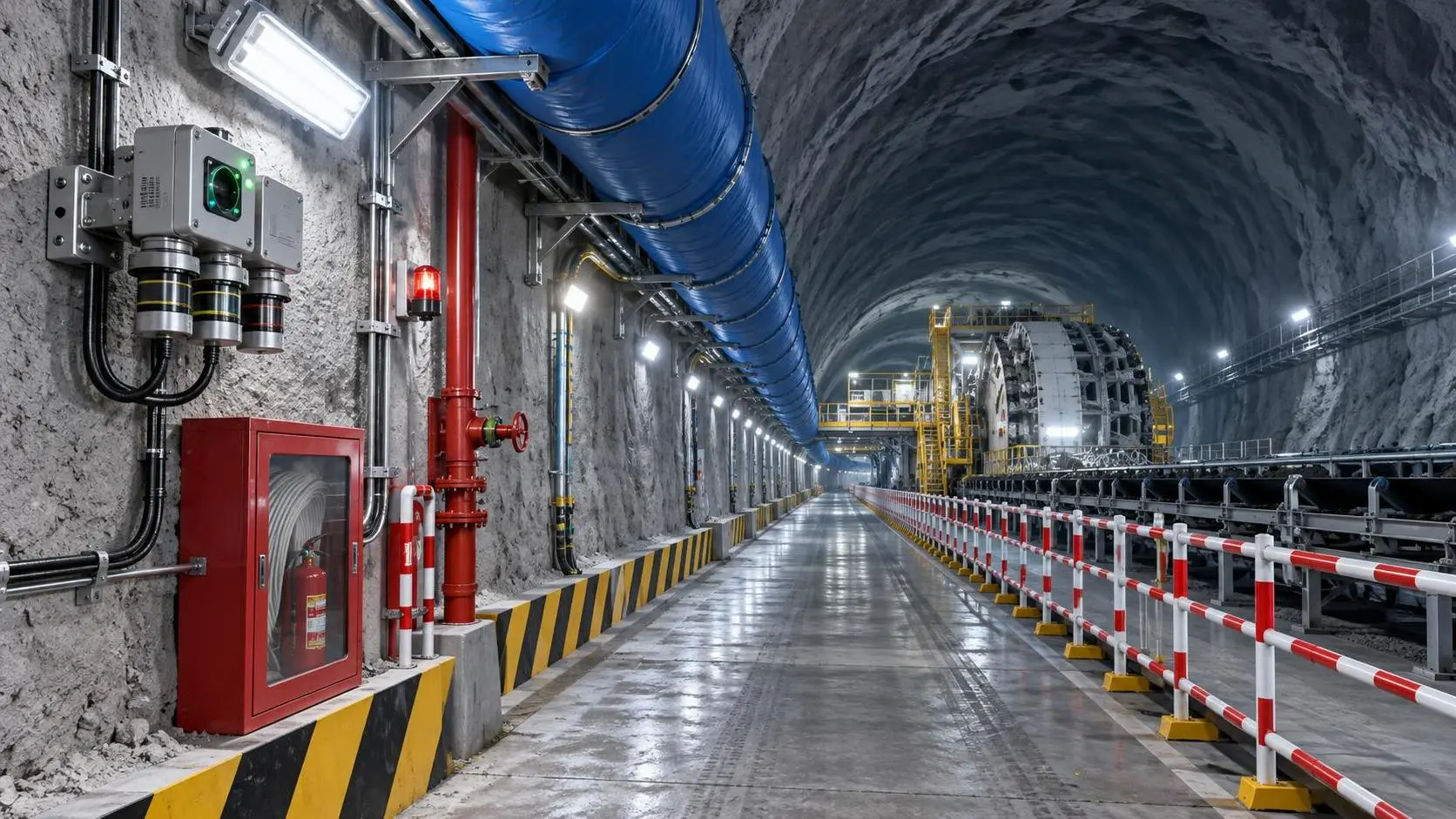
How to Select Underground Safety Equipment for Tunnelling by Hazard and Work Zone
Underground Safety Equipment for tunnelling: match protection to hazards, work zones, compliance, and emergency needs with this practical selection guide.
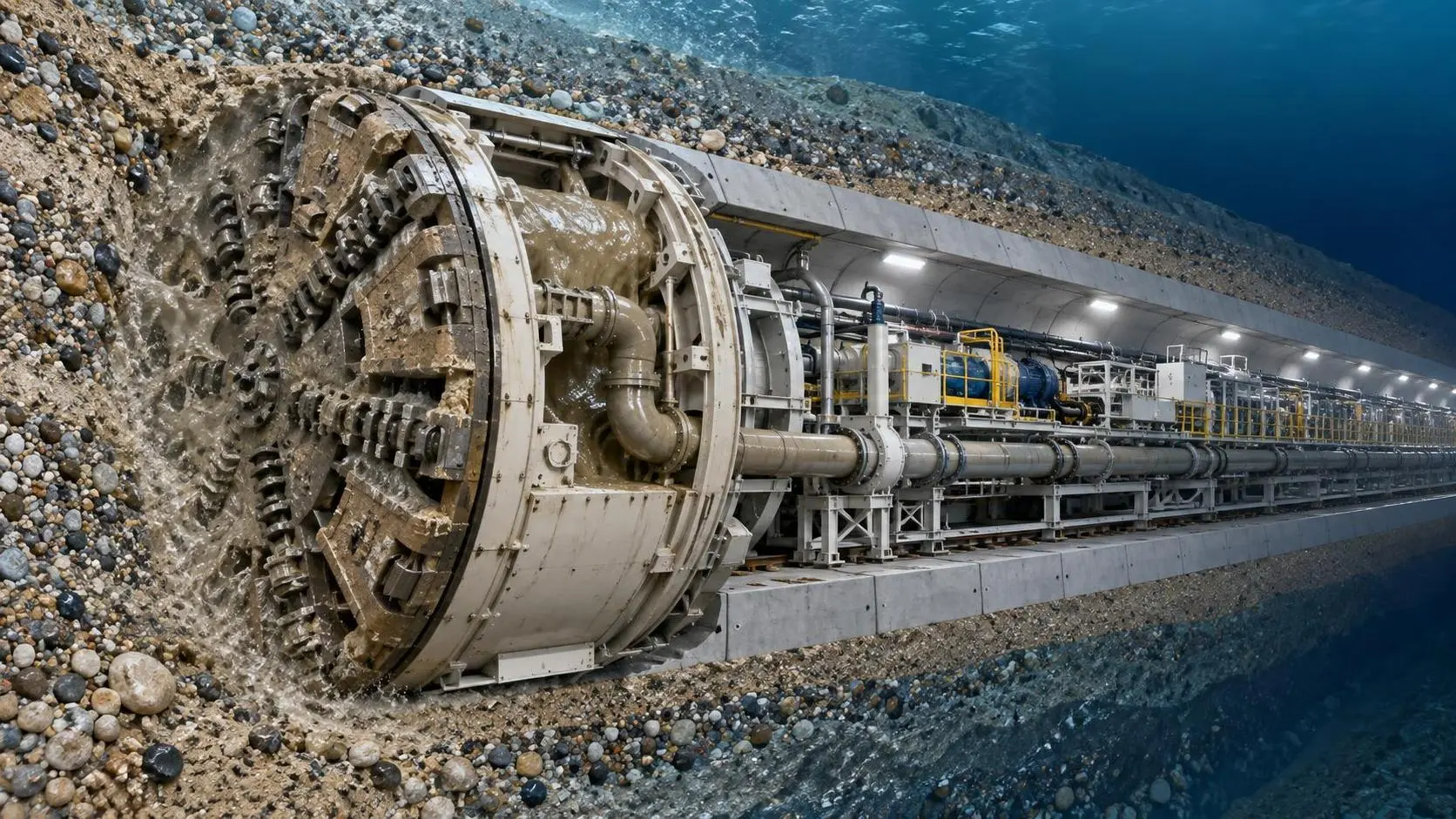
EPB or Slurry Shield? Selecting Soft-Ground Tunnelling Equipment by Soil Conditions
Tunnel Excavation Equipment for soft ground: compare EPB and slurry shields by soil, groundwater, settlement risk, and project logistics to choose confidently.
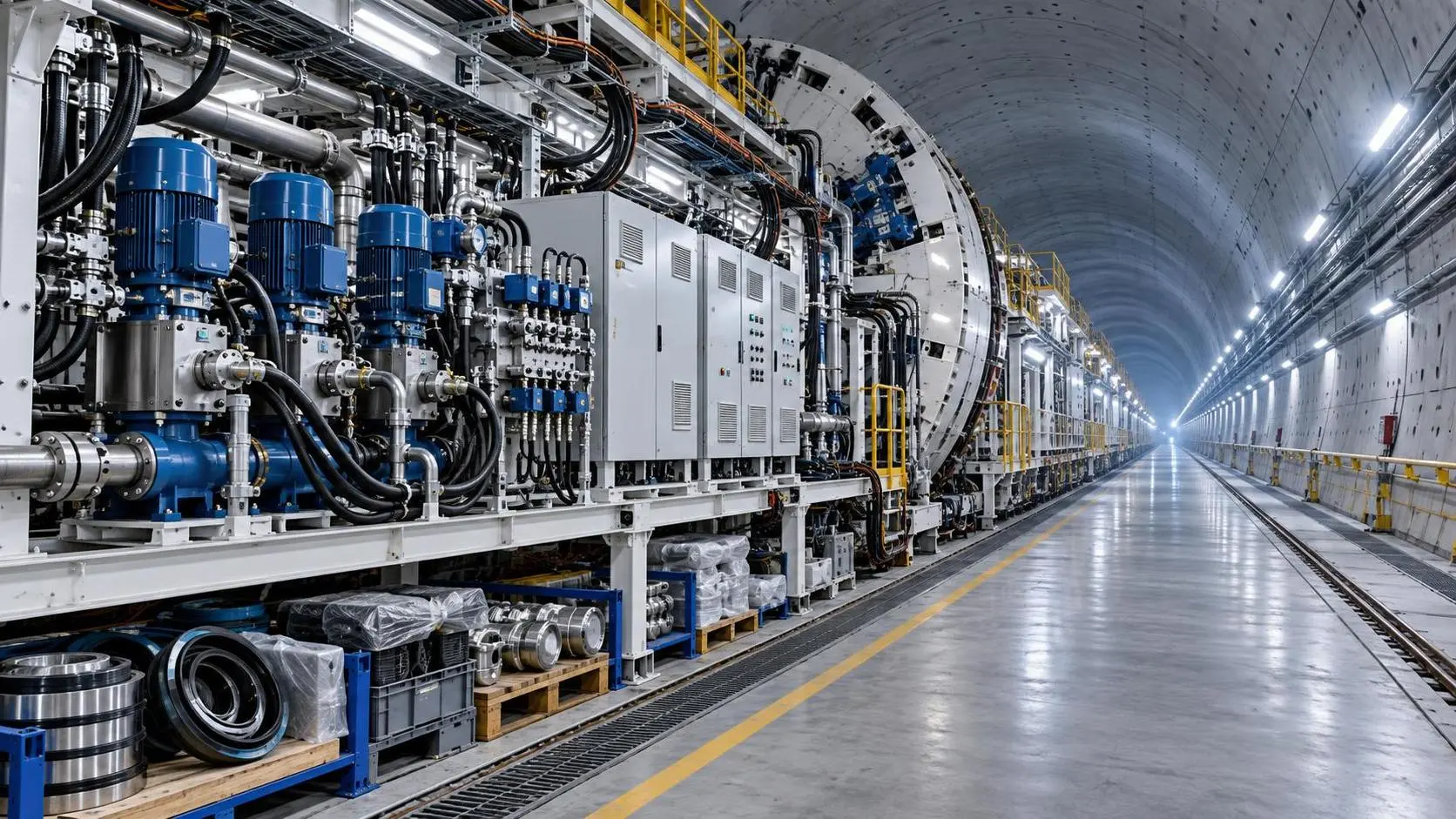
How to Specify TBM Backup System Parts for Reliable Long-Distance Tunnelling
TBM backup system parts: learn how to specify reliable spares for long-distance tunnelling, reduce downtime, ensure compatibility, and speed underground recovery.
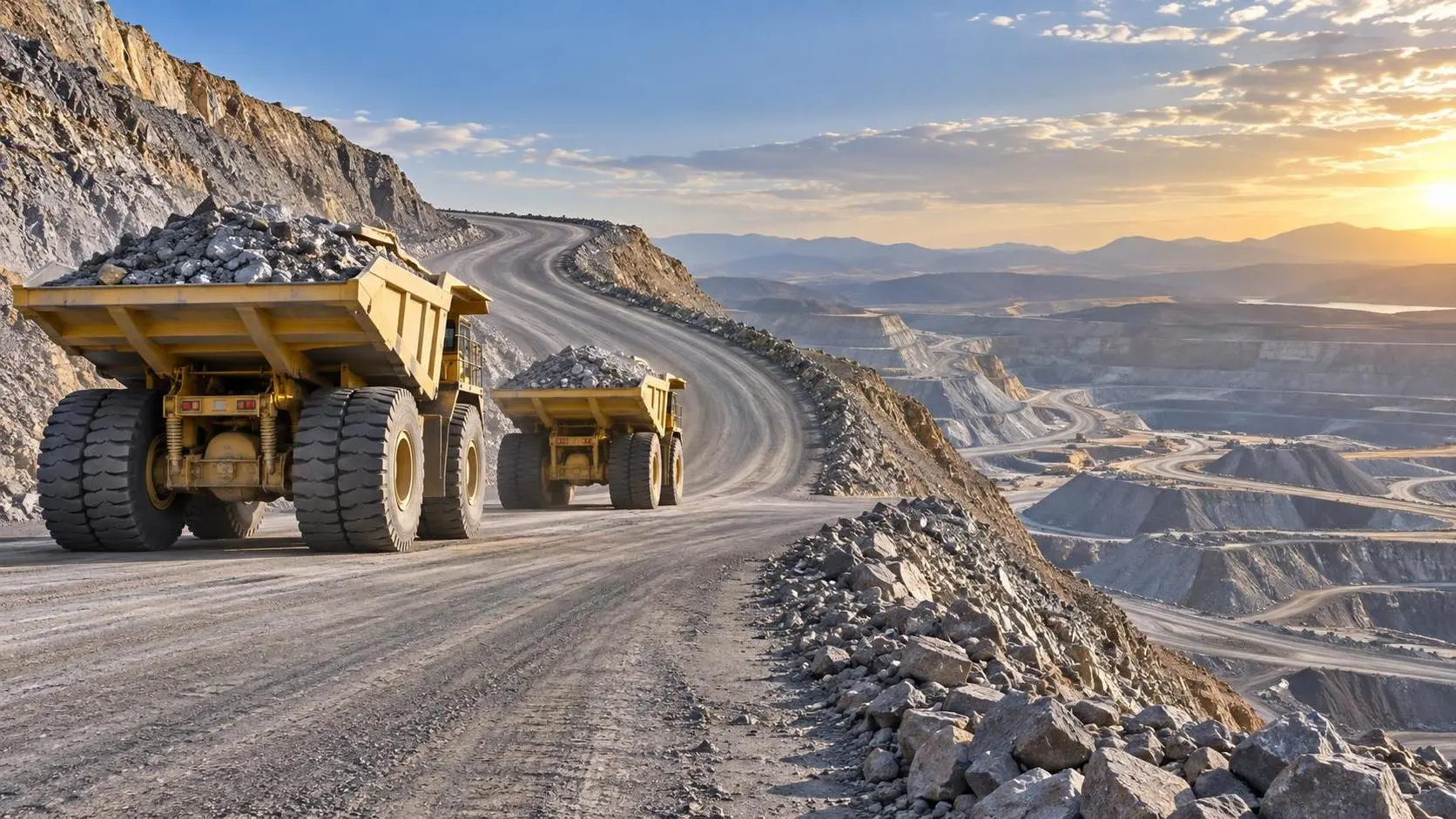
How to Size Open Pit Mining Trucks for Haul Distance, Grade, and Payload?
Open Pit Mining Trucks: learn how to match payload, haul distance, grade, road resistance, and loading capacity for safer, lower-cost mine operations.
Related News
- 00
0000-00
How to Evaluate European Drill-and-Blast Tunnelling Contractors for Complex Projects - 00
0000-00
Which Trenchless Construction Technique Fits Your Utility Crossing Conditions? - 00
0000-00
What Is Driving Metro Tunnelling Demand Across Southeast Asia’s Major Cities? - 00
0000-00
Hard Rock Tunnelling in Australia: Selecting Methods for Variable Ground Conditions - 00
0000-00
Hydropower Tunnel Excavation: Selecting Methods for Variable Rock Conditions
Weekly Insights
Stay ahead with our curated technology reports delivered every Monday.