
Tunnel Boring Machines Specifications: How to Read Key Parameters





For procurement teams evaluating underground construction equipment, understanding Tunnel Boring Machines specifications is essential to comparing performance, reliability, and total lifecycle value.
Key parameters such as cutterhead diameter, torque, thrust force, advance rate, ground adaptability, installed power, and segment handling capacity directly influence project risk and purchasing decisions.
This guide explains how to read TBM specification sheets with a practical buyer-focused perspective, helping you identify whether a machine truly matches geological conditions, schedule demands, safety requirements, and long-term asset utilization goals.
Why Tunnel Boring Machines Specifications Need a Checklist Approach
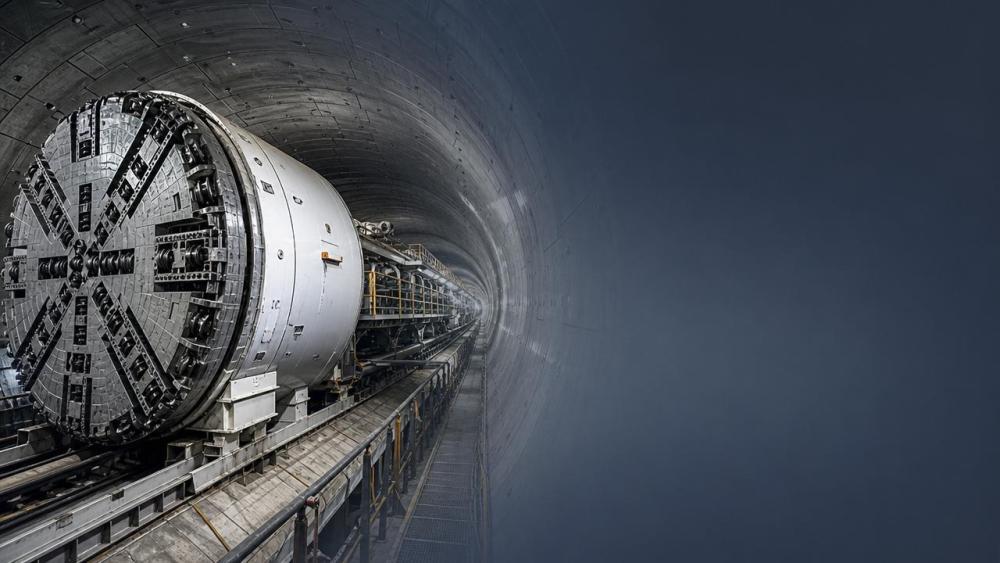
Tunnel Boring Machines specifications often look precise, but numbers alone do not guarantee field performance.
A TBM works as an integrated excavation system, not as a single mechanical product.
Cutterhead layout, main bearing capacity, muck removal, guidance control, and ground support must be evaluated together.
A checklist prevents overreliance on headline values such as maximum thrust or nominal advance rate.
It also connects machine data with geology, logistics, power supply, safety rules, and maintenance accessibility.
For UTMD, reading Tunnel Boring Machines specifications means translating engineering figures into operational risk signals.
Core Checklist for Reading Tunnel Boring Machines Specifications
Use this checklist to compare TBM technical sheets before ranking suppliers, configurations, or project-specific machine proposals.
- Verify cutterhead diameter against tunnel inner diameter, segment thickness, overcut allowance, curve radius, and expected ground deformation.
- Match TBM type to geology, including EPB, slurry, hard rock open, double shield, or single shield configurations.
- Check cutterhead torque at rated and breakout conditions, especially for mixed face, clay adhesion, or blocky rock.
- Compare total thrust force with face pressure demand, friction resistance, shield length, and segment reaction capacity.
- Review cutterhead rotational speed range, because different strata require different cutting, mixing, and conditioning behavior.
- Assess installed power by subsystem, including cutterhead drive, hydraulic station, screw conveyor, slurry pumps, and ventilation.
- Confirm advance rate assumptions by separating instantaneous penetration rate from realistic daily or monthly production.
- Examine main bearing design life, sealing strategy, lubrication system, contamination control, and replacement feasibility.
- Evaluate muck removal capacity against peak excavation volume, moisture content, particle size, and haulage bottlenecks.
- Review segment erector capacity, rotation accuracy, vacuum gripping, bolt access, and ring build cycle time.
- Check guidance, navigation, and data acquisition systems for settlement control, alignment accuracy, and digital reporting.
- Request maintenance access drawings, wear part replacement procedures, intervention requirements, and confined-space safety provisions.
The strongest Tunnel Boring Machines specifications show balanced performance across excavation, support, transport, control, and serviceability.
Key Parameters That Deserve Deeper Reading
Cutterhead Diameter and Geological Fit
Cutterhead diameter defines tunnel size, but it also affects torque demand, transport limits, and launch shaft design.
In Tunnel Boring Machines specifications, diameter should be read with over-excavation, shield skin friction, and settlement tolerance.
A larger diameter may improve utility space but can increase cutter consumption and ground pressure complexity.
Torque, Thrust, and Penetration Rate
Torque keeps the cutterhead moving when ground resistance rises.
Thrust pushes cutters into rock or maintains pressure balance in soft ground.
Penetration rate shows cutting potential, but it is not the same as project production.
Reliable Tunnel Boring Machines specifications explain rated values, peak values, duty cycles, and control margins.
Ground Conditioning and Face Support
For EPB machines, foam, polymer, water, and soil mixing performance are critical.
For slurry machines, separation plant capacity and slurry circuit stability matter as much as cutterhead power.
Tunnel Boring Machines specifications should state face pressure range, conditioning ports, sensor feedback, and discharge control accuracy.
Power, Automation, and Data Systems
Installed power must be evaluated against grid availability, backup systems, heat load, and ventilation design.
Automation features should include real-time monitoring, alarm logic, remote diagnostics, and production data export.
Modern Tunnel Boring Machines specifications increasingly include digital twin interfaces and predictive maintenance functions.
Application Notes for Different TBM Scenarios
Urban Metro and Utility Tunnels
Urban tunnelling requires strict settlement control, low vibration, compact logistics, and high reliability under constrained work sites.
Tunnel Boring Machines specifications should emphasize pressure control accuracy, spoil discharge stability, and segment assembly repeatability.
Noise control, cutter intervention safety, and rapid ring building often influence total schedule more than peak excavation power.
Hard Rock Railway and Hydropower Tunnels
Hard rock projects depend on cutter load, disc cutter diameter, cutterhead structure, and main drive durability.
Tunnel Boring Machines specifications should include uniaxial compressive strength limits, abrasivity assumptions, and cutter replacement strategy.
In long tunnels, backup gantry design, conveyor capacity, ventilation, and spare parts logistics strongly affect availability.
Mixed Ground and Water-Rich Formations
Mixed ground can cause sudden torque spikes, tool wear imbalance, face instability, and unpredictable muck flow.
For this scenario, Tunnel Boring Machines specifications must show flexible control ranges and robust cutterhead opening design.
Water inflow capacity, sealing redundancy, chamber access, and emergency pressure control should be checked before selection.
Commonly Overlooked Risks in TBM Specification Sheets
Specification sheets can hide uncertainty behind clean tables.
The following risks deserve direct questioning during technical evaluation.
- Question optimistic advance rates when documents do not separate excavation time, ring building, maintenance, survey, and stoppages.
- Challenge maximum values without duty-cycle data, because peak torque or thrust may not be continuously available.
- Inspect cutter wear assumptions when geological reports include quartz content, faults, boulders, or highly abrasive zones.
- Verify intervention methods because compressed-air work, hyperbaric access, and tool changes can dominate safety planning.
- Confirm spare part availability for seals, cutters, hydraulic components, sensors, PLC modules, and proprietary drive parts.
- Review transport and assembly constraints, including shaft size, lifting capacity, component weights, and underground turning space.
In many failed comparisons, Tunnel Boring Machines specifications were read as catalog claims rather than project evidence.
How to Compare Tunnel Boring Machines Specifications Side by Side
A side-by-side matrix is useful only when every value has the same definition.
Rated torque, maximum torque, continuous thrust, and short-term thrust should not be placed in one row without notes.
Ask suppliers to annotate Tunnel Boring Machines specifications with assumptions, test references, and project precedents.
This turns a static data sheet into a usable technical decision document.
Practical Execution Steps Before Final Selection
- Start with the geological baseline report and mark every zone that may change excavation mode or tool wear.
- Build a parameter matrix using identical definitions for torque, thrust, power, speed, and production rate.
- Request simulation results for critical sections, including mixed face, high water pressure, squeezing ground, and fault crossings.
- Audit maintenance access and replacement times for cutters, seals, pumps, sensors, motors, and hydraulic components.
- Review logistics from factory transport to launch assembly, including shaft dimensions, lifting plans, and commissioning sequence.
- Validate digital systems, data ownership, remote diagnostics, cybersecurity measures, and integration with project reporting platforms.
These steps make Tunnel Boring Machines specifications more transparent and reduce the chance of selecting an underprepared machine.
They also support lifecycle thinking, including energy use, downtime cost, spare parts planning, and resale potential.
Summary and Action Guide
Reading Tunnel Boring Machines specifications requires more than checking diameter, power, and claimed advance rate.
The best evaluation connects machine parameters with geology, construction method, safety exposure, logistics, and long-term availability.
Before approving any TBM proposal, compare specifications through a checklist, verify assumptions, and demand evidence from similar projects.
For organizations tracking global tunnelling and mining equipment, UTMD provides intelligence that links rock dynamics with equipment performance.
Use Tunnel Boring Machines specifications as a risk map, not just a purchasing table.
The right next step is to align every parameter with ground reality, production targets, and maintainable underground operation.
Related News
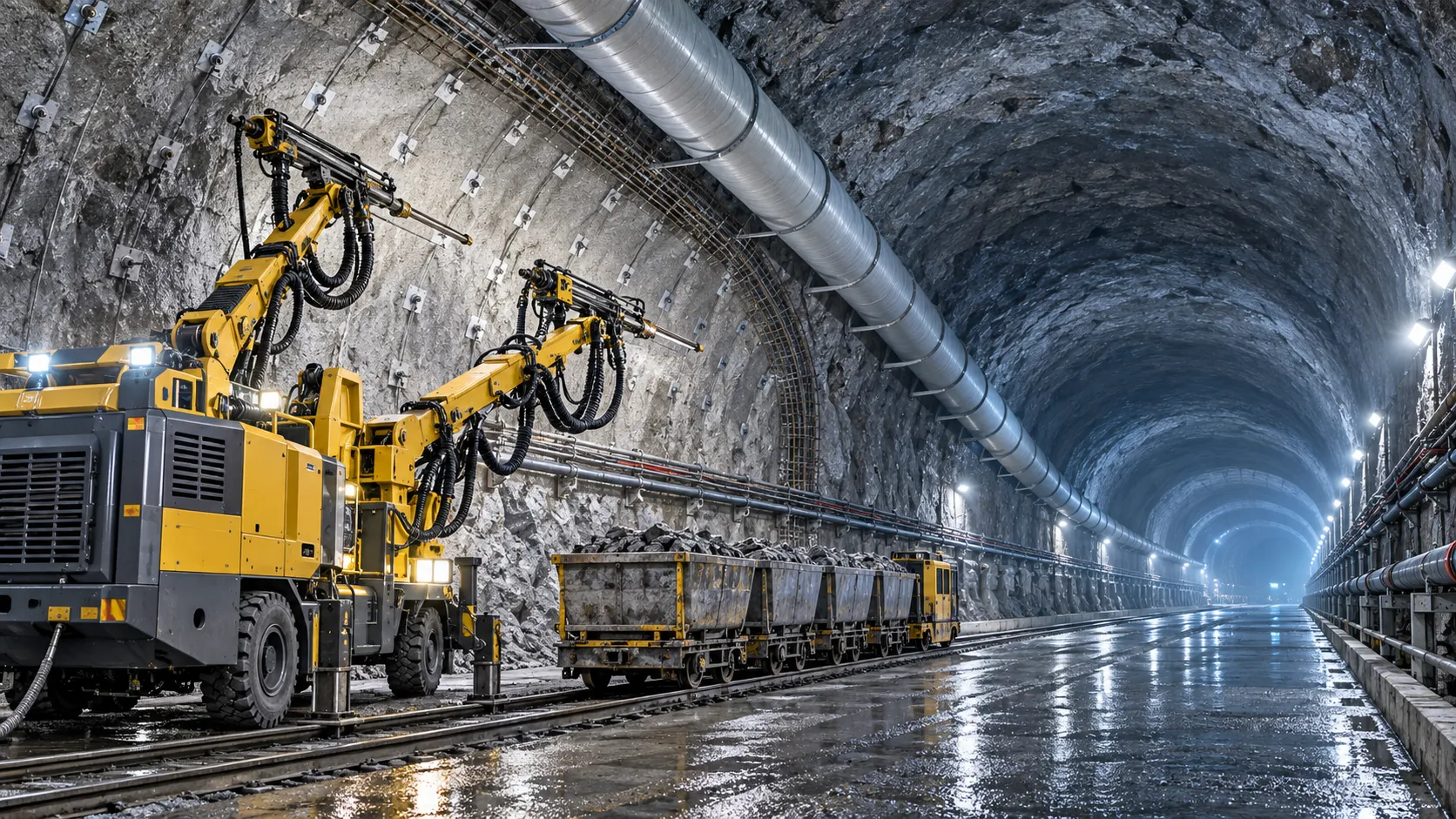
How to Evaluate European Drill-and-Blast Tunnelling Contractors for Complex Projects
Drill and blast tunnelling contractors Europe: learn how to assess geology expertise, blast control, equipment reliability, safety, and programme resilience for complex projects.
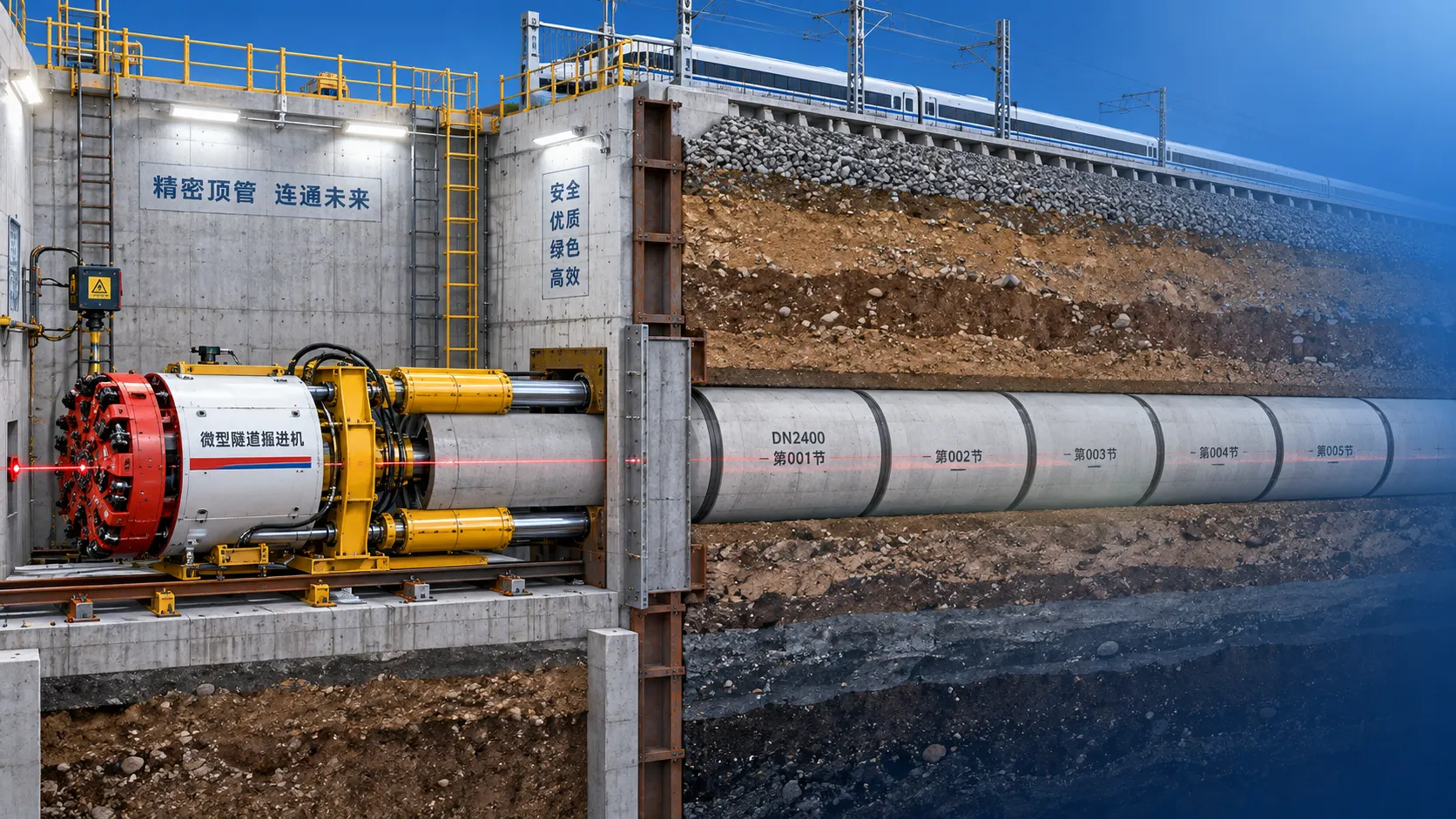
Which Trenchless Construction Technique Fits Your Utility Crossing Conditions?
Trenchless construction techniques compared for utility crossings: choose HDD, microtunnelling, pipe jacking, or auger boring based on ground, accuracy, access, and risk.
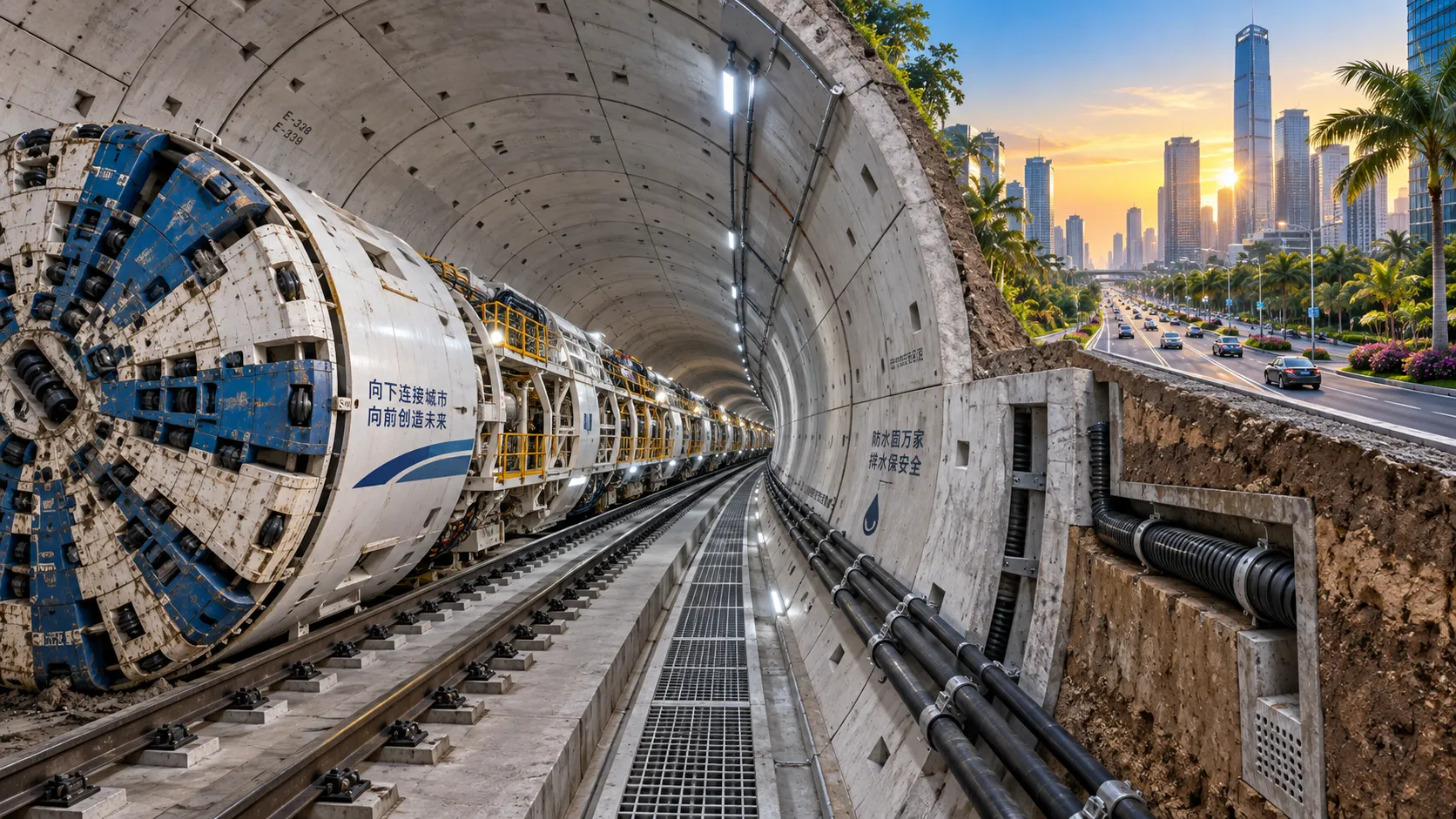
What Is Driving Metro Tunnelling Demand Across Southeast Asia’s Major Cities?
Metro tunnelling Southeast Asia is accelerating as major cities tackle congestion, flooding, and connectivity. Explore the market forces, technical risks, and opportunities shaping demand.
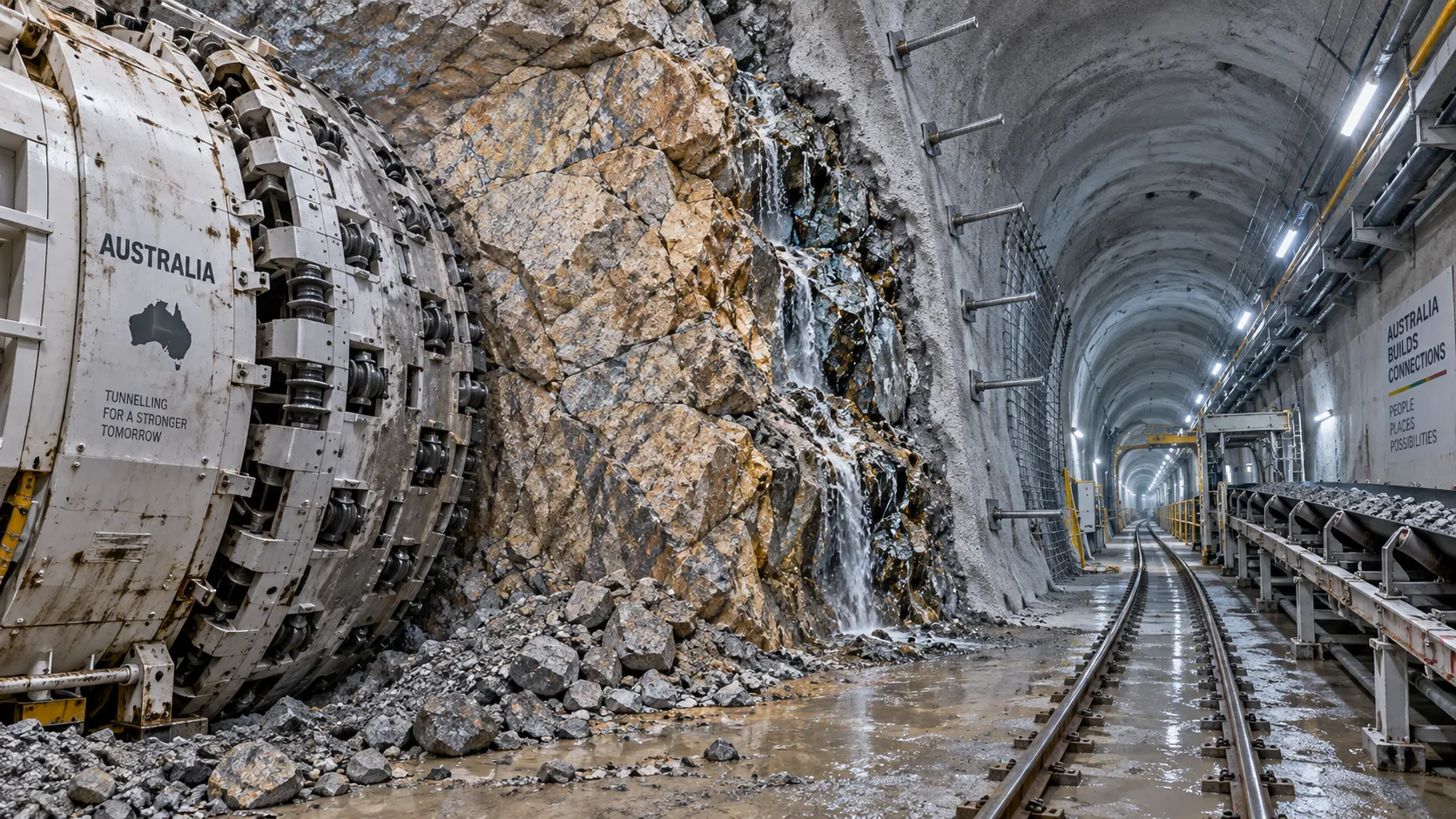
Hard Rock Tunnelling in Australia: Selecting Methods for Variable Ground Conditions
Hard rock tunnelling in Australia: compare TBM, drill-and-blast and hybrid methods to manage variable ground, reduce risk and protect project costs.
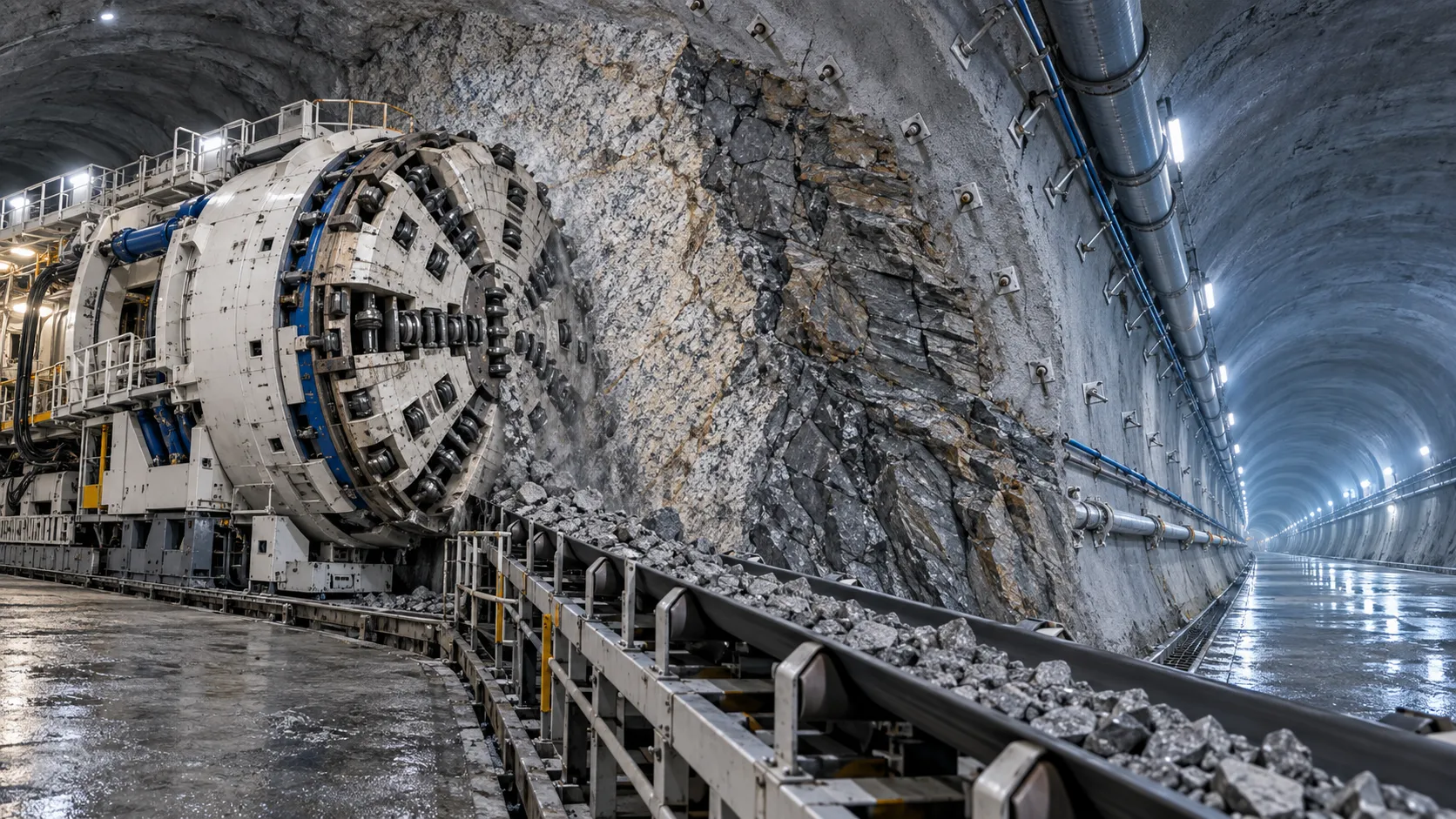
Hydropower Tunnel Excavation: Selecting Methods for Variable Rock Conditions
Hydropower tunnel excavation methods for variable rock conditions: compare TBM, drill-and-blast, and hybrid strategies to improve safety, progress, and project control.
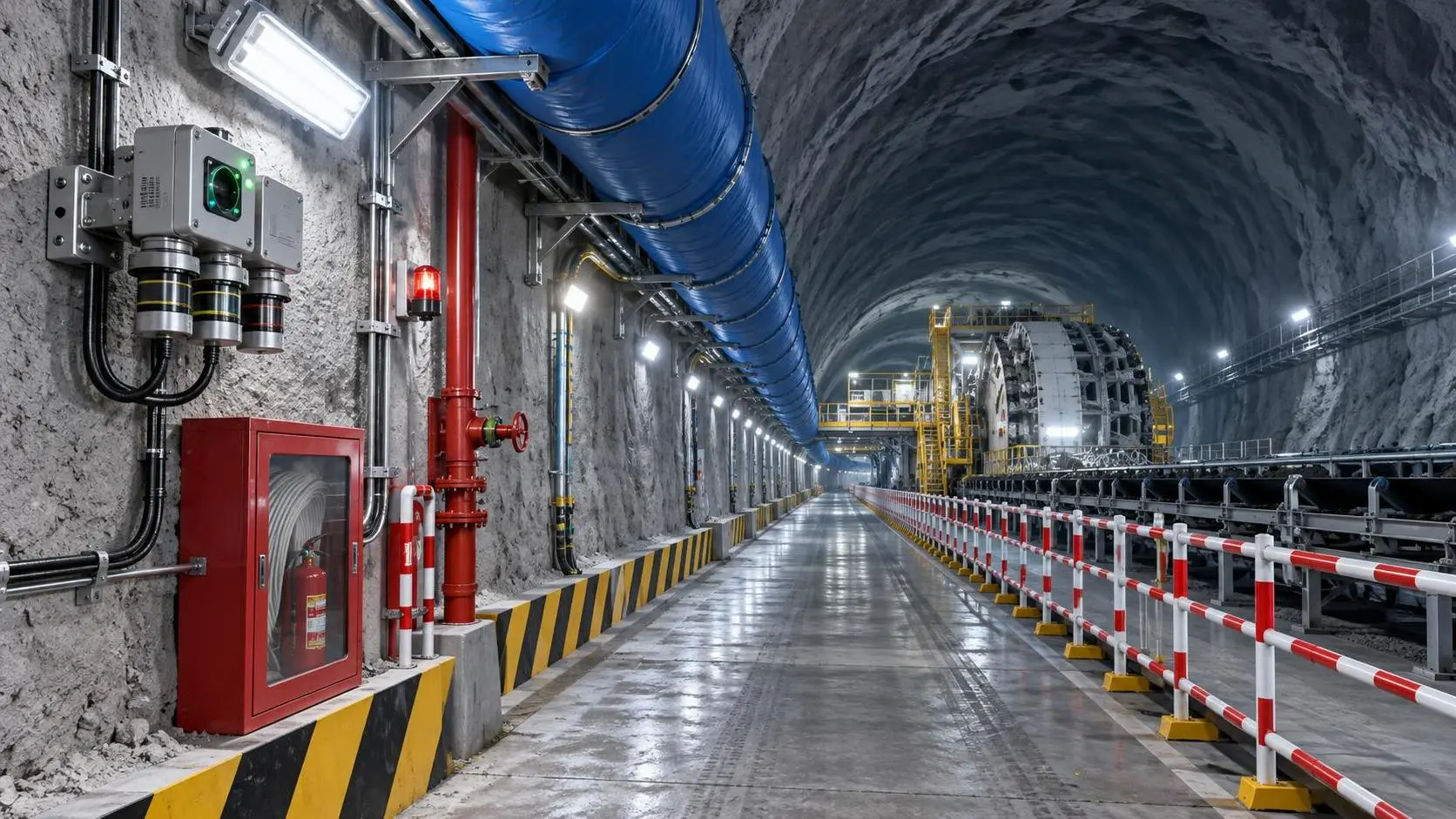
How to Select Underground Safety Equipment for Tunnelling by Hazard and Work Zone
Underground Safety Equipment for tunnelling: match protection to hazards, work zones, compliance, and emergency needs with this practical selection guide.
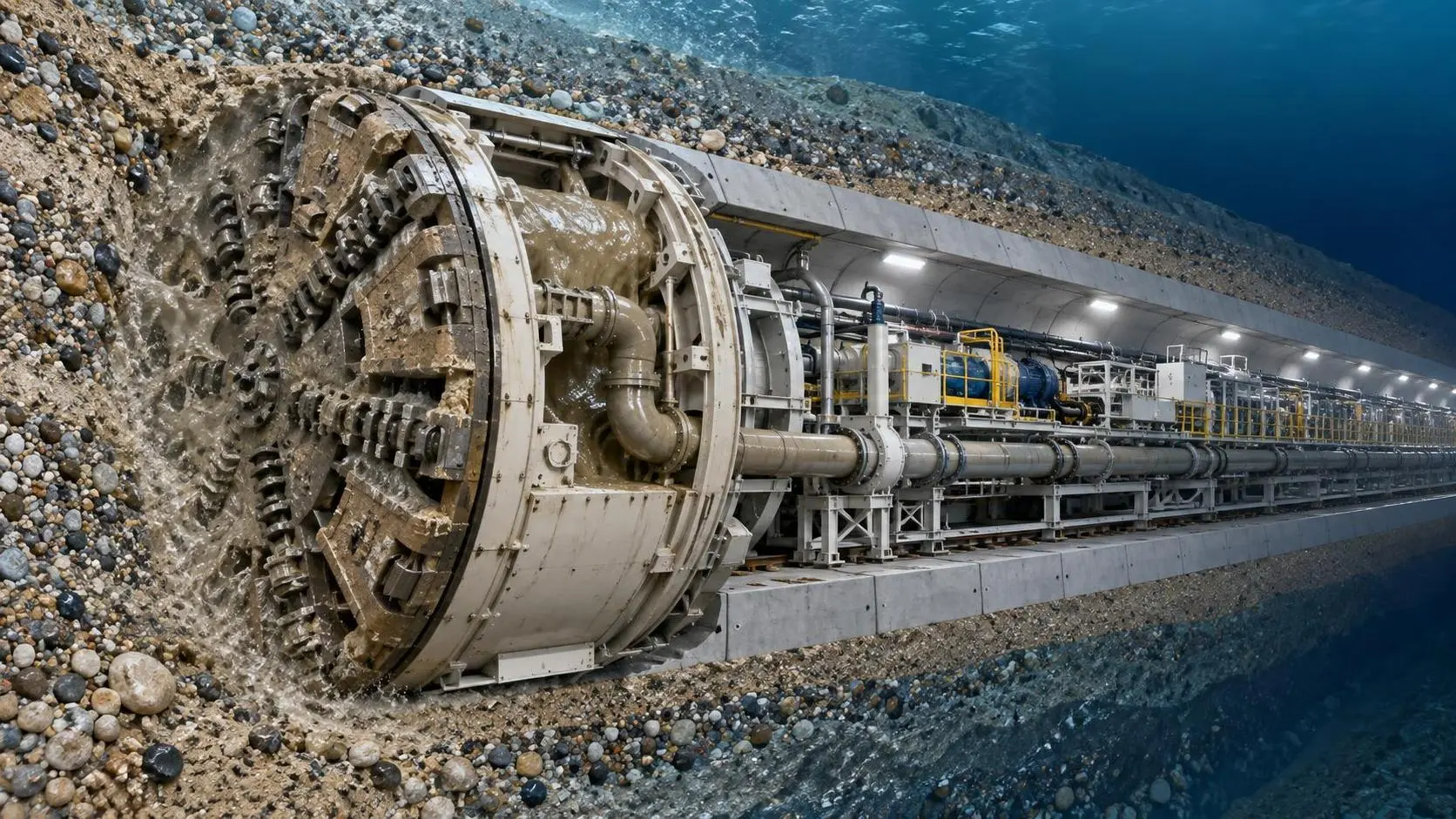
EPB or Slurry Shield? Selecting Soft-Ground Tunnelling Equipment by Soil Conditions
Tunnel Excavation Equipment for soft ground: compare EPB and slurry shields by soil, groundwater, settlement risk, and project logistics to choose confidently.
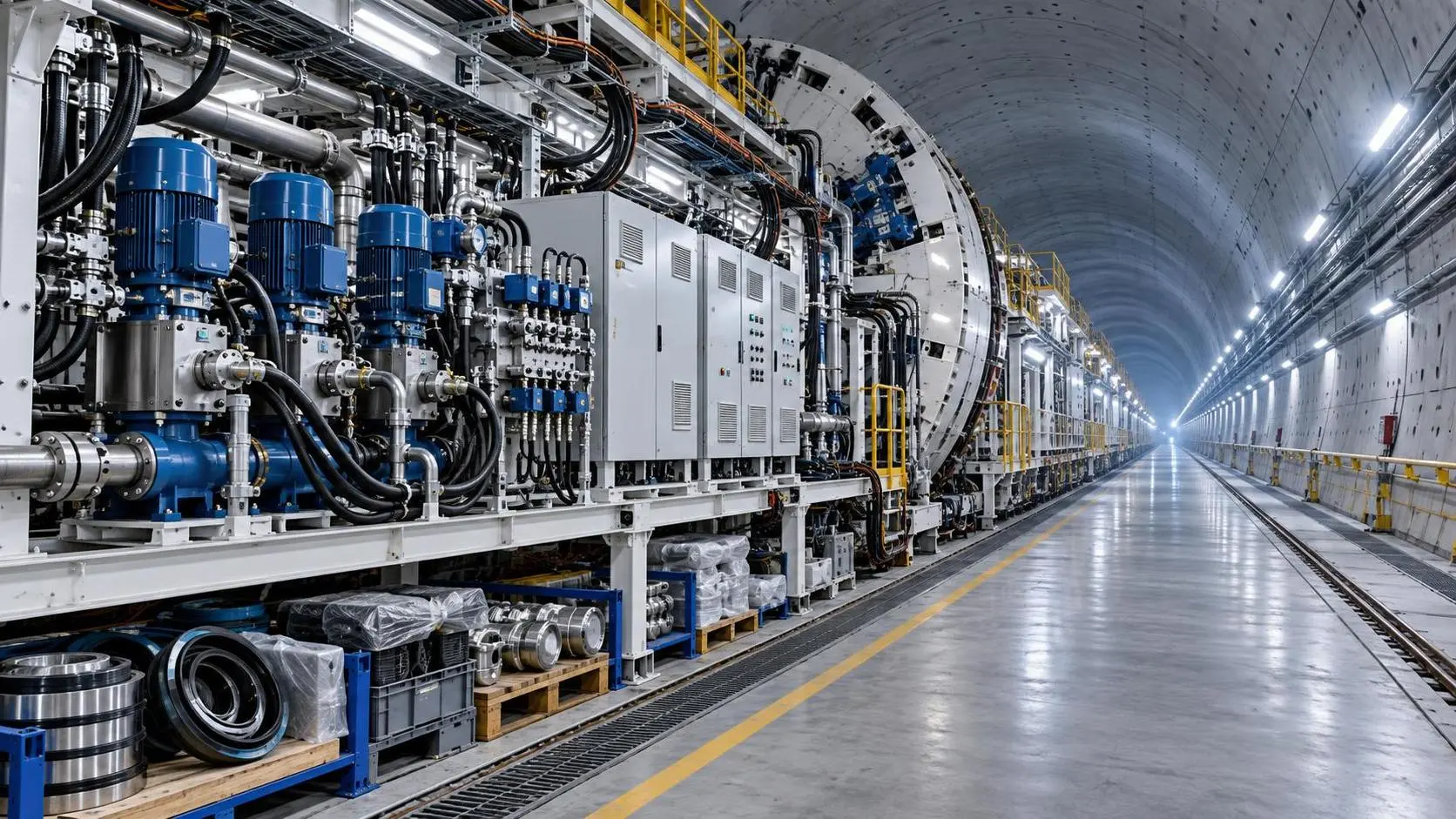
How to Specify TBM Backup System Parts for Reliable Long-Distance Tunnelling
TBM backup system parts: learn how to specify reliable spares for long-distance tunnelling, reduce downtime, ensure compatibility, and speed underground recovery.
How to Size Open Pit Mining Trucks for Haul Distance, Grade, and Payload?
Open Pit Mining Trucks: learn how to match payload, haul distance, grade, road resistance, and loading capacity for safer, lower-cost mine operations.
Related News
- 00
0000-00
How to Evaluate European Drill-and-Blast Tunnelling Contractors for Complex Projects - 00
0000-00
Which Trenchless Construction Technique Fits Your Utility Crossing Conditions? - 00
0000-00
What Is Driving Metro Tunnelling Demand Across Southeast Asia’s Major Cities? - 00
0000-00
Hard Rock Tunnelling in Australia: Selecting Methods for Variable Ground Conditions - 00
0000-00
Hydropower Tunnel Excavation: Selecting Methods for Variable Rock Conditions
Weekly Insights
Stay ahead with our curated technology reports delivered every Monday.