
What sets a top tunnel boring machines manufacturer apart?





Choosing a Tunnel Boring Machines manufacturer is not just about machine size or cutting power—it is about engineering depth, project adaptability, digital intelligence, and long-term reliability under extreme underground conditions. For technical evaluators, the real differentiator lies in how a manufacturer integrates geology-specific design, automation, cutterhead performance, service capability, and lifecycle efficiency to reduce risk and maximize tunnelling results.
What should technical evaluators really compare in a Tunnel Boring Machines manufacturer?
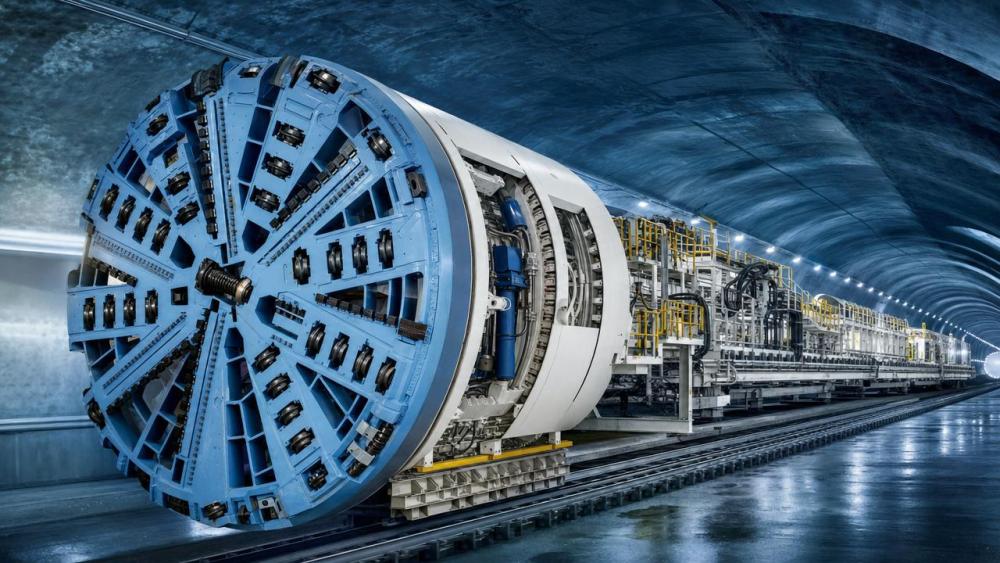
A top Tunnel Boring Machines manufacturer stands apart by solving the full project equation, not just supplying a large machine. In underground works, the TBM is a system-level asset that must match geology, alignment, logistics, safety, segment design, and maintenance strategy.
For technical evaluation teams, the key issue is not whether a supplier can build a machine. It is whether the manufacturer can deliver stable penetration, manageable wear, predictable downtime, and integration with the project’s operational model from launch shaft to breakthrough.
This is where UTMD’s perspective is useful. By tracking TBMs alongside pipe jacking machines, drilling jumbos, EV mining trucks, and underground LHD systems, UTMD views underground equipment as an interconnected performance ecosystem shaped by rock mechanics, electrification, automation, and harsh-space reliability.
Core dimensions that separate average and leading manufacturers
- Geology-driven engineering, including cutterhead layout, disc cutter selection, sealing philosophy, and spoil handling adapted to hard rock, mixed ground, squeezing strata, or high-water-pressure conditions.
- System integration capability across mechanical, hydraulic, electrical, and sensor layers, because TBM performance depends on coordinated subsystems rather than isolated component strength.
- Digital intelligence, such as machine monitoring, penetration-rate analytics, remote diagnostics, and data interfaces that support condition-based maintenance and construction decision-making.
- Field service response, including commissioning support, spare parts planning, cutter consumption forecasting, and turnaround capability in remote or schedule-critical projects.
- Lifecycle thinking, which evaluates energy efficiency, wear cost, rebuild strategy, modular upgrades, and long-term asset utilization rather than purchase price alone.
Why geology-specific design matters more than generic machine power
Many procurement discussions begin with diameter, installed power, and thrust. Those are important, but they rarely decide success on their own. A Tunnel Boring Machines manufacturer earns technical trust when its design logic begins with ground behavior and project risk mapping.
In abrasive hard rock, disc cutter wear models, vibration control, and bearing protection can outweigh nominal power. In mixed face conditions, transition stability, face support, and cutterhead opening ratio often determine whether progress remains smooth or becomes unpredictable.
The best manufacturers usually show evidence of engineering discipline in how they link geological baseline data with machine configuration, probe drilling options, backup arrangement, muck transport, and segment handling systems.
Questions evaluators should ask before shortlisting
- How does the manufacturer translate geotechnical uncertainty into cutterhead design margins and contingency features?
- What assumptions are used for cutter consumption, penetration rate, and maintenance windows under the expected rock strength and abrasivity?
- Can the design accommodate changes in groundwater inflow, fault zones, or fractured strata without major productivity collapse?
- What field feedback loops exist between operating projects and new machine design improvement?
UTMD’s intelligence approach reinforces this issue. Its analysis of disc cutter friction and wear in extremely hard rock points to a practical truth: underground productivity is often a materials-and-maintenance problem as much as a power problem.
How to compare a Tunnel Boring Machines manufacturer across technical evaluation criteria
The following table helps technical evaluators structure a more disciplined comparison of a Tunnel Boring Machines manufacturer. It moves the conversation beyond brochures and focuses on measurable engineering and delivery risk.
A strong score across these dimensions usually signals a more mature manufacturer. Technical teams should ask for engineering rationale, maintenance assumptions, and interface details rather than accepting general statements about high efficiency or robust design.
Which technical capabilities most clearly distinguish a leading manufacturer?
A leading Tunnel Boring Machines manufacturer usually demonstrates depth in five areas: cutterhead science, reliability engineering, automation architecture, maintainability, and project interface management. Together, these areas determine whether a TBM performs well under real operating stress.
Cutterhead and rock interaction engineering
Disc cutter spacing, cutter mounting design, opening ratio, wear protection layout, and muck flow path all influence penetration and tool life. In hard and abrasive formations, a manufacturer’s ability to model wear and intervention frequency can heavily affect project economics.
Reliability in confined and harsh underground environments
Underground tunnelling does not forgive poor accessibility or weak redundancy planning. Hydraulic circuits, electrical cabinets, seals, bearings, and cooling systems must be designed for constrained maintenance access and contamination exposure.
Automation and data visibility
As underground equipment moves toward autonomy and digitalization, evaluators should expect machine data that supports operational learning. UTMD’s focus on smart underground mining transport and automation trends highlights how digital visibility is becoming a strategic requirement, not an optional feature.
Maintainability and intervention planning
A good design is not only powerful when new. It must remain maintainable after months of wear, dust, water, vibration, and continuous duty. Access paths, modular replacement logic, and service tooling availability directly affect downtime.
What procurement teams should examine beyond the initial quotation
Technical evaluators often face budget pressure, delivery deadlines, and incomplete geological certainty at the same time. In that environment, the lowest quote can become the highest-risk choice if it leaves major assumptions undefined.
A more useful approach is to assess total project fit. That includes delivery engineering, interface responsibilities, consumables planning, training, and post-handover support. The aim is not only to buy a TBM, but to secure predictable excavation performance.
A practical procurement checklist
- Confirm whether machine configuration is based on project-specific geology and tunnel function rather than a lightly modified standard platform.
- Request clarity on design freeze timing, long-lead components, factory testing scope, and site assembly assumptions.
- Review spare parts packages by commissioning stage, early wear phase, and steady-state operation instead of buying a generic kit.
- Ask how machine data will be shared with the owner, contractor, and maintenance teams for performance review and fault analysis.
- Check whether the manufacturer has a defined escalation path for cutterhead wear anomalies, seal failures, or backup system disruptions.
These details help distinguish a supplier that simply delivers equipment from a Tunnel Boring Machines manufacturer that supports the operational mission of the project.
A comparison table for selection, cost exposure, and service risk
When comparing suppliers, technical teams should map not only machine specifications but also lifecycle burdens. The table below summarizes how evaluation criteria shift when the goal is stable project delivery rather than a low initial capital number.
This comparison shows why a technical evaluator should challenge any proposal that looks inexpensive but lacks engineering transparency. Underground risk is rarely cheap once the machine enters the ground.
How standards, safety, and digitalization influence manufacturer choice
A capable Tunnel Boring Machines manufacturer should be able to discuss compliance and safety within the context of the project region, owner requirements, and site hazards. That may include electrical safety, hydraulic integrity, guarding, emergency systems, lifting interfaces, and documentation quality.
For many projects, digitalization now sits next to compliance as a selection criterion. Owners increasingly expect machine data suitable for trend review, maintenance planning, productivity benchmarking, and integration with wider site management systems.
UTMD’s broader coverage of zero-emission underground equipment and automated mining logistics makes this point especially relevant. The underground sector is moving toward lower-emission operations, smarter diagnostics, and more integrated asset intelligence across heavy equipment classes.
Common documentation areas to review
- Functional descriptions for cutterhead drive, guidance, erector, ventilation, spoil removal, and safety interlocks.
- Maintenance manuals with interval logic tied to actual operating conditions rather than generic time-based guidance only.
- Instrumentation and control documentation showing data points, alarms, historian capability, and access responsibility.
- Factory and site test plans that define what will be proven before shipment and what will be validated during commissioning.
FAQ: what do technical evaluators ask most often?
How do I judge whether a Tunnel Boring Machines manufacturer truly understands my geology?
Look for project-specific engineering logic. A credible manufacturer should explain why a certain cutterhead concept, cutter arrangement, support method, and wear allowance suit your geotechnical data. If the response stays generic, the design depth may be limited.
What matters more: machine power or service capability?
Both matter, but service capability often decides whether theoretical performance becomes real output. Strong power with weak spares planning, weak diagnostics, or slow intervention support can still result in poor monthly advance rates.
How should I compare two manufacturers with similar technical specifications?
Compare assumptions, not just numbers. Review cutter wear forecasts, planned maintenance windows, subsystem accessibility, data visibility, FAT scope, commissioning resources, and interface definition. Similar specifications can hide very different execution risks.
What are common mistakes in TBM procurement?
Frequent mistakes include over-focusing on purchase price, underestimating consumables cost, accepting vague exclusions, and failing to test whether the machine architecture matches local maintenance capability. Another common issue is neglecting digital access and operational data requirements.
Why UTMD is a valuable partner in evaluating underground equipment strategy
UTMD does not look at a Tunnel Boring Machines manufacturer in isolation. Its intelligence model connects rock-cutting mechanics, zero-emission trends in confined spaces, and the digital transformation of underground and mining fleets. That wider lens helps technical evaluators make decisions that remain sound beyond the immediate tender.
Because UTMD tracks global tunnel tenders, trenchless evolution, hard-rock wear mechanisms, underground automation, and electrified heavy equipment trends, it can help frame manufacturer evaluation in both technical and strategic terms. This is especially valuable when projects face high uncertainty, ESG-driven equipment transitions, or future digital integration demands.
Why choose us
If you are assessing a Tunnel Boring Machines manufacturer, UTMD can support deeper decision-making with focused intelligence on geology-fit logic, cutter wear implications, digital capability trends, underground equipment interoperability, and procurement risk signals across the global market.
You can contact us to discuss parameter confirmation, supplier comparison frameworks, configuration selection logic, delivery-cycle questions, service scope review, digital monitoring expectations, and certification or documentation checkpoints relevant to your project.
For technical evaluators working under time pressure, budget constraints, or complex ground conditions, a more informed manufacturer assessment can reduce uncertainty before commitment. That is where UTMD’s underground engineering intelligence becomes practical, actionable, and commercially useful.
Related News
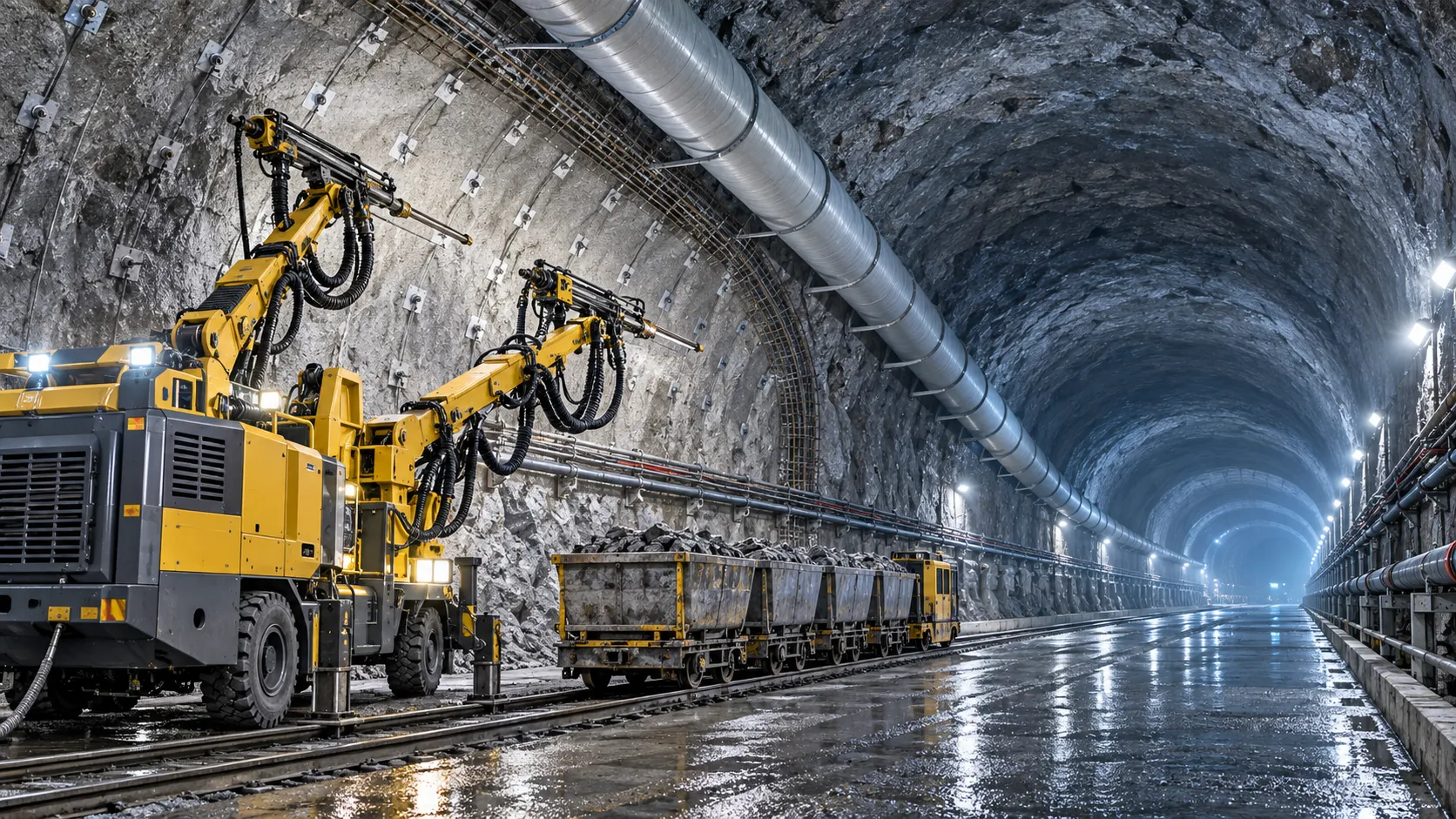
How to Evaluate European Drill-and-Blast Tunnelling Contractors for Complex Projects
Drill and blast tunnelling contractors Europe: learn how to assess geology expertise, blast control, equipment reliability, safety, and programme resilience for complex projects.
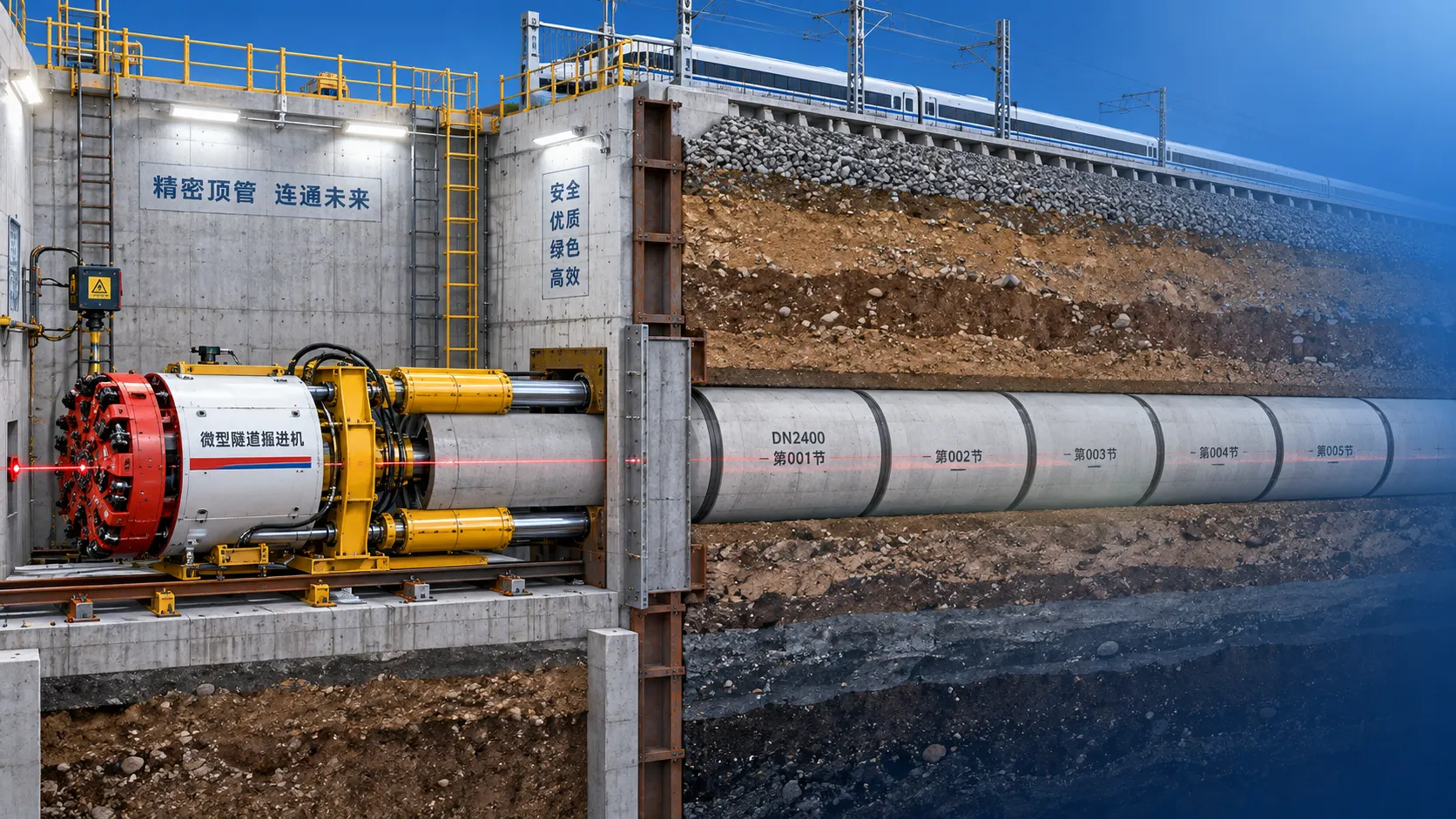
Which Trenchless Construction Technique Fits Your Utility Crossing Conditions?
Trenchless construction techniques compared for utility crossings: choose HDD, microtunnelling, pipe jacking, or auger boring based on ground, accuracy, access, and risk.
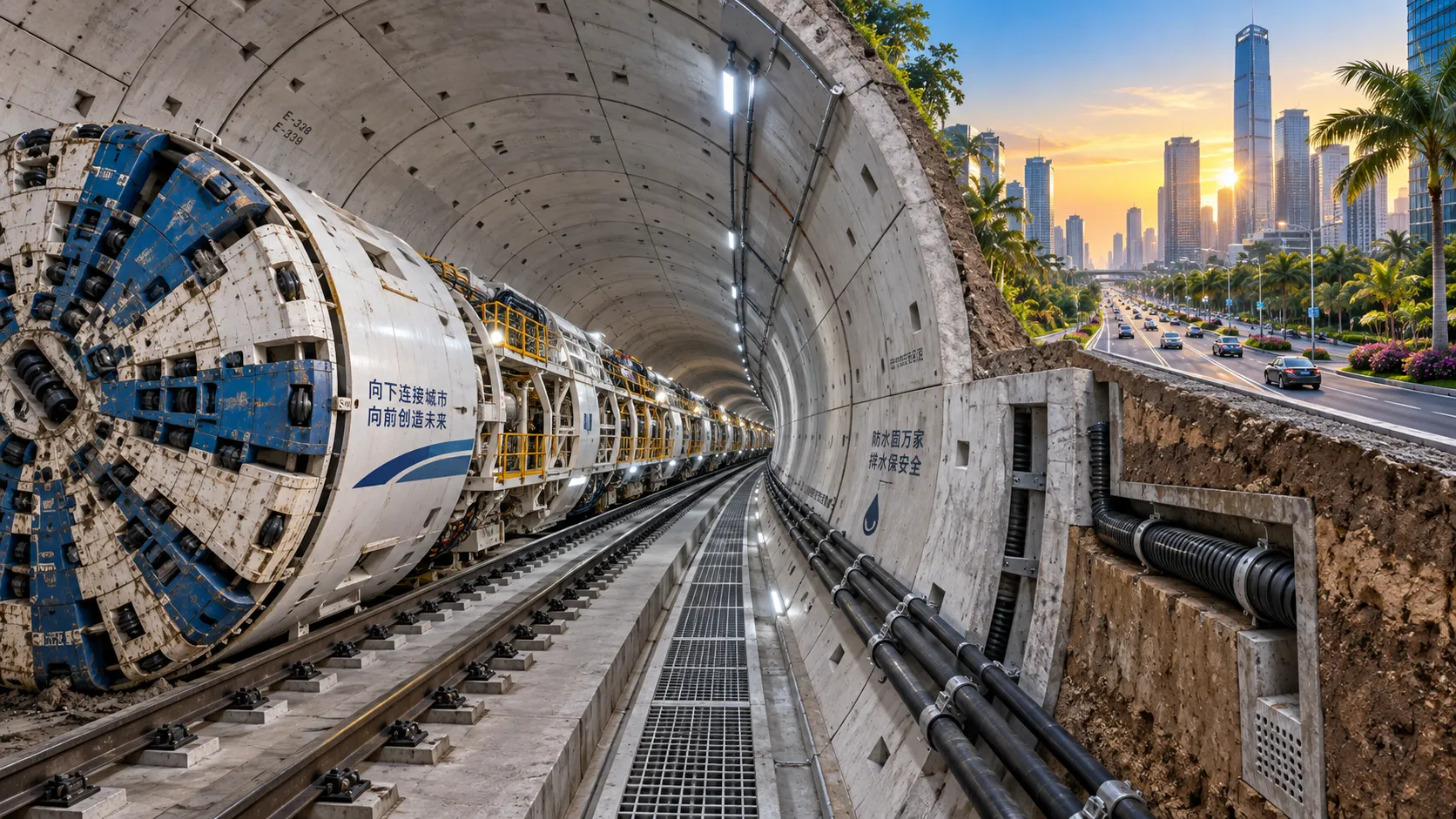
What Is Driving Metro Tunnelling Demand Across Southeast Asia’s Major Cities?
Metro tunnelling Southeast Asia is accelerating as major cities tackle congestion, flooding, and connectivity. Explore the market forces, technical risks, and opportunities shaping demand.
Hard Rock Tunnelling in Australia: Selecting Methods for Variable Ground Conditions
Hard rock tunnelling in Australia: compare TBM, drill-and-blast and hybrid methods to manage variable ground, reduce risk and protect project costs.
Hydropower Tunnel Excavation: Selecting Methods for Variable Rock Conditions
Hydropower tunnel excavation methods for variable rock conditions: compare TBM, drill-and-blast, and hybrid strategies to improve safety, progress, and project control.
How to Select Underground Safety Equipment for Tunnelling by Hazard and Work Zone
Underground Safety Equipment for tunnelling: match protection to hazards, work zones, compliance, and emergency needs with this practical selection guide.
EPB or Slurry Shield? Selecting Soft-Ground Tunnelling Equipment by Soil Conditions
Tunnel Excavation Equipment for soft ground: compare EPB and slurry shields by soil, groundwater, settlement risk, and project logistics to choose confidently.
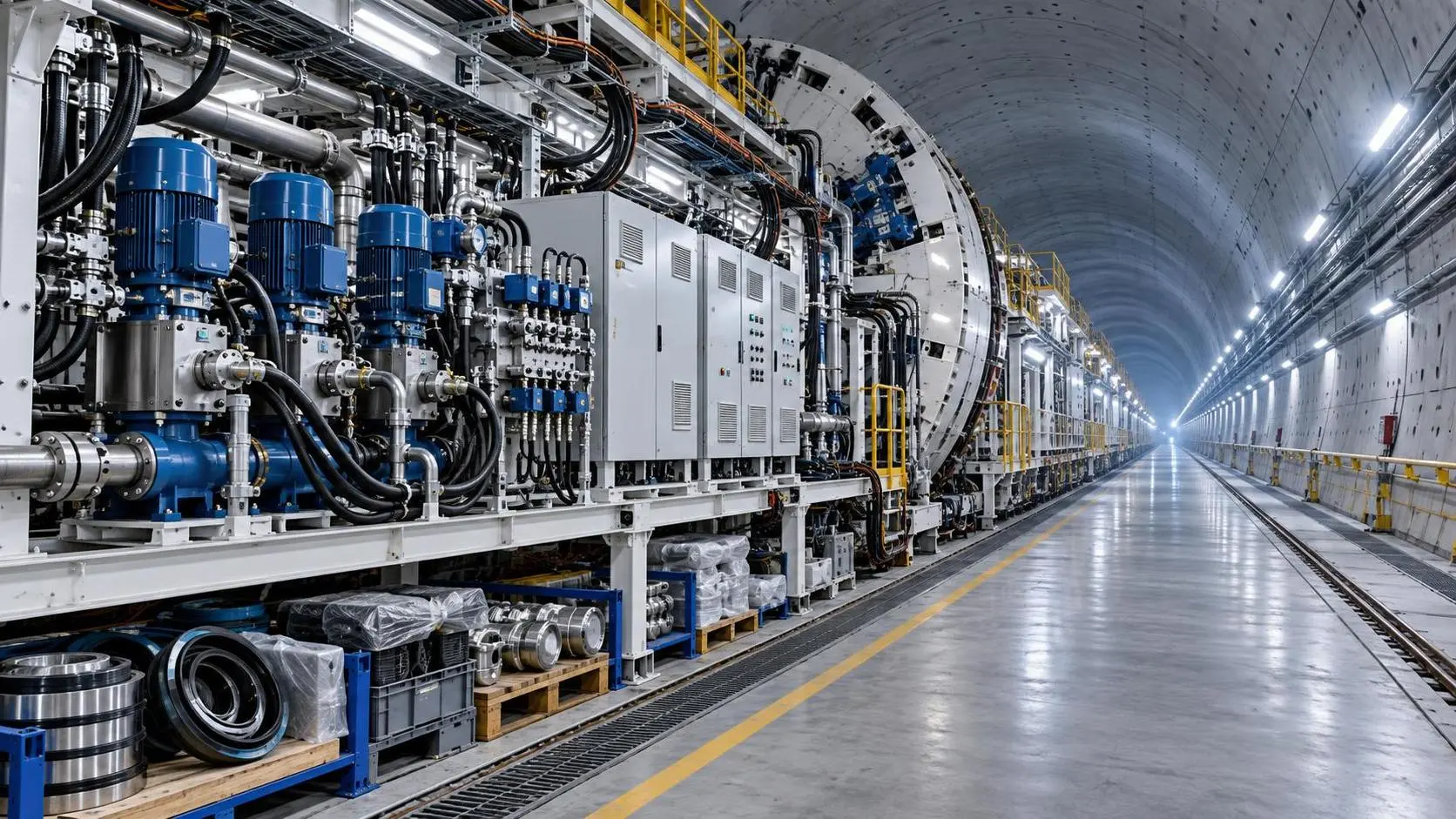
How to Specify TBM Backup System Parts for Reliable Long-Distance Tunnelling
TBM backup system parts: learn how to specify reliable spares for long-distance tunnelling, reduce downtime, ensure compatibility, and speed underground recovery.
How to Size Open Pit Mining Trucks for Haul Distance, Grade, and Payload?
Open Pit Mining Trucks: learn how to match payload, haul distance, grade, road resistance, and loading capacity for safer, lower-cost mine operations.
Related News
- 00
0000-00
How to Evaluate European Drill-and-Blast Tunnelling Contractors for Complex Projects - 00
0000-00
Which Trenchless Construction Technique Fits Your Utility Crossing Conditions? - 00
0000-00
What Is Driving Metro Tunnelling Demand Across Southeast Asia’s Major Cities? - 00
0000-00
Hard Rock Tunnelling in Australia: Selecting Methods for Variable Ground Conditions - 00
0000-00
Hydropower Tunnel Excavation: Selecting Methods for Variable Rock Conditions
Weekly Insights
Stay ahead with our curated technology reports delivered every Monday.