How to mitigate rockburst risk during TBM excavation in deep hard-rock mines?





How to Mitigate Rockburst Risk During TBM Excavation in Deep Hard-Rock Mines?
How to handle rock burst risk during tunnel boring in deep mines? As TBMs push deeper into high-stress, hard-rock environments—often exceeding 1,000 meters—rockburst incidents threaten personnel safety, equipment integrity, and project timelines. This article distills field-proven mitigation strategies from UTMD’s Strategic Intelligence Center: real-time microseismic monitoring, stress-relief blasting protocols, adaptive TBM thrust/penetration control, and predictive rock mass classification integration. Grounded in extreme rock-cutting mechanics and validated across lithium-copper mining corridors in Scandinavia, South Africa, and the Andes, these approaches empower operators to transform rockburst risk from a showstopper into a quantifiable, manageable parameter—piercing the strata, intelligently.
Why “How to Handle Rockburst Risk” Is Not Just a Safety Question—It’s a Project Economics Imperative
For mine planners and TBM contractors, rockburst isn’t only about hazard avoidance—it’s about asset utilization, schedule certainty, and ESG-compliant delivery. UTMD’s 2024 Field Intelligence Report shows that unplanned rockburst-related stoppages in >800 m deep hard-rock mines average 17.3 days per incident—costing $2.1M–$4.8M in idle TBM time, re-drilling, and sensor recalibration alone. Worse: 68% of such delays trigger cascading penalties under fixed-price EPC contracts. The real question isn’t “Can we prevent all rockbursts?” but “How do we make rockburst response predictable, measurable, and integrated into daily advance planning?”
Four Field-Validated Mitigation Levers—Not Just Theory
UTMD’s Strategic Intelligence Center synthesizes data from 23 deep-mining TBM projects (2019–2024) to identify four actionable levers—each with clear implementation thresholds and ROI markers.
First: Real-time microseismic monitoring with edge-AI interpretation. Unlike legacy systems that deliver delayed event catalogs, modern setups (e.g., ESG’s MS-500+ with UTMD-validated LSTM anomaly detection) classify precursory micro-fracture patterns within 90 seconds. In the Skellefteå copper corridor, this cut false-alarm rates by 74% and enabled 32% faster TBM restarts after microseismic spikes.
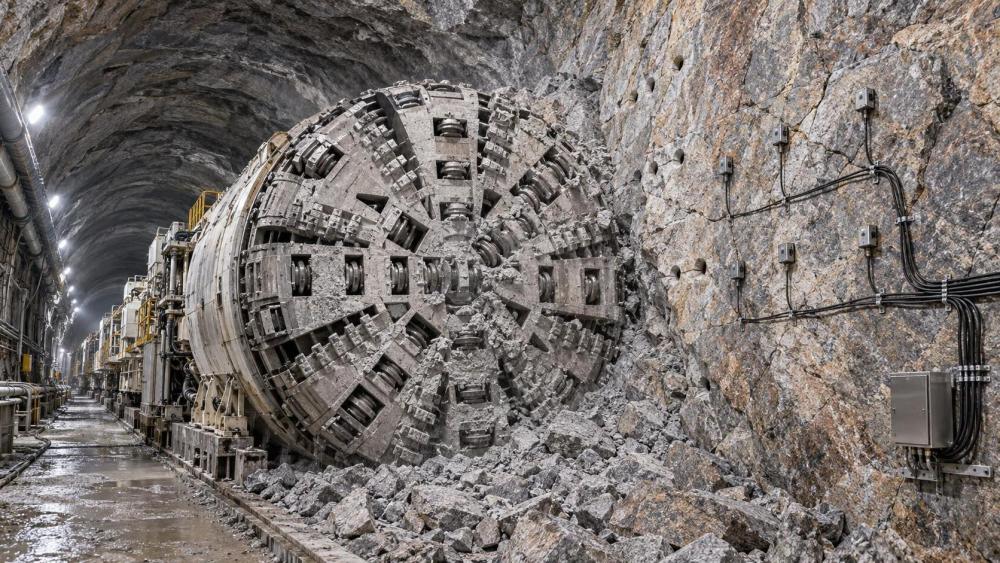
Second: Targeted stress-relief blasting—executed *before* TBM advance, not as emergency response. UTMD’s blast design protocol uses 3D geomechanical modeling (Phase2 + RS2 coupling) to place 3–5 radial relief holes at 1.2–1.8 m depth ahead of the face. Critical: hole spacing must match local rock fracture spacing (measured via borehole televiewer), not generic templates. In South Africa’s Mponeng extension, this reduced energy release magnitude (ERM) by 41% over 2.4 km of excavation.
Third: Adaptive TBM thrust and penetration rate control—tied directly to rock mass feedback. Most operators still run fixed-thrust modes. UTMD’s recommended approach: integrate disc cutter force sensors, acoustic emission logs, and RQD updates into closed-loop PID control. When specific energy (kN/m³) rises >15% above baseline for >30 minutes, auto-reduce thrust by 8–12% and increase rotation speed 5–7%. This prevents localized stress concentration at the cutter–rock interface—the primary nucleation point for strain-driven rockbursts.
Where Predictive Classification Outperforms Traditional RMR or Q-System
RMR and Q-systems were built for drill-and-blast tunnels—not full-face TBMs in 250 MPa quartzite under 45 MPa in-situ stress. UTMD’s proprietary Rockburst Susceptibility Index (RSI) adds three TBM-specific dimensions: (1) cutter wear rate deviation from predicted curve, (2) instantaneous specific energy hysteresis, and (3) microseismic b-value slope over rolling 200-m segments. RSI values >7.2 trigger mandatory stress-relief intervention; <5.8 permits nominal advance. Field trials in Chile’s El Teniente expansion showed RSI reduced misclassified high-risk zones by 63% versus Q-system alone.
What You Must Verify Before Deploying Any Mitigation Strategy
Three non-negotiable prerequisites separate effective implementation from costly theater:
1. Pre-excavation stress mapping resolution: Surface-based seismic tomography is insufficient below 600 m. UTMD mandates downhole overcoring (USBM or CSIRO method) at ≤150 m intervals along access drifts—plus at least two full-profile stress measurements per 500 m of main tunnel alignment.
2. TBM sensor calibration frequency: Disc force sensors drift ≥3.2% per 1,200 operating hours. Without bi-weekly traceable recalibration (ISO 17025 accredited lab), thrust control becomes noise-driven—not physics-driven.
3. Microseismic network geometry: Minimum 12 sensors, with at least 4 placed >20 m beyond the current face in stable rock. Triangular array spacing must be ≤25 m in high-risk zones—verified monthly via pulse-test source localization accuracy.
Conclusion: Rockburst Risk Is Now a Tunable Parameter—Not an Act of Geology
The era of treating rockburst as an unpredictable geological inevitability is over. As demonstrated across UTMD-validated deployments—from the Andean lithium spodumene tunnels to the Baltic Shield’s ultra-deep nickel expansions—rockburst risk can be measured, modeled, and modulated in real time. Success hinges not on adopting every available technology, but on integrating four tightly coupled elements: high-fidelity stress input, TBM-integrated process feedback, AI-accelerated interpretation, and operationally disciplined response protocols. For engineering managers, this means shifting budget allocation from reactive ground support (e.g., heavy steel sets) toward predictive sensing infrastructure and operator decision-support training. For contractors, it transforms rockburst clauses from liability traps into performance incentives—linked to verified RSI compliance and microseismic stability KPIs. Ultimately, mitigating rockburst during deep TBM excavation isn’t about eliminating energy release—it’s about controlling its timing, location, and magnitude so that every meter advanced is both safe and economically certain. That’s how you pierce the strata—and bore the future—with intelligence.
Related News
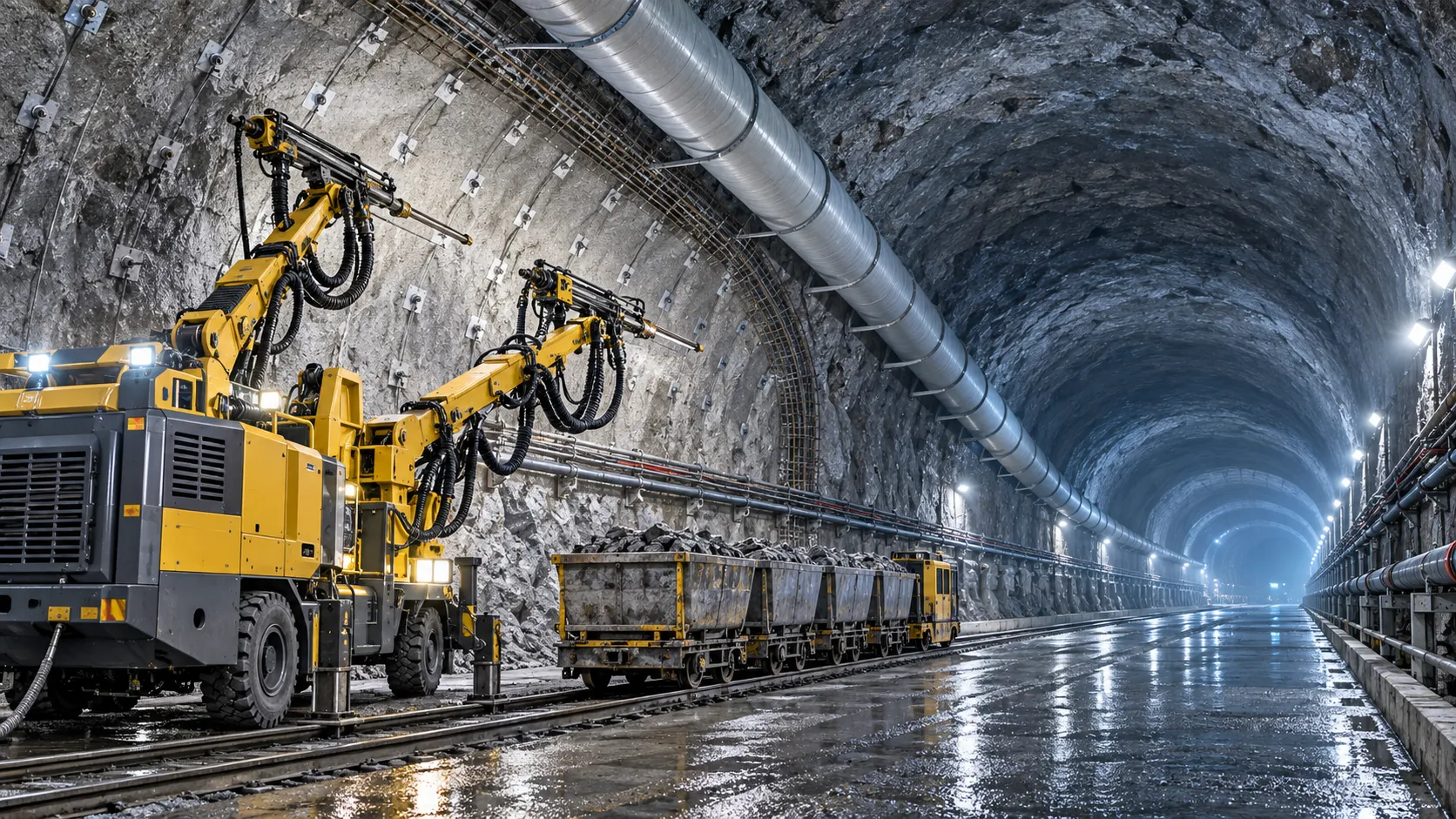
How to Evaluate European Drill-and-Blast Tunnelling Contractors for Complex Projects
Drill and blast tunnelling contractors Europe: learn how to assess geology expertise, blast control, equipment reliability, safety, and programme resilience for complex projects.
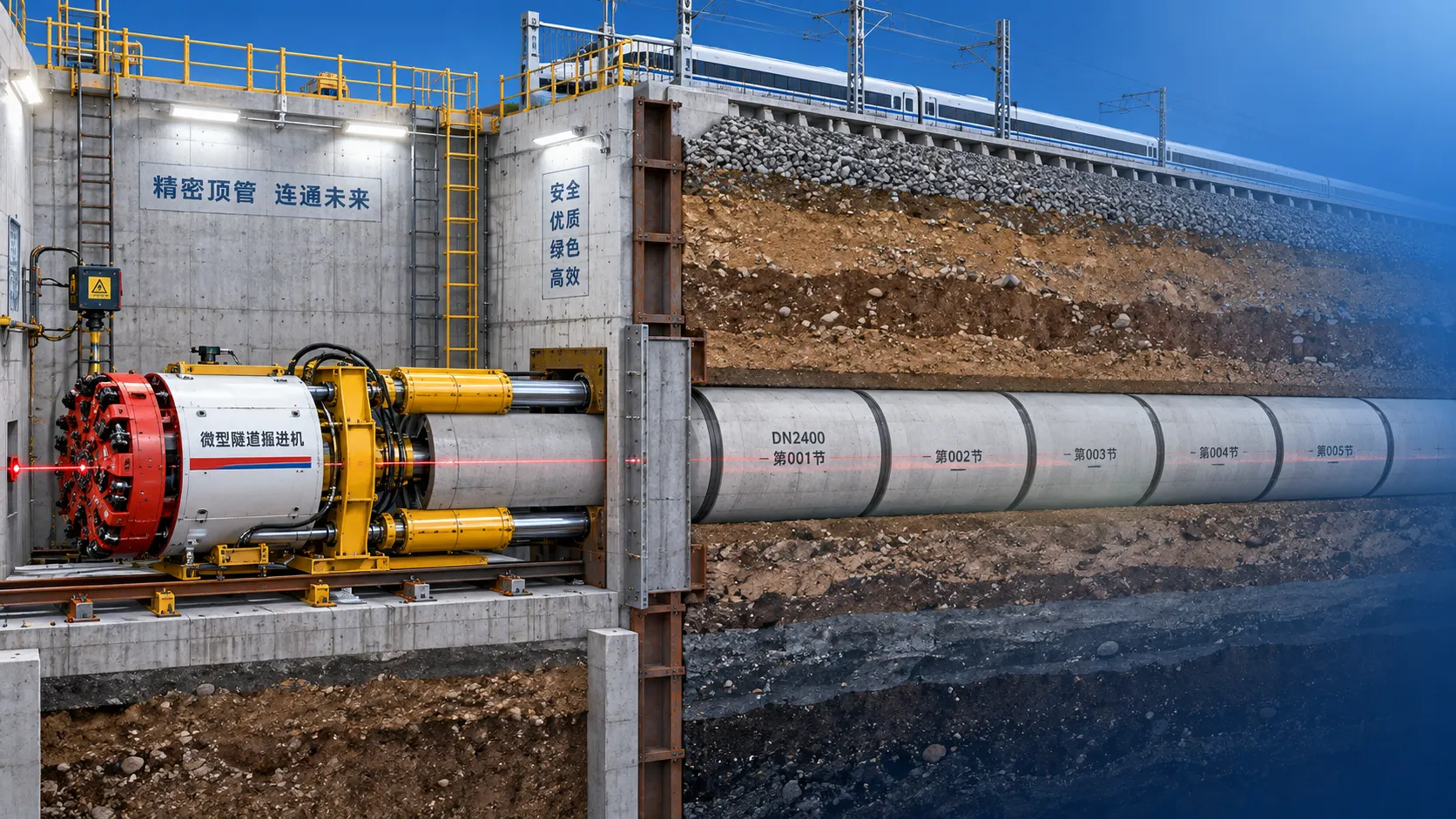
Which Trenchless Construction Technique Fits Your Utility Crossing Conditions?
Trenchless construction techniques compared for utility crossings: choose HDD, microtunnelling, pipe jacking, or auger boring based on ground, accuracy, access, and risk.
What Is Driving Metro Tunnelling Demand Across Southeast Asia’s Major Cities?
Metro tunnelling Southeast Asia is accelerating as major cities tackle congestion, flooding, and connectivity. Explore the market forces, technical risks, and opportunities shaping demand.
Hard Rock Tunnelling in Australia: Selecting Methods for Variable Ground Conditions
Hard rock tunnelling in Australia: compare TBM, drill-and-blast and hybrid methods to manage variable ground, reduce risk and protect project costs.
Hydropower Tunnel Excavation: Selecting Methods for Variable Rock Conditions
Hydropower tunnel excavation methods for variable rock conditions: compare TBM, drill-and-blast, and hybrid strategies to improve safety, progress, and project control.
How to Select Underground Safety Equipment for Tunnelling by Hazard and Work Zone
Underground Safety Equipment for tunnelling: match protection to hazards, work zones, compliance, and emergency needs with this practical selection guide.
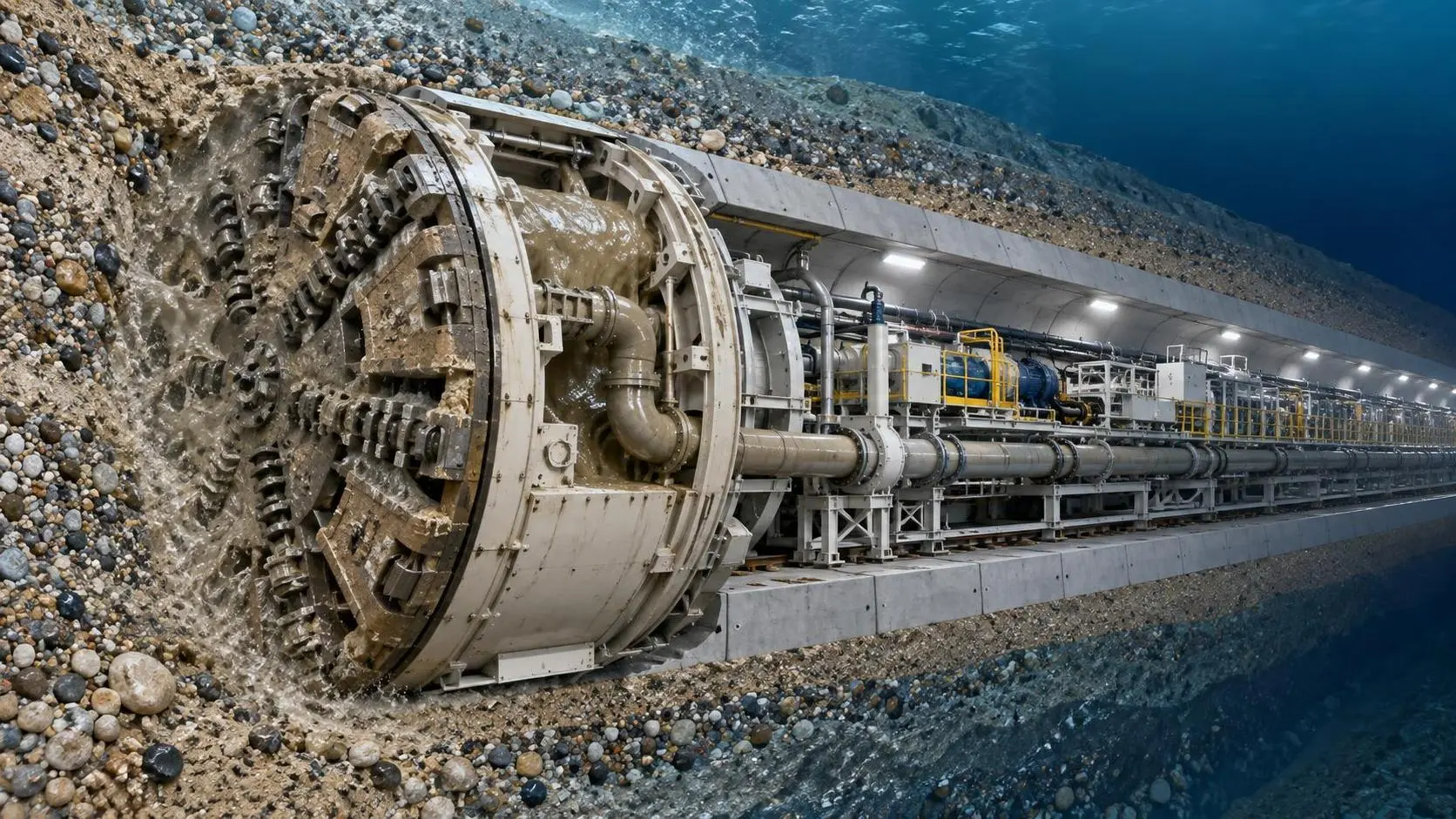
EPB or Slurry Shield? Selecting Soft-Ground Tunnelling Equipment by Soil Conditions
Tunnel Excavation Equipment for soft ground: compare EPB and slurry shields by soil, groundwater, settlement risk, and project logistics to choose confidently.
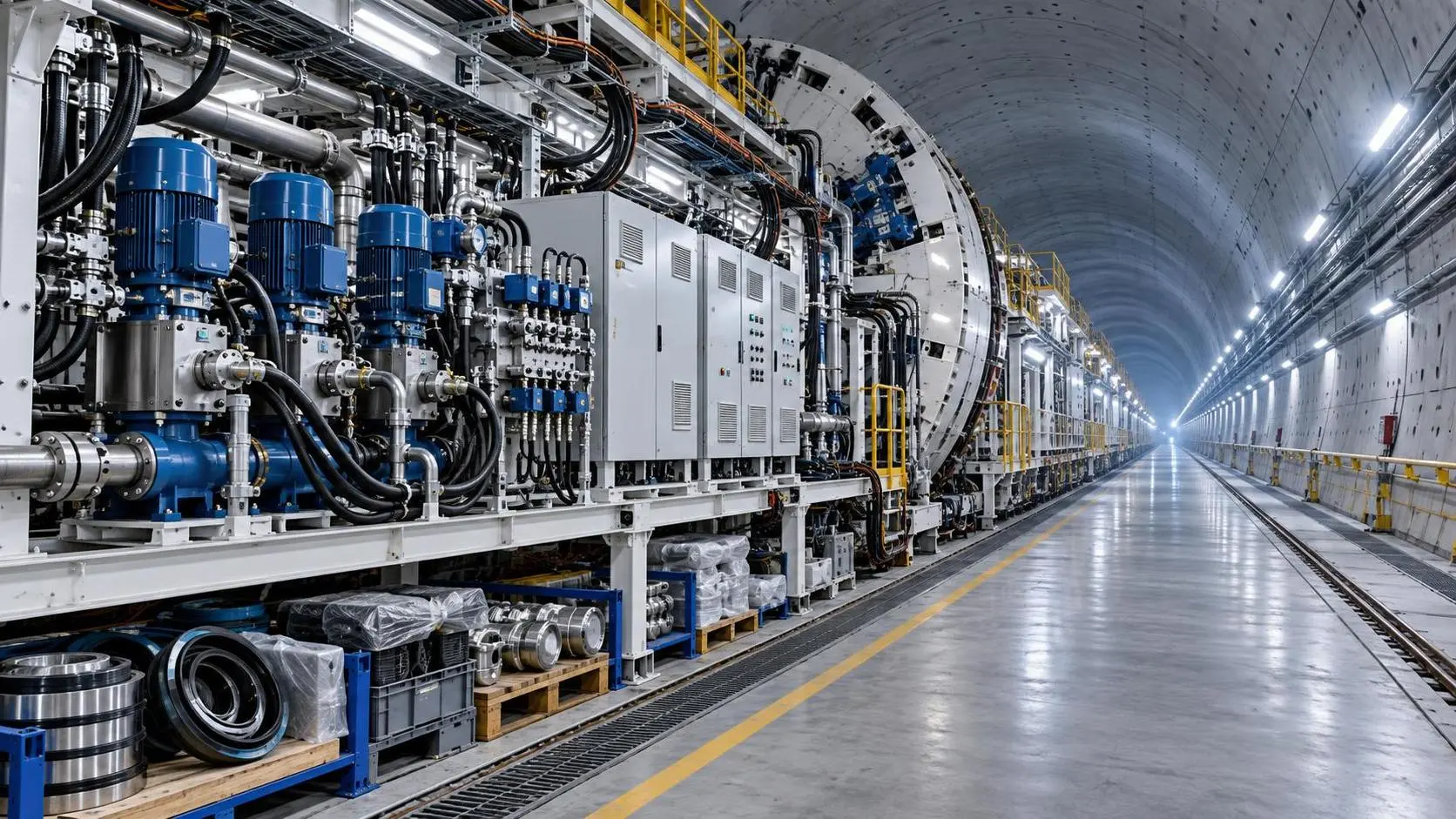
How to Specify TBM Backup System Parts for Reliable Long-Distance Tunnelling
TBM backup system parts: learn how to specify reliable spares for long-distance tunnelling, reduce downtime, ensure compatibility, and speed underground recovery.
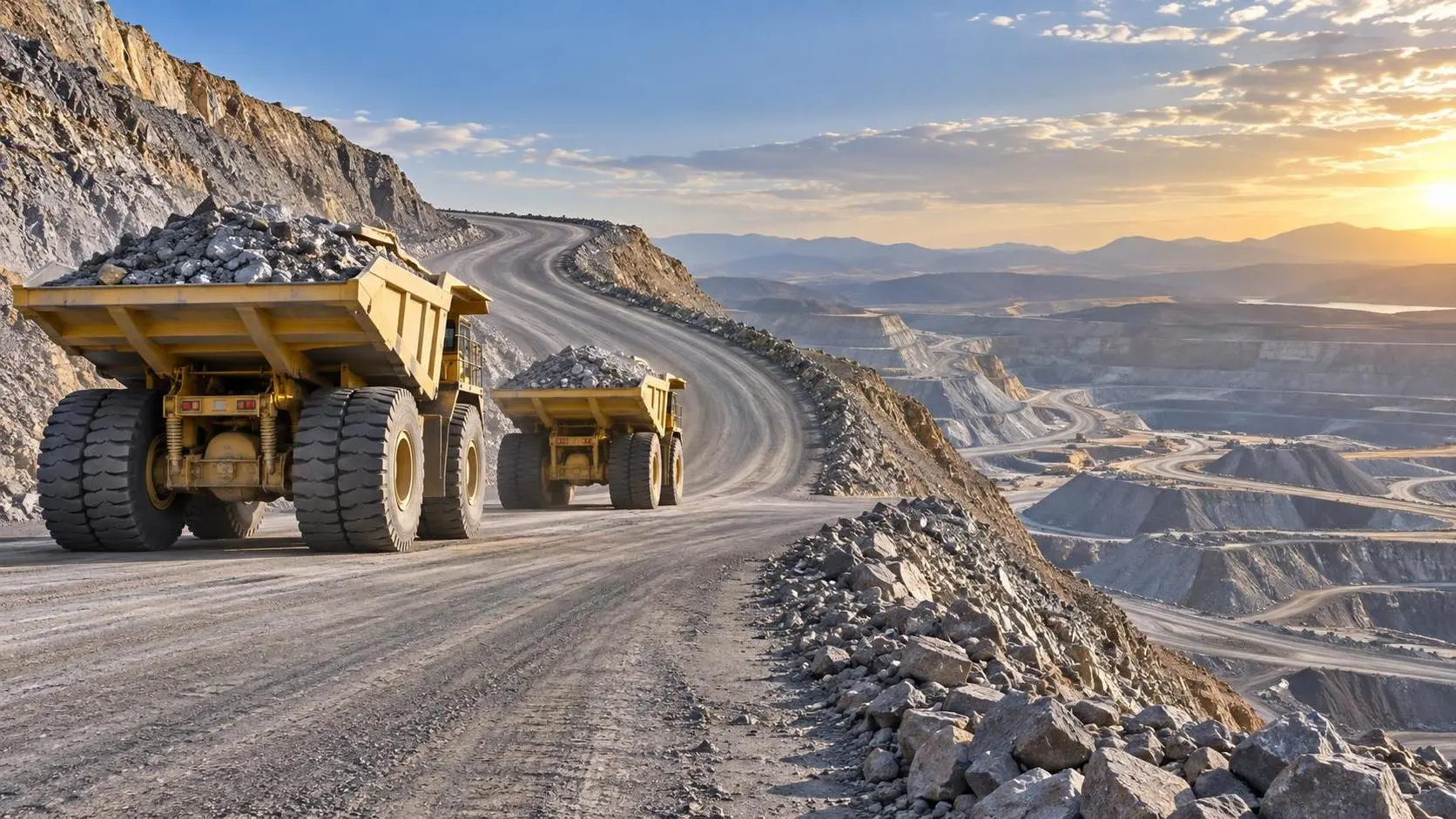
How to Size Open Pit Mining Trucks for Haul Distance, Grade, and Payload?
Open Pit Mining Trucks: learn how to match payload, haul distance, grade, road resistance, and loading capacity for safer, lower-cost mine operations.
Related News
- 00
0000-00
How to Evaluate European Drill-and-Blast Tunnelling Contractors for Complex Projects - 00
0000-00
Which Trenchless Construction Technique Fits Your Utility Crossing Conditions? - 00
0000-00
What Is Driving Metro Tunnelling Demand Across Southeast Asia’s Major Cities? - 00
0000-00
Hard Rock Tunnelling in Australia: Selecting Methods for Variable Ground Conditions - 00
0000-00
Hydropower Tunnel Excavation: Selecting Methods for Variable Rock Conditions
Weekly Insights
Stay ahead with our curated technology reports delivered every Monday.