Smart TBM Technology: How Real-Time Data Improves Tunnel Advance Rates





Smart TBM Technology: How Real-Time Data Improves Tunnel Advance Rates
Smart TBM technology is redefining how project leaders manage tunnel excavation in complex ground conditions. By turning real-time data from cutterheads, thrust systems, geology sensors, and segment operations into actionable decisions, teams can identify risks earlier, optimize machine performance, and improve tunnel advance rates. For major infrastructure projects, this data-driven approach supports more predictable schedules, lower downtime, and stronger control over cost, safety, and asset utilization.
The important distinction is that a smart tunnel boring machine is not simply a conventional TBM fitted with more sensors. Its value comes from linking machine telemetry, geological observations, shift records, maintenance data, and construction logistics into a decision loop. When that loop is working, the project team can move from asking why yesterday’s performance fell short to recognizing, during the shift, that penetration is declining, cutter loading is becoming uneven, muck transport is constraining the cycle, or segment-ring assembly is creating avoidable idle time.
For project managers, the goal should not be to chase the highest instantaneous penetration rate. A tunnel advances only when the entire operating cycle performs reliably. A machine can cut quickly for a short period and still lose the day to cutter interventions, probe drilling, ring-build delays, conveyor interruptions, or ground-treatment decisions made too late. Smart TBM technology is useful because it makes these dependencies visible.
Advance Rate Is a System Outcome, Not a Cutterhead Number
Advance rate is often discussed in terms of thrust, torque, cutterhead rotation, and penetration per revolution. These are essential parameters, particularly in hard rock. Yet they describe only part of the operating picture. In an EPB or slurry shield machine, face pressure, conditioning performance, screw conveyor behavior, slurry-circuit balance, and settlement monitoring may be equally decisive. In a double-shield or gripper TBM, ground support demand, machine gripping conditions, probe results, and cutter wear can determine whether high cutting performance can be sustained.
A useful digital operating model separates three questions that are too often mixed together:
- Can the machine cut efficiently? This concerns rock mass response, cutterhead loading, penetration, thrust, torque, and cutter condition.
- Can the crew complete the tunnel cycle without interruption? This includes ring building, segment supply, spoil removal, conveyor or slurry availability, and planned inspections.
- Can the project continue safely within its geotechnical and environmental limits? Face stability, water ingress, settlement, overbreak, gas, vibration, and lining quality belong here.
Real-time data does not remove geological uncertainty. It gives the team a better way to manage it. The practical benefit is earlier recognition of deviation from the expected ground model or normal machine behavior, allowing supervisors to intervene before a developing issue becomes a lengthy stoppage.
The Data Signals That Matter at the Tunnel Face
Most modern TBMs already generate substantial volumes of information. The challenge is not a lack of signals; it is deciding which signals deserve attention, how they are synchronized, and who has authority to act on them. Raw data from the machine PLC, condition-monitoring devices, survey systems, and operator logs can be misleading when viewed in isolation.
At the cutting interface, the core relationship is between thrust, torque, rotation, penetration, and the ground being excavated. A gradual rise in torque at stable penetration may indicate changing rock conditions, cutter wear, altered face conditions, or material circulation problems, depending on machine type. Conversely, a drop in penetration despite higher thrust can be a warning that additional force is no longer producing useful excavation. In hard rock, this may prompt a review of disc-cutter condition and loading distribution. In soft ground, it may call for examination of conditioning, chamber pressure, or spoil extraction behavior.
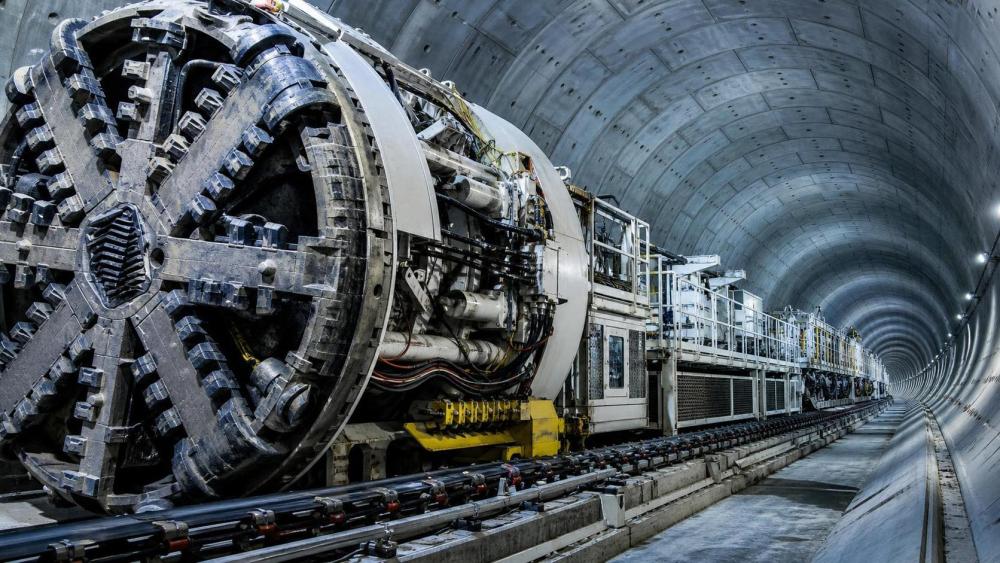
The most useful dashboards do not present dozens of gauges without context. They compare current readings with machine-specific operating envelopes, recent trends, planned geology, and events such as a cutter change, a change in foam dosage, a conveyor stoppage, or a ring-build delay. Time alignment is critical. If survey data, geological logs, and machine parameters use inconsistent timestamps, an apparent cause-and-effect relationship may be false.
Data from segment erection also deserves more attention than it usually receives. Ring assembly duration, segment-handling faults, bolt installation problems, gasket observations, and repeated alignment corrections can expose constraints outside the cutterhead. A project that treats these as separate work packages may miss the real reason for reduced daily progress: cutting is not the bottleneck, but the machine cannot restart promptly after each ring.
From alarms to decisions
An alarm is not automatically an insight. Excessive alarm volume can train operators to ignore warnings, while overly tight thresholds may create unnecessary interventions. Smart TBM technology should therefore use a hierarchy: immediate equipment-protection alarms; operating alerts that require supervisor review; and trend-based indicators that support shift planning or engineering assessment.
For example, a bearing-temperature alarm may require immediate action under the machine supplier’s specified limits. A slowly rising torque-to-penetration relationship may not require a stop, but it should trigger a structured check of geology, cutter wear, and muck flow. The right response depends on the project’s approved operating procedures and the machine manufacturer’s limits. A dashboard cannot substitute for that engineering discipline.
Predictive Maintenance Has to Be Tied to Production Planning
Condition monitoring is often introduced as a maintenance initiative, while advance-rate targets are managed by construction teams. That separation weakens both. A predicted cutterhead, hydraulic, conveyor, or drive-system issue only becomes useful when the maintenance window can be planned against ground conditions, access constraints, spare-parts availability, and the next critical programme milestone.
Cutter wear illustrates the point. Wear prediction can draw on cumulative distance, operating load, geological records, and prior inspections. But no model should be treated as a substitute for physical verification, particularly where ground conditions vary sharply. The operational question is not merely “when will a cutter reach its wear limit?” It is “when can the intervention be made with the lowest overall project disruption, and what evidence supports that timing?”
The same principle applies to slurry pumps, screw conveyors, main drives, belt systems, hydraulic circuits, and segment-handling equipment. Smart maintenance is not about predicting every failure with certainty. It is about improving the quality of maintenance decisions, documenting uncertainty, and reducing avoidable unplanned downtime.
Geological Intelligence Must Stay in the Loop
A TBM’s data stream can reveal changes at the face, but it does not replace geological interpretation. Ground investigation, probe drilling, face mapping where feasible, settlement readings, water observations, and excavated-material assessment remain essential. The strongest approach is to reconcile these inputs continuously rather than relying only on the baseline ground model prepared before excavation began.
This is especially relevant where mixed-face conditions, faults, abrasive formations, high groundwater pressure, or rapidly changing rock mass quality are expected. A change in machine response may provide an early indicator, but it does not independently confirm the cause. Project teams should establish a formal workflow for reviewing anomalies: who assesses the data, who compares it with geological evidence, who authorizes parameter changes, and how the decision is recorded.
That record becomes valuable beyond the immediate shift. It improves handovers, supports claims and programme discussions where appropriate, informs later drives, and creates a more realistic basis for future machine selection. It also prevents a common problem: operational knowledge remaining in the heads of a small number of experienced people rather than becoming usable project intelligence.
Data Architecture and Standards: The Unseen Part of Smart Operation
A sophisticated interface cannot compensate for poor data governance. Before implementation, project leaders should define ownership of the machine data, access rights for contractor, owner, OEM, and specialist partners, retention periods, quality checks, and the conditions under which data may be shared outside the project. These issues can become contentious if they are left until a problem occurs.
Interoperability should be tested early. TBM controls, supervisory systems, asset-management platforms, BIM or common data environments, and construction reporting tools may use different structures and naming conventions. Where a project uses information-management practices aligned with ISO 19650, machine and field data should be considered within the project’s broader information requirements rather than treated as an isolated technology stream. The exact application will depend on contract scope and the project’s digital-delivery plan.
Cybersecurity also belongs in the conversation. Remote access can help OEM specialists support diagnosis, but it must be governed carefully because TBM control environments are operational technology, not ordinary office networks. Security architecture, user permissions, update procedures, logging, and incident response should be agreed with the project’s IT and OT teams. Frameworks such as the IEC 62443 series may be relevant, but applicability must be assessed against the actual system design and local requirements.
What Project Leaders Should Ask Before Committing
The most effective smart TBM deployments usually begin with a small number of operational decisions that need improvement. “We need more data” is not a sufficient requirement. A clearer starting point might be: identify cutterhead performance deterioration earlier; reduce lost time during ring construction; improve coordination between geology and operations; or create a reliable record of stoppage causes.
Before selecting a platform, integration approach, or analytics provider, ask whether the system can answer the following:
- Which parameters are measured directly, and which are calculated or entered manually?
- How are sensor faults, missing records, and timestamp discrepancies identified?
- Can crews see the information in a form that supports shift-level action, not only retrospective reporting?
- Are operating envelopes and alerts configurable under approved engineering governance?
- How will machine data be linked to chainage, rings, geology, maintenance events, and programme records?
- Who owns the data at completion, and in what exportable format will it be delivered?
There is also a human factor. Operators and maintenance teams are more likely to trust a system when they can see how it reflects actual machine behavior and when their observations are captured rather than dismissed. Analytics should support expert judgment, not create a remote reporting layer detached from the face.
A Wider Underground Equipment View
The lessons extend beyond full-face tunnelling. Pipe jacking machines need reliable control of line, level, jacking force, lubrication, and ground response in constrained urban work. Drilling jumbos benefit from accurate drilling and bolting records in hard-rock mines and drill-and-blast tunnels. Battery-electric LHD loaders and autonomous mining trucks depend on location awareness, energy monitoring, traffic coordination, and equipment-health data in demanding underground environments.
This connected view is central to the work of Global Underground Tunnelling & Mining Dynamics (UTMD). Its Strategic Intelligence Center follows the intersection of rock-cutting mechanics, trenchless engineering, mine electrification, and automation: from disc-cutter wear behavior in hard formations to underground SLAM applications and the operational implications of regenerative braking on heavy electric haulage. The common issue is reliability under difficult physical conditions. Technology only earns its place when it helps people make better decisions in those conditions.
For a tunnel project, the practical next step is to map the existing excavation cycle and identify where uncertainty creates the most lost time. Then confirm what data already exists, what needs better validation, and what decision process will change once the information is available. Smart TBM technology improves advance rates when it is designed around that operating reality—not when it is treated as another screen in the control room.
Related News
How to Evaluate European Drill-and-Blast Tunnelling Contractors for Complex Projects
Drill and blast tunnelling contractors Europe: learn how to assess geology expertise, blast control, equipment reliability, safety, and programme resilience for complex projects.
Which Trenchless Construction Technique Fits Your Utility Crossing Conditions?
Trenchless construction techniques compared for utility crossings: choose HDD, microtunnelling, pipe jacking, or auger boring based on ground, accuracy, access, and risk.
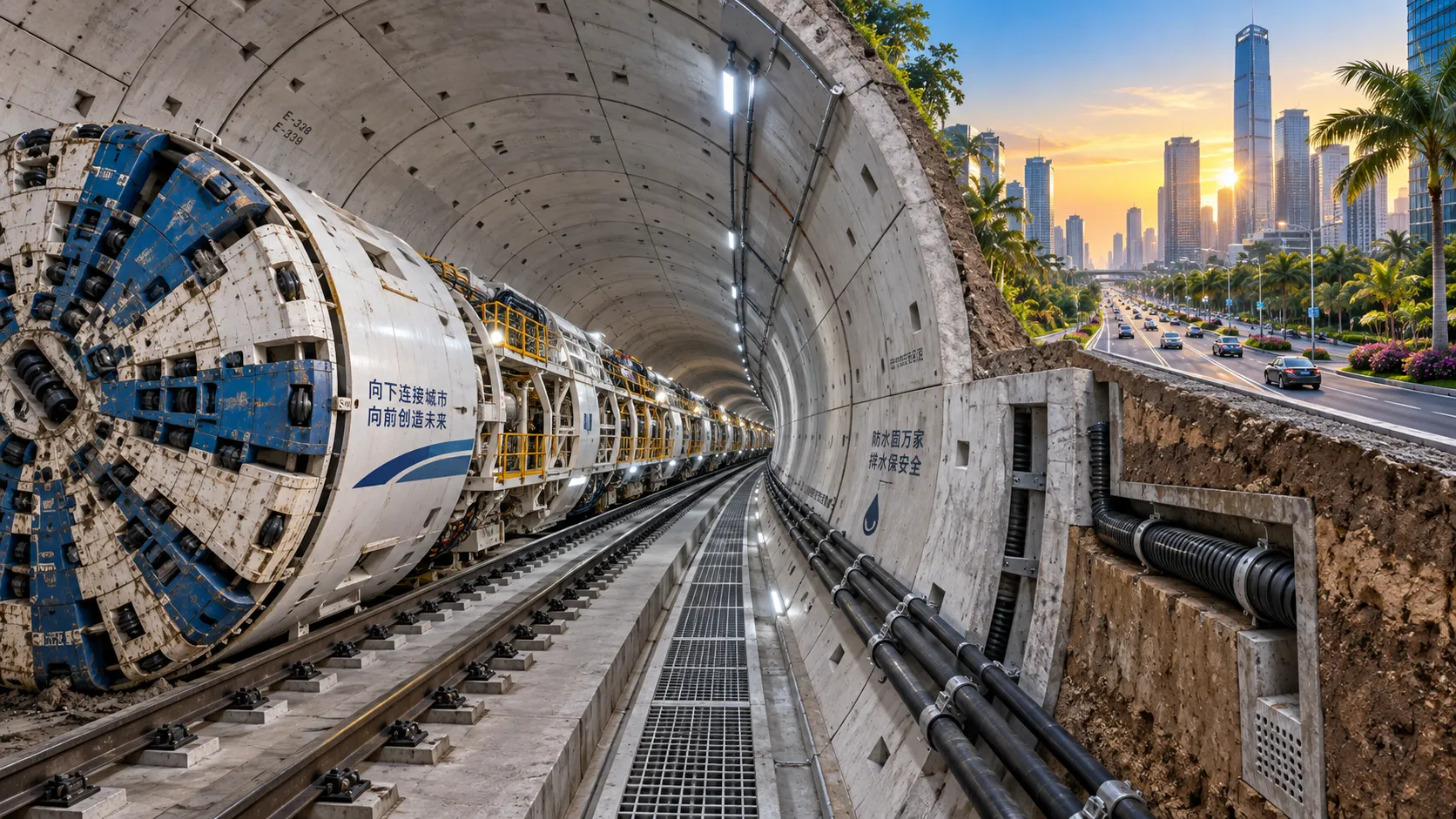
What Is Driving Metro Tunnelling Demand Across Southeast Asia’s Major Cities?
Metro tunnelling Southeast Asia is accelerating as major cities tackle congestion, flooding, and connectivity. Explore the market forces, technical risks, and opportunities shaping demand.
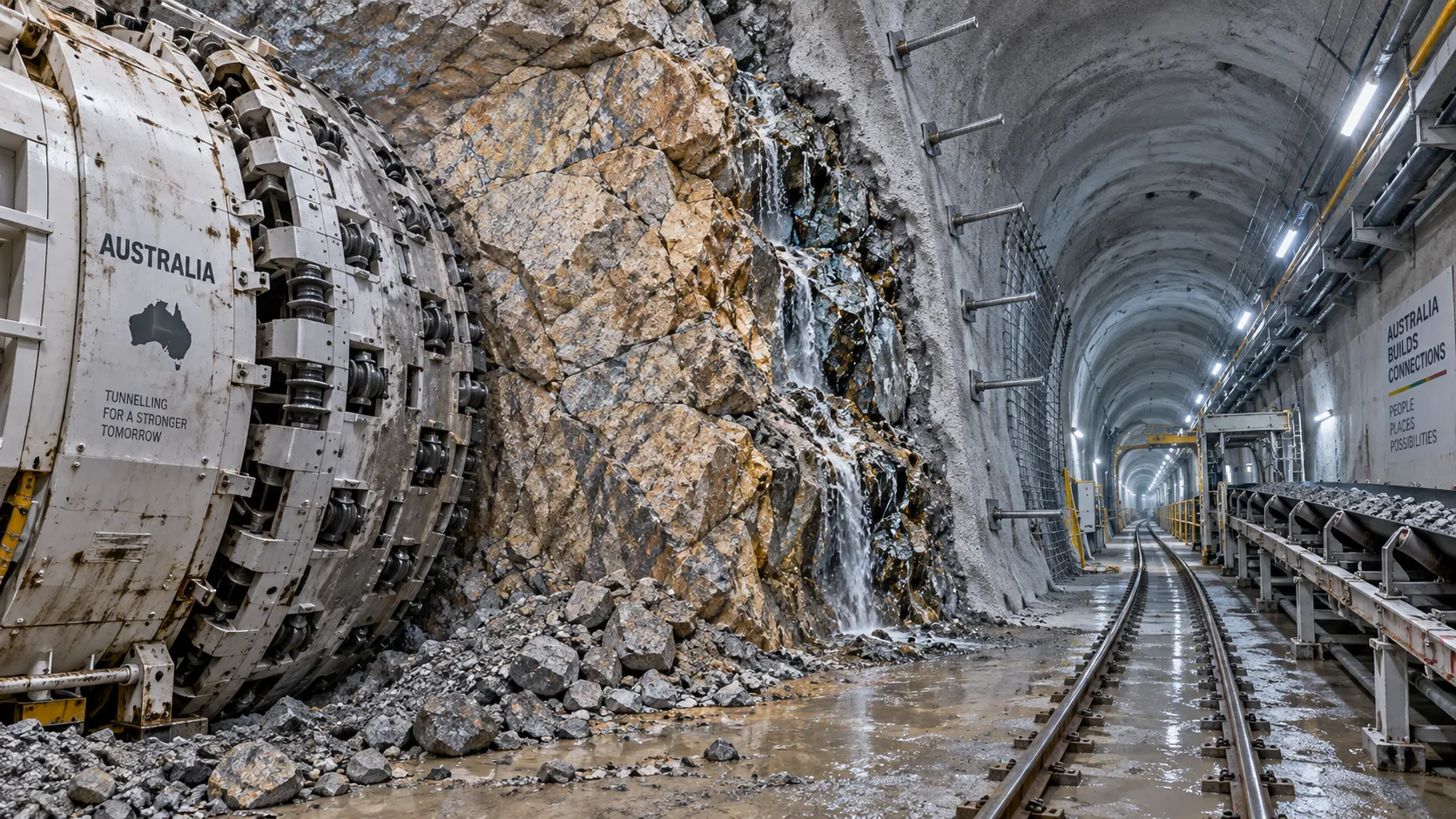
Hard Rock Tunnelling in Australia: Selecting Methods for Variable Ground Conditions
Hard rock tunnelling in Australia: compare TBM, drill-and-blast and hybrid methods to manage variable ground, reduce risk and protect project costs.
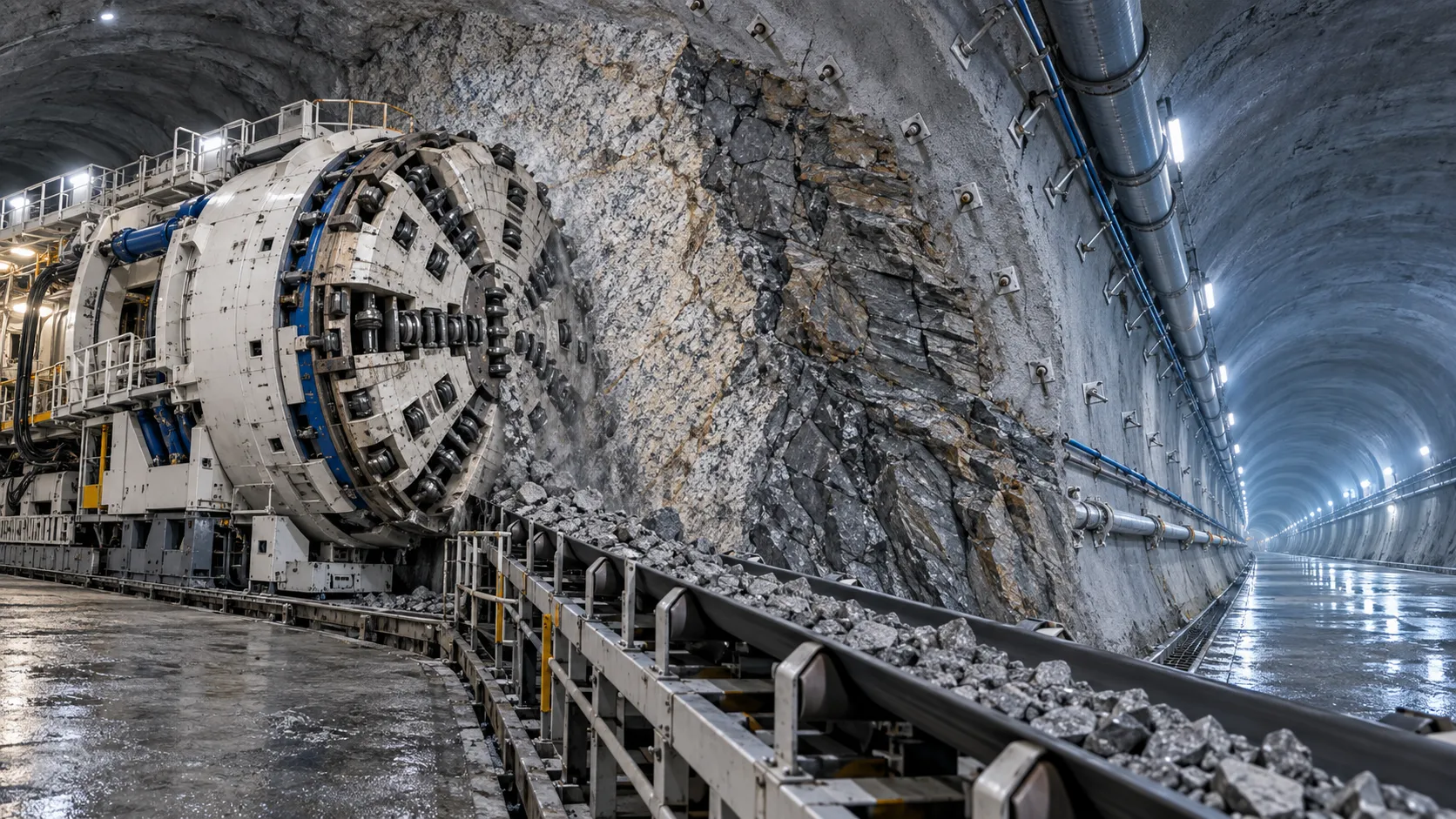
Hydropower Tunnel Excavation: Selecting Methods for Variable Rock Conditions
Hydropower tunnel excavation methods for variable rock conditions: compare TBM, drill-and-blast, and hybrid strategies to improve safety, progress, and project control.
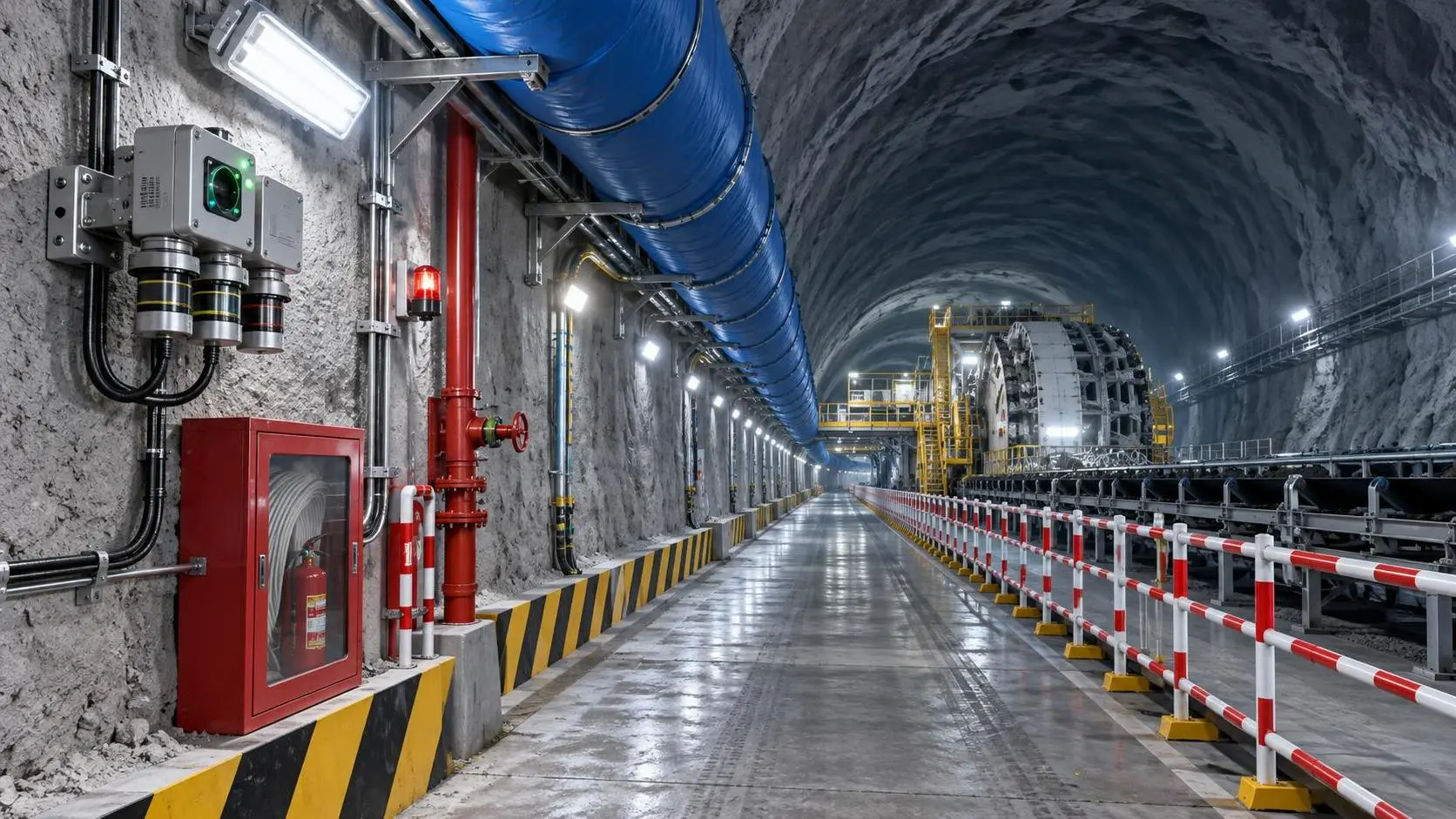
How to Select Underground Safety Equipment for Tunnelling by Hazard and Work Zone
Underground Safety Equipment for tunnelling: match protection to hazards, work zones, compliance, and emergency needs with this practical selection guide.
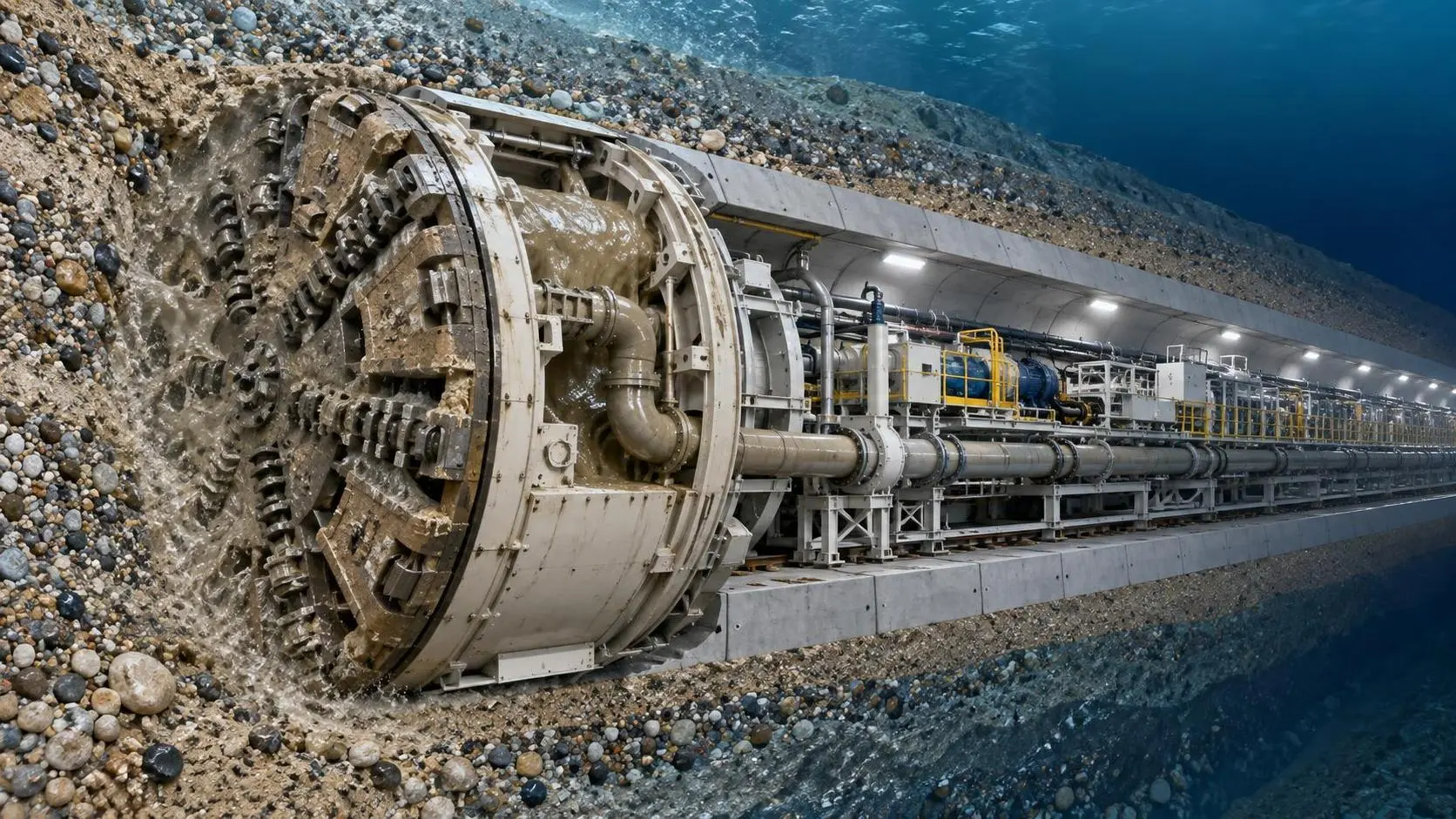
EPB or Slurry Shield? Selecting Soft-Ground Tunnelling Equipment by Soil Conditions
Tunnel Excavation Equipment for soft ground: compare EPB and slurry shields by soil, groundwater, settlement risk, and project logistics to choose confidently.
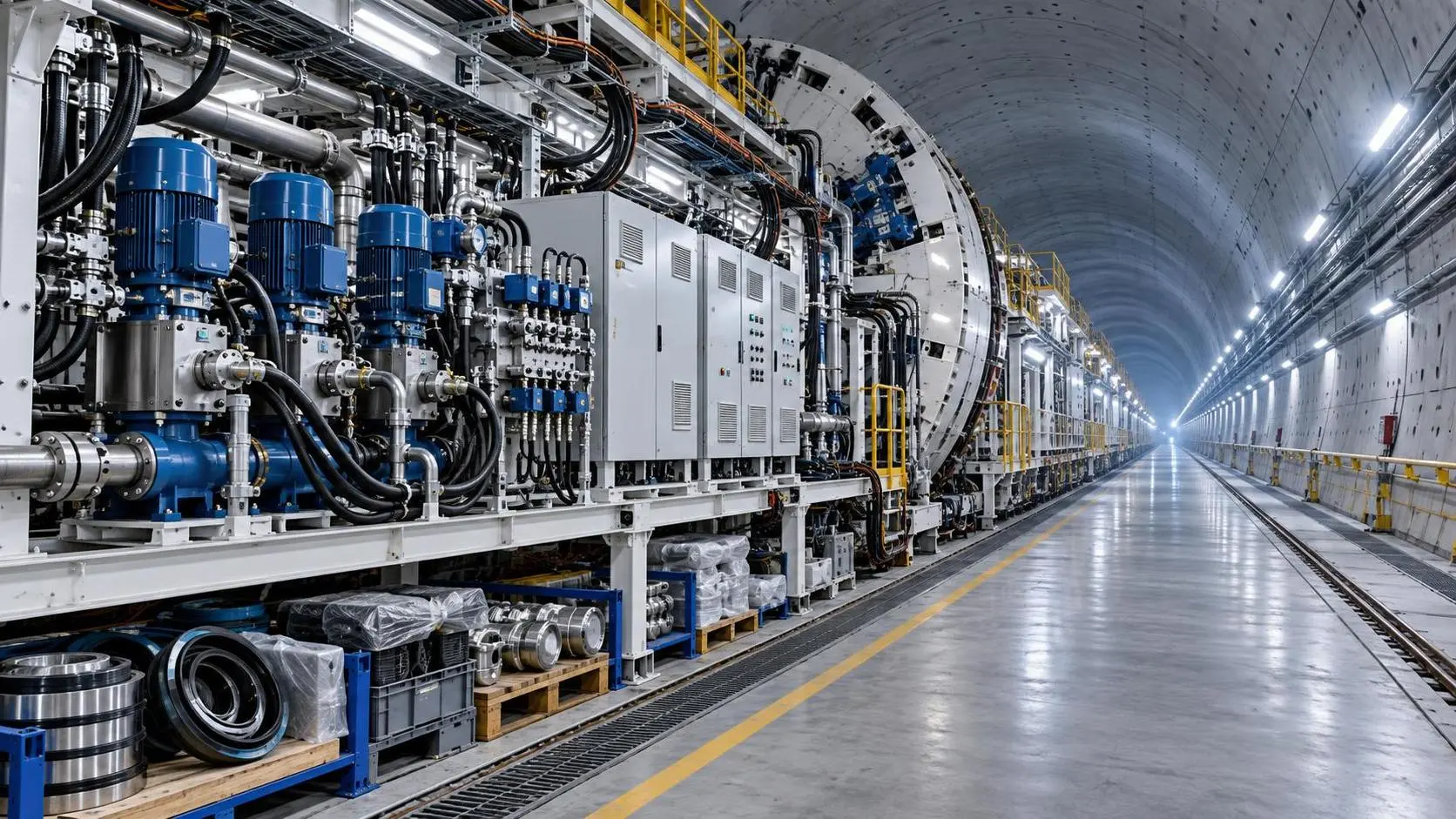
How to Specify TBM Backup System Parts for Reliable Long-Distance Tunnelling
TBM backup system parts: learn how to specify reliable spares for long-distance tunnelling, reduce downtime, ensure compatibility, and speed underground recovery.
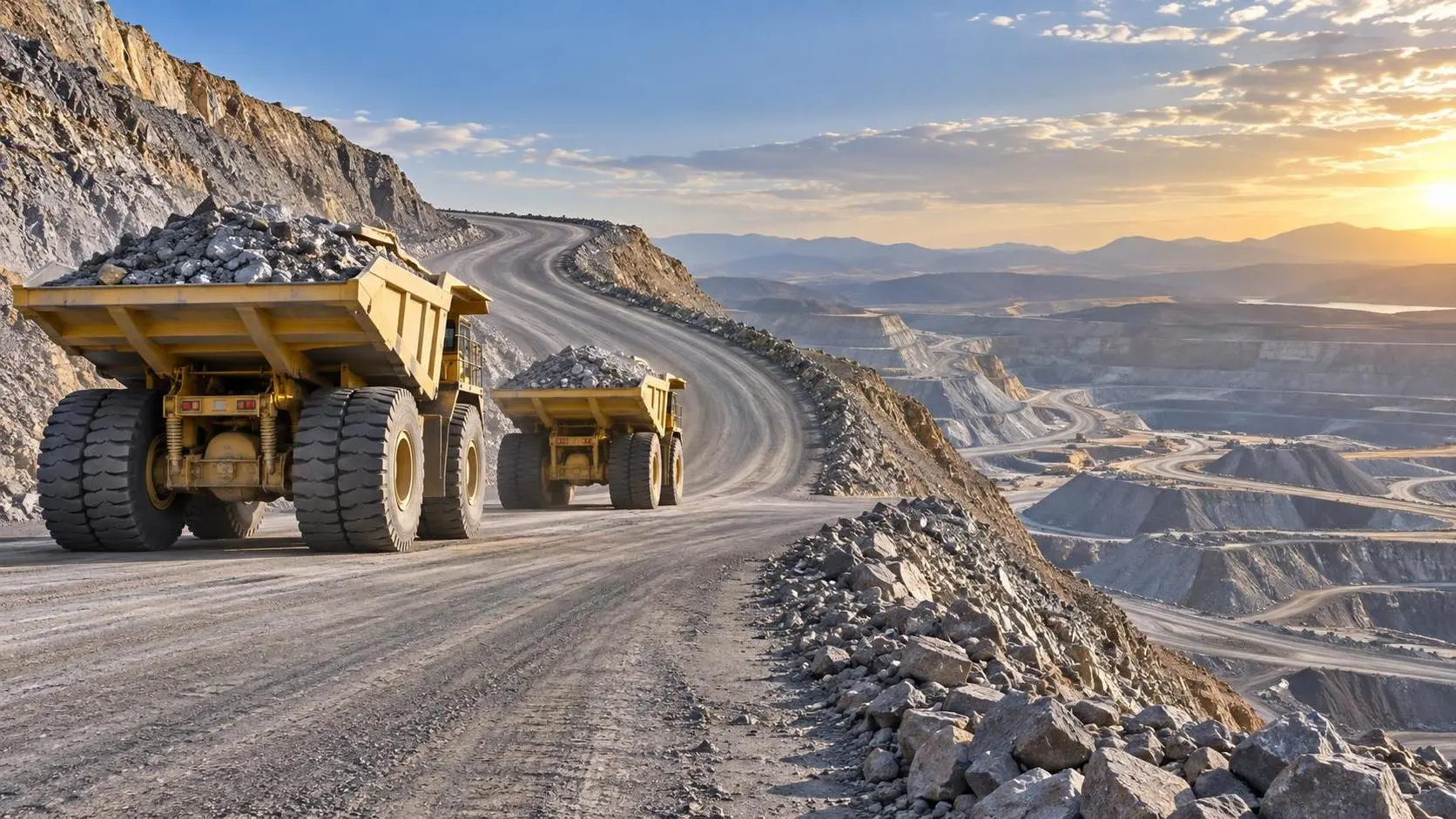
How to Size Open Pit Mining Trucks for Haul Distance, Grade, and Payload?
Open Pit Mining Trucks: learn how to match payload, haul distance, grade, road resistance, and loading capacity for safer, lower-cost mine operations.
Related News
- 00
0000-00
How to Evaluate European Drill-and-Blast Tunnelling Contractors for Complex Projects - 00
0000-00
Which Trenchless Construction Technique Fits Your Utility Crossing Conditions? - 00
0000-00
What Is Driving Metro Tunnelling Demand Across Southeast Asia’s Major Cities? - 00
0000-00
Hard Rock Tunnelling in Australia: Selecting Methods for Variable Ground Conditions - 00
0000-00
Hydropower Tunnel Excavation: Selecting Methods for Variable Rock Conditions
Weekly Insights
Stay ahead with our curated technology reports delivered every Monday.