
Qingdao Customs Unveils 40 Trade Facilitation Measures





On May 22, 2026, Qingdao Customs officially released the Policy Toolkit (2026), introducing 40 cross-border trade facilitation measures. The initiative targets key bottlenecks in export logistics and compliance for high-value industrial equipment—particularly tunnel boring machines (TBMs), battery-powered load-haul-dump (LHD) vehicles, and electric mining trucks—marking a material shift in customs governance for China’s heavy equipment export sector.
Event Overview
On May 22, 2026, Qingdao Customs issued the Policy Toolkit (2026), comprising 40 concrete measures across five pillars: innovative customs supervision, support for emerging trade models, multimodal transport efficiency, digital-port infrastructure development, and enterprise-centric service enhancement. Among these, two provisions are operationally significant: (1) authorization for faulted components of high-value exports—including Hard Rock TBMs, Battery LHDs, and EV Mining Trucks—to be returned to bonded zones for diagnostic testing; and (2) expansion of the ‘enterprise whitelist + sampling release’ model beyond chilled aquatic products, now extending its applicability to critical spare parts and subassemblies used in heavy equipment manufacturing and after-sales service networks.
Industries Affected
Direct Exporters
Manufacturers and trading companies exporting complete TBMs, battery LHDs, or EV mining trucks face reduced time-to-repair for overseas field failures. Previously, returning faulty components required full re-import declarations, extended detention, and third-party certification. Under the new framework, return-to-bonded-zone diagnostics shorten turnaround by an estimated 7–12 working days per incident—and lower associated compliance overhead by up to 35% in documented pilot cases. This directly improves equipment uptime guarantees and contractual service-level adherence.
Raw Material & Component Suppliers
Suppliers of specialized subsystems—such as gearboxes, battery management systems, or cutterhead assemblies—face revised traceability expectations. While not subject to direct customs clearance, their documentation (e.g., origin statements, technical specifications, and failure root-cause reports) now forms part of the bonded-zone diagnostic submission package. As such, upstream suppliers must align quality records and technical documentation with customs-admissible formats—notably ISO/IEC 17025-compliant test reports and bilingual (CN/EN) component-level bills of material.
Contract Manufacturers & OEMs
OEMs engaged in final assembly or integration—especially those operating under joint ventures or technology licensing arrangements—must now revise internal repair workflows. The policy enables onshore failure analysis without triggering import duties or VAT liabilities, provided components enter designated bonded zones. However, this requires formal registration under the enterprise whitelist, pre-submission of diagnostic protocols to customs, and strict segregation of repaired vs. new units within bonded inventory systems. Process redesign is non-trivial and demands cross-departmental coordination between engineering, compliance, and logistics teams.
Logistics & Customs Brokerage Providers
Third-party logistics operators and licensed customs brokers must upgrade documentation handling capacity. The expanded ‘whitelist + sampling release’ model introduces dynamic eligibility criteria—including minimum three-year clean compliance history, real-time cargo tracking integration with Qingdao’s digital port platform, and annual third-party audit readiness. Brokers supporting TBM or mining equipment exporters report increased demand for bonded-zone coordination services, particularly for just-in-time diagnostic staging and post-analysis re-export certification.
Key Considerations & Recommended Actions
Register for the Enterprise Whitelist Ahead of Peak Shipment Cycles
Eligibility requires submission of operational data covering the past 36 months, including customs declaration accuracy rates, bonded zone usage history, and after-sales service performance metrics. Applications submitted after June 30, 2026, may face processing delays coinciding with Q3 equipment delivery windows—especially for projects tied to Belt and Road infrastructure tenders.
Standardize Diagnostic Documentation Across Global Service Hubs
The bonded-zone return process mandates English-Chinese bilingual failure analysis reports, referencing internationally recognized failure mode taxonomies (e.g., SAE JA1002 or ISO 13379). Companies operating service centers outside China must harmonize reporting templates and ensure local technicians are trained on Qingdao Customs’ evidentiary requirements—not merely technical diagnosis.
Reassess Inventory Strategy for Critical Spare Parts
With faster diagnostic turnaround, the economic optimum shifts from holding large offshore safety stocks toward leaner, bonded-zone-enabled repair loops. Companies should model total cost of ownership (TCO) under both models—factoring in bonded-zone storage fees, diagnostic labor, and duty suspension benefits—before reallocating inventory capital.
Editorial Perspective / Industry Observation
Observably, this policy is less about broad tariff reduction and more about precision regulatory de-bottlenecking: it treats complex equipment not as static commodities but as service-integrated assets requiring responsive lifecycle governance. Analysis shows that Qingdao Customs is deliberately mirroring global best practices seen in Singapore’s Port of Singapore Authority (PSA) and Rotterdam’s Portbase—where customs frameworks explicitly accommodate circular repair flows. From an industry standpoint, the move signals a maturing of China’s export control architecture: one increasingly calibrated to high-tech industrial competitiveness rather than volume-driven trade metrics. Current evidence does not suggest nationwide rollout before Q1 2027; regional adoption remains contingent on local port digital infrastructure readiness.
Conclusion
This initiative represents a targeted, operationally grounded recalibration of customs policy—one that acknowledges the service-intensive reality of modern heavy equipment exports. It does not eliminate complexity, but redistributes it: reducing friction at the border while raising the bar for documentation rigor, cross-border service alignment, and bonded logistics maturity. For firms exporting TBMs, battery LHDs, or EV mining trucks, the value lies not in immediate cost cuts, but in enhanced contractual agility and long-term service differentiation.
Sources & Notes for Ongoing Monitoring
Official source: Qingdao Customs Notice No. 2026-18, Policy Toolkit (2026), published May 22, 2026, via www.qd.customs.gov.cn. Annexes include implementation guidelines for bonded-zone diagnostic returns (Annex III) and whitelist application checklist (Annex V). Note: Eligibility criteria for ‘sampling release’ extension to mining equipment components remain under technical consultation; final parameters expected by August 2026. Interim guidance is available only to registered whitelist applicants.
Related News
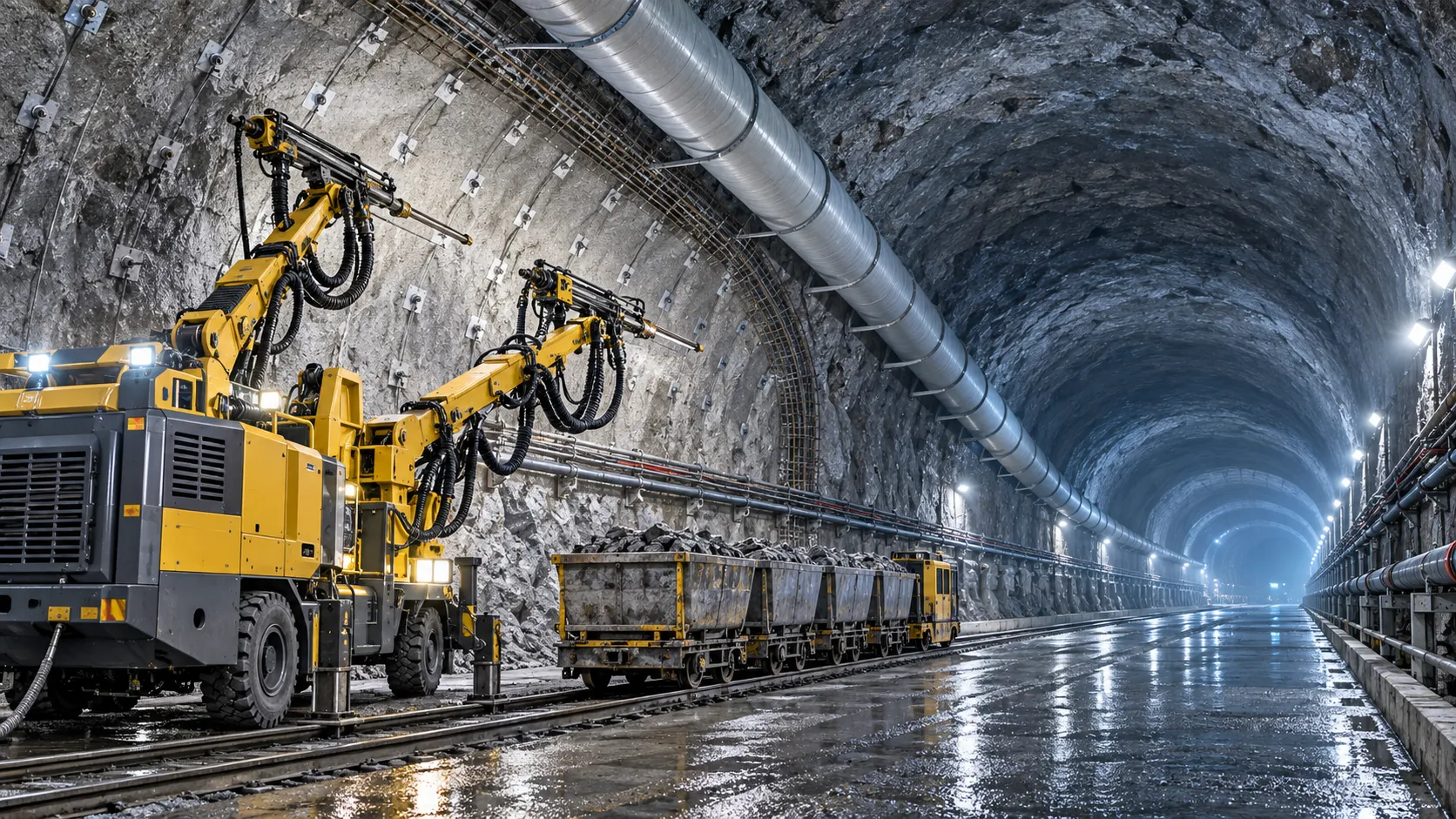
How to Evaluate European Drill-and-Blast Tunnelling Contractors for Complex Projects
Drill and blast tunnelling contractors Europe: learn how to assess geology expertise, blast control, equipment reliability, safety, and programme resilience for complex projects.
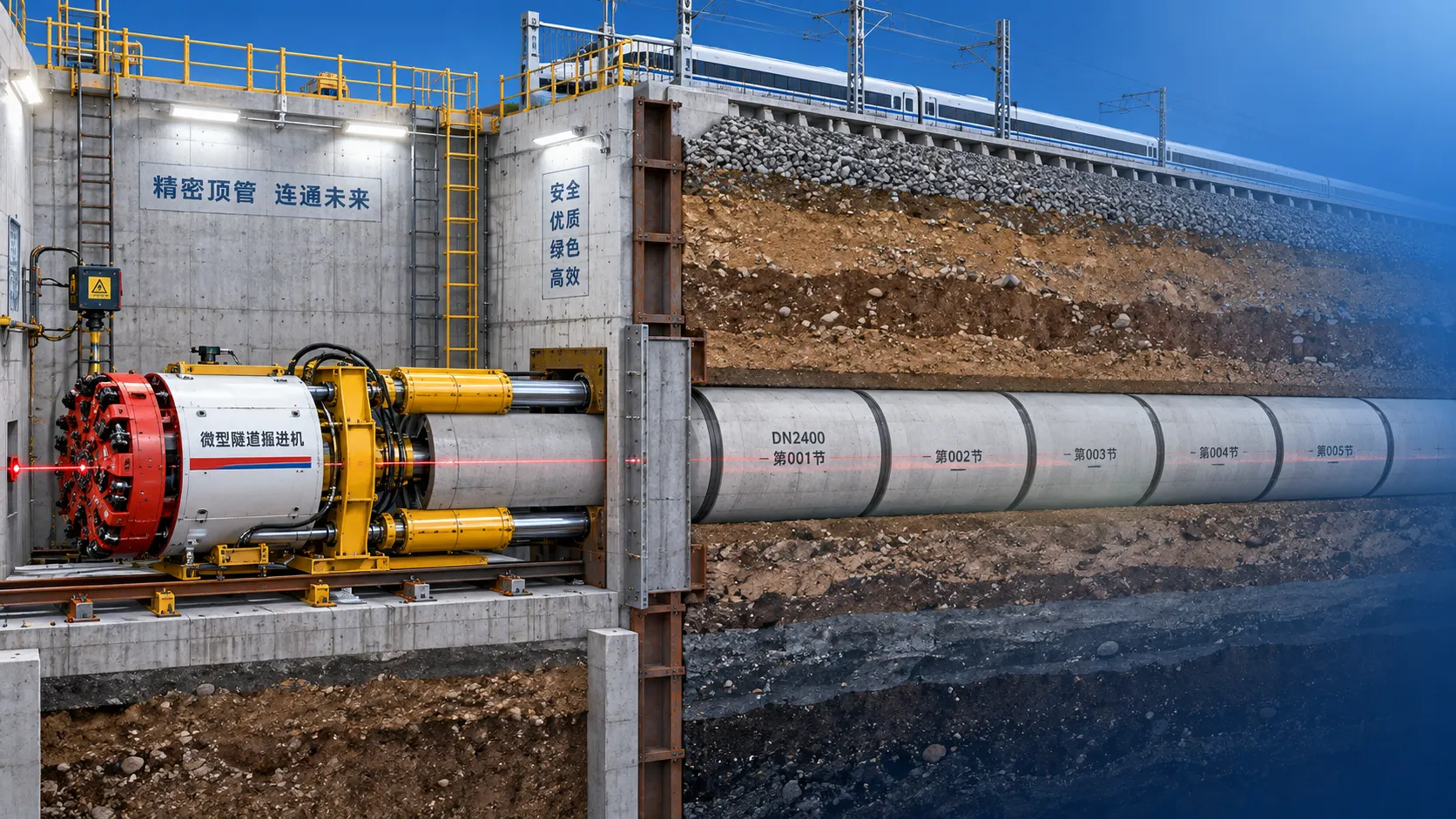
Which Trenchless Construction Technique Fits Your Utility Crossing Conditions?
Trenchless construction techniques compared for utility crossings: choose HDD, microtunnelling, pipe jacking, or auger boring based on ground, accuracy, access, and risk.
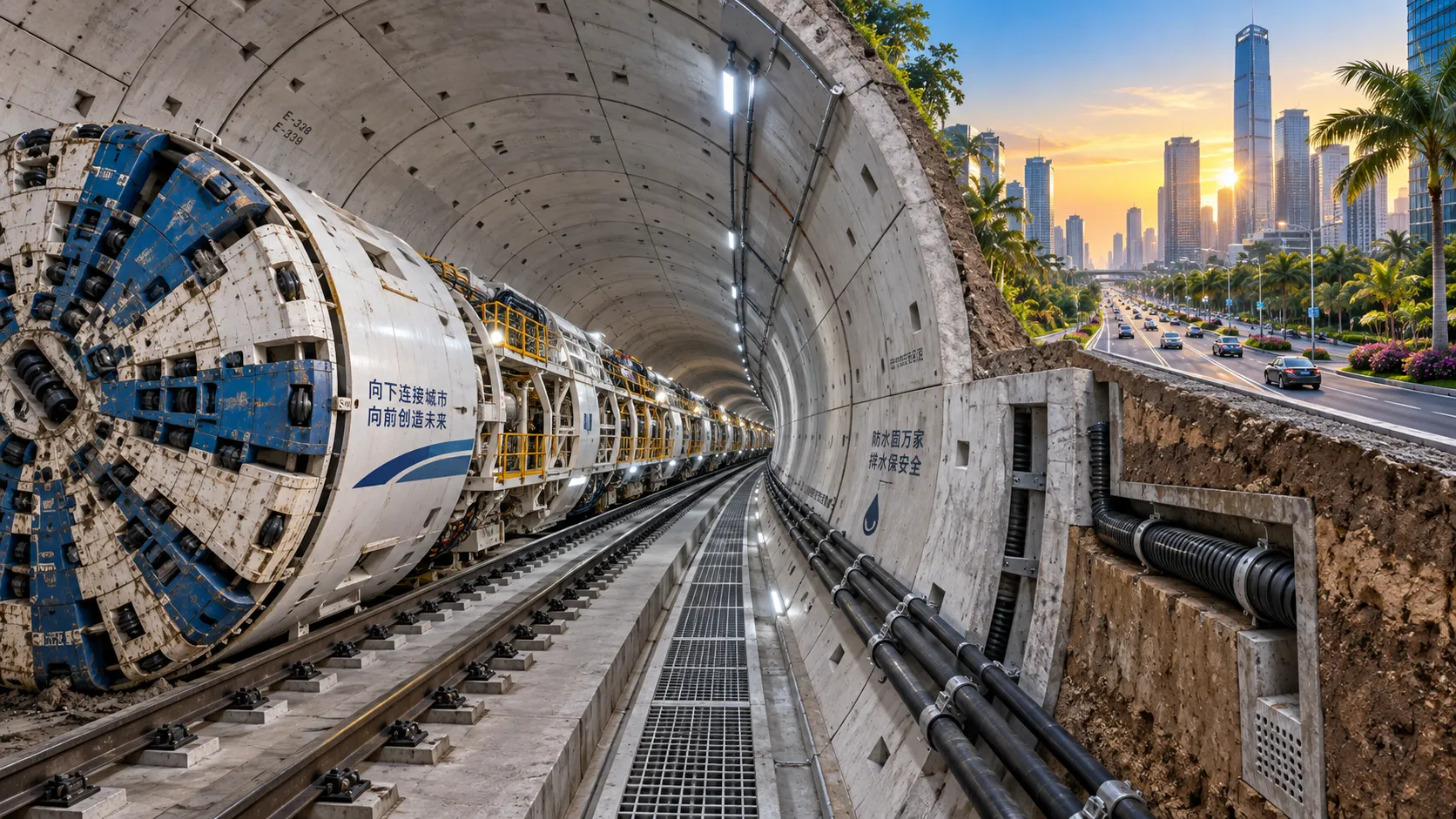
What Is Driving Metro Tunnelling Demand Across Southeast Asia’s Major Cities?
Metro tunnelling Southeast Asia is accelerating as major cities tackle congestion, flooding, and connectivity. Explore the market forces, technical risks, and opportunities shaping demand.
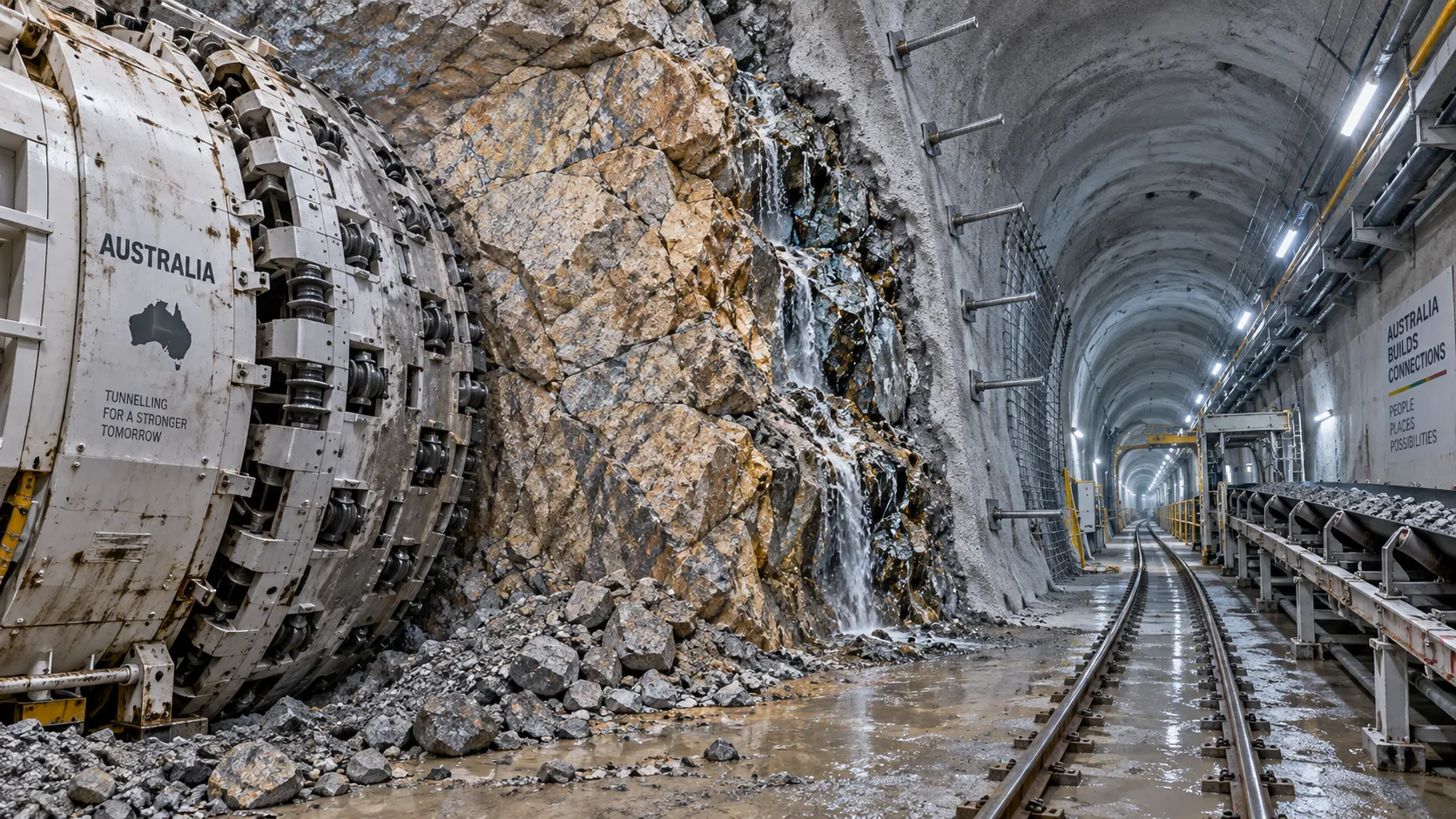
Hard Rock Tunnelling in Australia: Selecting Methods for Variable Ground Conditions
Hard rock tunnelling in Australia: compare TBM, drill-and-blast and hybrid methods to manage variable ground, reduce risk and protect project costs.
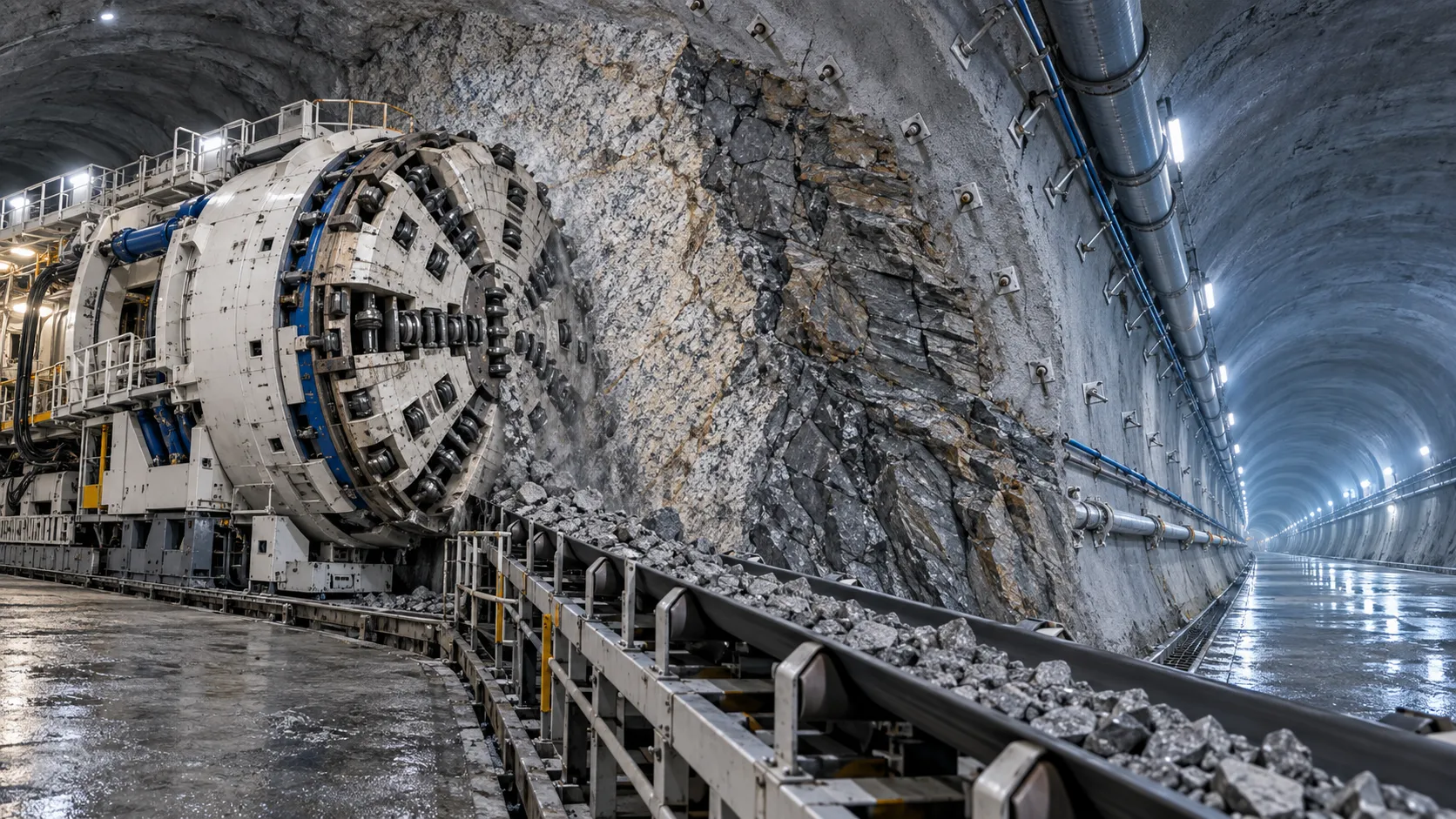
Hydropower Tunnel Excavation: Selecting Methods for Variable Rock Conditions
Hydropower tunnel excavation methods for variable rock conditions: compare TBM, drill-and-blast, and hybrid strategies to improve safety, progress, and project control.
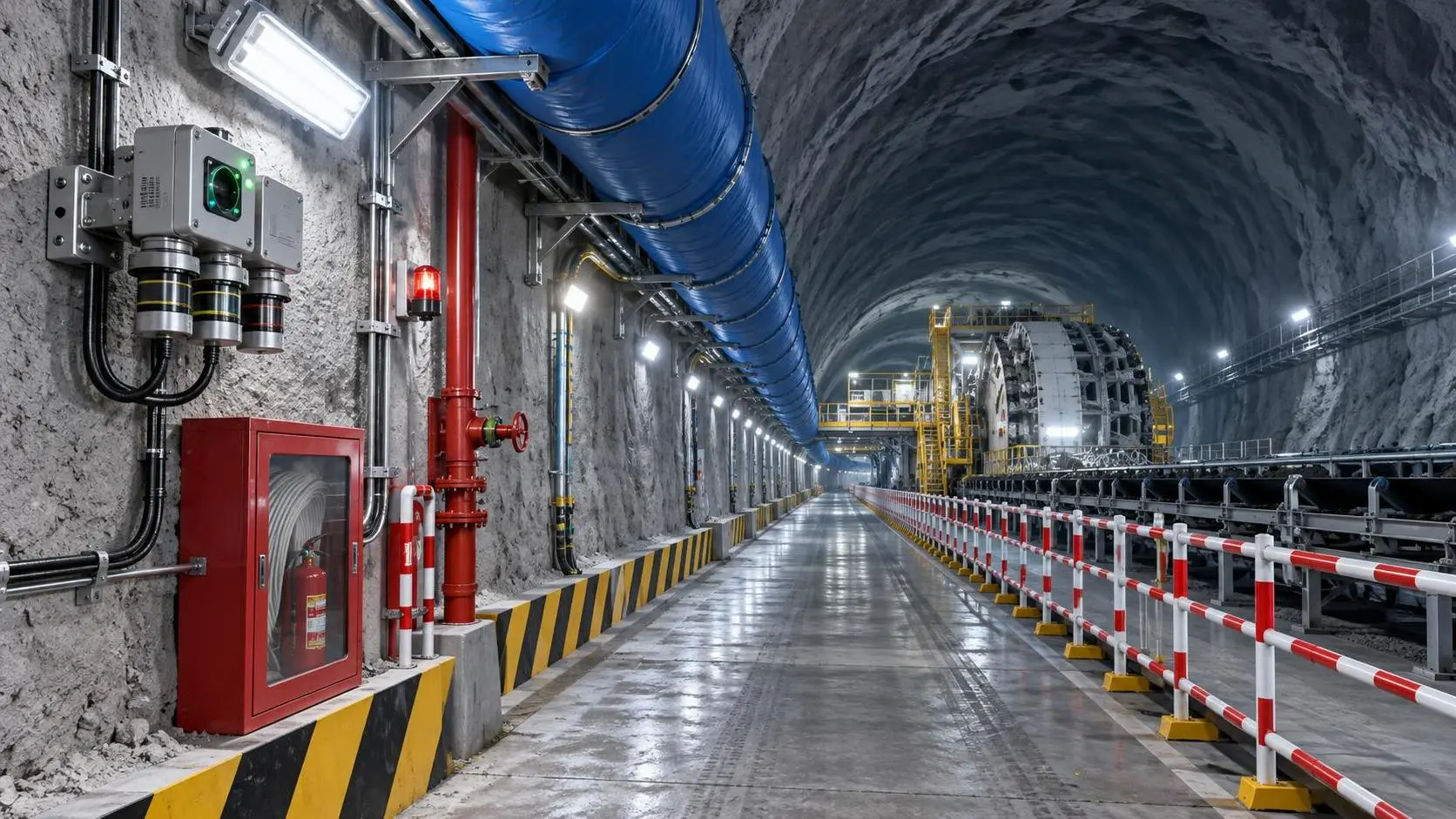
How to Select Underground Safety Equipment for Tunnelling by Hazard and Work Zone
Underground Safety Equipment for tunnelling: match protection to hazards, work zones, compliance, and emergency needs with this practical selection guide.
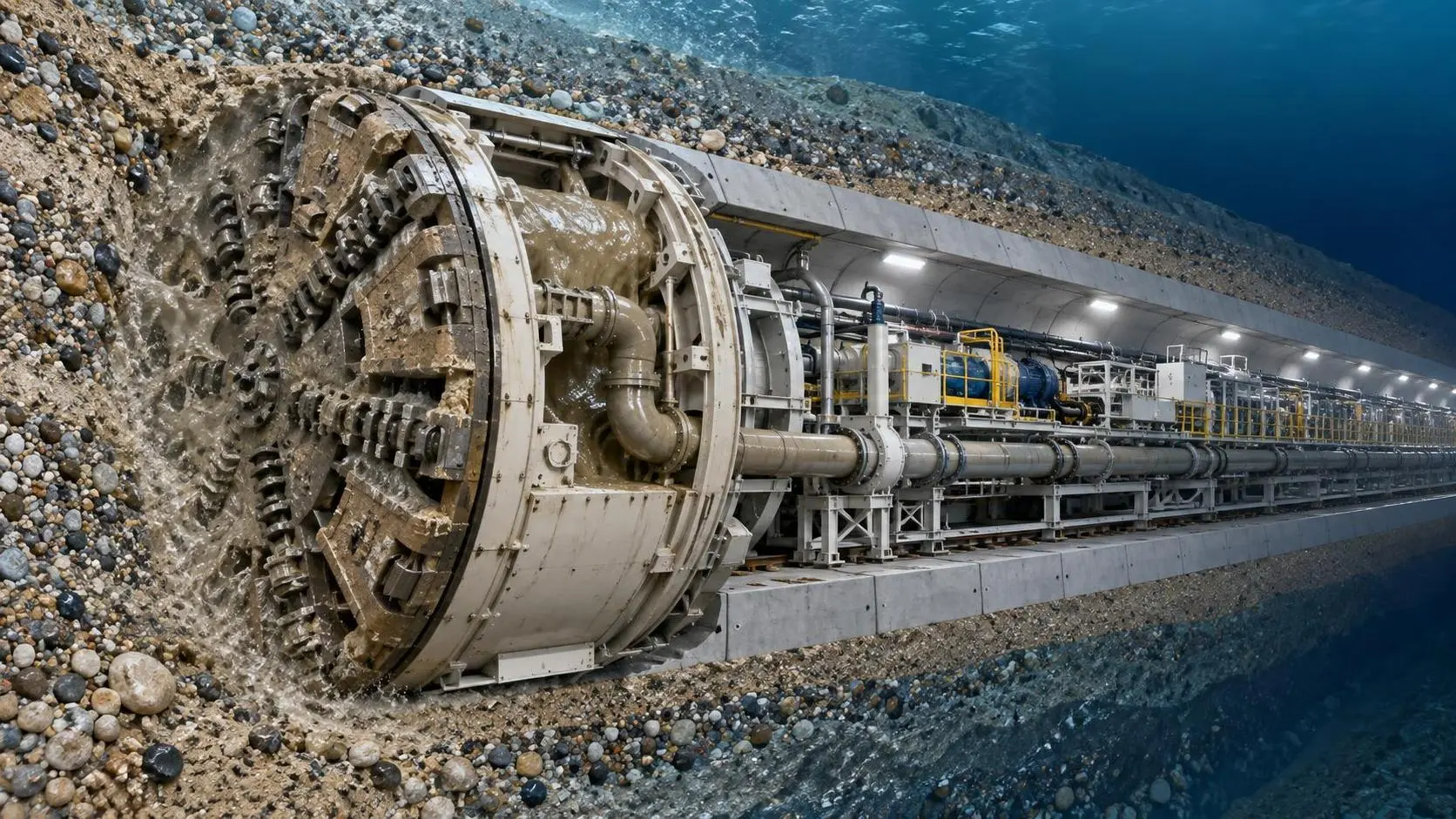
EPB or Slurry Shield? Selecting Soft-Ground Tunnelling Equipment by Soil Conditions
Tunnel Excavation Equipment for soft ground: compare EPB and slurry shields by soil, groundwater, settlement risk, and project logistics to choose confidently.
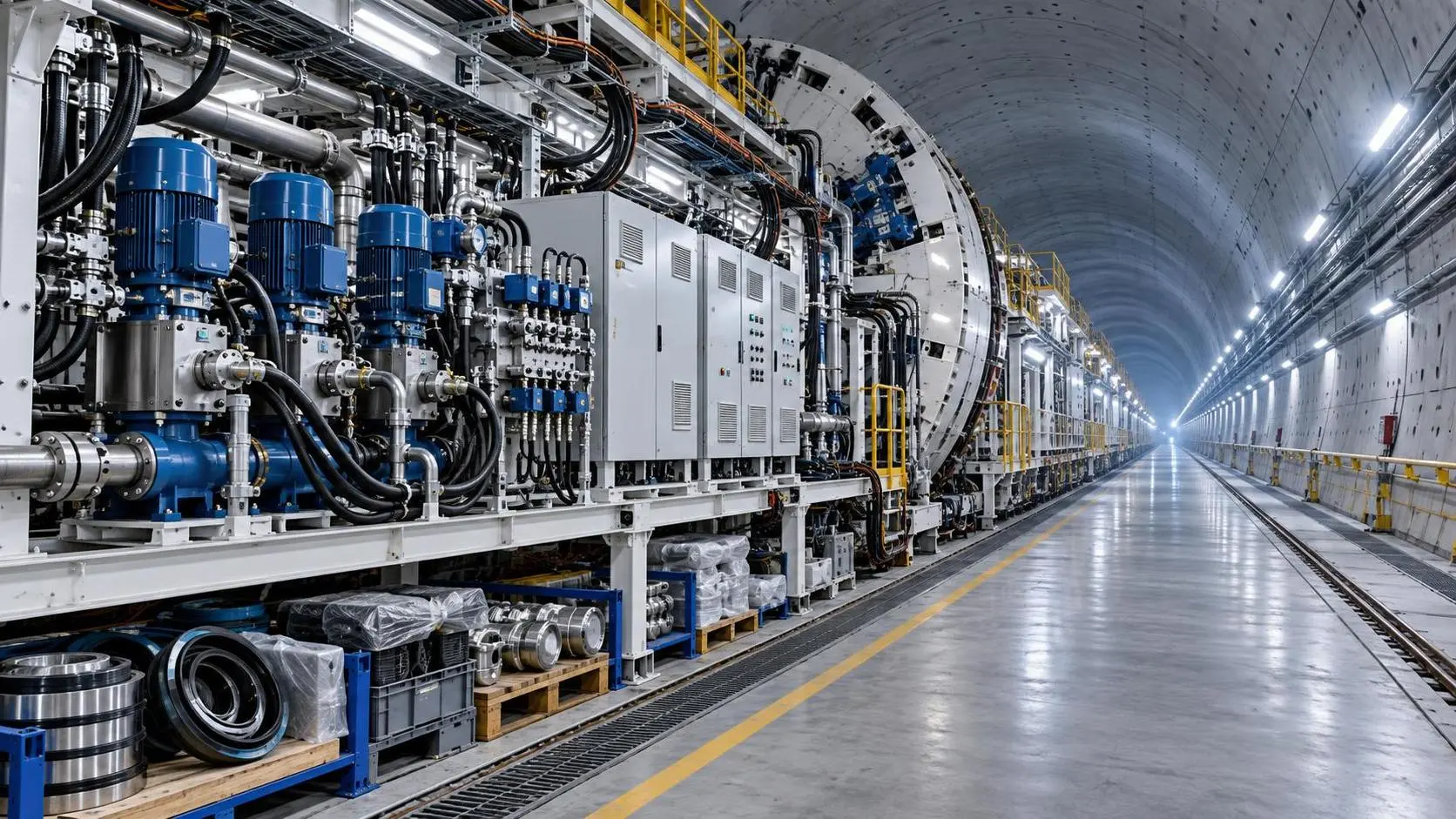
How to Specify TBM Backup System Parts for Reliable Long-Distance Tunnelling
TBM backup system parts: learn how to specify reliable spares for long-distance tunnelling, reduce downtime, ensure compatibility, and speed underground recovery.
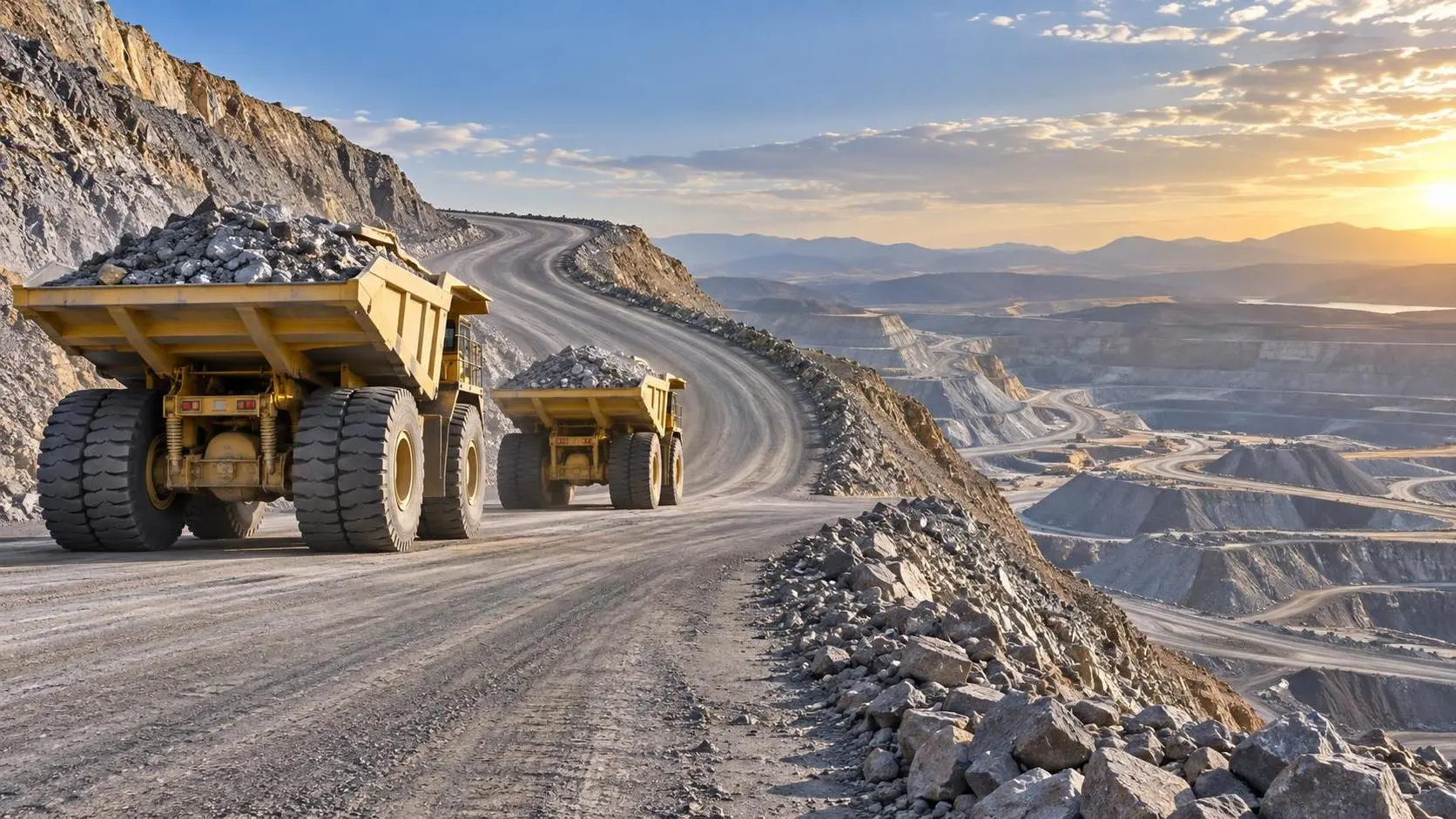
How to Size Open Pit Mining Trucks for Haul Distance, Grade, and Payload?
Open Pit Mining Trucks: learn how to match payload, haul distance, grade, road resistance, and loading capacity for safer, lower-cost mine operations.
Related News
- 00
0000-00
How to Evaluate European Drill-and-Blast Tunnelling Contractors for Complex Projects - 00
0000-00
Which Trenchless Construction Technique Fits Your Utility Crossing Conditions? - 00
0000-00
What Is Driving Metro Tunnelling Demand Across Southeast Asia’s Major Cities? - 00
0000-00
Hard Rock Tunnelling in Australia: Selecting Methods for Variable Ground Conditions - 00
0000-00
Hydropower Tunnel Excavation: Selecting Methods for Variable Rock Conditions
Weekly Insights
Stay ahead with our curated technology reports delivered every Monday.