
Panama Canal Limits Extend TBM Parts Shipping





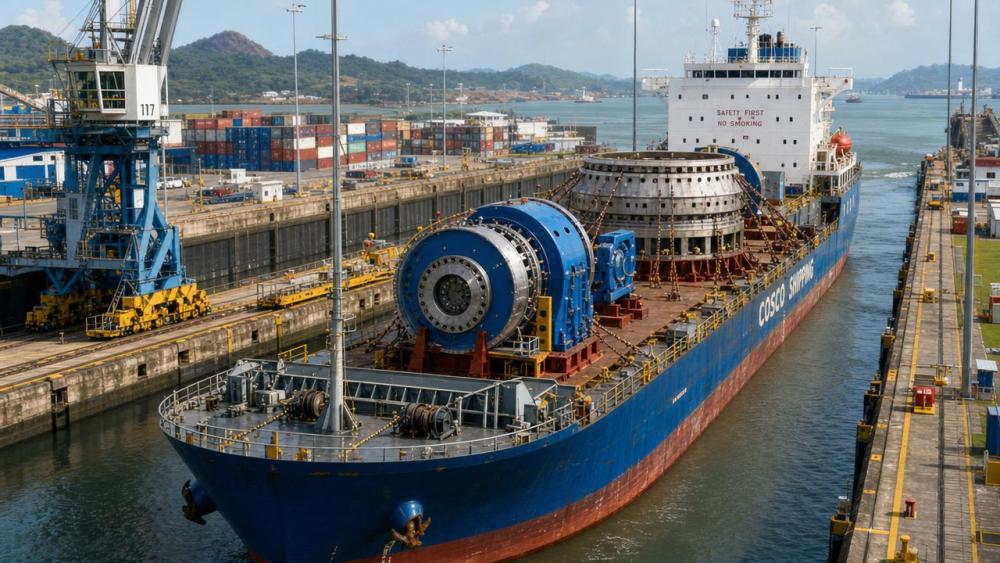
On June 1, 2026, the Panama Canal Authority maintained a reduced daily vessel transit quota of 24 ships due to continued drought conditions in Central America and added further draft reviews for oversized and overweight cargo. The development deserves attention from hard rock TBM manufacturers, mining project contractors, project cargo logistics providers, and procurement teams serving Chile, Peru, South Africa, and other mining markets, as shipping cycles for key Chinese-made TBM components have reportedly extended from 8 weeks to 14 weeks on affected routes.
Event Overview
On June 1, 2026, the Panama Canal Authority announced that the daily vessel transit quota would remain reduced to 24 ships as drought conditions continued to affect canal operations.
The authority also imposed additional draft reviews for oversized and overweight cargo. According to the provided event information, this has affected the shipment of oversized key components for Chinese-made Hard Rock TBMs, including main bearings and cutterhead drive units, when transported via the Panama route to major mining markets such as Chile, Peru, and South Africa.
The average ocean freight cycle for these affected components has extended from 8 weeks to 14 weeks. The same information also states that some shipping companies have suspended new bookings for such cargo.
Which Segments Are Affected
Hard Rock TBM Equipment Exporters
Hard Rock TBM exporters are directly affected because main bearings, cutterhead drive units, and similar components often fall into oversized or overweight cargo categories. With additional draft reviews applied to such cargo, the uncertainty around vessel allocation, transit timing, and shipment acceptance increases.
The impact is mainly reflected in longer delivery lead times, tighter coordination requirements with carriers, and greater pressure to align production completion dates with available ocean freight windows.
Mining Project Owners and Contractors
Mining project owners and contractors in markets named in the event information, including Chile, Peru, and South Africa, may face schedule pressure if TBM components are tied to tunneling, development, or replacement plans.
From an industry perspective, the key issue is not only the longer sea transit time itself, but also the risk that installation, commissioning, or maintenance schedules may need to be adjusted when critical components arrive later than originally planned.
Project Cargo Logistics Providers
Project cargo logistics providers are affected because oversized and overweight shipments require route planning, documentation, vessel space confirmation, and coordination with carriers. Additional draft reviews at the Panama Canal create another operational checkpoint for cargo moving through this route.
The impact may appear in booking availability, route feasibility assessment, communication with shippers, and the need to update customers more frequently on vessel acceptance and transit status.
Equipment Manufacturers and Assembly Teams
Manufacturers and assembly teams handling Hard Rock TBM systems may need to reassess how shipping timelines interact with final assembly, testing, and customer delivery commitments.
Analysis shows that when critical components such as main bearings or cutterhead drive units face longer transit cycles, the pressure may shift upstream to production scheduling and downstream to site readiness coordination. This should not be understood as a general manufacturing disruption, but as a route-specific logistics constraint for certain oversized components.
Procurement and Supply Chain Planning Teams
Procurement teams serving mining equipment projects may be affected because the reported shipping cycle has extended to 14 weeks for the identified cargo flow. Longer lead times can influence order timing, contract delivery windows, and contingency planning.
What currently deserves closer attention is whether purchase plans and project milestones still assume an 8-week shipping cycle. If internal schedules have not been updated, the gap between planned and actual arrival times may become more difficult to manage.
What Companies and Professionals Should Watch and How to Respond
Track Official Canal Updates and Booking Conditions
Companies should closely follow further statements from the Panama Canal Authority regarding vessel quotas and draft review requirements. Since the current measure maintains the reduced quota at 24 vessels per day, any future adjustment may directly affect cargo routing and delivery planning.
It is also practical to monitor whether carriers reopen, limit, or further suspend bookings for oversized TBM components moving through the Panama route.
Review Critical Components and Market Exposure
Companies should identify whether current or upcoming shipments include main bearings, cutterhead drive units, or other oversized Hard Rock TBM components. They should also check whether these shipments are destined for Chile, Peru, South Africa, or other markets that depend on the affected routing.
Observably, the operational priority is to separate cargo that is directly exposed to Panama route constraints from cargo that is not. This helps avoid applying the same risk level to all equipment orders.
Recheck Delivery Commitments Against the 14-Week Cycle
Project teams should compare confirmed or planned delivery commitments with the reported 14-week average ocean freight cycle. If contracts, installation plans, or site schedules still rely on the previous 8-week cycle, they may require internal review.
This response should focus on practical coordination among sales, procurement, logistics, and project execution teams, especially where TBM components are linked to mining project timelines.
Prepare Clear Communication With Customers and Partners
Suppliers, logistics providers, and project contractors should provide customers and partners with route-specific updates rather than broad statements about general shipping delays. The current issue is linked to drought-related Panama Canal restrictions, vessel transit quotas, and additional review for oversized or overweight cargo.
From an industry perspective, clearer communication can help reduce disputes around delivery expectations and provide a stronger basis for adjusting project schedules where necessary.
Editor’s View / Industry Observation
Analysis shows that this development is more than a short logistics notice for a single route. For Hard Rock TBM projects connected to mining markets in Chile, Peru, South Africa, and similar destinations, the extended shipping cycle may influence how companies evaluate delivery risk for oversized key components.
It is more appropriate to understand this as both an existing operational result and a continuing signal. The reported extension from 8 weeks to 14 weeks is already a concrete impact for the affected route, while the continuation of drought-related canal restrictions remains an issue that requires ongoing monitoring.
Current more valuable attention should be placed on shipment acceptance, vessel quota changes, and draft review requirements, rather than on broad assumptions about global equipment logistics.
Conclusion
The continued Panama Canal transit restrictions highlight how route-specific constraints can affect the delivery of critical Hard Rock TBM components. For companies involved in TBM exports, mining project execution, project cargo logistics, and procurement planning, the main implication is the need to reassess schedules around the longer 14-week ocean freight cycle.
It is more appropriate to understand this information as a targeted logistics risk affecting oversized and overweight TBM component shipments through the Panama route. A neutral and practical response is to monitor official updates, verify carrier booking conditions, and adjust project communication and delivery planning accordingly.
Information Sources
Main sources: Panama Canal Authority announcement dated June 1, 2026; event information supplied for this industry update.
Items requiring continued observation: future Panama Canal vessel quota changes, further draft review requirements for oversized and overweight cargo, and carrier booking acceptance for Hard Rock TBM key components on the Panama route.
Related News

How to Evaluate European Drill-and-Blast Tunnelling Contractors for Complex Projects
Drill and blast tunnelling contractors Europe: learn how to assess geology expertise, blast control, equipment reliability, safety, and programme resilience for complex projects.
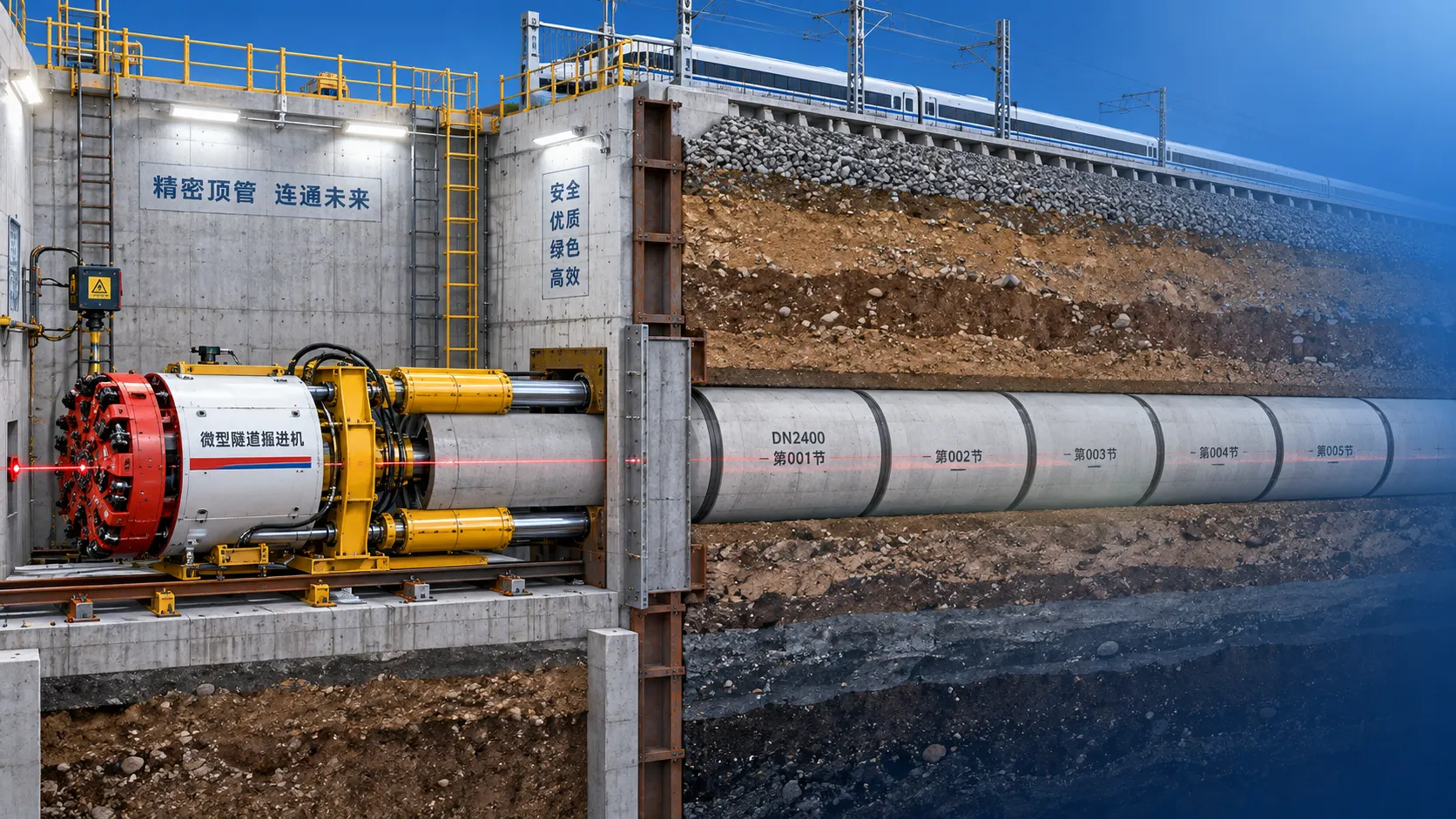
Which Trenchless Construction Technique Fits Your Utility Crossing Conditions?
Trenchless construction techniques compared for utility crossings: choose HDD, microtunnelling, pipe jacking, or auger boring based on ground, accuracy, access, and risk.

What Is Driving Metro Tunnelling Demand Across Southeast Asia’s Major Cities?
Metro tunnelling Southeast Asia is accelerating as major cities tackle congestion, flooding, and connectivity. Explore the market forces, technical risks, and opportunities shaping demand.

Hard Rock Tunnelling in Australia: Selecting Methods for Variable Ground Conditions
Hard rock tunnelling in Australia: compare TBM, drill-and-blast and hybrid methods to manage variable ground, reduce risk and protect project costs.

Hydropower Tunnel Excavation: Selecting Methods for Variable Rock Conditions
Hydropower tunnel excavation methods for variable rock conditions: compare TBM, drill-and-blast, and hybrid strategies to improve safety, progress, and project control.

How to Select Underground Safety Equipment for Tunnelling by Hazard and Work Zone
Underground Safety Equipment for tunnelling: match protection to hazards, work zones, compliance, and emergency needs with this practical selection guide.

EPB or Slurry Shield? Selecting Soft-Ground Tunnelling Equipment by Soil Conditions
Tunnel Excavation Equipment for soft ground: compare EPB and slurry shields by soil, groundwater, settlement risk, and project logistics to choose confidently.

How to Specify TBM Backup System Parts for Reliable Long-Distance Tunnelling
TBM backup system parts: learn how to specify reliable spares for long-distance tunnelling, reduce downtime, ensure compatibility, and speed underground recovery.

How to Size Open Pit Mining Trucks for Haul Distance, Grade, and Payload?
Open Pit Mining Trucks: learn how to match payload, haul distance, grade, road resistance, and loading capacity for safer, lower-cost mine operations.
Related News
- 00
0000-00
How to Evaluate European Drill-and-Blast Tunnelling Contractors for Complex Projects - 00
0000-00
Which Trenchless Construction Technique Fits Your Utility Crossing Conditions? - 00
0000-00
What Is Driving Metro Tunnelling Demand Across Southeast Asia’s Major Cities? - 00
0000-00
Hard Rock Tunnelling in Australia: Selecting Methods for Variable Ground Conditions - 00
0000-00
Hydropower Tunnel Excavation: Selecting Methods for Variable Rock Conditions
Weekly Insights
Stay ahead with our curated technology reports delivered every Monday.