
TBM Technology Explained: When Hard Rock Tunneling Becomes the Better Choice





TBM Technology is reshaping how project teams evaluate hard rock tunneling, especially where safety, advance rate, cutter wear, and lifecycle cost determine project viability.
The question is no longer whether a tunnel boring machine can excavate competent rock, but when mechanized tunneling becomes more predictable than drill-and-blast.
For underground infrastructure, mining access, and energy corridors, TBM Technology turns geology, logistics, emissions, and risk into measurable selection criteria.
When TBM Technology Becomes the Better Hard Rock Scenario
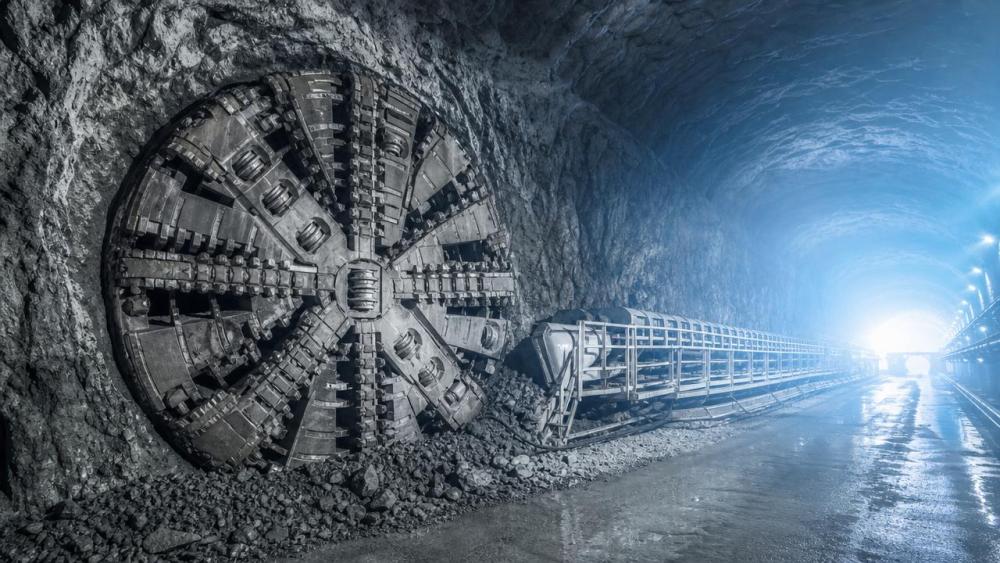
TBM Technology becomes attractive when the tunnel is long, alignment is stable, and rock mass behavior can support continuous full-face excavation.
Hard rock tunneling is not automatically a TBM case. The decision depends on ground consistency, access logistics, cutter strategy, and contract risk allocation.
A drill-and-blast method may remain flexible in short drives, variable caverns, or projects with many cross passages and geometry changes.
However, TBM Technology gains strength when repetitive excavation, controlled mucking, ventilation efficiency, and predictable support installation create compounding benefits.
This is why railway base tunnels, water transfer tunnels, hydropower adits, utility corridors, and mine development headings often reassess mechanized excavation.
Scenario Background: Why Hard Rock Decisions Are Changing
Modern underground projects face tighter safety rules, carbon targets, labor constraints, and schedule penalties. These pressures alter the excavation decision.
TBM Technology responds with integrated excavation, support, muck removal, data capture, and equipment health monitoring inside one mechanized platform.
In deep rock, every unplanned interruption affects cutter wear, water control, ventilation, and downstream construction sequencing.
Mechanized tunneling reduces some uncertainties by replacing cyclic blasting with continuous boring and standardized operational routines.
Yet TBM Technology also concentrates risk. A wrong geological assumption can stop a large machine in a confined underground environment.
Therefore, the strongest decisions connect geology, equipment design, cutter logistics, ventilation, power supply, and rescue planning before procurement.
Scenario 1: Long Linear Tunnels With Stable Alignment
Long transportation tunnels are classic candidates for TBM Technology because machine mobilization costs can be spread across many excavation meters.
The core judgment is whether the alignment offers enough continuous drive length to justify launch chambers, backup systems, and cutter supply chains.
Where geology is relatively consistent, TBM Technology can deliver stable advance rates and cleaner profile control than repeated blasting cycles.
Rail, road, and metro extensions benefit when reduced overbreak, lower vibration, and predictable lining installation protect adjacent assets.
Key judgment points
- Drive length is sufficient to absorb machine setup and retrieval costs.
- Curvature, gradient, and intermediate access do not severely disrupt boring.
- Rock strength and jointing support predictable cutter consumption planning.
- Spoil transport and segment logistics can match expected advance rates.
Scenario 2: Deep Water Transfer and Hydropower Tunnels
Water transfer and hydropower tunnels often require long drives through abrasive rock, fault zones, and high groundwater pressure.
TBM Technology becomes valuable when route length, hydraulic performance, and lining quality are more important than short-term excavation flexibility.
A smooth tunnel profile reduces hydraulic losses. Controlled excavation also helps maintain design geometry across long underground water systems.
The critical challenge is water inflow. Machine selection must address probing, grouting, shield configuration, and safe pressure management.
For hydropower projects, TBM Technology can shorten access development and reduce disturbance near sensitive mountainous environments.
However, squeezing ground, karst, or highly fractured zones may require hybrid support strategies and robust intervention procedures.
Scenario 3: Mining Access Tunnels and Underground Transport
In mining, TBM Technology is increasingly assessed for decline tunnels, haulage drifts, ventilation routes, and orebody access infrastructure.
The business case differs from civil tunneling. Mine operators care about earlier ore access, fleet electrification, ventilation savings, and asset utilization.
A mechanized heading can support smoother roadway geometry, improving battery-electric truck movement and autonomous underground transport systems.
TBM Technology also reduces blasting interruptions, which may help separate development activity from production zones.
The main limitation is layout flexibility. Mines often change plans as geological models evolve and economic cut-off grades shift.
Therefore, TBM Technology fits best where long-life access tunnels remain valuable across multiple mining phases.
Scenario 4: Urban Hard Rock Corridors Under Sensitive Assets
Urban rock tunnels must control vibration, settlement, traffic disruption, and public safety while maintaining reliable construction progress.
TBM Technology is useful where blasting restrictions, noise limits, and surface access constraints make conventional excavation difficult.
Full-face boring can reduce disturbance near foundations, utilities, rail lines, hospitals, and heritage structures.
In these corridors, the selection logic includes not only geology but also stakeholder risk, permitting, spoil logistics, and emergency access.
TBM Technology should be paired with real-time monitoring, settlement alarms, cutterhead torque analysis, and clear response thresholds.
Different Scenario Demands: A Practical Comparison
This comparison shows why TBM Technology should be evaluated by scenario, not by rock strength alone.
The same machine concept may be highly efficient in one tunnel and commercially weak in another.
Disc Cutter Performance: The Central Hard Rock Variable
Disc cutter performance often determines whether TBM Technology delivers its promised productivity in hard rock.
High uniaxial compressive strength is important, but abrasivity, quartz content, joint spacing, and stress conditions shape real cutter consumption.
A project can have good advance rates yet suffer from excessive interventions if cutter wear is underestimated.
Modern TBM Technology uses load cells, vibration sensing, torque monitoring, and cutterhead data to identify abnormal cutting behavior.
This data supports maintenance planning, cutter ring inventory, and decisions about operating parameters.
Cutter-related selection checks
- Estimate penetration rate under expected rock strength and jointing.
- Model cutter life using abrasivity and historical regional data.
- Plan safe access for inspection and replacement.
- Match cutterhead design to blocky, massive, or fractured rock.
Emissions, Ventilation, and Confined Underground Operations
Underground construction is moving toward lower emissions, cleaner air, and better heat management.
TBM Technology supports this transition by reducing blast fumes and enabling more controlled energy use in confined spaces.
Electric drives, regenerative systems, and sensor-based control help align tunneling with ESG expectations and workplace safety goals.
The benefit is strongest where ventilation shafts are limited, tunnel depth is high, or diesel equipment would impose heavy airflow demand.
Still, TBM Technology requires reliable power supply, heat removal, cable management, and emergency redundancy.
Energy planning should be treated as part of excavation strategy, not as a late utility design item.
Scenario Adaptation: How to Build a Reliable Selection Path
A reliable TBM Technology decision uses staged evidence rather than a single feasibility opinion.
The goal is to convert geological uncertainty into machine requirements, operational controls, and contract provisions.
- Define the tunnel scenario, including length, purpose, depth, access, and alignment constraints.
- Build a geological baseline focused on variability, not only average rock strength.
- Compare TBM Technology with drill-and-blast using lifecycle cost and risk exposure.
- Model cutter wear, support needs, power demand, and muck removal capacity.
- Define monitoring triggers for torque, thrust, penetration, vibration, and water inflow.
- Prepare contingency methods for fault zones, squeezing ground, and machine intervention.
This sequence helps avoid overbuying machine capability while still protecting the project from foreseeable ground behavior.
Common Misjudgments in Hard Rock TBM Scenarios
The first common error is treating hard rock as uniform. Real tunnel drives encounter transitions, faults, water, and stress redistribution.
The second error is comparing only excavation cost per meter. TBM Technology affects lining quality, safety exposure, schedule reliability, and ventilation cost.
The third error is underestimating logistics. A fast cutterhead is useless if muck removal, segments, power, or spare parts cannot keep pace.
The fourth error is ignoring intervention time. Cutter changes, inspections, and ground treatment must be built into realistic advance forecasts.
The fifth error is selecting TBM Technology without a digital monitoring plan. Data is essential for early warning and performance control.
Action Guide: Turning TBM Technology Evaluation Into Decisions
A strong next step is to create a scenario-based decision matrix before equipment specification begins.
Include geology, tunnel purpose, drive length, access constraints, emissions requirements, support design, and automation expectations.
Then map each factor to measurable acceptance criteria, such as allowable water inflow, cutter life, daily advance, and downtime thresholds.
TBM Technology is the better choice when it reduces total uncertainty, not merely when it appears faster in ideal rock.
For complex underground programs, the best outcomes come from matching machine design, ground behavior, and operating discipline from the start.
UTMD tracks these decisions across TBM Technology, trenchless equipment, drilling systems, and smart underground mining transport.
By connecting rock dynamics with mechanized excavation intelligence, each project can bore deeper with clearer risk control and stronger lifecycle value.
Related News
How to Evaluate European Drill-and-Blast Tunnelling Contractors for Complex Projects
Drill and blast tunnelling contractors Europe: learn how to assess geology expertise, blast control, equipment reliability, safety, and programme resilience for complex projects.
Which Trenchless Construction Technique Fits Your Utility Crossing Conditions?
Trenchless construction techniques compared for utility crossings: choose HDD, microtunnelling, pipe jacking, or auger boring based on ground, accuracy, access, and risk.
What Is Driving Metro Tunnelling Demand Across Southeast Asia’s Major Cities?
Metro tunnelling Southeast Asia is accelerating as major cities tackle congestion, flooding, and connectivity. Explore the market forces, technical risks, and opportunities shaping demand.
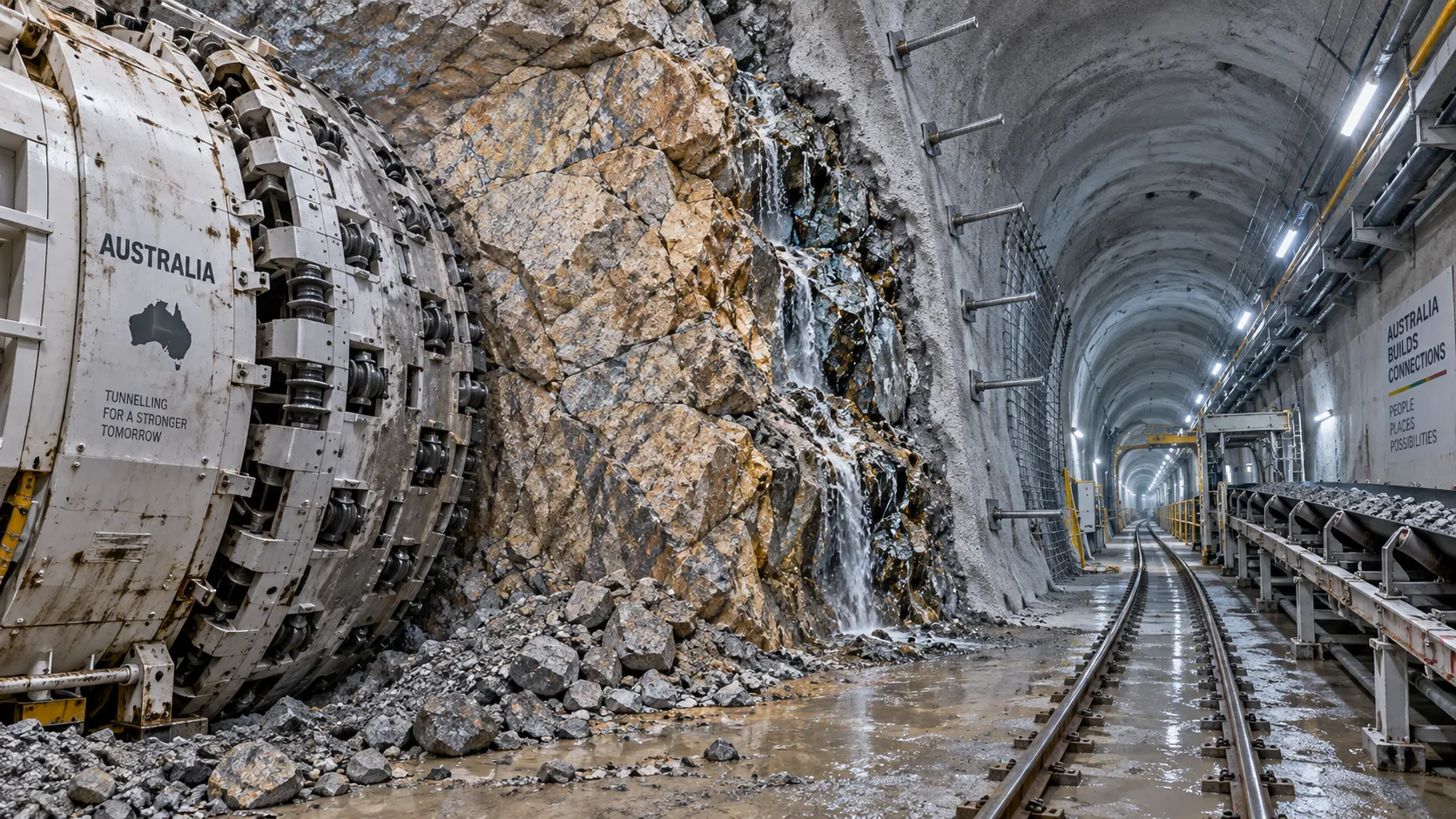
Hard Rock Tunnelling in Australia: Selecting Methods for Variable Ground Conditions
Hard rock tunnelling in Australia: compare TBM, drill-and-blast and hybrid methods to manage variable ground, reduce risk and protect project costs.
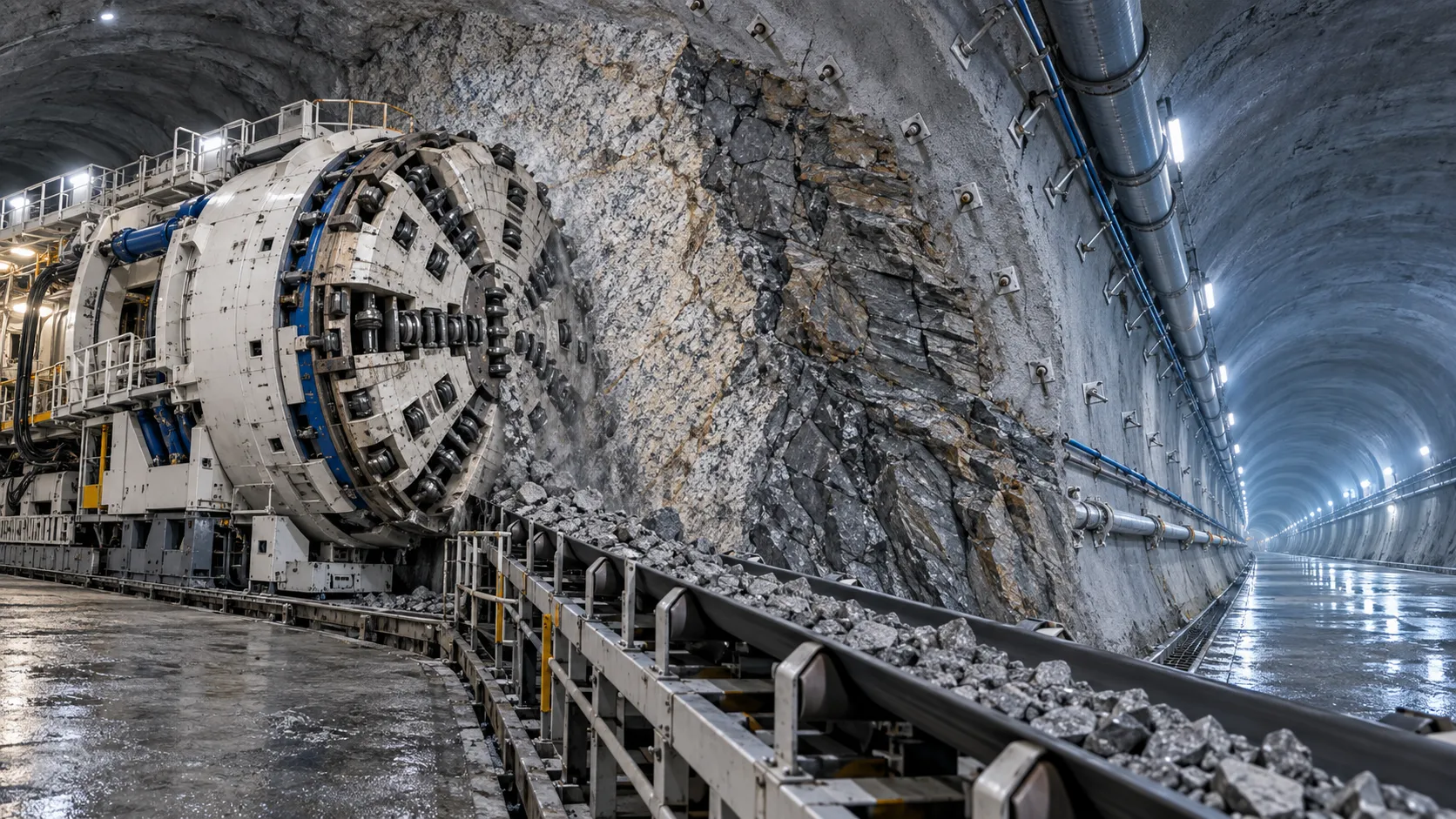
Hydropower Tunnel Excavation: Selecting Methods for Variable Rock Conditions
Hydropower tunnel excavation methods for variable rock conditions: compare TBM, drill-and-blast, and hybrid strategies to improve safety, progress, and project control.
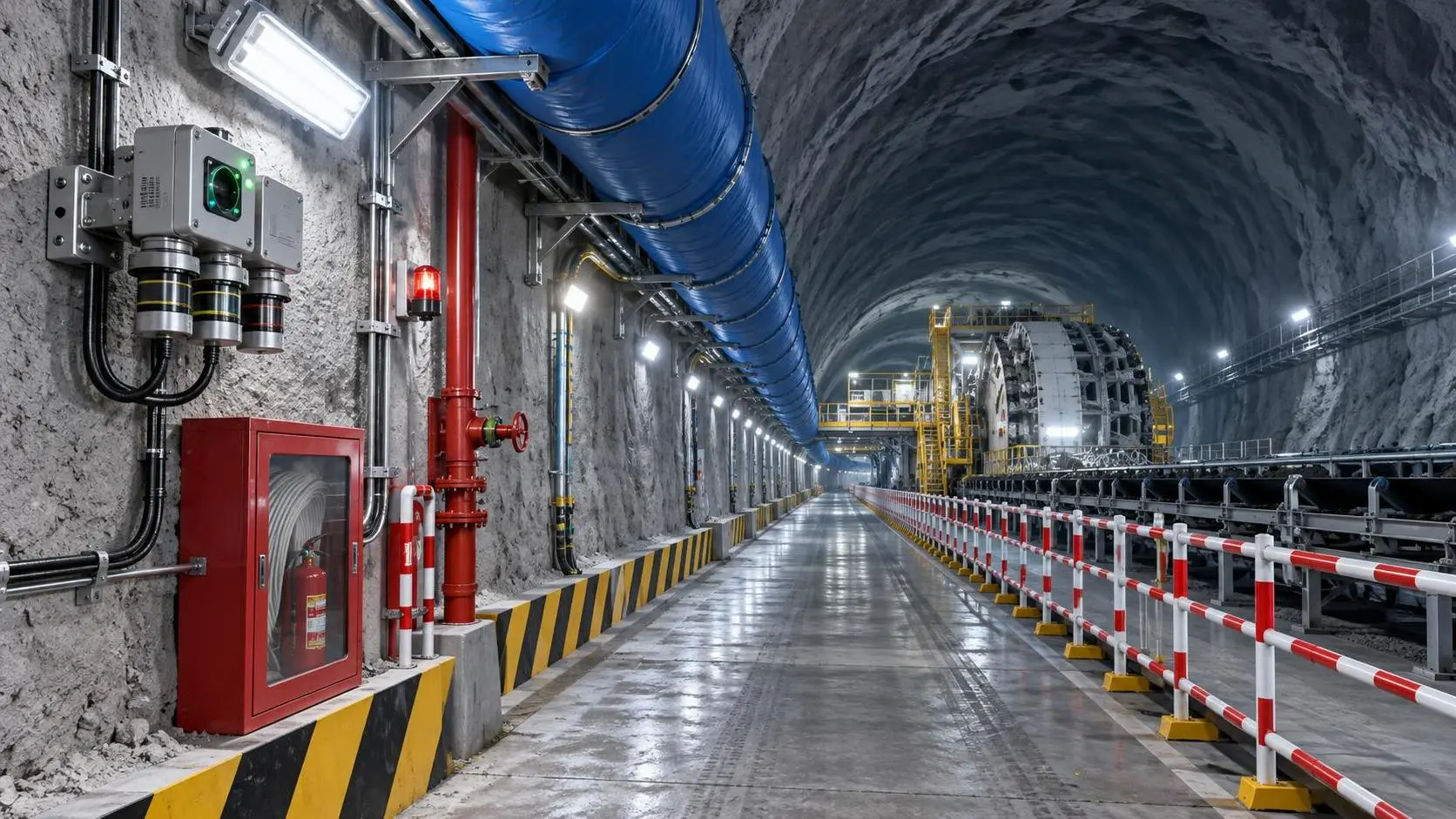
How to Select Underground Safety Equipment for Tunnelling by Hazard and Work Zone
Underground Safety Equipment for tunnelling: match protection to hazards, work zones, compliance, and emergency needs with this practical selection guide.
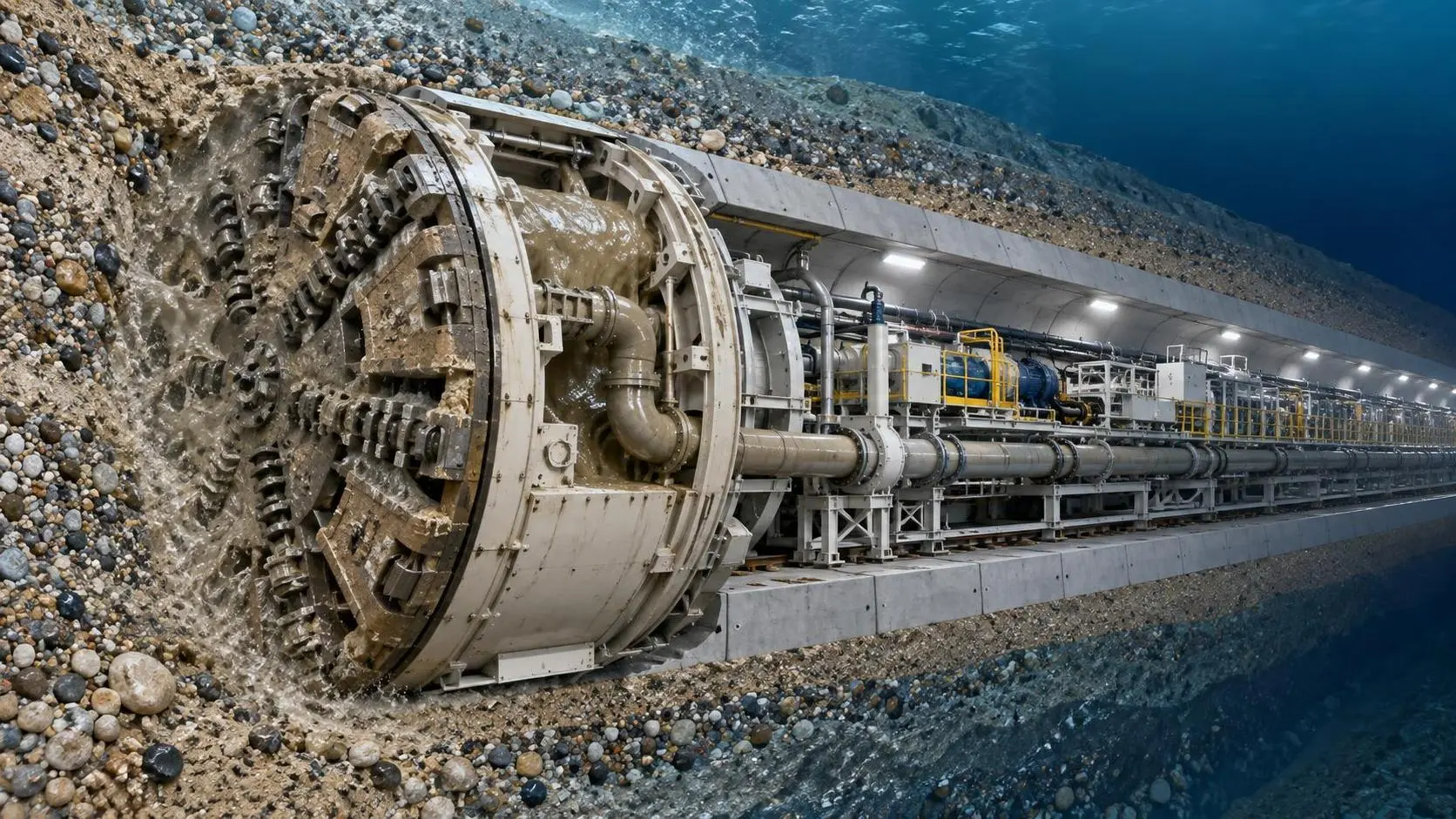
EPB or Slurry Shield? Selecting Soft-Ground Tunnelling Equipment by Soil Conditions
Tunnel Excavation Equipment for soft ground: compare EPB and slurry shields by soil, groundwater, settlement risk, and project logistics to choose confidently.
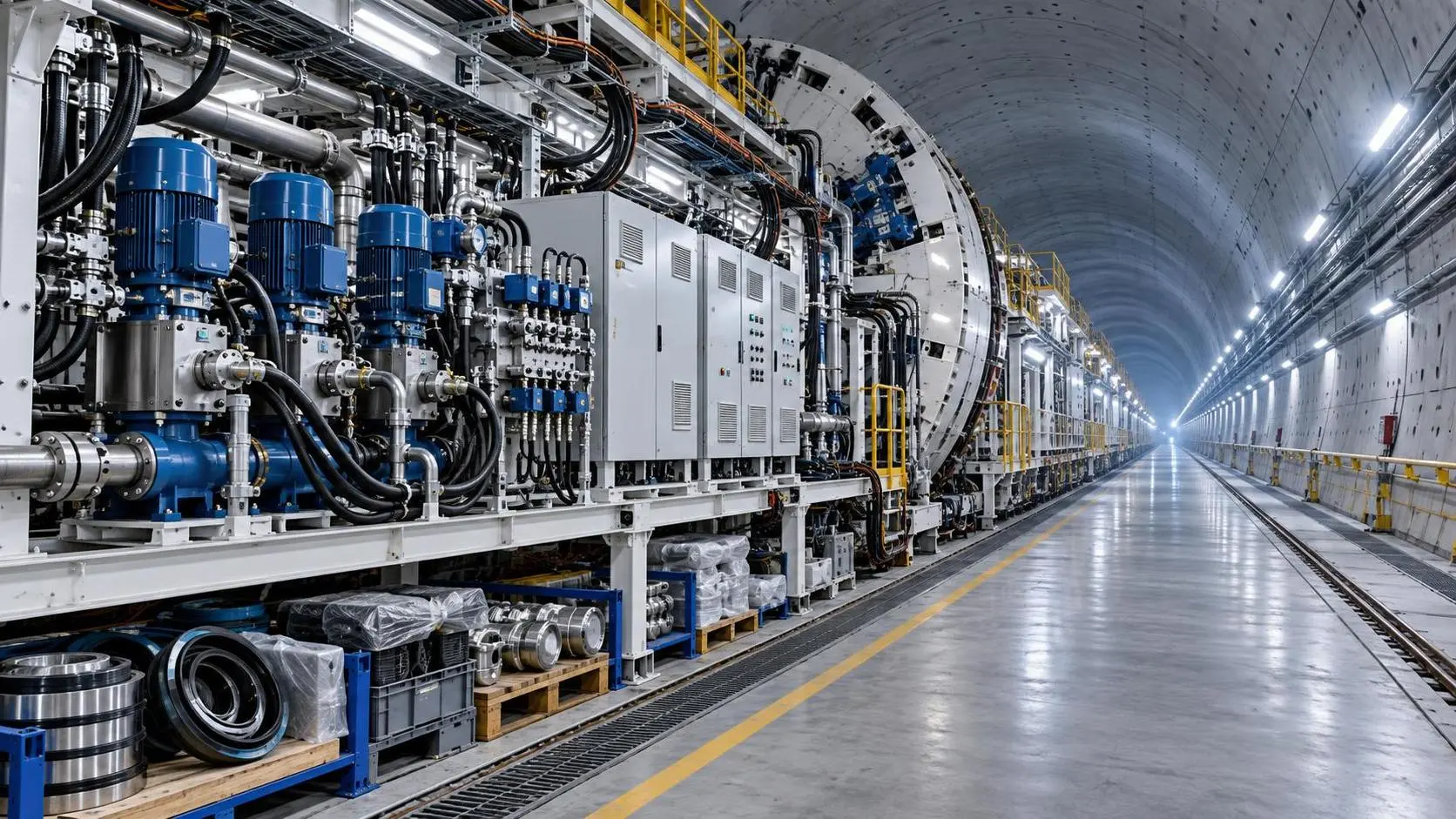
How to Specify TBM Backup System Parts for Reliable Long-Distance Tunnelling
TBM backup system parts: learn how to specify reliable spares for long-distance tunnelling, reduce downtime, ensure compatibility, and speed underground recovery.
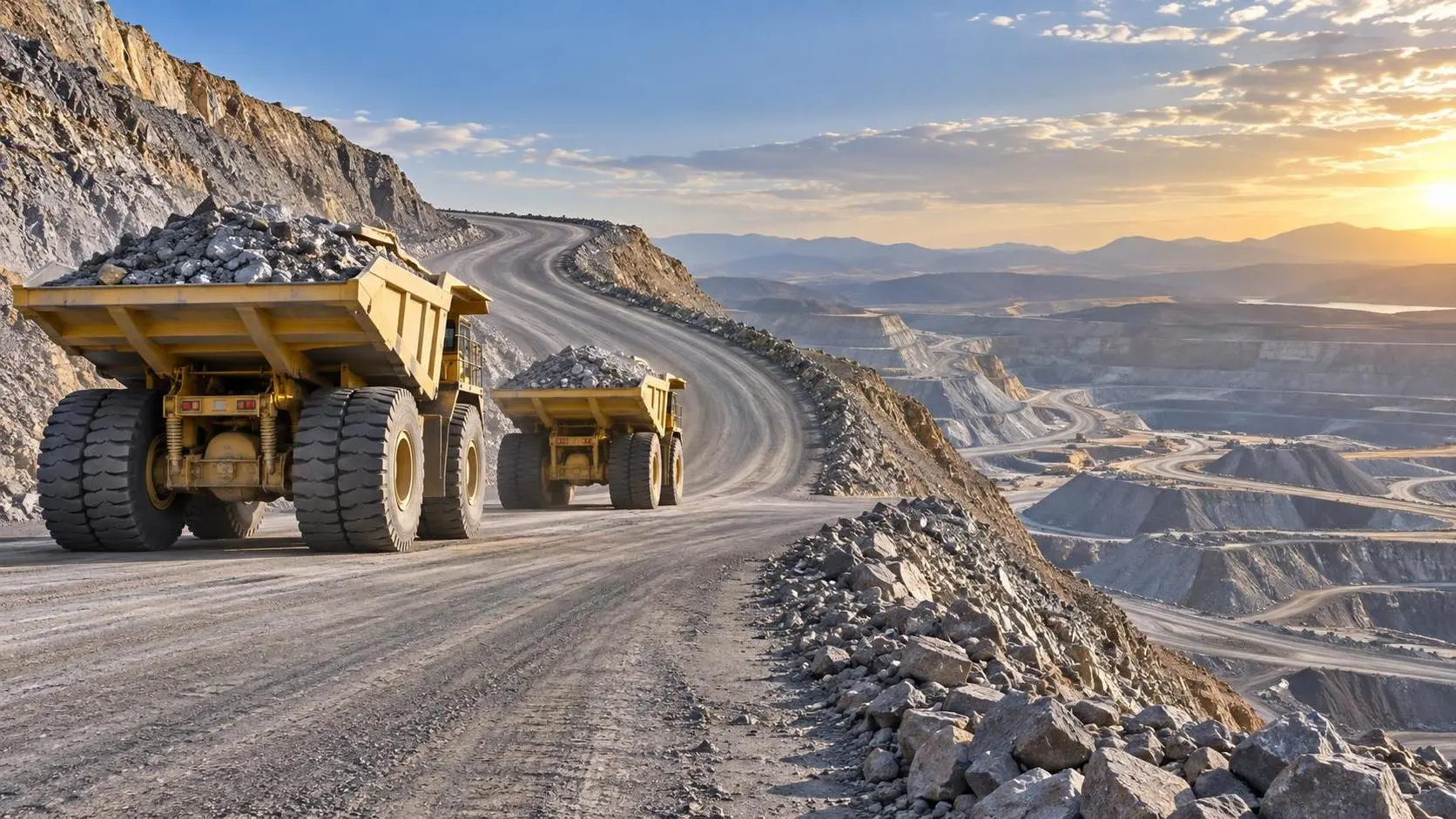
How to Size Open Pit Mining Trucks for Haul Distance, Grade, and Payload?
Open Pit Mining Trucks: learn how to match payload, haul distance, grade, road resistance, and loading capacity for safer, lower-cost mine operations.
Related News
- 00
0000-00
How to Evaluate European Drill-and-Blast Tunnelling Contractors for Complex Projects - 00
0000-00
Which Trenchless Construction Technique Fits Your Utility Crossing Conditions? - 00
0000-00
What Is Driving Metro Tunnelling Demand Across Southeast Asia’s Major Cities? - 00
0000-00
Hard Rock Tunnelling in Australia: Selecting Methods for Variable Ground Conditions - 00
0000-00
Hydropower Tunnel Excavation: Selecting Methods for Variable Rock Conditions
Weekly Insights
Stay ahead with our curated technology reports delivered every Monday.