
TBM Backup Systems Explained: Core Functions, Layout Choices, and Maintenance Priorities





TBM Backup Systems sit behind the cutterhead, but they often decide whether a tunnel drives steadily or stalls under avoidable pressure. In hard rock, mixed ground, or long urban drives, these systems carry the utilities, materials, logistics, and support functions that keep excavation continuous. For underground projects facing tighter schedules, stricter safety expectations, and growing digitalization, understanding how TBM Backup Systems are arranged and maintained has become a practical planning issue rather than a secondary mechanical detail.
Why TBM Backup Systems matter more than many plans assume
A TBM is usually recognized by its cutterhead, shield, and segment erector. Yet the machine only performs as well as the backup train supporting it.
TBM Backup Systems link excavation with power supply, slurry or muck transport, ventilation, water management, grout handling, spare parts storage, and operator access.
If that chain is poorly designed, the result is rarely a single dramatic failure. More often, it appears as repeated micro-delays.
Those delays include slow segment delivery, cable congestion, poor access for maintenance, limited visibility, and difficult coordination between mechanical and electrical teams.
Across mega-infrastructure and mining-related underground works, this is gaining attention for another reason. Assets are becoming more automated, more electrified, and more data-driven.
That broader industry shift is central to UTMD’s view of underground equipment evolution. Reliability is no longer judged only by excavation hardware.
It is judged by how the entire underground production system behaves under heat, dust, vibration, water ingress, and confined-space constraints.
What TBM Backup Systems actually include
In simple terms, TBM Backup Systems are the trailing support units behind the shield that make continuous boring possible.
Their exact configuration changes by geology, tunnel diameter, drive length, muck handling method, and site logistics model.
Still, most projects will see a similar set of functions.
Core functional blocks
- Electrical distribution, transformers, switchgear, and cable management.
- Hydraulic power packs and fluid control systems.
- Ventilation ducting, air quality support, and heat removal.
- Water supply, drainage, dewatering, and firefighting lines.
- Muck transfer equipment such as conveyors, slurry circuits, or haulage interfaces.
- Segment, grout, consumables, and spare parts logistics.
- Control rooms, monitoring systems, and communication networks.
- Walkways, emergency egress paths, and maintenance access zones.
This mix explains why TBM Backup Systems should be treated as operational infrastructure. They are not only machine attachments.
They influence crew movement, material flow, response time, and even the quality of fault diagnosis when something starts drifting out of tolerance.
Layout choices shape productivity and risk
Layout decisions are where many early assumptions become expensive later. A technically workable arrangement may still create chronic operational friction.
The best TBM Backup Systems layouts are not the most compact on paper. They are the most workable in daily underground conditions.
Common layout variables
In long drives, maintainability often deserves more weight than installation convenience. A neat arrangement at assembly stage can become a bottleneck after months underground.
Mixed-use tunnels, steep gradients, and difficult launch sites can push layout priorities even further. Utility routing may need to support staged modifications over time.
Questions worth settling early
- Can critical pumps, switchgear, and valves be reached without major isolation work?
- Will consumables move smoothly during peak production shifts?
- Is there enough room for safe inspection under wet and low-visibility conditions?
- Can the layout absorb future sensor packages or automation upgrades?
Where operational problems usually begin
TBM Backup Systems rarely fail in isolation. Problems tend to start at interfaces.
A conveyor issue may be linked to water ingress. Electrical trips may originate from contamination or poor cable protection. Slow maintenance can begin with blocked access.
This is why interface management matters as much as equipment selection.
Typical weak points include hose crossings, connection points between cars, lubrication access, sensor wiring, and unsupported temporary modifications made during schedule pressure.
More advanced underground projects are now tracking these weak points through condition monitoring, fault history mapping, and structured downtime coding.
That aligns with UTMD’s intelligence focus on digitalization. Data is most valuable when it helps crews identify recurring causes rather than simply logging alarms.
Maintenance priorities that protect tunnel advance
Maintenance planning for TBM Backup Systems should follow the production logic of the tunnel, not only the component list from suppliers.
The main goal is straightforward: prevent small support-system faults from stopping a high-value excavation cycle.
High-priority maintenance areas
- Conveyor structure, rollers, cleaners, and transfer points.
- Slurry pumps, seals, valves, and abrasion-exposed piping.
- Electrical cabinets, cooling, sealing integrity, and contamination control.
- Hydraulic hoses, clamps, leaks, and pressure stability.
- Ventilation fans, duct connections, and airflow restrictions.
- Walking surfaces, lighting, guard systems, and emergency access.
Routine inspections should be short, repeatable, and tied to known failure modes. Long generic checklists often hide what matters most.
It also helps to separate production-critical assets from convenience assets. Not every defect carries the same operational consequence.
Projects that perform well usually define trigger thresholds early. That includes heat rise, leakage rate, vibration trend, current deviation, and repeated alarm patterns.
How project teams can evaluate TBM Backup Systems more effectively
A useful evaluation method combines design review, field practicality, and life-of-drive thinking.
That means looking beyond equipment count and installed power.
A practical review framework
- Map every support function to a direct production dependency.
- Test whether access remains workable during normal operation, not only during assembly.
- Review spare parts strategy for high-wear and long-lead items.
- Check how digital monitoring integrates with maintenance decisions.
- Assess whether future electrification or automation upgrades can be added cleanly.
This is increasingly relevant in an industry balancing deep excavation performance with energy efficiency, ESG pressure, and smarter underground operations.
The same strategic logic seen in electric mining fleets and intelligent LHD systems also affects tunnelling support architecture.
TBM Backup Systems are becoming platforms for reliability, monitoring, and adaptation, not just trailing service cars.
A grounded next step
When comparing TBM Backup Systems, the strongest starting point is not a brochure specification. It is a tunnel-specific operating scenario.
Review the expected geology, drive length, mucking method, ventilation demand, utility loads, and maintenance windows as one connected system.
Then test whether the proposed layout supports continuous work without creating hidden access, safety, or downtime penalties.
For anyone tracking underground equipment trends through UTMD, this is also where technical intelligence becomes useful: not as background reading, but as a basis for sharper layout decisions, risk screening, and maintenance planning before the machine enters the tunnel.
Related News
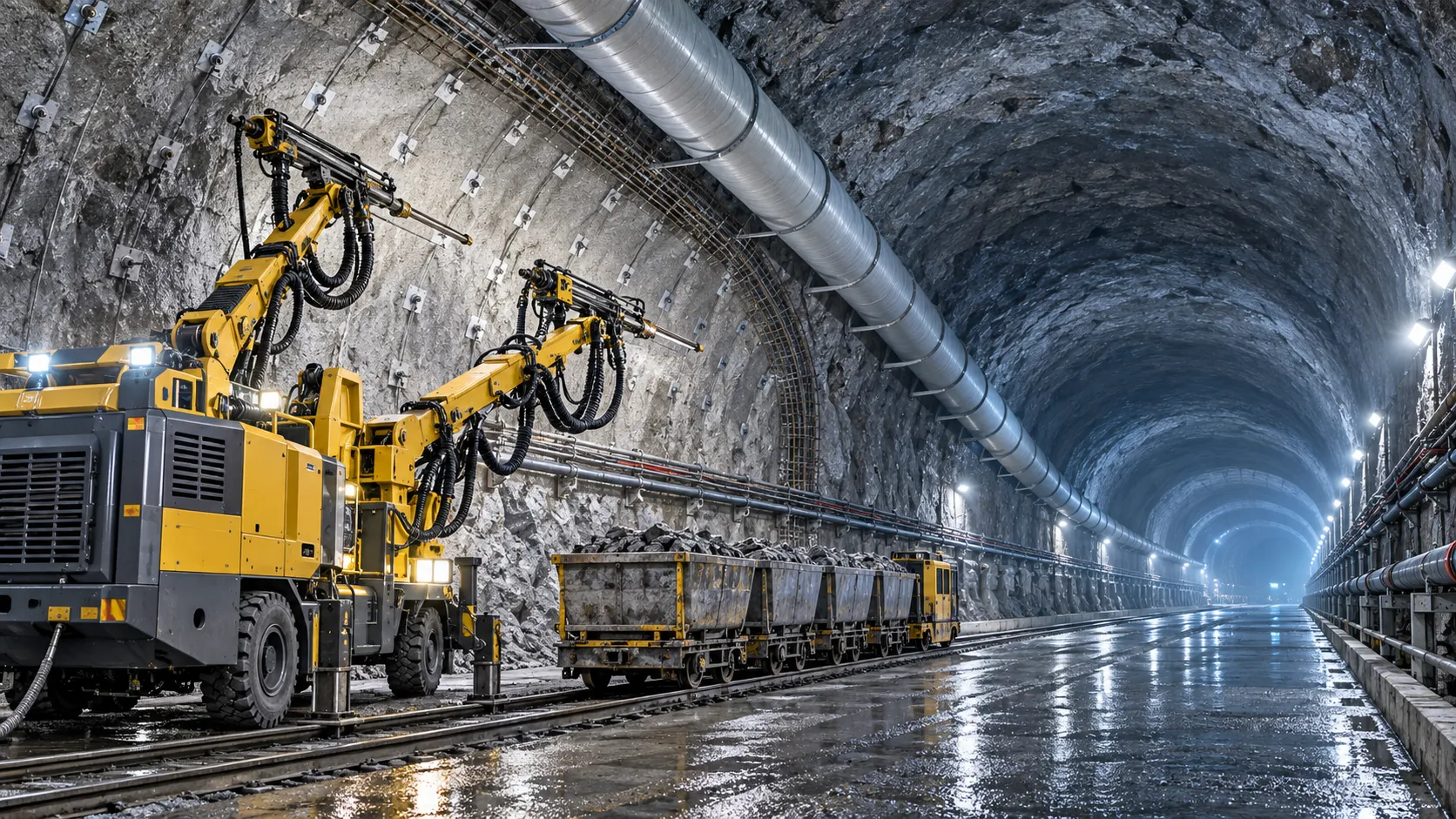
How to Evaluate European Drill-and-Blast Tunnelling Contractors for Complex Projects
Drill and blast tunnelling contractors Europe: learn how to assess geology expertise, blast control, equipment reliability, safety, and programme resilience for complex projects.
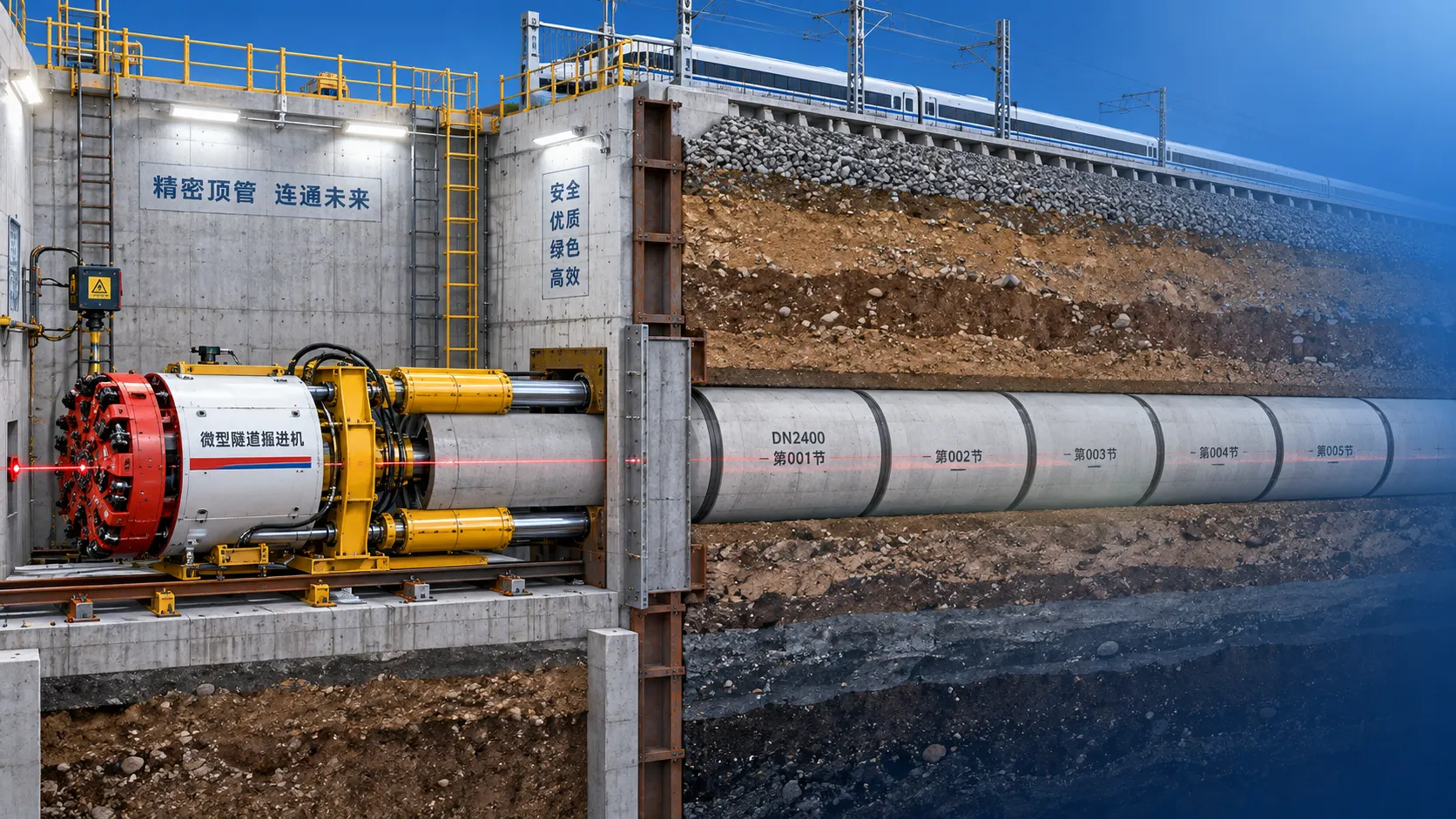
Which Trenchless Construction Technique Fits Your Utility Crossing Conditions?
Trenchless construction techniques compared for utility crossings: choose HDD, microtunnelling, pipe jacking, or auger boring based on ground, accuracy, access, and risk.
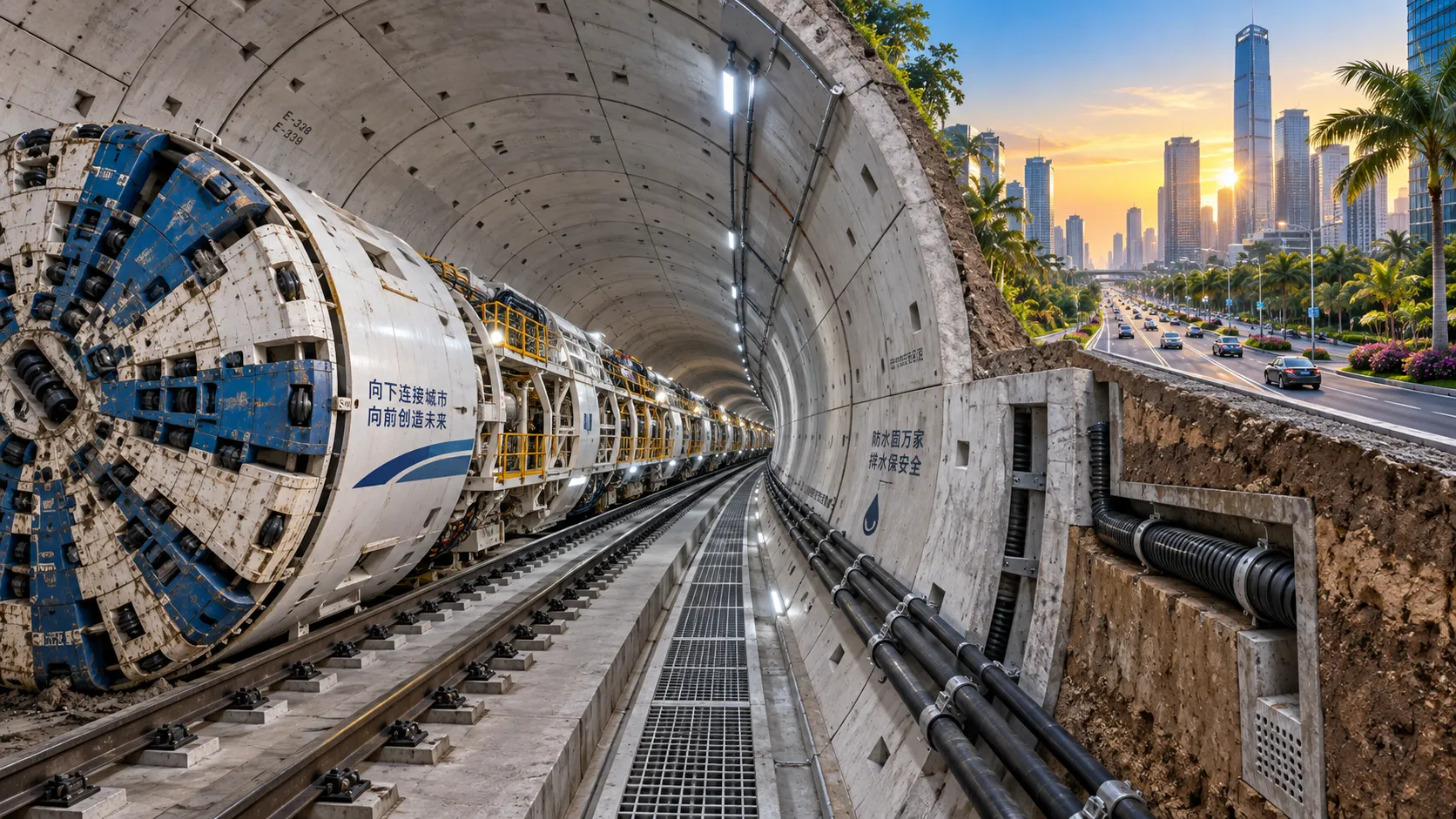
What Is Driving Metro Tunnelling Demand Across Southeast Asia’s Major Cities?
Metro tunnelling Southeast Asia is accelerating as major cities tackle congestion, flooding, and connectivity. Explore the market forces, technical risks, and opportunities shaping demand.
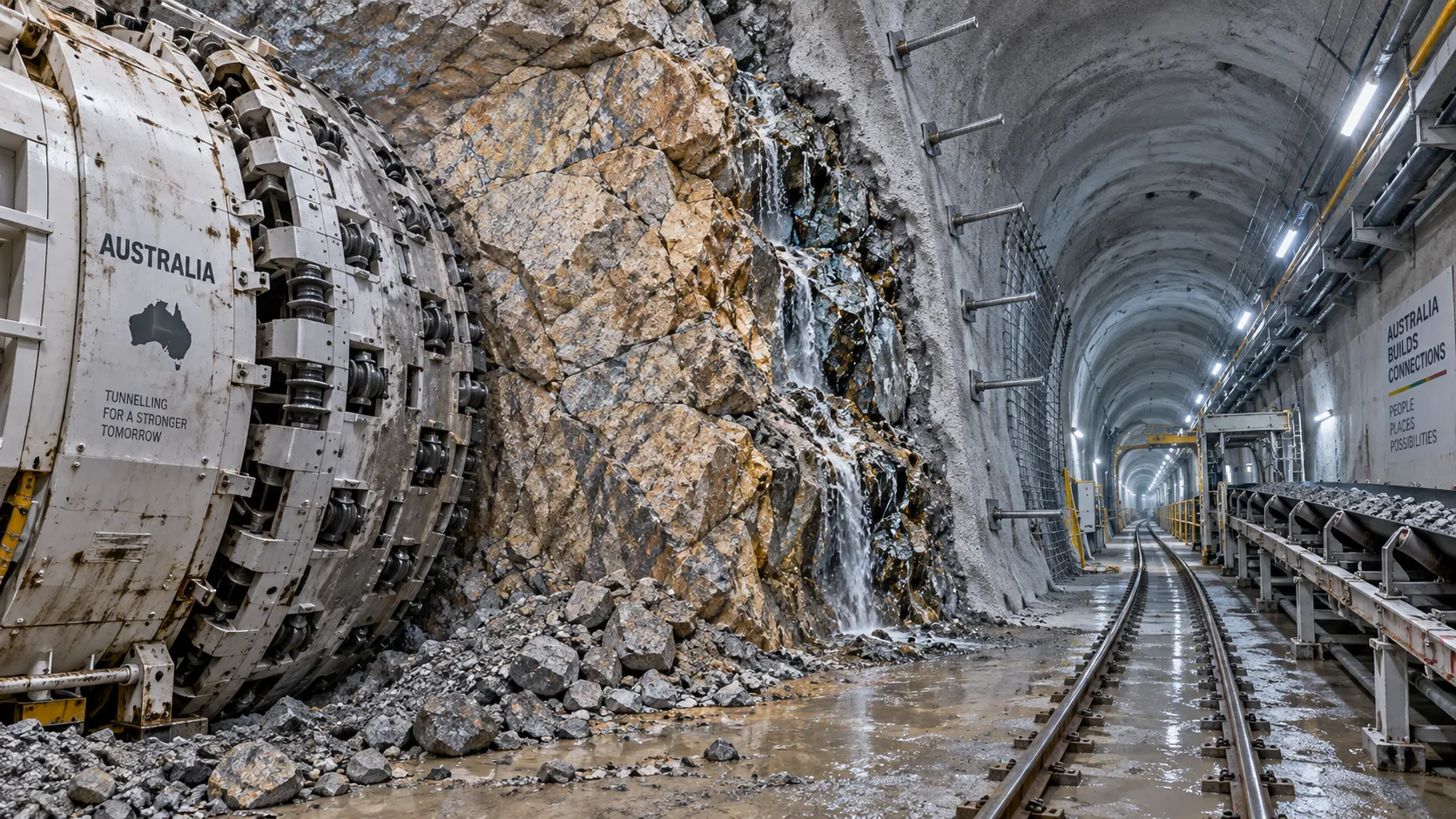
Hard Rock Tunnelling in Australia: Selecting Methods for Variable Ground Conditions
Hard rock tunnelling in Australia: compare TBM, drill-and-blast and hybrid methods to manage variable ground, reduce risk and protect project costs.
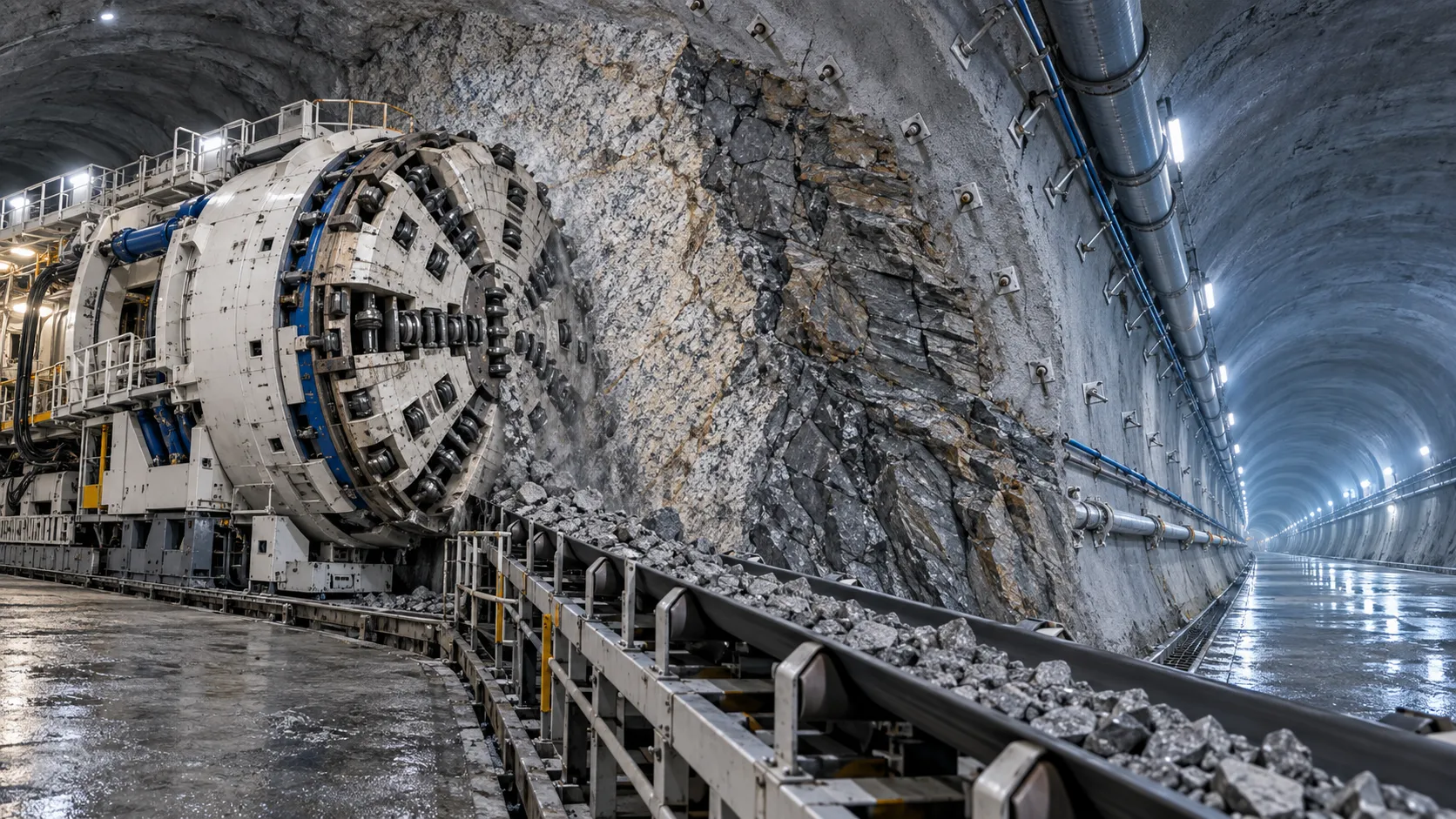
Hydropower Tunnel Excavation: Selecting Methods for Variable Rock Conditions
Hydropower tunnel excavation methods for variable rock conditions: compare TBM, drill-and-blast, and hybrid strategies to improve safety, progress, and project control.
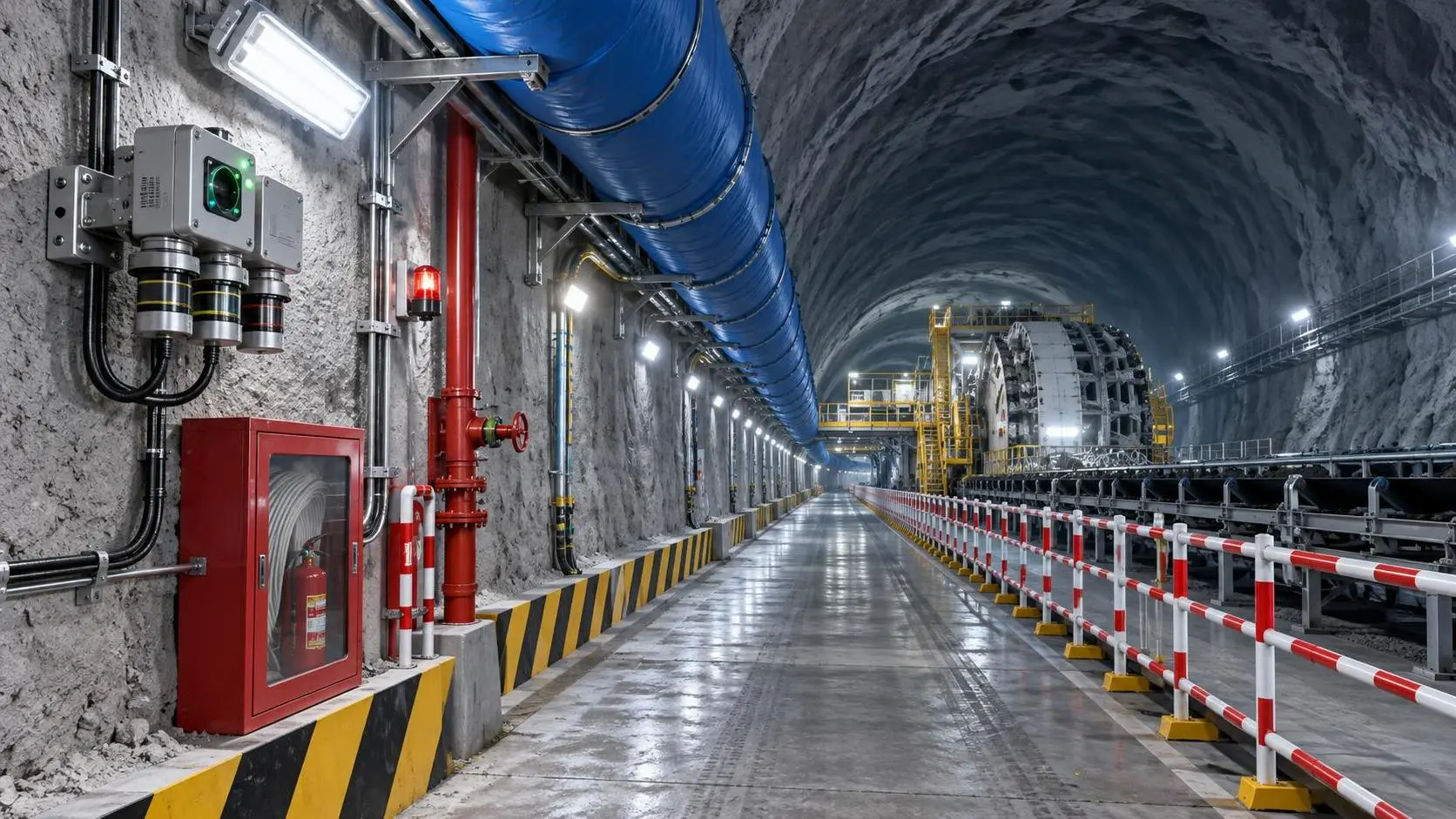
How to Select Underground Safety Equipment for Tunnelling by Hazard and Work Zone
Underground Safety Equipment for tunnelling: match protection to hazards, work zones, compliance, and emergency needs with this practical selection guide.
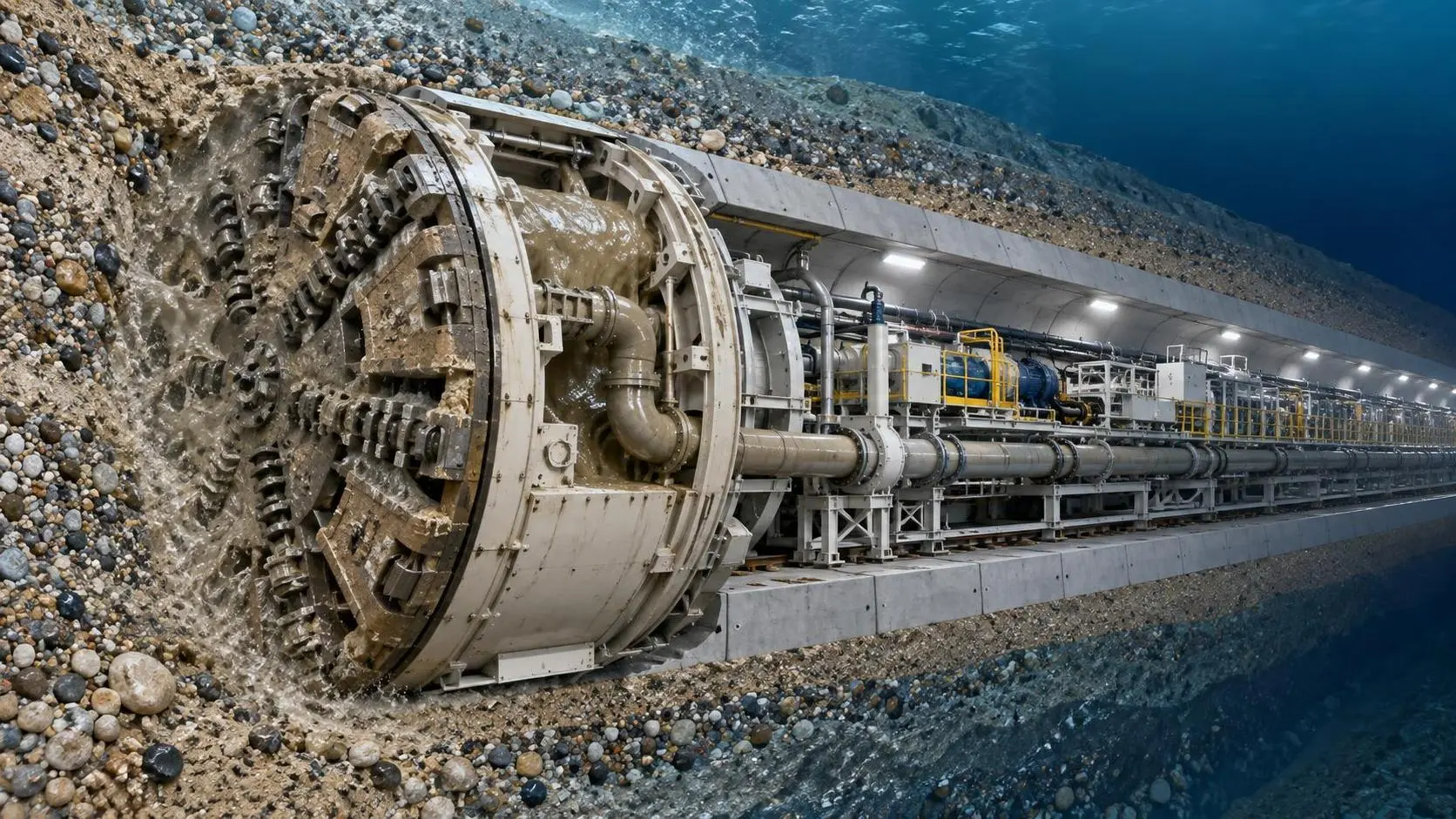
EPB or Slurry Shield? Selecting Soft-Ground Tunnelling Equipment by Soil Conditions
Tunnel Excavation Equipment for soft ground: compare EPB and slurry shields by soil, groundwater, settlement risk, and project logistics to choose confidently.
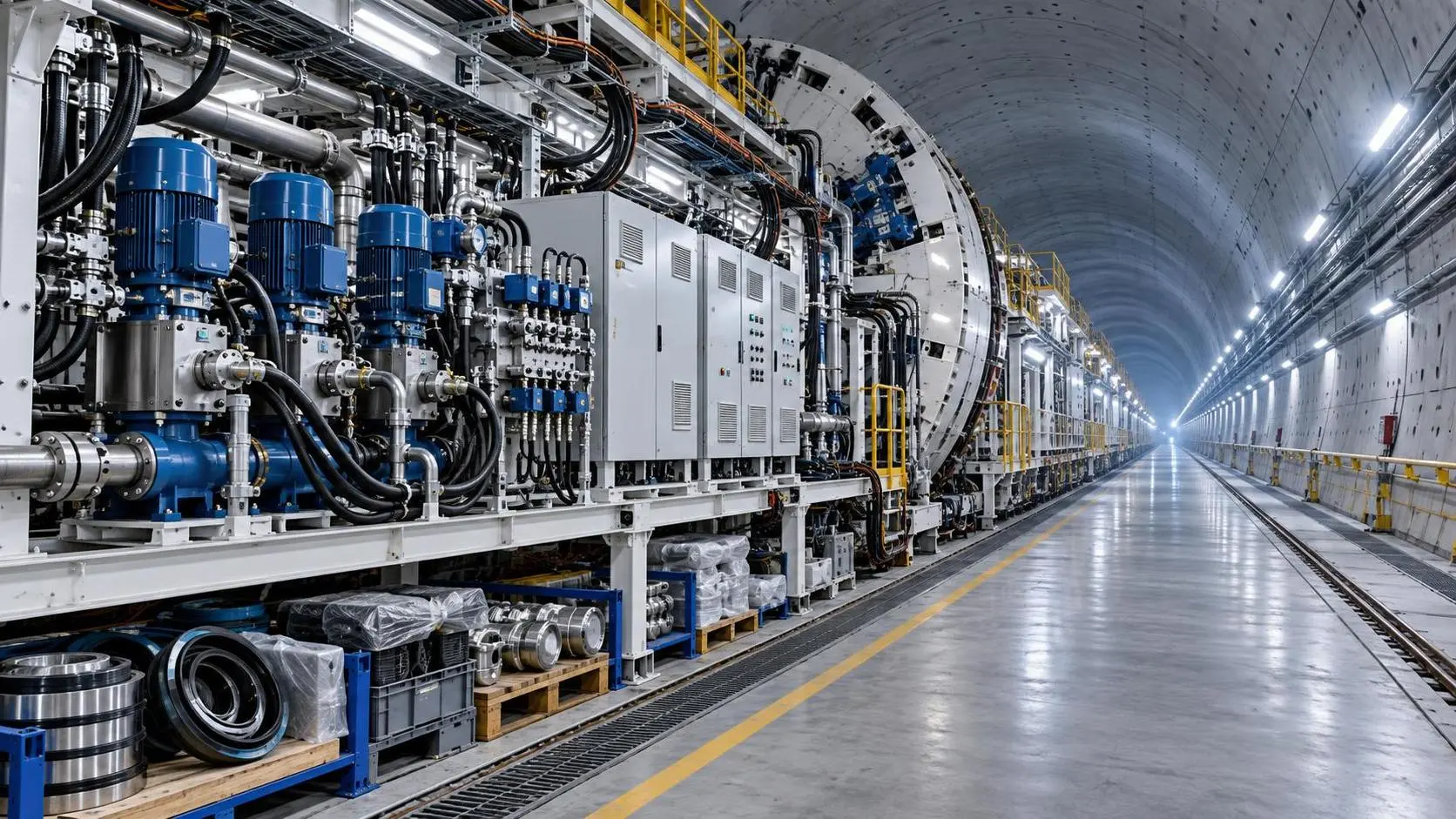
How to Specify TBM Backup System Parts for Reliable Long-Distance Tunnelling
TBM backup system parts: learn how to specify reliable spares for long-distance tunnelling, reduce downtime, ensure compatibility, and speed underground recovery.
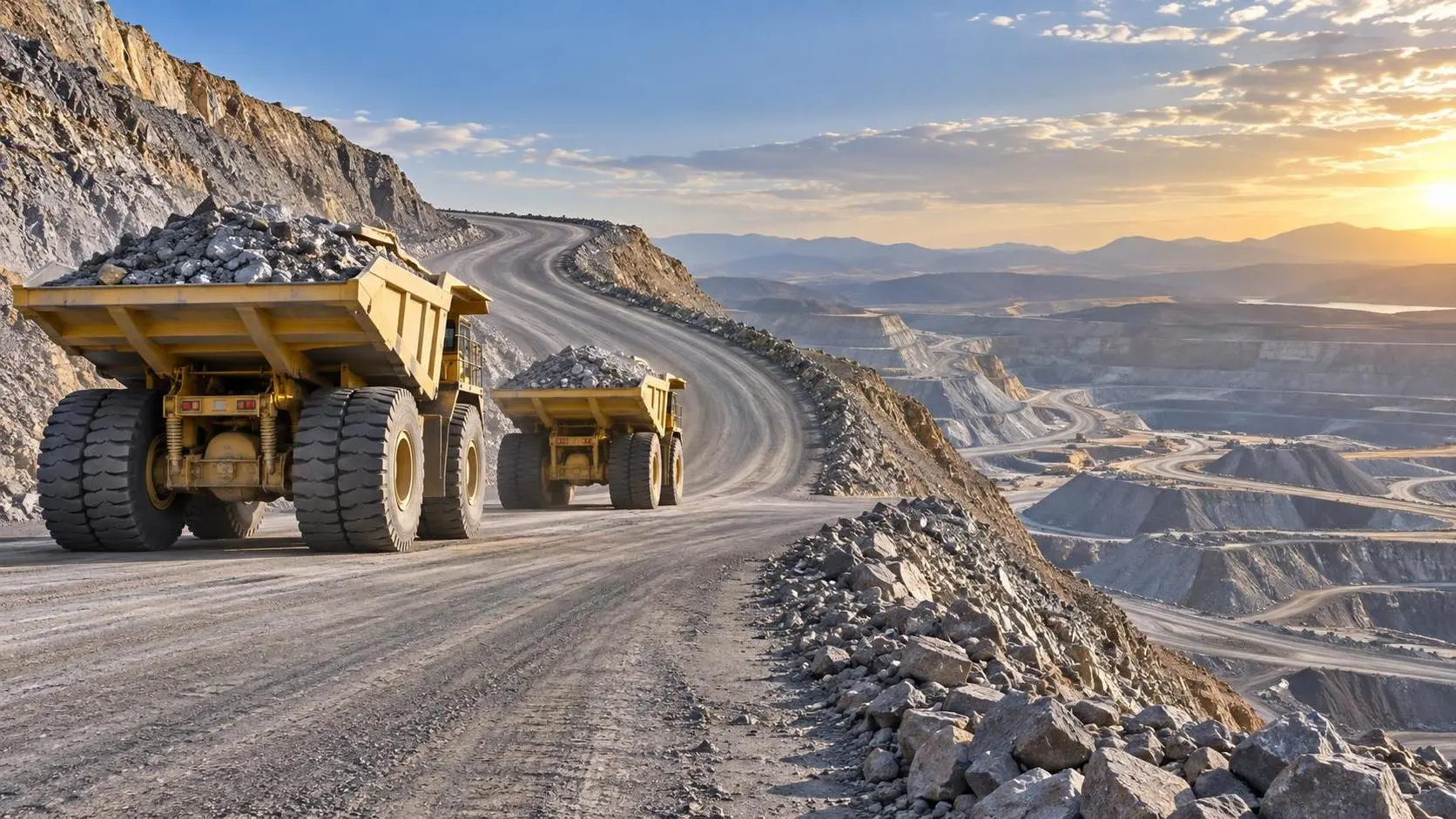
How to Size Open Pit Mining Trucks for Haul Distance, Grade, and Payload?
Open Pit Mining Trucks: learn how to match payload, haul distance, grade, road resistance, and loading capacity for safer, lower-cost mine operations.
Related News
- 00
0000-00
How to Evaluate European Drill-and-Blast Tunnelling Contractors for Complex Projects - 00
0000-00
Which Trenchless Construction Technique Fits Your Utility Crossing Conditions? - 00
0000-00
What Is Driving Metro Tunnelling Demand Across Southeast Asia’s Major Cities? - 00
0000-00
Hard Rock Tunnelling in Australia: Selecting Methods for Variable Ground Conditions - 00
0000-00
Hydropower Tunnel Excavation: Selecting Methods for Variable Rock Conditions
Weekly Insights
Stay ahead with our curated technology reports delivered every Monday.