
Yanbu Refinery Signs Smart TBM Deal in Beijing





On June 3, 2026, Saudi Aramco Sinopec Refining Company’s Yanbu refinery signed a memorandum of cooperation on intelligent manufacturing and a procurement service agreement in Beijing with Huawei and Sinopec Informatics. The disclosed focus is the construction of a smart TBM factory, with IT, OT, and DT integration to be applied in remote monitoring of full-face tunneling equipment, cutter wear prediction, and autonomous parameter adjustment. For energy infrastructure, industrial digitalization, and tunneling equipment-related supply chains, this development is worth close attention because it signals that a Chinese hard-rock TBM digital solution has formally entered a core Middle East energy infrastructure supply chain.
Event Overview
According to the disclosed information, the signing took place on June 3, 2026, in Beijing. The parties involved were Yanbu refinery, Huawei, and Sinopec Informatics. The public description of the cooperation centers on intelligent manufacturing around TBM smart factory development.
The announced implementation direction is the integration of information technology (IT), operational technology (OT), and data technology (DT). The identified application scenarios include remote monitoring of full-face tunneling equipment, prediction of cutter wear, and autonomous parameter adjustment.
The information currently made public also indicates the significance of this move: a Chinese hard-rock TBM digital solution has officially entered the core supply chain of Middle East energy infrastructure. At this stage, the confirmed facts are limited to the signed memorandum, the procurement service agreement, and the stated technical focus areas.
Which Industry Segments Are Affected
TBM equipment manufacturers and digital solution providers
This segment is directly affected because the disclosed cooperation is explicitly tied to smart TBM factory construction and operational functions such as remote monitoring, wear prediction, and autonomous tuning. From an industry perspective, the impact is not only on equipment delivery but on the growing importance of integrated digital capabilities around the equipment lifecycle.
The main effects are likely to appear in project bidding expectations, technical solution design, and customer demand for digital operation features. Analysis shows that market attention may increasingly shift from standalone mechanical performance to the combined value of equipment, connectivity, monitoring, and data-based optimization.
Energy infrastructure project owners and operators
Refineries and other large industrial infrastructure operators should pay attention because the disclosed application is embedded in a core energy infrastructure context rather than a standalone manufacturing test case. Observably, this raises the relevance of smart construction and equipment intelligence within energy-sector capital projects.
The impact is likely to be reflected in how project owners evaluate equipment visibility, maintenance predictability, and remote management capability. Current public information does not confirm wider deployment, but from an industry perspective, this signing introduces a practical reference point for how digital tunneling systems may be positioned in future infrastructure execution.
Industrial IT, OT, and DT integration service providers
System integrators, industrial software firms, and data service providers are also affected because the cooperation specifically emphasizes the convergence of IT, OT, and DT. This means the value chain may increasingly favor providers able to link field equipment, operating systems, and data-driven analysis into a single operational framework.
The impact may appear in demand for architecture integration, interface coordination, operational data governance, and scenario-based deployment. More appropriately understood, this is not only a technology announcement but also a signal that cross-domain industrial integration capability is becoming more visible in overseas infrastructure projects.
Supply chain and overseas project service companies
Companies involved in procurement support, project delivery coordination, localization services, and cross-border industrial deployment should also watch this development. The reason is that the announcement combines a cooperation memorandum with a procurement service agreement, indicating that the project relationship is not limited to conceptual discussion.
The effects may emerge in service coordination requirements, vendor qualification pathways, and follow-up implementation support. Analysis shows that where digital equipment systems enter overseas energy infrastructure supply chains, supporting service roles often become more operationally demanding, especially in communication, technical alignment, and execution continuity.
What Companies and Practitioners Should Watch and How to Respond Now
Track follow-up official disclosures rather than infer full-scale rollout too early
Current public information confirms the signing, the parties, and the intended technical focus. Current priorities should include monitoring any subsequent official updates on deployment scope, implementation stages, and actual application scenarios. More appropriately understood, the present announcement is a meaningful project signal, but not yet a complete picture of operational results.
Focus on whether digital capability becomes a core requirement in equipment-related business discussions
For equipment makers, integrators, and industrial service providers, the practical issue is whether remote monitoring, cutter wear prediction, and autonomous parameter adjustment begin to appear more often in customer-side technical requirements. From an industry perspective, these functions matter because they shift commercial discussions from hardware supply alone toward integrated smart-operation capability.
Differentiate between strategic signaling and confirmed business implementation
Companies should separate what is already confirmed from what still requires observation. The confirmed layer includes the signed agreements and the stated technical path. The unconfirmed layer includes the future scale of deployment, replication potential, and whether similar models will spread across additional energy infrastructure projects. Analysis shows that this distinction is important for internal planning, resource allocation, and partner engagement.
Prepare cross-functional coordination across equipment, software, and project delivery teams
For firms that may participate in similar projects, a practical response is to improve coordination between equipment engineering, industrial software, remote operations, and overseas delivery functions. Current public information points directly to three-technology integration, so business teams should be ready to discuss not just product specifications but also data interfaces, monitoring workflows, and operational support responsibilities tied to project execution.
Editorial View / Industry Observation
Observably, this development carries significance beyond a standard signing event because it links Chinese hard-rock TBM digitalization with a Middle East energy infrastructure supply chain at a named project level. That makes it relevant to both industrial digitalization and overseas infrastructure execution.
Analysis shows that this should not yet be treated as proof of broad market transformation. It is more suitable to read it as a concrete signal: in cross-border infrastructure cooperation, digital operating capability around heavy equipment is becoming more visible in project relationships, not just the equipment itself.
What deserves closer attention now is whether the disclosed IT, OT, and DT integration leads to sustained implementation milestones and whether similar project structures appear in other energy or infrastructure contexts. From an industry perspective, continued observation is necessary because the long-term impact depends on execution depth, not on the signing event alone.
In summary, the June 3 signing at Yanbu refinery matters because it places smart TBM applications, industrial digital integration, and energy infrastructure delivery into the same project frame. For equipment suppliers, digital solution providers, and project operators, the immediate takeaway is not to overstate outcomes, but to recognize a clear directional signal in how overseas infrastructure demand may evolve. More appropriately understood, this is currently a strategically important industry development that merits sustained attention rather than a finalized market result.
Source Information
Main sources: the provided event title, event date, and event summary describing the June 3, 2026 signing in Beijing among Yanbu refinery, Huawei, and Sinopec Informatics.
Items requiring continued observation: subsequent official disclosures on implementation progress, deployment scope, and the extent of actual business rollout related to the smart TBM factory, IT/OT/DT integration, remote monitoring, cutter wear prediction, and autonomous parameter adjustment.
Related News
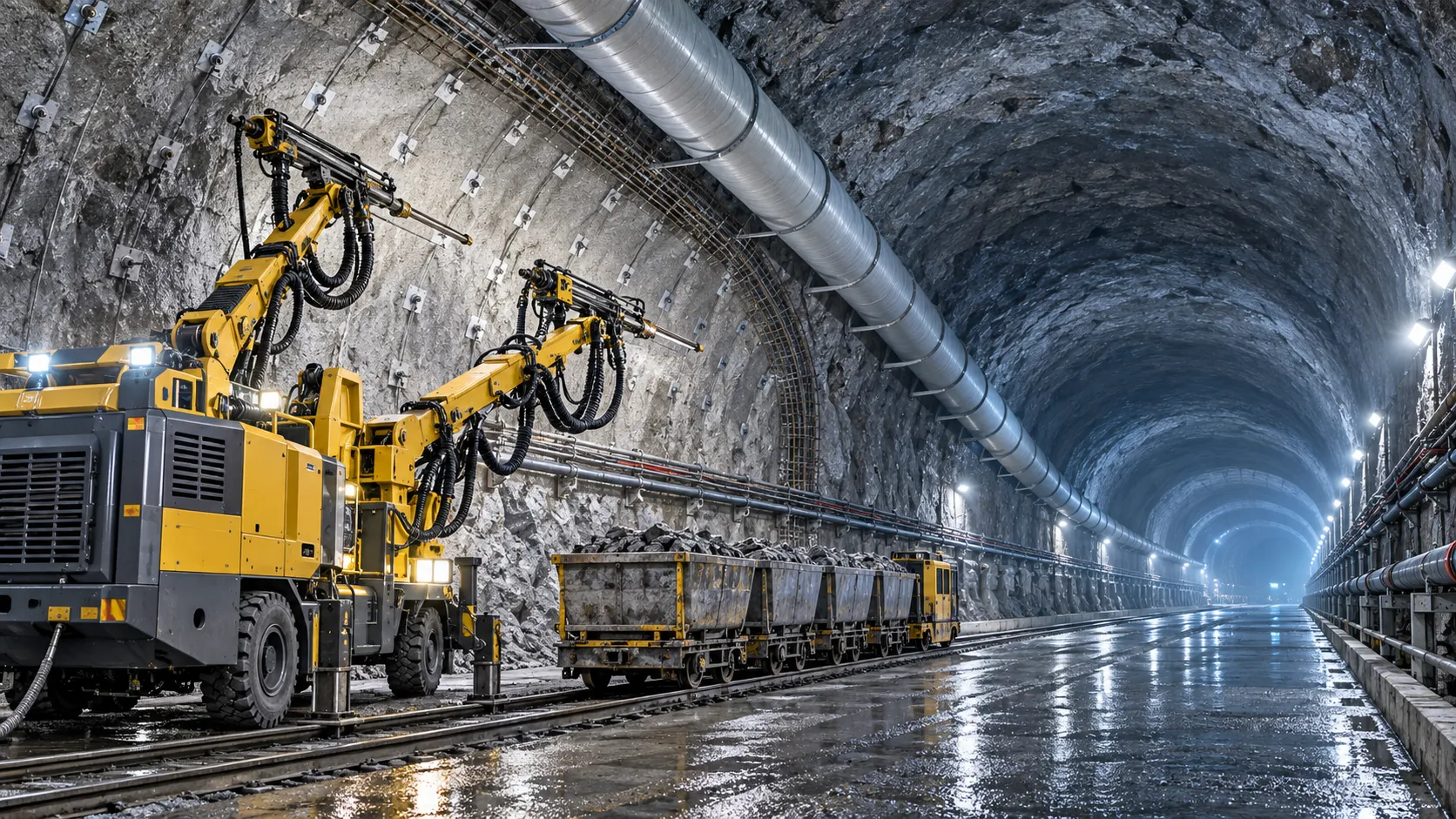
How to Evaluate European Drill-and-Blast Tunnelling Contractors for Complex Projects
Drill and blast tunnelling contractors Europe: learn how to assess geology expertise, blast control, equipment reliability, safety, and programme resilience for complex projects.
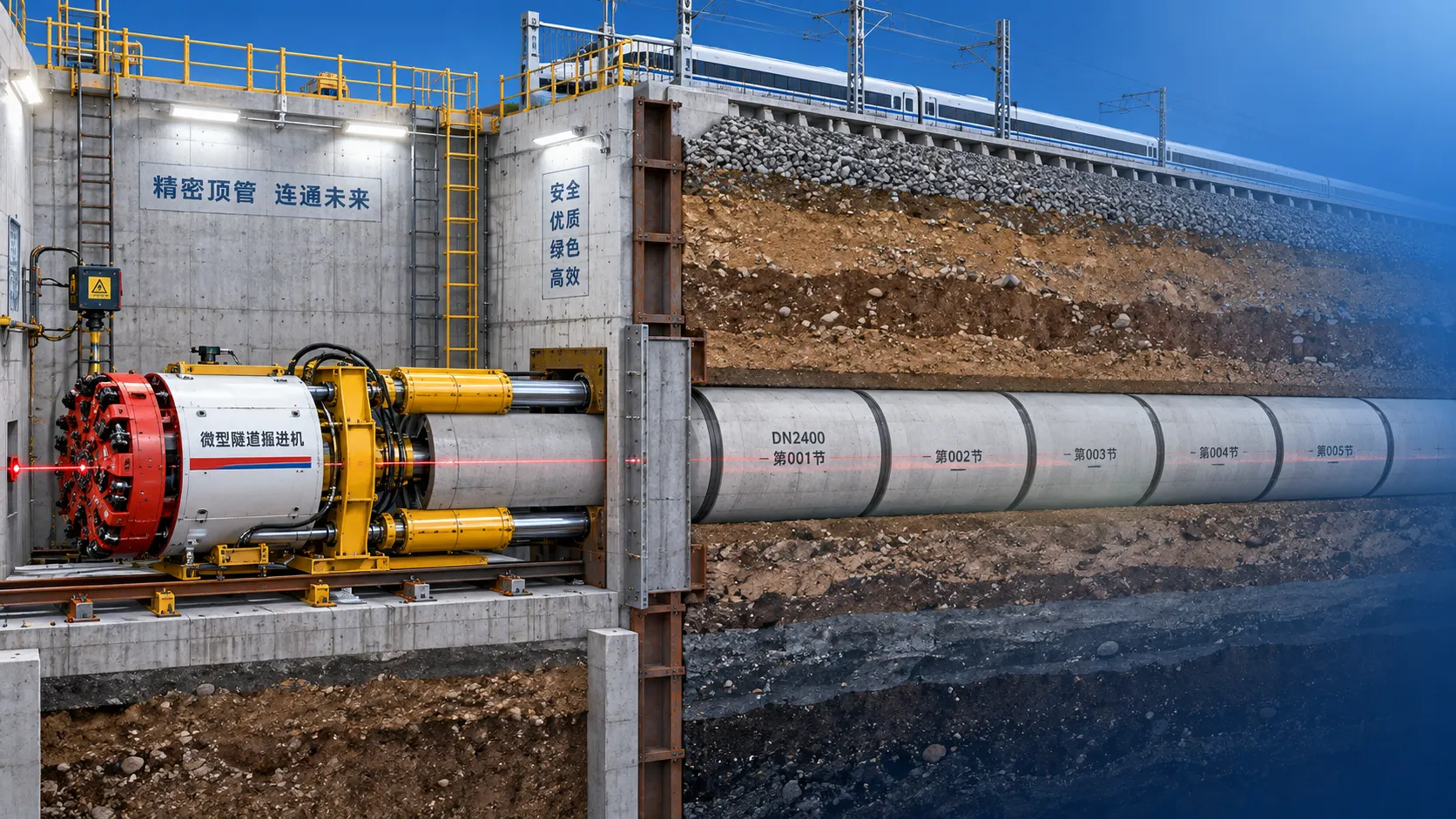
Which Trenchless Construction Technique Fits Your Utility Crossing Conditions?
Trenchless construction techniques compared for utility crossings: choose HDD, microtunnelling, pipe jacking, or auger boring based on ground, accuracy, access, and risk.
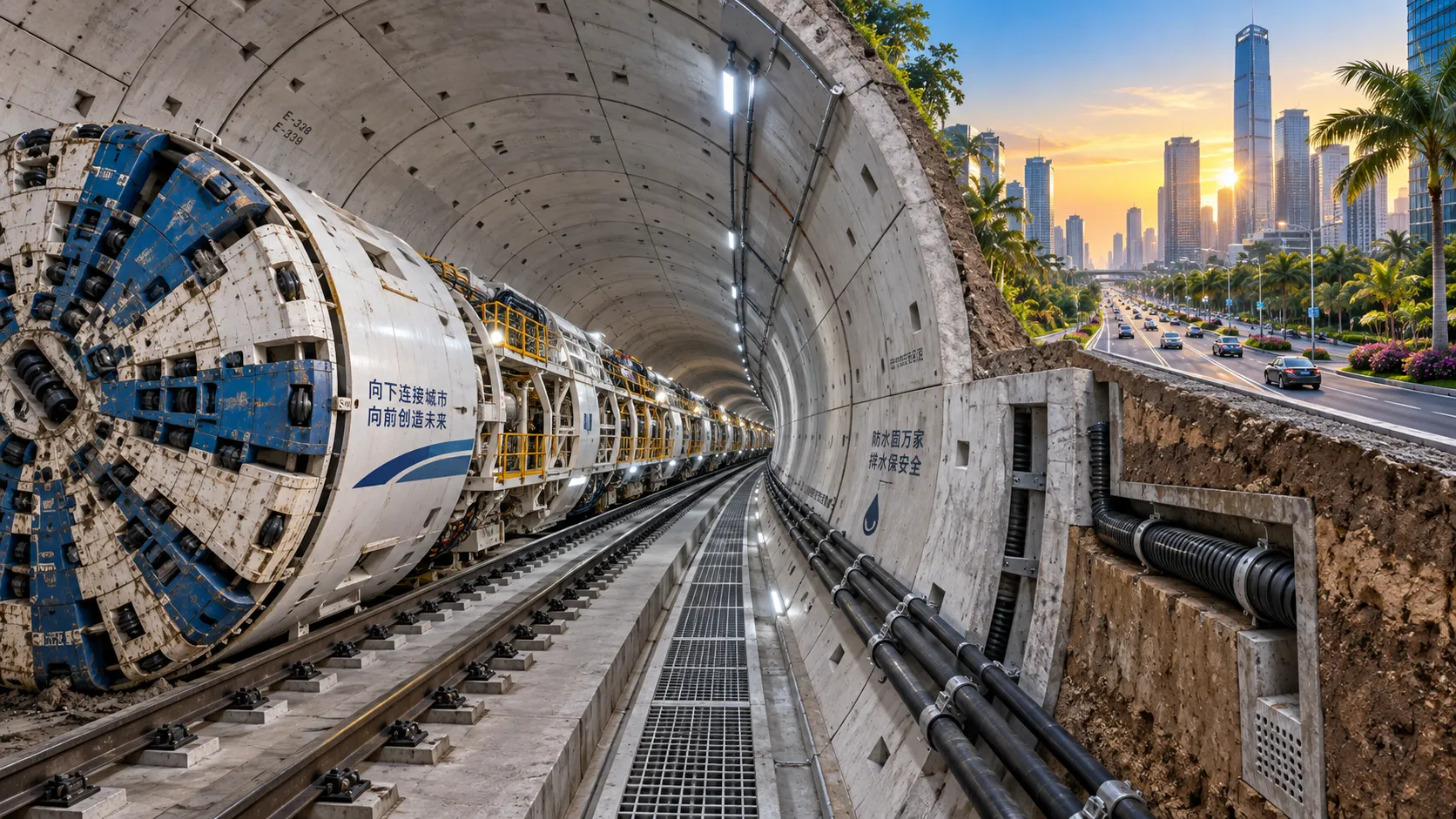
What Is Driving Metro Tunnelling Demand Across Southeast Asia’s Major Cities?
Metro tunnelling Southeast Asia is accelerating as major cities tackle congestion, flooding, and connectivity. Explore the market forces, technical risks, and opportunities shaping demand.
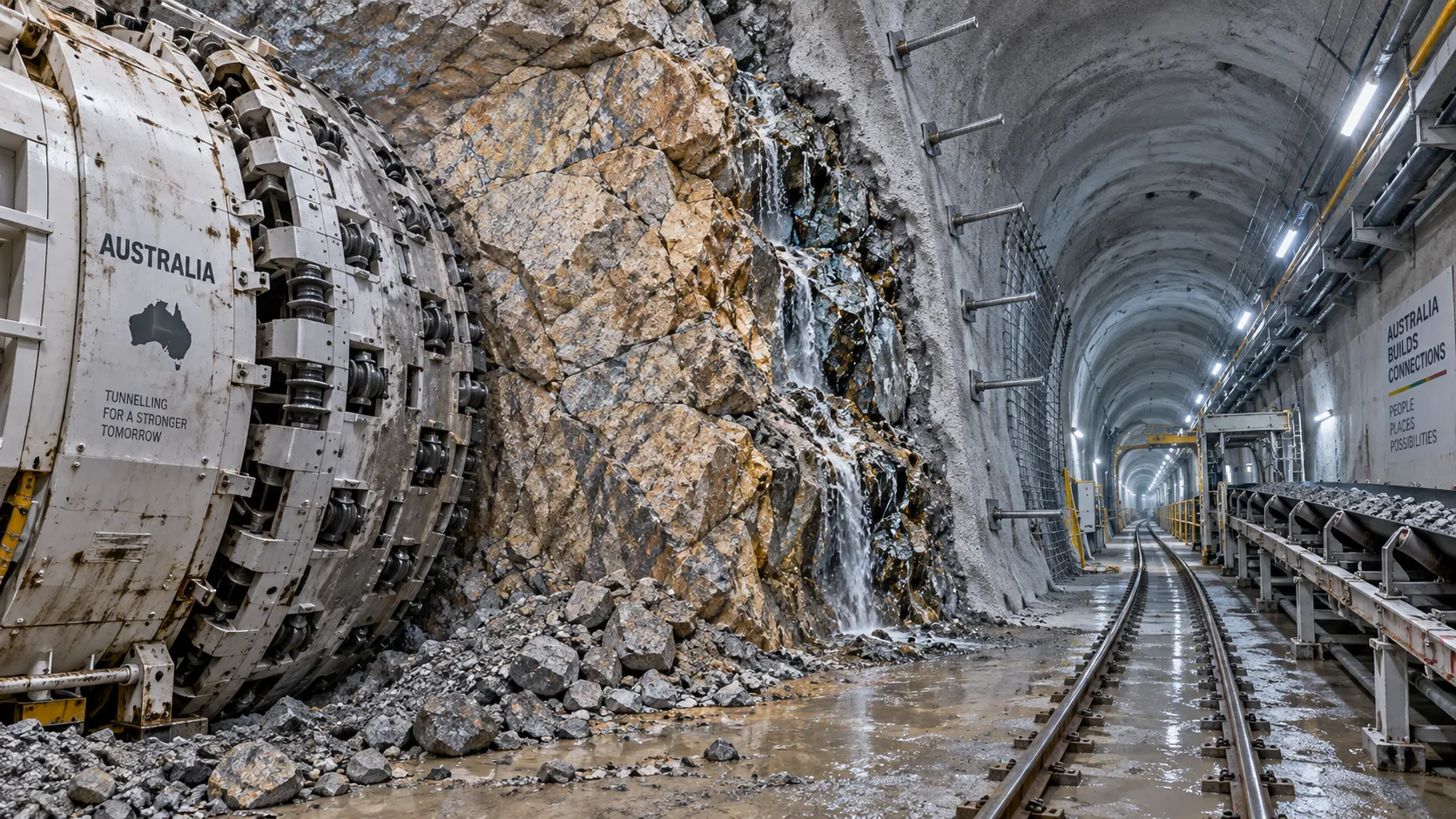
Hard Rock Tunnelling in Australia: Selecting Methods for Variable Ground Conditions
Hard rock tunnelling in Australia: compare TBM, drill-and-blast and hybrid methods to manage variable ground, reduce risk and protect project costs.
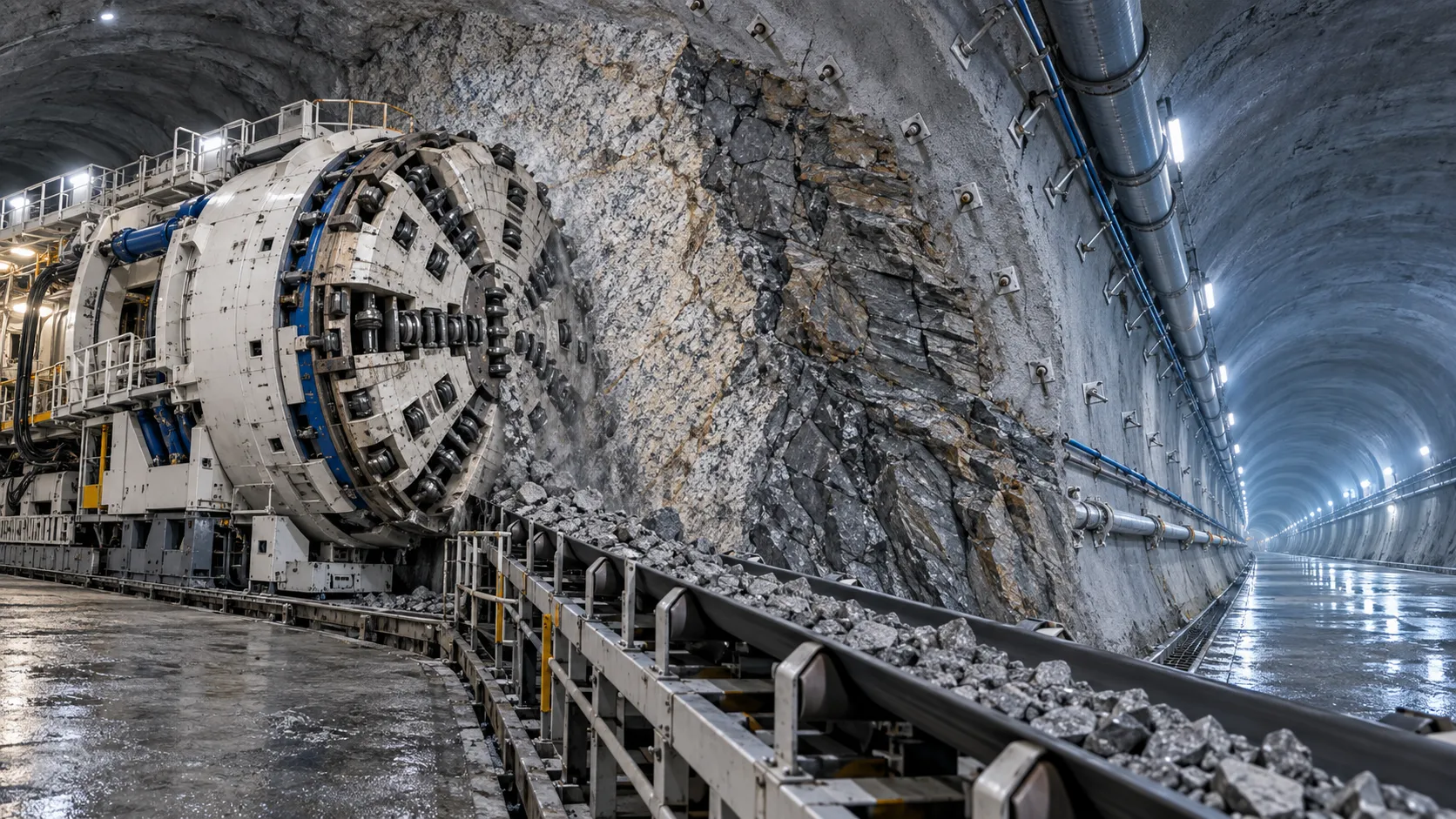
Hydropower Tunnel Excavation: Selecting Methods for Variable Rock Conditions
Hydropower tunnel excavation methods for variable rock conditions: compare TBM, drill-and-blast, and hybrid strategies to improve safety, progress, and project control.
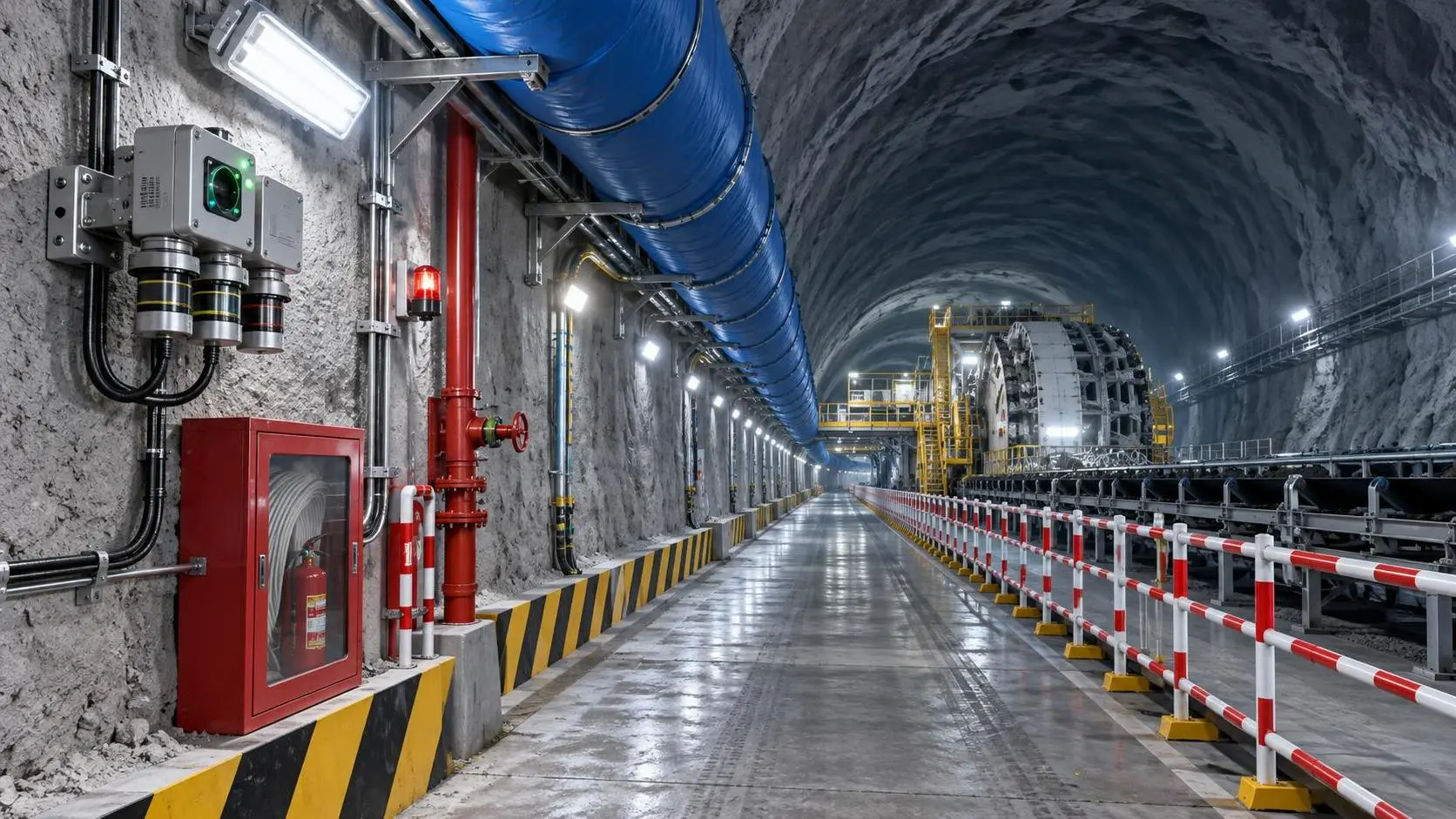
How to Select Underground Safety Equipment for Tunnelling by Hazard and Work Zone
Underground Safety Equipment for tunnelling: match protection to hazards, work zones, compliance, and emergency needs with this practical selection guide.

EPB or Slurry Shield? Selecting Soft-Ground Tunnelling Equipment by Soil Conditions
Tunnel Excavation Equipment for soft ground: compare EPB and slurry shields by soil, groundwater, settlement risk, and project logistics to choose confidently.
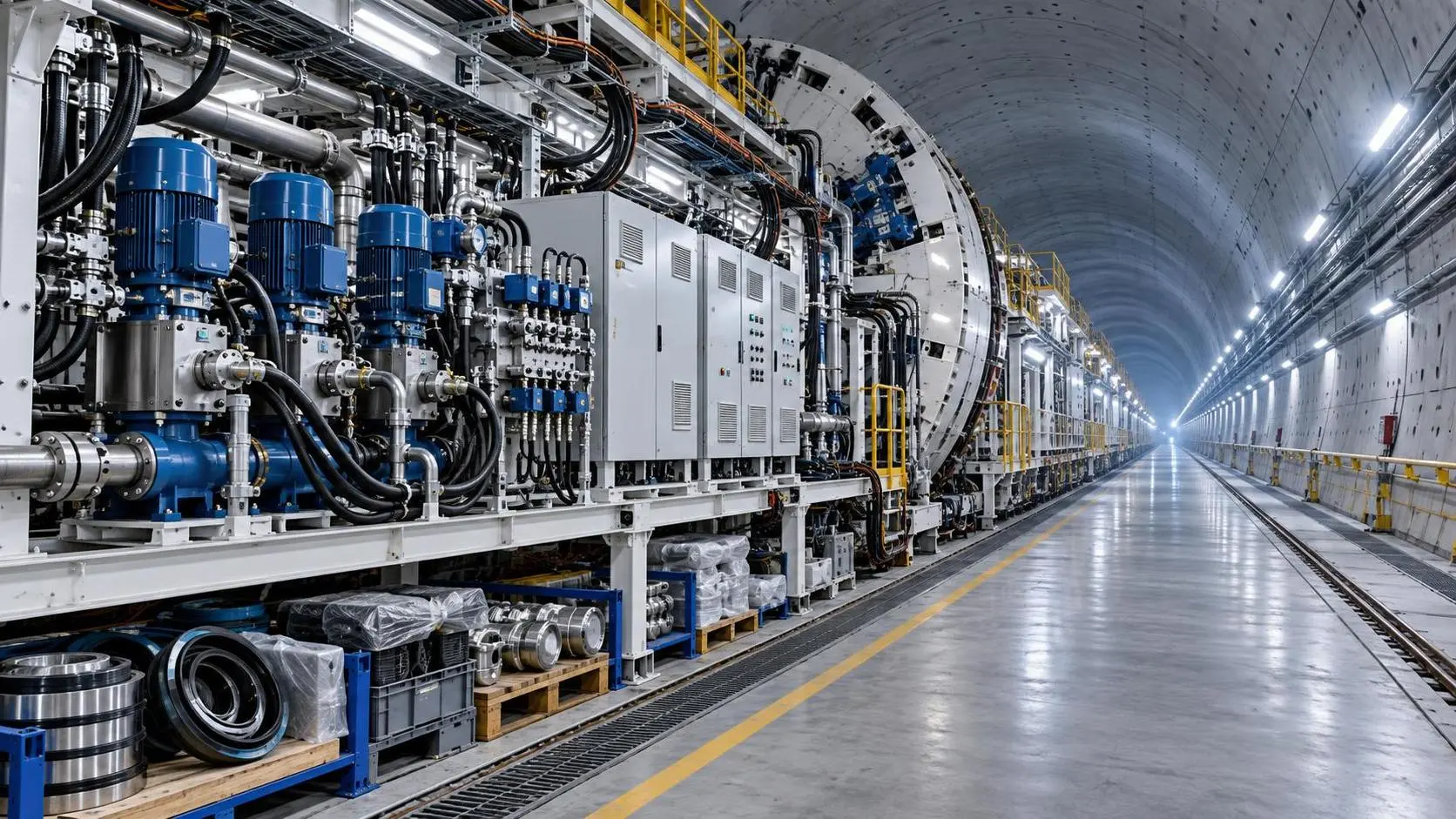
How to Specify TBM Backup System Parts for Reliable Long-Distance Tunnelling
TBM backup system parts: learn how to specify reliable spares for long-distance tunnelling, reduce downtime, ensure compatibility, and speed underground recovery.

How to Size Open Pit Mining Trucks for Haul Distance, Grade, and Payload?
Open Pit Mining Trucks: learn how to match payload, haul distance, grade, road resistance, and loading capacity for safer, lower-cost mine operations.
Related News
- 00
0000-00
How to Evaluate European Drill-and-Blast Tunnelling Contractors for Complex Projects - 00
0000-00
Which Trenchless Construction Technique Fits Your Utility Crossing Conditions? - 00
0000-00
What Is Driving Metro Tunnelling Demand Across Southeast Asia’s Major Cities? - 00
0000-00
Hard Rock Tunnelling in Australia: Selecting Methods for Variable Ground Conditions - 00
0000-00
Hydropower Tunnel Excavation: Selecting Methods for Variable Rock Conditions
Weekly Insights
Stay ahead with our curated technology reports delivered every Monday.